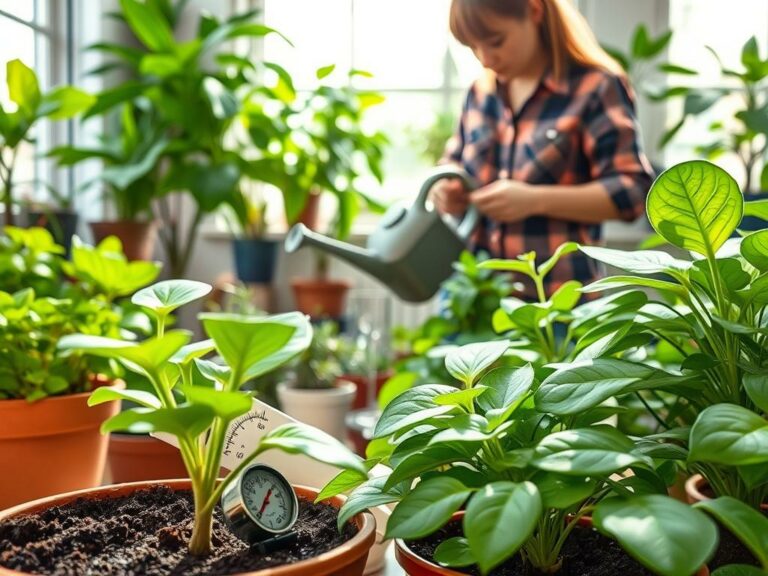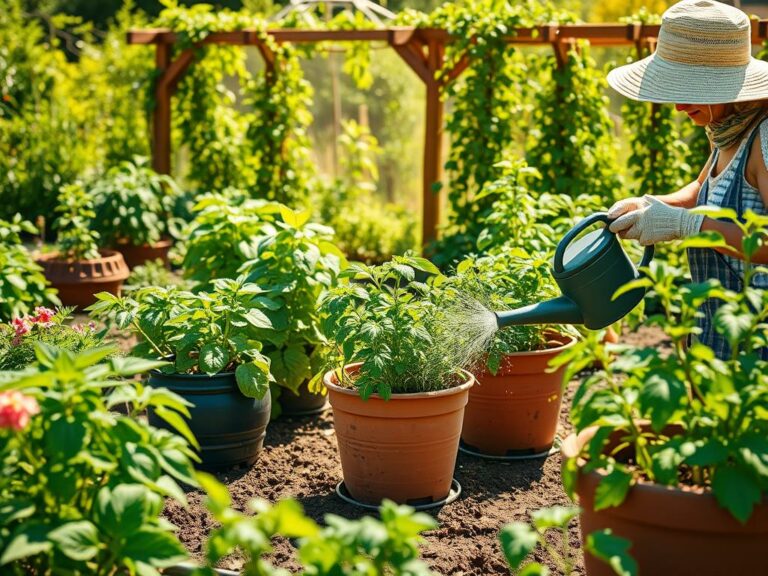

Did you know a sudden drop of just ten degrees can shock your plants into dormancy? When it gets cold, your garden fights hard to survive. Learning plant care winter tricks is key to protecting your plants from the cold.
As the seasons change, you need to adjust your care routine. You must understand how cold affects soil moisture and light. Making these essential adjustments keeps your plants healthy until spring.
This guide will teach you the winter plant care essentials for these cold months. Whether you’re new or experienced, these tips will help you face the season’s challenges. Get your indoor and outdoor spaces ready now to avoid common mistakes that can harm your plants.
Understanding Plant Needs in Winter
When it gets colder, your plants need a change in care. Many plants go into dormancy, changing how they grow and need care. Knowing how to care for them in winter keeps them healthy until spring.
Importance of Temperature Regulation
Keeping the right temperature is key to avoid shocking your plants. Some plants can’t handle cold and need warmth. Consistent warmth is crucial for plants that like it warm and stable.
To care for plants in winter, watch out for cold spots near windows and doors. Move sensitive plants away from these areas. Keeping them warm is the best way to keep them healthy.
Assessing Light Requirements
Winter days are shorter, and the sun is lower, reducing light. Check how much light your plants need to stay healthy. Maximizing exposure to sunlight is important for winter care.
Rotate your pots to get even light on all sides. If it’s too dark, use grow lights to help. Knowing how to care for plants in winter means adjusting to less light.
Types of Plants and Their Winter Requirements
Sorting your plants is the first step to caring for them in winter. Knowing what each plant needs helps you create the right environment. This way, they can survive the cold months.
Indoor vs Outdoor Plants
It’s important to know if your plants live indoors or outdoors. Indoor plants face less extreme weather but still need changes in light and moisture. Outdoor plants, on the other hand, face harsh weather. You must decide which plants can stay outside and which need to come inside to avoid frost.
Proper planning is crucial for a healthy garden. It helps you care for your plants during winter.
Tropical vs Temperate Plants
Tropical plants love warm, humid weather all year. They struggle with cold air, making them a key focus for winter care.
Temperate plants are built for seasonal changes and need a break to grow well. Knowing these differences helps you protect each plant right.
| Plant Type | Cold Tolerance | Winter Action |
|---|---|---|
| Tropical | Low | Move indoors immediately |
| Temperate | High | Mulch and monitor |
| Indoor | Very Low | Maintain stable heat |
Grouping your plants helps simplify winter care. This method ensures you give each plant the right support. It leads to a successful winter care experience.
Adjusting Watering Habits in Winter
To care for plants in winter, you need to change your watering habits. Many gardeners keep the same watering schedule as in summer. This can stress out your plants. Adapting your watering routine is a key winter plant care tip for both indoor and outdoor plants.
Recognizing Plant Dormancy
In the cold months, most plants go dormant. This is a natural way for them to save energy. You might see your plants stop growing new leaves or seem to not grow at all.
It’s crucial to notice these changes. Dormant plants need much less water than when they’re actively growing. Too much water can harm their roots.
Signs of Overwatering
Overwatering is a big risk in winter. The cooler air and lower evaporation rates mean the soil stays wet longer. This can lead to root rot and fungal infections.
Look out for yellow leaves, soft stems, or a damp smell from the soil. If you see these signs, cut back on watering. Always check the soil moisture before watering to see if it’s really needed.
| Season | Growth Rate | Watering Frequency |
|---|---|---|
| Spring/Summer | High | Frequent |
| Autumn | Moderate | Reduced |
| Winter | Low/Dormant | Minimal |
Protecting Outdoor Plants from Frost
Keeping your garden safe from frost is key to winter plant care essentials. By acting early, you can keep your garden looking great even when it’s cold. Follow these winter plant care tips to make your outdoor plants strong.
Using Mulch for Insulation
Putting a thick layer of organic mulch around your plants is a smart move. It keeps the soil warm by acting like a blanket. This helps protect the roots from freezing damage.
Covering Plants with Frost Cloth
For really cold nights, use frost cloth or burlap to cover your plants. Make sure it doesn’t touch the leaves to avoid cold damage. This creates a protective microclimate that keeps your plants warm.
| Method | Primary Benefit | Best Use Case |
|---|---|---|
| Organic Mulch | Root insulation | Perennials and shrubs |
| Frost Cloth | Foliage protection | Sensitive young plants |
| Burlap Wraps | Wind reduction | Evergreens and trees |
Managing Indoor Plant Conditions
When the heating goes on, your houseplants face big challenges. The dry air and fake heat are tough on many plants. To keep them alive until spring, follow some key winter plant care tips.
Optimal Indoor Temperatures
Most houseplants like temperatures between 65°F and 75°F. Keep your home’s temperature steady to avoid shocking your plants. Don’t put pots near radiators or heaters.
“Consistency is the secret ingredient to keeping your indoor garden vibrant throughout the coldest months of the year.”
Humidity Control
Home heaters dry out the air, causing leaf damage. To care for your plants in winter, manage humidity. Here are a few ways to do it:
- Group your plants together to create a microclimate with higher ambient humidity.
- Place pots on a tray filled with pebbles and a small amount of water.
- Use a room humidifier to maintain a steady moisture level for both you and your plants.
Avoiding Drafts
Even tough plants can’t handle cold drafts. Watch for drafts near windows or doors. A cold blast can cause immediate leaf drop and stress.
If your plants look wilted, check for air leaks. Moving them away from drafts can help a lot. Stay on top of it to keep your plants healthy all winter.
Fertilizing Your Plants in Winter
Winter is a time to slow down on fertilizing your plants. Most plants go dormant in the cold months. They can’t use nutrients well when they’re not growing.
Stopping fertilization helps protect your plants from stress. Too much fertilizer can make them weak and vulnerable. Wait until spring when they start growing again to start fertilizing again.
When to Fertilize
Wait until your plants show they’re coming back to life. Most plants need a break to save energy for the next season. Watch for signs like new green leaves, more water use, and longer days.
- The emergence of new, vibrant green leaves.
- Increased water consumption by the plant.
- The arrival of warmer temperatures and longer daylight hours.
Choosing the Right Fertilizer
If your plants need nutrients in winter, be very careful. Never use strong chemical fertilizers. They can harm dormant plants.
If you must fertilize, use a very mild, slow-release fertilizer. Apply it sparingly. This gives a little nutrition without overwhelming the plant. Always remember that less is more in winter care. Your goal is to keep them healthy, not to force growth.
Pruning and Maintenance During Winter
When the leaves fall, you can see your trees and shrubs clearly. This is the best time for maintenance. You can see the true structure of your plants without foliage getting in the way.
This is a key part of protecting plants in winter. It helps you spot damaged or crossing branches that might be hard to see.
Timing Your Pruning
Timing your pruning is crucial for the best results. Wait until the plant is fully dormant before making big cuts. This reduces the risk of disease, which is higher when plants are growing.
Pruning in the coldest months helps plants save energy. This is a key part of winter plant maintenance. Pruning at the right time helps plants grow well when spring comes.
Tools Needed for the Job
Having the right tools is as important as timing. Use sharp, sterilized shears or saws for clean cuts. Dull blades can harm the plant and slow healing.
Clean cuts help prevent infections and aid in quick recovery. Clean your blades with rubbing alcohol before starting. Good tools make protecting plants in winter more effective and rewarding.
Dealing with Pests in Winter
Effective winter plant maintenance is more than just watering. It also means watching out for tiny pests. Even in the cold, indoor plants can attract unwanted guests. These pests love the dry, heated air of homes.
Common Winter Pests
Check the undersides of leaves and stems often. Look for pests like spider mites, aphids, and mealybugs. They target stressed plants in the cold months. If not stopped, they can spread to all your plants.
Organic Pest Control Methods
Use organic pest control when you find pests. Neem oil or insecticidal soaps are good options. They’re safe for your home and plants.
Keeping your space clean is also key. Make sure plants have good air circulation. This stops pests from thriving. Stay ahead of pests to keep your plants healthy until spring.
Propagating Plants in Cold Weather
Winter is a great time to grow your indoor garden. Even when it’s cold outside, your home is warm and perfect for new plants. With the right winter gardening advice, you can turn cuttings into strong plants by spring.
Techniques for Successful Propagation
To grow plants in the cold, keep them warm and moist. Water propagation is simple because you can see the roots grow. Make sure your cuttings get bright, indirect light to stay healthy.
If you use soil, keep it damp but not too wet. A heat mat can help by warming the soil like spring. This is a key best practice for winter plant care to keep your cuttings growing.
Best Plants for Winter Propagation
Some plants do well indoors in winter. Pothos and spider plants are great for beginners because they grow fast and need little care. They’re highly adaptable, making them perfect for growing indoors when it’s cold outside.
Starting these plants now means you’ll be ready for spring. Remember, growth might be slower in winter. But with these best practices for winter plant care, your indoor garden will stay lively all year.
Transitioning from Winter to Spring Care
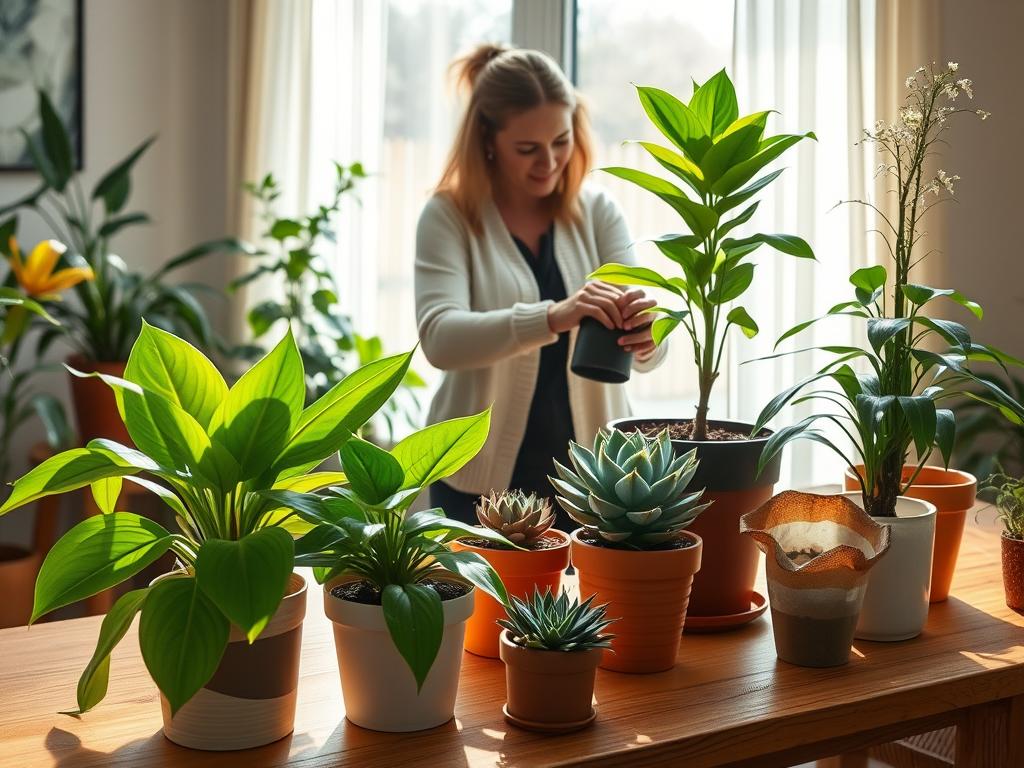
Watching your garden wake up after winter is very rewarding. As days get longer, plants come out of their sleep. A good winter plant care guide helps you know when to give them more care.
Signs of New Growth
You’ll see small changes as the light gets stronger. Look for bright green tips on stems or tiny new leaves near the base. These signs mean your plants are starting to grow again.
When you see this new growth, it’s time to change your care routine. Start watering more often to meet your plants’ needs. Also, begin a regular fertilizing schedule to help them grow strong.
Preparing for Spring Planting
Getting ready for spring is crucial for a great growing season. Clean your pots and remove any old debris. Refresh the soil or repot if needed to give your plants a fresh start.
By following these best practices for winter plant care, you’ll make the transition to spring easier. These small steps help prevent stress and keep your plants looking great. Soon, they’ll show off lush, healthy leaves as spring comes.
Learning from Winter Plant Care
Every cold season is a chance to get better at gardening. By tracking your progress, you make each month a lesson for your plants.
Documenting Your Growth
Keeping a plant journal is a great tool for gardeners. It helps you see which plants did well and which didn’t. By noting what worked, you can save your favorite plants next winter.
Refining Future Routines
Looking back at your journal helps you improve for next year. You’ll see how your home affects your plants. Using these insights, you can keep your garden healthy all year.