
Did you know over 70% of garden problems come from soil imbalances, not pests? Many gardeners turn to synthetic chemicals first. But this can make your plants weaker over time.
To really strengthen plants naturally, focus on building a healthy soil ecosystem. This creates a strong base for your plants to grow without harsh chemicals.
True vitality starts with the earth. Adding organic matter and beneficial microbes helps your plants fight off stress. This keeps your garden lively and productive all year.
In this guide, we’ll show you how to create a strong garden from the ground up. You’ll learn simple, green habits to turn your backyard into a lush oasis.
Understanding Plant Health
A thriving garden starts with knowing your plants’ subtle signs. By watching their daily changes, you can strengthen plants naturally before small problems grow big.
This early action lets you track growth and how plants react to their surroundings. Knowing what a healthy plant looks like helps you spot problems sooner.
The Importance of Strong Plants
Strong plants are key to a successful garden. By working to strengthen plant immune system naturally, your plants can handle stress better. This includes heat waves or sudden cold snaps.
Healthy plants are not just tough; they also grow more. Whether it’s veggies or flowers, strong roots and leaves mean more food and beautiful blooms.
Common Signs of Weakness in Plants
Even experienced gardeners see plants struggle sometimes. Look for signs like yellowing leaves, slow growth, or constant wilting.
These signs are like early warnings. Catching them early lets you fix problems fast and keep your garden healthy.
| Indicator | Healthy State | Weakness Sign |
|---|---|---|
| Leaf Color | Vibrant, uniform green | Yellowing or brown spots |
| Growth Rate | Steady, seasonal progress | Stunted or stopped growth |
| Stem Texture | Firm and upright | Soft, mushy, or drooping |
| Root Health | White and firm | Dark, slimy, or brittle |
Spotting these signs early gives you the chance to act before it’s too late. Regularly checking your plants is the best way to keep your garden looking great and productive.
Natural Fertilizers for Plant Strength
Feeding your soil is key to a thriving garden. Moving away from synthetic chemicals lets the soil ecosystem flourish. This creates a sustainable cycle of growth. Natural methods focus on long-term health, not quick fixes.
Benefits of Organic Fertilizers
Organic fertilizers give plants nutrients slowly. They don’t wash away like synthetic ones. They also make the soil better over time.
Choosing organic helps beneficial microbes and earthworms. These break down organic matter for roots. This is crucial for a healthy garden all year.
Popular Natural Fertilizer Options
There are many great organic options for your garden. Each one adds special nutrients that synthetic fertilizers don’t. Try these:
- Compost: The best for soil health, adding organic matter and bacteria.
- Bone Meal: Rich in phosphorus for strong roots and blooms.
- Seaweed Extract: Full of minerals and hormones for stress resistance.
| Fertilizer Type | Primary Benefit | Best Use Case |
|---|---|---|
| Compost | Soil Structure | General Garden Bed Prep |
| Bone Meal | Root Strength | Bulbs and Flowering Plants |
| Seaweed Extract | Stress Resistance | Seedlings and Transplants |
Using these natural methods builds a strong garden base. Regular use of these materials gives plants a steady, balanced diet. This leads to long-lasting, healthy growth.
Soil Quality and Plant Strength
Your garden’s success starts deep in the soil. This layer is crucial for every plant’s life. By focusing on the soil, you can use natural plant strengthening methods for long-term health.
Key Soil Components for Healthy Plants
The soil’s structure affects root growth and water absorption. Ideal soil has a mix of sand, silt, and clay. This mix holds moisture but drains well. Organic matter, like compost, greatly improves this structure.
Soil also needs essential minerals for plant health. These nutrients help plants fight disease and stress. A balanced soil provides the best environment for robust root development.
Testing Your Soil’s pH and Nutrients
Testing your soil is key to understanding its needs. Most plants do best in slightly acidic to neutral pH. This pH level helps them get nutrients well.
You can buy simple home testing kits at garden centers. These kits check pH and primary nutrients. Knowing your soil’s needs lets you apply natural plant strengthening methods effectively. Whether it’s adding lime or compost, testing makes gardening easier.
Watering Techniques to Boost Resilience
Water is essential for your garden’s health. Yet, many gardeners find it hard to water correctly. Learning to water deeply and consistently is key. This helps roots grow strong, making plants more resilient in dry times.
Signs of Overwatering and Underwatering
It’s crucial to spot early signs of moisture stress. If plants are underwatered, they’ll wilt, have dry soil, and grow slowly. They look brittle and may lose color as they struggle to get nutrients.
Overwatering is harmful too. It can kill roots. Look for yellow leaves, soft stems, and a moldy smell. Spotting these signs early helps you adjust watering to keep plants healthy.
The Role of Water Quality
Water quality matters as much as quantity. Tap water can harm roots with chlorine and minerals. Using rainwater is better, as it lacks harsh chemicals.
Water temperature affects how plants absorb it. Cold water can shock roots, more so in summer. Use water at room temperature to keep plants stress-free.
| Condition | Primary Symptom | Recommended Action |
|---|---|---|
| Underwatering | Crispy, brown leaf edges | Increase frequency and depth |
| Overwatering | Yellowing, mushy leaves | Improve drainage and wait |
| Poor Quality | White crust on soil | Use filtered or rainwater |
Companion Planting for Strength
Transform your garden into a self-sustaining powerhouse with companion planting. This ancient art uses natural relationships between species for a balanced ecosystem. By following these plant health improvement tips, you can cut down on synthetic chemicals and manual labor.
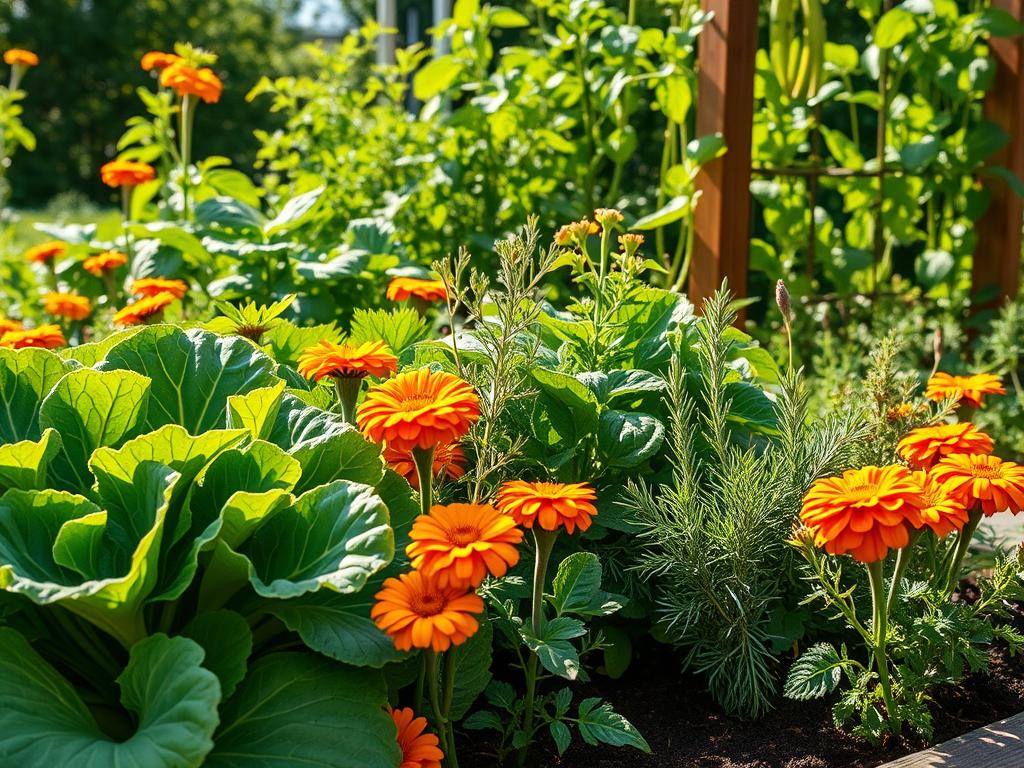
Plants That Thrive Together
Certain plants protect their neighbors from common threats. For example, marigolds near tomatoes keep nematodes and pests away. This symbiotic relationship lets your crops grow without worrying about defense.
“Nature is a vast, interconnected web where every plant plays a specific role in the survival of its neighbor.”
Choosing the right partners makes your garden a team. Here are some common pairings to boost your results:
| Primary Plant | Companion Plant | Main Benefit |
|---|---|---|
| Tomatoes | Basil | Pest Repellent |
| Carrots | Onions | Deters Carrot Fly |
| Corn | Beans | Nitrogen Fixation |
Enhancing Growth Through Companioning
Companion planting does more than just fight pests. It helps with nutrient cycling and space use. Tall plants like corn shade delicate greens, keeping them from wilting.
Diverse species also keep weeds down by covering the ground. Plants with different root depths access nutrients without competing. This strategic arrangement is key to a long-lasting, successful garden.
Using Mulch to Protect and Nourish
A simple layer of organic matter can shield your plants from harsh weather. Mulching is a top organic way to boost plant vitality and keep your garden tidy. It covers the soil, creating a barrier that keeps moisture in and controls ground temperature.
Types of Mulch and Their Benefits
Choosing the right material depends on your garden needs. Wood chips are great for perennial beds and pathways. They break down slowly, improving soil structure and suppressing weeds for a long time.
Straw is perfect for vegetable gardens. It keeps fruit off damp soil, preventing rot and disease. Shredded leaves also enrich the soil as they decompose, adding nutrients back into the ground.
How to Apply Mulch Effectively
Proper application is key. Aim for a two to three inches deep layer for enough coverage without harming roots. Always keep the mulch a few inches away from plant bases to avoid stem rot and pest issues.
Using these methods is a great organic way to boost plant vitality all season. A consistent layer helps plants withstand heat and dry spells. This simple step saves time on weeding and watering, creating a healthier garden.
Natural Pest Control Methods
Managing garden invaders is easier with organic ways to boost plant vitality. Working with nature helps plants thrive without synthetic toxins. This keeps your garden safe for pollinators and wildlife.
Beneficial Insects for Your Garden
Your garden is a complex ecosystem. It needs a balance between predators and prey. Introducing beneficial insects is a great way to control pests. These tiny allies protect your flowers and vegetables.
- Ladybugs: These beetles eat lots of aphids.
- Lacewings: Known as “aphid lions,” their larvae eat many aphids.
- Parasitic Wasps: They target pests like caterpillars and whiteflies.
- Ground Beetles: They hunt slugs and cutworms in the soil.
“The best way to control pests is to foster a garden that supports the natural enemies of those pests.”
Homemade Solutions for Common Pests
When pests show up, you can use simple, homemade remedies. These are gentle on plants but effective against pests like mites. Always test a small area before applying to the whole plant.
| Solution | Primary Ingredient | Best For |
|---|---|---|
| Soap Spray | Mild Dish Soap | Aphids and Mites |
| Neem Oil | Neem Extract | Fungal Issues and Insects |
| Garlic Spray | Crushed Garlic | General Repellent |
These methods are sustainable and boost plant vitality. Regularly check your plants to catch problems early. This keeps your garden healthy and vibrant.
The Role of Sunlight in Plant Health
Sunlight is key for all life in your garden. It helps plants grow well by letting them make food through photosynthesis. Without sunlight, even the best soil can’t keep plants healthy.
Understanding Light Requirements
Each plant type needs a certain amount of light to thrive. You can tell how much light an area gets by watching the sun. Full sun means six hours or more of direct sun. Partial shade is three to six hours.
Areas with deep shade get less than three hours of direct sun or only filtered light. Knowing these areas helps you create a balanced garden. By picking plants that match these light levels, you help them grow strong.
Adjusting Light Exposure for Growth
You can help plants grow by moving them or trimming branches. If a plant looks stretched out or pale, it needs more light. Moving it to a sunnier spot can make it healthier and stronger.
Here’s a table to help you pick the right plants for your garden:
| Light Category | Daily Sun Exposure | Ideal Plant Types |
|---|---|---|
| Full Sun | 6+ Hours | Tomatoes, Peppers, Roses |
| Partial Shade | 3-6 Hours | Lettuce, Spinach, Hydrangeas |
| Deep Shade | Less than 3 Hours | Ferns, Hostas, Impatiens |
Watching your garden during the day helps you improve it. Good light management is key to a healthy, beautiful garden all year.
Promoting Healthy Root Systems
A thriving garden starts deep down where roots hold your plants in place. These hidden structures are the engine of your garden, pulling in moisture and nutrients. By focusing on the root zone, you give your plants the stability they need for vigorous development above ground.
Techniques for Root Development
Deep and infrequent watering encourages roots to grow deep. This method makes roots search for moisture below the surface. Adding compost to the soil’s top layers gives plants a steady nutrient supply, helping them grow.
Keep your garden beds away from foot traffic to avoid soil compaction. When soil is too dense, roots find it hard to grow. Raised beds or pathways help protect the root zone from damage.
Importance of Aeration in Soil
Aeration is key for a healthy root zone. Roots need oxygen to breathe, and compacted soil often lacks air pockets. Improving soil structure strengthens plant immune system naturally by reducing stress from poor drainage.
Good drainage stops water from pooling around plants, preventing root rot. Test your soil after rain to see how fast water drains. If it’s slow, add organic matter like perlite or coarse sand to improve oxygen and water flow in the soil.
Regular Maintenance Practices
Creating a strong landscape is more than just planting. You need to stick to a routine that keeps your plants healthy for years. These habits turn a simple backyard into a thriving space that can handle tough weather.
Essential Pruning and Trimming
Regular cutting is key. It stops diseases from spreading and helps air move through your plants. Use sharp tools, like those from Fiskars, for clean cuts that heal fast. This helps your plants grow strong instead of wasting energy on dead parts.
Adapting to Seasonal Shifts
Your garden needs different care as the seasons change. Get ready for winter by removing debris and protecting roots. In spring, clear out winter damage to make way for new growth. By following these natural care steps, your garden will stay lush and vibrant all year.