
Did you know that 90% of household greenery fails to reach its full potential? This is often due to minor environmental inconsistencies. You can change this outcome by mastering a few basic habits.
Learning how to grow indoor plants faster is not about magic; it is about precision. By making small adjustments to your daily routine, you can significantly boost the vitality of your greenery.
These indoor plant care tips for faster growth provide the foundation for a thriving home oasis. Consistent attention acts as the primary driver for rapid development.
Follow these simple steps to transform your living space into a lush, vibrant sanctuary. You will soon see the difference that intentional care makes for your botanical collection.
Understanding the Basics of Indoor Plant Growth
Starting a fast-growing indoor garden means learning the basics of plant biology. Focus on light, soil, and water to avoid common growth problems. These indoor gardening tips help your plants grow quickly.
Importance of Light Conditions
Light is crucial for plants, as it powers photosynthesis. Without enough light, plants can’t grow well. Consistency in light exposure is important for growth.
“Plants are the earth’s way of breathing, and they require the right environment to thrive and reach their full potential.”
Soil Quality and Drainage
Good soil is essential for plant growth, providing needed nutrients. It must allow for air and water to reach the roots. Proper drainage is also key to prevent waterlogged soil.
Proper Watering Techniques
Learning to water correctly is vital for indoor gardening. Overwatering can harm plants, causing root rot. Check the soil moisture before watering to keep growth steady.
Choosing the Right Indoor Plants for Speed
Starting your indoor jungle needs the right plants. Not all plants grow fast. Choosing the right ones means you’ll see growth quickly.
Fast-Growing Plant Varieties
Some plants grow fast, like Pothos and Heartleaf Philodendrons. They grow long vines quickly. Spider plants also grow fast, producing new plants easily.
These plants are forgiving. They can handle small mistakes. This makes learning to garden indoors fun and easy.
Native Plants vs. Exotic Species
Knowing where your plants come from helps. Native plants fit better in your home. They grow faster because they’re already adapted to your environment.
Exotic plants are beautiful but need special care. If you’re new, start with native plants. They’re easier to care for.
Seasonal Considerations
Even fast-growing plants have seasons. They grow more in spring and summer. Winter is when they slow down.
Plan for this. Help your plants grow more in the busy seasons. This way, they’ll be ready for winter.
Optimal Lighting Solutions for Indoor Gardens
Light is key for optimizing indoor plant growth. It’s the main fuel for photosynthesis. This process helps plants grow new leaves and stems. By setting up the right lighting, you help your plants grow fast.
Natural Light vs. Artificial Light
Natural sunlight is the best, but it can be hit-or-miss. South-facing windows get the most light, while north-facing windows get less. Artificial light offers a steady, reliable energy source, no matter the weather.
Supplemental lighting is great for speeding up indoor plant growth in the winter. Mixing natural and artificial light creates a perfect balance. This ensures your plants stay active all the time.
Best Grow Lights for Indoor Plants
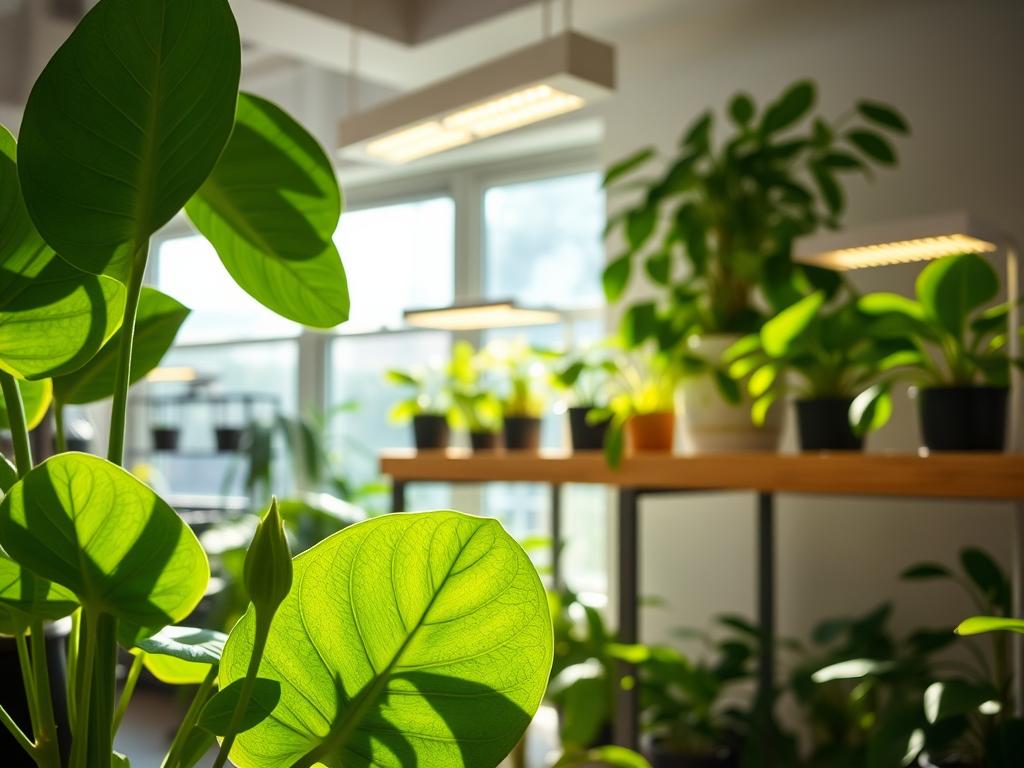
LED grow lights are the top choice for indoor gardeners. They’re cool to the touch and don’t burn your plants. These lights mimic the sun’s full spectrum, giving plants the blue and red light they need.
Choose full-spectrum bulbs with a high color rendering index. Consistency is key with artificial lights. Use timers to keep a regular day-night cycle for healthy growth.
Positioning Your Plants for Maximum Light
Where you place your plants is just as important as the light itself. Group plants by their light needs to make optimizing indoor plant growth easier. Watch how your plants respond to their spot, as small changes can make a big difference.
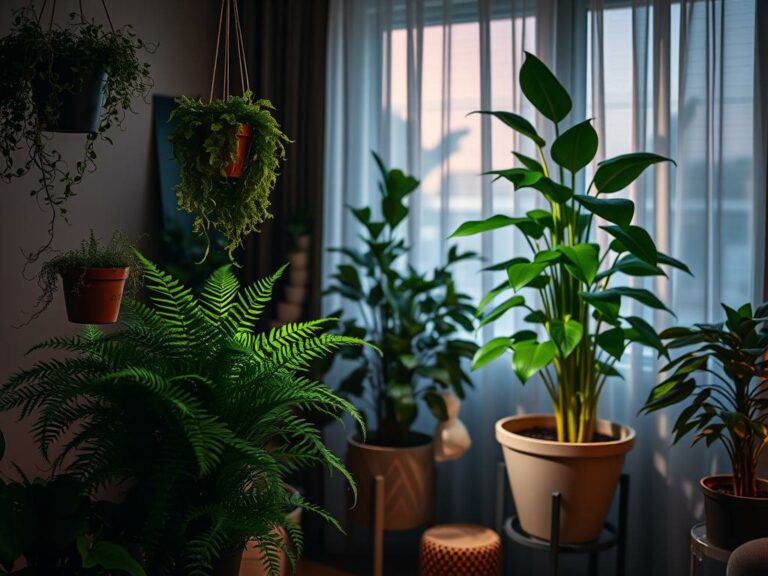
Avoid direct sunlight for sensitive plants to prevent leaf burn. Use sheer curtains to soften the light if you see brown edges on leaves. By managing these factors, you’ll see your plants grow quickly and thrive.
The Role of Temperature and Humidity
Mastering the balance of heat and moisture is key for accelerating plant growth indoors. Plants are very sensitive to their surroundings. Even small changes can greatly affect their growth.
Creating a stable climate that matches a plant’s natural home helps it thrive. By keeping these factors stable, your plants can focus on growing strong instead of just surviving.
Ideal Temperature Ranges
Most houseplants do best in temperatures between 65°F and 75°F. Keeping your home in this range helps prevent stress that can slow growth.
Don’t put your plants near drafty windows, air conditioning vents, or heaters. Consistent warmth is crucial for plant growth.
Maintaining Humidity Levels
Many tropical plants struggle in dry indoor air. Keeping an eye on the air’s moisture is important.
“The secret of gardening is to make the plant feel at home in its environment.” — Anonymous
Indoor heating in winter can dry out the air. Using a humidifier or placing plants on a water tray can help. This is key for accelerating plant growth indoors.
Seasonal Changes and Indoor Climate
As seasons change outside, your indoor climate does too. You need to adjust your care routine to match these changes.
In colder months, water your plants a bit less if it’s cold. By paying attention to these changes, you create a resilient environment for your plants to grow in all year.
Fertilizing for Faster Growth
Feeding your plants right is key to accelerating plant growth indoors. Giving them the right nutrients at the right time helps them grow well. Without regular feeding, even healthy plants may not grow new leaves.
Types of Fertilizers
Choosing the right fertilizer depends on your plants and how you care for them. Most fertilizers are in three main types, each with its own benefits for your plants.
- Liquid fertilizers: These work fast and are great for quick nutrient uptake during the growing season.
- Granular fertilizers: They slowly release nutrients over weeks.
- Slow-release pellets: Perfect for those who want a simple, “set it and forget it” option.
When and How to Fertilize
Timing is crucial when you’re trying to accelerate plant growth indoors. Fertilize only during the growing season, from early spring to late summer. In winter, most plants need little to no extra food.
Always follow the label to avoid over-fertilizing. Too much fertilizer can harm your plants. It’s better to use a diluted solution often than to give a big dose all at once.
Organic vs. Synthetic Options
Choosing between organic and synthetic fertilizers affects your soil. Organic options, like compost tea, improve soil health by supporting beneficial microbes. Synthetic fertilizers give quick nutrients but don’t help soil health in the long run.
| Fertilizer Type | Nutrient Speed | Soil Impact | Best Use |
|---|---|---|---|
| Organic | Slow/Steady | Improves Microbiome | Long-term Health |
| Synthetic | Rapid | Neutral/Depleting | Quick Recovery |
| Balanced | Moderate | Maintains Balance | General Maintenance |
By picking the right fertilizer, you help your plants grow faster indoors while keeping them healthy. Watch how your plants react to new fertilizers to make sure they stay healthy all year.
Potting Techniques for Enhanced Growth
Proper potting is a key faster plant growth technique for gardeners. It lets plants expand their roots, taking in nutrients and water better. This is crucial for strong growth above the soil.
Choosing the Right Pot Size
Finding the right pot size is crucial for plant health. A pot that’s too small can limit root growth. On the other hand, a pot that’s too big can cause root rot from too much water.
Opt for a pot that’s only one to two inches wider than the current root ball. This strategic sizing gives the plant room to grow without drowning in water.
Repotting Strategies
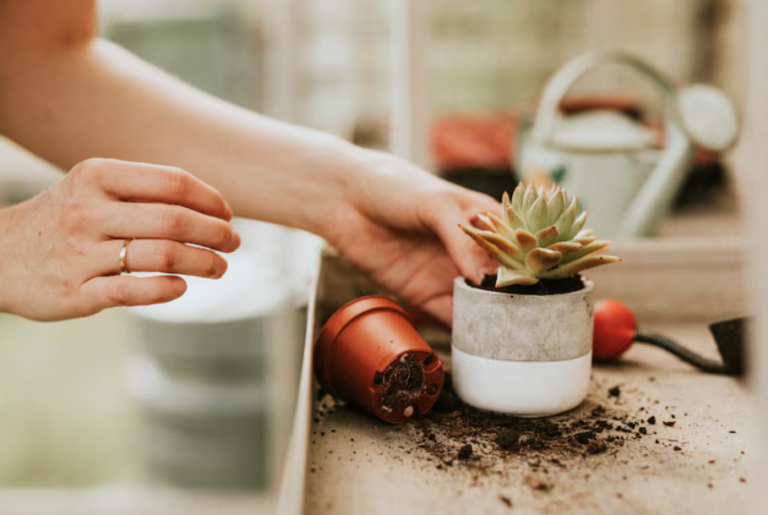
Repotting needs to be done carefully to avoid shock. Gentle handling of the roots is essential for the plant’s health after the move.
- Water your plant well a day before repotting to keep the roots moist.
- Loosen the root ball gently if it’s packed too tightly in the old pot.
- Use fresh, quality potting mix for nutrients that support immediate growth.
Incorporating Root Growth Promoters
Using natural root growth promoters can give your plants a boost. These substances help roots grow strong and fast, which is a top faster plant growth technique.
Many gardeners use organic options like seaweed extract or willow water. These natural additives encourage root growth and help plants recover from repotting stress.
Watering: Finding the Perfect Balance
Finding the right moisture balance is key for faster plant growth techniques. It might seem easy, but getting the water right is hard. When you get it right, your plants will flourish.
Recognizing Overwatering Symptoms
Overwatering can harm your plants. Look out for yellowing leaves and mushy stems. These signs mean your plant is rotting.
Spotting these signs early can save your plant. Check the soil moisture by inserting your finger or a dowel. If it’s too wet, stop watering and let it dry.
Tips for Efficient Watering
Consistency is key for indoor plant care tips for faster growth. Make sure pots have drainage holes. Water only when the top inch of soil is dry.
Water in the morning for better absorption. This helps avoid fungal problems. Different plants need different care, so watch how yours react.
Water Quality and Its Impact
The water you use affects your plant’s health. Tap water can have chlorine or minerals that harm plants. White deposits on the soil mean your water is too mineral-rich.
Use filtered water or let tap water sit overnight. This removes chlorine, making water safer for your plants. By focusing on these details, you help your plants grow faster and stay healthy.
Pests and Diseases: Prevention and Management
Keeping your plants safe from pests and diseases is key. Catching small problems early stops them from getting worse. Regular checks help your plants grow well all year.
Common Indoor Plant Pests
Indoor plants attract pests like spider mites and fungus gnats. Spider mites make webs on leaves, and fungus gnats come from wet soil. Spotting them early helps prevent damage.
“The best fertilizer for a plant is the gardener’s shadow.”
Signs of Plant Disease
Plants show signs of trouble like yellow leaves or dark spots. These signs mean they might have fungal infections or root rot. These issues can slow down your plants’ growth.
Natural Remedies for Plant Health
You don’t need harsh chemicals to keep plants healthy. Neem oil or mild soap can fight off pests. Isolate sick plants to keep others safe.
| Pest Type | Primary Symptom | Natural Treatment |
|---|---|---|
| Spider Mites | Fine webbing | Neem oil spray |
| Fungus Gnats | Flying insects | Yellow sticky traps |
| Mealybugs | White cottony mass | Rubbing alcohol swab |
Keep your space clean and check plants often. This way, you protect your investment. It’s crucial for maximizing indoor plant growth and keeping your home green and lively.
Creating a Routine for Plant Care
Creating a routine for your indoor plants is key to their growth. Simple indoor gardening tips can turn care into a smooth habit. This keeps your plants vibrant and healthy.
Daily, Weekly, and Monthly Tasks
Consistency is crucial for plant growth. Organize your tasks into a checklist to avoid neglect.
Daily tasks include checking for wilting and dry soil. Weekly tasks involve deep watering, dusting, and rotating pots for even light. Monthly tasks include fertilizing, pest checks, and pruning to promote new growth.
Tracking Plant Growth Progress
Tracking your success is vital for maximizing indoor plant growth. Keep a journal for new leaf emergence and height changes.
Take photos of your plants monthly from the same angle. This creates a visual timeline of their health. It helps you see which care changes work best.
Adjusting Care Based on Season
Plants have different needs with the seasons. In winter, growth slows, so water less and don’t fertilize.
In spring, increase your care to support active growth. These indoor gardening tips ensure your plants get the right care all year. This maximizes indoor plant growth.
| Task Frequency | Primary Focus | Expected Outcome |
|---|---|---|
| Daily | Moisture Check | Prevents dehydration |
| Weekly | Cleaning & Rotation | Boosts photosynthesis |
| Monthly | Feeding & Pruning | Stimulates new growth |
| Seasonal | Repotting & Climate | Ensures long-term health |
Conclusion: Your Path to Thriving Indoor Plants
To make your home a lush oasis, mix science with instinct. You now have the key to grow indoor plants faster. This is by improving light, water, and soil conditions.
Success in growing plants comes from noticing small changes. Making small changes in your care can lead to big results over time.
Essential Strategies for Success
Being consistent is crucial for a healthy garden. Use brands like Espoma or Miracle-Gro to track your progress. This helps you understand what your plants need.
Patience is your best friend in this journey. With consistent care, you’ll see strong roots and vibrant leaves.
Building Lasting Growth
Try new things to make your space perfect for your plants. Every home is different, affecting how plants grow.
Listen to your gut as you improve your methods. Your hard work will keep your indoor garden a source of joy for years.
Taking Your Next Steps
Start by recording your plants’ current health. Pick one new technique from this guide to try this week.
Share your journey with others to get new ideas. Your path to a lush indoor garden begins with these easy steps.