
85% of U.S. pet owners want more houseplants but worry about safety. Choosing pet-friendly indoor plants is crucial.
This guide helps you pick safe, easy-care plants for your home. You’ll learn about safe plants for cats and dogs. Plus, how to find non-toxic indoor plants that fit your lifestyle in the U.S.
Meta title: “10 Pet-Friendly Indoor Plants That Are Safe for Cats and Dogs.”
Meta description: “Discover 10 pet-friendly indoor plants that ensure a vibrant home, safe for both your cats and dogs. Greenery without the worry!”
The article will cover why pet-safe plants matter. It will also show how to check safety using trusted sources like the ASPCA and Pet Poison Helpline. You’ll find low-maintenance and air-purifying plants, as well as safe flowering and trailing options.
It will also give tips for introducing greenery to curious pets. And, a concise list of the 10 recommended plants with quick care notes.
Throughout, you’ll get guidance from veterinary sources and Pet Poison Helpline. This way, you can enjoy pet-safe houseplants with confidence.
Why choose pet friendly indoor plants for your home
Adding plants to your home does more than make it look nice. Pet-friendly plants offer benefits without the risks of common houseplants. They help your home feel fresher and keep pets safe.
Health and safety benefits for cats and dogs
Choosing the right plants is key to pet safety. Non-toxic plants lower the risk of poisoning, saving vet visits and money. They protect pets from accidental poisoning.
Safe plants also keep pets happy and busy. Cat grass or herbs give cats something to chew on. For dogs, safe greens let them explore without danger.
Lists from the ASPCA and Pet Poison Helpline help you pick safe plants. Checking these lists before buying ensures your plants are safe for pets.
How plants improve indoor air and mood
Plants can make indoor air a bit cleaner and feel fresher. They help control humidity and create a healthier environment. This is even better with good air flow.
Plants also boost mood and focus. Studies show they reduce stress and improve concentration. This is great for pet owners who spend a lot of time at home.
To enjoy these benefits, keep plants clean and well-ventilated. Choose pet-safe plants for a healthier home without risking pet safety.
Common risks from toxic plants and how to avoid them
Toxic plants can be dangerous for pets. They might chew on leaves, drink from plant saucers, or eat soil. Some plants, like lilies, can be deadly to cats.
To stay safe, check if a plant is toxic before buying. If it is, keep it out of reach or don’t buy it. Make sure plants are stable and clean up any fallen leaves or flowers.
Regularly check the ASPCA and Pet Poison Helpline for updates. If you’re unsure, ask your vet. These steps help keep your home safe and green for all.
How to tell if a plant is safe for your pets
Keeping pets and plants together is easy with a simple routine. Start by checking the plant tags for the botanical name. This is important because common names can vary by region.
Use trusted resources to check if a plant is safe. Look up the botanical name on the ASPCA plant list and the Pet Poison Helpline database. You can also check university extension pages like Cornell or UC Agriculture & Natural Resources. Type in the botanical name followed by “toxic to cats” or “toxic to dogs” for accurate results. Bookmark these sites so you can quickly check plant safety when you bring a new one home.
Reading plant labels, databases, and vet resources
When shopping, look for the Latin name on the tag. If a tag is missing, take a photo and use plant identification apps as a first step. But always check with the ASPCA plant list or Pet Poison Helpline before trusting the app’s safety claims.
Keep a list of go-to sources on your phone. Include the ASPCA plant list, the Pet Poison Helpline, and local extension pages. This list helps you quickly identify toxic plants and reduces guesswork when pets explore new leaves.
Recognizing symptoms of plant poisoning in cats and dogs
Watch for early signs of trouble like drooling, pawing at the mouth, or visible mouth swelling. These are common signs of plant poisoning and often show up first.
Gastrointestinal signs can follow. Vomiting, diarrhea, abdominal pain, or lethargy suggest a larger ingestion. Mild nibbling may only cause a brief upset, while larger amounts or certain species can lead to worse problems.
Serious systems include the nervous and respiratory systems. Tremors, seizures, difficulty breathing, collapse, or sudden changes in heart rate are emergency signs. Know species-specific risks: lilies (Lilium spp. and Hemerocallis) can cause acute kidney failure in cats. Sago palm can lead to severe liver failure in dogs.
When to call your veterinarian or poison control
If you suspect your pet ate a suspect plant, act quickly. Call your veterinarian, the Pet Poison Helpline at 855-764-7661, or the ASPCA Animal Poison Control Center at 888-426-4435 when you see vomiting, seizures, breathing trouble, or severe drooling.
Have this information ready: photos or the botanical name, estimated amount eaten, your pet’s weight and age, symptoms, and time since exposure. This helps pros assess the risk and advise next steps.
| Situation | Immediate action | Why it matters |
|---|---|---|
| Minor nibble, no symptoms | Monitor for 24 hours, keep plant away | Mild GI upset may appear later; many small nibbles resolve without treatment |
| Vomiting, diarrhea, drooling | Call your vet or Pet Poison Helpline; have plant ID ready | These are common signs of plant poisoning and need evaluation |
| Tremors, seizures, collapse | Seek emergency vet care immediately; contact poison control en route | Neurologic signs signal severe toxicity and need urgent treatment |
| Known high-risk plant (lilies, sago palm, oleander) | Call your vet or poison control immediately, bring photos or the plant | High-risk plants can cause organ failure even with small exposure |
| Unsure of plant identity | Take clear photos, secure the plant, call ASPCA plant list or Pet Poison Helpline | Correct ID guides treatment decisions and whether decontamination is needed |
Best low-maintenance pet friendly indoor plants
Choose plants that fit your schedule and protect your pets. Busy households need resilient, non-toxic options. These plants handle missed waterings and low light well.
Ideal picks for busy pet owners
Spider plant (Chlorophytum comosum) is tough and safe for pets. Boston fern (Nephrolepis exaltata) adds lush texture and handles variable light. Parlor palm (Chamaedorea elegans) stays small and fits dim corners.
Prayer plant (Maranta leuconeura) brings color and tolerates sporadic watering. These plants are perfect for hectic routines and curious pets.
Light and watering needs that fit active households
Choose a plant that matches your light. For rooms without sun, pick plants that thrive in low light. For sunny spots, choose plants that love bright, indirect light.
Use soil that drains well and wait until the top inch is dry before watering. A simple watering schedule helps. Self-watering pots are great for busy weeks.
Group plants with similar needs together. This makes watering and feeding easier and reduces the risk of overcare or neglect.
Potting and placement tips to prevent nibbling
Use heavy ceramic pots or anchored planters to prevent pets from knocking them over. Place plants on sturdy stands or wall-mounted shelves to keep them out of reach.
Use safe deterrents to stop pets from chewing on leaves. Decorative rocks, pinecones, or bitter-tasting sprays work well. Test sprays on a single leaf first.
Motion-activated pet deterrents are great near plants that pets like to chew on. Watch for persistent chewing. If a pet keeps trying, move the plant and offer alternatives like cat grass.
Follow basic plant care tips for pets: check if plants are non-toxic, watch your pet’s interest, and adjust placement as needed. These steps help you enjoy plants without risking your pet’s safety.
Popular pet-safe leafy plants for air purification
Choosing the right leafy plants can improve indoor air and keep pets safe. Look for plants that are gentle on air and safe for cats and dogs. Remember, plants are just a part of keeping air clean, not the only solution.
There are many safe options for air purifying plants. Areca palm and parlor palm add moisture and filter air without harming pets. Spider plant is tough, safe, and perfect for hanging baskets. Boston fern can help with moisture and some air pollutants, but check safety first.
Choose plants based on light, water, and pet behavior. For living rooms, pair a parlor palm with a spider plant for a lush look. In bedrooms, a small Boston fern and a potted herb offer mild air benefits and scent without risks.
Group plants with similar needs to make care easier. Place medium-to-large pots in corners to increase humidity. Rotate plants for light, water them together, and check safety with the ASPCA or extension publications.
Use pet-safe plants as part of a bigger plan for clean air. Good airflow, regular cleaning, and certified filters are key. With the right plants and care, you can have beautiful greenery that supports healthy air and keeps pets safe.
Pet-friendly flowering houseplants that add color
You can brighten rooms without risking your pets by choosing pet-safe flowering houseplants. Pick options that are listed by the ASPCA or other reputable sources as non-toxic. This way, you enjoy blooms and your cat or dog stays safe.
Safe flowering varieties add color and fragrance while being non-toxic for pets. African violet (Saintpaulia spp.) offers compact blooms for tabletops. Christmas cactus (Schlumbergera spp.) provides vivid winter color and is gentle around curious mouths. Many orchids in the Orchidaceae family bloom for weeks and are generally considered flowering houseplants safe for cats.
Steer clear of true lilies (Lilium spp. and Hemerocallis) when you have cats. True lilies can cause severe kidney damage in felines. Poinsettias are mildly irritating for some pets, so keep them out of reach if your dog or cat tends to chew leaves.
Seasonal care helps blooms last and rebloom. Give African violets bright, indirect light and consistent moisture. Orchids prefer humidity and a breathable potting mix; misting or a pebble tray helps. Use pet-safe fertilizers and follow label dosing to avoid overfeeding plants or exposing pets to concentrated fertilizer.
Adjust care with the seasons to encourage flowering. Reduce watering during dormancy and protect plants from cold drafts in winter. In summer, increase humidity and ensure indirect light rather than harsh midday sun. Prune spent blooms to prompt new growth.
Rotate flowering plants between rooms so your pets can explore under supervision. Short, supervised sessions let animals acclimate to new scents and textures. If curiosity continues, place blooms higher or on stands to keep colorful pet-friendly plants accessible but safe.
The table below compares recommended species, their bloom season, basic care needs, and pet-safety status. This helps you pick the best colorful pet-friendly plants for your home.
| Plant | Bloom Season | Light & Water | Pet Safety |
|---|---|---|---|
| African violet (Saintpaulia spp.) | Year-round with proper care | Bright, indirect light; keep soil evenly moist | Non-toxic flowering plants for pets |
| Christmas cactus (Schlumbergera spp.) | Late fall to winter | Indirect light; moderate watering, allow slight drying between waterings | pet-safe flowering houseplants |
| Phalaenopsis orchid (Orchidaceae) | Late winter to spring, variable | Bright, indirect light; high humidity, infrequent deep watering | flowering houseplants safe for cats |
| Pansies (Viola spp.) in pots | Spring and fall | Cool temperatures; regular watering to keep soil moist | Non-toxic flowering plants for pets |
| Begonia (non-toxic varieties) | Spring through fall | Bright, indirect light; moderate watering, avoid waterlogged soil | colorful pet-friendly plants |
Safe hanging and trailing plants for pet households
You can enjoy greenery without risking your cat or dog. Choose pet-safe hanging plants and place them so they get light but stay out of reach. Small steps in placement and training help you keep plants away from pets while letting your home stay lush.
Mount hangers high on ceilings or on walls above typical jump height for cats. Use heavy-duty hooks rated for the planter weight and anchor into studs. Add a safety chain or secondary support so a curious paw or excited tail cannot pull the pot down.
Window-hung planters work well when secured above pet reach. This gives trailing plants for pets plenty of light and reduces contact. Position planters where dogs cannot paw at them and cats cannot launch from nearby furniture.
Start training with short, consistent sessions to teach pets to avoid hanging planters safe for cats. Redirect attention to interactive toys or a nearby cat tree when your pet approaches a planter. Reward the desired behavior with treats and praise to reinforce the habit.
Use gentle deterrents on planter rims where pets attempt to climb. Double-sided tape, pet-safe bitter sprays, and motion-activated alarms discourage intrusion during the early training period. Temporarily drape aluminum foil over the outer rim if you need an extra barrier.
Offer enrichment alternatives to reduce plant-focused curiosity. Place a scratching post, puzzle feeder, or climbing shelf away from hanging planters. A dedicated cat grass pot or herb tray on a low, safe shelf gives an edible diversion so you can keep plants away from pets.
Pick hardy trailing species that stand up to curious paws. Certain cultivars of spider plant (Chlorophytum comosum), Swedish ivy (Plectranthus verticillatus), and creeping Jenny (Lysimachia nummularia) show resilience when handled gently. Confirm non-toxicity with the ASPCA or Pet Poison Helpline before buying any new plant.
Maintain hanging planters to limit overreaching and damage. Rotate pots occasionally, prune long runners, and inspect leaves for bite marks. Keeping plants trimmed makes them less tempting and easier to manage in a busy pet home.
| Strategy | Why it helps | Practical tip |
|---|---|---|
| High mounting & stud anchors | Prevents falls and keeps plants out of reach | Use heavy-duty ceiling hooks and an extra safety chain |
| Window-hung placement | Maximizes light while minimizing contact | Hang above typical pet reach and away from furniture |
| Stepwise training | Teaches pets to ignore planters | Redirect, reward, and keep training sessions short |
| Deterrents during training | Discourages climbing without harm | Try double-sided tape, pet-safe bitter spray, or motion alarms |
| Enrichment alternatives | Reduces plant-focused behavior | Use cat grass, puzzle feeders, and well-placed cat trees |
| Durable trailing species | Tolerate light handling and nibbling | Consider spider plant, Swedish ivy, creeping Jenny; verify safety first |
Tips for introducing plants to a home with cats and dogs
Adding plants to a home with pets needs careful planning. Start by introducing plants slowly. This lets you see how your pet reacts. It also helps reduce stress for both you and your pet.
Slow introduction and supervised exploration
Place new plants in a single room or on a high shelf for a week. Let your pet see and sniff the plant through a gate or while you hold it. These sessions help you see if your pet is interested in chewing or exploring too much.
Limit your pet’s access to the plant at night or when you’re away. If your pet keeps showing interest, move the plant to a safe place. Try introducing it again slowly later.
Using deterrents and positive reinforcement
Use safe deterrents to protect your plants. Try bitter spray on leaf edges, citrus peels in the soil, or motion-activated deterrents. Make sure the plant can handle the spray first.
Give treats and praise when your pet ignores the plants. Teach them to leave plants alone with commands like “leave it.” Use clicker training for cats. Redirecting gently is better than punishing, which can scare and confuse your pet.
Creating pet-only greenery to distract nibbling
Offer safe plants like cat grass, wheatgrass, oat grass, catnip, and small amounts of parsley. Create a pet herb garden in shallow pots. Place them where your pet can easily reach them.
Change the plants in the garden often to keep it fresh and interesting. Use pesticide-free soil and organic potting mix. This ensures the plants are safe for your pets.
| Step | Action | Why it helps |
|---|---|---|
| 1 | Slowly introduce new plants in one room | Allows monitoring of reactions and prevents immediate damage |
| 2 | Supervised sniff sessions for pets | Teaches pets what is allowed without risking ingestion |
| 3 | Use pet-safe deterrents like bitter spray or citrus peels | Deters chewing while preserving plant health |
| 4 | Reward good behavior with treats and praise | Builds positive habits and reduces curiosity-driven nibbling |
| 5 | Provide a pet herb garden with cat grass for cats | Gives a safe outlet for chewing instincts and protects houseplants |
| 6 | Keep alternatives pesticide-free and fresh | Ensures the safety and appeal of pet-specific plants |
pet friendly indoor plants
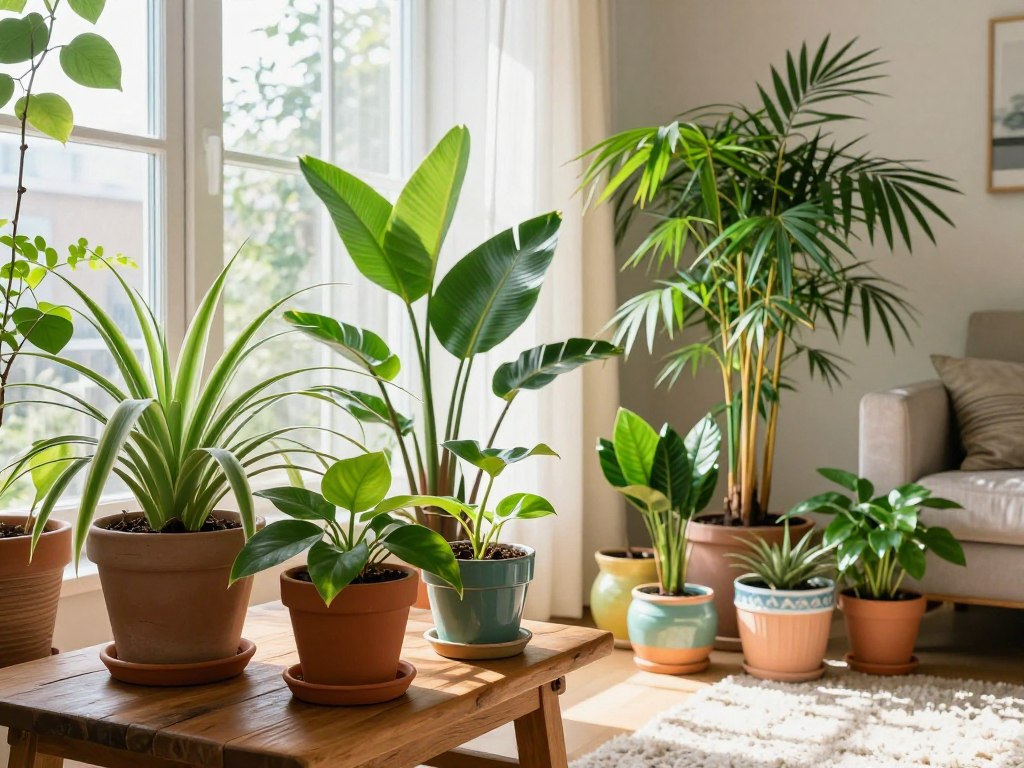
You can make your home green and safe for pets. Below is a list of pet-friendly indoor plants. It includes quick care tips and where to buy them. Use this guide to pick the best plants for your home.
List overview of the 10 recommended pet-safe plants
Here are 10 safe plants for pets: spider plant, parlor palm, Boston fern, African violet, Christmas cactus, orchid, prayer plant, areca palm, cat grass, and rosemary or basil.
Quick care summary for each plant
| Plant | Light | Water | Toxicity Status |
|---|---|---|---|
| Spider plant (Chlorophytum comosum) | Bright indirect to low light | Moderate; allow slight drying between waterings | Non-toxic to cats and dogs; may cause mild GI upset if heavily chewed |
| Parlor palm (Chamaedorea elegans) | Low to bright, indirect light | Moderate; avoid waterlogging | Non-toxic to cats and dogs |
| Boston fern (Nephrolepis exaltata) | Bright indirect to medium light | Keep consistently moist; likes humidity | Generally considered non-toxic by many sources; verify cultivar |
| African violet (Saintpaulia spp.) | Bright, indirect light | Keep soil lightly moist; avoid wetting leaves | Non-toxic to cats and dogs |
| Christmas cactus (Schlumbergera spp.) | Bright indirect light | Water when top 1/2 inch dries | Non-toxic to cats and dogs |
| Orchid (Phalaenopsis) | Bright indirect light | Water sparingly; allow drainage and root drying between waterings | Generally non-toxic to cats and dogs |
| Prayer plant (Maranta leuconeura) | Low to medium light | Consistent moisture; enjoys humidity | Non-toxic to cats and dogs |
| Areca palm (Dypsis lutescens) | Bright indirect light | Moderate; allow top inch to dry | Non-toxic to cats and dogs |
| Cat grass (wheatgrass mixes) | Bright light | Keep moist; frequent light watering | Safe for cats; grown for chewing |
| Rosemary or basil (Rosmarinus/Salvia and Ocimum basilicum) | Bright sunny windowsill | Moderate; allow slight surface drying | Culinary herbs are generally safe in small amounts; monitor ingestion |
Where to buy and how to verify plant safety
Buy from trusted places like Home Depot or Lowe’s. Online stores like Bloomscape and The Sill also have safe plants.
Check the plant tag for names and ask about treatments. Look up the plant on ASPCA and Pet Poison Helpline. Choose organic or pesticide-free plants when you can.
Keep your receipt and a photo of the tag. This helps you identify the plant later and gives vets the right info.
Conclusion
Choosing pet-friendly indoor plants lets you enjoy greenery and color without risking your pets’ health. This conclusion shows that picking non-toxic, easy-to-care-for plants is key. It makes your home safe and beautiful.
Before bringing a plant home, make sure it’s safe for your pets. Check with the ASPCA and Pet Poison Helpline. Introduce new plants slowly, watch how your pets react, and offer safe alternatives like cat grass.
Safe plants can brighten up your home and mood. Use deterrents and place plants carefully to keep pets safe. Always have your vet’s number ready and call for help if you think your pet has eaten something toxic.