
A single teaspoon of healthy soil contains more living organisms than people on Earth. This fact shows how alive and complex the ground beneath your feet truly is. Your garden’s success depends on that invisible world below the surface.
Improving soil for plants means building a thriving ecosystem. This ecosystem supports every root, feeds every leaf, and strengthens every stem. Garden soil health is the foundation of everything you grow.
You can grow vibrant flowers, nutritious vegetables, or lush landscaping with good soil. Each plant benefits from a healthy underground environment.
Many gardeners overlook soil as the key to their success. They focus on watering schedules and sunlight levels instead. Poor soil leads to weak plants, disease problems, and disappointing harvests.
Rich, well-managed soil brings confidence and abundance to every growing season. The good news is that improving garden soil health is within your reach. Small changes lead to big results.
You don’t need fancy equipment or expensive chemicals to transform your garden. What you do need is knowledge, commitment, and the right approach to soil care.
This guide walks you through everything required to improve soil for plants. You’ll learn why soil matters so much. You’ll discover practical steps to build the healthiest possible growing environment.
Understanding Soil Composition
Your soil is far more than dirt. It’s a living ecosystem that supports your plants every day. Knowing your soil helps you make smart choices about improvements.
Soil consists of three main mineral components working together. Think of your soil as a recipe with different ingredients. Each ingredient plays a specific role in plant growth and water movement.
The Role of Soil in Plant Growth
Your soil serves two critical purposes for plant health. First, it anchors plant roots firmly in place. Second, it supplies the essential elements your plants need to flourish.
Soil provides physical structure and stability. The particles in your soil bind together to create spaces where roots can penetrate. These spaces also allow oxygen to reach root systems.
Key Nutrients Your Plants Need
Plants extract natural plant nutrients from soil to fuel their growth. The primary nutrients include:
- Nitrogen – Promotes leafy, green growth and strong stems
- Phosphorus – Strengthens root development and flower production
- Potassium – Supports overall plant health and disease resistance
- Calcium – Builds strong cell walls in plant tissues
- Magnesium – Powers photosynthesis and energy production
Your soil also contains micronutrients like iron, zinc, and boron. Plants require smaller amounts of these elements. They remain absolutely essential for optimal growth and development.
How Soil Structure Affects Water Retention
The way soil particles cluster together creates your soil structure. This arrangement determines whether water drains away too quickly or pools on the surface. It also affects whether soil maintains the perfect balance your plants need.
Sandy soils drain rapidly because particles are large and loosely packed. Clay soils hold water too long because particles are tiny and compact tightly. Silt soils fall between these extremes.
The ideal soil contains a balance of all three particle sizes. This creates optimal soil conditions for most plants.
“Good soil structure is like having the perfect home for your plants—not too wet, not too dry, but just right.”
Well-structured soil allows water to move downward and reach plant roots. Excess moisture drains away, preventing root rot and water stress. Poor soil structure either becomes waterlogged or dries out too quickly.
Understanding soil composition, nutrient availability, and water retention gives you powerful knowledge. You can now improve your garden systematically.
Assessing Your Current Soil Health
You need to understand your soil before improving your garden. Evaluating garden soil health is the first step toward growing stronger plants. Your soil tells a story through its plants.
Yellowing leaves, stunted growth, and weak vegetables send messages about soil needs. Learning to read these signs gives you valuable soil fertility tips. This knowledge saves both time and money.
Assessing your soil doesn’t require expensive equipment or professional help. You can start right now in your yard. Your plants already show clues about nutrient deficiencies and pH imbalances.
Signs of Nutrient Deficiency
Your plants communicate through their appearance. Watch for these common deficiency signals:
- Yellowing leaves with green veins often point to iron deficiency
- Purple-tinged foliage suggests phosphorus shortages
- Pale, weak growth indicates nitrogen problems
- Stunted development hints at zinc or magnesium issues
These visual clues help you understand garden soil health without lab tests. Different plants show deficiencies in different ways. Tomatoes struggle with yellowing leaves when iron levels drop.
Blueberries turn purple when phosphorus runs low. Observing your plants carefully gives you free information. You’ll learn exactly what your soil needs.
Testing Soil pH Levels
pH measures how acidic or alkaline your soil is. This number ranges from 0 to 14, with 7 being neutral. Most vegetables prefer slightly acidic soil between 6.0 and 7.0.
Blueberries thrive in more acidic conditions around 4.5 to 5.5. Hydrangeas change color based on pH levels. Acidic soil produces blue flowers, while alkaline soil creates pink blooms.
Your soil’s pH determines whether plants can use available nutrients. Even nutrient-rich soil won’t help if pH prevents nutrient absorption. Testing pH matters for successful gardening.
Using Soil Test Kits
Home soil test kits are affordable and give accurate results. These kits measure pH and sometimes nutrient levels. You can find them at garden centers or online retailers like Amazon.
The process takes just minutes to complete. Collect soil samples, mix them with the kit solution, and compare colors. Match the color to the provided chart for results.
Professional lab testing provides deeper insight into your soil. Universities and agricultural extension services offer detailed analyses. They measure micronutrients, organic matter content, and give specific soil fertility tips.
| Test Type | Cost Range | What It Measures | Best For |
|---|---|---|---|
| Home pH Kit | $5-$15 | pH level only | Quick soil health checks |
| Home Nutrient Kit | $10-$25 | pH and major nutrients | Basic garden soil health assessment |
| Professional Lab Test | $25-$50 | Complete nutrient profile and micronutrients | Comprehensive garden planning |
Starting with a simple home kit gives you baseline information. You’ll discover whether your soil is too acidic or alkaline. You’ll learn which nutrients are lacking.
This knowledge prevents wasted effort on unnecessary amendments. Taking time now to assess garden soil health sets you up for success. Better results will follow throughout the growing season.
“Knowing your soil is like knowing your own health—it helps you make the right decisions for a thriving future.”
Improving Drainage for Healthy Roots
Waterlogged soil destroys plants fast. Roots can’t get oxygen and start to rot when water sits around them. Good drainage is essential for healthy plant growth and optimal soil conditions.
Roots need both water and air to thrive. The right drainage setup gives them both. Poor drainage is a common problem, but you can fix it.
Techniques to Enhance Drainage
Heavy clay soil holds too much water and needs improvement. Mix in coarse sand or perlite to create space for water movement. This simple step makes a big difference.
Building raised beds works great for serious drainage problems. Raised beds let you control the soil mixture completely. They keep roots from sitting in wet ground.
- Add perlite or coarse sand to clay soil
- Create raised garden beds for problem areas
- Install drainage tiles for severe cases
- Build sloped garden beds to guide water away
Importance of Aeration
Compacted soil squeezes out air pockets that roots need. Aeration breaks up hard soil and lets oxygen reach root systems. You don’t need fancy equipment for this task.
Avoid walking on garden beds when soil is wet. Use a broadfork to loosen the earth gently. Loose, aerated soil supports healthy root development.
Choosing the Right Mulch
Mulch does more than look nice. It keeps soil at the right temperature and stops surface crusting. Mulch breaks down slowly to improve soil structure.
Different plants need different mulches:
| Mulch Type | Best Use | Benefits |
|---|---|---|
| Wood Chips | Pathways and Perennials | Long-lasting, improves drainage |
| Straw | Vegetable Gardens | Light, breaks down quickly |
| Shredded Leaves | Budget-Conscious Gardens | Free, enriches soil as it decays |
| Bark Mulch | Ornamental Beds | Attractive, moderate decomposition |
Avoid mixing sand into clay without organic matter. This creates a concrete-like mixture that’s worse than original soil. Always combine sand with compost or aged leaves to get real drainage improvement.
Getting drainage right helps your plants’ roots explore deeper. Roots access water and air in perfect balance. They grow stronger than ever.
Enhancing Soil Fertility Naturally
Building rich, fertile soil takes time and effort, but the rewards are worth it. Natural organic soil enrichment methods create a living ecosystem that feeds your plants year after year. Working with nature makes your garden more productive and sustainable.
These approaches focus on improving your soil’s long-term health. They avoid quick fixes that fade away quickly.
Benefits of Organic Matter
Organic matter is often called “black gold” by gardeners who understand its power. This dark, crumbly material transforms your soil in remarkable ways. It improves soil structure, making compacted clay easier to work with.
In sandy soils, organic matter acts like a sponge. It holds water and nutrients your plants need.
Adding organic soil enrichment materials feeds beneficial microorganisms that live in your soil. These tiny helpers unlock nutrients and make them available to plant roots. Better soil structure means water drains properly without washing away nutrients.
Your plants develop stronger root systems. They resist stress from drought and disease better.
Best Types of Compost for Your Garden
You have several excellent options for adding compost to your beds:
- Homemade compost from kitchen scraps and yard waste
- Aged manure from livestock sources like horses, cows, or chickens
- Mushroom compost, a byproduct of commercial mushroom farming
- Commercial compost blends formulated for different plant types
- Leaf mold created from decomposed fall leaves
Timing matters with manure. Fresh manure can burn plants and spread weed seeds. Fully composted materials are safe and ready to use immediately.
Look for dark, crumbly compost with an earthy smell. Apply soil fertility tips by spreading 2-4 inches of finished compost across your beds each year.
Incorporating Green Manures
Green manures are plants you grow specifically to dig back into the soil. These crops boost fertility naturally without purchased inputs. Legumes like clover and vetch capture nitrogen from the air and store it in their roots.
Turning these plants into the soil makes that nitrogen available to your next crop.
Deep-rooted plants like daikon radish break through compacted layers. They bring deep nutrients up to the surface. This soil fertility tips approach works best during off-season periods between your main plantings.
Plant green manures in fall or early spring. Let them grow for 4-8 weeks, then turn them into the soil. The decaying plant material adds organic matter while releasing nutrients slowly throughout the growing season.
This natural cycle creates self-sustaining fertility that improves year after year.
Adding Essential Nutrients
Your plants need immediate nutrient support to thrive. Organic matter builds long-term fertility, but sometimes your garden requires a faster boost. Understanding soil amendment techniques helps you feed your plants at the right time.
Using Fertilizers Effectively
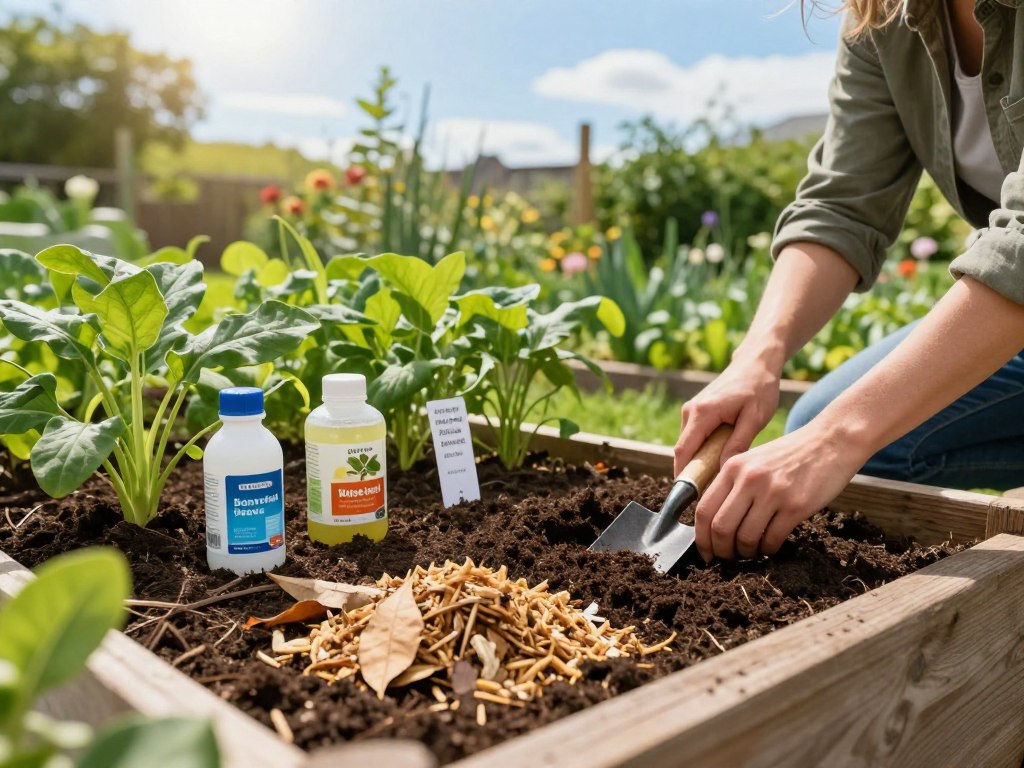
Applying fertilizers correctly makes a big difference in plant growth. You should time your applications based on your plant’s growth stage. Apply fertilizer when plants are actively growing in spring and summer.
For established plants, side-dressing works well—placing fertilizer around the base without touching the stems. Always follow package directions carefully. Too much fertilizer burns roots and causes excessive leafy growth.
Watch for signs of over-fertilization like yellowing leaves or stunted growth.
Understanding NPK Values
Those three numbers on fertilizer bags represent nitrogen (N), phosphorus (P), and potassium (K). Each nutrient serves a different purpose.
- Nitrogen promotes leafy growth—perfect for vegetables like lettuce and spinach
- Phosphorus supports flower and root development—ideal for blooming plants
- Potassium strengthens overall plant health—crucial for fruiting crops
A fertilizer labeled 10-10-10 contains equal amounts of each nutrient. Your soil amendment techniques should match your specific plants’ needs.
Organic vs. Synthetic Fertilizers
| Fertilizer Type | Release Speed | Plant Benefits | Soil Impact |
|---|---|---|---|
| Organic (blood meal, bone meal, kelp) | Slow—breaks down over weeks | Steady nutrition from natural plant nutrients | Improves soil structure and feeds microbes |
| Synthetic | Fast—available within days | Quick correction of deficiencies | Doesn’t improve long-term soil health |
Organic fertilizers release natural plant nutrients slowly as soil microbes break them down. This approach is harder to overapply and builds your soil ecosystem. Synthetic options provide immediate results when your plants show severe nutrient deficiency signs.
You can choose one approach or combine both for balanced results throughout the growing season.
The Importance of Microorganisms
Your soil is alive with invisible creatures that work around the clock. These tiny microorganisms are the backbone of organic soil enrichment. Bacteria, fungi, and other microbes break down organic matter into nutrients your plants can actually use.
Without this biological activity, your soil becomes dead dirt rather than living earth. Building a thriving microbial community transforms how your garden performs.
Nurturing these beneficial organisms creates a self-sustaining ecosystem that keeps getting better with time. Your plants develop stronger roots, resist diseases better, and produce more abundant harvests.
Beneficial Bacteria and Fungi
Bacteria and fungi are your garden’s best friends. These microbes form partnerships with plant roots, creating networks that extend far beyond what roots alone can reach. Mycorrhizal fungi deserve special attention because they connect directly to your plant’s roots.
The fungi grab water and nutrients from the soil while your plants provide sugars the fungi need to survive. Some plants absolutely need these fungal partners to thrive. Without them, growth stays stunted no matter how much fertilizer you add.
Bacteria perform different jobs in your garden. Some fix nitrogen from the air into forms plants use. Others create substances that help soil hold together better.
- Mycorrhizal fungi expand root reach and nutrient uptake
- Nitrogen-fixing bacteria make atmospheric nitrogen available
- Decomposer microbes break down organic matter
- Disease-fighting bacteria protect plant roots from pathogens
How Compost Tea Can Help
Compost tea is liquid gold for enhancing plant growth. You brew this mixture by soaking finished compost in water, creating a liquid loaded with beneficial microbes. Spraying it on leaves or drenching it around roots introduces millions of helpful organisms directly to your garden.
Actively aerated compost tea (AACT) works better than simple steep methods. An air pump keeps oxygen flowing while the microbes multiply rapidly. This process takes 24 to 36 hours and produces far more organisms than passive brewing.
The result is a powerful liquid for organic soil enrichment that you can apply every few weeks during the growing season.
Basic compost tea recipe: Fill a five-gallon bucket with water, add one shovel of finished compost, attach an air pump with an airstone, and let it bubble for one to two days. Strain out solids and apply immediately for best results.
Introducing Earthworms to Your Soil
Earthworms are nature’s soil engineers. As they tunnel through your beds, they create air passages and water channels that improve drainage naturally. Their castings contain nutrients in perfect balance for plant growth.
Many gardeners consider worm castings the best fertilizer available. Native earthworms often appear naturally when soil conditions improve through adding organic matter.
Red wigglers and other composting worms can be introduced directly to your garden beds. They work better in containers or raised beds where conditions stay moist and cool. These worms thrive in rich, decomposing organic material.
| Earthworm Type | Best Location | Depth Range | Key Benefit |
|---|---|---|---|
| Native earthworms | Established garden beds | Deep soil layers | Improves soil structure and drainage |
| Red wigglers | Raised beds and containers | Upper soil layers | Converts organic matter quickly |
| European nightcrawlers | Mixed garden settings | Moderate depth | Handles temperature variations well |
Encourage earthworm populations by keeping soil rich with organic matter year-round. Mulch with compost, leaf litter, or grass clippings. Avoid tilling, which damages worm tunnels and exposes worms to predators.
Within a season or two of proper management, your soil will teem with worms doing the work for you.
Crop Rotation Techniques
Crop rotation keeps your soil healthy and productive year after year. Planting the same crops in one spot depletes nutrients and invites pests. Rotating crops breaks these harmful cycles and boosts garden health.
Different plant families need different nutrients and attract different pests. Switching crops helps you prevent problems before they start. Soil amendment techniques work better when paired with smart rotation planning.
Understanding Crop Diversity
Your garden contains several main plant families that matter most:
- Nightshades – tomatoes, peppers, eggplants
- Brassicas – cabbage, broccoli, kale
- Legumes – beans, peas
- Cucurbits – squash, cucumbers, melons
Benefits of Rotating Different Plant Families
Heavy feeders like tomatoes and corn drain nutrients from your soil. Legumes work differently by adding nitrogen back into the ground. Following heavy feeders with legumes rebuilds soil naturally without expensive fertilizers.
Rotating plant families stops pests and diseases from spreading. Insects targeting nightshades starve when you plant brassicas there next year. Disease spores die off without their host plant.
Creating a Sustainable Planting Schedule
A three- or four-year rotation plan works best for most gardens. Plant nightshades in bed A during year one. Move to brassicas in year two, then legumes in year three. Grow cucurbits in year four, then start over.
Small spaces need creative solutions for successful rotation. Use vertical trellises to change your growing zone each season. Container gardeners can rotate different crops through the same pots across seasons.
Using Cover Crops
Cover crops are powerful tools in sustainable gardening that work between your regular plantings. These plants transform your soil during off-seasons and boost your garden with minimal effort. They prevent erosion, suppress weeds, add organic matter, and attract beneficial insects naturally.
Benefits of Planting Cover Crops
Cover crops deliver impressive results for your garden’s health. Legume varieties like clover and vetch capture nitrogen from the air through soil bacteria. This process creates free fertilizer that feeds your plants naturally.
Grass cover crops such as rye produce abundant biomass. This becomes valuable organic soil enrichment when you mix it back into your garden. Your soil gets protected from compaction and erosion while weeds struggle to compete.
The root systems break up hard-packed earth. This improves drainage and water absorption for next season’s plants.
Selecting the Right Cover Crop for Your Area
Choosing the right cover crop depends on your climate and growing season. Cool-season options work best for fall planting:
- Crimson clover
- Winter rye
- Austrian winter peas
Warm-season varieties grow quickly during summer months:
- Buckwheat
- Cowpeas
- Hairy vetch
Best Practices for Planting and Termination
Planting cover crops is straightforward. Most gardeners broadcast seeds directly onto prepared soil and rake them in lightly. Water regularly until plants establish themselves.
Termination timing matters greatly for success. Cut down or till in your cover crop a few weeks before planting spring vegetables. This waiting period allows decomposition and prevents competition with remaining root systems.
For sustainable gardening, consider no-till methods using a crimping technique. This method kills cover crops without turning the soil. It preserves beneficial soil structure and microorganisms that support healthy plant growth.
Soil Amendments for Different Plant Types
Not all plants want the same thing from their soil. Your vegetable garden needs something different than your flower beds. Trees need something completely different again.
Learning soil amendment techniques for each plant type helps you improve soil effectively. This approach saves you time and money. Your garden gets exactly what it needs.
Tailoring Amendments for Vegetables
Vegetables are hungry plants. They pull lots of nutrients from the soil as they grow. You need to improve soil for plants by adding rich, organic matter before planting.
Most vegetable gardens benefit from compost mixed into the top 8 to 10 inches of soil. Do this before each season starts.
Different vegetables have different needs. Tomatoes and peppers develop blossom end rot without enough calcium. Add crushed eggshells or gypsum to your soil.
Leafy greens like spinach and kale need extra nitrogen. This produces those big, tender leaves you want. Carrots and beets prefer looser soil without too much fresh compost.
- Mix compost into vegetable beds before planting
- Add calcium sources for tomatoes and peppers
- Increase nitrogen for leafy greens
- Use aged manure rather than fresh manure
- Feed during the growing season with balanced fertilizers
Best Practices for Flower Gardens
Flower gardens follow different soil amendment techniques than vegetable gardens. Roses and peonies love rich soil with plenty of organic matter. They enjoy compost and aged manure mixed in generously.
These plants appreciate slightly acidic soil. A soil test helps guide your amendments.
Wildflowers and Mediterranean plants like lavender tell a completely different story. These plants actually dislike rich soil. Too much fertility makes them produce leaves instead of flowers.
They prefer lean, well-drained soil that stays on the drier side. Adding excessive compost to these plants backfires and reduces blooming.
| Flower Type | Soil Preference | Key Amendments | Nitrogen Level |
|---|---|---|---|
| Roses | Rich, slightly acidic | Compost, aged manure, peat moss | Moderate to high |
| Lavender | Lean, well-drained | Sand, gravel, minimal compost | Low |
| Peonies | Rich, well-draining | Compost, bone meal, aged manure | Moderate |
| Wildflowers | Poor to moderate | Minimal amendments, native soil | Low |
The key mistake gardeners make is adding too much nitrogen to flower beds. Nitrogen encourages green growth at the expense of blooms. Your flowers end up as leafy bushes instead of colorful displays.
Adjusting Soil for Trees and Shrubs
Planting trees and shrubs requires different soil amendment techniques than people traditionally used. The old advice about amending planting holes extensively has changed. Modern experts recommend planting in your native soil.
Tree roots stay in comfortable, amended spots and circle the planting hole. They avoid spreading out into the surrounding native soil. This creates problems years later when the tree needs water and nutrients.
“The best approach is to improve the entire planting area rather than just the hole itself. Spread mulch and organic matter across a wider zone to let soil improvement happen gradually over time.”
Use these strategies to improve soil for plants like trees and shrubs:
- Dig planting holes only as deep as the root ball and slightly wider
- Plant in native soil without heavy amendments
- Spread 2 to 3 inches of mulch across the wider area around the base
- Let the mulch break down over years to gradually enhance soil
- Apply compost as a top dressing annually around the base
This long-term approach creates healthy, spreading root systems. Trees anchor better and access water more effectively. This helps especially during dry seasons.
Seasonal Soil Care Tips
Your garden soil health depends on year-round attention. Soil improvement isn’t something you do once and forget about. Each season brings different challenges and opportunities to strengthen your growing environment.
By following soil fertility tips tailored to different times of year, you’ll keep your beds productive. The work you put in during one season builds on improvements from the last. This creates better soil year after year.
Preparing Soil for Spring Planting
Spring is when many gardeners get excited to dig in. Wait before you start working your beds. The most important rule is checking soil moisture first.
Squeeze a handful of soil in your hand. If it forms a tight ball that stays clumped, the soil is too wet. You need it to crumble apart when you poke it.
Wet soil compacts easily, destroying the structure you’ve built. This creates problems that take years to fix.
Once your soil is ready to work, follow these steps:
- Pull back mulch layers to let soil warm up naturally
- Add fresh compost to boost soil fertility tips for the growing season
- Do light cultivation to mix in amendments without excessive tilling
- Test your garden soil health if you haven’t recently
Protecting Soil During Winter Months
Winter soil protection is often overlooked. Bare soil loses nutrients and erodes in heavy rain and snow. Your winter months can actually strengthen your garden.
Keep soil covered with mulch or leaves to prevent erosion. Plant cover crops like clover or rye that protect soil. These add organic matter when you turn them in spring.
Leave crop residues in place rather than removing everything. The freeze-thaw cycles of winter break up compacted soil naturally. This improves structure.
Mid-Season Tweaks
During the growing season, watch your plants for clues about soil needs. Heavy feeders like tomatoes and corn benefit from side-dressing with compost or fertilizer. Replace mulch as it breaks down to maintain coverage.
Apply compost tea to boost microbial activity when plants grow fastest. Spot any yellowing leaves or stunted growth? These signal that your garden soil health needs quick attention.
Small adjustments mid-season prevent bigger problems later. They keep your soil fertility tips working at peak performance throughout summer.
Sustainable Practices for Soil Improvement
Building sustainable gardening practices starts with rethinking how you care for your soil. Your garden is part of a larger environmental system. Improving soil health protects the beneficial organisms living in it.
You reduce the need for chemicals that can harm both plants and the local ecosystem. Synthetic pesticides and herbicides often damage the soil life that makes plants strong and healthy.
One of the best sustainable gardening practices is reducing chemical use in your garden. Healthy soil creates strong plants that resist pests and diseases on their own. This means you need fewer interventions over time.
You can also try no-till techniques that keep your soil structure intact. Avoiding tilling protects the fungal networks underground. You keep carbon locked in the soil and reduce weed seeds from surfacing.
Simple methods like sheet mulching work well without turning over your soil. Permanent raised beds and using a broadfork for gentle aeration are effective options.
Supporting biodiversity in your garden creates optimal soil conditions naturally. Plant a mix of native species and annual crops together. Create homes for helpful insects like ladybugs and bees.
Keep some areas planted year-round to protect soil structure. This living ecosystem improves your soil without extra work from you.
Your sustainable gardening practices also help the wider world. You support cleaner water and lock away carbon. You give pollinators and wildlife a safe place to live.
View your soil improvement efforts as an environmental practice. They make your corner of the world healthier for years to come.