
Studies show that 85% of plant owners see yellowing leaves at some point. This common problem ranks among the top plant care worries.
Noticing yellow leaves on your plants can feel alarming. The good news? Yellow leaves are not a death sentence. Your plants are actually talking to you.
They send this signal when something needs your attention. Yellowing happens for many reasons. Problems can stem from watering issues, nutrient gaps, or temperature swings.
Pests, diseases, light problems, and pot size also play a role. The key is finding what’s wrong with your specific plant. Understanding the root cause matters before you act.
Treating the wrong problem can make things worse. This guide will show you exactly why leaves turn yellow. You’ll learn what to do about it and gain confidence to restore plant health.
Understanding the Basics of Leaf Discoloration
Noticing your plant’s foliage turning yellow can feel worrying. Yellowing leaves signal that something needs your attention. Understanding what causes plant leaf discoloration helps you respond quickly and save your green friend.
The science behind leaf color involves chlorophyll, the green pigment that powers photosynthesis. Plants experiencing stress slow down chlorophyll production. This reveals yellow pigments underneath.
The pattern of yellowing matters just as much as the color change itself. Your plant communicates through its leaves. Pay attention to which leaves yellow first and how the discoloration spreads.
What Does Yellowing Indicate?
Foliage turning yellow can point to several different problems. Your detective work begins by observing the pattern. Consider these common causes:
- Nutrient deficiencies stealing essential minerals
- Watering problems creating root stress
- Insufficient light limiting energy production
- Natural aging of older, lower leaves
- Pest damage or disease spreading through foliage
The location of yellowing reveals clues. Old leaves at the bottom yellowing while new growth stays green? That’s often normal aging.
Yellowing spreading across new leaves at the top suggests a serious problem needing quick action. Veins staying green while tissue yellows points toward specific nutrient shortages.
Common Myths About Yellow Leaves
Many plant owners panic when they spot yellowing, believing their plants face certain death. This simply isn’t true. Some yellowing is completely normal and healthy.
Plants naturally shed older leaves to redirect energy toward new growth. Yellow leaves don’t always mean overwatering. While excess water causes problems, many other factors trigger discoloration.
Your plant might need more light, nutrients, or simply be shedding old foliage naturally. Understanding the difference between normal aging and actual problems prevents unnecessary stress.
| Yellowing Pattern | Likely Cause | Urgency Level |
|---|---|---|
| Lower, older leaves only | Natural aging | Low – Normal process |
| Yellow with green veins | Nutrient deficiency | Medium – Needs treatment |
| Entire leaf pale yellow | Poor lighting or overwatering | Medium – Adjust conditions |
| Sudden widespread yellowing | Pest infestation or disease | High – Act quickly |
Plant leaf discoloration serves as your plant’s way of asking for help. Most yellowing issues respond well to adjustments in care. You’re not failing as a plant parent when you spot a yellow leaf.
Nutrient Deficiencies That Cause Yellow Leaves
Nutrient deficiencies rank among the top reasons your plant leaves turn yellow. Plants signal distress through color changes when they lack essential nutrients. Understanding which nutrients your plants need helps you address health issues quickly.
Different deficiencies show up in different ways on your leaves. Learning to spot these patterns is key to accurate diagnosis.
Your plants need nitrogen, iron, magnesium, potassium, and other nutrients to stay green. Plants can’t make enough chlorophyll when one of these nutrients runs low. The location and pattern of yellowing tell you exactly what your plant is missing.
Nitrogen Deficiency Symptoms
Nitrogen travels around your plant freely. Plants pull this nutrient from older leaves to feed new growth when nitrogen runs low. The lower, older leaves turn yellow first while new leaves stay green.
The yellowing spreads uniformly across the entire leaf.
Plants starved for nitrogen grow slowly and look pale overall. Stems may weaken. Your plant stops producing new leaves at a normal pace.
This deficiency shows up quickly in container plants because soil nutrients deplete fast.
Iron Deficiency Symptoms
Iron deficiency works differently from nitrogen problems. Iron doesn’t move around easily in your plant. New leaves at the top turn yellow first when iron runs low.
The veins stay green, creating a striped or lacy pattern called interveinal chlorosis.
Iron deficiency often happens in alkaline soils where iron exists but plants can’t absorb it. Soils with a pH above 7.0 lock up iron. You might see this issue even in rich soil.
Other Common Nutrient Deficiencies
Magnesium deficiency also causes interveinal yellowing, but it starts on older leaves. Potassium deficiency creates yellowing around leaf edges while the center stays green. Each nutrient shortage has its own calling card on your leaves.
| Nutrient | Affected Leaves | Pattern | Other Signs |
|---|---|---|---|
| Nitrogen | Older leaves first | Uniform yellowing | Stunted growth, pale appearance |
| Iron | New leaves first | Green veins, yellow tissue | Occurs in alkaline soil |
| Magnesium | Older leaves first | Interveinal yellowing | Leaves drop prematurely |
| Potassium | Leaf edges first | Yellowing on margins | Brown or scorched edges |
How to Diagnose Nutrient Issues
Diagnosing plant issues starts with careful observation. Check which leaves turned yellow first. Are they old leaves on the bottom or new leaves on top?
Look at the pattern. Is the whole leaf yellow or just the veins and edges?
Test your soil pH with a simple kit from your local garden center. Know your plant’s specific needs. Different plants prefer different soil conditions.
Research your particular plant to learn what nutrients it requires most.
Take these steps to identify plant health issues:
- Examine which leaves show yellowing (lower, upper, or scattered)
- Study the yellowing pattern (uniform, interveinal, or marginal)
- Test your soil pH level
- Check your watering schedule and drainage
- Review your fertilizing routine
- Look for pest damage or disease
Once you identify the problem, fix it through proper fertilization or soil amendments. Use a balanced fertilizer first if you’re unsure. Add sulfur to lower soil pH or lime to raise it.
Your plants will respond quickly once they get the nutrients they need.
Overwatering and Its Effects on Plants
Overwatering is one of the most common plant problems for new gardeners. Many plant parents water constantly, thinking it shows love. Too much water actually kills more plants than drought does.
Wet soil prevents roots from breathing. This leads to root rot and blocks nutrient absorption. The result is yellow leaves and a struggling plant.
Understanding water’s effects on plants is essential. The key is finding the right balance for your specific plants.
Signs of Overwatering
Your plant sends clear signals when it gets too much water. Watch for these warning signs:
- Yellow leaves that feel soft and limp to the touch
- Wilting stems and drooping foliage despite wet soil
- Brown or translucent leaf tips
- Soft, mushy stems near the soil line
- Fungus gnats flying around your plant
- A sour, unpleasant smell coming from the soil
That sour smell indicates anaerobic bacteria growing in waterlogged soil. This serious sign means your roots are suffocating.
Adjusting Your Watering Schedule
Smart plant care starts with checking your soil before watering. Insert your finger two inches deep into the soil. If it feels wet or moist, wait a few more days.
Water only when the top layer feels dry. Different plants need different amounts of water. Succulents prefer drier conditions, while ferns like more moisture.
Seasons matter too—plants need less water in winter. Always make sure your pots have drainage holes for excess water.
Choosing the Right Soil
Your soil choice directly impacts whether overwatering becomes a problem. Heavy, compacted soil holds moisture too long and increases common plant problems.
| Soil Component | Purpose | Best For |
|---|---|---|
| Perlite | Improves drainage and aeration | Most houseplants |
| Orchid bark | Increases air pockets in soil | Orchids and tropical plants |
| Sand | Prevents soil compaction | Cacti and succulents |
| Coconut coir | Retains some moisture while draining | Most indoor plants |
Adding perlite, orchid bark, or sand prevents water from sitting around roots. This is one of the best ways to prevent root rot. Well-draining soil keeps your roots healthy and your leaves green.
Underwatering: The Neglected Plant
Your plant’s yellowing leaves might signal that it isn’t getting enough water. Many plant owners overlook underwatering, even though it causes serious damage. Once you recognize the signs, you can learn how to save yellowing plants suffering from drought stress.
Underwatered plants display different symptoms than overwatered ones. Catching these issues early makes all the difference in plant recovery.
Identifying Underwatered Plants
Underwatered plants show distinctive warning signs that differ from other watering problems. Your leaves will turn yellow, then brown and crispy, starting at the tips and edges. The soil will pull away from the pot edges, becoming hard and compact.
The pot feels surprisingly light when you lift it.
Watch for these additional indicators:
- Leaves that drop easily when touched
- Overall wilting and drooping appearance
- Extremely dry, rock-hard soil
- Stunted growth or no new leaves forming
- Brittle stems that break easily
Underwatered leaves become crispy and papery. This differs from overwatering, which makes leaves soft and mushy.
How to Improve Watering Practices
Learning how to save yellowing plants starts with establishing a consistent watering schedule. Different plants need different amounts of water. This depends on their species, pot size, and your home’s environment.
Try these practical solutions:
- Check soil moisture before watering by inserting your finger one inch deep
- Use a moisture meter for accurate readings if you’re unsure
- Water thoroughly until liquid drains from the bottom
- Group plants with similar water needs together
- Use bottom-watering for extremely dry soil to ensure full saturation
For severely dehydrated plants, gradually rehydrate them instead of flooding with water all at once. Sudden watering can shock the plant’s system. Space out watering over several days to allow the soil and roots to adjust.
This gentle approach helps your plant recover. It prevents additional stress that could worsen yellowing leaves.
Consistent care is your best defense against underwatering problems. Monitor your plants regularly and adjust your watering based on seasonal changes.
Temperature Stress and Its Impact
Temperature plays a vital role in your plant’s health and appearance. Plants develop yellow leaves as a warning sign of temperature stress. Both extreme heat and cold can damage your green friends.
Sudden temperature changes are especially harmful to plants. Your plants need stable conditions to thrive and stay healthy. Understanding temperature stress helps you keep them vibrant.
Signs of Temperature Stress
Recognizing temperature stress early stops yellow leaves from spreading. Look for these warning signs in your indoor garden:
- Yellow or pale leaves that appear across the entire plant
- Brown edges or crispy leaf tips
- Leaves dropping suddenly without warning
- Wilting during the hottest part of the day
- Slowed growth or stunted development
Cold drafts from air conditioners or windows cause localized yellowing. Heat stress creates overall yellowing and makes leaves feel papery. Brittle leaves also signal heat damage.
Ideal Temperature Ranges for Popular Plants
Different plants need different temperature conditions. Understanding your plant’s preferences prevents yellow leaves. This knowledge keeps your collection thriving.
| Plant Type | Ideal Temperature Range | Cold Tolerance |
|---|---|---|
| Tropical Plants (Pothos, Philodendron) | 65-80°F | Sensitive below 60°F |
| Succulents | 50-85°F | Very sensitive to freezing |
| Peace Lily | 65-75°F | Struggles below 60°F |
| Spider Plant | 60-75°F | Tolerates cooler temps |
| Snake Plant | 60-85°F | Dislikes cold drafts |
Keep your plants away from heating vents and air conditioning units. Avoid placing pots near drafty windows or exterior doors. These spots create temperature swings that stress plants.
Use a simple thermometer to monitor temperature in different areas. Stable conditions protect your plants from developing yellow leaves. Creating a consistent environment maintains healthy foliage throughout your home.
Pest Infestation and Leaf Color
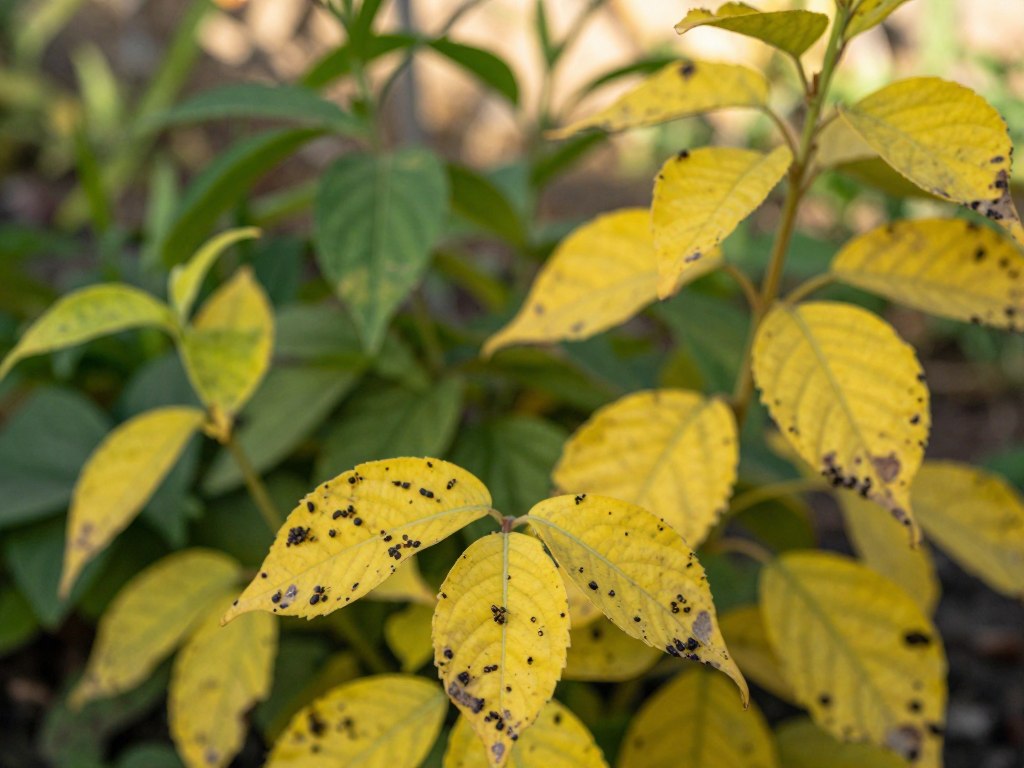
Tiny insects feeding on your plants create frustrating health issues. Pests drain vital nutrients and weaken your plant’s defenses. This damage shows up as yellowing leaves, spotting, and stunted growth.
Learning to spot pest problems early helps you stop them. Quick action prevents spread throughout your collection.
Common Pests That Cause Yellowing
Several pests regularly target indoor and outdoor plants. Understanding what to look for makes identification quick and easy.
- Spider mites create tiny yellow dots on leaf surfaces and build fine webs on undersides
- Aphids cluster on new growth and cause twisted, yellowing leaves
- Whiteflies leave sticky residue and cause overall leaf yellowing
- Scale insects appear as brown bumps and create yellowing around feeding areas
- Thrips create silvery-yellow streaking patterns on leaves
Check your plants weekly. Look underneath leaves and along stems where pests hide. Early detection makes treatment much easier and more successful.
Prevention and Control Methods
Stopping pests before they arrive beats fighting them later. Use these strategies to protect your plants.
| Prevention Strategy | Action Steps | Best For |
|---|---|---|
| Plant Isolation | Keep new plants separate for 2-3 weeks before adding them to your collection | Preventing pest introduction |
| Leaf Cleaning | Wipe leaves with damp cloths weekly to remove dust and pests | All indoor plants |
| Natural Treatments | Apply neem oil or insecticidal soap every 7-10 days during infestations | Active pest problems |
| Beneficial Insects | Introduce ladybugs and lacewings to outdoor gardens | Outdoor plant collections |
| Air Circulation | Use fans and space plants apart to improve airflow | Preventing pest establishment |
Regular inspections catch infestations when they’re small and manageable. Combining prevention with quick action keeps your plants healthy. You’ll avoid the yellowing that signals pest problems.
Fungal Diseases and Leaf Health
Fungal infections are tricky causes of plant leaves turning yellow. They need different treatment than nutrient problems or watering issues. Spotting these infections early can save your plants from serious damage.
Many gardeners confuse fungal yellowing with other problems. This delays proper treatment and lets the infection spread.
Fungi thrive in humid, poorly ventilated spaces. They spread through water droplets, soil contact, and air circulation. Fungal yellowing differs from other causes by showing extra visible symptoms.
You’ll notice spots, lesions, unusual growths, or discolored patches with the yellowing.
Identifying Fungal Infections
Finding fungal problems early makes treatment much easier. Different fungi create distinct patterns on your foliage. Learning these patterns helps you act fast.
- Leaf Spot Diseases: Yellow halos surrounding brown or black spots on leaves
- Powdery Mildew: White powdery coating with yellowing underneath the affected areas
- Root Rot Fungi: Overall yellowing and wilting despite proper watering schedules
- Rust Fungi: Yellow-orange pustules appearing on the undersides of leaves
Inspect both the top and bottom of leaves regularly. Fungal infections often hide underneath, where humidity stays highest.
Treatment Options for Affected Leaves
Once you’ve identified a fungal infection affecting your yellowing plant leaves, act immediately. Quick action prevents spreading to healthy growth.
- Remove infected leaves carefully and dispose of them in the trash (never compost)
- Increase air circulation around your plants using fans or spacing
- Reduce humidity levels in your growing area
- Avoid overhead watering that keeps foliage wet
- Apply copper-based fungicides or sulfur products for severe infections
- Repot plants with root rot in fresh, sterile soil after trimming affected roots
“Prevention through proper cultural practices proves far more effective than treating established fungal diseases.”
Prevention matters most for fungal problems. Good air circulation, proper watering, and appropriate humidity keep plants healthy. These practices stop yellowing plant leaves before infection takes hold.
Environmental Factors Contributing to Yellow Leaves
Your indoor plants need more than water and nutrients to stay healthy. The environment in your home keeps your foliage from turning yellow. Light and air circulation are critical factors that many plant owners overlook.
Understanding these elements helps you provide the best care. A thriving indoor garden depends on proper environmental conditions.
Light Requirements for Different Plants
Light is essential for photosynthesis, the process keeping your plants alive and vibrant. Without enough light, your plants struggle to produce energy. This leads to foliage turning yellow and weak growth.
Different plants need different amounts of light. Matching your plant to the right spot matters for healthy growth.
Low-light plants like pothos and snake plants thrive with 50 to 100 foot-candles. These plants do well in corners or away from windows. Medium-light plants such as dracaenas need between 100 and 500 foot-candles.
Place medium-light plants near a window with filtered sunlight. High-light plants like succulents and cacti require 500 or more foot-candles. They love bright, sunny spots.
Too much direct sun can burn leaves on shade-loving plants. This causes them to turn yellow and brown. If your home lacks natural light, grow lights offer an excellent solution.
The Importance of Air Circulation
Stagnant air creates the perfect environment for problems. Poor air movement encourages fungal diseases and pest infestations. Good air circulation strengthens your plants and helps soil dry properly.
- Use small fans on low settings to gently move air around your plants
- Avoid crowding pots too close together
- Open windows when weather allows to exchange indoor air
- Space plants at least 6 inches apart for better airflow
Proper ventilation keeps your plants healthy. It prevents yellowing that comes from disease and pest damage. These simple steps create an ideal growing space for your indoor plants.
The Role of Pot Size and Type
Your choice of pot shapes how your plant grows and stays healthy. Many plant health issues stem from using the wrong container size or material. The pot you select directly affects root development, water retention, and nutrient absorption.
Understanding pot selection helps you prevent common plant problems. These problems often lead to yellowing leaves and stunted growth.
How Pot Size Affects Plant Health
Selecting the right pot size makes a big difference in your plant’s well-being. Pots that are too large cause soil to stay wet longer than roots can absorb water. This waterlogged condition suffocates roots and leads to yellowing leaves.
Small pots create the opposite issue. Roots crowd the container and become bound. They cannot absorb water and nutrients properly.
Follow the two-inch rule when repotting your plants. Choose a new container only one to two inches larger in diameter. This gradual increase gives roots room to grow without excessive empty soil.
Watch for these signs that your plant needs repotting:
- Roots pushing through drainage holes
- Water rushing straight through without absorbing
- Soil drying out extremely fast between waterings
Choosing the Right Pot Material
Different pot materials affect how quickly soil dries out. Your choice impacts plant health issues and watering frequency.
| Pot Material | Moisture Retention | Best For | Key Benefits |
|---|---|---|---|
| Terracotta | Dries quickly | Succulents, drought-tolerant plants | Porous walls allow air circulation |
| Plastic | Retains moisture longer | Moisture-loving plants | Lightweight and affordable |
| Ceramic (glazed) | Moderate drying | General houseplants | Attractive appearance with balanced drainage |
| Fabric | Dries very quickly | Plants prone to overwatering | Excellent aeration and root health |
Drainage holes are essential in every pot you choose. Without proper drainage, water accumulates at the bottom. This creates waterlogged conditions that cause yellowing and other plant health issues.
Make sure your selected pot has at least one drainage hole. This keeps roots healthy and prevents common plant problems from developing.
Seasonal Changes and Their Effects
Your plants experience natural shifts throughout the year, just like trees in nature. These seasonal changes affect how your plants grow and when yellowing plant leaves appear. Understanding these patterns helps you recognize what is normal and what needs attention.
Many plant owners worry about yellowing plant leaves without realizing some discoloration is normal. Your plant is simply adapting to seasonal rhythms.
Even indoor plants respond to changes in daylight, temperature, and humidity across seasons. Learning to work with these natural cycles prevents unnecessary stress and keeps plants healthier. Plant care tips that work in summer may not be ideal for winter.
How Seasons Influence Plant Health
During fall and winter, your plants receive less daylight and lower light intensity. Many plants naturally slow their growth and enter a dormant period. Some yellowing plant leaves on older growth is completely normal during this time.
Spring brings rapid growth as daylight increases. Older, lower leaves often yellow and drop as your plant redirects energy to fresh growth. This natural shedding is healthy and nothing to worry about.
Summer heat increases water evaporation from soil and leaves. Your plants work harder during warm months and may show stress without adjusted watering. Temperature fluctuations between seasons can also trigger yellowing if changes happen too quickly.
- Fall and winter: Reduced light causes dormancy and natural leaf yellowing
- Spring: Rapid growth redirects energy away from older leaves
- Summer: Heat stress requires more frequent watering
Caring for Plants During Seasonal Transitions
Smart plant care tips mean adjusting your routine as seasons change. Here’s how to support your plants through each transition:
| Season | Watering Needs | Fertilizing Schedule | Light Adjustments |
|---|---|---|---|
| Fall | Gradually reduce frequency | Begin tapering off | Monitor decreasing daylight hours |
| Winter | Water less frequently | Stop or minimize feeding | Move plants closer to windows |
| Spring | Increase gradually | Resume regular feeding | Acclimate to outdoor conditions slowly |
| Summer | Water more often | Feed as directed | Provide afternoon shade if needed |
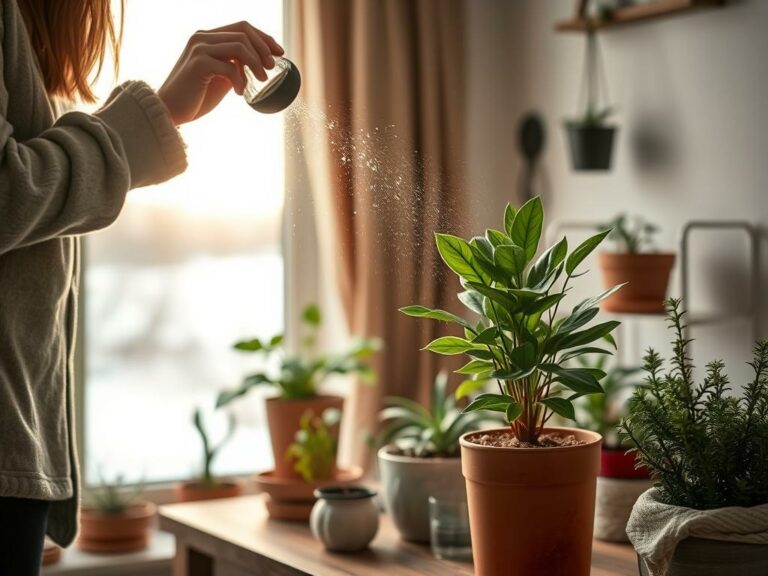
Winter indoor heating dries the air significantly. Increase humidity around your plants by misting them or using pebble trays filled with water. This prevents stress-related yellowing plant leaves during dry months.
In spring, gradually acclimate plants to outdoor conditions if you plan to move them outside. Sudden changes in light and temperature shock your plants and cause yellowing. Move them to a sheltered spot for a few days first.
Monitor light levels as the sun’s angle changes throughout the year. A sunny window in summer may become shaded in winter. You might need to move plants closer to light sources when daylight decreases.
Plants are living organisms that respond to natural light cycles and temperature changes, even when kept indoors.
By recognizing seasonal patterns, you gain confidence in your plant care abilities. You’ll understand that some yellowing plant leaves are not failures in your care routine. Instead, they reflect your plant’s natural adaptation to the changing year.
Proper Pruning for Healthy Leaves
Pruning is one of the most powerful plant care tips for vibrant, strong plants. Many people skip this step, thinking it’s only for appearance. Strategic pruning prevents plant health issues and keeps your foliage looking fresh.
Remove yellowing or damaged leaves to help your plant focus energy wisely. Your plant will direct resources toward new, healthy growth instead.
The Benefits of Regular Pruning
Removing yellow or dead leaves stops your plant from wasting energy. These leaves don’t photosynthesize well and invite disease and pests. Pruning damaged growth lets your plant create vibrant new leaves.
Pruning also improves air circulation around your plant. Thinning out dense growth reduces fungal disease risk significantly. Better airflow means healthier stems and leaves overall.
You’ll spot pest infestations and other plant health issues faster. Close examination during pruning sessions reveals emerging problems early.
- Redirects plant energy to healthy growth
- Reduces disease and pest entry points
- Improves air circulation
- Helps you spot emerging problems early
- Encourages fuller, bushier growth
When to Prune Your Plants
Timing matters for successful pruning. You can remove completely yellow or brown leaves anytime during the year. These leaves won’t recover.
For partially yellow leaves, wait until they’re mostly discolored before removing them.
Spring and summer are ideal pruning seasons. Your plants actively grow during these months and bounce back quickly. Use clean, sharp scissors or pruning shears sterilized with rubbing alcohol.
This plant care tip prevents disease transmission between cuts.
| Leaf Condition | When to Prune | Recovery Time |
|---|---|---|
| Completely yellow or brown | Anytime | Immediate removal |
| Partially yellow leaves | When mostly discolored | Wait for full discoloration |
| Healthy leaves near damaged ones | Spring or summer | 1-3 weeks for new growth |
Cut at the base of the leaf stem without damaging the main stem. Your precision prevents additional plant health issues from careless cutting. Always work slowly and carefully.
Final Thoughts on Caring for Yellowing Leaves
You’ve learned about many reasons why plant leaves turn yellow. Now it’s time to put your knowledge into action. The best plant care tips focus on prevention and early detection.
By understanding the causes, you can avoid most yellowing problems before they start. Your plants depend on you to notice small changes and respond quickly.
Maintaining a Healthy Environment
Creating the right conditions is your strongest defense against yellowing leaves. Start by setting up a consistent routine for watering, fertilizing, and checking your plants. Keep a simple record of when you water and what you feed your plants.
Write down any problems you see. Over time, patterns will emerge that help you understand what your plants need.
Clean your plant leaves regularly to remove dust and dirt. Dust blocks light and makes it hard for plants to breathe. Take a few minutes each week to gently wipe the leaves with a soft cloth.
Quarantine new plants before placing them near your other plants. This stops pests and diseases from spreading. Trust your own observations—you know your plants best and will catch issues early.
Preventing yellowing is much easier than fixing it. Healthy plants resist stress better than weak ones. Strong, happy plants rarely develop serious issues.
Seeking Professional Help When Needed
Sometimes you may need expert advice, and that’s perfectly normal. Local nurseries and garden centers offer free guidance and can test your soil for you. University extension offices in your area provide research-based information for your specific climate and region.
Online plant communities bring together people who love gardening and houseplants. You can post photos of yellowing leaves and get advice from experienced growers around the country. Professional plant services exist for valuable plants or unusual species that need special care.
Reaching out for help shows you’re a responsible plant parent, not a failure.
Yellow leaves are usually fixable with proper care and diagnosis. Every challenge you face makes you a better plant caregiver. You now have the tools to understand what’s happening with your plants.
Move forward with confidence, knowing that observation, consistent care, and willingness to learn matter most.