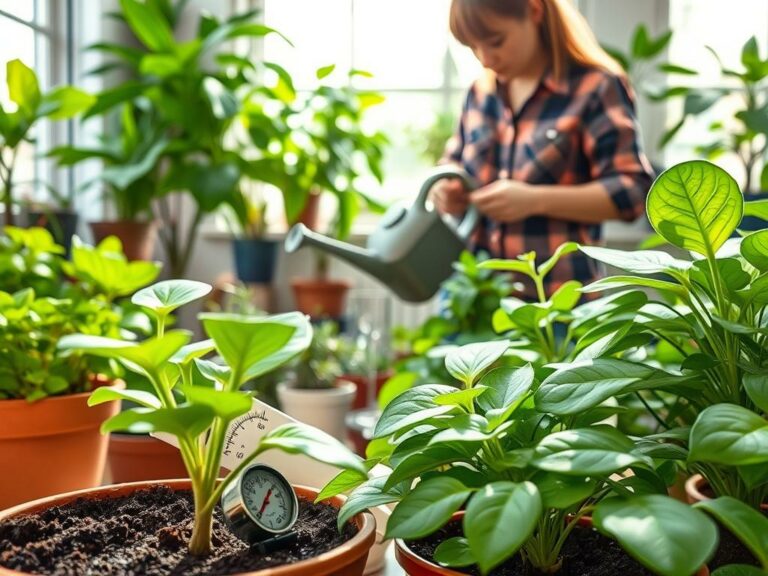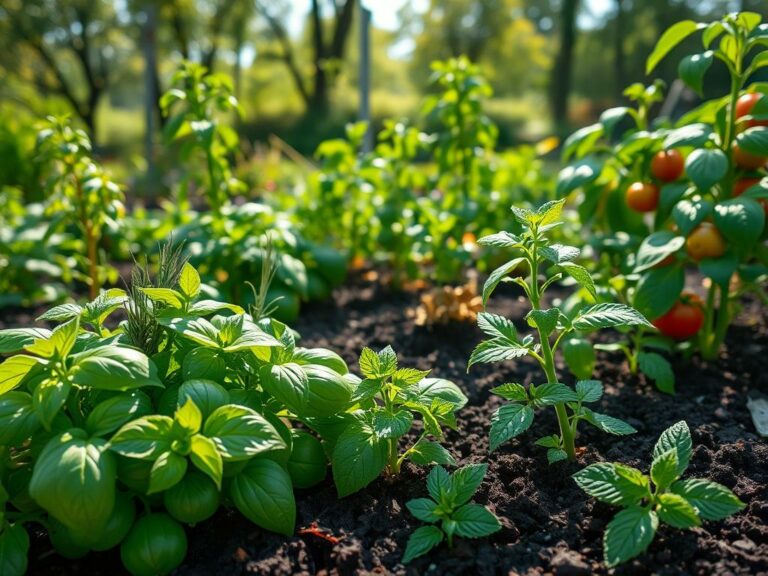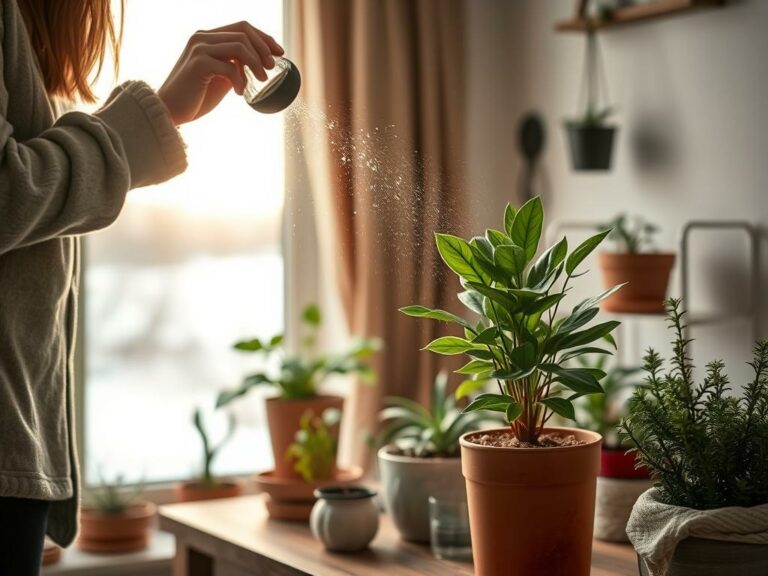

Did you know plants can grow up to 50% faster with the right natural conditions? Most gardeners spend money on expensive chemicals and complicated fertilizers. They don’t realize that simple, natural methods work just as well—sometimes better.
You don’t need special tools or advanced knowledge to make plants grow faster. What you need is a solid grasp of plant basics. Work with nature instead of against it.
Quick plant growth comes down to understanding what your plants really need to thrive. Combine the right sunlight, proper watering, and quality soil. Your plants respond with stronger roots, healthier leaves, and faster growth rates.
Faster plant growth starts with understanding the fundamentals. Growing vegetables in your backyard works the same as caring for porch flowers. The same natural principles apply to houseplants indoors too.
Plants grown naturally don’t just grow faster—they grow stronger. They develop better disease resistance and adapt to their environment easier. You’ll see the difference in how vibrant and healthy your garden looks.
The sections ahead share practical tips you can start using right away. Each strategy builds on the others, creating a complete system for plant success. Your garden is waiting for you to unlock its full potential.
Understand Plant Requirements
You need to understand what your plants actually need before focusing on faster growth. Think of it like preparing a home for someone new. You want to make sure you have the right conditions in place.
The two most critical elements for faster growth are sunlight and water. Matching these factors to your specific plants creates the perfect foundation. This approach leads to rapid, healthy growth.
Sunlight Needs
Different plants have different light requirements. Getting this right is essential for faster growth. Your plants fall into three main categories based on their sunlight needs.
- Full sun plants need 6-8 hours of direct sunlight daily. Tomatoes, sunflowers, and peppers thrive in these bright conditions.
- Partial shade plants prefer 3-6 hours of sunlight. Lettuce, spinach, and blueberries do well with filtered light.
- Full shade plants need less than 3 hours of direct sun. Hostas, ferns, and peace lilies are perfect for dim corners.
Observe the light patterns in your garden or home throughout the day. This simple step helps you make plants grow faster. Each plant gets exactly what it needs.
Watering Guidelines
Water is just as important as light. Different plants have completely different watering needs. Understanding these differences helps speed up growth.
| Plant Type | Watering Frequency | Soil Condition |
|---|---|---|
| Succulents and Cacti | Once every 2-3 weeks | Dry between waterings |
| Tropical Plants (Peace Lilies, Monstera) | 2-3 times per week | Consistently moist |
| Vegetables (Tomatoes, Zucchini) | Daily or every other day | Moist but not waterlogged |
| Herbs (Basil, Parsley) | 3-4 times per week | Moderately moist |
Use the finger test to check soil moisture. Push your finger about one inch into the soil. If it feels dry, water your plant.
If it feels moist, wait a few more days. Adjust your watering schedule based on the season, plant size, and container type. This supports continuous faster growth.
Choose the Right Soil
The soil you select forms the foundation of your plants’ success. Quality soil can speed up plant growth dramatically. It creates an environment where your plants thrive.
Getting this choice right means understanding what your plants need underground. The right soil composition works with proper watering and sunlight. Together, they create ideal growing conditions.
Soil quality affects how your plants absorb nutrients. It impacts water retention and root development. Two key factors determine whether your soil will support enhancing plant growth rate: organic content and pH balance.
Benefits of Organic Soil
Organic soil contains decomposed plant material, compost, and living microorganisms. These create a healthy ecosystem around your plant roots. This living foundation delivers nutrients steadily over time.
Your plants receive consistent nourishment rather than sudden nutrient spikes. This steady feeding helps them grow stronger and healthier.
Using organic soil rich in matter gives you several advantages:
- Improved water retention in sandy soils
- Better drainage in clay-heavy soils
- Slow nutrient release that feeds plants consistently
- Enhanced microbial activity that breaks down organic matter
- Increased soil structure and stability
Products like FoxFarm Ocean Forest provide excellent nutrient content and balanced structure. Miracle-Gro Organic Choice offers similar benefits. These options speed up plant growth by delivering what your plants need naturally.
Organic soil creates the ideal balance between water storage and drainage. Most plants crave this perfect combination.
pH Levels to Consider
pH balance is an often overlooked factor in enhancing plant growth rate. Most plants prefer slightly acidic to neutral soil. This ranges from 6.0 to 7.0 on the pH scale.
Your soil’s pH determines whether plants can actually absorb nutrients. Even nutrient-rich soil becomes useless if the pH is wrong.
Different plants have specific pH preferences:
| Plant Type | Ideal pH Range | Soil Condition |
|---|---|---|
| Blueberries | 4.5–5.5 | Acidic |
| Tomatoes | 6.0–6.8 | Slightly Acidic |
| Lettuce | 6.0–7.0 | Neutral to Slightly Acidic |
| Lilacs | 6.5–7.5 | Neutral to Slightly Alkaline |
| Lavender | 6.5–8.0 | Alkaline |
Testing your soil pH is straightforward. Simple test kits available at garden centers give you accurate readings. You’ll have results in just minutes.
Once you know your pH level, you can adjust it:
- Add lime to raise pH and make soil less acidic
- Add sulfur to lower pH and increase acidity
- Incorporate peat moss to naturally lower pH
Getting your pH right ensures plants unlock the nutrients already in your soil. This foundation step directly impacts your ability to speed up plant growth. Watch your garden flourish with proper pH balance.
Use Fertilizers Wisely
Fertilizers work like vitamins for your plants. They help speed up plant growth naturally without harming your garden. The right fertilizer gives plants the nutrients they need to thrive.
Knowing which fertilizers to choose makes a big difference. Learning how to apply them properly boosts plant growth even more.
Types of Fertilizers
You have two main choices: organic and synthetic options. Organic fertilizers break down slowly in your soil. They provide gentle, steady nutrition over time.
Synthetic fertilizers work faster but can damage roots. Using too much can hurt your plants.
Here are the best organic fertilizer choices for plant growth:
- Fish emulsion – Contains 5-1-1 nutrients and gives quick nitrogen for leafy growth
- Bone meal – Offers 3-15-0 nutrients to support root development and flowering
- Kelp meal – Provides 1-0.5-2.5 nutrients plus trace minerals and growth hormones
- Worm castings – Delivers gentle, sustained nutrition that improves soil quality
- Compost tea – Gives balanced nutrition with beneficial microorganisms
All complete fertilizers contain nitrogen, phosphorus, and potassium. These three primary nutrients help plants grow strong roots. They also create green leaves and beautiful flowers.
| Fertilizer Type | NPK Ratio | Best Use | Application Speed |
|---|---|---|---|
| Fish Emulsion | 5-1-1 | Leafy green growth | Fast |
| Bone Meal | 3-15-0 | Root and flower development | Slow |
| Kelp Meal | 1-0.5-2.5 | Overall plant health and stress relief | Medium |
| Worm Castings | 1-0.5-0.5 | Soil improvement and gentle feeding | Slow |
| Compost Tea | Varies | Balanced nutrition and soil biology | Medium |
How to Apply Fertilizers
Applying fertilizers correctly helps speed up plant growth naturally. Always read the package directions before you start. Over-fertilizing burns roots and actually slows growth.
Follow these practical steps for faster plant growth:
- Water your plants before adding any fertilizer
- Apply fertilizer during spring and summer when plants are actively growing
- Use side-dressing for vegetables by placing fertilizer near the plant base
- Try foliar feeding by spraying diluted fertilizer on leaves for quick nutrient uptake
- Water your plants right after fertilizing to help nutrients reach the roots
- Skip fertilizing in winter when most plants rest and need very little feeding
Timing matters a lot when feeding your plants. During active growth periods, plants can use extra nutrients. They build strong stems and roots with proper feeding.
In winter, most plants enter a dormant phase. They need little to no fertilizer during this time. Respecting this natural cycle helps you get the best results.
Manage Watering Techniques
Water is essential for plant health, but getting it right is an art form. Mastering proper watering techniques can speed up plant growth while preventing common issues. The secret isn’t just about how much water you give your plants.
It’s about when you water, how you water, and understanding what your plants need. This section teaches you the skills to become a watering expert. You’ll learn to recognize when your plants are struggling from too much moisture.
Best Watering Practices
Deep watering done less frequently helps how to make plants grow faster by encouraging deeper roots. This creates stronger plants that resist drought better. Water early in the morning before the sun gets hot.
This timing lets leaves dry during the day, which reduces disease risk significantly.
Different plants benefit from different watering methods. Consider these approaches:
- Drip irrigation delivers water directly to root zones, reducing waste
- Soaker hoses work well for garden beds and flower rows
- Bottom watering for container plants encourages downward root growth
Let tap water sit overnight before using it. This allows chlorine to dissipate, protecting the beneficial microbes in your soil. Quality water matters for effective plant growth.
Signs of Overwatering
Overwatering kills more plants than underwatering does. Watch for these warning signs:
| Warning Sign | What It Means | Action to Take |
|---|---|---|
| Yellow leaves | Roots suffocating from excess moisture | Reduce watering frequency immediately |
| Wilting in wet soil | Root rot starting to develop | Check drainage holes and repot if needed |
| Mushy stems | Fungal infection from moisture | Trim affected areas and improve airflow |
| Fungus gnats present | Wet conditions attracting insects | Let soil dry between waterings |
| Foul soil smell | Anaerobic decay occurring | Allow soil to dry and improve ventilation |
Good drainage is just as important as watering frequency. Make sure your pots have drainage holes and use well-draining soil. These simple steps prevent root rot and help your plants reach their growth potential faster.
Optimize Light Conditions
Light serves as the energy source that powers photosynthesis in your plants. Getting the light conditions right is crucial for rapid development. Understanding how to work with light unlocks one of the fastest ways to boost growth.
Your plants will develop stronger stems and more vibrant leaves with proper lighting. They will also produce better yields under the right conditions.
Natural vs. Artificial Light
Your plants can thrive under natural sunlight or artificial light sources. Natural sunlight gives your plants the full spectrum of wavelengths they need. Position your plants near south-facing windows to capture the most light throughout the day.
North-facing windows work well for plants that prefer gentle, indirect light. These locations suit shade-loving varieties perfectly.
LED grow lights offer an excellent solution for indoor gardening or when natural light falls short. Modern LED systems mimic sunlight while using less electricity than older lighting options. These lights produce different colors that affect your plant growth:
- Blue light promotes leafy, compact growth and builds sturdy plants
- Red light encourages flowering and fruit production
- Full-spectrum LEDs combine both colors for overall plant development
Duration of Light Exposure
The length of daily light exposure dramatically shapes how your plants grow. Most vegetables and annual flowers need 12 to 16 hours of light daily. This duration produces optimal results for these plant types.
Some plants respond differently to day length. Short-day plants like poinsettias need long nights to flower properly. Long-day plants such as lettuce and spinach need extended light periods.
| Plant Type | Light Requirement | Growth Response |
|---|---|---|
| Day-Neutral Plants (Tomatoes, Beans) | 12-16 hours daily | Steady growth regardless of photoperiod |
| Short-Day Plants (Poinsettias, Chrysanthemums) | Long nights required | Flowering triggered by 12 hours or less of light |
| Long-Day Plants (Lettuce, Spinach, Wheat) | 14-16 hours or more | Bolting occurs when exposed to extended daylight |
| Low-Light Plants (Pothos, Shade Ferns) | 6-8 hours indirect light | Survive in shade but grow slowly |
Combine proper light with other growing practices for best results. Your watering techniques, soil quality, and fertilizer choices work together with light optimization. This combination creates the perfect growing environment for your plants.
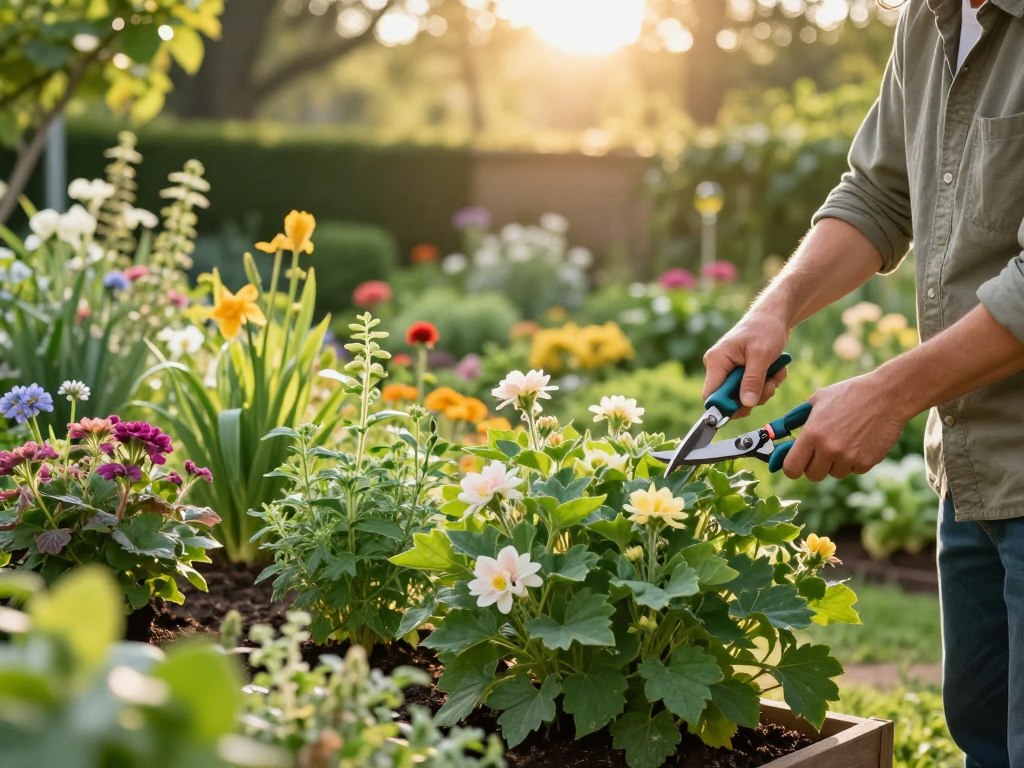
Prune for Growth
Pruning might seem strange when you want to accelerate plant growth naturally. You’re removing parts of the plant, right? Strategic pruning redirects energy toward productive growth.
It creates bushier, stronger plants that produce more flowers and fruit. Understanding how to make plants grow faster involves learning smart pruning techniques.
Why Pruning Matters
Removing the growing tip of a stem triggers something amazing. You eliminate apical dominance—the plant’s natural tendency to focus on the main stem. This wakes up dormant buds lower on the plant to create multiple new branches.
Your plant becomes fuller and more vigorous. Pruning improves air circulation around your leaves, which reduces disease risk. Removing dead or diseased material prevents those parts from draining your plant’s energy.
For plants like tomatoes and peppers, pruning redirects energy toward fruit production. This is one of the best ways to accelerate plant growth naturally while boosting your harvest.
Best Practices for Pruning
Different plants need different pruning approaches. Here’s what works best:
- Herbs like basil and mint—Pinch the tips regularly to prevent flowering and encourage bushy growth
- Tomatoes—Remove suckers (shoots between the main stem and branches) to focus energy on fruit
- Peppers—Pinch the main stem when plants are young to create multiple fruiting branches
- Squash plants—Thin out crowded stems to improve air flow and fruit development
Use clean, sharp pruning shears like those from Felco or Fiskars. Clean cuts heal quickly and prevent disease entry. Never remove more than one-third of your plant at once.
| Plant Type | Best Pruning Time | What to Remove | Growth Benefits |
|---|---|---|---|
| Herbs (Basil, Mint) | When 6-8 inches tall | Growing tips | Bushier plants with more leaves |
| Tomatoes | Throughout growing season | Suckers and lower leaves | Larger fruits and better air flow |
| Spring-blooming shrubs | After flowering | Dead wood and crossing branches | Fuller shape and more blooms next year |
| Peppers | When 12 inches tall | Main stem tip | Multiple branches with more fruit |
| Most houseplants | Spring months | Leggy stems and dead leaves | Compact, attractive growth |
Timing matters for how to make plants grow faster through pruning. Spring is ideal for most plants. Wait until after flowering for spring-blooming shrubs.
Avoid heavy pruning in late fall, as it encourages tender new growth that frost can damage. Regular light pruning throughout the growing season works better than one big haircut.
“Pruning is not just cutting—it’s directing your plant’s energy toward what matters most to you.”
Start pruning with confidence. Your plants will reward you with vigorous growth, healthier foliage, and abundant harvests. These simple techniques accelerate plant growth naturally while keeping your garden looking its best.
Utilize Companion Planting
Companion planting is an ancient farming method that uses plant relationships to create better growing conditions. Certain crops work together as a team to support each other’s development. This natural approach speeds up plant growth without extra chemicals or complicated tools.
Benefits of Companion Plants
Companion plants offer multiple advantages for your garden’s success. Some plants improve soil by adding nutrients that other plants need. Legumes like beans and peas grab nitrogen from the air and put it back into the soil.
This extra nitrogen helps heavy feeders like tomatoes and corn grow stronger. Other companions protect your crops by keeping pests away. They do this through their smell or by bringing in helpful insects that eat the bad bugs.
Certain plant pairs also save space by growing at different heights. Tall plants, climbing vines, and ground covers can all share the same area. Plants can even change how food tastes.
Basil grown near tomatoes may make the tomatoes taste better. This natural teamwork helps you speed up plant growth while keeping your garden healthy.
Examples of Effective Combinations
You can start using these proven pairings right away in your garden:
- Marigolds with tomatoes, peppers, and squash: Marigolds push away aphids, whiteflies, and harmful worms
- Carrots with onions: Onions confuse carrot flies with their strong smell, while carrots break up soil for onion roots
- Nasturtiums near cucumbers and squash: These colorful flowers attract aphids away from your vegetables
- Lettuce under tall plants: Lettuce grows well in the shade created by tomato plants
- Aromatic herbs throughout your garden: Rosemary, sage, and thyme create a confusing scent that keeps pests away
“The ‘Three Sisters’ method—corn, beans, and squash grown together—has been used by Native Americans for centuries to maximize garden space and promote plant growth acceleration.”
These combinations show how smart pairing can speed up plant growth naturally. They also reduce your garden work. Start small with one or two pairings, then expand as you see the benefits.
Implement Mulching Techniques
Mulching is one of the easiest ways to speed up plant growth naturally. This simple practice wraps your soil in a protective layer. It boosts plant health in multiple ways.
Applying mulch around your plants creates the perfect environment for roots. It helps enhance plant growth rate across your entire garden. You’ll also cut down on maintenance work.
Types of Mulch to Use
You have two main categories of mulch to choose from. Organic mulches break down over time and feed your soil with nutrients. Inorganic mulches last longer but don’t improve soil quality.
Organic mulch options include:
- Shredded bark and wood chips for flower beds
- Straw for vegetable gardens (breaks down in one season)
- Grass clippings applied in thin layers for a nitrogen boost
- Compost that acts as both mulch and fertilizer
Inorganic choices like river rock and rubber mulch work well for pathways. They provide lasting coverage where you need it.
Benefits of Mulching for Plants
Mulching delivers serious benefits that speed up plant growth naturally. A 2-4 inch layer keeps soil temperature steady. It protects roots in both summer heat and winter cold.
This extends your growing season and helps plants thrive year-round. Mulch also locks in soil moisture by reducing water evaporation. You’ll water less frequently while your plants stay hydrated.
The layer blocks weeds that compete with your plants for nutrients and water. As organic mulches break down, they feed soil organisms. Mulch prevents soil compaction from heavy rain and reduces diseases by stopping soil splash onto leaves.
| Mulch Type | Best Use | Lifespan | Soil Benefit |
|---|---|---|---|
| Pine bark nuggets | Ornamental beds | 2-3 years | Moderate |
| Straw | Vegetable gardens | 1 season | High |
| Wood chips | Trees and shrubs | 3-4 years | High |
| Compost | All garden areas | Continuous renewal | Very high |
| River rock | Pathways | 5+ years | None |
Monitor Temperature and Humidity
Temperature and humidity profoundly affect how plants grow. Many beginner gardeners overlook these conditions, yet they’re crucial for plant success. Understanding what your plants need helps create the perfect environment for rapid growth.
Learning temperature and humidity control will transform your gardening results.
Ideal Conditions for Different Plants
Different plants thrive in different temperature ranges. Cool-season vegetables like lettuce, spinach, and peas grow best between 60-70°F. Temperatures too warm cause these plants to bolt and become bitter.
Warm-season crops such as tomatoes, peppers, and melons need temperatures between 70-85°F to produce fruit. Cold nights prevent these plants from setting fruit.
Tropical houseplants like philodendrons and monsteras prefer temperatures between 65-80°F with high humidity levels of 50-60%. Succulents tolerate wider temperature changes and prefer low humidity. Most plants slow their growth below 50°F or above 90°F.
At those extremes, plants enter survival mode instead of growth mode.
How to Adjust Indoor Conditions
Controlling your indoor environment is one of the best strategies you can implement. Purchase an affordable thermometer-hygrometer combo from brands like AcuRite to track your conditions accurately.
- Increase humidity for tropical plants by grouping them together
- Place plants on pebble trays filled with water for moisture
- Use a humidifier for consistent humidity levels
- Move plants away from heating vents and drafty windows
- Apply heat mats under seedlings to encourage root growth
- Use shade cloth during hot summer months
Temperature stress can severely limit how plants grow. Keep your plants away from cold drafts and hot air vents. For temperature-sensitive plants and seedlings, heat mats provide gentle bottom warmth that encourages strong root development.
In hot climates, shade cloth reduces temperature stress during peak summer heat while still allowing light. Consistency matters most. Your plants respond best when temperature and humidity levels stay stable throughout the day.
Regular monitoring using simple tools gives you the information needed to make adjustments that support vigorous plant growth.
Encourage Pollination
Pollinators play a vital role in your garden’s success. They enable plant growth acceleration by ensuring your plants produce fruits and seeds. Supporting pollinator populations creates an environment where your plants can thrive and reproduce effectively.
Importance of Pollinators
Approximately 75% of flowering plants depend on animal pollinators to reproduce. Bees, butterflies, moths, beetles, and hummingbirds all contribute to this critical process. Without these creatures, plants like tomatoes, peppers, squash, and fruit trees produce little to no fruit.
Honeybees are remarkably efficient workers. A single honeybee visits 50 to 100 flowers during each trip. Bumblebees offer unique advantages too, performing “buzz pollination” on flowers that honeybees cannot pollinate effectively.
Attracting Pollinators to Your Garden
Creating a pollinator-friendly garden helps your plant growth acceleration goals. Start by planting diverse flowering plants that bloom throughout the year. Choose early bloomers like crocuses, summer flowers like coneflowers and black-eyed Susans, and fall bloomers like asters.
Native plants attract local pollinators most effectively. Consider adding herbs like lavender, borage, and oregano. These plants appeal to pollinators and provide other garden benefits.
Your habitat setup matters greatly. Leave some bare ground for ground-nesting bees. Provide shallow water dishes with stones for landing surfaces.
Avoid pesticides during blooming periods, as these kill the pollinators you’re trying to attract.
| Pollinator Type | Flowers Per Visit | Best Season | Preferred Plants |
|---|---|---|---|
| Honeybees | 50-100 | Spring to Fall | Coneflowers, Lavender, Borage |
| Bumblebees | Variable | Spring to Fall | Tomatoes, Peppers, Squash |
| Butterflies | 15-30 | Summer to Fall | Black-eyed Susans, Asters, Oregano |
| Hummingbirds | 1000+ | Spring to Fall | Tubular Flowers, Sage, Zinnias |
- Plant succession bloomers from early spring through late fall
- Choose native plants adapted to your local climate
- Provide water sources with shallow depths
- Leave some ground bare for ground-nesting bees
- Avoid synthetic pesticides during blooming periods
- Include herb plants like lavender and borage
Supporting pollinator populations is an investment in your garden’s future. By attracting these essential creatures, you enable fruit production and seed formation. This approach to plant growth acceleration focuses on natural processes rather than chemical interventions.
Control Pests Naturally
Pests can damage your plants and slow down your progress. You don’t need harsh chemicals to fight them. Natural pest control methods work with nature and keep your garden healthy.
Early detection helps you stop problems before they hurt your plants. Quick action protects your garden’s health.
Natural Pest Control Methods
You have several effective options to protect your plants without chemicals. Simple techniques work best when you act fast.
- Hand-picking works great for larger pests like hornworms and Japanese beetles. Check your plants in early morning when pests are most active and remove them by hand.
- Insecticidal soap controls soft-bodied insects like aphids. Mix one tablespoon of pure castile soap with one quart of water and spray affected areas.
- Neem oil stops many pests from reproducing and prevents fungal diseases. Brands like Garden Safe offer ready-to-use formulas you can apply easily.
- Diatomaceous earth creates a barrier around your plants. This powder dehydrates crawling insects without harming your plants.
- Beneficial insects eat problem pests naturally. Ladybugs eat up to fifty aphids daily, while lacewing larvae hunt soft-bodied insects.
Signs of Pest Infestation
Catching pest problems early is key to healthy plant growth. Watch for these warning signs in your garden.
| Plant Symptom | Likely Pest | What to Look For |
|---|---|---|
| Yellowing or stippled leaves | Spider mites | Tiny webs on leaf undersides |
| Sticky residue on leaves | Aphids | Distorted new growth, clusters of bugs |
| Holes in leaves | Caterpillars, slugs, beetles | Slime trails or dark droppings |
| Wilting despite wet soil | Root grubs or nematodes | Stunted growth, poor roots |
Finding problems early lets you act before pests cause major damage. Check your plants weekly and respond quickly to any changes you notice.
Regularly Rotate Crops
Crop rotation is one of the most effective quick plant growth tips. This practice prevents soil depletion and stops disease buildup from year to year. Rotating where you plant different crops creates perfect conditions for plants to thrive.
Why Crop Rotation Works
Different plant families pull different nutrients from your soil. Tomatoes, corn, and squash are heavy feeders that take large amounts of nitrogen. Beans and peas actually add nitrogen back into the soil.
Root crops like carrots dig deep into lower soil layers. Lettuce stays shallow near the surface. Planting the same crops in the same spot year after year drains specific nutrients.
Pests and diseases love consistency in your garden. Tomato hornworms and early blight live in soil waiting for their favorite plants. Moving your tomatoes to a new location breaks these pest cycles.
This natural protection keeps plants healthier and stronger without extra chemicals. Rotating your crops gives you quick plant growth tips that work season after season.
How to Rotate Crops Effectively
Start by dividing your garden into three or four sections. Move your plant families through these sections on a three to four year cycle. Year one, plant legumes like beans and peas.
Year two, move to heavy feeders such as tomatoes and peppers. Year three, grow light feeders like root vegetables and onions. Year four, plant cover crops or leave the section empty to rebuild soil.
Keep a garden journal and write down what you planted each year. This record makes planning your rotations simple and prevents mistakes. You will notice your plants produce better yields and face fewer disease problems.
Your soil stays rich and fertile without needing extra fertilizers. This natural approach delivers the quick plant growth tips that gardeners rely on for success.