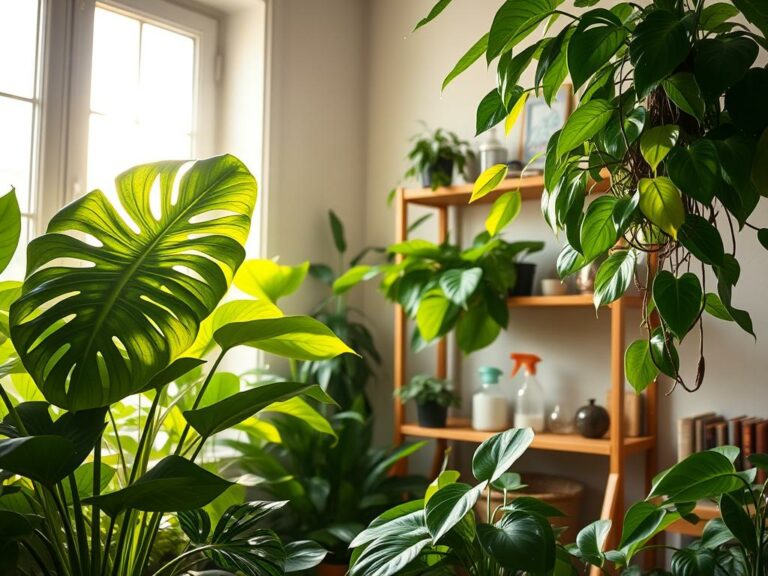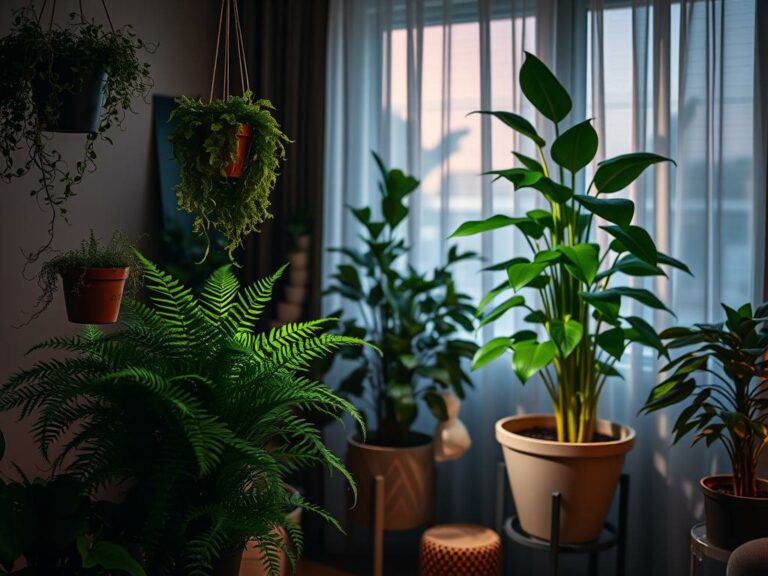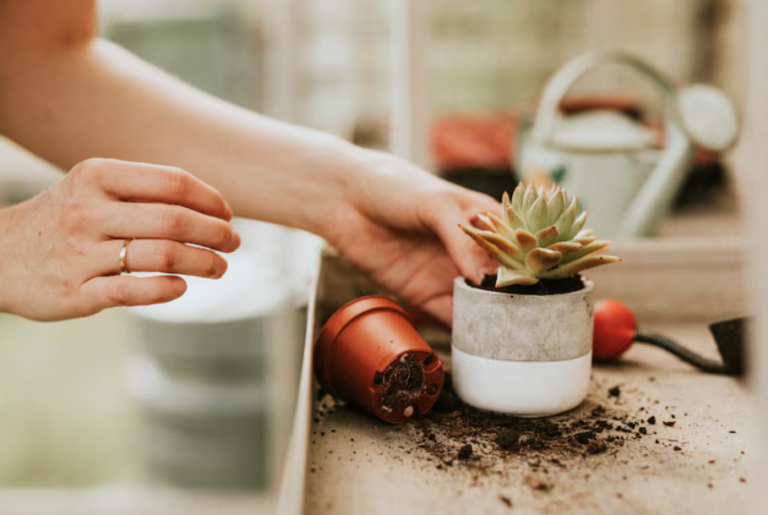

About 87% of American households own at least one houseplant. Many people believe they lack a green thumb. Growing easy indoor plants requires far less skill than you might think.
You don’t need special gardening knowledge or perfect lighting conditions. A strict watering schedule isn’t necessary either. You can still enjoy a thriving indoor garden.
Transforming your living space with greenery is achievable regardless of experience level. Low maintenance houseplants forgive occasional neglect. They adapt to various indoor environments with ease.
The right plant selections will flourish even if you work long hours. They thrive if you travel frequently. They survive even when you forget to water them.
This guide presents 10 outstanding easy indoor plants for your home. They bring beauty and life without demanding constant attention. Each plant was chosen for its resilience and adaptability.
These plants adapt to different light conditions easily. They have a forgiving nature regarding watering schedules. You’ll discover options that fit various room styles and personal preferences.
Low maintenance houseplants offer real benefits beyond aesthetics. They improve air quality by filtering out toxins. They release oxygen to make your home feel fresh.
Your home becomes a more vibrant and welcoming environment. It feels alive with greenery. You can nurture growing things without complex care routines.
Busy schedules won’t prevent your success with these plants. Limited natural light isn’t a problem either. Occasional forgetfulness won’t harm these resilient selections.
You’ll learn exactly what each plant needs to thrive. You’ll discover how to create ideal conditions in your home. You’ll gain confidence to fill your rooms with beautiful greenery.
Why Choose Easy Indoor Plants?
Adding greenery to your living space doesn’t require a green thumb or hours of dedication. Beginner friendly indoor plants bring natural beauty into your home while fitting perfectly into your real life. The best indoor plants for beginners offer a low-stress way to enjoy the wellness benefits of indoor gardening.
Benefits of Minimal Maintenance
Low-maintenance plants eliminate the stress that often comes with traditional gardening. You don’t need to water them daily or follow complicated feeding schedules. These forgiving plants thrive on neglect, meaning you can skip a watering or two without worry.
The advantages of choosing beginner friendly indoor plants extend beyond convenience:
- Save money by avoiding frequent plant replacements
- Reduce daily care time to just minutes per week
- Build confidence with early gardening success
- Enjoy better air quality in your home
- Experience stress relief from nurturing living things
Perfect for Busy Lifestyles
Your demanding schedule shouldn’t keep you from enjoying plants. The best indoor plants for beginners survive weekend trips and long workdays. They still provide mental health benefits and natural beauty.
Easy-to-care-for plants work well for:
- Working professionals with unpredictable schedules
- Students managing coursework and activities
- Renters seeking temporary décor solutions
- Anyone trying plant care for the first time
- Busy parents juggling multiple responsibilities
Indoor gardening becomes accessible to everyone when you choose plants that adapt to real-world living. Your home deserves greenery. You deserve plants that work with your lifestyle rather than against it.
Snake Plant: The Resilient Choice
The snake plant stands out as one of the most hard to kill houseplants you can bring home. Known scientifically as Sansevieria, this plant thrives on neglect and adapts to nearly any environment. Its upright, architectural leaves add visual interest to any room while purifying your air.
Overview of Snake Plant Care
Caring for hard to kill houseplants like the snake plant involves understanding a few basic needs. Water your snake plant every 2 to 3 weeks, allowing the soil to dry out completely between waterings. Overwatering poses the biggest threat to this plant’s survival, so err on the side of dryness.
The plant tolerates low to bright indirect light, making it perfect for various room conditions. Your snake plant thrives best in temperatures between 60 and 85 degrees Fahrenheit. Use well-draining soil to prevent root rot.
The plant’s thick leaves store water, enabling it to survive extended periods without care. Snake plants remove toxins like formaldehyde and benzene from your air.
Common Varieties
Several popular snake plant varieties offer different visual styles for your space. Each cultivar brings unique characteristics while maintaining the same low-maintenance qualities:
- Sansevieria trifasciata ‘Laurentii’ – Features striking yellow-edged leaves with dark green centers
- ‘Black Gold’ – Displays deep green foliage with golden margins for dramatic contrast
- ‘Cylindrica’ – Offers cylindrical, pencil-like leaves that create interesting texture
- ‘Moonshine’ – Showcases silvery-green foliage that brightens dim corners
Choose the variety that best suits your space’s aesthetic and lighting conditions. All these hard to kill houseplants share the snake plant’s resilient nature.
Pothos: A Popular Climbing Plant
Pothos stands out as one of the most beloved easy care house plants. This climbing vine adapts to almost any space and grows beautifully with minimal effort. You can use it as a trailing plant for your shelf or a climbing accent.
Its heart-shaped leaves come in various colors. This makes it a stylish choice for any room.
Ideal Growing Conditions
Your pothos thrives in medium to low indirect light. Variegated varieties need brighter spots to keep their beautiful patterns. The plant prefers temperatures between 65 and 85 degrees Fahrenheit.
Your home’s average humidity works perfectly fine. Pothos adapts to most conditions.
Water your pothos when the top inch of soil feels dry. Let drooping leaves signal you when it needs a drink. You can grow pothos in soil or water.
Train it up moss poles or let it cascade from hanging baskets. This flexibility makes pothos one of the easiest easy care house plants to display.
Why Pothos is Low-Maintenance
Pothos bounces back quickly from neglect. It tolerates various light levels and grows rapidly. Propagating new plants takes seconds—just snip a stem cutting and place it in water or soil.
Popular varieties include:
- Golden Pothos — classic green and yellow leaves
- Marble Queen — white and green variegation
- Neon Pothos — bright lime-green foliage
- Manjula Pothos — silver and green striped leaves
These varieties let you pick a style matching your space. You can enjoy the same low-maintenance care that makes pothos perfect for busy people.
ZZ Plant: Tough and Tolerant
The ZZ plant, scientifically known as Zamioculcas zamiifolia, stands out as one of the most simple houseplants to grow. This plant thrives where many others struggle. It’s perfect for beginners and busy plant parents.
Its remarkable ability to adapt has earned it a reputation as a near-indestructible houseplant.
Characteristics of the ZZ Plant
The ZZ plant displays distinctive features that make it visually appealing and functionally resilient. Its thick, glossy leaflets grow along graceful, wand-like stems. Most ZZ plants reach heights of 2 to 3 feet indoors.
What sets this plant apart is its underground root system. The ZZ plant stores water in specialized structures called rhizomes. This allows it to survive extended periods without watering.
The ZZ plant also possesses natural pest resistance and air-purifying qualities. Its slow but steady growth means you won’t need constant pruning. The plant adapts well to low-light corners where sunlight rarely reaches.
Tips for Thriving Growth
Growing simple houseplants to grow like the ZZ plant requires minimal effort with these straightforward guidelines:
- Water only when soil feels completely dry (typically every 2 to 3 weeks)
- Use well-draining potting soil to prevent water buildup
- Avoid direct sunlight that can scorch the leaves
- Fertilize sparingly during growing seasons (2 to 3 times yearly)
- Keep the plant in temperatures between 65 and 75 degrees Fahrenheit
Watch for overwatering signs, including yellowing leaves and mushy stems. Remember that the ZZ plant’s slow growth rate is completely normal. This plant thrives on neglect better than constant attention.
Spider Plant: A Classic Favorite
The spider plant stands out as one of the most popular no fuss indoor plants. This classic beauty has graced living rooms and offices for generations. Spider plants adapt well to different lighting conditions and forgive occasional neglect.
Caring for Spider Plants
Your spider plant thrives in bright to medium indirect light. It tolerates lower light conditions better than many houseplants. Water your plant when the top inch of soil feels dry.
Keep temperatures between 60-75°F for optimal growth. Water typically once per week for best results.
Spider plants develop brown leaf tips from fluoride in tap water. Use filtered or rainwater to prevent this common issue. Misting your plant occasionally boosts humidity and keeps foliage fresh.
These no fuss indoor plants produce long stems with baby plantlets. You can easily propagate them to create new plants.
- Bright to medium indirect light preferred
- Water when top inch of soil is dry
- Maintain temperatures between 60-75°F
- Use filtered or rainwater to prevent brown tips
- Mist leaves occasionally for humidity
- Propagate babies for new plants
Varieties to Consider
Spider plant varieties offer different visual styles while maintaining easy-care characteristics. Your choice depends on personal preference and your home’s décor.
| Variety Name | Appearance | Best For |
|---|---|---|
| Vittatum | White stripe down center of leaves | Modern, bright spaces |
| Variegatum | White edges on green leaves | Traditional décor |
| Bonnie | Curled, wavy green leaves | Unique visual interest |
| Green Variety | Solid deep green foliage | Classic, any style |
Each variety delivers the same dependable nature that makes spider plants excellent choices. Your spider plant will reward minimal efforts with beautiful cascading growth. It will also produce abundant baby plantlets you can share with friends.
Peace Lily: Beauty with Ease
The peace lily stands out as one of the most elegant foolproof indoor plants. This stunning plant produces beautiful white blooms that float above deep green foliage. Peace lilies thrive with minimal effort and communicate their needs clearly.
They work perfectly for beginners and experienced plant parents alike.
Understanding Peace Lily Needs
Peace lilies are incredibly forgiving plants that work well in low to medium indirect light. Your office, bedroom, or any room without bright sunlight becomes an ideal home. They prefer soil that stays consistently moist but not waterlogged.
The best part? Your peace lily tells you when it needs water by dramatically drooping. Within hours of watering, it bounces back to life.
These plants thrive in average home temperatures between 65 and 80 degrees Fahrenheit. They also boast remarkable air-purifying abilities. NASA research shows peace lilies remove harmful chemicals like ammonia and formaldehyde from indoor air.
- Prefer low to medium indirect light
- Need consistently moist soil
- Thrive at temperatures between 65-80°F
- Purify indoor air naturally
- Recover quickly from wilting
Tips for Successful Flowering
Encouraging those gorgeous white spathes requires attention to a few key factors. Provide adequate but not excessive light to support flowering. Keep soil moisture consistent throughout the growing season.
Feed your plant monthly with diluted fertilizer from spring through summer. Remove spent blooms to encourage new flower production. Understand that blooming naturally slows during winter months.
Watch for brown leaf tips, which signal either low humidity or mineral buildup. Repot your peace lily every one to two years when it becomes root-bound. These foolproof indoor plants rarely disappoint with straightforward care.
- Water when soil surface feels dry
- Apply diluted fertilizer monthly during growing season
- Remove old flowers to promote new blooms
- Mist leaves occasionally to increase humidity
- Repot every 1-2 years as needed
Aloe Vera: Multifunctional and Simple
Aloe vera stands out as one of the best starter houseplants for anyone seeking beauty and function. This succulent combines ornamental appeal with practical health benefits. The plant’s thick, gel-filled leaves serve multiple purposes beyond decoration.
You can grow aloe vera with minimal effort. This makes it perfect for busy people or those new to plant care.
Health Benefits of Aloe Vera
The gel inside aloe leaves offers impressive healing properties. Fresh gel from your plant soothes burns, cuts, and skin irritations naturally. The plant contains compounds that reduce inflammation and promote faster healing.
You’ll find the moisturizing qualities helpful for dry or irritated skin. Harvesting aloe gel from your own starter houseplants gives you fresher, more potent results. This beats many store-bought products.
Simply cut a mature outer leaf and squeeze the gel into a clean container. Always test the gel on a small skin area first. Never ingest aloe without medical guidance.
Care Tips for Longevity
Growing healthy aloe vera requires attention to a few key factors:
- Provide bright, indirect light or direct morning sun
- Water every 2-3 weeks, allowing soil to dry completely between waterings
- Use well-draining cactus or succulent soil mix
- Maintain temperatures above 50°F
- Plant in containers with drainage holes to prevent root rot
Watch for signs of plant health. Plump, upright leaves indicate a thriving aloe. Brown, shriveled, or drooping leaves signal stress.
Aloe starter houseplants produce small pups around the base. You can propagate these into new plants. Choose appropriately-sized pots to keep your aloe healthy for years of use.
Rubber Plant: A Statement Piece
The rubber plant stands out as one of the most striking low maintenance houseplants for your living space. Its large, glossy leaves and elegant appearance act like living sculpture in any room. Rubber plants belong to the Ficus elastica family and bring both style and simplicity to your home.
You’ll find them forgiving enough for beginners while impressive enough to wow visitors. These plants don’t demand constant attention or special treatment. They thrive when you give them basic care and let them grow at their own pace.
Light and Water Requirements
Your rubber plant performs best in bright, indirect light. Place it near a window where sunlight filters through without hitting the leaves directly. Variegated varieties need more light to keep their color patterns sharp and beautiful.
Water your rubber plant when the top inch of soil feels dry to the touch. During spring and summer, this typically means watering once weekly. In winter, reduce watering since the plant grows more slowly.
Use well-draining potting mix to prevent root problems. Watch for warning signs like leaf drop, which signals the plant needs adjustment. Keep temperatures between 60 and 75 degrees Fahrenheit for best results.
Dust your plant’s leaves regularly or wipe them gently with a damp cloth. Clean leaves help the plant absorb more light and improve photosynthesis. This simple task keeps your low maintenance houseplants looking shiny and healthy.
Pruning for Better Growth
Pruning shapes your rubber plant into a fuller, bushier form. Make cuts just above leaf nodes to encourage branching. You can control height by trimming the main stem at your desired length.
- Remove damaged or yellowing leaves promptly
- Prune during spring and early summer for best results
- Wear gloves while pruning since the milky sap can irritate skin
- Save healthy cuttings to propagate new plants
For leggy plants that look thin and sparse, pruning encourages branching at lower points. This technique transforms scraggly specimens into full, attractive low maintenance houseplants. You’ll enjoy watching your rubber plant develop into the statement piece you envisioned.
Dracaena: A Stylish Addition
Dracaena plants rank among the best easy indoor plants for anyone seeking low-maintenance greenery. These plants bring visual interest through their distinctive foliage and unique growth patterns. Dracaena varieties fit seamlessly into any room, from sleek modern spaces to tropical-themed areas.
Their architectural appeal makes them stand out as stylish decorative elements. They thrive with basic care routines and require minimal attention.
Varieties of Dracaena
You’ll find several dracaena varieties that work well as easy indoor plants. Each type offers distinct characteristics that suit various interior design styles.
- Dracaena marginata (Dragon Tree) features thin, red-edged leaves that create an elegant shape. This variety grows upright and reaches 3-6 feet tall. It’s perfect for corners and tight spaces.
- Dracaena fragrans (Corn Plant) displays wide, arching leaves with yellow stripes. This variety occasionally produces fragrant flowers. It works wonderfully in larger rooms where it can reach full size.
- Dracaena reflexa (Song of India) showcases yellow-striped leaves on a compact plant. This smaller variety reaches about 2-3 feet. It fits well on shelves or desks.
- Dracaena compacta offers a dense, bushy appearance perfect for smaller spaces. Its compact nature makes it easy to manage in tight areas.
General Care Guidelines
Growing these easy indoor plants successfully requires attention to just a few key factors. Dracaena plants prefer medium to bright indirect light. They tolerate lower light conditions, though they grow more slowly in dim areas.
Water your dracaena when the top 2 inches of soil feel dry. This typically happens every 1-2 weeks. These plants appreciate filtered water since they’re sensitive to fluoride, which causes brown leaf tips.
Keep your plant in temperatures between 65-75°F for optimal growth. Feed your dracaena during the growing season using a balanced fertilizer.
Watch for common pests like spider mites and scale insects. If yellowing leaves appear, reduce watering frequency or improve drainage in your pot.
Cast Iron Plant: Almost Indestructible
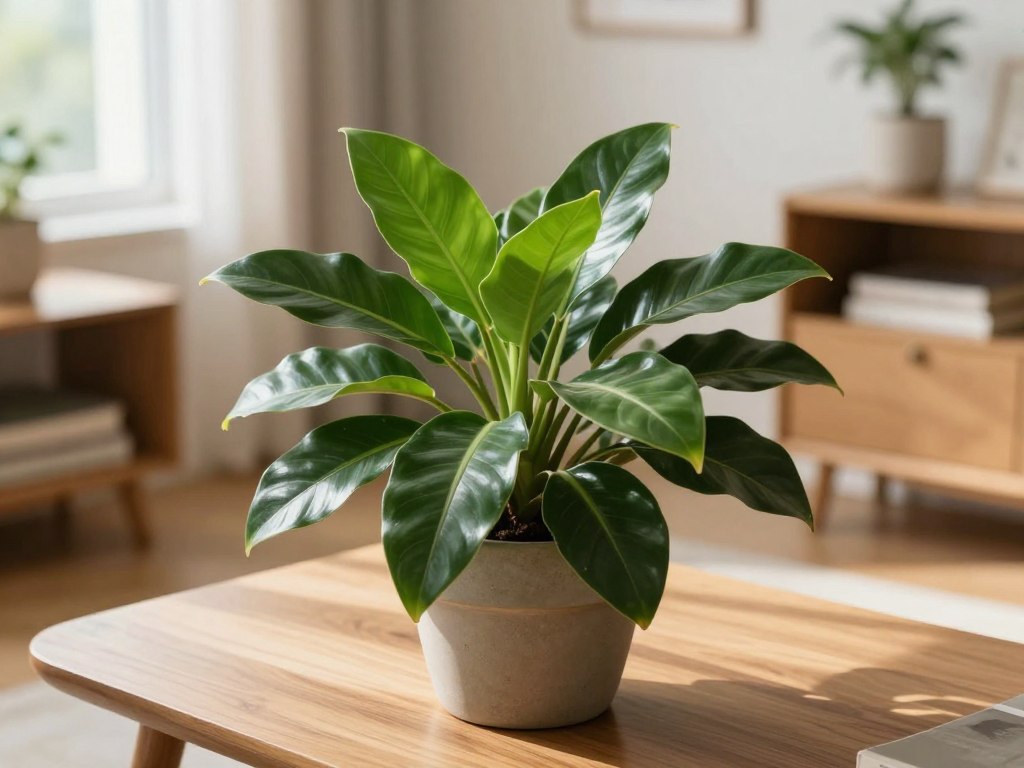
The cast iron plant stands out as one of the most reliable beginner friendly indoor plants. Its scientific name, Aspidistra elatior, reflects a plant that earns its reputation through sheer resilience. This plant thrives in spaces where other houseplants struggle.
If you want a beginner friendly indoor plant that forgives neglect, the cast iron plant delivers. It handles adverse conditions better than most other species.
Best Conditions for Growth
Your cast iron plant performs best with proper care, even though it tolerates extreme conditions. This beginner friendly indoor plant grows well in low to medium indirect light. It’s ideal for offices with fluorescent lighting or dim hallways.
Keep your plant in temperatures between 50 and 85 degrees Fahrenheit. Water it when the top 2 inches of soil feel dry. This usually means watering every 1 to 2 weeks.
The cast iron plant produces dark green, lance-shaped leaves that emerge directly from the soil. Growth happens slowly, which is normal for this species. You might notice occasional purple flowers appearing at soil level during growing season.
| Care Factor | Ideal Conditions | Frequency |
|---|---|---|
| Light | Low to medium indirect light | Consistent |
| Temperature | 50–85°F | Year-round |
| Watering | When top 2 inches dry out | Every 1–2 weeks |
| Humidity | Moderate levels | Regular misting optional |
| Soil | Well-draining potting mix | Repot every 2–3 years |
Troubleshooting Common Issues
Your beginner friendly indoor plant rarely encounters serious problems. Brown leaf tips usually result from tap water fluoride or low humidity. Try using filtered water or misting your plant occasionally.
Yellowing leaves typically signal overwatering. Let the soil dry out between waterings. Slow growth is completely normal for this species.
Keeping your cast iron plant healthy involves minimal effort. Clean the leaves occasionally with a soft, damp cloth to remove dust. This helps the plant breathe better.
You can divide overgrown plants into smaller sections for propagation. Patience remains key with this slow-growing species. It rewards your care over many years with steady, dependable growth.
- Clean leaves every month with a soft cloth
- Divide overgrown plants in spring
- Use filtered water to prevent brown tips
- Allow soil to dry between waterings
- Maintain moderate room temperatures
How to Incorporate Easy Indoor Plants in Your Home
Bringing easy indoor plants into your living spaces creates a fresh and welcoming environment. The key is placing them where they look great and where they can thrive. Your home has different areas with varying light levels and humidity.
By understanding these microclimates, you can select the perfect spots for each plant. This approach keeps your easy indoor plants healthy while making your home more beautiful.
Placement for Maximum Impact
Start by grouping your easy indoor plants with similar needs together. This makes watering and care much easier. Place tall plants like rubber plants in room corners to soften hard lines.
These plants draw the eye upward and make rooms feel larger. Use trailing plants like pothos on shelves or in hanging baskets. They cascade down and create visual interest.
Position statement plants like snake plants in entry areas or living rooms as focal points. These bold plants immediately catch attention and set the tone for your space.
Peace lilies thrive in bathrooms where humidity is high. Cast iron plants work well in dark hallways where light is scarce. Place air-purifying snake plants in bedrooms.
Put resilient pothos in offices where you might forget to water regularly. Matching plants to room conditions means less work for you.
Decoration Tips and Ideas
Select decorative containers that match your interior style. Make sure pots have drainage holes or use cache pots inside decorative containers. This prevents root rot and keeps your easy indoor plants healthy.
Ceramic, terracotta, and fabric pots come in many colors and styles. Create visual interest by grouping plants at different heights. Use plant stands to add dimension and layers.
Mix plant varieties with different textures and leaf shapes. Tall dracaena pairs nicely with trailing pothos and compact snake plants. This combination draws the eye and makes displays feel complete.
Color coordinate your containers with your room’s palette. Neutral pots work in any space, while bold colors make plants stand out. Use easy indoor plants to define open floor plans by placing them strategically.
Your plants become both decorative elements and natural dividers. With thoughtful placement and styling, your easy indoor plants enhance every corner of your home.