
About 80% of American home gardeners struggle with garden pests each year. They spend billions on chemical treatments that can harm their families and the environment. You don’t have to be part of that statistic.
Growing a healthy garden without toxic chemicals is easier than you think. Natural pest control for plants has become the smart choice for millions of American gardeners. These methods work with nature rather than against it.
Eco-friendly pest management isn’t just better for the planet. It’s often more effective and less expensive than conventional pest control. You’ll save money while creating a safer space for your family, pets, and beneficial insects.
This guide will show you proven techniques that real gardeners use every day. You’ll learn about essential oils, beneficial insects, and homemade sprays that actually work. Each method is simple to understand and easy to put into action.
Your plants can thrive without harsh chemicals. You’ll have a complete toolkit for keeping your garden healthy and beautiful all year long.
Understanding Natural Pest Control for Your Plants
Taking care of your garden doesn’t mean using harsh chemicals. These products can harm your family and the environment. Learning about organic plant pest control opens up a new way to care for plants.
Shifting toward natural methods protects what matters most to you. Understanding how these systems work puts you in control of your garden’s health.
Natural pest management is about working with nature rather than against it. This approach focuses on balance and prevention. It creates an environment where your plants can thrive without toxic sprays.
What is Natural Pest Control?
Organic plant pest control uses nature’s own tools to manage garden pests. Instead of killing every insect you see, this method keeps pest populations manageable. You work with beneficial insects, plant-based treatments, and smart gardening practices.
Holistic plant pest prevention goes even deeper. It focuses on creating strong, healthy plants that resist pests naturally. Well-fed and properly cared for plants fight off many problems before they start.
Benefits of Going Natural
Choosing natural methods brings real advantages to your home and garden:
- Keeps helpful insects like ladybugs and bees safe in your garden
- Removes toxic residue from vegetables and fruits your family eats
- Cuts down on chemicals that damage soil and water
- Saves money over time since you use fewer expensive products
- Creates a safer play area for children and pets
- Builds stronger soil that supports plant growth for years
Common Misconceptions
You might have heard that natural methods don’t work well. This isn’t true. Organic plant pest control works just as effectively as chemical options.
Some people think organic approaches cost too much. Making your own sprays and using companion plants costs far less. You’ll spend less than buying commercial pesticides over time.
Another false belief is that you must accept plant damage. With holistic plant pest prevention and early detection, you can keep plants healthy. You don’t have to choose between protecting your plants and protecting your family.
Essential Oils as Natural Insect Repellents
Essential oils offer a powerful solution for protecting your garden from unwanted pests. These concentrated plant extracts contain compounds that insects find overwhelming or repulsive. Your plants stay safe, and your family avoids harmful chemicals.
Natural insect repellents like essential oils work by disrupting pest behavior. They create barriers that pests want to avoid. Learning to use these oils properly turns your garden into a pest-resistant space.
Top Essential Oils for Pest Control
Different oils work best against specific garden pests. Choosing the right ones helps you target your problem insects effectively.
| Essential Oil | Target Pests | Best Uses |
|---|---|---|
| Peppermint Oil | Aphids, Spider Mites | Vegetable gardens, herb plants |
| Rosemary Oil | Cabbage Moths, Beetles | Brassicas, leafy greens |
| Thyme Oil | Whiteflies | Ornamental plants, herbs |
| Eucalyptus Oil | Flying Insects | General garden protection |
| Lavender Oil | Moths, Fleas | Flowering plants, borders |
How to Use Essential Oils Effectively
Proper application makes these natural insect repellents work best for your plants. Mix oils correctly and apply them at the right times.
- Dilute 10-15 drops of essential oil per cup of water
- Add a small amount of dish soap to help the mixture coat leaves evenly
- Apply every 3-7 days or after rain washes treatments away
- Spray in early morning or evening to prevent leaf burn
- Test oils on a small plant area first to check plant tolerance
Combine different oils for broader protection against multiple pests. Your garden benefits from layered defense using natural insect repellents that work together. Start with one oil, observe results, then expand based on what works best.
Beneficial Insects: Your Plants’ Allies
Nature gives you an amazing team to protect your garden. You can work with beneficial insects that eat harmful bugs and keep plants healthy. This approach aligns perfectly with sustainable pest control methods that work with nature.
Identifying Beneficial Insects
The first step is learning which insects help your garden. You’ll want to recognize these garden heroes:
- Ladybugs consume up to 50 aphids every single day
- Lacewings have larvae that eat huge numbers of aphids
- Praying mantises hunt many types of garden pests
- Ground beetles target slugs and caterpillars
- Parasitic wasps lay eggs inside harmful insects
- Hoverflies produce larvae that consume aphids quickly
Each bug has unique markings and behaviors. Ladybugs are round with bright colors. Lacewings have delicate, lacy-looking wings.
How to Attract Beneficial Insects
You can invite these helpful insects into your garden using simple methods. Create an environment where they want to stay:
- Plant diverse flowers like yarrow, dill, fennel, and sweet alyssum
- Provide shallow water sources with small stones for landing spots
- Build insect hotels using hollow stems and wood pieces
- Avoid using broad-spectrum pesticides that kill all insects
- Leave some wild areas in your garden
These sustainable pest control methods work because they create a balanced ecosystem. Beneficial insects with food and shelter stay put and control pests naturally.
The Role of Pollinators in Pest Management
Bees, butterflies, and other pollinators do more than just pollinate flowers. They strengthen your entire garden system. Pollinators help plants become stronger and healthier.
Healthy plants resist pest damage better than weak ones.
“A garden filled with diverse insects creates a natural balance that prevents pest outbreaks before they start.”
Using sustainable pest control methods with pollinators builds a living defense system. More pollinators equal more biodiversity. More biodiversity equals fewer pest problems.
Homemade Insecticidal Soaps
Making your own insecticidal soap is one of the easiest ways to practice non-toxic pest control at home. You don’t need fancy chemicals or expensive products to protect your plants from common garden pests. With just a few basic ingredients, you can create an effective solution.
This method keeps aphids, mealybugs, spider mites, and whiteflies under control. It works by breaking down the protective coating on soft-bodied insects. This causes them to dehydrate and die.
Ingredients You Need
You’ll need just three simple ingredients to make your homemade insecticidal soap. Start with pure liquid castile soap—brands like Dr. Bronner’s work perfectly for non-toxic pest control. Avoid using regular dish detergent, as it contains additives that can harm your plants.
- Pure liquid castile soap (1-2 tablespoons)
- Water, preferably soft or distilled (1 quart)
- Optional: vegetable oil (1 teaspoon) to help the solution stick to leaves
The soap dissolves the waxy layer that protects soft-bodied insects from drying out. The water acts as your carrier. The optional oil helps the mixture coat plant leaves more effectively.
Step-by-Step Recipe
Creating your insecticidal soap is straightforward and takes just a few minutes.
- Pour one quart of soft or distilled water into a spray bottle
- Add 1-2 tablespoons of pure liquid castile soap to the water
- Include one teaspoon of vegetable oil if you want better coverage
- Shake the bottle gently for about 10 seconds to mix ingredients
- Test your mixture on a small leaf area first
- Wait 24 hours to check for any plant sensitivity or damage
Getting the consistency right matters for effective non-toxic pest control. Your solution should be soapy but not too thick. If you see any leaf damage, dilute the mixture with more water.
| Ingredient | Amount | Purpose |
|---|---|---|
| Liquid Castile Soap | 1-2 tablespoons | Breaks down insect protective coating |
| Water (Soft or Distilled) | 1 quart | Carrier and dilution base |
| Vegetable Oil | 1 teaspoon | Helps solution stick to leaves |
When and How to Apply
Timing and technique matter for applying your homemade insecticidal soap. Spray your plants early in the morning or during evening hours. Avoid spraying during hot sunshine, as this can damage leaves.
Apply your mixture generously to all plant surfaces. Pay special attention to leaf undersides where pests hide. Coat stems and the tops of leaves completely.
Repeat your application every 4-7 days as needed until pests disappear. About two to three hours after spraying, rinse your plants with plain water. For stubborn infestations, you may need to repeat treatments for two to three weeks.
- Spray in early morning or late evening
- Cover all leaf surfaces, especially undersides
- Reapply every 4-7 days as needed
- Rinse plants with plain water after 2-3 hours
- Continue treatment for 2-3 weeks for heavy infestations
Your homemade insecticidal soap is safe for children and pets. This makes it an excellent choice for families who want effective non-toxic pest control. Store any leftover mixture in a cool, dark place, and use it within a few weeks.
The Power of Diatomaceous Earth
Diatomaceous earth stands out as one of the most effective plant-friendly pest control solutions available to gardeners. This natural powder delivers impressive results against crawling insects without harming your plants or soil. If you’re looking for a reliable way to protect your garden, this method deserves your attention.
What is Diatomaceous Earth?
Diatomaceous earth comes from fossilized remains of tiny aquatic organisms called diatoms. The powder feels soft and smooth to your touch. Under a microscope, it has sharp microscopic edges.
Insects crawl across it, and these edges cut through their exoskeletons. This causes them to lose moisture and eventually die.
You must purchase food-grade diatomaceous earth for your garden. Pool-grade versions contain chemicals that can harm your plants. Food-grade options work against slugs, beetles, ants, earwigs, and many crawling insects.
How to Apply Diatomaceous Earth
Applying diatomaceous earth correctly makes all the difference in your plant-friendly pest control efforts. Here are the most effective methods:
- Dust powder around plant bases using a flour sifter for even coverage
- Create protective barrier rings around vulnerable plants
- Apply directly to soil surfaces where pests travel
- Dust plant leaves when they’re completely dry
Remember that diatomaceous earth only works when dry. Rain and heavy dew wash it away. You’ll need to reapply after wet weather.
| Application Method | Best Used For | Frequency |
|---|---|---|
| Dusting around base | Slugs, ants, crawling beetles | Every 2-3 weeks or after rain |
| Barrier rings | Protecting young seedlings | Reapply after watering |
| Leaf dusting | Flying insects and beetles | Every 5-7 days in dry conditions |
| Soil surface application | Underground pests and grubs | Monthly during growing season |
Safety Tips for Use
Using diatomaceous earth safely protects both you and your garden’s ecosystem. Follow these important precautions:
- Wear a dust mask during application to avoid inhaling fine particles
- Apply on calm days to prevent the powder from blowing away
- Avoid applying near flowering plants during pollinator activity hours
- Keep the product away from water sources and beneficial insects
- Store in a dry location in sealed containers
Diatomaceous earth is non-toxic to humans and pets. However, it affects all insects indiscriminately. Use it thoughtfully to minimize impact on plant-friendly pest control allies like ladybugs and lacewings.
Apply in early morning or late evening when pollinators rest. This protects these important garden helpers.
“The key to successful natural pest management is understanding your tools and using them at the right time.”
Diatomaceous earth represents a smart choice for gardeners seeking sustainable plant-friendly pest control. It protects your garden’s health and the environment’s wellbeing.
Companion Planting Strategies
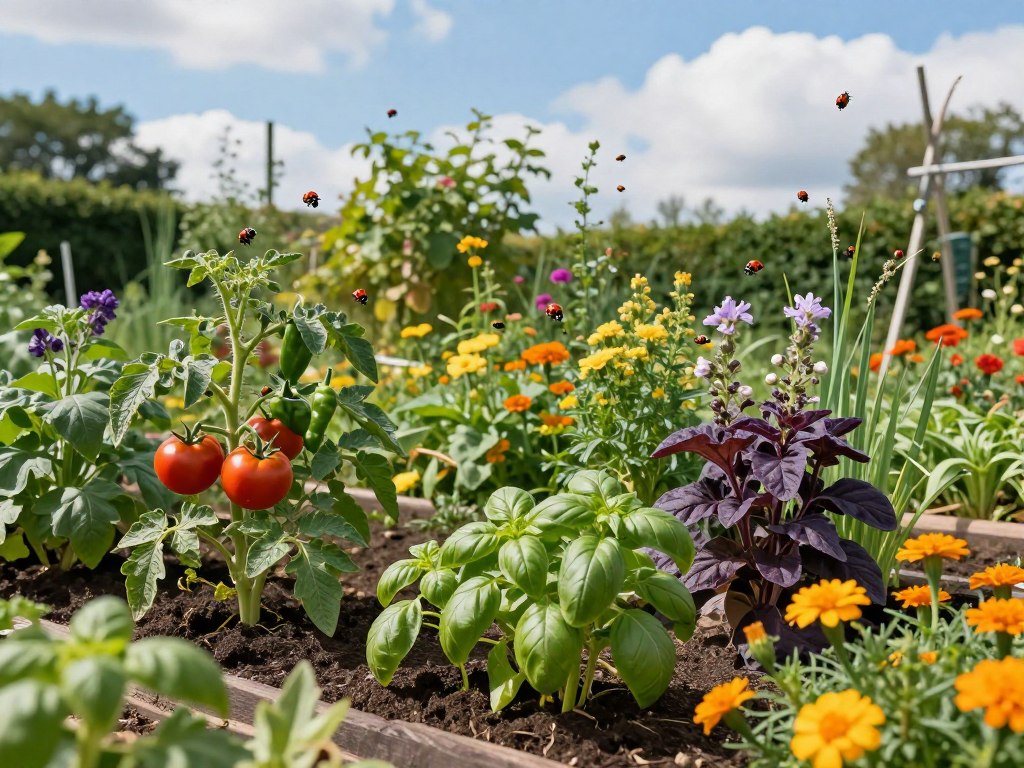
Companion planting is one of the best sustainable pest control methods for your garden. The right plants placed together work naturally to keep harmful insects away. American gardeners have used this approach for generations.
Best Companion Plants for Pest Control
Your garden becomes a fortress against pests with the right plant combinations. Different plants produce natural scents and chemicals that confuse or repel unwanted insects. They also attract beneficial predators to help protect your crops.
| Main Plant | Companion Plant | Pests Controlled | How It Works |
|---|---|---|---|
| Tomatoes | Basil | Thrips and Flies | Basil’s aroma masks tomato scent |
| Tomatoes | Borage | Hornworms | Repels destructive caterpillars |
| Peppers | Marigolds | Aphids and Whiteflies | Strong scent deters soft-bodied pests |
| Roses | Garlic and Chives | Aphids | Sulfur compounds repel insects |
| Eggplants | Catnip | Flea Beetles | Volatile oils act as natural repellent |
| Vegetables | Nasturtiums | Aphids (Trap Crop) | Attracts pests away from main crops |
Marigolds near your tomatoes and peppers release oils that keep aphids and whiteflies away. Basil works wonderfully with peppers because it deters thrips and flies. Nasturtiums act as sacrifice plants, pulling aphids away from your vegetables.
Garlic and chives protect your roses by preventing aphid infestations with their sulfur compounds. Borage planted near tomatoes and squash repels hornworms effectively. Catnip near eggplants keeps flea beetles under control.
How to Plan Your Garden Layout
Planning your garden layout for sustainable pest control methods requires thoughtful organization. Your goal is to create confusion among pests while maximizing beneficial interactions.
- Avoid large blocks of single crops that make it easy for pests to find dinner
- Interplant your vegetables with companions in diverse rows
- Position taller companion plants where they won’t shade shorter vegetables
- Space plants properly to allow air circulation around leaves
- Create visual barriers that help pests become disoriented
- Arrange plants so beneficial insects can move freely between them
Think about plant heights and light needs when designing your layout. Tall companions like borage should go on the north side of shorter plants. Keep proper spacing between all plants so air flows around them.
This arrangement reduces fungal disease risk. It also helps your organic plant pest control system work at peak efficiency.
Timing Your Planting
Getting your planting schedule right makes a big difference in pest control success. Some companion plants should be in place before you plant your main crops. Others work best when planted at the same time.
- Plant garlic and chives in fall so they’re established before spring pests arrive
- Plant marigolds and nasturtiums at the same time as your vulnerable vegetables
- Start basil and borage indoors 3-4 weeks before your main crops go in the ground
- Use succession planting of companions every 2-3 weeks for season-long protection
- Plant catnip in early spring for summer flea beetle defense
Succession planting keeps your defenses strong throughout the growing season. As early companions finish blooming, plant new ones to maintain continuous pest protection. This rolling approach ensures your garden stays protected from spring through fall.
Neem Oil: A Natural Miracle for Plants
Neem oil stands out as one of the most effective green pest control solutions available. This powerful substance comes from neem tree seeds. It has been used for centuries in traditional agriculture.
If you want natural pest control for plants without harsh chemicals, neem oil works perfectly. It deserves a place in your gardening toolkit.
How Neem Oil Works
Neem oil contains azadirachtin, a special compound that disrupts how insects function. Pests come into contact with neem oil, and this ingredient interferes with their hormone systems. Your plants receive protection without the harsh effects of synthetic pesticides.
The oil works in multiple ways on common garden pests:
- Acts as a repellent that keeps insects away from your plants
- Stops insects from feeding on your leaves and stems
- Disrupts growth cycles and prevents reproduction
- Tackles fungal diseases affecting your garden
Neem oil targets aphids, whiteflies, spider mites, mealybugs, and scale insects. Unlike contact poisons, neem oil works gradually. It stays safe for beneficial insects when applied correctly.
Application Methods
Using neem oil properly ensures you get the best results from this natural solution. Mix two tablespoons of neem oil per gallon of water. Add a small amount of mild soap to help the oil mix evenly.
Follow these application steps for success:
- Use warm water to mix your neem solution thoroughly
- Spray early in the morning or evening when temperatures are cool
- Cover all plant surfaces, including leaf undersides
- Reapply every seven to fourteen days or after rain
- Avoid spraying during the hottest part of the day
Early morning applications work best because UV light breaks down neem oil quickly. Your green pest control solutions perform most effectively at the right time.
Precautions to Consider
Neem oil offers natural and safe pest management. However, you should follow important safety guidelines. Neem oil can harm bees and other pollinators if they contact it directly.
Keep these precautions in mind:
- Never spray when bees are active in your garden
- Test neem oil on a small plant section first, as some plants react to oil sprays
- Wear gloves and wash your hands after application
- Store neem oil in a cool, dark place away from children and pets
- Expect a strong smell that fades over time
Neem oil represents an outstanding choice for natural pest control for plants. Apply it correctly and follow safety steps. You’ll enjoy a healthier garden free from chemical pesticides.
Garlic and Pepper Spray Recipe
One of the most effective green pest control solutions comes straight from your kitchen. Garlic and pepper spray offers a powerful, natural way to protect your plants. This non-toxic pest control method has worked for gardeners for decades.
You can make this spray at home using simple ingredients you likely already have.
Ingredients for Your Spray
Creating this green pest control solution requires just a few basic items. The magic comes from combining these simple elements into a powerful mixture:
- 1 whole garlic bulb (10-12 cloves)
- 2-3 hot peppers (jalapeños, cayenne, or habaneros work best)
- 2 cups of water
- A few drops of liquid castile soap
- A spray bottle for application
Garlic contains sulfur compounds that repel many insects and offer mild antifungal benefits. The capsaicin in hot peppers creates an irritating sensation that deters bugs. It also keeps away larger pests like rabbits and deer.
How to Prepare and Use It
The preparation process is straightforward and takes just a few minutes:
- Blend your garlic cloves and hot peppers with 2 cups of water
- Let the mixture steep overnight for maximum strength
- Strain the mixture thoroughly to prevent spray nozzle clogs
- Add a few drops of liquid castile soap to help the spray stick to leaves
- Dilute with additional water (typically 1 part concentrate to 4 parts water)
- Pour into your spray bottle and apply every 5-7 days or after rain
Wear gloves when handling hot peppers and avoid touching your face. This non-toxic pest control method works best in early morning or late evening hours.
Effectiveness Against Common Pests
This spray performs particularly well against specific garden pests. Your homemade solution targets soft-bodied insects most effectively. It’s ideal for protecting your plants from damage.
| Pest Type | Effectiveness | Application Frequency |
|---|---|---|
| Aphids | Excellent | Every 5-7 days |
| Caterpillars | Very Good | Every 5-7 days |
| Spider Mites | Very Good | Every 5-7 days |
| Whiteflies | Excellent | Every 5-7 days |
| Larger Garden Pests | Good | Every 7-10 days |
This green pest control solution works best as part of an integrated approach. Consistent application delivers better results than sporadic use. Combine this spray with proper watering and regular monitoring for best results.
Maintaining Plant Health to Avoid Infestation
Growing naturally resistant plants forms the strongest foundation for holistic plant pest prevention. Healthy and vigorous plants can fight off insect attacks on their own. Stressed plants send chemical signals that actually attract pests.
Building this natural defense system is far easier than dealing with pest problems later. Let’s explore three critical areas that help your plants thrive and stay pest-free.
Proper Watering Techniques
Water is essential for plant health. The way you water matters just as much as how much you water. Both overwatering and underwatering create stress that invites pests to attack.
Deep, infrequent watering encourages strong root systems. Shallow, frequent watering weakens your plants.
- Water at soil level rather than overhead to prevent fungal problems
- Water early in the morning so leaves dry quickly
- Water deeply but less frequently to build deep root growth
- Apply mulch around plants to maintain even soil moisture
- Adjust your watering schedule based on weather, season, and plant type
Watch for signs of water stress like drooping leaves or pale growth. Catching these problems early prevents pest damage before it starts.
Soil Health and Fertility
Healthy soil creates healthy plants that resist pests naturally. Good soil provides proper nutrient balance and supports beneficial microbes. It allows root growth and maintains the right pH level.
- Add compost regularly to improve soil structure and release nutrients slowly
- Test your soil every few years to understand what nutrients you need
- Use organic fertilizers that feed soil life, not just plants
- Practice crop rotation to prevent nutrient depletion
- Plant cover crops during off-seasons to build soil quality
Strong soil means strong plants. This is the core of plant-friendly pest control that works naturally.
Regular Monitoring for Early Detection
Walking through your garden several times each week helps you spot pest problems early. Early detection allows you to address issues while they’re still small.
Look closely at both sides of leaves, stems, and soil around your plants. Discolored leaves, sticky residue, or tiny insects are early warning signs.
Keep a simple garden journal to track what you see and when problems appear. This record helps you plan better pest prevention strategies for next season. Small problems caught early are easier to handle with gentle methods.
Using Traps for Pest Management
Traps offer a smart approach to eco-friendly pest management that keeps your garden healthy without harsh chemicals. You can monitor pest populations and catch unwanted insects before they damage your plants. This sustainable pest control method works well alongside other techniques you’ve learned about in this guide.
Types of Traps to Consider
Different traps catch different pests, so choosing the right one matters. Sticky traps work great for small flying insects like aphids and whiteflies. Yellow sticky traps attract these pests, while blue ones target thrips.
Pheromone traps use special insect hormones to attract specific pests like Japanese beetles or codling moths. Beer traps catch slugs and snails at ground level. Light traps catch night-flying insects that bother your plants.
Copper tape and barrier traps stop slugs from reaching your vegetables and flowers.
DIY Trap Ideas
You can make effective traps at home using items you already have. Create slug traps by burying shallow containers filled with beer at soil level. Build fruit fly traps by mixing apple cider vinegar with dish soap in a jar.
Make sticky traps by coating yellow cardboard with petroleum jelly. Roll newspaper or bamboo sections into earwig traps. Mix sweet liquid bait in bottles to trap wasps away from your garden.
- Beer traps for slugs and snails
- Vinegar and soap solutions for fruit flies
- Petroleum jelly on yellow cardboard for aphids
- Newspaper rolls for earwigs
- Sweet bait bottles for wasps
Positioning Traps for Best Results
Where you place your traps makes a big difference in sustainable pest control methods. Set traps near affected plants, but not so close that you attract pests to healthy areas. Some insects stay near the ground, while others live higher on plants.
Position your traps at the right height for your target pests. Check traps daily or weekly depending on the type. Replace them when they lose effectiveness.
Use traps to track pest cycles, which helps you time other treatments perfectly.
| Trap Type | Target Pests | Best Position | Check Frequency |
|---|---|---|---|
| Sticky Traps (Yellow) | Aphids, Whiteflies, Fungus Gnats | Mid-plant level | 2-3 times weekly |
| Sticky Traps (Blue) | Thrips | Upper plant canopy | 2-3 times weekly |
| Beer Traps | Slugs, Snails | Ground level, sunken | Daily |
| Light Traps | Night-flying insects | Above garden bed | Weekly |
| Pheromone Traps | Japanese Beetles, Codling Moths | Plant canopy or nearby | Weekly |
Using traps as part of your eco-friendly pest management routine gives you real power over garden pests. You’ll see exactly what insects visit your plants and catch problems early. This knowledge helps you respond quickly with the right solution before damage happens.
Natural Pest Repellant Plants to Grow
Growing plants that naturally deter insects is smart organic plant pest control. You can create a living barrier using nature’s own defenses instead of chemicals. These plants release aromatic compounds that pests avoid.
Your garden becomes healthier with beautiful plants that serve double duty. They protect your vegetables and flowers naturally.
Top Plants for Deterring Insects
Several plants stand out as exceptional natural insect repellents for American gardens. Each one targets different pests and brings unique benefits. They add value to your growing space.
| Plant Name | Pests It Repels | Key Benefit | Growing Condition |
|---|---|---|---|
| Lavender | Moths, fleas, flies, mosquitoes | Strong fragrance deters multiple pests | Full sun, well-drained soil |
| Chrysanthemums | Roaches, ants, beetles, ticks | Contains pyrethrin compound for organic pest control | Full sun to partial shade |
| Petunias | Aphids, tomato hornworms, squash bugs | Natural pesticide properties protect vegetables | Full sun, moderate water |
| Lemongrass | Mosquitoes | Contains citronella for effective repelling | Warm climates, partial shade |
| Mint | Ants, aphids, flea beetles | Spreads quickly, potent repellent | Container growing recommended |
| Rosemary | Cabbage moths, carrot flies, beetles | Aromatic oils repel garden pests | Full sun, dry soil |
| Alliums (garlic, onions, chives) | Aphids, carrot flies, cabbage worms | Sulfur compounds create natural pest barriers | Full sun, fertile soil |
Planting Tips and Care
Getting the most from your natural insect repellents means proper planting and maintenance. Start by giving each plant the sunlight and soil it needs. Most repellent plants love sunshine.
Pick spots in your garden that get six to eight hours of direct light daily.
Spacing matters for your organic plant pest control strategy. Plants like lavender and rosemary need room to breathe. Space them about two to three feet apart.
This spacing lets them grow into full, bushy plants. They release more protective aromatics this way.
Mint deserves special attention because it spreads aggressively. Growing mint in containers keeps it under control. You can still harvest fresh leaves for tea or cooking.
This approach prevents it from taking over your garden beds.
Here are key care steps for success:
- Prune plants regularly to encourage fuller, bushier growth
- Water consistently but avoid overwatering, which weakens natural defenses
- Harvest leaves during growing season to maintain plant vigor
- Combine repellent plants with vulnerable vegetables for maximum protection
- Mulch around plants to retain moisture and regulate soil temperature
Pairing these plants with your vegetables creates powerful organic plant pest control. Plant lavender near your tomatoes and position alliums around cabbage family plants. Scatter petunias throughout garden beds.
This companion planting approach gives you fresh herbs and vegetables. It maintains natural pest management throughout the growing season.
Seasonal Tips for Natural Pest Control
Your garden faces different pest challenges as the seasons change. Each time of year brings new insects that want to damage your plants. Understanding seasonal patterns helps you use eco-friendly pest management to keep your garden healthy.
Seasonal Challenges for Your Plants
Spring arrives with warming temperatures and new plant growth. Aphids and cabbage worms wake up and start eating your plants. The mild weather creates perfect conditions for these pests to multiply fast.
Summer brings the worst pest pressure of the year. Spider mites love the heat and dry conditions. Japanese beetles appear in large numbers and feed on leaves and flowers.
Tomato hornworms can strip plants bare in just a few days. This is when sustainable pest control methods become most important.
Fall brings a different set of challenges. Many pests look for safe places to hide and lay eggs for winter. You need to clean up your garden to stop pests from surviving.
Winter in mild U.S. zones requires careful planning. Some pests survive underground or under bark during winter. Now is the time to prevent these pests from coming back strong in spring.
Adjusting Your Pest Control Strategies
Your approach to natural pest control should change with each season. During peak pest months like summer, check your plants more often. Early detection stops small problems from becoming big ones.
Timing matters for sprays and treatments. Pay attention to temperature and rainfall patterns in your area. Adjust your schedule based on what the weather is doing.
Beneficial insects are your garden’s helpers. Release them when pest populations start to build in spring and early summer. Rotate between different natural controls to stop pests from adapting.
Preparing Your Garden for Different Seasons
Spring cleanup is your first task. Remove dead leaves and plant debris from fall and winter. Cleaning up removes many pests before they can damage your spring plants.
In summer, add mulch around your plants to keep them healthy. Healthy plants fight off pests better than weak ones. Summer is when you need sustainable pest control methods most.
Fall cleanup prevents pests from setting up home for winter. Remove fallen leaves and old plant material. This reduces the number of pests that survive to bother you next year.
Winter is your planning season. Order beneficial insects and supplies you will need for spring. Rotate crops to break the cycles that pests depend on.
Year-round care of beneficial insects matters too. Plant diverse flowers and shrubs that give them food and shelter. This complete approach keeps your natural pest control working all through the year.