
Studies show over 80 percent of home gardeners waste money on expensive synthetic fertilizers. Many already have natural fertilizer for plants in their kitchens and yards. Your plants don’t need harsh chemicals to thrive.
Simple, everyday materials can transform your garden into a lush, healthy space. This approach keeps your family and pets safe while making plants stronger. Natural fertilizer for plants costs less than store-bought options.
You probably already own most of what you need. Feeding your plants naturally isn’t difficult or expensive. You don’t need special training or fancy equipment.
This guide walks you through practical solutions that work for succulents, flowering plants, and vegetable gardens. Eco-friendly plant nutrition transforms how you care for your home plants. Your indoor plants benefit from natural methods.
Your outdoor gardens thrive too. The planet stays healthier. Your wallet gets lighter in a good way.
Learn about coffee grounds, eggshells, seaweed, and manure. These materials pack serious nutrition for your plants. You’ll find out when to use each type.
You’ll master application techniques that give real results. Your plants will respond with vigorous growth and vibrant colors. Natural fertilizer for plants creates a sustainable cycle.
You reduce waste while your plants get fed. Your home becomes greener in every sense. Let’s explore eco-friendly plant nutrition right now.
Understanding Natural Fertilizers and Their Benefits
Growing plants at home means knowing what to feed them. Natural fertilizers work differently than synthetic options from stores. Learning about organic plant food helps you make smart garden choices.
Your plants need nutrients to thrive. The question is where those nutrients come from. Natural options come from the earth and living things.
Chemical fertilizers are made in factories. This difference shapes how your soil develops over time.
What are Natural Fertilizers?
Natural fertilizers come from organic materials and natural mineral deposits. These include:
- Compost from kitchen scraps and yard waste
- Manure from livestock
- Bone meal and fish emulsion
- Plant byproducts like grass clippings and leaves
- Seaweed and kelp products
Organic plant food breaks down slowly in your soil. Your plants get steady nutrition over weeks and months. This beats a quick burst that fades fast.
Benefits of Natural Fertilizers for Your Plants
Choosing sustainable fertilizers brings real advantages to your gardening efforts:
| Benefit | Impact on Your Plants |
|---|---|
| Improved Soil Structure | Soil becomes crumbly and easier for roots to grow through |
| Slow-Release Nutrients | Plants get food steadily without burning or damage |
| Enhanced Microbial Activity | Beneficial organisms help break down nutrients for plants to use |
| Better Water Retention | Soil holds moisture longer, reducing watering needs |
| Long-Term Soil Health | Your soil gets richer and more fertile each season |
Sustainable fertilizers build soil that lasts. Synthetic options give quick results but damage soil structure over time. Your plants respond better to natural nutrition.
Roots develop stronger and plants grow bushier. You see healthier leaves and flowers season after season.
Natural fertilizers work with nature instead of fighting it. This approach means healthier plants for years to come.
Types of Natural Fertilizers You Can Use
All-natural plant nutrients come in three main categories. Each type offers unique benefits for your plants. Understanding these options helps you pick the right garden fertilizer.
Organic Matter-Based Fertilizers
Organic matter-based fertilizers form the foundation of many healthy gardens. You can create these from materials already in your yard. Compost, leaf mold, and aged manure break down slowly in your soil.
This means your plants get steady nutrition over time. These all-natural plant nutrients improve soil texture alongside feeding your plants. Your soil becomes richer and holds water better.
Plant-Based Fertilizers
Plant-based options give you renewable sources of nutrition. These include alfalfa meal, kelp meal, and cottonseed meal. You can grow green manures, which are cover crops you plant and till into your soil.
- Alfalfa meal boosts nitrogen content
- Kelp meal adds trace minerals and potassium
- Cottonseed meal provides steady nitrogen release
- Green manures rebuild soil between seasons
These garden fertilizer choices are completely sustainable. Your plants absorb nutrients as the materials break down naturally in the soil.
Animal-Based Fertilizers
Animal-based fertilizers pack concentrated nutrition for hungry plants. Manure, bone meal, blood meal, and fish emulsion deliver strong results. Tomatoes, roses, and heavy feeders respond especially well to these products.
| Fertilizer Type | Best For | Key Nutrients |
|---|---|---|
| Bone Meal | Flowering plants, root development | Phosphorus, calcium |
| Blood Meal | Leafy greens, rapid growth | Nitrogen |
| Fish Emulsion | All plants, seedlings | Nitrogen, trace minerals |
| Aged Manure | General soil enrichment | Balanced NPK ratio |
All-natural plant nutrients in these forms work quickly. Your plants show improvement within weeks of application. The NPK ratios vary, so you can match your garden fertilizer choice to plant needs.
How to Make Your Own Natural Fertilizers
Creating your own earth-friendly fertilizers at home nourishes your plants while saving money. You do not need special skills or expensive equipment. Making these fertilizers transforms kitchen scraps and yard waste into nutrient-rich plant food.
This hands-on approach keeps waste out of landfills. It gives your plants exactly what they need to thrive.
Composting 101
Composting is the foundation of making earth-friendly fertilizers at home. The process breaks down organic materials into rich, dark soil that plants love. You can start with a simple pile in your yard or use a dedicated compost bin.
Building your compost pile is straightforward. Layer your materials in two types: “brown” items and “green” items. Browns include dry leaves, shredded paper, and wood chips.
Greens consist of fruit and vegetable scraps, grass clippings, and coffee grounds.
| What to Include | What to Avoid |
|---|---|
| Fruit and vegetable scraps | Meat and fish |
| Coffee grounds and tea bags | Dairy products |
| Eggshells and nut shells | Oils and fats |
| Yard waste and fallen leaves | Pet waste |
| Cardboard and newspaper | Diseased plants |
Maintaining balance is key. Keep your pile moist like a wrung-out sponge and turn it regularly to add oxygen. Hot composting takes about 3-6 months with active turning.
Cold composting is more hands-off and takes 6-12 months. Choose the method that fits your lifestyle.
Creating Liquid Fertilizers
Liquid fertilizers work fast because plants absorb them quickly. Making compost tea transforms finished compost into a powerful liquid. This liquid feeds your plants instantly.
To brew compost tea, fill a bucket with water and add a shovel of finished compost. Let it steep for 24-48 hours, stirring occasionally. Strain the mixture and use it to water your plants.
This nutrient-rich liquid delivers the benefits of earth-friendly fertilizers in an easy-to-apply form.
You can also create simple liquid fertilizers from kitchen items:
- Banana peel tea – Soak banana peels in water for 48 hours to get potassium
- Vegetable scraps liquid – Boil kitchen scraps, cool, strain, and use the water
- Eggshell water – Soak crushed eggshells overnight for calcium boost
- Grass clipping tea – Steep grass clippings in water for nitrogen-rich fertilizer
These homemade earth-friendly fertilizers save you money. They give your indoor and outdoor plants exactly what they need. Start small with one method, and you will quickly gain confidence in creating your own plant nutrition.
Using Coffee Grounds as Fertilizer
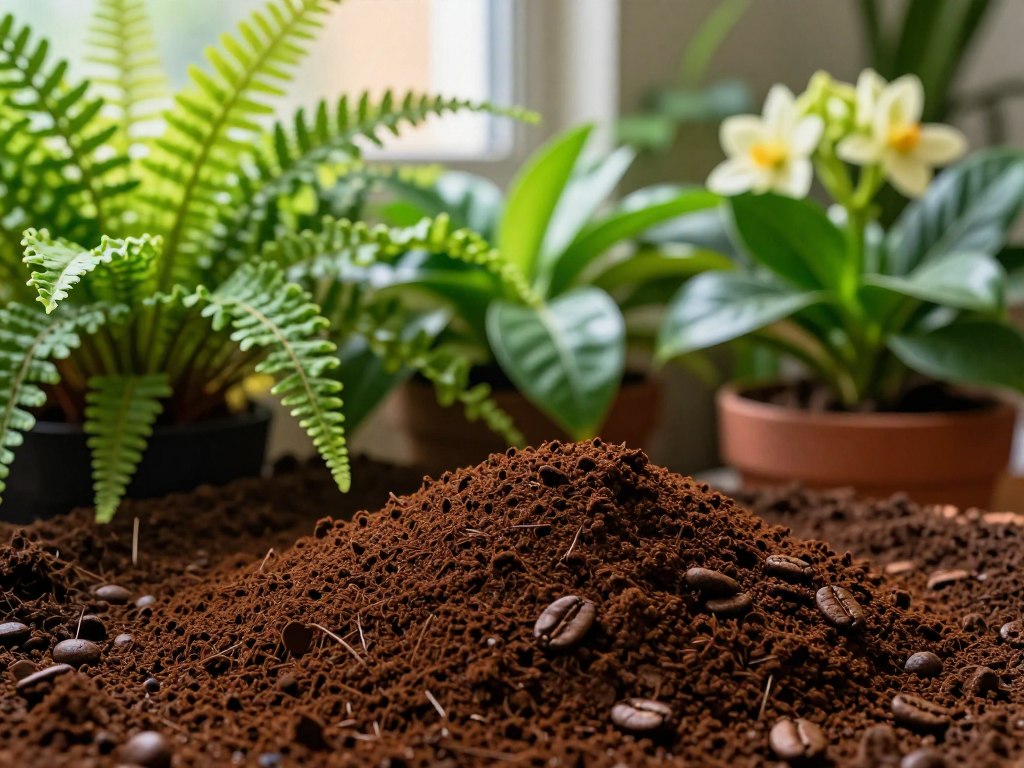
Your morning cup of coffee can do more than wake you up. Used coffee grounds are accessible and effective plant care products from your kitchen. Many home gardeners overlook this simple resource that transforms waste into valuable nutrients.
Coffee grounds work as an excellent natural fertilizer when used correctly. They offer benefits that rival commercial plant care products.
Unlike synthetic fertilizers, coffee grounds provide a gentle approach to plant nutrition. They break down slowly in soil, releasing nutrients over time. This makes them ideal for indoor plants needing consistent feeding without chemical shock.
Benefits for Your Indoor Plants
Coffee grounds deliver several important advantages to your plants. They contain nitrogen, which promotes healthy leaf growth and vibrant green foliage. The organic matter improves your soil’s ability to hold moisture while enhancing drainage.
These grounds attract earthworms and beneficial microorganisms that aerate soil naturally. They may also deter garden pests like slugs and snails. This reduces your need for chemical pest control products.
Certain plants absolutely thrive with coffee grounds. Acid-loving varieties benefit most:
- Azaleas
- Rhododendrons
- Blueberries
- Roses
- Hydrangeas
- Gardenias
How to Use Coffee Grounds Effectively
Application matters with these plant care products. You have several practical methods to choose from:
| Application Method | Process | Best For | Frequency |
|---|---|---|---|
| Direct Soil Mix | Blend dried grounds into potting soil (1 part grounds to 4 parts soil) | Potted plants and containers | Once during repotting |
| Compost Addition | Layer grounds in your compost bin with other organic materials | All plants via finished compost | Ongoing as grounds accumulate |
| Liquid Fertilizer | Steep grounds in water for 24 hours, strain, and use the liquid | Weekly plant watering | Once weekly during growing season |
| Mulch Layer | Sprinkle thin layer (¼ inch) around plant base | Outdoor and container plants | Refresh monthly |
Important precaution: Moderation is essential. Using too much makes soil overly acidic and compact. Stick to these ratios and frequency guidelines for best results.
Dried grounds work better than wet grounds. Let them dry completely before application. This prevents mold growth and ensures even distribution in your soil.
The Power of Eggshells in Plant Nutrition
Your kitchen waste can become one of the best plant growth supplements for your garden. Eggshells are a goldmine of nutrients hiding in your trash bin. Instead of tossing them away, transform them into powerful natural fertilizer.
This section shows you how to unlock the nutritional power of eggshells. You’ll learn to use them to boost your plant’s health.
Nutritional Benefits of Eggshells
Eggshells are packed with valuable nutrients that your plants need. About 95 percent of an eggshell is made of calcium carbonate. This calcium is crucial for building strong cell walls and supporting structure.
Calcium prevents serious plant problems like blossom end rot in tomatoes and peppers. Plants lacking calcium develop weak spots and fail to grow properly. Plants like broccoli, cauliflower, and squash are especially hungry for calcium.
Using eggshell plant growth supplements gives your vegetables the calcium boost they need. Your ornamental plants will thrive with this natural nutrient source.
Steps to Prepare Eggshell Fertilizer
Making your own eggshell fertilizer is simple and costs nothing:
- Rinse your eggshells thoroughly to remove any egg residue
- Dry them completely by air drying or using a low oven set at 200 degrees
- Crush them into small pieces or grind them into fine powder using a coffee grinder
- Apply the powder directly to your soil or mix it into your compost
Finely ground eggshells break down faster, making nutrients available to your plants more quickly. Larger pieces work slowly but improve soil drainage and naturally deter slugs. This dual-purpose benefit makes eggshells one of the best plant growth supplements available.
Seaweed: A Natural Superfood for Plants
Seaweed stands out as one of the most powerful organic plant food sources for gardeners. Coastal gardeners have used this ocean treasure for centuries to boost plant health. You don’t need to live near the ocean to enjoy seaweed’s incredible benefits.
This natural fertilizer delivers over 60 trace elements and natural growth hormones. Your plants crave these nutrients for thriving development.
Why Seaweed is Beneficial
Seaweed packs a powerful nutritional punch for your garden. This organic plant food contains essential nutrients that support strong plant development.
- Nitrogen for leafy green growth
- Potassium for root strength and disease resistance
- Phosphorus for flowering and fruiting
- Magnesium for photosynthesis
- Trace minerals including iron, zinc, and manganese
Seaweed contains natural growth hormones like cytokinins, auxins, and gibberellins. These compounds stimulate vigorous plant growth and improve stress tolerance. They also strengthen root development.
Kelp varieties offer particularly dense nutrient profiles. This makes them excellent choices for feeding hungry plants.
How to Apply Seaweed Fertilizer
You have several practical methods to use seaweed as organic plant food.
- Purchase liquid seaweed concentrate and dilute according to package directions
- Collect fresh seaweed from beaches (where legal), rinse away salt, and use as mulch or compost addition
- Create seaweed tea by soaking dried seaweed in water for several days
Apply seaweed fertilizer every two to three weeks during the growing season. Dilute concentrated solutions to prevent salt buildup in your soil. Your plants will reward you with vigorous growth and enhanced resilience.
The Role of Manure in Natural Fertilization
Manure stands as one of the most powerful sustainable fertilizers available to home gardeners. Many people hesitate to use it because it seems intimidating or unpleasant. In reality, manure transforms into an incredibly valuable resource that dramatically improves your soil and plant health.
Understanding which types work best ensures your garden thrives while protecting your family. Safe application methods make all the difference in results.
Types of Manure You Can Use
Each manure type brings unique benefits to your garden. Your choice depends on what nutrients your plants need. Availability of sources in your area also matters.
| Manure Type | Nitrogen Level | Best Use | Special Notes |
|---|---|---|---|
| Chicken Manure | Very High (3-4%) | Heavy feeders, vegetables | Must be well-composted to avoid burning plants |
| Cow Manure | Moderate (0.6-0.7%) | General purpose | Mild and balanced for most plants |
| Horse Manure | Moderate (0.7-0.8%) | Vegetables and flowers | Readily available but may contain weed seeds |
| Rabbit Manure | High (2.4%) | Delicate plants, seedlings | Can be used fresh without burning plants |
| Sheep/Goat Manure | High (0.7-1%) | All garden plants | Nutrient-rich, produces excellent results |
Chicken manure ranks highest in nitrogen but requires careful composting. It’s “hot” and can damage plants if applied fresh. Cow manure offers a gentler, well-balanced option perfect for beginners.
Horse manure works wonderfully for general use. However, it may introduce weed seeds into your garden. Rabbit manure stands alone as safe to use fresh without composting first.
Sheep and goat manure deliver nutrient-rich results that gardeners love.
Safety Precautions When Using Manure
Using manure safely protects your family from harmful pathogens. Follow these essential guidelines with any sustainable fertilizers from animal sources.
- Compost fresh manure for at least six months before applying it to edible plants
- Eliminate pathogens like E. coli and Salmonella through proper composting
- Never use manure from dogs, cats, or pigs due to parasite risks
- Avoid applying fresh manure to plants you’ll harvest within 120 days
- Always wash produce thoroughly before eating
- Keep manure piles away from water sources
Proper composting transforms raw manure into safe, stable sustainable fertilizers. Your soil benefits tremendously when you follow these safety steps. Well-composted manure delivers nutrients without health risks to your family.
Timing and Application of Fertilizers
Getting the timing right with natural fertilizer for plants makes a huge difference. Your garden grows better when you feed plants at the right moment. Plants absorb nutrients better and waste less with proper timing.
Using a natural fertilizer for plants requires understanding growth patterns and seasons. This knowledge helps you get the best results without overdoing it.
Best Times to Fertilize Your Plants
Your plants need food when they’re actively growing and working hard. Spring is the prime time to start feeding your garden. As temperatures warm up and days get longer, plants wake from winter sleep.
This is when a natural fertilizer for plants works best. Your plants can use those nutrients right away during active growth.
Keep feeding your plants through the middle of the growing season. A second application around mid-summer helps plants keep producing flowers and strong growth. In fall, give plants one lighter feeding to prepare for cold weather.
- Spring: Start feeding when new growth appears
- Mid-summer: Apply a second dose for sustained growth
- Early fall: Give plants lighter feeding to prepare for dormancy
- Winter: Avoid feeding most outdoor plants
Indoor plants follow a different schedule. They need natural fertilizer for plants during spring and summer when growing actively. During winter months, these plants slow down and need little feeding.
Application Techniques for Optimal Results
How you apply natural fertilizer for plants matters just as much. Different methods work for different situations. Pick the one that fits your plants best.
| Method | Best For | How to Do It |
|---|---|---|
| Top-Dressing | Garden beds and containers | Spread fertilizer on soil surface around plants |
| Side-Dressing | Vegetable rows and garden plants | Apply fertilizer in bands beside plant rows |
| Soil Incorporation | New beds and planting areas | Mix natural fertilizer for plants into soil before planting |
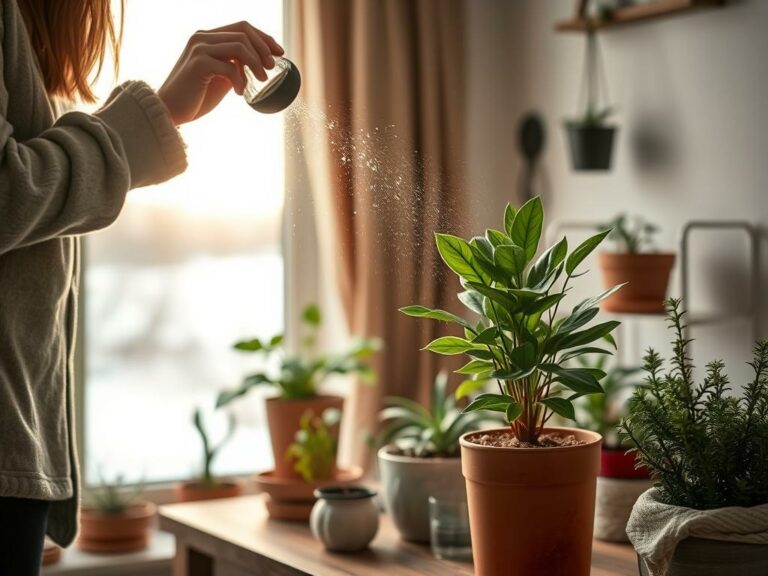
| Foliar Feeding | Quick nutrient boost for leaves | Spray diluted liquid fertilizer directly on leaves |
Keep the material a few inches away from plant stems to avoid burning. Water your plants well after application so nutrients reach the root zone. This simple step helps your plants soak up everything they need.
- Measure the right amount of natural fertilizer for plants
- Apply fertilizer at the correct distance from plant stems
- Water thoroughly after application
- Monitor your plants for growth changes
Tips for Using Natural Fertilizers Effectively
Mastering eco-friendly plant nutrition takes practice and attention. Your plants will reward you with vibrant growth when you apply the right products at the right times. These practical strategies help you make smart fertilization choices year-round.
Balancing Nutrients for Healthy Growth
Plants need the right mix of nutrients to thrive. Macronutrients like nitrogen, phosphorus, and potassium play big roles in plant health. Nitrogen helps leaves grow green and strong.
Phosphorus builds healthy roots and beautiful flowers. Potassium keeps your plants strong against disease and stress. Micronutrients like iron, manganese, zinc, copper, and boron also support plant function.
Leafy vegetables and greens need extra nitrogen to grow well. Plants that flower and produce fruit need more phosphorus and potassium instead.
Combining different plant care products creates balanced nutrition. Mix nitrogen-rich coffee grounds with phosphorus-rich bone meal to cover multiple needs. Testing your soil before you start tells you what nutrients are already present.
This smart step helps you avoid over-fertilizing and wasting resources.
Signs Your Plants Need Fertilization
Your plants send clear messages about their nutrition needs. Yellow leaves often mean your plants lack nitrogen. Purple-tinged leaves signal a phosphorus shortage.
Brown edges on leaves point to potassium problems. Yellow colors between the leaf veins suggest iron deficiency.
Watch for signs of too much fertilizer as well. Leaf burn, excessive leafy growth without flowers, or white salt buildup signal over-fertilization. These warning signs mean you need to cut back on your eco-friendly plant nutrition routine.
Regular observation keeps your plants healthy and happy. Learn what normal looks like for each plant you grow. Your familiarity with your plants’ needs makes you a confident gardener who gets great results.