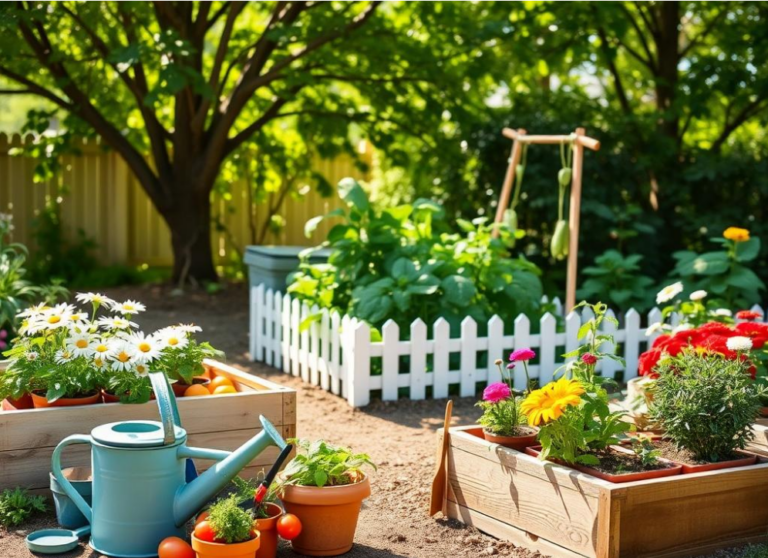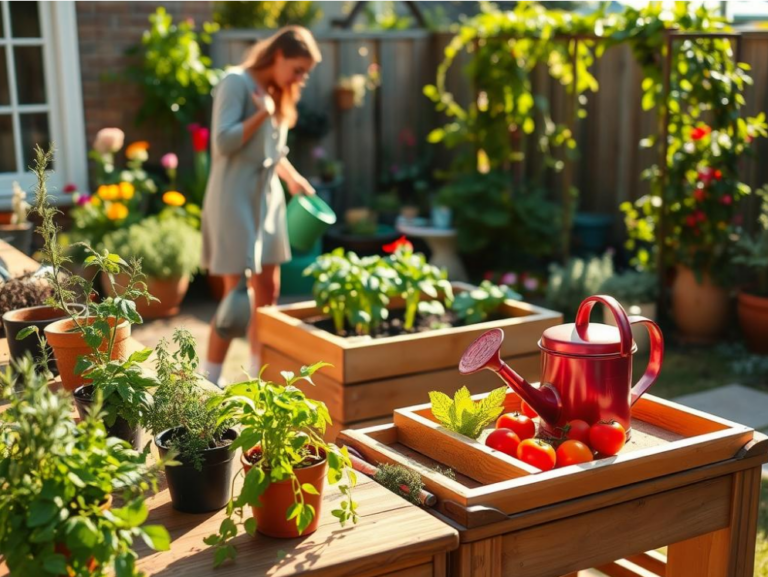

Did you know that gardeners who invest in quality tools are 40% more likely to continue their hobby? Starting your gardening journey doesn’t have to feel scary or expensive. With the right gardening tools for beginners, you can transform your outdoor space into something beautiful.
You might think you need a shed full of equipment to grow plants. The truth is that a small collection will get you started on the right path. With proper tools in your hands, digging holes becomes easier and trimming plants feels less exhausting.
This guide walks you through everything you need to know about selecting quality tools. You’ll learn which tools matter most and which ones you can skip for now. You’ll discover how to spot a tool that lasts for years instead of breaking after a few uses.
Planning a small container garden on your balcony or dreaming of a big backyard plot? The right equipment gives you confidence and protects your plants. It makes the whole experience enjoyable rather than frustrating.
Why You Need the Right Gardening Tools
Starting a garden feels exciting, but success depends on having the right equipment. Essential gardening tools for beginners make the difference between struggling and enjoying your experience. Choosing appropriate tools from the start sets you up for better results.
Getting started doesn’t mean buying everything at once. Focus on picking quality essential gardening tools for beginners that serve you well. The right equipment helps you work smarter, not harder.
Understanding the Importance of Tools
The right tools protect your body and your plants. Proper equipment reduces strain on your hands, back, and shoulders during long sessions. Tools designed for specific jobs help you avoid unnecessary physical stress.
Quality essential gardening tools for beginners are built with ergonomics in mind. They feature comfortable handles and balanced weight distribution. This design makes gardening feel less tiring and keeps you comfortable.
Essential gardening tools for beginners also save you money long-term. Cheap tools break easily and need replacing constantly. Investing in better quality equipment means you buy less frequently.
How Tools Can Help You Grow
The right tools help you accomplish gardening tasks with precision and confidence. A good trowel lets you dig at the correct depth for planting seeds. Proper pruning shears make clean cuts that keep your plants healthy.
Having essential gardening tools for beginners helps you develop better techniques from day one. You learn how to plant correctly, water properly, and maintain your garden. Good tools let you work faster and accomplish more.
| Tool Purpose | Why It Matters | Beginner Benefit |
|---|---|---|
| Proper Soil Preparation | Creates ideal growing conditions | Better plant growth and health |
| Precise Planting | Seeds go at correct depth | Higher germination rates |
| Effective Pruning | Prevents plant damage | Stronger, healthier plants |
| Hand Protection | Keeps hands safe during work | Comfort and injury prevention |
Having the essential gardening tools for beginners empowers you to create a thriving garden. You’ll feel more confident making decisions about care and maintenance. Your plants will thrive when you use the right equipment to nurture them.
Essential Gardening Tools to Start With
Having the right equipment makes all the difference in your gardening journey. Starting with must-have gardening tools for beginners sets you up for success. You don’t need dozens of tools cluttering your shed.
Focus on the core items that you’ll use in almost every gardening session. These must-have gardening tools for beginners form the foundation of your toolkit. They help you accomplish most tasks with ease and confidence.
Trowel: Your Best Companion
A trowel is one of the most valuable tools you can own. This handheld digging tool works for transplanting seedlings and digging small holes. You’ll use it constantly in raised beds, containers, or tight garden spaces.
When picking a trowel, look for these features:
- Comfortable grip handles that don’t hurt your hands
- Stainless steel blades that won’t rust
- The right size for your hand and strength
- Sturdy construction that lasts for years
Pruning Shears for Healthier Plants
Pruning shears, also called secateurs or hand pruners, keep your plants healthy. These cutting tools let you make clean cuts that heal quickly. Clean cuts prevent disease from entering your plants.
You’ll find two main types of pruning shears:
| Type | Best For | How It Works |
|---|---|---|
| Bypass Pruners | Green stems and living branches | Two blades slide past each other like scissors |
| Anvil Pruners | Dead wood and thick stems | One blade cuts down onto a flat surface |
Sharp pruning shears are essential for healthy plants. Dull blades crush and tear plant tissue instead of making clean cuts. This damage invites disease and pest problems into your garden.
Hand Gloves: Keeping Your Hands Safe
Hand gloves protect you from cuts, splinters, thorns, and irritating plant sap. Your hands do most of the work in gardening. Protecting them keeps you comfortable and healthy.
When choosing gloves, consider these options:
- Leather gloves offer excellent protection and durability
- Synthetic materials provide water resistance and flexibility
- Breathable fabric keeps your hands cool during warm weather
The best gloves balance protection with dexterity. You need to feel what you’re doing while staying safe. Try different styles to find what works best for your tasks.
These three must-have gardening tools for beginners form your foundation. With a quality trowel, sharp pruning shears, and protective gloves, you’re ready. You can tackle most gardening projects with confidence and comfort.
Choosing Quality Over Quantity
Starting your garden journey might make you want to buy many cheap tools. This approach often backfires. Investing in fewer, better-made tools saves you money over time.
Quality beginner-friendly gardening tools last for years. Budget options break easily. You won’t waste time replacing broken equipment or dealing with poor performance.
Smart gardeners build a small collection of reliable tools. This lets you learn proper techniques. You’ll understand what you truly need while gaining confidence.
What Makes a Tool High-Quality?
High-quality beginner-friendly gardening tools share specific features. Look for these characteristics:
- Material: Stainless steel resists rust and lasts longer than regular metal
- Connections: Solid joints between handles and tool heads prevent breaking
- Weight balance: Properly balanced tools reduce hand fatigue during use
- Ergonomic design: Comfortable grips protect your hands and wrists
- Warranties: Manufacturer guarantees show confidence in durability
Touch tools before buying if possible. Good beginner-friendly gardening tools feel sturdy and comfortable. Check online reviews from other gardeners too.
Recommended Brands for Beginners
Several trusted brands offer excellent value for new gardeners:
| Brand Name | Special Features | Best For | Price Range |
|---|---|---|---|
| Fiskars | Lifetime warranties, ergonomic handles | All-around tools and pruners | Affordable to mid-range |
| Corona | Professional quality, reliable cutting | Pruning and cutting tasks | Mid-range |
| Felco | Premium pruning shears, Swiss-made | Serious pruning work | Mid to premium |
| Gardener’s Supply Company | Home gardener focused, tested designs | Specialty tools and sets | Mid-range |
| Gardenite | Budget-friendly sets, good quality | Starter collections | Budget-friendly |
You don’t need the most expensive professional-grade tools. Avoid the cheapest options that break quickly. Mid-range quality beginner-friendly gardening tools give you the best balance.
Tools for Different Gardening Styles
Your choice of gardening tools for beginners depends on where you plan to grow plants. Different gardening styles require different equipment. Understanding your space helps you pick the right tools without wasting money.
Container Gardening Essentials
Container gardening is perfect for small spaces like balconies and patios. This style needs gardening tools for beginners that are smaller than traditional options. You won’t need full-size equipment for pots and hanging baskets.
Focus on these essential items for container gardening:
- Narrow trowels that fit easily into pots and planters
- Small hand cultivators for breaking up soil in containers
- Lightweight watering cans with long spouts
- Compact pruning shears for trimming container plants
Tools for Raised Bed Gardening
Raised bed gardening grows in popularity because it offers better soil control. The good news is that gardening tools for beginners work well with raised beds. You don’t need heavy equipment like full-size shovels or tillers.
Essential gardening tools for beginners using raised beds include:
- Broadforks for aerating soil without disturbing it
- Garden hoes for weeding between plants
- Kneeling pads for comfortable working height
- Narrow spades for edging and planting
In-Ground Gardening Must-Haves
Traditional garden plots need a different set of gardening tools for beginners. In-ground gardening involves working with larger soil areas. These tools help you manage bigger spaces more efficiently.
Gather these important items for in-ground gardening:
| Tool Name | Primary Use | Why It Matters |
|---|---|---|
| Quality Spade | Digging and edging garden beds | Creates clean lines and helps remove soil |
| Garden Fork | Turning soil and mixing compost | Breaks up compacted earth easily |
| Garden Hoe | Creating furrows and removing weeds | Manages weeds in large garden spaces |
| Rake | Leveling soil and clearing debris | Prepares beds for planting |
Selecting the right gardening tools for beginners based on your style saves money. Each method has different requirements. Start with what your specific garden needs.
Maintenance of Your Gardening Tools
Taking care of your best gardening tools for beginners keeps them working well for many years. Simple maintenance protects your investment and prevents buying new tools too soon. Your best gardening tools for beginners deserve attention after every use.
A few quick steps each time you garden make a big difference. These simple actions extend how long your tools last.
Cleaning Your Tools Properly
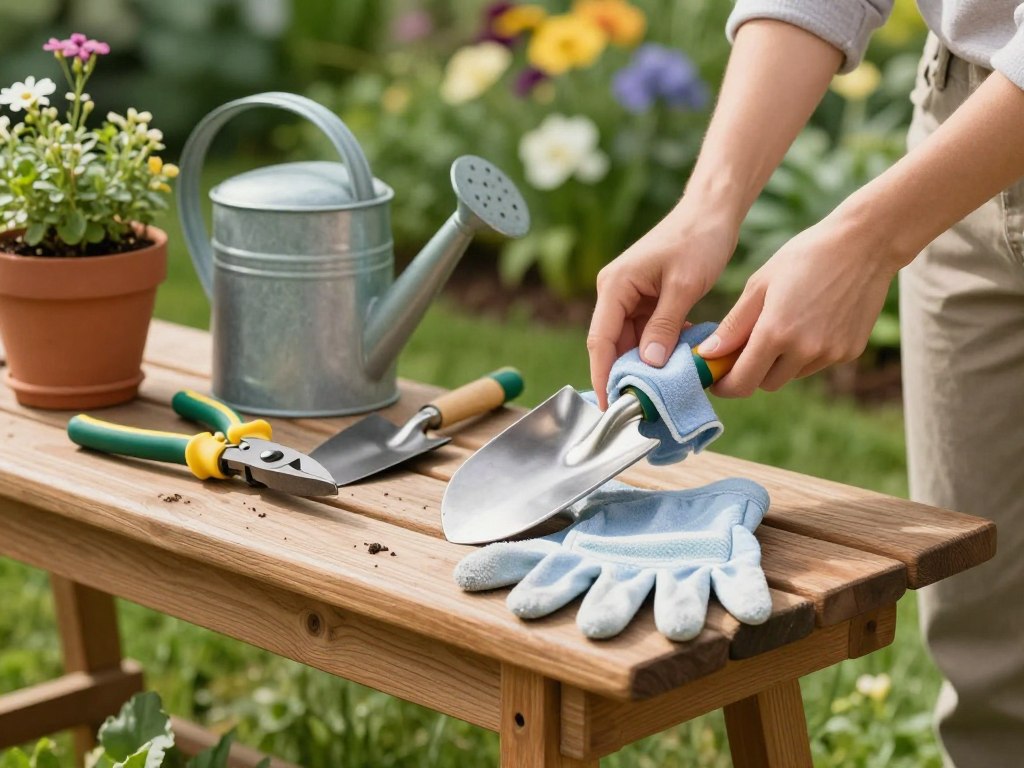
Dirt and soil left on your tools can cause rust and damage. After each gardening session, take time to clean your equipment. Use a stiff brush or putty knife to remove dried soil from blades and handles.
Fill a bucket with soapy water for stubborn dirt. Scrub your best gardening tools for beginners with an old cloth. Dry everything completely before putting tools away.
Wet tools rust quickly in storage. Check for rust spots on metal parts. Use sandpaper or steel wool to rub away rust.
Apply a thin coat of light oil to metal surfaces. This prevents new rust from forming.
Disinfect cutting tools between plants using rubbing alcohol or a weak bleach solution. This stops diseases from spreading in your garden.
Storage Tips for Longevity
Where you store your best gardening tools for beginners matters. Hang tools on pegboards or racks instead of leaving them on the ground. A dry shed or garage protects tools from moisture and weather.
- Use pegboards to organize tools by size
- Store hand tools in a bucket with sand and mineral oil
- Keep tool handles away from damp areas
- Label shelves for quick tool location
Proper storage keeps your handles from cracking and warping. Spend five minutes organizing your best gardening tools for beginners after each use. You will enjoy them for many seasons.
Budgeting for Your Gardening Tools
Starting a garden doesn’t require spending a fortune. You can build a solid collection of tools without emptying your wallet. Smart budgeting means planning purchases and finding great deals.
How to Spend Wisely
Begin by focusing on the most important tools first. Your starter kit should include three core items: a trowel, pruning shears, and gloves. These three tools handle most basic gardening tasks.
Allocate your budget strategically. Spend more on tools you’ll use frequently and less on occasional-use items.
| Tool | Price Range | Why It Matters |
|---|---|---|
| Quality Pruning Shears | $15-$30 | Used often for plant health |
| Reliable Trowel | $10-$20 | Essential for digging and planting |
| Durable Hand Gloves | $8-$15 | Protect your hands daily |
| Watering Can | $12-$25 | Critical for plant survival |
| Basic Garden Hose | $15-$35 | Convenient watering option |
A solid starter collection costs between $75-$150 total. This investment pays for itself quickly through homegrown vegetables and beautiful flowers.
Where to Find Discounts
You don’t need to pay full price for your gardening tools. Smart shopping strategies can save you money.
- Check garden centers during late fall and winter for end-of-season sales
- Browse online retailers like Amazon during Prime Day or Black Friday events
- Look for membership discounts at Costco or warehouse clubs
- Explore garage sales and online marketplaces for gently used tools
- Join community gardens that offer tool-sharing programs
- Check if your city has tool lending libraries
Timing matters when shopping for gardening tools. Fall and winter bring the deepest discounts. Many stores clear inventory before spring, offering 30-50% off select items.
Consider starting small and expanding gradually. Buy your core tools first, then add specialty items as your garden grows.
Eco-Friendly Gardening Tools
Making sustainable choices with your beginner-friendly gardening tools helps the planet while you grow your garden. Eco-conscious gardeners can find many options that work well and last a long time. Your tool selections show what you care about, and green options don’t need to cost more money.
Many people believe that sustainable gardening means spending extra dollars. Smart choices actually save you cash over time.
Sustainable Options to Consider
Start your gardening journey with tools built to survive for decades. Look for beginner-friendly gardening tools with handles made from FSC-certified hardwood or bamboo. Bamboo grows back fast and needs less water than other plants.
Bamboo is strong, light, and naturally resistant to damage.
Hand-forged tools from companies like DeWit Tools use old-school methods. These methods need less energy than factory machines. The tools work better and last longer.
Stainless steel tools resist rust and wear. They keep your tools useful for years.
Think about hand-powered tools instead of battery or electric options for small gardens. Pulling a hand rake or using a spade yourself burns calories. It costs nothing to power and works great for beginner plots.
- Tools with bamboo or hardwood handles
- Hand-forged implements from trusted makers
- Stainless steel shovels and spades
- Multi-purpose tools that do several jobs
- Tools from eco-conscious companies
Benefits of Using Eco-Friendly Tools
Picking green beginner-friendly gardening tools brings real rewards beyond helping Earth. Quality sustainable tools feel better in your hands because makers focus on comfort. They also balance the weight properly.
You’ll spend less energy working. You’ll feel less tired at the end of the day.
These tools save money long-term. While you might pay more upfront, tools that last thirty years cost less per season. Your investment pays off fast.
| Tool Type | Material | Lifespan | Cost Range | Best For |
|---|---|---|---|---|
| Hand Spade | Stainless Steel with Hardwood Handle | 20-30 Years | $35-$55 | Digging and Soil Work |
| Garden Fork | Forged Steel with Bamboo Handle | 25-35 Years | $40-$65 | Turning Soil and Compost |
| Pruning Shears | Hand-Forged Steel Blades | 15-25 Years | $25-$45 | Cutting Plants and Branches |
| Garden Rake | Recycled Steel with FSC Wood Handle | 20-30 Years | $30-$50 | Leveling and Clearing |
| Hand Trowel | Forged Stainless Steel | 18-28 Years | $20-$35 | Planting and Weeding |
Supporting green companies feels good. You know your money goes to businesses that respect workers and the environment. Your beginner-friendly gardening tools become part of a bigger movement toward caring for our world.
Additional Tools to Enhance Your Experience
Once you master the basics, you’ll want to expand your collection. The right tools make gardening easier and more enjoyable. These secondary tools help you work longer without discomfort.
Adding them to your shed transforms gardening into a real hobby you love.
Garden Hoses and Watering Cans
Watering your plants is one of the most important gardening tasks. Start with a watering can holding 1 to 2 gallons. This size feels light enough to carry around without tiring your arms.
Look for cans with a removable rose. This sprinkler head delivers water gently to seedlings.
As your garden grows, a garden hose becomes invaluable. Choose kink-resistant hoses to avoid frustration while you water. An adjustable nozzle lets you switch from a light mist to a strong spray.
Hose reels keep your equipment organized. They prevent tangling that ruins the hose over time.
- Watering cans: 1-2 gallon capacity for easy handling
- Removable rose for gentle watering of young plants
- Kink-resistant hoses for larger garden spaces
- Adjustable nozzles for different spray patterns
- Hose reels to prevent tangling and damage
Garden Kneelers for Comfort
Gardening involves lots of bending and kneeling. Without proper support, your knees and back suffer. A garden kneeler protects you during hours of planting and weeding.
Investing $20 to $40 in knee protection makes a real difference.
Basic foam pads offer simple cushioning. Elaborate kneeler benches flip over to become seats. This dual function keeps you comfortable during long gardening sessions.
Many gardeners say a good kneeler lets them work for hours. Without one, they quit after 20 minutes.
Rakes and Spades: Beyond the Basics
Rakes and spades become essential as your garden expands. Garden rakes level soil and remove debris. Leaf rakes collect fallen leaves without damaging grass.
A spade has a straight edge perfect for edging beds. It digs clean lines with precision. Shovels curve, making them better for scooping and moving material.
These larger tools work best when your garden grows beyond containers. Understanding when to add them helps you build an efficient toolkit without waste.
| Tool Type | Best Use | When to Buy | Price Range |
|---|---|---|---|
| Watering Can (1-2 gallons) | Small garden watering, seedling care | Before first planting | $15-$30 |
| Garden Hose (50-75 feet) | Large garden watering, lawn care | When garden grows beyond 100 sq ft | $25-$60 |
| Garden Kneeler Pad | Knee protection during weeding | After first month of gardening | $20-$40 |
| Garden Rake | Soil leveling, debris removal | Before bed preparation | $30-$50 |
| Spade | Edging, digging, straight-line work | With garden expansion | $35-$65 |
Building your tool collection thoughtfully ensures you have what you need. These tools improve your comfort and effectiveness. Start with watering equipment, add a kneeler when discomfort appears.
Get rakes and spades as your garden grows. This approach matches your spending to your actual gardening needs.
Learning to Use Your Tools Effectively
Using gardening tools for beginners correctly makes a big difference in your garden’s success. Proper techniques help you work faster and avoid injury. Your plants benefit from clean cuts and precise digging.
Best of all, gardening feels less tiring when you use the right methods.
Basic Techniques for Beginners
Proper technique separates successful gardeners from frustrated ones. Your body position matters when using gardening tools for beginners. Bend from your knees instead of your back to prevent strain.
Keep your shoulders relaxed and work at heights that feel natural for your size.
Hold pruning shears with the blade closest to the plant stem. This position gives you control and creates clean cuts. For trowel work, dig a hole slightly bigger than your plant’s root ball.
Place the plant at the same depth it sat in its original pot. Push the soil back gently and firm it down with your hands.
Learn to use the right tool for each job. Hoeing removes weeds best when you push and pull at shallow angles. This slices weeds below the soil surface without damaging good plants.
Take regular breaks to rest your muscles.
Common Mistakes to Avoid
New gardeners often make preventable errors. Never use pruners on thick stems. This damages both the tool and the plant.
Using gardening tools for beginners means respecting their limits. Force never works with quality tools.
- Leaving tools outside where weather damages them
- Forcing dull tools instead of sharpening them
- Using the wrong tool for the job
- Ignoring proper handle height and reach adjustments
- Skipping breaks that prevent repetitive strain
Protect your tools by storing them in a dry place. Keep blades sharp so they cut cleanly. Adjust tool handles to match your height.
These habits keep your gardening tools for beginners in great shape. They make your gardening experience enjoyable for years to come.
Resources for Further Gardening Education
Learning about the best gardening tools for beginners does not stop after you buy your first trowel. Your gardening journey grows deeper when you tap into valuable resources that teach new skills. Books, online courses, and community connections help you master the tools you own.
Books and Online Courses
Reading solid gardening books gives you a strong foundation for tool use and plant care. Edward C. Smith wrote “The Vegetable Gardener’s Bible,” which covers many tools and techniques in detail. Rodale’s Basic Organic Gardening teaches sustainable ways to garden with the right equipment.
Free online courses from university extension programs teach best gardening tools for beginners at no cost. Cornell University, UC Davis, and Texas A&M offer classes you can take from home. YouTube channels like Epic Gardening and MIgardener show you exactly how to use each tool.
Skillshare and Udemy have structured courses that walk you through gardening step by step. Podcasts like “The Joe Gardener Show” discuss tools and equipment in helpful detail.
Joining Local Gardening Groups
Connecting with other gardeners in your area opens doors to real-world advice and hands-on learning. Master Gardener programs run in most U.S. counties and pair you with skilled gardeners. Community gardens let you grow alongside neighbors who share their tool knowledge freely.
Garden clubs often host tool swaps and demonstrations where you meet people face to face. Online spaces matter as much as in-person groups for finding help. GardenWeb forums and local Facebook gardening groups connect you with gardeners who understand your climate.
These communities share which tools work best in your specific region. Your fellow gardeners sit ready to answer questions about equipment and techniques. Blending the best gardening tools for beginners with knowledge from books and courses builds real skills.