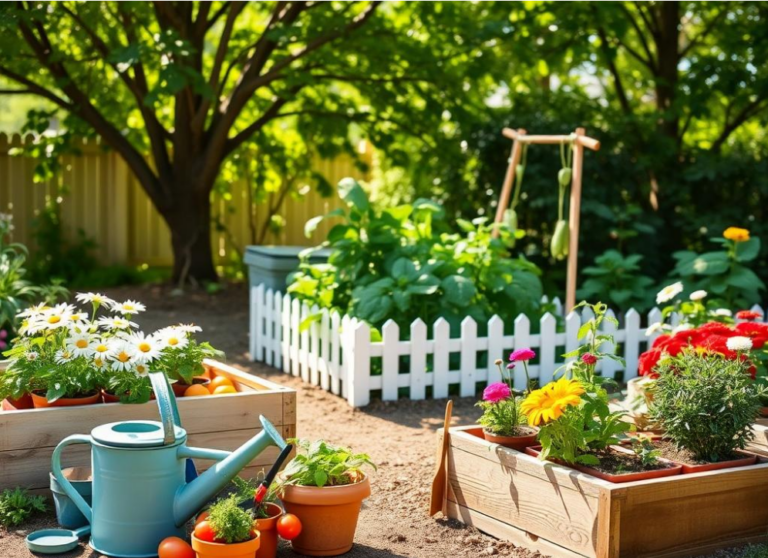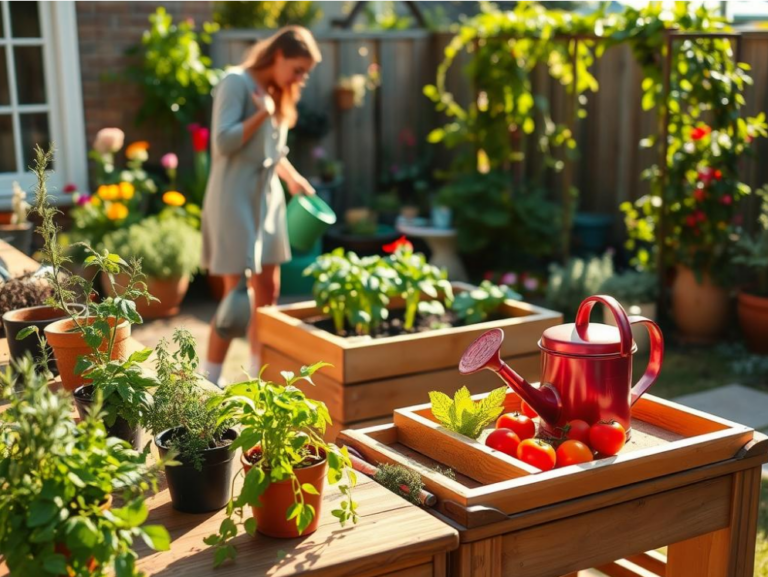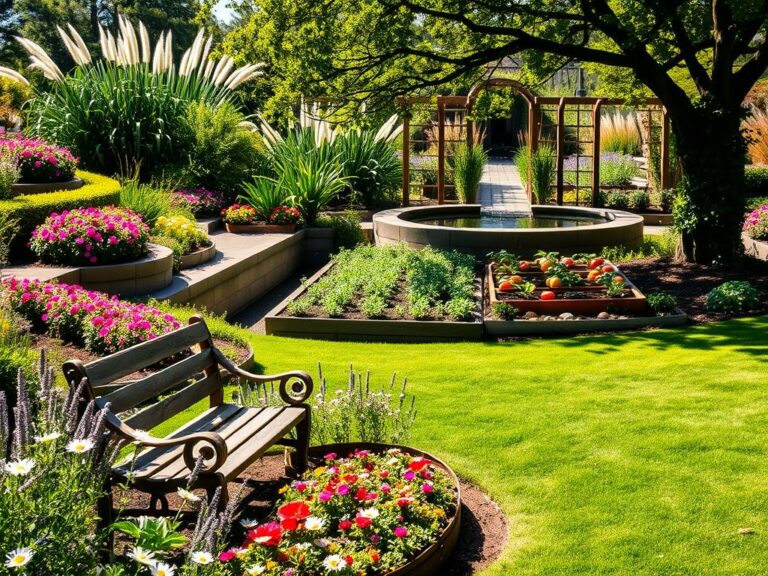

Nearly 70% of U.S. homeowners say outdoor improvements boost curb appeal more than new siding or paint. Yet, you don’t need a big budget to get those results. This shows how powerful cheap garden ideas can be when used well.
This guide offers practical, budget-friendly landscaping and gardening tips. You’ll learn how to design, plant, and maintain an attractive garden without overspending. You’ll get step-by-step actions, simple cost estimates, and hands-on projects for yards, balconies, and community plots across American climates.
You’ll find sections on affordable design ideas and cost-saving planting strategies. There are also DIY projects like raised beds and compost bins, low-cost maintenance, and smart places to source supplies. The guide covers sustainable practices that cut long-term expenses and creative ways to use small spaces.
Think of constraints as design drivers. Prioritize high-impact improvements, favor native and low-maintenance plants, and reuse materials for decor and structure. Before digging or building, check HOA rules, local ordinances, and call 811 to mark utility lines for safety.
Affordable Garden Design Ideas
Creating a stylish yard without overspending is possible with smart planning. Focus on plant choice, simple layouts, and creative decor. These approaches support budget-friendly landscaping and thrifty garden solutions.

Using Native Plants for Cost-Effective Landscaping
Native plants cut ongoing costs. They need less water, resist local pests and disease, and attract bees and butterflies. This reduces time and money on irrigation and chemicals.
For many temperate zones, coneflower (Echinacea) and black-eyed Susan (Rudbeckia) are reliable choices. Yarrow (Achillea) thrives in dry spots. Switchgrass (Panicum virgatum) suits prairie-style beds, and California poppy (Eschscholzia californica) brightens West Coast gardens.
Find regional lists through state extension services like University of California Cooperative Extension or Penn State Extension. The Native Plant Finder at the National Wildlife Federation and local botanical gardens offer curated recommendations. Choosing plugs or seed mixes saves money over established shrubs, supporting thrifty garden solutions by lowering replacement needs and water bills.
Simple Layouts to Maximize Space
Plan basic layouts that amplify impact while minimizing expense. Plant in drifts or massed groups to create cohesion and reduce the number of species you must buy. Use a single focal feature, such as a painted bench or a solar lantern, to draw the eye without costly hardscaping.
Paths made from gravel or bark chips guide visitors and cost far less than pavers. For edibles, grid or raised-bed layouts boost yields per square foot and simplify maintenance. Repeat a few plant specimens to increase perceived scale and unity. This approach fits budget-friendly landscaping and cheap garden ideas by reducing plant variety and labor.
Repurposing Items for Garden Decor
Repurposed materials add character and cut costs. Convert wooden pallets into vertical planters, turn vintage crates into raised boxes, or use broken terracotta pieces for drainage and edging. These fixes align with thrifty garden solutions and bring a handcrafted feel.
Take safety steps before reuse. Clean and treat reclaimed wood, strip lead paint from older items, and secure structures to prevent collapse. Simple finishes like paint accents and coordinated plant pairings make reused items look intentional rather than makeshift.
You can compare costs quickly: ornamental shrubs often run $40–$100 each, while a drift of native perennials or seeded plugs may cost $10–$25 per plant equivalent. Seeds, recycled wood, and mulch keep setup costs low and support cheap garden ideas without sacrificing style.
Strategies for Budget-Friendly Planting
Smart planting choices can save money and make your garden more productive. You can stretch your budget by planning when to buy, how to start plants, and where to trade for new varieties. These steps fit into cheap garden ideas, support affordable backyard projects, and are solid economical gardening tips.
Choosing Seeds Over Seedlings
Seed packets are cheap, costing just a few dollars and yielding dozens of plants. Seedlings and starts at nurseries or farmer’s markets can cost $2–$5 each or more. Starting from seed saves money and lets you try more varieties.
Start seeds indoors in recycled containers like egg cartons or yogurt cups. Use an inexpensive seed-starting mix and a sunny windowsill or a simple grow light. Start cool-season crops like lettuce weeks before the last frost and wait to start tomatoes after the frost date.
Pick easy, high-reward species: beans, sunflowers, zinnias, marigolds, basil, cilantro, and many common vegetables. With heirloom varieties, save seeds at season’s end to build your own seed bank for future seasons.
Timing Your Planting for Discounts
Shop clearance racks late in summer and fall for perennials, shrubs, mulch, and tools. Spring sales and post-holiday markdowns on planters and outdoor decor offer bargains. You can add quality items to your garden at a fraction of full price.
When buying discounted plants, check them for pests, rot, and poor root health. Acclimate them slowly by hardening them off over a week. This reduces shock and helps them thrive in your yard.
Plant Swaps and Community Exchanges
Plant swaps let you trade cuttings, seedlings, or divisions with neighbors. You can diversify your garden with near-zero cash outlay. Many communities host swaps at garden clubs, community gardens, or extension events.
Look for groups on Facebook, Nextdoor, and Meetup to find local exchanges. When trading, label each item with plant names and basic care notes. Avoid invasive species and sanitize tools between cuts to prevent disease spread.
| Action | Typical Cost | Estimated Savings |
|---|---|---|
| Buying seed packets | $2–$5 per packet | Up to 80% vs. buying starts |
| Purchasing clearance perennials | $5–$15 each | 40–70% off peak prices |
| Participating in plant swaps | Free or token cost | 100% savings on many plants |
Combining seed starting, seasonal shopping, and swaps can cut annual planting costs substantially. You retain variety and quality while following practical economical gardening tips and embracing cheap garden ideas that fuel affordable backyard projects.
DIY Garden Projects to Save Money
DIY projects can save you money and make your garden better. You can use old materials to build useful things. You can also turn kitchen scraps into soil and make planters that look great.
Building Raised Garden Beds from Reclaimed Wood
Raised beds help with drainage and warm up faster. They also reduce weeds and help plants grow better. It’s best to make them 4×4 or 4×8 feet for easy planting.
Use old pallets or fence panels for the wood. Avoid wood treated with creosote. Cedar and redwood are good but cost more. Reclaimed hardwood is a cheaper option.
Use screws or brackets to hold the corners together. Line the bottom with fabric to stop weeds. Short stakes help keep the sides straight.
Building a raised bed yourself can save a lot of money. You can spend as little as $50 with reclaimed wood and fasteners. This makes raised beds a great DIY project.
Creating Your Own Compost Bin
Composting reduces waste and gives you free soil. You can use a tumbler, a pallet bin, or a simple pile. A pallet bin is a good start.
Compost kitchen scraps, yard trimmings, and coffee grounds. Avoid meat, dairy, and sick plants.
Start with a mix of brown and green materials. Turn the pile every week or two. Keep it moist and wait two to six months for it to be ready.
Composting saves money on fertilizers. It also makes your soil better over time.
Crafting Decorative Planters
Decorative planters add style to your garden without spending much. Use old buckets, tires, or dresser drawers. Concrete planters are also a good choice.
Drill holes for drainage unless you’re using a self-watering system. Add liners for porous materials. Use exterior paint or sealers for protection.
Group planters by size and color. Plant similar plants together for easy care. These ideas are great for saving money and adding beauty to your garden.
Safety, Tools, and Essentials
Having the right tools saves money in the long run. Keep a drill, saw, tape measure, clamps, and screwdrivers. Don’t forget hand tools like a trowel and pruning shears.
Wear gloves, safety glasses, and a dust mask when working with wood. Good tools and safety measures save time and money.
| Project | Typical DIY Cost | Typical Store-Bought Cost | Key Benefits |
|---|---|---|---|
| Raised Garden Bed (4×8) | $40–$80 (reclaimed wood) | $150–$300 (kit) | Better drainage, fewer weeds, warmer soil, defined planting space |
| Compost Bin (pallet or open) | $0–$30 (pallets or reused containers) | $80–$200 (tumblers, prebuilt) | Free soil amendment, waste reduction, lower fertilizer needs |
| Decorative Planters (upcycled) | $5–$25 (buckets, drawers, tires) | $40–$150 (designer pots) | Custom style, flexible placement, supports low-cost outdoor decor |
| Basic Tool Kit | $100–$250 (one-time purchase) | — | Enables many projects, saves long-term costs, improves safety |
Low-Cost Garden Maintenance Tips
Keep your garden healthy on a tight budget with simple routines. These routines save time and money. Use natural remedies, smart watering, and steady weeding to protect plants and reduce expenses.
Natural pest control starts with watching your plants. Learn to identify pests early and act fast. Check leaves, stems, and soil weekly and remove affected foliage by hand when possible.
Use low-cost remedies like insecticidal soap, neem oil, and diatomaceous earth for targeted treatment. Attract beneficial insects like ladybugs and lacewings with alyssum, dill, or marigolds. Try homemade traps, such as a shallow beer trap for slugs, to cut chemical use and costs.
Adopt cultural controls like crop rotation, good sanitation, and bird-friendly features to reduce pest pressure long term. Reserve chemical controls for severe outbreaks and follow label directions, wearing gloves and eye protection for safety.
Water-saving techniques reduce bills and keep plants thriving. Mulch around beds to cut evaporation and suppress weeds; affordable options include wood chips, shredded leaves, straw, or cardboard beneath paths.
Install soaker hoses or drip irrigation to deliver water to roots where it’s needed most. Try a DIY gravity-fed drip with a raised rain barrel or recycled-bottle irrigation for containers if you want cheap garden ideas that work.
Water deeply and infrequently, ideally early in the morning. Group plants by water needs to avoid waste. In drought-prone areas, choose native species to lower irrigation demands and support local ecosystems.
Weeding strategies focus on prevention and short, regular sessions. Lay down thick organic mulch or landscape fabric in high-pressure zones. Plant tightly to shade the soil and limit weed germination.
Use a hoe before weeds set seed and pull young weeds after rain when roots come out easily. For paths and driveways, consider a propane flame weeder where safe and permitted. Keep sessions short and frequent to avoid a large time investment later.
These cost-effective yard improvements can cut water bills and pesticide purchases. Expect time savings too, since steady maintenance prevents big problems. Use these tips to make smart, cheap garden ideas part of your weekly routine for long-term results.
Alternative Sources for Gardening Supplies
Finding the right supplies can save money without sacrificing quality. You can buy from local garden centers and big box stores. This way, you support experts and get deals on bulk materials.
Thrift shops, garage sales, and online marketplaces offer tools and decor at low prices. These options are perfect for inexpensive patio designs and cheap garden ideas.
Local garden centers vs. big box stores
Local garden centers and independent nurseries have plants suited for your area. They also offer expert advice. Big box stores like The Home Depot or Lowe’s have seasonal sales and loyalty programs.
Buy specialty plants at local nurseries and grab mulch or planters during big-box sales. Look for events, coupons, and loyalty programs to save even more.
Thrift stores and garage sales for garden gear
Thrift stores, Habitat for Humanity ReStores, and garage sales are great for finding tools and decor. You can get durable items at low prices.
Check secondhand items for damage before buying. Clean and sanitize them. A thorough search here can help you find affordable garden supplies.
Online marketplaces for affordable tools
Facebook Marketplace, Craigslist, OfferUp, and eBay often have tools at low prices. Gardening forums and local groups can help you find free pots or plants.
Be safe when buying online: meet in public, inspect items, and check seller ratings. The best deals are often found in late fall and early spring.
Rent tools for big jobs instead of buying them. Community tool libraries and rental centers save space and money. Rent for one-off jobs and buy what you use often.
Sustainable Gardening Practices for Cost Savings
Using sustainable gardening practices makes your garden better and saves money. It reduces the need for expensive inputs and boosts yields. These methods are great for small plots, raised beds, and backyard gardens looking to save.
Crop Rotation for Healthy Soil
Change the plants you grow each season to keep soil healthy. Move legumes, brassicas, nightshades, and root crops around every 3-4 years. For example, plant beans where tomatoes were, then leafy greens, and then root crops.
For raised beds, plan your rotation by bed. Label each bed and keep track of what you planted. This will cut down on fertilizer and disease treatments as your soil gets better.
Companion Planting to Reduce Costs
Plant different plants together to help each other. Basil with tomatoes can keep pests away and make the tomatoes taste better. Marigolds can keep nematodes away, and nasturtiums can trap aphids from lettuce.
Use companion planting with pest management. This helps pollinators and can increase your harvest without extra spending. Try planting beans with sunflowers or borage near strawberries for more benefits.
Using Mulch to Minimize Water and Weeds
Mulch keeps the soil moist, stops weeds, and feeds the soil as it breaks down. Use cheap mulch like wood chips, leaves, straw, or cardboard topped with compost.
Put down 2–4 inches of organic mulch, leaving a gap from the plants to avoid rot. Refresh it every year or when it breaks down. This saves water, reduces the need for fertilizers and pesticides, and keeps your soil healthy.
These tips and ideas help create strong, low-maintenance beds. Making small changes now can lead to big savings for your garden in the long run.
Creative Ways to Use Your Space
Small yards and balconies can be a challenge, but smart planning can turn them into beautiful spots. Use vertical layers, thoughtful containers, and mixed plantings to make the most of your space. These ideas are perfect for those looking to create a beautiful garden without spending a lot.
Vertical Gardening for Small Areas
Use trellises, wall-mounted planters, or repurposed pallets to save floor space. Vertical gardening increases your planting area without needing more space. Choose lightweight materials for balcony or vinyl-clad walls.
Grow vining vegetables like peas and cucumbers. Add climbing flowers for color. Herbs and strawberry pockets work well in tiers. Always check weight limits and use proper anchors.
Balcony and Container Gardens
Choose the right container size for your plants. Small pots are good for herbs, while larger tubs are better for tomatoes. Make sure containers have drainage holes and lift them off surfaces to avoid water damage.
Use buckets, plastic tubs, and wooden crates to save money. Lighter potting mixes are best for rooftops or high balconies. Group containers to create microclimates that protect plants.
Watering will be more frequent than in-ground beds. Feed plants with balanced fertilizer regularly. Bring tubs indoors in winter to protect from frost.
Colorful Edible Landscapes
Mix ornamentals with edibles for beauty and food. Plant rainbow Swiss chard and purple basil with asters or marigolds. This creates a garden that looks good and feeds you.
Combine perennials like raspberries with annuals and herbs for year-round interest. Design beds for easy access to salad greens. This way, you can harvest what you need right by the path.
Growing your own food can save money. Use layout templates that combine seating with raised beds or container clusters. These ideas offer both beauty and function without breaking the bank.
| Space Type | Best Vertical Options | Top Plants | Cost-Saving Tip |
|---|---|---|---|
| Small Balcony | Hanging pockets, rail planters | Herbs, cherry tomatoes, strawberries | Use repurposed buckets with drainage holes |
| Narrow Patio | Freestanding trellis, pallet walls | Peas, pole beans, clematis | Build trellis from cedar offcuts |
| Compact Yard | Layered raised beds, espalier fruit trees | Rainbow chard, asparagus, raspberries | Mix perennials with annuals for continuous yield |
| Rooftop | Lightweight modular planters | Leafy greens, dwarf peppers, basil | Use lightweight mix to meet weight limits |
Inexpensive Garden Decor Ideas
Make your outdoor space feel special without spending a lot. Use simple projects and local finds to add charm and curb appeal. These tips will give your garden personality while keeping costs low.
DIY bird feeders to attract wildlife
Make bird-friendly features from scraps that look great and save money. A pine cone with peanut butter and seeds attracts chickadees and nuthatches. Clean a recycled milk jug, add perches, and hang it to welcome robins and sparrows.
Use sunflower seeds for cardinals, nyjer for finches, and suet cakes for woodpeckers. Place feeders near shrubs or a small tree for birds to hide from predators. Keep them a few feet from windows to reduce bird collisions.
Birds eat insects, so feeders help control pests too.
Utilizing natural elements for decoration
Collect stones, driftwood, pine cones, and shells to decorate beds or build features. A rock edge defines planting zones for a polished look. Lay local stones to form a dry creek bed that directs water and adds texture.
Fasten a driftwood trellis to support climbers like clematis or morning glory. Use pine cones and larger branches as mulch or focal accents in container groupings. Gather materials responsibly; respect protected areas and local rules.
Seasonal decor that doesn’t break the bank
Refresh your garden with small, seasonal touches you can store and reuse. Cluster potted mums in autumn for instant color. String LED lights on a timer for soft evening ambiance without high power use.
Paint pumpkins and gourds with outdoor-safe paint sealed with a clear coat for longer life. In winter, arrange evergreen clippings and bright berries to add structure and color. Rotate a few thrifted items from season to season to keep the display fresh without repeated purchases.
Here is a quick cost comparison and supply list to help you choose between store-bought and DIY options.
| Project | DIY Supplies | Estimated DIY Cost | Store-Bought Option | Estimated Store Cost |
|---|---|---|---|---|
| Pine Cone Feeder | Pine cone, peanut butter, bird seed | $2–$6 | Pre-made suet log | $6–$12 |
| Milk Jug Feeder | Clean milk jug, wooden dowel, twine | $0–$3 | Plastic hanging feeder | $10–$20 |
| Rock Edge | Local stones, gloves, shovel | $0–$15 | Precast edging | $25–$60 |
| Painted Pumpkins | Pumpkin, outdoor paint, sealer | $5–$15 | Decorative resin pumpkins | $15–$40 |
Supply tips: choose outdoor-safe paints and a simple clear sealant to extend life. Keep a small stash of twine, scrap wood, and exterior-rated screws for quick builds. These thrifty garden solutions make it easy to refresh your space on a budget.
Cost-Efficient Gardening Resources
To keep your garden on a budget, explore online and local resources. Use forums and extension sites for advice, free tools for planning, and hands-on classes to learn. These steps will help you apply economical gardening tips and achieve reliable results.
Online Communities and Forums
Join active communities like Reddit (r/gardening, r/whatsthisplant), GardenWeb forums, and Facebook gardening groups. Also, check cooperative extension sites for region-specific guidance. When asking questions, include clear photos and your location.
Free Planning Tools and Apps
Free gardening apps like GrowIt! and Gardenate help with planning. Use SketchUp’s free version and Pinterest for design ideas. These tools can save money by preventing waste and overbuying.
Local Workshops and Hands-On Learning
Find low-cost or free workshops from master gardener programs and garden centers. Hands-on sessions teach you to avoid costly mistakes. Check botanical garden and extension calendars for sales and demo days.
Start small by signing up for a local extension newsletter and joining one online forum. Download one planning app. Combining digital advice with in-person practice will educate you on a low budget.
FAQ
How can you create an attractive garden on a tight budget?
Start by planning a simple layout. Focus on a few repeat plants and native species. This reduces water and maintenance needs.Use seeds instead of seedlings and repurpose materials for beds and planters. Prioritize mulch, a focal planting drift, and one inexpensive seating or decorative feature. Check local extension resources and community plant swaps to stretch your dollars further.
Which native plants are good, low-cost choices for different U.S. regions?
Many temperate regions do well with coneflower (Echinacea) and black-eyed Susan (Rudbeckia). Dry sites benefit from yarrow (Achillea) and switchgrass (Panicum virgatum). West Coast gardens can use California poppy (Eschscholzia californica).Use state extension services or the National Wildlife Federation’s Native Plant Finder to find region-specific recommendations before buying.
Is starting from seeds really cheaper, and what should you grow?
Yes, starting from seeds is cheaper. Seed packets cost a few dollars and produce many plants. High-reward, inexpensive choices include beans, sunflowers, zinnias, marigolds, and herbs like basil.Start seeds in recycled containers with a basic seed-starting mix. Follow timing for cool- versus warm-season crops to boost success.
How do plant swaps and community exchanges work?
Neighborhoods trade cuttings, seedlings, or divisions to diversify gardens at minimal cost. Find swaps through local gardening clubs, community gardens, Facebook groups, Nextdoor, or extension events.Label traded plants with names and care notes. Avoid invasive species and sanitize tools to prevent disease spread.
What are safe, low-cost ways to build raised beds?
Use reclaimed untreated wood—pallet boards or old fence panels—sized commonly at 4×4 or 4×8. Secure corners with brackets or screws and line with landscape fabric if needed.Avoid creosote-treated lumber; cedar and redwood resist rot but cost more. DIY builds typically cost far less than kits and let you reuse materials.
Can you make good compost without fancy equipment?
Absolutely. Use a simple open pile, a bin made from pallets, or a basic tumbler. Compost kitchen scraps, yard trimmings, and shredded paper while avoiding meat, dairy, and diseased plants.Aim for a brown-to-green ratio near 3:1, keep moisture like a wrung-out sponge, and turn periodically to speed decomposition.
What are inexpensive pest-control options that actually work?
Start with monitoring and identification. Use targeted measures like insecticidal soap, neem oil, diatomaceous earth, and homemade traps (beer traps for slugs).Encourage beneficial insects with flowering plants and provide bird habitat. Resort to chemical controls only when necessary and follow label safety instructions.
How can you save water in the garden without costly irrigation systems?
Mulch heavily (2–4 inches) with wood chips, shredded leaves, or straw to reduce evaporation and weeds. Group plants by water needs, water deeply and infrequently in the morning.Consider low-cost drip lines or DIY bottle irrigation for containers. Where legal, use a rain barrel to capture runoff for watering.
Where should you buy plants and supplies to get the best value?
Blend sources: buy regionally adapted or specialty plants from local garden centers. Pick up bulk materials or seasonal bargains at big-box stores.Check thrift stores, Habitat for Humanity ReStores, garage sales, and online marketplaces like Facebook Marketplace or OfferUp for tools and décor at low prices.
What tools are worth investing in versus renting?
Invest in versatile hand tools (sturdy spade, hoe, pruners), a cordless drill, and gloves—these pay off for many projects. Rent or borrow expensive, occasional-use equipment like rototillers or wood chippers.Check community tool libraries to save money and storage space.
How do you prevent weeds affordably?
Preventative measures are cheapest: close spacing to shade soil, thick organic mulch, and landscape fabric under high-traffic beds. Hoe or hand-pull weeds before they set seed—do it after rain when roots come out easily.Regular short maintenance sessions prevent time-consuming infestations.
What sustainable practices reduce long-term garden costs?
Rotate crop families to reduce pest pressure, use companion planting to deter pests and boost yields, and apply mulch to conserve moisture and build soil. Composting and using native plants lower fertilizer and irrigation needs over time, cutting recurring expenses.
How can you maximize small spaces like balconies or patios?
Use vertical gardening—trellises, wall planters, and pocket planters—to expand planting area. Choose appropriately sized containers with good drainage, group pots for microclimate benefits.Favor lightweight potting mixes for rooftop or balcony weight limits. Grow vining vegetables, herbs, and strawberries in vertical setups for both beauty and yield.
What are simple, low-cost ways to decorate an outdoor space?
Repurpose natural materials—stones, driftwood, pine cones—and upcycle items like metal buckets or old drawers into planters. Make DIY bird feeders, string lights on a timer, and rotate seasonal décor stored year-to-year.Small paint accents and grouped vignettes make reused items look intentional.
Which online and local resources help you learn and save money?
Join online communities such as Reddit’s r/gardening, GardenWeb forums, or local Facebook gardening groups for advice and swaps. Use cooperative extension sites (e.g., state university extensions) for authoritative guidance.Try free apps like Gardenate, Planta, or GrowIt! and attend free or low-cost workshops from master gardener programs and garden centers.
How do you check local rules and safety before starting projects?
Review HOA covenants, municipal ordinances, and local utility markouts before digging or installing structures. Call 811 for utility locates if you plan to dig. Follow safety best practices for power tools and treat or remove lead paint from older reclaimed materials before using them in garden projects.