
Around 80 percent of Americans live in urban areas where outdoor space feels like a luxury. Apartment dwellers and balcony gardeners are growing fresh vegetables and beautiful flowers in tiny spaces. Your limited square footage doesn’t stand in the way of your gardening dreams.
You can transform your apartment or balcony into a thriving green oasis. Small garden ideas work wonders for people living in cities and tight quarters. Creative solutions bring nature into your urban living space.
Urban gardening tips help you maximize every inch. The right planning and plant selection make small spaces productive. Your outdoor area can become a peaceful retreat where you grow fresh herbs and vegetables.
Gardening in small spaces offers real benefits. Growing fresh produce at home saves money on groceries. A green garden reduces stress and improves your mental health.
Practical, budget-friendly solutions are within your reach. You don’t need a large yard to succeed as a gardener. This guide will show you how to use vertical space, containers, and creative arrangements.
Embrace Vertical Gardening for Small Spaces
Growing plants upward changes everything for apartment dwellers and small balcony owners. Vertical gardening transforms your limited space into a lush, thriving garden. Instead of spreading plants across your floor, stack them high on walls and structures.
This smart approach to small space gardening helps you grow more plants in less area. You’ll create stunning visual displays while keeping your living space open. Your home stays functional and beautiful at the same time.
The magic of vertical gardening lies in using your walls and vertical surfaces effectively. You can increase your growing capacity by three times or more. Better air circulation around your plants keeps them healthy and strong.
Bringing plants to eye level makes watering and caring for them much easier. Your neighbors won’t block your sunshine view since you’re building upward. This method maximizes every inch of available space.
Choose the Right Vertical Planters
Finding the perfect planter system matters for your vertical gardening success. Your choices range from simple to sophisticated options. Pick what fits your space and budget best.
- Wall-mounted pocket planters hold multiple small plants on a single panel
- Tower gardens stack pots in a spiral arrangement, ideal for herbs and vegetables
- Trellises support climbing plants like tomatoes and beans
- Hanging systems use hooks and ropes for suspended gardens
- Wooden ladder shelves display plants on stacked steps
- Metal grid systems attach to walls and hold various container sizes
Fabric planters work well for most spaces and resist weather damage. Wooden structures add warmth and rustic charm to your balcony. Metal grids offer strength and flexibility for heavier plants.
Match your planter style to your apartment’s look while keeping drainage in mind. Good drainage prevents root rot and keeps plants healthy. Choose materials that withstand your local weather conditions.
Benefits of Vertical Gardening
Small space gardening becomes practical and beautiful with vertical methods. Your plants receive better airflow, which reduces disease and pest problems. You won’t strain your back bending down to care for ground-level plants.
Vertical arrangements create natural privacy screens from neighbors and passing foot traffic. Rain drains properly through stacked containers, keeping roots healthy. Your plants stay vibrant and strong throughout the growing season.
Privacy screening becomes a bonus feature with leafy plants and flowers. You save valuable floor space on your balcony for seating or walking. Vertical gardens add instant color and life to blank wall spaces.
Creative Ideas for Vertical Arrangements
Your imagination is the only limit when designing vertical layouts. Mix different plants and colors for eye-catching displays. Create a garden that reflects your personal style.
- Create cascading herb gardens using pocket planters, with basil, mint, and parsley tumbling downward
- Build living walls packed with colorful flowers like petunias and marigolds
- Grow vertical vegetable gardens featuring climbing tomatoes, beans, and cucumbers
- Combine edible plants with ornamental flowers for artistic arrangements
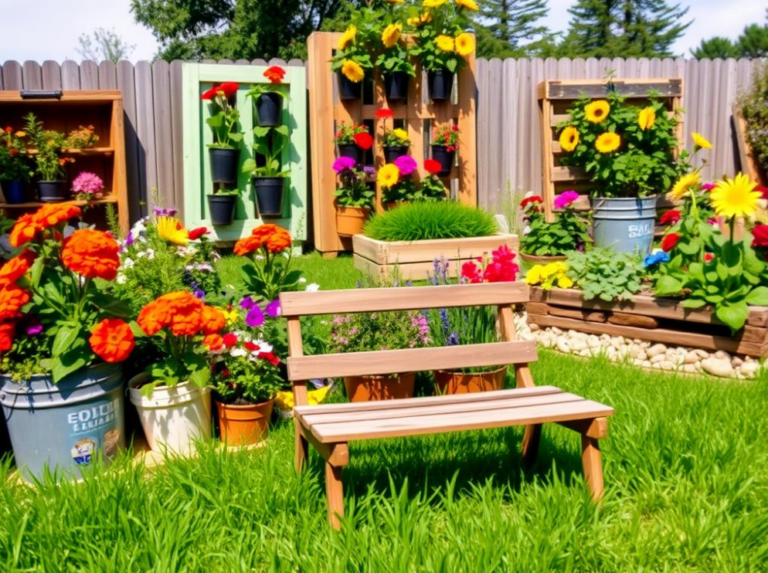
- Repurpose old wooden pallets as rustic vertical planting structures
- Install gutter gardens along your balcony railing for herbs and strawberries
- Use modular systems you can rearrange to match seasonal changes
Repurposed pallets cost little money but deliver big visual impact. Gutter gardens work perfectly for shallow-rooted plants like lettuce and herbs. Modular systems let you customize your garden as it grows.
Container Gardening: Perfect for Balconies
Container gardening gives you freedom to grow plants anywhere on your balcony or patio. Unlike traditional ground gardens, this method puts you in complete control. You decide where plants go, what soil they use, and when to water them.
Container gardening works wonderfully for apartments because it requires minimal space. Your patio garden design can change whenever you want by simply moving containers around. This approach also helps you avoid landlord restrictions since everything stays portable.
Selecting the Best Containers
Choosing the right container matters more than you might think. Different materials work better for different situations.
- Terracotta pots breathe well and look beautiful, but they dry out quickly in warm weather
- Plastic containers weigh less and keep soil moist longer, making them ideal for balconies
- Ceramic pots offer stunning aesthetics for your patio garden design, though they’re heavier
- Fabric grow bags provide excellent drainage and encourage healthy root development
Size matters too. Small herbs fit nicely in 6 to 8-inch pots. Peppers need about 12-inch containers, while tomatoes require 18-inch pots or bigger.
Soil and Drainage Tips
Never use regular garden soil in containers because it’s too dense. It holds too much water and can drown your plants. Instead, buy quality potting mix from brands like Miracle-Gro or FoxFarm.
Drainage is essential for container gardening success. Always ensure your containers have drainage holes in the bottom. Add a layer of rocks or broken pottery pieces before filling with soil.
This prevents soil from washing out while water drains freely. Water your plants when the top inch of soil feels dry to the touch.
Recommendations for Easy-to-Grow Herbs
These herbs thrive in containers and produce abundant harvests:
| Herb | Container Size | Light Needs | Harvest Tips |
|---|---|---|---|
| Basil | 6-8 inches | 6+ hours sun daily | Pinch leaves regularly to encourage bushiness |
| Mint | 8-10 inches | 4+ hours sun daily | Thrives when confined to containers, prevents spreading |
| Parsley | 6-8 inches | 4+ hours sun daily | Cut outer stems first for continuous growth |
| Cilantro | 6-8 inches | 4+ hours sun daily | Harvest before flowering for best flavor |
| Rosemary | 10-12 inches | 6+ hours sun daily | Use year-round, prune to maintain shape |
| Thyme | 6-8 inches | 6+ hours sun daily | Pinch stems to encourage bushier growth |
Start with basil and mint if you’re new to container gardening. Both forgive beginner mistakes and grow quickly. Basil loves warmth, while mint actually prefers container life because it stops spreading uncontrollably.
These herbs transform your patio garden design into a productive space. They provide fresh flavors for your kitchen all season long.
Utilizing Wall Space for Plant Display
Your apartment walls hold untapped potential for gardening. Transform bare walls into lush green displays that look great and work hard. Wall gardens maximize every inch of your living area.
Wall Planters: Types and Features
Different wall planter styles suit different needs and spaces. You have several options to choose from for your vertical garden.
- Individual mounted pots come with built-in water reservoirs that reduce daily watering
- Modular living wall systems interlock together, letting you create custom configurations
- Railing planters hook over balcony rails without requiring tools or drilling
- Magnetic planters work great for metal surfaces on your apartment exterior
Look for planters made from UV-resistant materials if your wall gets direct sunlight. Check the weight capacity of your walls before installing heavier systems. Self-watering features save you time and keep plants healthy between waterings.
Creative Ways to Hang Plants
You can display your plants in inventive ways that match your style. Consider these hanging methods for your gardening project:
| Hanging Method | Best For | Key Advantage |
|---|---|---|
| Macramé Hangers | Trailing plants like pothos | Adds bohemian charm to outdoor living inspiration |
| Floating Shelves | Multiple small pots at different heights | Creates visual depth and organized display |
| S-Hooks and Chains | Lightweight containers | Allows adjustable positioning for sunlight needs |
| Tension Rods | Between walls or railings | Rental-friendly without damaging walls |
Make sure weight distribution is even across your wall. Use anchors rated for your wall type—drywall anchors differ from concrete options. Test everything before hanging your plants.
Decorating Options for Wall Gardens
Your wall garden becomes a design statement with the right decorative touches. Mix trailing plants with upright herbs to create interesting visual patterns. Place small mirrors between planters to reflect light and make your space feel larger.
Coordinate your container colors with your outdoor furniture and existing décor. Add weatherproof outdoor art pieces between planters for personality. These touches transform functional growing space into beautiful displays that reflect who you are.
Wall gardens serve multiple purposes—they provide fresh herbs, create natural privacy screens, and make stunning focal points without consuming floor space.
Consider your lighting conditions when selecting plants for each wall spot. Sun-loving herbs need southern or western exposure. Shade-tolerant plants work better on northern walls.
This thoughtful placement ensures your wall garden thrives while looking absolutely gorgeous.
The Magic of Miniature Gardens
Miniature gardens bring the joy of gardening into tight spaces without requiring much room or effort. These tiny ecosystems work beautifully for apartment dwellers and anyone interested in urban gardening tips. Terrariums stand out as one of the best small garden ideas for creating living art.
They give you a chance to grow plants indoors while using almost no square footage. You can place them on your windowsill or bookshelf for instant green appeal.
Terrariums work like small worlds inside glass. They trap moisture and create their own climate, making them perfect for humid-loving plants. You can build closed terrariums for ferns and moss or open ones for succulents.
What is a Terrarium?
A terrarium is a glass or clear plastic container that holds soil and plants. Think of it as a miniature garden world that sits right on your desk. Inside, plants grow in their own little ecosystem with recycled air and water.
Closed terrariums work best for moisture-loving plants. They keep humidity high because water stays trapped inside. Open terrariums suit dry-climate plants like succulents better since air flows freely.
Steps to Create Your Own Terrarium
Building your terrarium takes just a few easy steps. Start by picking a clear container like a glass jar or fish bowl. Layer materials from bottom to top to create a healthy home for your plants.
- Choose your container with an opening wide enough for planting
- Add a drainage layer of pebbles or activated charcoal at the bottom
- Pour quality potting soil over the drainage layer
- Plant your chosen specimens carefully in the soil
- Decorate with small stones, moss, or tiny figurines
- Water lightly and seal if making a closed terrarium
Pick plants that grow slowly and won’t outgrow your space too fast. Make sure all your plants enjoy the same light and water conditions. Slow-growing varieties like African violets and fittonias work wonderfully in terrariums.
Fun Themes for Miniature Gardens
Your terrarium can tell any story you want. Urban gardening tips suggest picking a theme that excites you and makes your space feel personal.
- Desert landscape with cacti and succulents on sand
- Woodland scene with ferns and moss creating forest floors
- Fairy garden with tiny accessories and miniature plants
- Beach theme using air plants, sand, and shells
- Tropical rainforest with layered plants and vines
- Mountain landscape with rocks and alpine plants
These small garden ideas work great for decorating any room. You can make several terrariums, each with its own personality. Best of all, they need very little care once you set them up right.
| Terrarium Type | Best Plant Choices | Watering Schedule | Ideal Location |
|---|---|---|---|
| Closed Terrarium | Ferns, Moss, Fittonias | Water monthly | Indirect bright light |
| Open Terrarium | Succulents, Cacti, Jade Plants | Water every 2-3 weeks | Bright indirect light |
| Tropical Terrarium | Air Plants, Begonias, Nerve Plants | Water weekly | Warm area with humidity |
| Desert Terrarium | Aloe, Echeveria, Lithops | Water sparingly | Bright sunny location |
Terrariums bring gardening indoors where space matters most. These magical miniature worlds fit anywhere, from studio apartments to busy urban settings. Start your first terrarium today and watch your tiny garden thrive with minimal effort.
Incorporating Edible Plants into Your Garden
Growing your own food brings fresh, flavorful produce right to your fingertips. You don’t need a large yard to enjoy homegrown vegetables and herbs. Small space gardening makes it easy to cultivate edible plants on your balcony or patio.
Container gardening is the perfect method for growing nutritious ingredients in limited areas. The taste of vegetables you’ve grown yourself far surpasses anything from a grocery store shelf.
Best Edible Plants for Limited Space
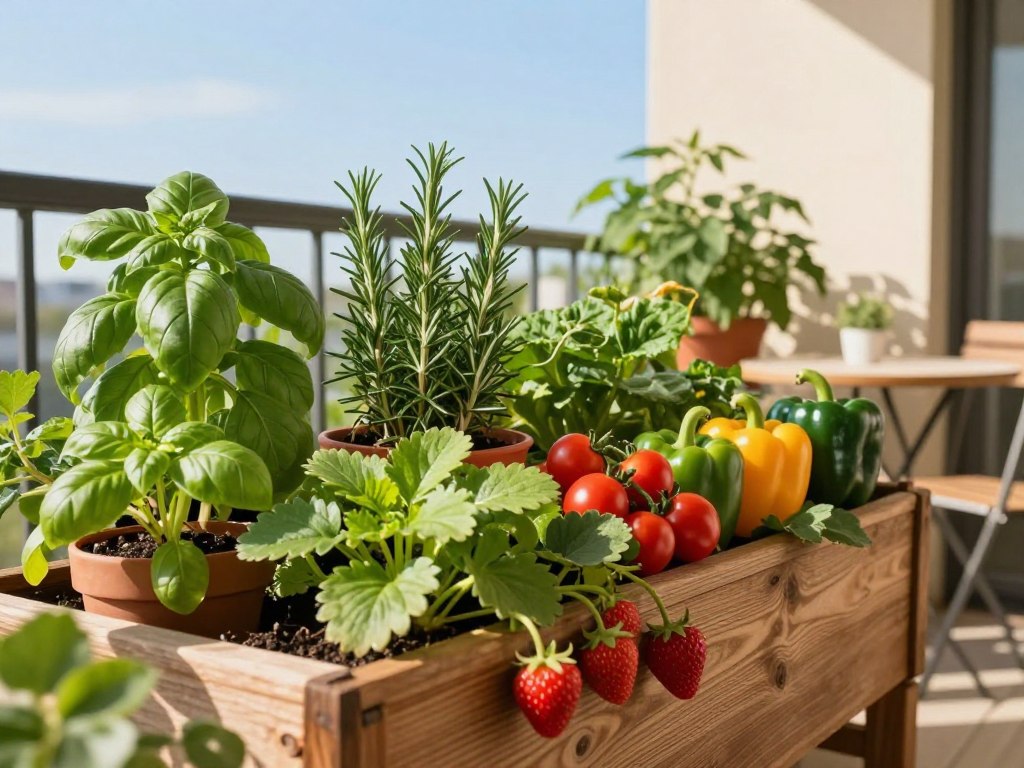
You can grow many delicious plants using container gardening techniques. Compact tomato varieties like ‘Tiny Tim’ and ‘Tumbling Tom’ thrive beautifully in hanging baskets. Lettuce and salad greens grow quickly in shallow containers and provide continuous harvests.
Dwarf pepper plants produce abundant fruit in 10-12 inch pots. Strawberries work wonderfully in vertical planters for small space gardening setups.
Herbs are kitchen staples that need minimal space. Basil, cilantro, and parsley grow well in small pots near sunny windows. Microgreens are nutrient-dense seedlings ready to harvest in just 1-2 weeks indoors year-round.
| Plant Type | Container Size | Days to Harvest | Best Feature |
|---|---|---|---|
| Cherry Tomatoes | 10-14 inches | 60-70 | Compact growth, prolific fruit |
| Lettuce | 6-8 inches | 30-45 | Quick growth, continuous harvest |
| Basil | 6 inches | 20-30 | Aromatic, kitchen essential |
| Dwarf Peppers | 10-12 inches | 60-90 | Abundant production, colorful fruit |
| Strawberries | 8-10 inches | 60-90 | Vertical growing, sweet berries |
| Microgreens | 2-3 inches | 7-14 | Nutrient-dense, year-round indoor |
Companion Planting for Better Growth
Strategic plant combinations maximize your space and improve overall garden health. You can pair tomatoes with basil to enhance flavor and naturally repel pests. Carrots grow well alongside chives, which deter harmful insects.
Lettuce pairs perfectly with radishes for efficient container gardening use. These combinations increase your yields without needing extra space.
- Tomatoes with basil for pest control and flavor enhancement
- Carrots with chives for insect protection
- Lettuce with radishes for efficient spacing
- Peppers with onions for growth support
- Beans with corn for nitrogen enrichment
Tips for Maintaining Edible Gardens
Container plants deplete nutrients faster than garden soil, so you’ll need regular fertilizing. Check soil moisture daily during hot weather to keep plants healthy. Harvest frequently to encourage continued production throughout the growing season.
Watch for common pests like aphids that damage young plants. You can control them with insecticidal soap or by using companion plants. Remove dead leaves and stems to maintain plant vigor.
- Fertilize container plants every 2-3 weeks with balanced fertilizer
- Water daily during heat, checking soil moisture by touch
- Harvest leaves and fruits regularly for continued growth
- Scout for pests at least twice weekly
- Remove damaged or dead plant material promptly
- Rotate plant positions monthly for even light exposure
Tips for Selecting Plants for Small Gardens
Picking the right plants makes all the difference in your small garden strategy. The plants you choose determine whether your space thrives or struggles. Start by observing your space carefully before buying anything.
Your plant selection should match your living conditions and lifestyle. Smart choices mean less stress and better results. This applies to any apartment or balcony garden.
Consider Climate and Sunlight
Watch your balcony or apartment area throughout the day. Count how many hours of direct sunlight it receives. This information shapes every decision you’ll make.
- Full sun = 6 or more hours of direct sunlight
- Partial sun = 3 to 6 hours of direct sunlight
- Shade = Less than 3 hours of direct sunlight
Understanding your local USDA hardiness zone helps tremendously. Buildings create microclimates with unusual wind patterns and reflected heat. These factors affect plant survival rates.
For sunny spots, try lavender, rosemary, and succulents. Shaded areas work well with ferns, hostas, and impatiens. Choose plants suited to your specific conditions.
Choosing Low-Maintenance Plants
Busy people need forgiving plants. Succulents and cacti handle irregular watering beautifully. Snake plants and pothos survive neglect and poor lighting.
| Plant Type | Water Needs | Light Requirements | Best For |
|---|---|---|---|
| Succulents | Low | Full sun | Busy gardeners |
| Snake Plant | Low | Partial to full shade | Neglect tolerance |
| Pothos | Low to moderate | Partial shade to full sun | Beginners |
| Thyme | Low | Full sun | Culinary use |
| Oregano | Low to moderate | Full sun | Herb gardens |
Perennial herbs like thyme and oregano return yearly with minimal care. Native plants adapted to your region need less water and attention. Self-watering containers reduce your daily maintenance burden.
How to Create a Cohesive Color Palette
Pick your color scheme before purchasing plants. This planning prevents your space from looking chaotic.
Consider these approaches for your garden:
- Cool colors (blues, purples) create calm and relaxation
- Warm colors (reds, oranges) bring energy and vibrancy
- Monochromatic green offers sophisticated simplicity with varied textures
Use foliage color and texture as effectively as flowers. Repeating the same colors throughout your space creates visual harmony. Vary leaf shapes and sizes to add interest without clutter.
Seasonal Gardening: Planning for Changes
Your small space garden transforms throughout the year with proper planning. Rotating plants and adjusting your patio design keeps your outdoor space vibrant. Strategic planning ensures your balcony garden always features something beautiful or useful.
Plants to Consider for Each Season
Each season brings unique opportunities for small space gardening. Spring arrives with cool-loving varieties that thrive in mild temperatures. Plant pansies, snapdragons, lettuce, and peas early in the season.
Summer transforms your patio garden with heat-tolerant plants. Tomatoes, peppers, zinnias, and marigolds flourish during warm months. These selections deliver vibrant colors and fresh harvests.
Fall introduces chrysanthemums, ornamental kale, spinach, and asters that provide late-season beauty. Winter offers different possibilities depending on your location.
In warmer U.S. zones (8-10), you can grow cool-season vegetables throughout winter. In colder regions, focus on evergreen herbs like rosemary and cold-hardy kale.
Seasonal Maintenance Tips
Your garden needs different care during each season. Spring requires refreshing potting soil and starting new seeds. Summer demands consistent watering and deadheading spent flowers to encourage growth.
- Spring: Refresh soil and plant cool-season crops
- Summer: Water frequently and remove faded blooms
- Fall: Plant spring bulbs and protect tender plants
- Winter: Wrap containers in bubble wrap and reduce watering
Winter care protects your patio garden investments. Wrap containers to prevent cracking from freezing temperatures. Move sensitive plants closer to building walls for extra protection.
Rotating Your Garden for Fresh Growth
Swap spent plants for new seasonal varieties to keep your space looking fresh. This rotation method prevents soil depletion and reduces pest buildup. Your containers stay healthier throughout the year.
Quick changeovers work best with advance planning. Remove plants that have finished producing or lost their appeal. Replace them with new seasonal selections that complement your existing design.
Garden Accessories to Maximize Space
The right accessories transform your small garden into a functional and beautiful outdoor living space. Thoughtful tools and decorative elements create an environment that works harder for you. Smart accessory choices serve multiple purposes and make your project easier and more enjoyable.
Essential Tools for Small Gardeners
Small spaces demand compact, efficient tools that won’t overwhelm your storage area. Focus on items that deliver real value without taking up precious room.
- Hand trowels and cultivators for working with containers
- Pruning shears to keep plants healthy and shaped
- Watering cans with long spouts for reaching hanging plants
- Spray bottles for misting and foliar treatments
- Wall-mounted magnetic strips to keep metal tools organized
Wall-mounted organizers and hanging tool racks keep everything accessible without cluttering your limited space. These storage solutions prevent you from losing small items. You maintain easy access during gardening tasks.
Decorative Touches to Enhance Aesthetics
Your outdoor living inspiration comes alive through thoughtful decorative elements. Personal touches turn a plant collection into a cohesive garden experience. The space reflects your unique style.
- Outdoor string lights create evening ambiance
- Decorative plant markers identify herbs while adding charm
- Colorful outdoor rugs define your garden zone
- Weather-resistant mirrors make small spaces feel larger
- Artwork that withstands outdoor conditions adds visual interest
Multi-Functional Furniture Ideas
Every piece of furniture in your small garden should earn its place. Multi-functional items let you maximize both comfort and practicality.
| Furniture Type | Primary Function | Secondary Benefit |
|---|---|---|
| Storage benches | Seating | Hides gardening supplies |
| Folding bistro sets | Dining or relaxation | Collapses for floor space |
| Side tables with planters | Surface space | Growing area included |
| Vertical shelving units | Plant display | Tool storage below |
These strategic choices let your backyard area serve multiple purposes without feeling crowded. You create a space where you can garden, relax, and entertain simultaneously. All of this happens within your limited square footage.
Creating a Relaxation Nook in Your Small Garden
Your small garden or balcony can become a personal sanctuary. Even tiny spaces transform into peaceful retreats with smart planning. This guide helps you build a comfortable spot for morning coffee or quiet reflection.
The key combines three essential elements: the right location, comfortable seating, and soft lighting. Blend these together with your patio garden design. You create a complete outdoor experience that nurtures plants and well-being.
Choosing the Right Location
Finding the perfect spot starts with assessing your space. Corner locations work best for small balconies. They provide a sense of enclosure while saving valuable floor space.
Consider these factors when selecting your nook:
- Protection from harsh sun and strong winds
- Privacy from neighbors using plants or screens
- Close proximity to your indoor space for convenience
- A pleasant view, even if it’s just your own garden wall
- Good drainage to prevent water pooling during rain
Selecting Comfortable Seating
Your seating choice makes all the difference. Small spaces require furniture that works hard without taking up too much room.
Great seating options for your patio garden design include:
- Folding chairs with cushions that store away when not in use
- Compact loveseats designed specifically for balconies
- Floor cushions and poufs for a casual, bohemian feel
- Hanging chair swings that provide comfort without floor space
- Built-in bench seating with storage underneath
Look for weather-resistant fabrics that withstand rain and sun. Brands like Sunbrella offer durable outdoor cushions. They maintain their quality year-round.
Adding Lighting for Ambiance
Proper lighting extends your garden enjoyment into evening hours. It creates a magical atmosphere. Layering different light types brings depth and warmth to your space.
Essential lighting options for your outdoor living inspiration:
- Solar-powered stake lights placed along pathways or around plant groupings
- Battery-operated LED candles for flameless flickering warmth
- String lights draped overhead for a festive café atmosphere
- Small table lamps designed for outdoor use that provide reading light
Combine ambient lighting for general visibility and task lighting for reading. Add accent lighting to highlight your favorite plants or garden features. This creates visual interest while keeping your nook functional and inviting.
Budget-Friendly Solutions for Your Small Garden
Creating beautiful small garden ideas doesn’t have to drain your wallet. You can build a thriving garden on any budget with smart choices and creativity. Experienced growers prove that money-saving strategies work just as well as expensive solutions.
Cost-Effective Plant Options
Starting with seeds instead of transplants saves you 50 to 75 percent of the cost. Seeds grow quickly and give you many more plants for your money. You can grow herbs like basil, mint, and cilantro from grocery store plants and keep harvesting for months.
Plant propagation from cuttings is another smart move. Basil, mint, and pothos root easily in water on your windowsill. Share cuttings with friends and neighbors to swap plants for free.
Perennial herbs and flowers return year after year. You avoid replanting costs that come with annual flowers.
DIY Projects to Save Money
Repurpose items you already have at home to make planters and garden tools. Mason jars, tin cans, and plastic bottles work great as containers when you add drainage holes. Find wooden pallets free on Craigslist or Facebook Marketplace to build vertical gardens.
Make self-watering containers from plastic bottles to keep your urban gardening tips simple and affordable. Paint rocks or use popsicle sticks to mark your plants. Build trellises from bamboo stakes tied together with twine.
Tips for Sourcing Garden Supplies on a Budget
Shop end-of-season sales at garden centers for discounts of 50 to 75 percent off. Dollar stores sell basic containers and tools for cheap. Join local gardening groups on social media where members give away extra plants and supplies for free.
Make your own compost from kitchen scraps to skip expensive fertilizer costs. Many communities run tool lending libraries and seed exchanges that offer free access to supplies. Your budget should never stop you from growing the garden you want.