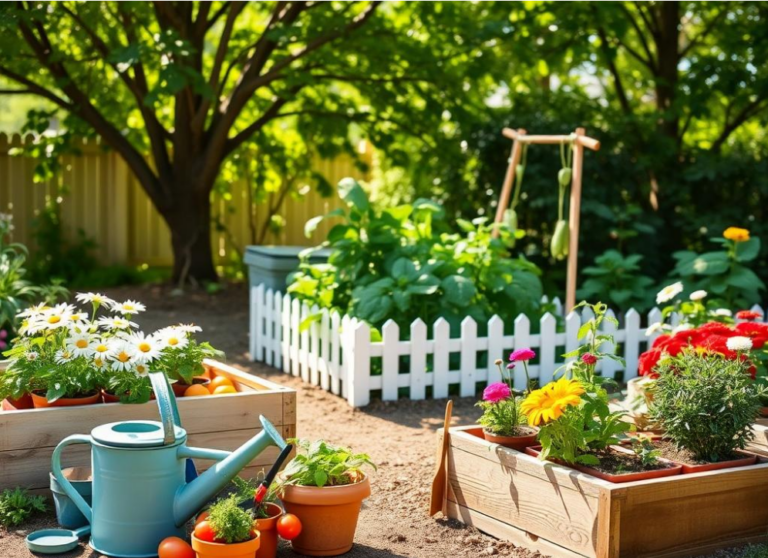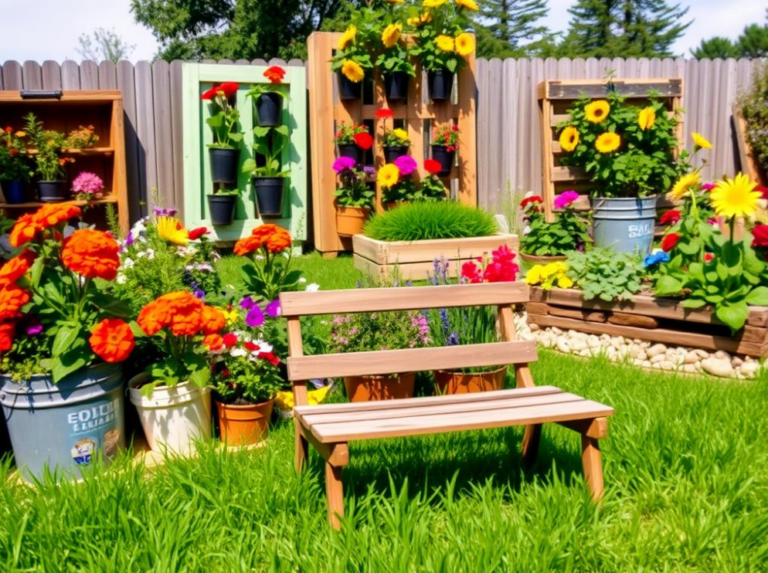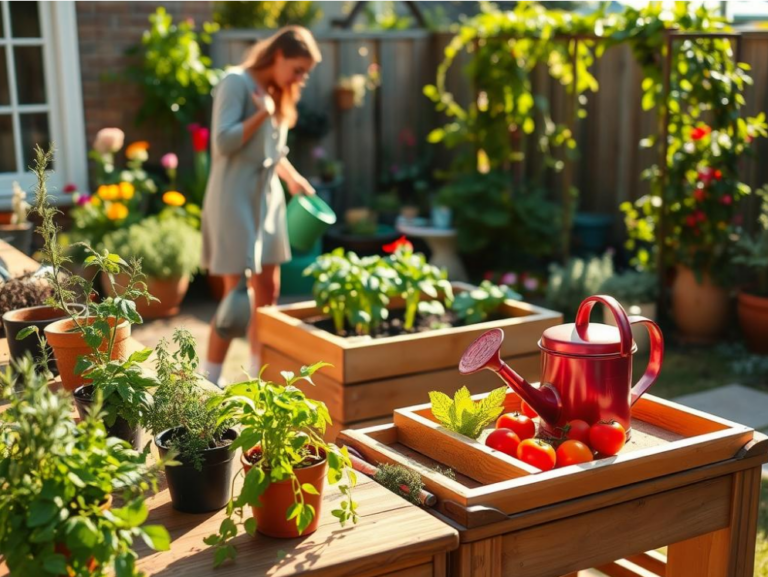

Over 35 million American households now grow food or flowers in small spaces. Balcony gardening has exploded nationwide as apartment dwellers discover the truth. You don’t need a sprawling backyard to cultivate fresh plants.
Your balcony is ready to become a green oasis.
Urban gardeners have figured out the secret: small space gardening works just as well. Balcony garden ideas fit your lifestyle perfectly. Your outdoor space holds untapped potential whether you live in a city or suburb.
Balcony gardening gives you more than pretty flowers and fresh herbs. You’ll connect with nature in a meaningful way. Growing your own vegetables improves air quality and reduces stress.
This guide walks you through everything you need to know. You’ll learn how to evaluate your balcony’s sunlight and wind patterns. You’ll discover which plants thrive in containers.
You’ll master watering schedules and soil choices that work best.
You’ll have total confidence to create your own thriving balcony garden. Your experience level doesn’t matter. Your space constraints won’t stop you.
Understanding Your Balcony Space
Before planting, you need to understand your balcony’s unique characteristics. Every apartment balcony garden is different. What works for one space might not work for another.
Taking time to evaluate your balcony helps you make smart decisions. This foundation ensures your gardening efforts succeed from the start.
Measuring Your Balcony Dimensions
Start by measuring your balcony’s length, width, and height. Use a tape measure to get exact numbers. Write down these measurements for buying containers and planters.
Check your building’s weight capacity limits. Most apartment balcony gardens must stay within specific weight restrictions. Your lease or building management can tell you this important number.
Don’t forget vertical space. Look up at your ceiling. Check how high you can hang planters without blocking doorways or windows.
Identifying Sunlight Exposure
Sunlight is everything for plants. Your apartment balcony garden needs the right amount of light to thrive. Observe your balcony at different times throughout the day.
- Full sun areas get 6 or more hours of direct sunlight daily
- Partial sun zones receive 3 to 6 hours of light
- Shaded spots get less than 3 hours of sunlight
Smartphone apps like Light Meter or Sun Seeker can measure light levels accurately. Track sun patterns for at least three days. Note which areas stay sunny all day and which get afternoon shade.
Assessing Wind and Weather Conditions
Wind affects plants more than most people realize. Strong winds can damage delicate leaves and dry out soil quickly. Urban balcony design must account for wind patterns because buildings create unique wind tunnels.
| Balcony Orientation | Sun Exposure | Wind Level | Best Plant Types |
|---|---|---|---|
| North-Facing | Mostly shade | Moderate | Shade-loving plants, ferns |
| South-Facing | Full sun | Varies | Sun-loving flowers, herbs |
| East-Facing | Morning sun | Low to moderate | Most vegetables, beginner plants |
| West-Facing | Afternoon sun | Higher | Heat-tolerant plants, sturdy varieties |
Consider seasonal weather patterns in your area. Winter winds are stronger, and summer heat is more intense. Understanding your microclimate helps you choose plants that survive in your specific conditions.
Observe how rain hits your balcony and where water pools. Some areas drain naturally while others collect moisture. This knowledge prevents root rot and water damage to your building’s structure.
With these measurements and observations complete, you’re ready to select plants. Your urban balcony design and apartment balcony garden will thrive.
Choosing the Right Plants for Your Balcony
Picking the right plants is the key to a successful balcony garden. Your choices depend on how much sunlight your space gets. They also depend on how much time you can spend caring for your plants.
Your balcony can become a thriving green space. You might dream of fresh flowers, homegrown vegetables, or fresh herbs for cooking.
Best Flowers for Balcony Gardens
Flowers bring color and life to your balcony space. Some flowers are perfect for balcony gardening because they need little space. Petunias, geraniums, marigolds, and pansies create stunning displays with vibrant colors.
Think about your light conditions when choosing flowers. Petunias and marigolds love full sun and bloom all season long. Pansies work well in cooler months and can handle partial shade.
Mix different colors together to create eye-catching combinations. Your balcony will feel like a botanical oasis.
Ideal Vegetables to Grow in Small Spaces
A balcony vegetable garden gives you fresh produce steps away from your kitchen. The best vegetables for containers are compact varieties that don’t need much room. Tomatoes, peppers, lettuce, and radishes grow beautifully in pots on your balcony.
Look for bush tomato varieties and determinate types. These plants stay small and were bred specifically for container growing. Fast-growing vegetables like radishes and lettuce give you quick wins that keep you motivated.
| Vegetable | Container Size | Days to Harvest | Sunlight Needed |
|---|---|---|---|
| Tomatoes (Bush) | 5-Gallon Pot | 60-85 Days | 6-8 Hours |
| Lettuce | 6-Inch Pot | 30-45 Days | 3-4 Hours |
| Peppers | 5-Gallon Pot | 60-90 Days | 6-8 Hours |
| Radishes | 4-Inch Pot | 25-30 Days | 3-4 Hours |
Low-Maintenance Plants for Beginners
Starting your balcony journey? Choose plants that forgive occasional mistakes. A balcony herb garden is perfect for beginners. Herbs like basil, mint, cilantro, parsley, thyme, and rosemary practically grow themselves.
Fresh herbs provide amazing flavors for your kitchen year-round. Succulents, pothos plants, and spider plants need very little attention. They handle neglect well and help you build gardening confidence.
These tough plants survive different light conditions. They don’t need constant watering.
- Basil grows quickly and loves warm weather
- Mint spreads easily and freshens drinks and meals
- Succulents store water and need minimal care
- Spider plants adapt to many light levels
- Pothos vines grow in low or bright light
Match your plant selections to your sunlight, schedule, and goals. The right plants will thrive in your space.
Selecting Containers and Planters
The right container makes all the difference in your DIY balcony garden. Your choice of planter affects plant growth, available space, and balcony appearance. Finding perfect containers means balancing practical needs with personal style.
Types of Containers for Balcony Gardens
Different materials offer unique benefits for container gardening. Each option has advantages and challenges you should understand before buying.
| Container Material | Weight | Moisture Retention | Best For |
|---|---|---|---|
| Terracotta | Heavy | Quick drying | Herbs and succulents |
| Plastic | Lightweight | Retains moisture well | Vegetables and flowers |
| Ceramic | Very heavy | Moderate retention | Decorative displays |
| Fabric Grow Bags | Lightweight | Good airflow to roots | Root vegetables and leafy greens |
| Wood | Moderate | Moderate retention | Mixed plantings |
Terracotta pots breathe well but dry out quickly. Plastic containers stay lightweight for balconies with weight restrictions. Ceramic planters look beautiful but are heavy to move.
Fabric grow bags promote healthy root development. Wooden planters create a natural appearance when properly sealed.
Creative DIY Planter Ideas
Your DIY balcony garden doesn’t require expensive planters. You can transform items you already have into charming containers. Look around your home for creative possibilities.
- Old wooden crates stacked for a rustic look
- Recycled tin cans painted in bright colors
- Colanders lined with landscape fabric
- Rain boots filled with potting soil
- Wooden pallets converted into vertical planters
- Galvanized buckets with added drainage holes
- Mason jars for small succulents and herbs
Prepare each recycled container by cleaning it thoroughly. Add decorative touches through painting or staining to match your balcony’s style. Protect wood with weatherproof sealant.
Ensuring Proper Drainage in Planters
Drainage holes are essential for healthy plants. Without proper drainage, water collects at roots and causes root rot. Your container gardening success depends on this critical detail.
Add drainage holes to containers using a drill if they lack them. Drill several holes in the bottom of plastic, wood, or ceramic containers. Use pot feet or risers underneath your planters to improve airflow.
Place saucers under your planters to protect your balcony. Empty standing water from saucers after watering to prevent moisture problems.
Choose container sizes that match your plants’ root systems. Small plants need smaller pots, while vegetables need deeper containers. Proper sizing ensures roots have room to grow strong and healthy.
Soil and Fertilization Tips
Getting the right soil and nutrients is essential for your container gardening success. Your balcony garden depends on quality growing materials and proper feeding schedules. The foundation you create now determines whether your plants thrive or struggle.
Understanding Potting Mix vs. Garden Soil
One of the biggest mistakes new gardeners make is using regular garden soil in containers. Garden soil is too heavy and dense for container gardening. It compacts easily, which suffocates plant roots and traps moisture.
Potting mix is specially designed for container gardening. It’s lightweight, drains well, and stays disease-free.
Quality potting mixes contain:
- Peat moss or coco coir for moisture retention
- Perlite or vermiculite for drainage
- Compost or bark for nutrients
Different plants need different blends. Cacti prefer sandy cactus mix, while orchids need specialized orchid bark. Choose your potting mix based on what you’re growing.
Organic Fertilizers for Thriving Plants
Healthy container gardening requires gentle, sustainable feeding. Organic fertilizers work slowly and won’t burn your plant roots like harsh chemicals can.
Popular organic options include:
- Compost for steady nutrient release
- Worm castings for rich, balanced nutrition
- Fish emulsion for quick nitrogen boosts
- Seaweed extract for trace minerals
- Slow-release organic granules for consistent feeding
Check the NPK ratio on fertilizer labels. Nitrogen (N) helps leafy growth, phosphorus (P) supports flowering and fruiting, and potassium (K) strengthens overall plant health. Leafy greens want more nitrogen, while flowering plants need extra phosphorus and potassium.
Seasonal Fertilization Guidelines
Your container gardening feeding schedule changes with the seasons. Spring and summer are active growing times when plants need regular fertilizing every two weeks. Fall growth slows, so reduce feeding by half.
Winter is dormancy season—most plants need little to no fertilizer.
Watch for nutrient deficiency signs:
- Yellowing leaves indicate nitrogen shortage
- Purple-tinged leaves suggest phosphorus deficiency
- Stunted growth shows overall nutrient problems
“Over-fertilizing burns roots and damages plants more than under-fertilizing does. Start light and adjust based on growth.”
Your container gardening success depends on balancing nutrition properly throughout the year.
Watering Your Balcony Garden Effectively
Proper watering is crucial for small space gardening success. Your balcony plants rely on you for the right water amount at the right time. Containers dry out faster than ground gardens, especially in sunny or windy spots.
Understanding your plants’ water needs helps you grow healthy flowers and vegetables. This knowledge supports vibrant growth throughout the growing season.
How to Create a Watering Schedule
Start by checking soil moisture with the finger test. Push your finger about one inch into the soil. If it feels dry, your plants need water.
If the soil feels wet, wait another day or two. Different plants have different needs, so observe what works best for each one.
Your watering schedule depends on several factors:
- Container size (small pots need water more often than large ones)
- Container material (terracotta dries faster than plastic)
- Plant type (vegetables need more water than succulents)
- Weather conditions (hot, windy days increase water loss)
- Balcony location (sunny spots dry out quicker)
For small space gardening, water early in the morning before the sun gets hot. This reduces evaporation and gives roots time to absorb moisture. Check soil moisture daily during summer months, especially for small containers.
Signs of Overwatering and Underwatering
Learning to spot watering problems early saves your plants. Overwatering kills more balcony plants than underwatering does. Watch for these warning signs:
| Overwatering Signs | Underwatering Signs |
|---|---|
| Yellow or brown leaves | Wilted leaves and stems |
| Mushy, soft stems | Crispy brown leaf edges |
| Fungus gnats flying around pots | Soil pulling away from container edges |
| Foul smell from soil | Stunted plant growth |
| Root rot (black, decaying roots) | Soil that’s hard and compacted |
Good drainage prevents most overwatering problems. Make sure your containers have drainage holes in the bottom. Never let pots sit in standing water.
Using Self-Watering Planters
Self-watering planters work great for small space gardening with busy schedules or vacations. These containers have built-in water reservoirs that release moisture to plant roots as needed.
Self-watering planters offer several advantages:
- Consistent moisture levels for healthier plants
- Less frequent watering needed
- Perfect for vacations up to two weeks
- Reduced water waste
- Ideal for beginners still learning watering basics
You can create DIY self-watering setups using simple materials. Try placing a water bottle upside down in soil or use a soaker hose with a timer. Drip irrigation systems with automatic timers make balcony watering nearly effortless while conserving water.
Vertical Gardening Techniques
Vertical gardening offers a smart solution for tight balcony spaces. This approach lets you grow upward instead of outward. You can potentially triple your planting area without using floor space.
Transform bare walls and railings into lush green displays. Create stunning living walls, hang planters overhead, or install trellises for climbing plants. Each method brings unique benefits to your small-space garden.
Building a Vertical Garden Wall
Creating a living wall turns your balcony into a green masterpiece. Check your lease agreement and balcony weight limits before hanging anything heavy. Use pocket planters, modular systems, or DIY pallet gardens mounted securely.
Great plants for vertical gardening include:
- Fresh herbs like basil, oregano, and thyme
- Strawberries that cascade beautifully
- Succulents for low-maintenance color
- Trailing flowers like ivy and petunias
Water moves downward in vertical gardens. Upper plants may drink before lower ones receive moisture. Space your plants wisely and water from the top.
Hanging Planters for Space Efficiency
Hanging planters add dimension without using precious floor space. Choose from macramé hangers or ceiling hooks if your building allows. Railing-mounted options also work well.
Best plants for hanging baskets include:
- Trailing petunias with colorful blooms
- Fuchsias that create waterfall effects
- English ivy for green coverage
- Cherry tomatoes for fresh harvests
Using Trellises with Climbing Plants
Trellises provide structure for climbing vegetables and flowering vines. Build simple trellises using bamboo stakes, wire mesh, or sturdy string. Train climbing beans, peas, and cucumbers upward for productive yields.
Flowering vines like morning glories and clematis create beautiful living screens. Guide your plants with gentle ties and regular care. They’ll transform your balcony into a green oasis that’s both beautiful and bountiful.
Companion Planting for Balcony Gardens
Companion planting is a time-tested gardening method where certain plants grow better together. Your balcony herb garden and container plants can thrive using smart plant pairings. This approach uses real plant interactions that boost growth, reduce pests, and save space.
You create a balanced ecosystem in your containers by combining the right plants. Some plants naturally repel harmful insects while others attract beneficial pollinators. Your balcony herb garden benefits from these natural partnerships, reducing the need for chemical treatments.
Benefits of Companion Planting
Smart plant combinations offer real advantages for your balcony space. Here’s what companion planting can do:
- Repel harmful pests like aphids and carrot flies naturally
- Attract pollinators and beneficial insects to your plants
- Improve soil health through nitrogen fixation
- Maximize container space with different root depths
- Provide structural support for climbing plants
- Create living mulch that keeps soil moist
Marigolds naturally deter aphids, while basil improves tomato flavor and offers pest protection. These natural defenses keep your balcony herb garden healthier without harmful chemicals.
Best Plant Combinations for Healthy Growth
These proven pairings work beautifully in balcony containers:
| Plant Pair | Benefits | Container Size |
|---|---|---|
| Tomatoes and Basil | Basil repels pests and enhances tomato flavor | 12-inch pot |
| Lettuce and Radishes | Radishes mature quickly while lettuce grows | 10-inch pot |
| Carrots and Chives | Chives deter carrot flies effectively | 12-inch pot |
| Rosemary, Thyme, and Sage | Share similar water and sun requirements | 14-inch pot |
Your balcony herb garden thrives when you plant rosemary, thyme, and sage together. These Mediterranean herbs prefer similar conditions—full sun and moderate water. They create a productive corner that supplies fresh herbs for your kitchen.
Avoid pairing fennel with other plants, as it inhibits growth in most companions. Keep allelopathic plants separate since they release chemicals that block nearby plant growth.
Garden Maintenance and Care
Keeping your apartment balcony garden healthy requires consistent attention and simple care routines. Invest just 15 to 20 minutes several times per week for thriving plants. Regular maintenance prevents major problems before they start and makes gardening more rewarding.
Small daily checks and weekly tasks keep everything running smoothly throughout the growing season.
Routine Tasks for a Thriving Garden
Your apartment balcony garden needs regular attention to stay healthy and productive. Start with daily quick checks to spot wilting plants or early pest problems. Each week, assess your watering needs carefully by checking soil moisture with your finger.
Remove spent flowers through deadheading to encourage new blooms on your balcony garden. Harvest vegetables when they reach peak ripeness for the best flavor.
Monthly tasks keep your garden in peak condition. Fertilize your plants according to their needs. Check whether plants are becoming root-bound and need larger containers.
Refresh mulch around your garden plants to retain moisture and regulate soil temperature. These simple routines mean the difference between a struggling garden and a flourishing one.
Pest Control Without Harmful Chemicals
Pests on your apartment balcony garden don’t require toxic chemicals. Organic approaches work effectively and safely for your family and pets. Physical removal is your first line of defense—spray pests like aphids off leaves with water.
- Introduce beneficial insects like ladybugs to eat harmful pests naturally
- Apply insecticidal soap for stubborn infestations on your balcony garden
- Use neem oil spray as an organic pest solution
- Make homemade garlic or pepper sprays from kitchen ingredients
- Maintain proper spacing between plants for better airflow
- Avoid overwatering, which creates conditions pests love
- Keep your balcony clean and free from debris
Prevention beats treatment every time. Space plants properly so air circulates freely around your apartment balcony garden. Remove dead leaves promptly since they attract pests and disease.
A clean growing environment keeps problems minimal.
Pruning Techniques for Healthy Growth
Pruning shapes your plants and encourages better growth. Pinch back herbs with your fingers to create bushier, fuller plants. Remove suckers from tomatoes to direct energy toward fruit production rather than extra stems.
Deadhead faded flowers on your balcony garden to trigger continuous blooming all season long.
Three main cutting techniques work for different situations:
| Pruning Technique | Purpose | When to Use |
|---|---|---|
| Pinching | Creates bushier growth with more branches | Young herbs and tender plants |
| Heading Back | Cuts stems to encourage side growth | Overgrown plants needing shape |
| Thinning Cuts | Removes entire stems for airflow | Dense growth or dead branches |
Trim away dead or diseased foliage promptly to keep your apartment balcony garden attractive. Make cuts just above leaf nodes where new growth emerges. Clean pruning shears between cuts prevent disease spread.
With these techniques, you’ll gain confidence and create plants that look beautiful and perform their best.
Seasonal Gardening Adjustments
Your balcony garden needs to change with each season. Different seasons bring unique challenges and chances for growing plants. Understanding these changes helps your plants stay healthy all year.
Preparing Your Garden for Winter
Winter needs special care to protect your balcony garden from freezing. Cold weather can damage roots and kill tender plants. Figure out which plants can survive cold and which need protection.
Move sensitive plants indoors to a sunny window or garage. Keep them where temperatures stay above freezing. For outdoor plants, wrap containers with bubble wrap or burlap to protect soil.
Consider planting cold-hardy vegetables and flowers for winter interest on your balcony:
- Kale and spinach for fresh greens
- Pansies and ornamental cabbage for color
- Winter lettuce varieties
- Evergreen herbs like rosemary
Water less during winter since plants need less moisture. Check soil moisture before watering to avoid overwatering sleeping plants.
Spring Planting Tips for Balcony Gardens
Spring is perfect for refreshing your balcony garden with new plants. Time your plantings based on your local last frost date. Research your region’s frost dates to plant safely.
Start seeds indoors about six weeks before your last frost date. This gives seedlings time to grow strong roots. Gradually expose seedlings to outdoor conditions before moving them permanently outside.
Try succession planting to ensure continuous harvests throughout the season:
| Plant Type | First Planting | Second Planting | Days to Harvest |
|---|---|---|---|
| Lettuce | Early Spring | Mid-Spring | 30-45 |
| Radishes | Early Spring | Late Spring | 25-30 |
| Spinach | Early Spring | Mid-Spring | 35-50 |
| Beans | Mid-Spring | Late Spring | 50-60 |
Summer Care Strategies
Summer heat creates challenges that need extra attention. High temperatures dry soil quickly and stress plants. Adjust your care routine to keep everything healthy during hot months.
Water more often during summer, possibly every day in extreme heat. Check soil moisture by inserting your finger one inch deep. If dry, water until it drains from the bottom.
Protect plants from intense afternoon sun with these strategies:
- Install shade cloth on western or southern exposures
- Move sensitive plants to shadier parts of your balcony
- Add mulch to container soil to retain moisture
- Select heat-tolerant plant varieties for your balcony garden ideas
Deadhead spent flowers regularly to encourage continuous blooming throughout summer. Harvest vegetables frequently to make plants produce more fruit. This keeps your balcony garden productive and beautiful all season.
Watch for signs of heat stress in your plants. Wilting, yellowing leaves, or slowed growth mean your plants need shade. Move struggling plants to cooler spots until temperatures drop.
Personalizing Your Balcony Garden Design
Your balcony garden is more than just a place to grow plants. It’s a personal outdoor retreat where you can relax and enjoy nature. Adding your own style transforms a basic urban balcony design into a welcoming space.
The key is blending functionality with beauty. Your DIY balcony garden becomes an inviting escape from daily life.
Adding Decorative Touches to Your Garden
Small details make a big difference in how your balcony looks and feels. Choose colorful containers that match your style or paint clay pots in coordinating colors. Garden stakes and plant markers add charm while keeping your plants organized.
Consider using decorative stones or mulch to finish off your planter displays. These simple additions create a polished, professional look.
Think about adding personality through garden art and accessories. Wind chimes create soothing sounds when breezes pass through your balcony. Small water features bring life and movement to your space.
Wall hangings and sculptures work well in urban balcony design, especially when space is limited. You can create a themed garden style like cottage, modern minimalist, tropical, or Mediterranean.
Creating Relaxing Spaces with Furniture
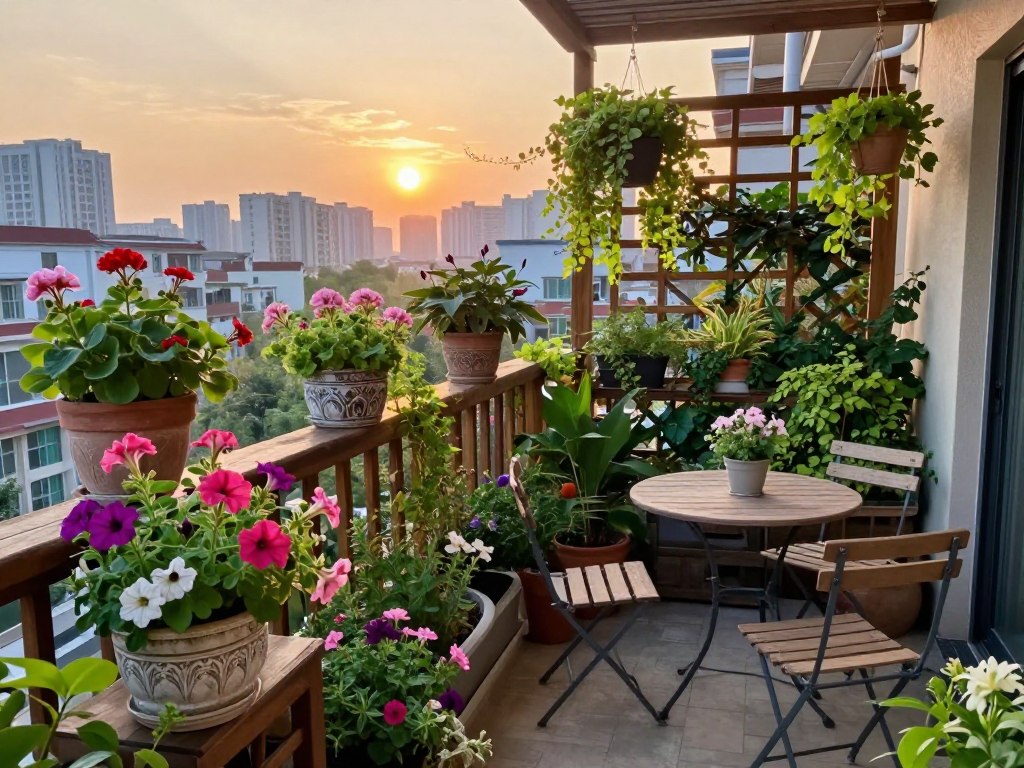
Select furniture that fits your balcony size without crowding your plants. Bistro sets, folding chairs, and floor cushions work well for small spaces. Look for weather-resistant materials that can handle sun and rain.
Multi-functional pieces like benches with storage underneath help you save space. They keep gardening tools handy while providing seating.
Arrange your furniture to create cozy conversation areas. Leave pathways so you can easily reach your plants for watering and care. On windy balconies, secure your furniture with brackets or weights to prevent movement.
Lighting Ideas for Evening Ambiance
Lighting transforms your balcony garden into a magical space you can enjoy after sunset. String lights create a warm, welcoming glow across your garden area. Solar-powered lanterns work great for eco-friendly ambiance without needing electrical outlets.
LED candles provide safe lighting without open flames. They create a cozy atmosphere perfect for relaxing evenings.
Try uplighting to cast dramatic shadows from your plants and create depth. Pathway lights improve safety while adding visual interest. Quality lighting extends your balcony enjoyment into evening hours.
| Lighting Type | Best For | Power Source | Ambiance Level |
|---|---|---|---|
| String Lights | Overall glow and warmth | Electric or solar | Soft and inviting |
| Solar Lanterns | Eco-friendly decoration | Solar powered | Gentle and natural |
| LED Candles | Intimate gatherings | Battery powered | Romantic and cozy |
| Uplighting | Plant drama and focus | Electric | Dramatic and modern |
| Pathway Lights | Safety and navigation | Solar powered | Practical and subtle |
Inspirational Balcony Garden Examples
Real balcony gardens prove that small spaces can produce amazing results. You don’t need a big yard to grow fresh food and beautiful plants. Many urban gardeners have turned tiny balconies into thriving green spaces.
Stunning Small Balcony Transformations
Balconies as small as 3×5 feet have been converted into lush gardens full of life. One Brooklyn resident transformed a shaded balcony with vertical gardens that covered an entire wall. She installed wall-mounted planters and hanging baskets to maximize her small space gardening efforts.
The result was a productive garden that grew herbs, leafy greens, and flowers despite limited sunlight. Another gardener in Denver faced harsh winds and strict HOA rules on her apartment balcony. She solved these challenges by using sturdy containers and selecting wind-resistant plants.
Her tiered planter arrangement grew tomatoes, peppers, and herbs in just a few square feet. These transformations show that limits spark creativity rather than stop you from gardening.
Creative Themes for Your Balcony Garden
Your balcony garden ideas can follow different design styles that match your taste. A Japanese-inspired zen garden uses bamboo, ornamental grasses, and a small water feature. A Mediterranean herb garden features terracotta pots with lavender, rosemary, and even small olive trees.
A pollinator paradise fills your space with native flowers that attract butterflies and bees. A productive edible garden stacks vertical tomatoes, hanging strawberries, and tiered herb planters for maximum harvests.
Real Life Success Stories of Balcony Gardening
Urban gardeners across the United States have built impressive balcony gardens from scratch. One gardener in Austin grows over 50 pounds of tomatoes each year on her apartment balcony. She uses sturdy cages and feeds her plants with organic fertilizer every two weeks.
Another renter in Portland maintains a year-round herb garden that saves her hundreds of dollars. She started with just one small pot and expanded to cover her entire balcony. These real success stories prove that your balcony is ready for an amazing transformation.