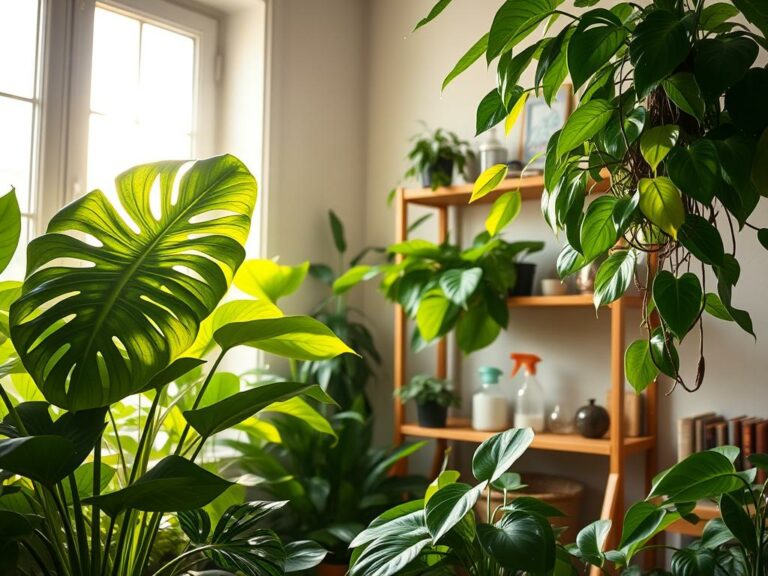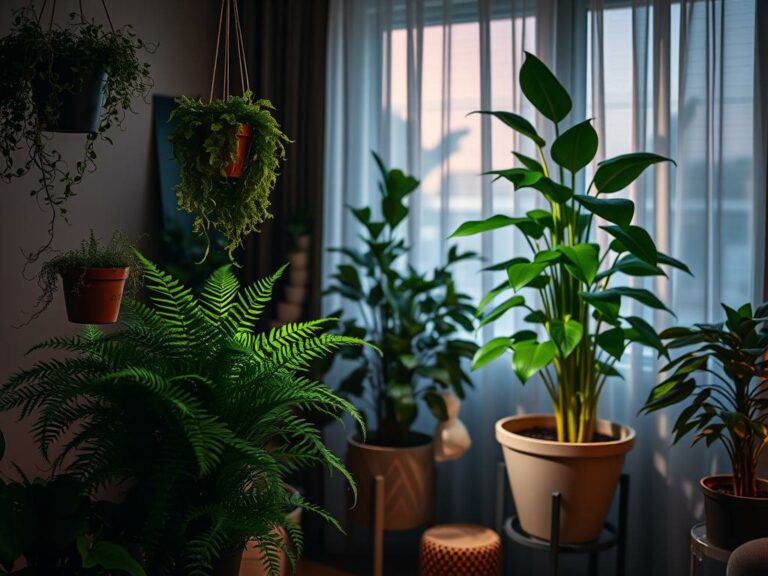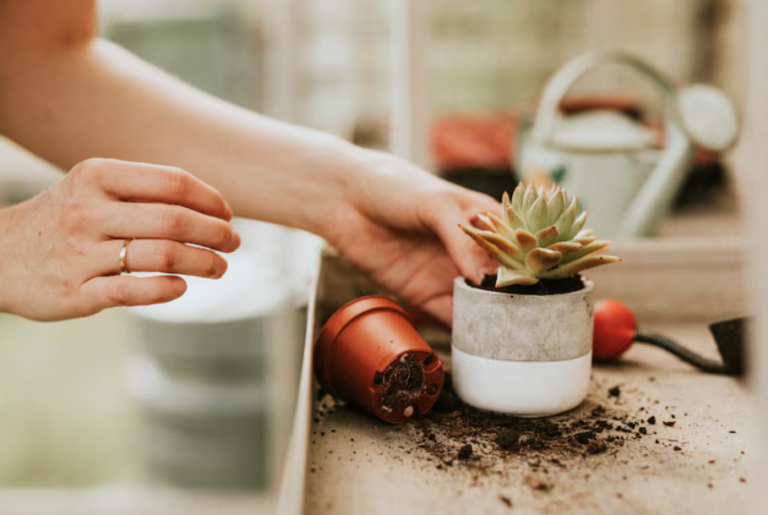

More than 40% of U.S. houseplants show stress in winter months. This is often because basic adjustments are missed. Yet, many fixes are surprisingly simple.
This guide offers clear, practical tips for winter houseplant care. You’ll learn how to keep your pothos, snake plant, philodendron, fiddle leaf fig, African violet, and succulents thriving. You’ll discover how to handle reduced light, low humidity, and cooler temperatures.
Winter care for indoor plants is crucial. Growth slows, pests target stressed plants, and problems like yellowing leaves and root rot become common. With a few seasonal adjustments, you can prevent most of these issues.
In this article, you’ll find friendly, actionable tips for indoor plant winter care. These tips are perfect for beginners and intermediate plant owners. Follow these steps to see improvements: better leaf color, fewer pests, reduced losses, and easy routines for vacations or changing heating schedules.
Understanding Winter Challenges for Houseplants
Winter brings challenges for indoor plants. Shorter days, heating systems, and cold windows affect how plants use water, light, and energy. Spotting trouble early helps you adjust care before damage appears.
How decreased light affects plant growth
Shorter daylight and a lower sun angle reduce photosynthesis. Many houseplants grow slower or enter a semi-dormant state if their light needs aren’t met. You might see leggy stems, smaller or paler leaves, and new-growth that stalls.
Light intensity matters more than hours alone. A south-facing window in Phoenix gives stronger winter light than the same window in Seattle. North-facing windows and shaded east or west exposures often fail to meet winter plant light needs without supplemental lamps.
Lower humidity and dry indoor air explained
Indoor heating—forced air, baseboard, or space heaters—drives relative humidity down to 20–30% in many U.S. homes. Tropical species prefer 40–60%, so low humidity houseplants show brown tips, crispy edges, slowed growth, and higher spider mite risk.
Relative humidity tells you how saturated air is at a given temperature. Absolute humidity measures the total water vapor. For tropical houseplants, a rise in temperature with no added moisture lowers relative humidity and stresses leaves and stomata.
Temperature stress and draft risks
Cold drafts from gaps around windows, doors, or vents can cause tissue damage that looks like browning or sudden wilting. Rapid day-to-night swings near single-pane windows or heat vents put roots and foliage under stress.
Most common houseplants prefer daytime 65–75°F and nighttime no lower than the mid-50s°F. Succulents and some orchids tolerate cooler nights. Pay attention to root-zone temperature: cold floors and windowsills can chill roots even when room air feels warm, increasing drafts and plant stress.
Choosing the Best Indoor Plants for Winter
Winter changes how houseplants grow. Shorter days and dry heating mean you should pick plants that handle low light and cooler nights. Below you will find options that stand up to winter conditions and advice to help you choose plants that match your home’s conditions.
Low-light tolerant species to consider
Several hardy winners are great for low-light indoor plants. Try snake plant (Sansevieria, often sold under Dracaena trifasciata), ZZ plant (Zamioculcas zamiifolia), pothos (Epipremnum aureum), cast iron plant (Aspidistra elatior), peace lily (Spathiphyllum), and Chinese evergreen (Aglaonema).
These plants do well in dim corners. They have slower metabolisms and leaves adapted to understory light. They also need less water in winter.
Cold-hardy versus sensitive varieties
Some plants are cold-hardy and can handle brief, cooler spells if kept fairly dry. Echeveria and Haworthia succulents are examples. They store water in thick leaves and respond well to cooler, drier indoor air.
Tropical species are more sensitive. Think of calathea, alocasia, monstera, and many ferns. Their thin, soft leaves and origins in warm, humid forests make them prone to chill damage and dry-air browning.
To judge sensitivity, check leaf texture, native habitat, and growth habit. Thick, fleshy leaves point to tolerance. Thin, papery or delicate foliage signals a need for stable warmth and humidity.
Choosing plants that match your home’s conditions
Start by mapping light, heating patterns, and humidity in your rooms. South-facing windows give bright spots. North-facing rooms offer low light. Bathrooms often provide higher humidity for plants that like moisture.
If you have a busy schedule or a dry, warm winter home, choose resilient varieties first. Place humidity-loving plants near showers or group them to create microclimates. Put light lovers on bright windowsills and low-light indoor plants into shaded corners.
When you choose plants for home conditions, factor in how often you will water and how much care you want to give. Matching plant needs to your routine prevents stress and reduces winter losses.
winter care for indoor plants
Winter slows down for most houseplants. A simple care routine helps them stay healthy. Small changes support their rest and growth.
Adjusting routines for seasonal needs
Check soil moisture before watering. Many plants need less water in winter. Use a finger or moisture meter to test.
Reduce fertilizing to match slower growth. Watch for pests that thrive in indoor warmth.
Move plants away from cold windows and drafty doors. Place them in spots with steady light and warmth. A short checklist can help: light check, humidity boost, draft removal, soil moisture test, and leaf cleaning.
Key habits to protect plants from winter stress
Keep plants off chilly windowsills. Use stands or place them slightly inward. Avoid dry heat from heating vents.
Group plants together to raise humidity. This creates microclimates that protect tender foliage.
Rotate plants for even light exposure. Use drip trays to catch spills and protect floors. Clean leaves gently to improve light absorption and reduce pest hiding spots.
When to seek professional plant care advice
Contact local nurseries or your county extension office for unexplained decline or large pest outbreaks. Botanical garden plant clinics offer diagnostics. Garden center apps let you send photos for quick feedback.
Seek expert help for root rot, suspected nutrient deficiencies, or problems with specialty plants. Professional advice can save a plant in decline.
| Winter Task | What to Do | Why It Helps |
|---|---|---|
| Watering | Test soil first; water lightly and less often | Prevents root rot and matches reduced growth |
| Fertilizing | Pause or use very dilute feed once a month | Avoids salt buildup and excess growth stress |
| Placement | Move inward from cold windows; avoid vents | Reduces temperature shock and leaf burn |
| Humidity | Group plants, use trays or a small humidifier | Protects leaves and supports stomatal function |
| Pest checks | Inspect weekly, isolate and treat infestations | Stops outbreaks in dry indoor conditions |
| Professional help | Bring samples or photos to nurseries or extension services | Accurate diagnosis for complex issues |
Optimizing Light: Placement and Supplemental Lighting
Winter changes how much light reaches your plants. Use simple steps to assess home light so you can plan placement and choose the right supplemental gear. Small adjustments keep growth steady and leaves healthy.
How to assess natural light in your home
Map each window by orientation. In most U.S. homes, south-facing windows give the strongest winter light. East and west are moderate, and north-facing windows offer the least. Watch sunlight across a day to note when direct rays appear and how long they last.
Try simple tests: hold your hand over a leaf to see the sharpness of its shadow, or use a smartphone light meter app for a quick lux estimate. Signs of insufficient light include long, leggy stems, small new leaves, and plants leaning toward windows.
Types of grow lights and how to use them
LED grow lights are energy-efficient and run cool. Choose full-spectrum LEDs for balanced growth. Fluorescent tubes like T5 or T8 work well for seedlings and low-heat setups. Compact fluorescent bulbs suit small collections. Avoid incandescent bulbs because they waste energy and produce excess heat.
Position lights 6–24 inches above the foliage depending on the fixture and intensity. Run supplemental lights about 10–14 hours per day to mimic natural photoperiods. Use a timer to keep schedules consistent and prevent stress from irregular light cycles. These tips help when you search for grow lights for winter needs.
Best placement strategies near windows
Place medium-light plants within a few feet of south or west windows. Let low-light species sit farther back or near north and east windows. Use sheer curtains to diffuse intense winter sun for sensitive leaves, such as African violets.
Rotate your pots weekly so each side gets light and growth stays even. Combine natural light mapping with targeted indoor plant lighting to improve vigor. Thoughtful window placement houseplants and well-chosen grow lights for winter give you a simple, reliable path to brighter, healthier indoor plants.
Watering Wisely in Colder Months
Winter changes how often your plants need water. Cooler temperatures and lower light slow growth. You should adapt your watering schedule indoor plants to match these conditions and keep roots healthy.
Watch for clear signs your plant needs less water. Yellowing lower leaves, dropped foliage, soggy soil, and stunted growth often point to overwatering. Succulents show mushy stems or blackened bases. Tropical plants can develop soft leaves when roots sit in cold, wet soil.
Signs your plant needs less water
Look at leaf color and texture first. Soft, limp leaves or sudden leaf drop are red flags. Check soil surface for wet patches or a sour smell. If you see these, pause watering and let the pot dry appropriately.
How to check soil moisture effectively
Use the finger test: push your finger 1–2 inches into small pots and deeper for larger containers. If the soil feels cool and damp, wait before watering. For consistent results, use an affordable moisture meter. Lift the pot to gauge weight; heavy means moisture, light means dry.
Always confirm drainage. Make sure pots have holes and clear saucers after watering so standing water does not saturate roots. This simple step helps you reduce watering in winter without risking drought.
Watering schedules for common houseplants
Adjust timings by species and room conditions. Below is a practical guide to help shape your weekly or monthly routine.
| Plant | Winter Frequency | How to check before watering |
|---|---|---|
| Snake plant (Sansevieria) | Every 3–6 weeks | Soil dry 2 inches; pot feels light |
| ZZ plant (Zamioculcas) | Every 3–6 weeks | Finger test shows dry; check for firm stems |
| Pothos / Philodendron | Every 2–4 weeks | Top 1–2 inches dry; leaves not droopy |
| Fiddle leaf fig / Rubber plant | Every 2–4 weeks | Soil slightly dry below surface; lift pot to test weight |
| African violet | Every 1–2 weeks (bottom-water) | Keep evenly moist but avoid waterlogged soil |
| Succulents & Cacti | Monthly to several months | Soil bone dry; stems firm |
When in doubt, err on underwatering rather than overwatering. You can always give a light drink later. These habits will help you winter watering houseplants without stressing roots or inviting rot.
Managing Indoor Humidity for Plant Health
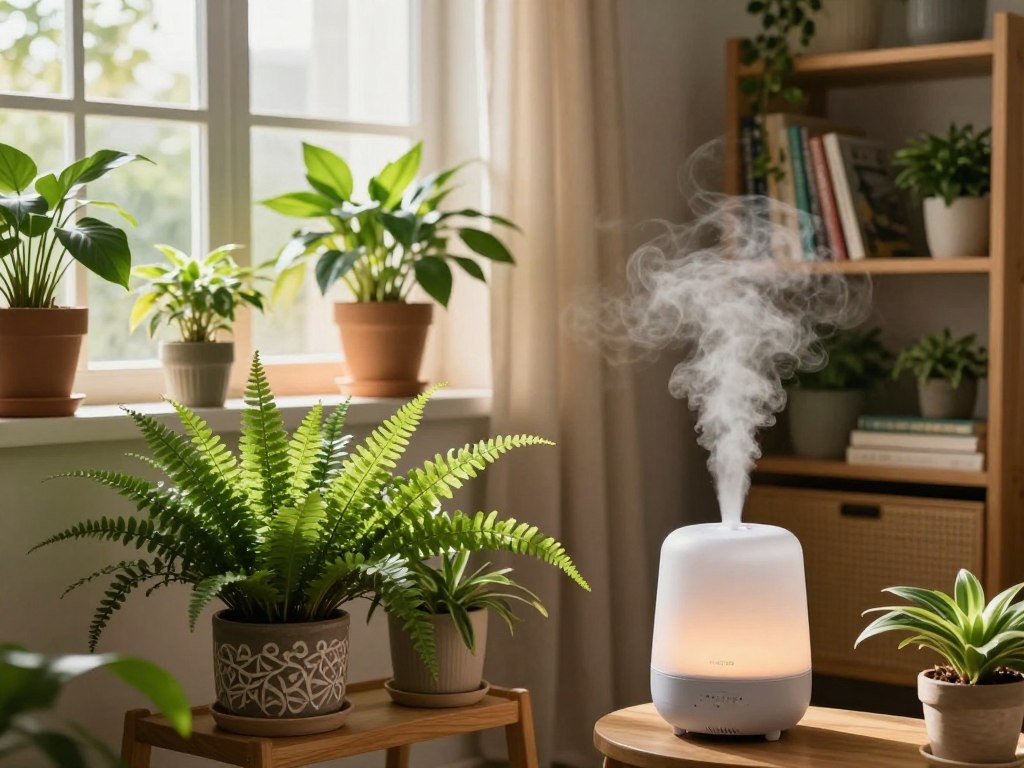
Winter air can dry out quickly and stress your houseplants. You can protect leaves and roots by taking a few simple steps to increase indoor humidity for plants. Small changes keep stomata functioning, reduce leaf tip burn, and help roots avoid the overwatering that often follows dry air.
How humidity affects plant leaves and roots
When air is dry, stomata open to drive higher transpiration. This ups water loss from leaves and can cause curled edges, brown tips, and reduced turgor. High humidity slows transpiration and eases water stress, but standing damp conditions raise the chance of fungal disease if airflow is poor.
Roots feel these changes indirectly. You might water more to compensate for dry leaves, creating soggy soil and root rot. Stable humidity helps you keep water schedules consistent and preserves root health.
Humidifiers, pebble trays, and grouping plants
Humidifiers for plants are an efficient route when you care for many tropicals. Choose ultrasonic or evaporative models with adjustable settings and built-in hygrometers from brands like Honeywell or Levoit to control room humidity without constant babysitting.
Pebble tray humidity works well for small groupings. Fill a saucer with pebbles, add water below the pot rim so the pot never sits in water, and the evaporating moisture raises the local humidity around leaves.
Grouping plants creates a shared microclimate. Transpiration from clustered pots increases moisture in the air nearby. You can also use bathrooms and kitchens for naturally higher humidity or humidity domes for short-term care of sensitive cuttings.
Monitoring humidity levels with simple tools
To track changes, monitor humidity plants with affordable digital hygrometers such as AcuRite or ThermoPro. Aim for 40–60% relative humidity for most tropicals. Place the device at leaf level near your plant cluster, not directly over vents or windows, for accurate readings.
Keep a short log of daily or weekly readings and note leaf condition and watering. This record helps you see trends and fine-tune when to run a humidifier, top up pebble trays, or move pots to a better spot.
Temperature Control and Avoiding Drafts
Winter brings changing temperatures that can stress houseplants. Keeping plants healthy means aiming for stable conditions and acting fast when it gets cold. Small changes can make a big difference for tropicals, succulents, and orchids.
Ideal temperature ranges for typical houseplants
Most houseplants do best with daytime temperatures between 65–75°F and nighttime temperatures near 55–65°F. Tropical plants like Monstera and Calathea prefer a steady 65–75°F. Succulents and cacti can handle wider temperature swings and often benefit from cooler, drier winter rest.
Orchids, like phalaenopsis, enjoy cooler nights, near 60–65°F, which can encourage blooms. Use a digital thermometer to track temperatures and adjust plant placement as needed.
Protecting plants from cold windows and vents
Cold glass and drafty sills can harm roots and slow growth. Move potted plants a few inches away from single-pane windows or place them on a shelf that keeps pots off the cold sill.
Avoid placing plants directly over heating vents. Hot, dry air from vents can dry out leaves and soil. If a vent is the only option, angle airflow away from foliage or use a vent deflector.
To protect plants from drafts in doors and windows, roll a towel at the base of the frame or install draft guards. These simple fixes help protect plants without drastic relocation.
Using insulation and room placement to stabilize temps
Put sensitive plants in the warmest, most stable rooms of your home. Living rooms often have steadier temperatures than bedrooms when thermostats cycle at night. Grouping plants together creates a small microclimate that raises local humidity and moderates temperature swings.
Raise pots off cold floors with plant stands, cork mats, or terracotta risers to reduce heat loss through the pot. During cold snaps, move plants to interior rooms or closer to a heat source on a low setting, keeping a safe distance from heaters.
For short-term needs, consider insulating plants winter by using insulating curtains at night, placing reflective thermal materials behind pots near windows, or covering delicate plants with a lightweight fabric frost cloth. These measures help keep roots warm and prevent sudden stress.
Keep monitoring conditions and adjust as seasons change. With steady attention to the ideal temperature for houseplants and steps to protect plants from drafts, you’ll maintain a stable environment that supports growth through winter.
Feeding and Fertilizing During Winter
Winter slows down growth for most indoor plants. You might not need to feed them much. Too much fertilizer can harm the roots and cause salt buildup.
Decide to fertilize based on how fast your plants grow and the light they get. If they’re under strong lights or in warm, bright spots, a little fertilizer can help. Stop regular feeding from late fall to early spring for most plants, unless new shoots come out.
Light feeding strategies for slow growers
If you do feed, use a diluted fertilizer. A 10-10-10 or 20-20-20 formula diluted to 1/4–1/2 strength is good. Feed every 4–6 weeks instead of full strength. Slow-release granular formulas are also good for occasional use.
Choose the right fertilizer for your plant. Use African violet fertilizer for violets and orchid blends for orchids. Organic options like liquid kelp, fish emulsion, or compost tea are gentler when feeding in winter.
Choosing the right fertilizer concentration
Be precise with your measurements. Too much fertilizer can burn leaves and damage roots. If you see white crusts or poor drainage, flush the soil with water. Start a normal feeding routine again when new growth starts in spring.
| Plant Situation | Recommended Action | Product Examples |
|---|---|---|
| Dormant, low light | Pause fertilizing until spring | None recommended |
| Actively growing under grow lights | Use diluted water-soluble feed every 4–6 weeks | Miracle-Gro 10-10-10, Schultz 20-20-20 |
| Slow-growing species | Light feeding at 1/4–1/2 strength or slow-release granules | Osmocote Smart-Release, Espoma organic granular |
| Sensitive roots or salt buildup | Flush soil, then switch to low-concentration organics | Liquid kelp, fish emulsion |
Pruning, Cleaning, and Pest Prevention
Winter is a time for gentle care. Light pruning keeps plants healthy without forcing them to grow too much. Cleaning leaves helps them absorb light better and lets you spot pests early. A few simple habits can protect your plants during the cold months.
Safe pruning techniques in winter
Use clean, sharp tools like Felco pruners or Fiskars scissors to remove dead or damaged leaves. Sanitize blades with isopropyl alcohol between cuts to prevent disease. Avoid heavy pruning that can cause new shoots when it’s cold.
For leggy stems, do selective pruning and rotate the pot. This helps the plant grow evenly toward the light. Small cuts encourage bushier growth when spring brings more sun.
Cleaning leaves to improve light absorption
Dust and grime can reduce photosynthesis. Clean leaves with a soft cloth dampened in water or a very dilute mix of water and mild dish soap. Rinse the cloth often to avoid smearing dirt.
For fuzzy leaves, like African violets, use a soft brush or compressed air. This removes particles without soaking the leaves. Rinse pots and saucers when you water to avoid mineral buildup.
Identifying and treating common winter pests
Winter pests include spider mites, mealybugs, scale, and fungus gnats. Look for fine webbing and stippling for spider mites, cottony white masses for mealybugs, tiny brown bumps for scale, and tiny flying gnats near soil for fungus gnats.
If you find pests, isolate the plant. Remove visible insects with a cotton swab dipped in isopropyl alcohol. Use insecticidal soap or horticultural oils like Neem oil and Garden Safe for stubborn infestations. Adjust humidity and watering to make conditions less favorable for pests.
Quarantine new arrivals for two to three weeks and inspect regularly. These steps support pest prevention plants and help you treat houseplant pests winter without harsh chemicals.
Repotting and Soil Care in Winter
Winter is a slow season for most houseplants. You should avoid major repotting unless the plant is root-bound, shows clear rot, or has pests. Disturbing roots in low light and cool temperatures forces growth the plant cannot support.
When to postpone repotting and why
Wait until spring for routine repotting. If you must act, pick a pot one size up and trim only dead roots. Emergency repotting is justified for severe root rot, compacted root balls, or soil-borne pests that threaten the plant’s survival.
Refreshing topsoil and small root maintenance
To refresh topsoil indoor plants without full repotting, remove the top 1/2–1 inch of mix and replace it with fresh potting mix. This reduces salt buildup and adds a gentle nutrient boost while leaving the root ball intact.
Check roots by peering through drainage holes or carefully lifting the pot to inspect firmness and signs of rot. For crowded pots, delay aggressive root pruning until early spring when the plant can recover more easily.
Best potting mixes for winter resilience
Choose mixes that drain and aerate well. For tropicals, a peat- or coco-coir-based mix with perlite works best. Succulents and cacti need a mineral, fast-draining cactus mix. Epiphytic orchids benefit from mixes with bark or orchid media.
Use pots with drainage holes and avoid letting water stand in a saucer. Brands available in the United States to consider include Miracle-Gro Indoor Potting Mix, Espoma Organic Potting Mix, and cactus/succulent blends from Happy Frog or Black Gold for reliable winter performance.
Good soil care winter practices reduce stress and keep roots healthy until growth resumes. When you refresh topsoil indoor plants, pair that step with careful monitoring of moisture and light so the plant stays stable through the colder months.
Creating a Winter Care Routine You Can Stick To
Keeping houseplants healthy in winter is simpler with a routine. Start with a clear plan that includes daily checks, weekly maintenance, and monthly tune-ups. This steady approach reduces stress for you and your plants, which struggle with low light and dry air.
Daily
Do a quick visual check each morning. Look for signs of wilting, yellowing, pests, and very dry soil. Mist plants that love humidity if your home is heated. These small steps are the foundation of a quick plant care checklist.
Weekly
Check soil moisture with your finger or a moisture meter. Rotate pots for even light and gently wipe dusty leaves. Also, inspect for pests and refill pebble trays or top off your humidifier. These steps help you monitor plant health and catch problems early.
Monthly
Reassess your plants’ placement near windows and move them if needed. Top-dress soil, prune dead foliage, and decide if light feeding is necessary. Clean your humidifier and check a hygrometer for accuracy. These monthly tasks keep your routine in check all season.
Adjust your routine based on plant type and home conditions. A heated apartment in New York will need more humidity work than a cool, humid basement. Tailor your checklist to each species’ needs.
Tracking plant health with simple logs
Keep a basic record in a notebook, spreadsheet, or an app like Planta or Happy Plant. Log watering, fertilizing, humidity readings, repotting, pest events, and visible changes. Add a photo each month to compare growth and spot trends.
Regular records help you detect overwatering patterns, recurring pest timing, and responses to light changes. Over several winters, you’ll understand what works for your plants.
Adapting your routine for travel or holidays
When you travel, prepare a short plan for plants and a longer plan for extended trips. For trips under two weeks, group plants to raise local humidity, top-water 24 hours before leaving, and set humidifier timers. Self-watering stakes or a water-filled bottle can help thirsty plants.
For longer absences, ask a friend or hire a plant sitter. Set up a simple drip or wick system for steady moisture. Leave clear written instructions that match your plant care checklist so a sitter can follow routines and track plant health while you’re away.
| Frequency | Key Tasks | Why It Matters |
|---|---|---|
| Daily | Visual check, spot misting, quick pest glance | Catches urgent issues before they worsen |
| Weekly | Soil moisture test, rotate pots, wipe leaves, refill pebble trays | Maintains even light exposure and steady humidity |
| Monthly | Reassess light, top-dress soil, prune, clean humidifier | Prevents longer-term decline and supports seasonal needs |
| Travel Prep (short) | Deep water 24 hrs prior, group plants, set timers, leave notes | Ensures plants stay stable for brief absences |
| Travel Prep (long) | Arrange sitter, set up drip/wick systems, move sensitive plants | Makes longer trips safe without disrupting routines |
Conclusion
Winter care for indoor plants is simple. Just remember a few key steps. Water less, add more light, and keep humidity up for tropical plants.
Stay away from cold drafts and sudden temperature changes. Also, wait to fertilize or repot until spring.
Start by mapping your home’s light and temperature spots. Choose plants that fit these areas well. Create a winter care checklist to stay on track.
Use a hygrometer and moisture meter to guide your care. These tools help you make accurate decisions for your plants.
Be patient and consistent in your care. Small changes now can prevent big problems later. This way, your plants will be ready to thrive when spring comes.
For specific advice, check with local experts or trusted resources. The Missouri Botanical Garden and the University of Minnesota Extension are great places to start.