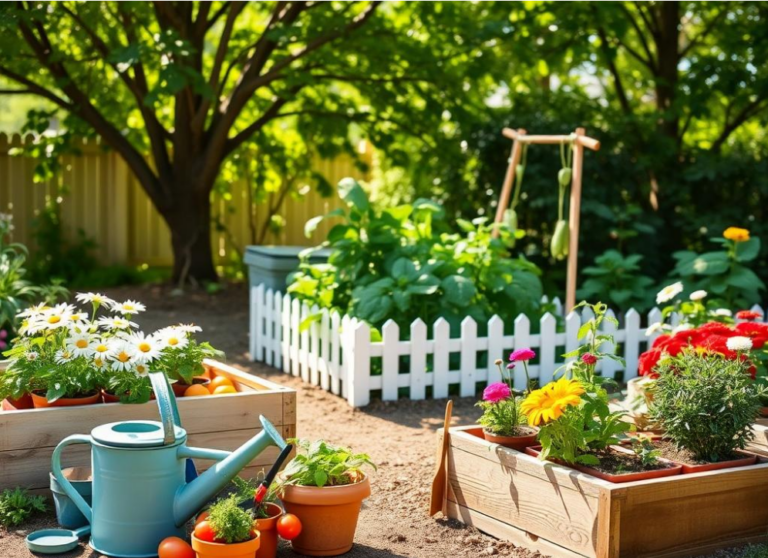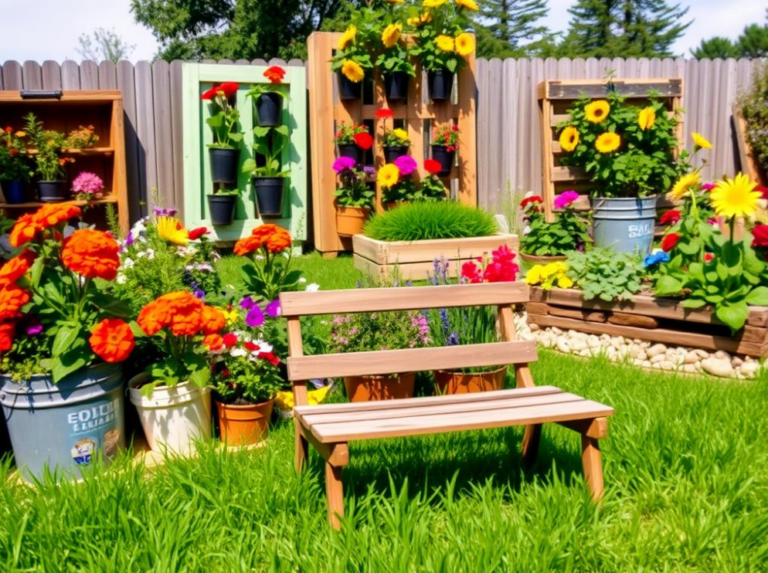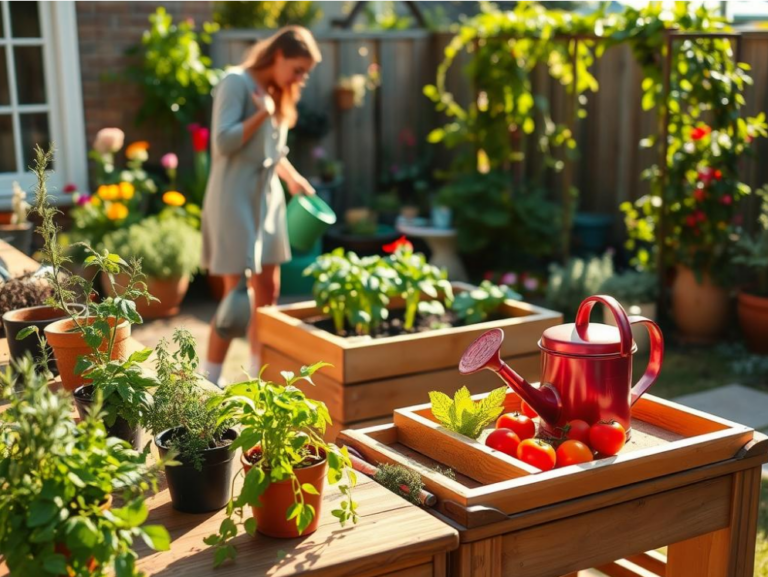

Did you know a 200-square-foot backyard can grow your outdoor space by up to 60%? This is thanks to smart design and plant choices, not just size.
This guide offers small garden inspiration and design tips. You’ll learn how to makeover your backyard on a budget and in no time. It covers practical designs, plant lists, DIY projects, and more.
Whether your yard is small or oddly shaped, these ideas will make it feel bigger. You’ll get a spot for morning coffee, room for plants, and a stress-relieving garden.
Use tips from Proven Winners, Burpee, and Gardener’s Supply for inspiration. They offer great ideas for your small garden.
Keep reading to find stylish ways to make your small yard beautiful and functional. You’ll discover amazing small backyard garden ideas.
Why small backyard garden ideas are perfect for your home
Small yards are great for adding charm without spending a lot. They offer space efficiency and a clear look with compact plants and simple designs. Plus, they warm up faster in spring, control pests better, and are easy to plant for seniors or those with mobility issues.
Benefits of gardening in limited spaces
In small areas, every choice is important. Smaller beds and containers warm up faster, letting you grow tomatoes or basil longer. Container gardening also means less weeds and easier soil care.
Compact designs make gardening easier. Raised beds and easy-to-reach planters let you tend plants without bending. This makes upkeep simple and encourages regular care, leading to healthy plants and good returns.
How small gardens boost curb appeal and property value
A well-thought-out layout makes a small yard look intentional and elegant. Experts say landscaping is one of the best investments for home sellers. A defined path, a consistent plant palette, or a standout tree or water bowl can change how your house looks from the street.
Simple changes can make a big difference. Grouped pots, trimmed hedges, and neat mulch can enhance your small garden’s appeal. People notice the look more than the size.
Lower maintenance, big impact: what to expect
Expect quick and easy tasks like pruning, watering, fertilizing, and mulching. A well-designed small garden usually needs about one to three hours a week to stay looking good.
Using time-saving tools and smart choices can reduce work. Install drip irrigation and timers, use soaker hoses, and pick plants that don’t need much water. Mulches keep moisture in and weeds down, while compost bins and slow-release fertilizers keep soil healthy with less effort.
Design principles for compact outdoor spaces
Good small yard design principles can turn tight spaces into peaceful retreats. Start with simple choices that guide sightlines and movement. Clear layouts help make the most of small backyards without feeling crowded.
Maximizing perceived space with layout and scale
Use narrow pathways and diagonal lines to draw the eye beyond the nearest edges. Repeating plant groupings creates rhythm that makes the area feel larger. Choose furniture and planters with low profiles to fit comfortably in the space.
Mirrors or reflective surfaces add visual depth. Pick plant sizes that match the yard; dwarf varieties and compact shrubs are good choices. These strategies help make small backyards feel inviting and spacious.
Choosing a focal point to anchor your backyard
A clear focal point garden gives the eye a place to rest and simplifies design choices. Options include a dwarf Japanese maple, a small bubbler water feature, a modest sculpture, or a clustered seating area.
Place the focal point where paths or sightlines converge. This creates hierarchy and helps plan surrounding plantings and furniture. A strong focal point garden reduces visual clutter and elevates the whole design.
Balancing hardscape and softscape for flow
Consider the balance between hardscape and softscape when planning surfaces and planting. A common starting ratio is roughly 40/60 or 50/50, depending on use. Flexible hardscape—like removable pavers, gravel pads, or permeable decking—lets you adapt the yard over time.
Use edging, stepping stones, and changes in planting height to guide movement between zones. These transitions create small intimate areas for dining, planting, or play without breaking the flow. When hard and soft elements work together, your design feels cohesive and enjoyable.
Vertical gardening solutions for small yards
Vertical gardening turns small yards into lush spaces. You can stack plants and save space. A living wall or trellis adds privacy.
Think about light, weight, and watering before starting. Choose systems that fit your sun and budget.
Living walls and trellises for climbing plants
Start with modular living-wall panels from Woolly Pocket or Gardener’s Supply. These panels are great for herbs, ferns, and annuals. For a classic look, use a wooden or metal trellis for clematis, climbing roses, or ivy.
Sun is key. Plant clematis and honeysuckle in full sun for blooms. For shaded walls, try climbing hydrangea, English ivy, or Solomon’s seal. Use drip lines or a reservoir to keep roots moist without overwatering.
Hanging planters and pocket planters ideas
Hanging planters DIY projects add color and edibles quickly. Use terracotta pots, galvanized buckets, or lightweight ceramic pots. For railings, pick materials that won’t overload the structure.
Fabric pocket planters are good for strawberries, herbs, and annuals. Make sure they drain well and use quality potting mix. Check weight limits and secure hooks or brackets before hanging.
DIY vertical garden projects you can build this weekend
Build a pallet herb wall in 2–4 hours. Seal the pallet, add landscape fabric, fill with mix, and plant herbs.
A repurposed gutter planter wall takes 3–5 hours. Mount cut sections of rain gutter on a frame, angle for drainage, and plant herbs. A PVC frame with coco coir pockets is lightweight and easy to assemble in 2–6 hours.
Materials list and safety tips:
- Pallet herb wall: pallet, landscape fabric, staple gun, potting mix, plants; time: 2–4 hours; tip: seal wood to prevent rot.
- Gutter planter wall: vinyl gutters, brackets, screws, drill, potting mix; time: 3–5 hours; tip: slope gutters for drainage.
- PVC frame with coco coir pockets: PVC pipes, connectors, coir liners, zip ties, potting mix; time: 2–6 hours; tip: secure mounting to studs if attaching to a wall.
| Project | Estimated Time | Best Use | Key Materials |
|---|---|---|---|
| Pallet herb wall | 2–4 hours | Herbs, small annuals | Pallet, landscape fabric, potting mix, staple gun |
| Gutter planter tiers | 3–5 hours | Tiered herbs, lettuce | Vinyl gutters, brackets, drill, screws |
| PVC frame with coir pockets | 2–6 hours | Portable vertical beds | PVC pipes, coco coir, zip ties, potting mix |
| Modular living-wall panels | 3–6 hours (install) | Dense planting, mixed annuals and perennials | Modular panels, irrigation kit, potting mix |
| Hanging planter arrangements | 1–3 hours | Balconies, porches | Pots, hooks, lightweight potting mix |
Container and raised bed ideas for limited space
Even the smallest yard can become a garden with smart containers and compact raised beds. Choose durable materials and sizes that fit your plants and schedule. Here are some practical ideas for small yards, gardens, and mobile planters.
Select materials that suit your climate and style. Terra cotta is great for herbs but can crack in cold weather. Glazed ceramic looks nice but can be heavy. Fiberglass and resin are light and mimic ceramic.
Match pot size to plant needs. Use small pots for herbs and lettuce. For compact veggies and bush beans, choose medium-sized pots. For tomatoes and small shrubs, go for deeper pots to let roots grow.
Raised beds lift your garden and your comfort. Raised beds offer deeper, warmer soil and better drainage. Build them 8–24 inches tall, depending on your needs. Cedar and redwood are durable, while composite boards are low maintenance.
Use a rich, well-draining mix for your soil. A mix of 50% topsoil and 50% compost works well. Mel’s Mix is another option, blending compost, peat alternative, and sand or perlite.
Mobile planters give you seasonal control and design freedom. Planters on casters let you move them for sun or shade. Choose dolly-mounted beds, planter boxes, or stackable units. Make sure they’re balanced and have lockable casters.
Mobile gardens are great for hosting. Roll them to different spots for guests or group them for a big impact. With the right setup, moving heavy containers is easy.
Look for the best pots that are insulated, light, and look good. Pair them with raised beds and mobile planters for a productive, stylish small yard.
Plant selections that thrive in small backyard garden ideas
Choose plants that fit your space and schedule. A mix of small plants, compact shrubs, and seasonal colors keeps your garden lively. Think about what you want for winter, summer, and sun or shade spots.
Put specimen trees where they won’t grow too big. Evergreens add interest in winter. Dwarf trees give the look of a tree without the size issues.
Compact shrubs and small trees that deliver impact
Dwarf Japanese maple (Acer palmatum ‘Beni Komachi’) has striking foliage and a small size. Boxwood varieties like Buxus microphylla var. japonica are great for tidy hedges all year. Dwarf spruce adds structure to narrow beds.
Serviceberry, including compact Amelanchier cultivars, offers spring flowers and berries with a small spread. Look for dwarf hydrangeas for big blooms in a small package.
Perennials versus annuals: what fits your goals
Perennials like daylilies, salvia, sedum, and coneflower come back every year with little effort. They are the garden’s foundation and save work in the long run.
Annuals like petunias, begonias, and marigolds add color right away. They let you change your garden’s look every season. Mixing perennials with annuals gives steady structure and fresh colors.
Best edible plants for small-scale vegetable gardens
For small edible gardens, choose patio tomatoes and determinate varieties for 10–20 gallon containers. Cherry tomatoes grow well in pots and give lots of fruit.
Grow herbs like basil, thyme, and rosemary in containers near the kitchen. Use shallow boxes for salad greens and trellises for pole beans. Compact peppers and dwarf fruit trees like columnar apples or espaliered pears fit narrow spaces.
Use succession planting and square-foot methods to get more from small plots. This way, you can enjoy fresh produce from a small garden.
Lighting and accessories to make your garden pop
A few well-chosen lights and accessories can transform a small yard into a cozy retreat. Start with a simple plan that combines warm lights with durable accents. Aim for cozy evenings, clear walkways, and focal points that draw the eye.
Ambient, task, and accent lighting for evening use
Ambient lighting gives your space a warm glow. String lights, lanterns, or Philips Outdoor LED fixtures are great for a small yard. Choose warm-color LEDs (2700–3000K) for a welcoming feel.
Task lighting keeps pathways and dining areas safe and usable. Low-voltage LED path lights from Home Depot or Lowe’s save energy and are easy to install. Place lights low and angled to reduce glare into neighbors’ windows.
Accent lighting garden highlights art, specimen plants, or a water feature. Use uplights for drama and narrow-beam fixtures to avoid light spill. Solar or low-voltage LEDs make maintenance simple while stretching your budget.
Decorative elements: pots, sculptures, and textiles
Choose pots and planters that match a restrained color palette to unite the space. Frost-resistant ceramics and UV-stable plastics last through varied U.S. climates. Keep scale in mind; a large ceramic pot anchors a corner while small terracotta pots suit railings.
Lightweight sculptures or a compact birdbath add personality without crowding. Rust-resistant metals such as powder-coated steel hold up well outdoors. Pair pieces with outdoor rugs from Frontgate or Wayfair to define seating zones.
Textiles must be durable. Go with quick-dry cushions and Sunbrella fabrics for fade resistance. Coordinate textures rather than strict color matches to keep the look layered and relaxed.
Weatherproof furniture choices for cozy seating areas
Select compact bistro sets or modular benches with storage to maximize function in a tight footprint. Teak, powder-coated aluminum, and resin wicker resist moisture and temperature swings.
Quick-dry cushions and Sunbrella covers speed drying after rain. For flexibility, add foldable chairs you can tuck away when not in use. Arrange seating to face a focal point so conversation flows without overcrowding.
When shopping for weatherproof patio furniture, test weight and finish for quality. A small investment in durable pieces pays off over seasons and keeps your outdoor decor small backyard feeling intentional and comfortable.
Sustainable practices for compact gardens
Creating a sustainable small garden is a great way to enjoy nature while saving money and resources. Start by using water wisely, enriching the soil with organic materials, and planting native flowers that attract pollinators. These small actions can make a big difference in the long run.
Water-saving irrigation and rainwater harvesting
Use drip irrigation or soaker hoses to water plants directly at their roots. This method saves water by reducing evaporation. Smart timers help water plants only when they need it, cutting down on waste.
Collect rainwater in a barrel or cistern to help with watering. Make sure to seal the barrel and add screens to keep mosquitoes out. Also, install a first-flush diverter to remove debris. The EPA says drip irrigation can save up to 60% of water compared to sprinklers.
Soil health: composting and organic amendments
Keep your garden soil healthy with composting. Use a tumbler, bokashi bin, or worm bin to turn kitchen scraps into nutrient-rich soil. These options are perfect for small spaces and speed up soil improvement.
Enhance your soil with compost, aged manure, and organic fertilizers. Get a soil test to know your soil’s pH and nutrient levels. This helps you avoid wasting time and money and ensures your plants thrive.
Pollinator-friendly plant choices and habitat tips
Choose plants that attract pollinators like bees and butterflies. Native milkweed is great for monarchs, while bee balm and coneflower offer long-lasting blooms. Add native shrubs for structure and food throughout the seasons.
Provide habitat features like shallow water dishes and bee houses. Avoid using broad-spectrum insecticides. The Xerces Society can help you pick the right native plants for your area.
| Practice | Small-space options | Benefits |
|---|---|---|
| Water conservation | Drip lines, soaker hoses, smart timers, rain barrel backyard | Reduced use, targeted delivery, lower bills, reliable supply |
| Composting | Tumblers, bokashi bins, vermiculture worm bins | Improved soil, reduced waste, homemade fertilizer |
| Soil amendments | Well-rotted compost, aged manure, organic fertilizers | Better texture, balanced nutrients, stronger plant growth |
| Pollinator habitat | Milkweed, Monarda, Echinacea, salvia, native shrubs, water dish | Increased pollination, biodiversity, attractive wildlife |
| Regulatory and health tips | Check local codes for rain capture, seal barrels, test soil via Cooperative Extension | Safe installations, compliant systems, tailored soil care |
Seasonal care and maintenance for small backyard gardens
Keeping a small backyard garden healthy is simple with a seasonal plan. Follow a routine for planting, watering, pruning, and protection. This ensures your compact beds and containers thrive.
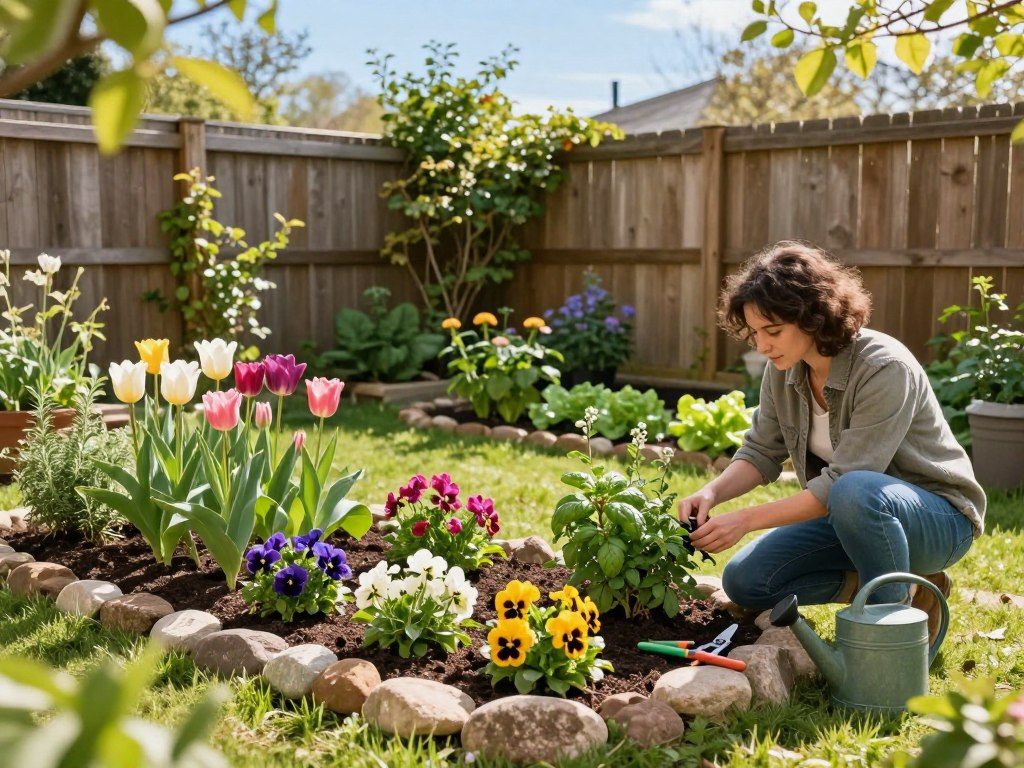
Spring planting and refresh checklist
Start with soil testing to learn about pH and nutrients. Prune dead wood and remove winter debris to prevent disease. Refresh mulch to 2–3 inches to keep moisture in and weeds out.
Plant after your USDA last frost date. Use resources from the National Gardening Association or your local Cooperative Extension for zone-specific timing. Check irrigation lines and repair leaks as temperatures rise.
Introduce cool-season crops, set out perennials and bulbs, and mark new plantings. This way, you can protect them if a late freeze occurs. This spring checklist garden routine reduces stress and sets the stage for strong growth.
Summer care: watering, pruning, and pest management
Water deeply in the early morning to encourage deep roots and limit evaporation. Adjust frequency for containers, which dry faster than in-ground beds. Mulch helps conserve moisture and cut down on daily watering.
Deadhead spent blooms to extend flowering. Use light pruning to maintain shape and air flow without stressing plants. Monitor foliage regularly for signs of pests or disease so you catch problems early.
Use integrated pest management (IPM): scout plants, remove pests by hand, set up barriers, and encourage beneficial insects like ladybugs and lacewings. For targeted control, choose organic options such as Bacillus thuringiensis (Bt) for caterpillars or insecticidal soap for aphids. These summer garden tips keep pest pressure low while protecting beneficials.
Fall cleanup and winter prep for a healthy garden
Harvest remaining vegetables and gather seeds you want to save. Cut back perennials selectively; leave some seed heads for birds and winter interest. Apply a protective mulch layer to insulate roots against freeze-thaw cycles.
Drain and store hoses, turn off outdoor faucets, and move sensitive containers indoors or insulate planters. Label bulbs and tools so you can find them when spring returns.
Create a plant-specific plan for tender species and group overwintering plants in a sheltered spot. This fall garden prep stops winter damage and makes spring startup easier.
| Season | Key Actions | Priority Items |
|---|---|---|
| Spring | Soil test, prune dead wood, refresh mulch, check irrigation, plant after last frost | Soil kit, mulch (2–3 in), seed trays, irrigation repair kit |
| Summer | Deep morning watering, deadhead, light pruning, monitor pests, apply IPM controls | Soaker hose, mulch top-up, hand pruners, insecticidal soap, Bt |
| Fall | Harvest, cut back perennials selectively, mulch roots, drain hoses, label bulbs | Garden forks, mulch, storage bins, plant labels |
| Winter | Protect tender plants, insulate containers, store tools, review plant notes for spring | Frost cloth, pot insulation, indoor lights for overwintering, tool oil |
Conclusion
This small backyard garden ideas conclusion brings together key elements. These include thoughtful design, smart vertical and container solutions, and careful plant selection. Layered lighting, sustainable habits, and seasonal care are also important.
These elements work together to turn small yards into beautiful outdoor rooms. You don’t need a big budget or a large plot to achieve this. It’s all about making the most of what you have.
Begin with a small project, like building a vertical herb wall or setting up a raised bed. Installing string lights can also make a big difference. Get advice from local nurseries and your county Cooperative Extension for plants that fit your climate.
Gardening is a journey, so be ready to try new things and learn as you go. Your compact garden will grow and change, and so should your approach.
This compact garden recap proves that making smart choices can lead to amazing results. Share your garden’s progress on gardening forums or social media. This way, you can get more ideas as your garden grows.
Your small yard can become a favorite place for relaxation, meals, and gardening joy. It’s a space where you can unwind and enjoy the beauty of nature right in your own backyard.