
Studies show that 74% of millennials have killed a houseplant in the past year. This surprising fact reveals something important about indoor gardening. Most people don’t lack the desire to grow plants indoors.
They simply choose the wrong species to start with. Selecting the right best indoor plants for beginners makes success almost automatic. Many new plant parents give up too soon.
They start with demanding varieties that require precise watering schedules. These plants also need specific light conditions. Easy care indoor plants change everything.
These forgiving species adapt to different light levels with ease. They tolerate missed watering days without dying. They bounce back from common beginner mistakes quickly.
You don’t need a green thumb to keep them thriving. This guide walks you through selecting plants that fit your lifestyle. You’ll learn which easy care indoor plants work best in different rooms.
You’ll discover watering techniques that actually work. You’ll understand light requirements for each plant type. You’ll learn proven care methods that keep plants healthy and vibrant.
Building confidence matters for new plant parents. Starting with reliable plants lets you develop essential skills. Each successful plant boosts your enthusiasm for more challenging varieties.
Your home deserves fresh greenery and cleaner air. Your schedule deserves plants that don’t demand constant attention. Discover which easy care indoor plants are perfect for your space.
Why Choose Indoor Plants for Your Home?
Bringing plants into your living space offers more than just visual appeal. Indoor plants create a connection to nature while you spend time indoors. Beginner-friendly houseplants bring life to your surroundings.
Your best first houseplants transform your environment into a healthier, more vibrant space.
Benefits of Indoor Plants
Living with plants changes how you feel every day. Studies show that indoor plants reduce stress levels and boost your mood. Caring for a living plant gives you a sense of purpose.
Your mental health improves when you interact with plants regularly. Plants encourage mindfulness as you water them and watch them grow. This daily routine creates a grounding experience that many people find calming.
- Reduces stress and anxiety
- Increases focus and productivity
- Boosts overall mood
- Creates a sense of achievement
- Encourages daily mindfulness
Enhancing Your Living Space
Plants serve as natural decorative elements that add texture and color to any room. Your best first houseplants work well in modern apartments and traditional homes. A tall snake plant brings vertical interest to a corner.
Trailing pothos softens shelving and creates movement across walls. Different plant sizes and shapes complement your existing décor. Small beginner-friendly houseplants fit perfectly on desks and windowsills.
Larger plants become statement pieces that anchor furniture arrangements.
Improving Air Quality
Certain houseplants actively clean the air you breathe. They filter harmful toxins like formaldehyde and benzene while releasing oxygen. This natural air purification benefits your family’s respiratory health.
| Plant Type | Primary Toxins Removed | Oxygen Production | Beginner-Friendly |
|---|---|---|---|
| Snake Plant | Formaldehyde, Benzene | High | Yes |
| Pothos | Formaldehyde, Xylene | Moderate | Yes |
| Spider Plant | Carbon Monoxide | High | Yes |
| ZZ Plant | Benzene, Xylene | Moderate | Yes |
Your best first houseplants deliver these air-cleaning benefits without demanding specialized care. Even beginner-friendly houseplants work efficiently to create a cleaner indoor environment.
Key Factors When Selecting Indoor Plants
Choosing the right indoor plants starts with understanding your home’s environment. Before you buy any green friend, assess what your space can offer. This knowledge helps you pick low maintenance indoor plants that will actually survive.
Think about the light your rooms receive and how often you water. Consider your home’s temperature too. Getting these basics right saves you money and frustration.
Light Requirements
Light shapes everything about plant growth. Your home has different light zones depending on window placement and sun direction. Check each room carefully to understand what you’re working with.
- Bright indirect light comes from windows facing south or west, filtered through sheer curtains
- Medium light appears in rooms with east-facing windows or spots a few feet from windows
- Low light exists in corners, hallways, or rooms without direct windows
Low maintenance indoor plants often thrive in medium to low light. Species like pothos and ZZ plants handle dim corners beautifully. Understanding your light situation prevents buying plants that need constant sun.
Watering Needs
Your lifestyle determines which plants suit you best. Travel frequently? Look for drought-tolerant low maintenance indoor plants. Forget to water regularly? Succulents and snake plants forgive this habit.
| Plant Type | Watering Frequency | Best For |
|---|---|---|
| Succulents | Every 2-3 weeks | Forgetful gardeners |
| Pothos | When soil feels dry | Busy schedules |
| Ferns | Consistently moist soil | Attentive plant parents |
| ZZ Plant | Every 3-4 weeks | Neglectful gardeners |
Match your watering habits to your plant choice. Low maintenance indoor plants need less attention. They’re perfect if your schedule stays packed.
Temperature and Humidity
Most homes stay between 65 and 75 degrees Fahrenheit. This temperature range suits most low maintenance indoor plants perfectly. Your home’s natural temperature supports plant life well.
Humidity matters less than you think. Average household humidity works fine for most species. Bathrooms and kitchens offer naturally humid spots for plants needing extra moisture.
Bedrooms and living rooms stay drier. These spaces suit plants that prefer less water in the air.
Avoid placing plants near heating vents or air conditioning units. Skip drafty windows too. These spots create stress that even hardy low maintenance indoor plants struggle to handle.
Top 5 Indoor Plants for Beginners
Starting your indoor garden doesn’t need to feel overwhelming. The right easy houseplants for new plant owners can transform your space. These foolproof indoor plants forgive mistakes and thrive with basic care.
Snake Plant: A Hardy Choice
The snake plant stands out as one of the most reliable easy houseplants for new plant owners. This striking plant tolerates low light and irregular watering without complaint. Its architectural leaves add visual interest while purifying your air.
- Survives weeks without water
- Adapts to dim corners or bright windows
- Requires minimal fertilizer
- Virtually impossible to kill
Pothos: Low Maintenance and Versatile
Pothos grows quickly and adjusts to almost any condition you provide. This trailing vine rewards effort with visible growth. You can display it in hanging baskets or train it to climb.
The plant produces new leaves regularly, giving you quick satisfaction. Its forgiving nature makes it one of the best foolproof indoor plants available.
Spider Plant: Resilient and Thriving
Spider plants earn their reputation as workhorses of indoor gardening. They clean your air while tolerating inconsistent watering and variable light. This plant produces adorable baby plantlets you can propagate into new plants.
| Feature | Benefit |
|---|---|
| Air-cleaning ability | Removes toxins from your home |
| Baby plantlets | Creates more plants free of charge |
| Drought tolerance | Survives missed waterings |
ZZ Plant: For the Neglectful Gardener
The ZZ plant represents the ultimate foolproof indoor plant for busy or forgetful owners. This stunning plant thrives on neglect and can survive weeks without water. Its waxy, dark green leaves create a sophisticated look in any space.
If you struggle to remember watering schedules, the ZZ plant won’t hold it against you. Beautiful easy houseplants for new plant owners can still succeed even with inconsistent care.
Peace Lily: Elegant and Adaptive
The peace lily combines beauty with durability, making it excellent for beginners. This plant signals when it needs water by drooping slightly. Its white flowers add elegance while its leaves clean the air.
Peace lilies adapt well to medium light and tolerate lower humidity. They grow relatively quickly, giving new gardeners that rewarding feeling of progress.
Essential Care Tips for Indoor Plants
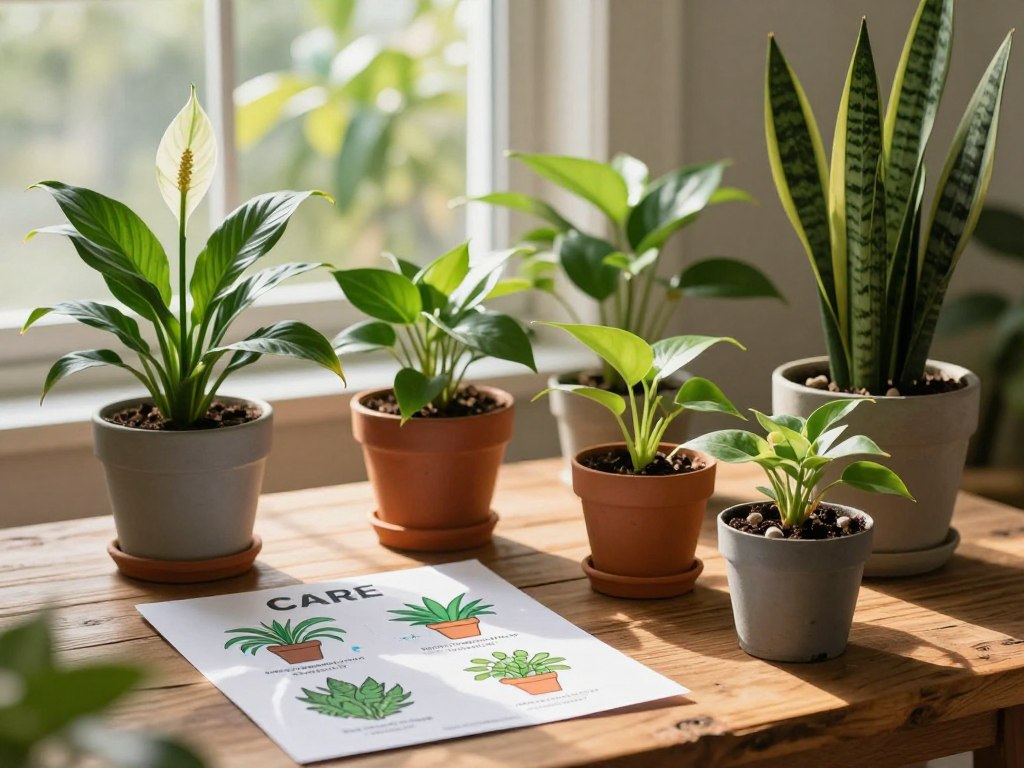
Keeping your simple houseplants to grow healthy requires understanding their basic needs. The good news is that caring for beginner-friendly plants doesn’t need to be complicated. With a few simple routines, you can watch your indoor garden thrive.
Consistency matters much more than perfection when you’re starting out.
Watering Guidelines
Watering is the most common reason plants fail in homes. Before you water, always check the soil first. Use the finger test: push your finger about 1 to 2 inches into the soil.
If it feels dry, water your plant. If it still feels moist, wait a few more days.
Different simple houseplants to grow have different water needs. Some plants prefer to dry out between waterings. Others like consistently moist soil.
- Check soil moisture before watering every time
- Water thoroughly until it drains from the bottom
- Use room-temperature water
- Empty saucers after 10 minutes to prevent root rot
Optimal Light Conditions
Light shapes how your simple houseplants to grow develop. Each plant has different light preferences. Some thrive in bright, indirect light near windows.
Others do well in moderate light away from direct sun. Rotate your plants every week or two for even growth on all sides.
Watch for signs that your plant needs adjustment: yellowing leaves often mean too much light. Slow growth suggests insufficient light. Sheer curtains work great for filtering harsh afternoon sun.
For darker corners, consider adding a basic grow light to help your plants flourish.
| Light Level | Best For | Signs of Problems |
|---|---|---|
| Bright, Indirect | Most foliage plants | Brown, crispy leaves indicate too much sun |
| Moderate Light | Shade-tolerant plants | Leggy growth shows insufficient light |
| Low Light | Specific species only | Slow growth and pale coloring |
Fertilizing Your Indoor Plants
Simple houseplants to grow need nutrients to stay strong and healthy. During growing season (spring and summer), feed your plants every two to four weeks. In fall and winter, reduce feeding or stop entirely since plants grow more slowly.
Start with half-strength liquid fertilizer for beginners. Full-strength solutions can burn roots and damage your plants. Look for balanced fertilizers with equal nitrogen, phosphorus, and potassium numbers on the label.
- Choose a balanced indoor plant fertilizer
- Mix at half the recommended strength
- Apply only during active growing seasons
- Follow package directions carefully
- Water before fertilizing to prevent root burn
Your simple houseplants to grow respond better to regular attention than to occasional intense effort. Build these routines into your weekly habits. You’ll develop confidence in keeping your indoor plants healthy and vibrant.
Common Mistakes to Avoid
Growing indoor plants that don’t die easily depends on understanding what goes wrong. Many new plant owners repeat the same errors. Learning these mistakes helps you keep your green friends alive and thriving.
Overwatering Issues
Too much water kills more plants than any other single factor. Yellowing leaves, mushy stems, and fungus gnats signal overwatering problems. Indoor plants that don’t die easily need soil that dries between waterings.
Your watering schedule should change with the seasons. During winter, plants rest and need less water. In summer, they grow faster and may need more frequent watering.
Check your soil before watering—stick your finger one inch deep into the pot. If the soil feels moist, wait a few days.
- Use pots with drainage holes
- Choose well-draining potting soil
- Water less in winter months
- Adjust watering based on pot size and plant type
Poor Lighting Choices
Light mistakes happen when you place plants in wrong locations. Sun-loving plants stuck in dark corners will struggle. Low-light plants placed in harsh, direct sunlight get scorched and stressed.
Assess your space honestly before buying plants. Look at where natural light comes in throughout the day. North-facing windows offer gentle, indirect light.
South-facing windows provide intense, direct rays. Indoor plants that don’t die easily match your home’s lighting conditions.
If your space lacks natural light, consider adding a grow light. Affordable LED grow lights help plants thrive in darker corners without heating your home.
Neglecting Pest Control
Pests hide on plants and multiply quickly. Spider mites, mealybugs, and scale insects weaken your indoor plants. Regular inspections catch problems early when they’re easiest to fix.
Check the undersides of leaves weekly. Look for sticky residue, tiny webs, or white fuzzy spots. Quarantine new plants for two weeks before placing them near other plants.
| Common Pest | What to Look For | Simple Treatment |
|---|---|---|
| Spider Mites | Tiny webs, yellow speckled leaves | Spray with neem oil weekly |
| Mealybugs | White cotton-like clusters | Wipe with rubbing alcohol on cotton swab |
| Scale Insects | Brown bumps on stems and leaves | Remove manually or use insecticidal soap |
“The key to healthy indoor plants is prevention, not panic.”
Maintaining proper humidity levels prevents many pest problems. Most indoor plants that don’t die easily prefer humidity between 40-60 percent. Misting leaves or using a humidifier keeps pests away naturally.
Avoid pesticides when possible—neem oil and insecticidal soaps work safely for home environments.
Seasonal Care: Adjusting Your Routine
Your best starter plants for indoors thrive when you adjust their care throughout the year. Plants experience natural changes with the seasons. Your watering schedule, fertilizing habits, and light management need to shift as conditions change.
Understanding these seasonal shifts helps you keep your plants healthy and vibrant year-round.
Winter Care Tips
During winter months, most best starter plants for indoors enter a rest period. Shorter days mean less light reaches your plants. Your indoor heating systems also dry out the air significantly.
You should water less frequently since plants use less water when growth slows down.
Winter challenges include cold drafts and warm heat vents. Move your plants away from windows where cold air seeps in. Keep them distant from heating vents that blast warm, dry air directly on leaves.
- Reduce watering by 25-50 percent
- Stop fertilizing completely
- Group plants together to boost humidity
- Use pebble trays filled with water beneath pots
- Consider running a humidifier nearby
Summer Growing Conditions
Summer brings active growth for your best starter plants for indoors. Increased sunlight and warmth trigger rapid development. Your plants need water more frequently during these months.
They also benefit from regular fertilizing every two to four weeks.
Watch for scorching on leaves. Intense afternoon sun can burn foliage, especially for tropical varieties. Move sensitive plants to spots with filtered light.
Summer humidity in most U.S. regions naturally supports plant health without extra effort.
- Water when soil feels dry one inch deep
- Apply balanced fertilizer every two weeks
- Monitor for intense afternoon sun exposure
- Increase humidity naturally in most climates
“Observing your plants and responding to their seasonal needs separates successful growers from struggling ones.”
Your best starter plants for indoors respond beautifully when you match their care to seasonal demands. This dynamic approach keeps your plants thriving all year long.
Propagating Your Indoor Plants
Creating new plants from your existing collection is truly rewarding. Beginner indoor plant propagation helps you expand your green space without extra costs. Easy plant multiplication lets you share favorites with loved ones.
This skill deepens your understanding of plant growth. It transforms you into a more confident plant owner.
Popular Methods for Plant Propagation
You have several simple techniques for starting your propagation journey. Different methods work best for different plant types. Understanding each one helps you succeed.
- Water Propagation: This is the easiest method for beginners. Cut a stem just below a node and place it in water. Pothos and philodendrons thrive with this approach. Change the water every few days until roots develop.
- Soil Propagation: Insert cuttings directly into moist soil. This method works well for succulents and some tropical plants. Keep the soil consistently moist but not waterlogged.
- Division: Separate mature plants into smaller sections. Spider plants and snake plants respond beautifully to this technique. Each section needs its own roots to survive independently.
- Plantlets and Offsets: Many plants produce baby plants naturally. Simply remove these young plants and pot them separately for easy plant multiplication.
When to Propagate
Timing matters for successful easy plant multiplication. Spring and early summer are the ideal propagation seasons. Plants are actively growing and have abundant energy during these months.
Your cuttings develop roots faster during peak growing season. They also adjust to their new homes more quickly.
Look for healthy parent plants that are mature and established. Avoid propagating from stressed, diseased, or newly purchased plants. Watch for signs like overgrowth or multiple stems in one pot.
While spring works best, some species tolerate year-round propagation. Check your specific plant’s needs to determine perfect timing.
Finding the Right Containers and Soil
Your choice of containers and growing medium shapes how well your indoor plants thrive. Getting these basics right makes caring for your plants much easier. The right setup prevents common problems like root rot and nutrient deficiencies.
Picking containers for beginner houseplants and the best soil for easy-care plants creates a strong foundation. This foundation sets you up for success with your indoor garden.
Choosing the Best Pots
Drainage holes are non-negotiable. They allow excess water to escape, protecting your plant roots from sitting in moisture. Without proper drainage, root rot develops quickly and kills your plants.
Different pot materials offer distinct benefits:
- Terracotta pots breathe well and look natural, but soil dries out fast with this material
- Plastic containers retain moisture longer, making them practical for busy plant owners
- Ceramic pots provide attractive styling, yet many lack drainage holes
Pot size matters greatly. Select containers that are only 1-2 inches larger than your plant’s root ball. Oversized pots trap too much water around roots.
If you love decorative pots without drainage holes, use them as cache pots. Place your draining container inside the decorative one.
Understanding Potting Mix
Never use garden soil for indoor plants. It compacts in containers and blocks water drainage. Quality potting mix contains different components that work together.
| Component | Purpose | Best For |
|---|---|---|
| Peat moss or coco coir | Holds moisture for plant roots | Tropical plants needing consistent dampness |
| Perlite or vermiculite | Improves air flow and drainage | All plant types |
| Compost | Supplies slow-release nutrients | Heavy feeders and growing plants |
The best soil for easy-care plants varies by plant type. Succulents need extra perlite for quick drainage. Tropical plants prefer moisture-rich blends.
Brands like Miracle-Gro, Espoma, and FoxFarm offer reliable options at most garden centers. Reading labels helps you match the mix to your plants’ needs.
Where to Purchase Indoor Plants
Finding where to buy beginner houseplants is an important step in starting your indoor gardening journey. You have several options available to you. Each choice comes with its own set of benefits and challenges.
Local Nurseries vs. Online Retailers
Shopping at local nurseries and garden centers lets you see plants in person before buying. You can check the leaves for damage or pests. You can feel the soil to make sure it has the right moisture level.
The staff at these locations can answer your questions right away. They know about local growing conditions in your area.
Home Depot and Lowe’s carry many beginner-friendly plants at low prices. These big-box stores stock common varieties like pothos and snake plants. Specialty nurseries offer unusual varieties and deeper expertise about plant care.
Online retailers bring plants straight to your door. You get access to a wider range of options. You can shop from home at any time.
Read customer reviews carefully before choosing an online seller. Check their shipping policies and plant guarantees. A good seller will replace dead plants or offer refunds.
Reputable Plant Brands to Consider
The Sill stands out for helping beginners. They provide clear care instructions with every plant. Bloomscape ships plants directly from their greenhouses.
Costa Farms is a major grower you can find in many stores across the country. Etsy has many small shops that specialize in rare and unusual plant varieties.
Buying from trusted plant sources reduces your risk of getting sick plants or pest problems. Starting with healthy plants sets you up for success.