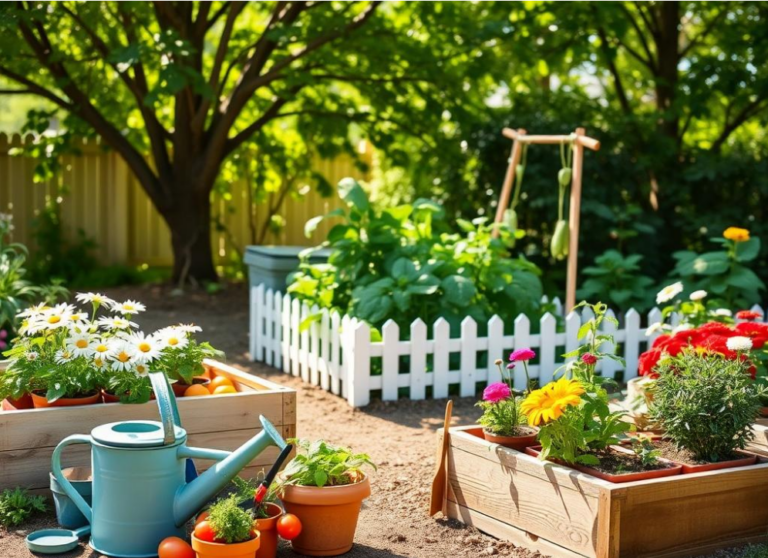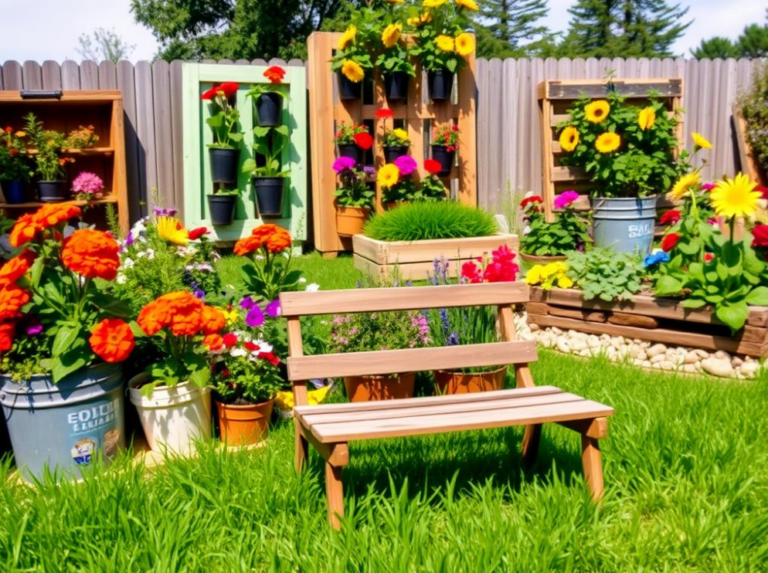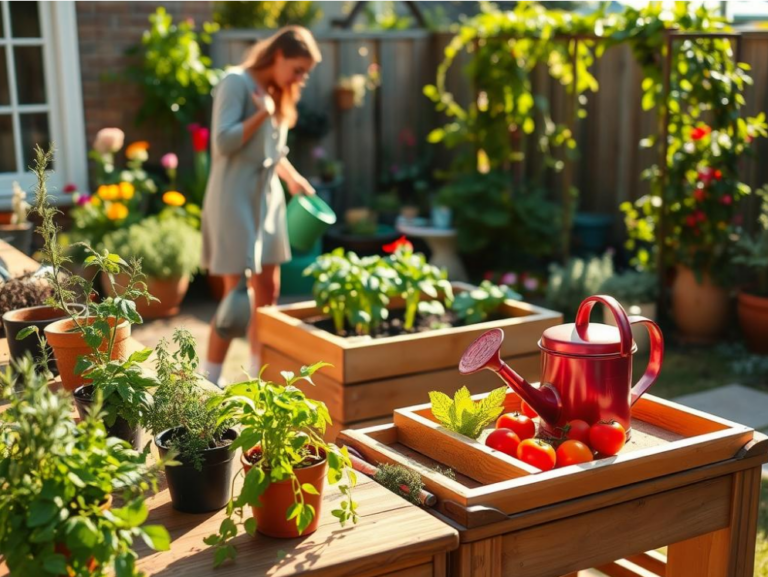

Nearly 60% of Americans want to grow their own food, but most don’t try. Today, you can be one of the few who start. This guide will show you easy steps to begin gardening, no matter where you live.
This article is for those who are busy but want to garden without stress. You’ll learn how to pick the best spot, choose plants for your area, and decide between seeds and starter plants. Plus, you’ll find out how to get the tools you need without spending too much.
You’ll also get tips on watering, feeding, and taking care of pests and diseases. We’ll cover seasonal tasks to keep your garden growing all year. Gardening offers fresh food, exercise, lower stress, and can even save you money on groceries.
Read this guide from start to finish for a complete plan. Or, use each section as a reference when you need it. Follow these steps and you’ll become a green-thumbed gardener, growing your garden today.
Why You Should Try Gardening for Beginners
Gardening is easy and rewarding. You get fresh herbs and veggies, move more, and find a calm task. It’s great for your health, meals, and daily life.
Physical and mental health benefits
Gardening is like brisk walking. It builds strength and improves heart health. Studies show it boosts fitness and mobility.
Working with soil and plants reduces stress and boosts mood. It helps lower anxiety and supports mindfulness. Growing your own food also improves your diet.
How gardening fits into busy American lifestyles
You don’t need lots of time to garden. Just 10–30 minutes a day for watering or weeding works. It’s easy to fit into your busy schedule.
Begin with a small container or a single raised bed. Quick-growing crops like lettuce and basil are great for beginners. You can add more as you get more time.
Common misconceptions and how to overcome them
Many myths stop beginners. You don’t need a big yard. Containers and vertical gardens work on any space.
Gardening doesn’t have to cost a lot. Use seeds, recycled containers, and local compost. If you’re worried about failing, start with easy plants and get advice from your local Cooperative Extension Service.
Mistakes are easy to fix. Replanting, adjusting water, or using pest control can help. Learning from mistakes builds confidence as you grow.
Choosing the Right Spot: Sunlight, Soil, and Space
Finding the perfect garden spot is key to success. Checking sunlight and soil texture can save time and avoid headaches. Consider your daily routine, water access, and available space before planting.
Assessing sunlight in your yard or balcony
Observe sun patterns for a day. Take photos at mid-morning, noon, and mid-afternoon. Or, note times in a notebook. Plants need full sun for six or more hours, partial sun for three to six, and shade for under three.
Look for spots with unique light conditions due to walls, trees, or buildings. In the U.S., south-facing areas get the most sunlight. Use a light meter app for precise readings. Place cool-season veggies in morning sun.
Understanding soil types and how to test them
Soil types are sandy, clay, and loam. Sandy drains fast, clay holds water, and loam is best. Do a jar test to see texture and pour water to check drainage.
Use pH kits from garden centers to check acidity. Add compost to improve soil. Use coarse sand for clay, peat moss or coconut coir for sandy soil. Send a sample to your county Cooperative Extension for detailed analysis.
Small-space solutions: containers, raised beds, and vertical gardens
Container gardening works well for small spaces. Use deeper pots for tomatoes and peppers, and shallow trays for herbs and lettuces. Always use potting mix with good drainage and ensure containers have holes.
Raised bed gardening offers control over soil and drainage. Build beds from cedar or composite wood, aiming for 12–18 inches deep. A 4 by 8 feet bed is common for easy reach and efficient planting. Set bed height to reduce bending and add wide pathways for easy access.
Vertical gardening maximizes space. Use trellises, wall planters, pocket systems, or stacked pots for climbing plants. Vertical setups increase yield per square foot and improve air flow for healthier plants.
Essential Tools and Supplies for New Gardeners
Starting a garden is easier with the right tools. A small set of practical items will help you with most tasks. It’s important to focus on quality for everyday use and save on extras.
Must-have hand tools and durable gear
Start with a sturdy trowel, a hand fork, and bypass pruning shears for clean cuts. Don’t forget gloves, a watering can or hose, a garden rake, and a spade or shovel. Choose tools from brands like Fiskars, Corona, or True Temper for lasting performance.
Protect yourself with a kneeling pad, sun hat, and sunscreen. These items improve safety and let you work longer without strain. This combination of tools and protective gear is essential for gardening.
Optional tools that make gardening easier
As your garden grows, consider a Hori Hori soil knife, a wheelbarrow or garden cart, and a soil moisture meter. A garden fork helps with compost turning. Hose timers save time when you need consistent water.
For larger plots, cordless hedge trimmers or a small tiller can speed tasks. Use plant ID apps like PictureThis or iNaturalist and reliable weather apps to troubleshoot pests and plan work. These additions boost efficiency in your garden.
Budget-friendly ways to get started
Find cheap gardening supplies at thrift stores, garage sales, or local buy/sell apps. Used tools can last many seasons if you sharpen and oil them. Start with a minimal kit: trowel, pruners, gloves, and a watering can, then add pieces as needs arise.
Repurpose household items to save money. Use yogurt cups for seed starting, milk jugs as cloches, and old pallets for vertical planters. Choose seeds from trusted companies like Burpee, Ferry-Morse, or Johnny’s Selected Seeds for reliable germination. These tactics help you build your gardening gear without a big upfront cost.
How to Plan Your First Garden
Good planning makes gardening simpler and more rewarding. Start with a clear idea of your site, season, and goals before you dig. A basic plan saves time, reduces waste, and helps you decide what to plant first.
Use your USDA Plant Hardiness Zone and local frost dates to shape a seasonal planting guide. This tells you which perennials suit your yard and which annuals need earlier starts. For quick wins, try lettuce, radishes, and spinach; they show results fast and teach you timing.
Think about growth time and yield when you choose plants. Fast crops like radishes or baby greens give frequent harvests. Tomatoes and peppers need longer seasons or starter plants. Match choices to your climate so you avoid wasted effort.
Design garden layout for easy access and lower maintenance. Keep beds no wider than four feet so you can reach the center without stepping on soil. Leave 2–3 foot paths for wheelbarrows and tools. Group plants with similar water and light needs to simplify care.
Plan front-to-back height so tall crops do not shade smaller ones. Use raised beds at comfortable heights and wide paths if mobility is a concern. Label rows and keep a simple planting map to track succession sowings and harvest dates.
Think in sequences. Succession planting avoids gaps in harvests by sowing new lettuce or greens every two to three weeks. That steady cadence keeps you harvesting without overwhelming workdays in peak season.
Use companion planting to boost flavor, deter pests, and draw pollinators. Pair basil with tomatoes for taste and pest suppression. Add marigolds near roots to cut nematode pressure. Include pollinator-friendly flowers like borage and calendula to help fruit set.
Keep companion planting realistic. Benefits vary by pairing and situation, so prioritize proven combinations and pollinator plants that help many crops. Avoid overcomplicating the bed with too many experimental pairings at once.
Follow simple crop rotation to reduce disease and preserve soil nutrients. Rotate families so Solanaceae (tomatoes, peppers, eggplant) do not occupy the same bed year after year. A three-bed rotation works well: leafy greens, fruiting crops, then root crops or legumes.
Use legumes in rotation to help replenish nitrogen naturally. This approach breaks pest cycles and keeps the soil balanced. Track past plantings on your map so you rotate effectively each season.
Write down your plan. A short sketch of garden layout, planting dates, and seed spacing helps you repeat successes and learn from mistakes. Good garden planning turns a small plot into steady, productive beds you enjoy tending.
Starting from Seeds vs. Starter Plants
Choosing between seeds and seedlings affects your gardening journey. Starting seeds can save money and let you grow rare varieties. On the other hand, buying starter plants can save time and effort. Here are some tips to help you decide and succeed.
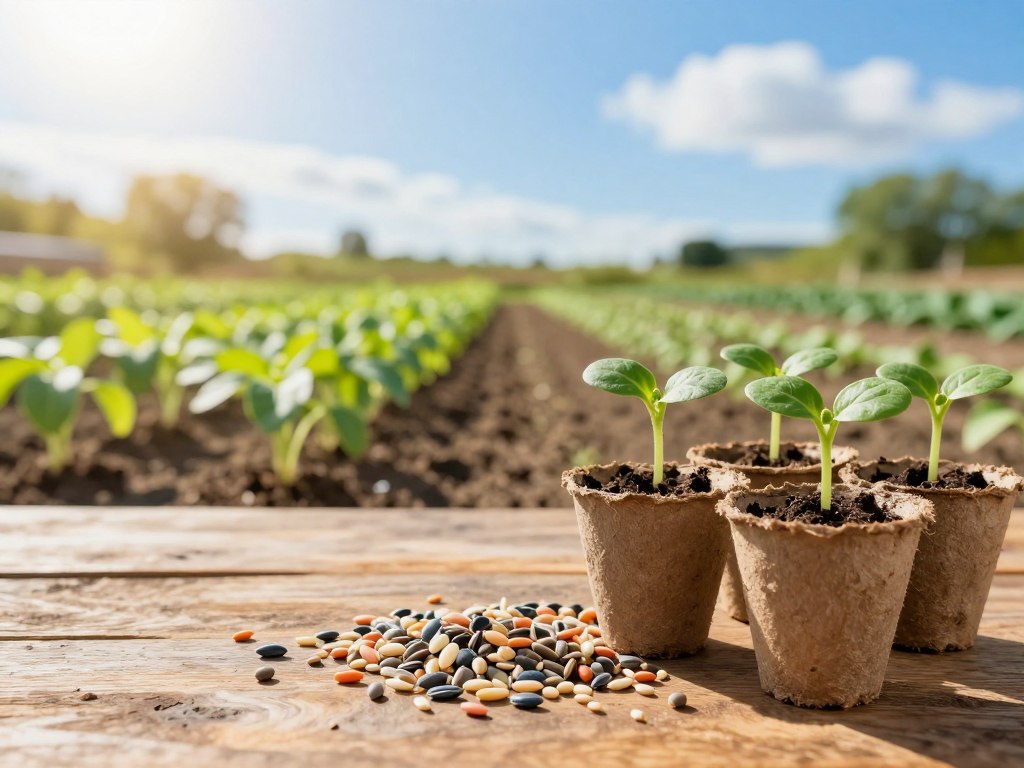
Advantages and drawbacks of seeds
Seeds are very affordable, costing just a few cents per packet. This lets you experiment with many varieties for the price of one starter plant. You can also find unique and heirloom types easily when starting seeds.
But, starting seeds requires more time and space. You’ll need a sterile mix, trays, and a stable temperature. Plus, you’ll need bright light. Germination can fail, which can be frustrating for beginners.
When to buy starter plants and how to select healthy ones
Consider buying starter plants if you lack space or time. They’re also good for early harvests or for crops like sweet peppers that are hard to start at home. Nurseries often have varieties that are well-suited to your area.
Look for plants with compact, dark-green leaves and no yellowing. Avoid plants with leggy stems. Choose plants that are well-rooted but not too tightly packed in their pots. Check for pests or mildew before you buy.
For quality plants, trust local garden centers, Home Depot, Lowe’s, or independent nurseries. Community plant sales are also a great place to find locally adapted starters on a budget.
Step-by-step seed starting tips for beginners
Begin with a simple plan. For warm-season crops, start seeds indoors 4–8 weeks before your last frost date. Use your county extension planting calendar for the exact timing.
Use a sterile seed-starting mix in clean trays or small pots. Label each row and sow seeds at the depth recommended on the packet. Keep the mix moist but not too wet.
Keep soil temperatures between 65–75°F for faster germination. Once seedlings appear, provide 12–16 hours of light daily. Use grow lights or a bright window with supplemental lighting.
If multiple seeds sprout in one cell, thin to the strongest plant. This ensures each seedling gets enough light and space. Before transplanting, harden off seedlings over 7–10 days by gradually increasing outdoor exposure.
Watering, Feeding, and Soil Care
Good watering, feeding, and soil care are key to a productive garden. Start with deep, infrequent waterings to encourage roots to grow down. Adjust your watering based on soil type, weather, and plant age.
How often to water different plant types
Seedlings and newly transplanted plants need consistent moisture until they set roots. Check soil with the finger test down 2–3 inches or use a moisture meter for precision.
Vegetables like tomatoes and peppers do best with steady moisture, roughly 1–2 inches per week. Shallow-rooted crops such as lettuce need lighter, more frequent watering.
Watch for wilting, yellowing leaves, or soggy soil. Use drip irrigation or soaker hoses to keep foliage dry and reduce disease. Water in the morning to lower evaporation and fungal risks.
Choosing the right fertilizer and organic options
Learn N-P-K numbers to match fertilizer to plant needs: nitrogen for leafy growth, phosphorus for roots and blooms, potassium for overall health. Use soil test results before you feed to avoid guessing.
For organic choices consider compost, composted manure, fish emulsion, blood meal, bone meal, kelp meal, or slow-release organic granules. Apply according to label directions and avoid over-fertilizing, which can burn roots and cut yields.
Many gardeners use a balanced feed early in the season and switch to a bloom-promoting formula as flowers form. This supports both growth and fruiting.
Mulching, composting, and improving soil structure
Mulch reduces evaporation, suppresses weeds, and helps moderate soil temperature. Good mulches include wood chips, straw, and shredded leaves. Keep mulch a few inches away from stems to prevent rot.
Composting turns kitchen scraps and yard waste into a free soil amendment. Balance greens and browns, keep the pile moist, and turn it now and then. If space is tight, try vermicomposting with red worms.
For soil improvement add compost yearly and rotate cover crops like clover or vetch to build nutrients and prevent erosion. Use aged manure or well-decomposed organic matter to boost water retention in sandy soils and improve drainage in clay soils.
Use these mulching tips and steady composting habits to make real soil improvement over time. Smart garden fertilizing combined with proper watering will help your plants thrive season after season.
Pest and Disease Management for New Gardeners
Gardening is rewarding but comes with challenges. You’ll face pests and plant diseases. Learning to detect and manage them is key to a healthy garden.
Identifying common pests and signs of disease
Watch for chewing damage, holes, or sticky leaves. Aphids cluster on new growth. Slugs and snails leave trails at night.
Caterpillars eat leaves, and whiteflies fly when disturbed. In bigger gardens, look out for squash bugs, deer, and rabbits.
Signs of disease include yellow leaves, wilting, and spots. Check leaves, stems, and roots for pests or nutrient issues. Use a loupe or smartphone photos for clear identification.
Natural and organic control methods
Begin with cultural practices like crop rotation and tidy beds. Use disease-resistant plants and ensure good spacing for air.
- Physical controls: hand-pick pests, use beer traps for slugs, and row covers.
- Biological options: release ladybugs and lacewings, spray Bt for caterpillars, and neem oil for aphids.
- Choose organic pest control products that target pests without harming pollinators. Apply at dusk and avoid neonicotinoids.
When to seek professional or extension service help
If a problem spreads quickly or affects big trees, get a certified arborist or pest control expert. They can use safe methods you shouldn’t try yourself.
For specific advice, contact your county Cooperative Extension office. They offer plant clinics, soil tests, and master gardener programs for practical advice and help.
Follow integrated pest management: monitor, identify, and try least-toxic options first. Only escalate when necessary. This keeps your garden healthy and protects beneficial insects and the environment.
Seasonal Gardening Tips and Year-Round Care
Keep your garden productive and healthy all year with simple tips. Start with a checklist for each season. Small actions now save time and protect your garden later.
What to do in spring, summer, fall, and winter
In spring, test your soil and add compost or lime if needed. Sow peas and lettuce outdoors. Start warm-season seeds indoors and prune perennials before new growth.
In summer, manage moisture well. Use mulch, water deeply, and stake tomatoes and peppers. Harvest often to keep plants producing and watch for pests and fungal issues.
For fall garden prep, plant cool-season crops and divide perennials. Collect leaves for mulch and compost. Sow cover crops to protect and rebuild soil over winter.
Winter garden care focuses on protection and planning. Insulate roots with mulch, move containers, clean tools, and organize seeds for spring.
Extending your growing season with simple techniques
Season extension lets you grow longer without complex setups. Use row covers and frost cloth for light frosts. Cold frames and cloches warm up tender greens.
Choose crops like fall-hardy lettuces and kale for season extension. For bigger projects, consider hoop houses or a portable greenhouse. Add thermal mass like water barrels to keep night temperatures steady.
Preparing your garden for seasonal transitions
At each transition, remove diseased material and compost healthy residues. Solarize bare soil if needed. Add a thick mulch layer to protect roots from freeze-thaw damage.
Service your tools: sharpen pruners, oil tools, drain hoses, and winterize irrigation. These steps save repair costs and keep your garden ready for the next season.
Gardening on a Budget and Sustainable Practices
Stretching your gardening dollars is easier when you mix practical tips with eco-friendly choices. You can save money and create a low-maintenance plot. This plot will help local wildlife and reduce waste.
Start with affordable seeds from trusted suppliers like Baker Creek Heirloom Seeds and Johnny’s Selected Seeds. Look for local library seed libraries and community seed swaps for free or low-cost varieties. Learn to save seeds from open-pollinated plants to reuse them next season and save money.
Turn household items into growing space. Use reclaimed wood for raised beds and old gutters for strawberry troughs. Find cheap materials on Craigslist, Facebook Marketplace, Habitat ReStore, and Freecycle. A basic compost bin from pallets or a wire cage turns kitchen scraps into soil, reducing the need for fertilizer.
Build DIY planters from pallets or salvaged wood to save money and add character. Simple trellises from bamboo or salvaged lumber help vining crops thrive in tight spaces. A cold frame from an old window extends your season without expensive equipment.
Adopt water-wise gardening habits to lower bills and protect local water supplies. Install drip irrigation or soaker hoses, collect rainwater in barrels, and mulch to cut evaporation. Group plants by water needs so each zone gets the right moisture.
Choose native plants to support pollinators and reduce input needs. Native species need less water, fewer fertilizers, and less pest control. Consult local native plant societies or the Lady Bird Johnson Wildflower Center for regional recommendations and planting tips.
Below is a quick comparison to help you pick cost-saving, sustainable options for common garden needs.
| Need | Budget Option | Sustainable Choice | Why it Helps |
|---|---|---|---|
| Seeds | Bulk or sale packets from Johnny’s Selected Seeds | Seed swaps and saved open-pollinated seeds | Reduces cost and builds local seed diversity |
| Containers | Food-grade buckets or reused pots from Craigslist | DIY planters from pallets or reclaimed wood | Keeps materials out of the landfill and saves money |
| Irrigation | Soaker hoses from discount stores | Drip systems and rain barrels | Conserves water and targets plant roots |
| Soil amendments | Bagged compost on sale or bulk compost | Home compost from kitchen scraps and yard waste | Improves soil health and cuts fertilizer use |
| Plant selection | Heirloom and easy-to-grow varieties | Native plants like coneflowers and asters | Supports pollinators and reduces maintenance |
Conclusion
In this gardening for beginners conclusion, you’ve learned the basics. Start by picking a sunny spot and begin small. Choose easy plants like lettuce, basil, or cherry tomatoes.
Get the basic tools, improve your soil, and water and feed right. Watch out for pests and plan by season. This recap makes starting easy and steady.
For your next steps, create a simple plan. Pick one spot or a 4×4′ area, and choose two to four crops. Buy good potting mix and basic tools, and set a planting date based on frost dates.
Mark tasks on your calendar for regular watering, feeding, and checking. Small, consistent steps lead to big success.
Learning is key in gardening. Use local resources like your county Cooperative Extension, nurseries, and Master Gardener programs for advice. Order seeds from trusted sources and try new things each season.
Buy seeds or a starter plant today. Set up your first pot and watch your garden grow. Enjoy the journey!