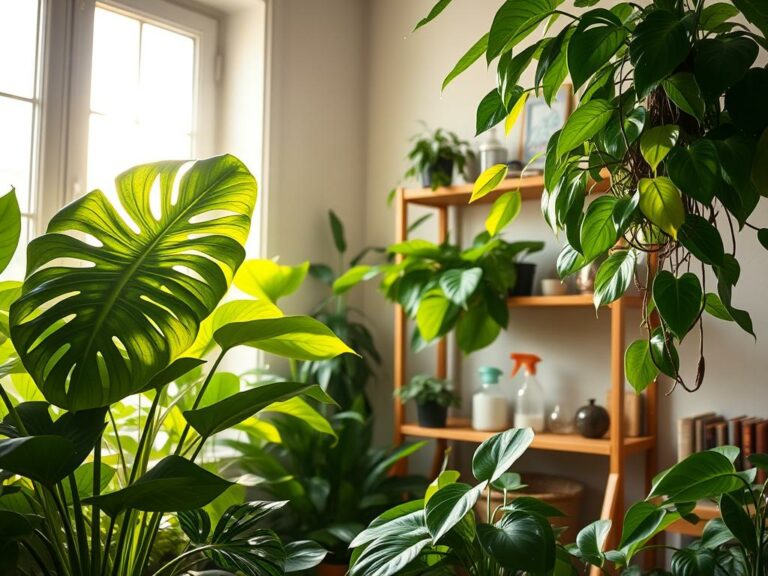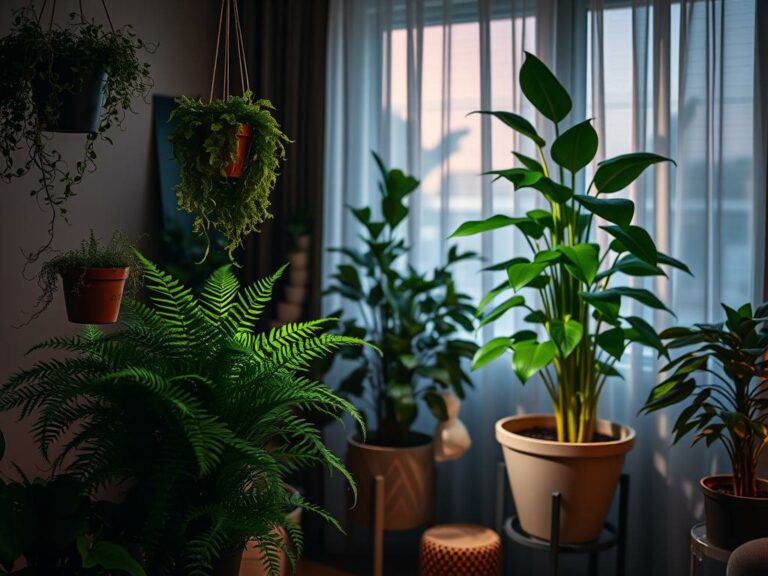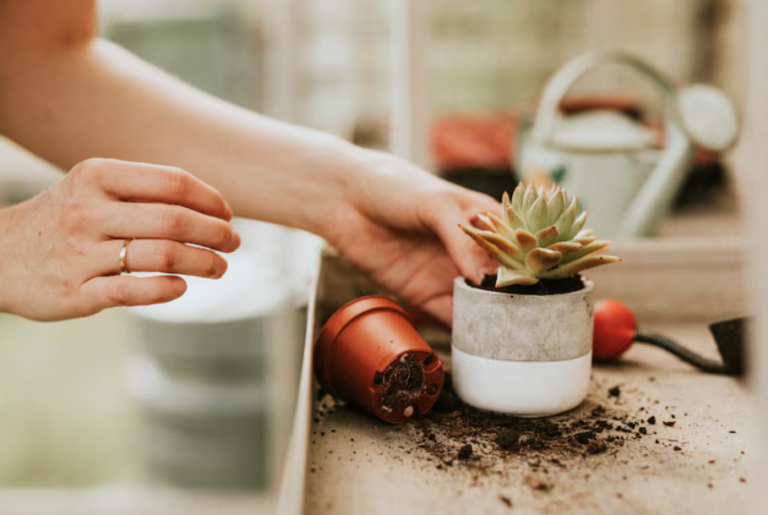

About 87% of indoor plant owners report that their plants struggle to survive in their homes. Insufficient lighting is the leading cause of plant death. Light powers photosynthesis, the process your plants use to create energy and grow strong.
Without enough light, your plant cannot thrive. Water and fertilizer won’t help if lighting is poor.
Your plants are constantly communicating with you through visible signals. Learning to recognize these signals is crucial for indoor gardening success. Each plant species has different light requirements.
Understanding the signs plant needs more light is straightforward once you know what to look for. This guide will teach you how to identify lighting problems. You’ll also learn what causes these issues and how to fix them.
By catching these warning signs early, you can save your indoor garden. The symptoms your plants display tell a clear story about their environment. Once you learn to read these signals, you’ll know exactly when plant needs more light.
You’ll discover the specific signs that indicate your plant is suffering from light deprivation. You’ll also learn how to measure light in your space. Making practical changes will transform your plants from struggling to thriving.
Understanding Plant Light Requirements
Light is the energy source that powers your houseplants’ growth and survival. Understanding indoor plant light requirements helps you create ideal conditions at home. Light involves three key factors: intensity, duration, and spectrum.
Intensity refers to how strong the light is. Duration means how many hours your plant receives light daily. Spectrum involves the different colors of light.
Plants use specific wavelengths, particularly red and blue colors, to fuel photosynthesis. This process converts carbon dioxide and water into glucose and oxygen. Your plants need these elements to grow strong roots, vibrant leaves, and beautiful flowers.
Different Types of Light
Your home offers various light conditions. Recognizing each type helps you position plants correctly. Light conditions fall into distinct categories that affect plant growth differently:
- Direct sunlight reaches plants unfiltered for several hours daily, typically near south-facing windows
- Indirect bright light occurs when sunlight filters through curtains or bounces off surfaces
- Medium light provides moderate brightness, often found near east or west-facing windows
- Low light exists in corners or rooms without direct window access
Specialized grow lights emit red and blue wavelengths that mimic natural sunlight. These artificial options help when natural light is limited in your space.
Importance of Natural Light
Natural sunlight remains the gold standard for plant health. Over millions of years, plants evolved to use the complete spectrum that sunshine provides. Direct sunlight reaches intensities of 10,000 foot-candles or more on sunny days.
The best lighting conditions for houseplants include natural light whenever possible. It delivers the full range of wavelengths your plants need. Your plants benefit from the consistent, balanced energy that nature provides.
Signs of Insufficient Light
Your indoor plants communicate their needs through visible changes. Learning to spot symptoms helps you fix problems before they become serious. Your plant displays several clear warning signs when it isn’t getting enough light.
Understanding these signals lets you take action quickly. You can restore your plant’s health with the right adjustments.
Stunted Growth
Slow or stopped growth is one of the first symptoms of insufficient light in plants. Your plant may produce new leaves that look smaller than the older ones. The time between new leaf growth stretches out noticeably.
You might notice your plant seems stuck at the same size week after week. Light powers photosynthesis, so without enough, your plant can’t make needed energy. The plant puts all its resources into survival rather than growth.
Yellowing Leaves
Pale leaves from lack of light occur when your plant can’t make enough chlorophyll. You might see leaves turn pale green, then yellow. Older leaves at the bottom usually show this problem first.
Your plant pulls nutrients from old leaves to feed new ones at the top. Unlike nutrient problems, light-related yellowing affects your whole plant rather than specific leaves.
Leggy Appearance
Plant stretching toward light creates one of the most obvious signs your plant needs help. This condition is called etiolation. Your plant literally reaches for any light it can find.
Long, weak stems with huge gaps between leaves develop from this stretching.
Here’s how to tell if plant needs more light by checking for these signs:
- Stems look abnormally long and thin
- Your plant leans dramatically toward the window
- New growth appears weak and can’t support itself
- The plant looks spindly rather than full and compact
Spotting these warning signs early means you can move your plant to a brighter location. You can prevent lasting damage to its structure and health with quick action.
Specific Plant Species and Light Needs
Not all houseplants have the same light requirements. Understanding low light vs bright light plants helps you choose the right species. Matching your plant to available light sets you up for success.
Your plant choices should reflect the natural light in each room. This simple strategy prevents frustration and plant failure.
Knowing which species tolerate shade versus those demanding sunshine is crucial. Low light vs bright light plants have different origins and survival strategies. Learning these differences helps you make smart placement decisions.
Low-Light Plants
Low-light plants evolved in forest understories where sunlight barely reaches the ground. These species tolerate dim conditions better than others. However, “tolerant” doesn’t mean they need no light at all.
Your low-light plants still require some indirect light to survive. They typically need around 50 to 250 foot-candles.
Popular low light vs bright light plants that work well in shadier spots include:
- Pothos (Epipremnum aureum)
- Snake plants (Sansevieria)
- ZZ plants (Zamioculcas zamiifolia)
- Cast iron plants (Aspidistra elatior)
- Philodendrons
Even shade-loving varieties show light deficiency signs in truly dark corners. Your low-light plants need indirect light reaching them regularly.
High-Light Plants
High-light plants come from sunny, open habitats with daily direct sunlight. These species require several hours of bright light to thrive. They perform best with 400 to 1,000 foot-candles or more.
Considering low light vs bright light plants, remember these species struggle dramatically in dim conditions.
Popular bright-light plants include:
- Succulents like jade plants (Crassula ovata)
- Cacti varieties
- Crotons (Codiaeum variegatum)
- Fiddle leaf figs (Ficus lyrata)
- African violets
- Orchids
- Flowering houseplants
These bright-light plants show deficiency symptoms quickly in lower light conditions. Your best approach involves selecting appropriate species for each room. Base your choices on natural light levels available there.
| Plant Type | Light Range (Foot-candles) | Best Room Placement | Tolerance Level |
|---|---|---|---|
| Low-Light Plants | 50-250 | Bathrooms, hallways, offices | Tolerates shade well |
| High-Light Plants | 400-1,000+ | South-facing windows, bright rooms | Needs direct sunlight |
Matching your plant species to available light works better than forcing adjustments. Your indoor gardening success depends on selecting species suited to your home’s natural conditions.
How to Assess Current Light Conditions
Understanding your home’s light environment is crucial before making any changes. Many plant owners guess about lighting conditions, which leads to problems. Taking time to evaluate the actual light helps you choose the right plants.
Your eyes deceive you about light levels. What feels bright to you might be too dim for plants. Human eyes adjust to low light much better than plants can.
This is why you need objective methods to measure light. Measuring shows what your plants actually receive.
Measuring Light Intensity
Light intensity tells you how bright conditions are in specific spots. You can measure this in several ways to understand your indoor plant light requirements better.
- Use a light meter or smartphone app that reads foot-candles or lux (1 foot-candle equals about 10.76 lux)
- Try the shadow test: hold your hand 12 inches above the spot at midday and observe the shadow
- Note what you see to determine light category
The shadow test works quickly. A sharp, dark shadow means high light (1,000+ foot-candles). A soft shadow suggests medium light (250-1,000 foot-candles).
Barely any shadow shows low light (50-250 foot-candles).
Understanding Light Duration
Intensity alone does not tell the whole story. Duration matters just as much for meeting indoor plant light requirements. Most houseplants need 12-16 hours of light daily for strong growth.
A space with moderate light for 14 hours works better than bright light for 4 hours. Watch how light moves through your rooms during the day. Morning sun feels different from afternoon sun.
South-facing windows get different exposure than north-facing ones.
| Light Category | Foot-Candles | Lux | Best Duration |
|---|---|---|---|
| Low Light | 50-250 | 538-2,690 | 12-14 hours |
| Medium Light | 250-1,000 | 2,690-10,764 | 14-16 hours |
| High Light | 1,000+ | 10,764+ | 12-16 hours |
Track light patterns for several days. Notice which spots stay bright longest. This baseline assessment becomes your foundation for moving plants or adding grow lights.
Adjusting Light Conditions
Once you’ve identified that your indoor plants need more light, it’s time to take action. You have several practical solutions available to brighten your plant’s environment. The key is finding the right approach for your home and your specific plants.
You can use natural light or invest in grow lights for indoor plants. Both options help create ideal growing conditions.
Moving Your Plant
The simplest solution is relocating your plant to a brighter spot. You should move plants closer to windows, ideally within 3 feet. This helps them receive bright indirect light.
In the Northern Hemisphere, south-facing windows provide maximum light exposure throughout the day. East-facing windows deliver gentle morning sun that won’t damage sensitive leaves.
Make gradual transitions when moving plants from dim to bright locations. You should increase light exposure over 1 to 2 weeks to prevent shock. Sudden changes can stress your plant and cause leaf damage.
Reflective surfaces boost natural light without moving your plant. White walls, mirrors, and light-colored furniture bounce additional sunlight onto your foliage. This strategy effectively increases light intensity in corners or dim rooms.
Remember that seasons change your plant’s light availability. A sunny summer spot becomes dim during winter months.
Using Grow Lights
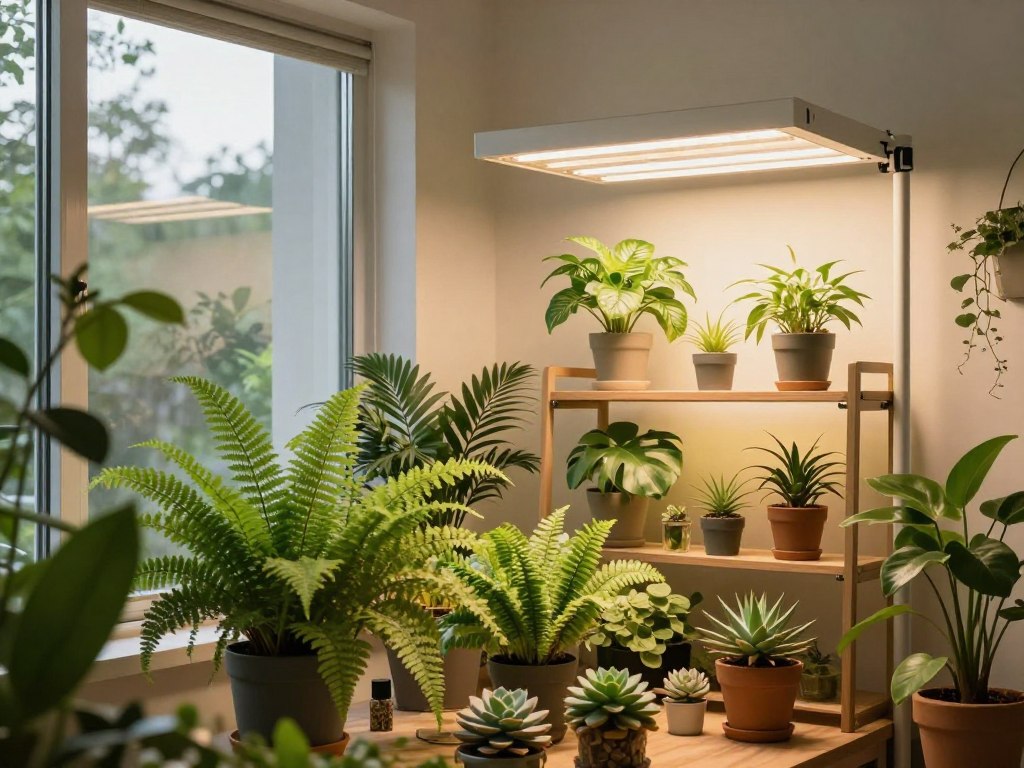
Natural light sometimes falls short, but grow lights for indoor plants offer an excellent solution. LED grow lights rank among the most popular choices. They’re energy-efficient, produce minimal heat, and last for years.
You should position most LED grow lights 6 to 12 inches above your plant’s foliage. Always check manufacturer guidelines since different models vary. Fluorescent lights work well for low to medium-light plants and cost less.
Consistency matters with artificial lighting. You should use timers to provide 12 to 16 hour photoperiods. Full-spectrum bulbs mimic natural sunlight and support robust development across all plant types.
- LED grow lights: energy-efficient and long-lasting
- Fluorescent lights: budget-friendly for most plants
- Full-spectrum bulbs: closely mimic natural sunlight
- Timers: maintain consistent light schedules
Proper positioning and timing create the best results with grow lights for indoor plants. Monitor your plants’ response and adjust height or duration as needed.
Benefits of Proper Lighting
Establishing optimal lighting transforms your indoor garden completely. Your plants show visible improvements that make your efforts worthwhile. These benefits motivate you to maintain ideal light exposure for every plant.
Improved Growth
Plants thrive under proper lighting conditions. Adequate light helps houseplants develop faster and stronger. New leaves emerge regularly, reaching their full potential size.
Strong stems grow compact and sturdy instead of stretching thin. Your plants branch out freely, creating fuller, bushier shapes. Root systems expand underground as photosynthesis powers their development.
Many houseplants bloom in bright spaces after never flowering in dim areas. Orchids, African violets, and begonias transform into spectacular flowering displays. Sufficient brightness unlocks their full potential.
Enhanced Color and Health
Proper lighting brings out vibrant natural colors in your plants. Variegated species like Pothos and Calathea display bold contrasting patterns. Leaves develop deep, rich green coloration from abundant chlorophyll production.
- Firmer leaf texture that feels substantial
- Stronger plant immune systems
- Better resistance to pests and diseases
- Improved overall plant vigor
Optimal lighting makes your plants stunning focal points throughout your home. They become thriving displays rather than struggling survivors in dark corners.
Recognizing Overexposure to Light
Your plant needs light, but too much can cause damage. Finding the right balance is essential for healthy growth. Overexposure happens when you move plants from low-light to bright areas too quickly.
Placing shade-loving species in direct sunlight also causes problems. Understanding light stress signs helps you fix issues before serious damage occurs.
Burnt Leaf Tips
Sunburned leaves appear as crispy, brown, or bleached patches on areas facing light. These damaged areas cannot recover since the tissue is permanently burned. If your plant needs more light, move it gradually rather than placing it in intense sun.
Light burn typically shows on upper leaves that face the sun directly. Lower leaves stay unaffected. The damaged portions feel papery and brittle to the touch.
Variegated plants may lose their colorful patterns. They produce extra chlorophyll to protect themselves from bright conditions.
Leaf Drop
Excessive light stress combined with heat causes plants to shed leaves as defense. Overexposed plants may also display faded or washed-out coloration.
- Watch for sudden leaf loss after moving your plant
- Notice if leaves appear pale or bleached
- Check for wilting despite moist soil
- Observe if new growth looks weak or thin
Make gradual adjustments to lighting conditions rather than extreme shifts. This approach ensures your plant receives optimal light without stress.
Seasonal Light Changes
Your houseplants experience dramatic shifts in light availability throughout the year. The sun’s position changes with each season, affecting light intensity and duration. Understanding these natural cycles helps you maintain ideal lighting year-round.
In summer, the sun climbs higher, days stretch longer, and light intensity peaks. By winter, the sun sits lower, daylight shrinks significantly, and light strength drops sharply. A location providing perfect bright light in July might become inadequate by December.
Your plants respond to these changes just as they would in their native environments. They often slow growth during darker months. In northern regions, winter light can drop to 50 percent or less of summer strength.
Adapting to Seasonality
Plants naturally adjust their growth patterns based on seasonal light availability. Your role involves recognizing these patterns and responding thoughtfully. During winter months, many houseplants enter dormancy or grow slowly.
This isn’t a problem—it’s natural behavior. Rather than forcing vigorous growth with excessive fertilizer, accept the plant’s natural rhythm. Pay attention to how light moves through your home across the seasons.
A south-facing window bathed in brilliant light during winter becomes even more intense in summer. North-facing windows that feel dim all year become your most reliable option during summer. East-facing exposures offer gentle morning light that intensifies seasonally.
Making Seasonal Adjustments
Practical strategies help you adapt plant placement throughout the year. Create a system for rotating locations based on seasonal needs.
| Season | Light Intensity | Recommended Actions | Plant Placement Strategy |
|---|---|---|---|
| Winter | Low (50% of summer) | Move plants closer to windows; add grow lights; accept slower growth | South-facing windows; near glass doors; under grow lights |
| Spring | Increasing | Gradually move plants away from direct sun; introduce sheer curtains | Window sills with filtered light; rotating positions |
| Summer | High (peak intensity) | Move away from direct afternoon sun; use window shades; increase watering | East-facing windows; back from south-facing glass; shaded corners |
| Fall | Decreasing | Gradually move toward windows; reduce grow light reliance | Transitional positions between summer and winter spots |
Winter demands special attention. Move light-hungry plants closer to windows, especially south-facing ones where sun still provides decent warmth. Supplement natural light with quality grow lights during the darkest weeks.
Your foliage plants survive slower growth, but flowering varieties benefit from extra illumination. Summer requires the opposite approach. Afternoon sun becomes intense and can scorch leaves.
Sheer curtains diffuse harsh rays while maintaining brightness. Move sensitive plants away from windows or to east-facing positions where morning sun arrives gently. Monitor leaf color carefully—pale leaves suggest inadequate light, while brown patches indicate excessive exposure.
Develop a monitoring habit across all seasons. Don’t assume that a location working perfectly in one season remains ideal year-round. Check your plants monthly, noting their appearance and growth patterns.
Rotate your houseplants every few weeks to ensure even light exposure. This dynamic approach respects natural rhythms while maintaining the best lighting conditions for houseplants through every season.
- Track seasonal changes in your home’s light patterns
- Adjust plant locations quarterly based on sun movement
- Use grow lights during winter shortages
- Filter intense summer sun with sheer curtains
- Document which locations work best for specific plants
- Accept slower growth during winter dormancy
Tips for Indoor Plant Care
Keeping your indoor plants healthy requires consistent attention and smart strategies. Your plants depend on you to notice changes. Building good habits now helps you become confident in caring for your green space.
Regular Monitoring
Watching your plants closely is the foundation of successful indoor gardening. Set aside time each week to examine your plants carefully. Look for changes in leaf color, growth patterns, and overall appearance.
Check how to tell if plant needs more light by comparing your plants to photos from previous months. This visual record helps you spot subtle changes. These changes might escape your notice otherwise.
Dust buildup blocks light from reaching your plant’s leaves. Clean your foliage monthly with a soft cloth and lukewarm water. Dusty leaves can reduce photosynthesis by 30 percent or more.
Rotating your plants every few weeks ensures all sides receive equal light exposure. This practice prevents your plants from growing lopsided toward their light source.
Keep written notes about your plants’ growth. Record when new leaves appear and how quickly they develop. Track any yellowing, leaf drop, or slowed growth.
Keeping a Light Schedule
Plants thrive on consistent light schedules. If you use grow lights, maintain the same photoperiod—light hours—daily. Your plants expect light at predictable times.
Invest in inexpensive outlet timers from hardware stores like Home Depot. These devices automate your grow lights. They ensure steady light exposure even when you’re busy or traveling.
Different plant species need different light durations. Some plants require long days to flower, while others need short days. Tracking your light schedule helps you meet each plant’s specific needs.
| Plant Care Task | Frequency | Purpose |
|---|---|---|
| Examine plant appearance | Weekly | Catch light problems early |
| Clean leaves | Monthly | Improve light absorption |
| Rotate plants | Every 2-3 weeks | Ensure even light distribution |
| Review growth notes | Monthly | Track progress and changes |
| Check light timer settings | Weekly | Maintain consistent schedule |
Success with indoor plants isn’t about achieving perfect conditions. It’s about developing attentive, consistent habits that respond to your plants’ changing needs. Small actions performed regularly create lasting results.
Final Thoughts on Plant Lighting Needs
You now have the tools to recognize signs your plant needs more light. Your indoor garden journey will improve as you apply what you’ve learned. The key is matching your plants to available light or adjusting your space.
Embracing the Right Environment
Your home has unique light patterns that change with the seasons. Take time to observe how sunlight moves through your rooms throughout the year. This honest assessment helps you choose the right plants for each space.
There’s no shame in using grow lights from brands like Philips Hue or standard LED bulbs. These work great if your rooms lack natural light.
Recognizing signs your plant needs more light becomes easier with practice. You’ll start to notice yellowing leaves or stunted growth before they become serious problems. Moving plants to brighter spots teaches you what works in your specific home.
Balance both function and beauty in your plant placement. Consider light as your main factor deciding where plants go. With smart planning, you can create displays that look stunning and keep plants healthy.
Building a Green Thumb
The concept of a “green thumb” isn’t something you’re born with. It’s built through observation and learning over time. Every challenge you face, including light deficiency, teaches you something valuable about plant care.
Experimentation is part of the gardening process. Try different spots for your plants and test various grow light options. Watch how your specific plants react to changes in their environment.
Your relationship with your plants is a two-way conversation. They show you what they need through their leaves, stems, and growth patterns. You respond by adjusting light, water, and other care factors.