
Nearly 70% of houseplant problems come from the wrong pot, not light or fertilizer. This shows how important the right pot is for plant health.
This quick guide helps you pick the right pot for your plants. You’ll learn to find the best pots and choose containers that fit your plants’ needs. It’s all about finding a balance between function and style.
Whether you live in a small apartment or a big house, this guide is for you. It’s all about making smart choices at The Sill, Bloomscape, Home Depot, or Amazon. You’ll get clear advice on materials, size, drainage, and style for your indoor plant pots.
Why choosing the right pot matters for indoor plants
Choosing the right pot is key for your plants’ health and growth. It affects their root environment, watering needs, and stability. Even small decisions can make a big difference in a plant’s life.
How the pot affects root health and growth
The pot’s material impacts oxygen levels and root space. Porous materials like terracotta allow air to reach roots, preventing soggy soil. Non-porous pots can trap moisture, leading to root rot.
Small pots can cause roots to circle and deplete nutrients. This stunts plant growth and requires more frequent repotting. On the other hand, large pots can hold too much water, drowning roots if not managed properly.
Influence on watering needs and drainage
Drainage holes are crucial for watering and soil care. They prevent waterlogged soil by letting excess water drain. If using a cachepot, choose a fast-draining mix and water carefully.
Pot material affects moisture levels. Terracotta dries out soil faster, while glazed ceramic and plastic retain moisture longer. Adjust your watering schedule based on the pot’s material and size.
Impact on plant stability and size limits
The weight and shape of a pot influence plant stability. Heavy pots like concrete or glazed ceramic keep tall plants upright. Lighter pots, like plastic, can topple if the plant grows too tall or is exposed to drafts.
Pot size also limits plant growth. A small pot can slow growth and require more frequent repotting. For large plants, plan for staged repotting and use weighted bases or saucers with grips. Anchoring methods can also help keep plants stable and safe from children and pets.
Understanding pot materials and their pros and cons
Choosing the right material shapes your plant care routine and the look of your space. Each option brings trade-offs in breathability, weight, moisture retention, and durability. Below are the main materials you’ll see in nurseries and stores, with practical tips so you can match a pot to your plant’s needs and your lifestyle.
Terracotta and clay:
Terracotta and clay are porous, so they let air and moisture move through the walls. This helps root oxygenation and suits succulents and drought-tolerant plants. The rustic look works well with boho and farmhouse interiors.
Expect heavier weight than plastic and more frequent watering because these pots wick moisture. Unglazed surfaces can show salts and may stain surfaces. Brands like Home Depot carry many terracotta options and California Pottery Studios offers artisan styles you might prefer for display pieces.
Ceramic and glazed pots:
Ceramic indoor pots come in many colors and finishes. Glazed surfaces hold moisture longer, which helps ferns, calatheas, and other humidity-loving species. They clean up easily and provide a polished look for modern rooms.
These pots tend to be heavy and sometimes lack drainage holes or hide them under decorative glazes. High-end artisan pieces cost more and can crack when exposed to rapid temperature swings. If a pot has no drainage, consider potting a nursery insert inside a decorative cachepot.
Plastic and resin pots:
Plastic plant pots are lightweight, affordable, and come in many shapes and sizes. They hold moisture well, which suits busy plant parents or spots with dry air. Impact-resistant resin from brands like Lechuza or IKEA works for families and pet-friendly homes.
Breathability is lower, and poor airflow can lead to overwatering unless you monitor soil moisture. Low-cost plastics may fade or become brittle in strong sunlight. Look for quality nursery containers at Home Depot or Lowe’s for practical, budget-friendly options.
Metal and concrete options:
Metal concrete planters create a modern, sculptural look. Concrete adds weight and stability for large plants. Metal gives a sleek finish for minimalist interiors.
Metal can transfer heat and cold to roots and may corrode if untreated. Concrete is porous and may leach alkalinity. Both types often need liners or careful drainage solutions. Use protective pads under heavy pots to protect floors and avoid uninsulated metal pots in direct midday sun.
| Material | Main Benefits | Main Drawbacks | Best Use |
|---|---|---|---|
| Terracotta / Clay | Breathable, good for succulents; classic look | Heavier, wicks moisture, can stain | Low-water plants; rustic decor |
| Ceramic (glazed) | Decorative, retains moisture, easy to clean | Heavy, may lack drainage, can crack | Moisture-loving plants; display pieces |
| Plastic / Resin | Lightweight, inexpensive, moisture-retentive | Less breathable, can degrade in sun | Busy households; starter plants |
| Metal / Concrete | Durable, stylish, very stable | Thermal transfer, heavy, may leach or corrode | Large specimens; modern interiors |
Match material choice to plant type and your care routine. If you want a moisture-holding display, ceramic indoor pots or quality plastic plant pots work well. For fast-draining setups, terracotta pots pros and cons lean toward the pros for root health. If you favor dramatic scale, metal concrete planters offer strength but ask you to handle thermal and drainage issues thoughtfully.
Determining the right pot size for your plant
Choosing the right pot size is key for indoor plants. It keeps roots healthy and plants thriving. Start by checking the root ball and pot to see if your plant needs a bigger home or just fresh soil.
Measuring the pot size is important when moving your plant. Gently remove the plant, shake off excess soil, and measure the root ball’s diameter and depth. Choose a pot that’s 1–2 inches larger for small plants and 2–4 inches for bigger ones.
Consider the pot shape too. Deep pots are best for plants with tap roots. Wide, shallow pots are better for plants with fibrous roots. This ensures the pot fits the plant’s root system well.
Decide when to repot based on root behavior and soil health. If roots are circling or pushing through holes, it’s time. But if soil is old but roots are not bound, just refresh the soil to avoid shocking the plant.
Follow a step-by-step guide for repotting. For a slight size increase, choose a pot 1–2 inches larger. Avoid jumping too big in size to prevent root rot from excess moisture.
Pot size affects how often you water and root health. Larger pots hold more water, letting you water less often. But they can hide poor drainage. Smaller pots dry faster, needing more frequent watering, which can stress roots if not done right.
After repotting, let the plant settle before fertilizing. Watch the soil moisture for a few weeks. Adjust your watering schedule until the roots adjust to the new pot. This care helps plants grow steadily.
| Situation | Action | Why it helps |
|---|---|---|
| Roots circling or exiting drainage holes | Repot into pot 1–2 inches larger | Gives immediate space and reduces root binding |
| Soil compacted but roots not bound | Refresh soil in the same pot | Limits transplant shock and restores nutrients |
| Young, fast-growing plant | Pot up gradually by one size | Prevents overwatering and supports steady root development |
| Large jump in pot volume needed | Split into intermediate pot sizes over time | Reduces waterlogging risk and helps roots adapt |
Drainage essentials: why it’s critical and how to ensure it
Good pot drainage keeps roots healthy and prevents surprises like root rot. You will learn to spot trouble fast, pick the right container setup, and use saucers or cachepots without harming roots.
Signs of poor drainage and waterlogged soil
Watch for yellowing leaves and plants that wilt even when the topsoil feels wet. A sour or musty odor from the potting mix signals anaerobic conditions. Mold on the soil surface and soft, dark roots on inspection confirm the problem.
Succulents and cacti show rot more quickly than many tropicals. Tropical plants may yellow slowly, drop leaves, or show stunted growth while roots decline.
Choosing pots with drainage holes versus using liners
For most houseplants, choose pots with drainage holes to avoid standing water at the root zone. If you prefer a decorative cachepot, set a nursery plastic pot with holes inside the outer container. That keeps pot drainage functional while preserving style.
Use removable liners—plastic or glazed ceramic—that fit the inner pot so you can water, inspect, and lift the plant easily. If you try self-watering systems, learn the reservoir rules. Brands like Lechuza and EarthBox offer reliable reservoir designs, and some IKEA planters include similar features.
Using saucers and secondary containers without harming roots
Saucers protect surfaces but should not hold water for long. Empty excess within 30 minutes after watering so roots don’t sit in stale water. This simple step reduces the risk of waterlogged soil signs returning.
When using a decorative outer pot, raise the inner pot on pebbles or a small grid to keep it above any collected water. Another option is to water the inner pot outdoors and let it drain before placing it back into the cachepot.
Protect floors under heavy or porous pots with felt pads or mats to prevent staining and moisture damage while you preserve good pot drainage and healthy roots.
Style and decor: matching pots to your home aesthetic
Choosing the right pot makes your plants a part of the room’s design. Think about color, shape, and texture. This makes pots for home decor feel intentional and supportive of your overall look.
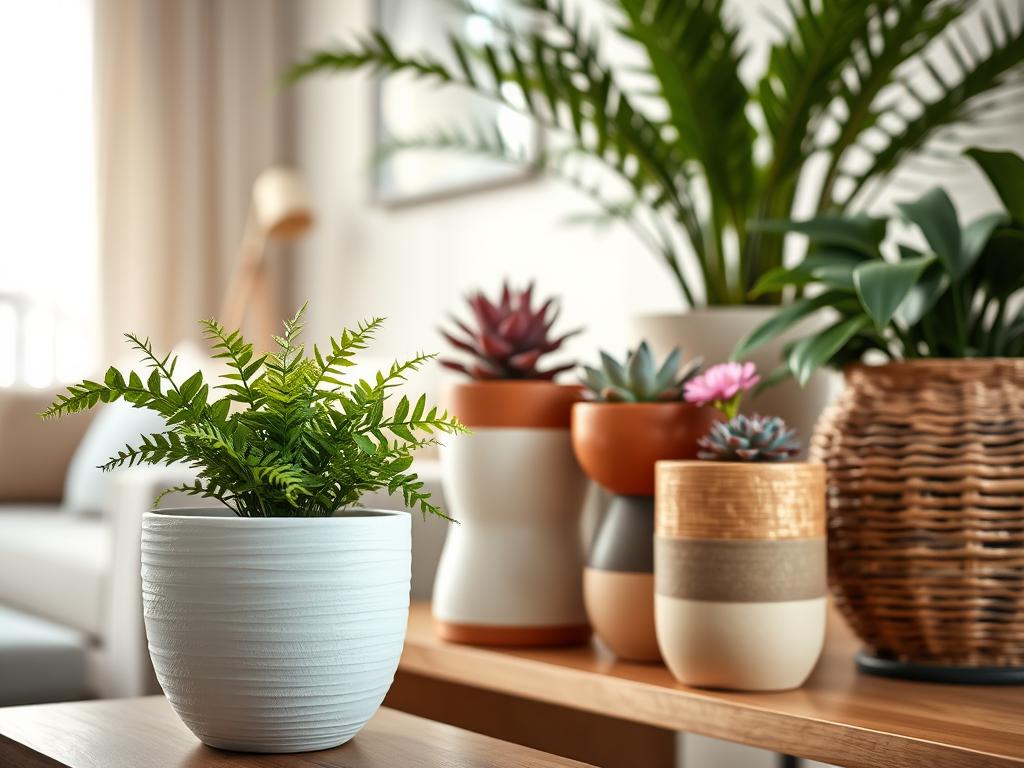
Selecting colors, shapes, and textures that complement interiors
Neutral tones like white, gray, and terracotta are great for minimalist and Scandinavian schemes. For a bold statement, choose patterned ceramics or bright colors. These work well in eclectic or maximalist rooms.
Rounded forms soften sharp furniture lines. Ribbed ceramics or matte finishes add contrast. Metallic glazes or brass add glamour in mid-century or Hollywood Regency rooms.
Balancing pot size and plant scale for visual appeal
Match the pot’s visual weight to the plant’s size. Large, leafy plants look good in wide, heavy pots like glazed ceramic or concrete. Small plants look better in groups in small pots on a tray or shelf.
Use stands to vary height and create layers. Group odd numbers of pots for a natural, balanced display. This draws the eye without feeling staged.
Mixing materials and styles for a cohesive display
Layer terracotta, glazed ceramics, and woven baskets for rich texture. Keep a consistent color palette or finish. This unites different planter styles for interiors, making the display feel curated.
Match pot choice to plant needs. For moisture-loving ferns, pair a liner or inner pot with decorative ceramics. This protects roots while keeping the look you want. Use saucers and stands to protect surfaces and reinforce matching pots to decor without sacrificing plant health.
Use these plant styling tips to build displays that enhance your rooms and support healthy growth. Thoughtful coordination of pots for home decor improves visual flow. It gives your plants the setting they deserve.
Best pots for indoor plants
Choosing the right pot is key for your plants’ health and your care routine. Here’s a quick guide to help you pick the best pot for your plants and schedule.
Top choices for low-maintenance houseplants
For easy plants like snake plant, pothos, and ZZ plant, pick plastic or glazed ceramic pots. They have holes for drainage. This keeps the soil moist but lets water drain off. IKEA and Home Depot have light options perfect for small spaces.
Busy people should try self-watering planters from Lechuza or Bloem. They keep the soil moist, reducing the need to water too often.
Recommended pots for tropical and high-humidity species
Tropical plants like calathea, philodendron, and ferns need pots that hold humidity. Choose glazed ceramic or terracotta pots. Make sure they have holes for drainage. Use a humidity tray if the air is too dry.
Decorative cachepots are okay, but use a nursery pot inside with holes. This keeps the plant healthy while looking good.
Containers suited for succulents and cacti
Succulents and cacti do well in unglazed terracotta or shallow pots. These pots help the soil dry quickly. Use a mix that drains well and avoid saucers that hold water.
For succulents, choose pots that match the plant’s spread, not just its height. Shallow ceramic dishes work if they have holes or if you use a drained inner pot.
Plant-specific considerations: orchids, ferns, and palms
Orchids, like Phalaenopsis, need pots with holes for airflow and light. Use bark-based media and strong drainage for the best orchid pots.
Ferns like moist, glazed pots and humid places. Avoid terracotta unless you water often.
Palms need big, heavy pots like concrete or ceramic. They help the tall plants stand upright. Make sure to drain well and prune roots when needed.
| Plant Type | Recommended Pot | Why it works |
|---|---|---|
| Low-maintenance houseplants | Plastic or glazed ceramic with holes | Retains needed moisture, drains excess, lightweight |
| Tropical species | Glazed ceramic or sealed terracotta | Maintains humidity, pairs well with humidity trays |
| Succulents & cacti | Unglazed terracotta; shallow wide pots | Wicks moisture, promotes fast drying and airflow |
| Orchids | Slotted plastic or clear pots | Airflow to roots, light penetration, works with bark media |
| Palms | Ceramic or concrete | Heavy base for stability, supports broad root systems |
Practical tips for potting and repotting your indoor plants
Follow this repotting guide to help your plants adjust smoothly. Repot in spring or when they’re growing actively. Don’t move a plant while it’s in bloom unless it’s necessary.
Water your plant a day before repotting to make it easier on the roots.
Step-by-step repotting guide to minimize stress
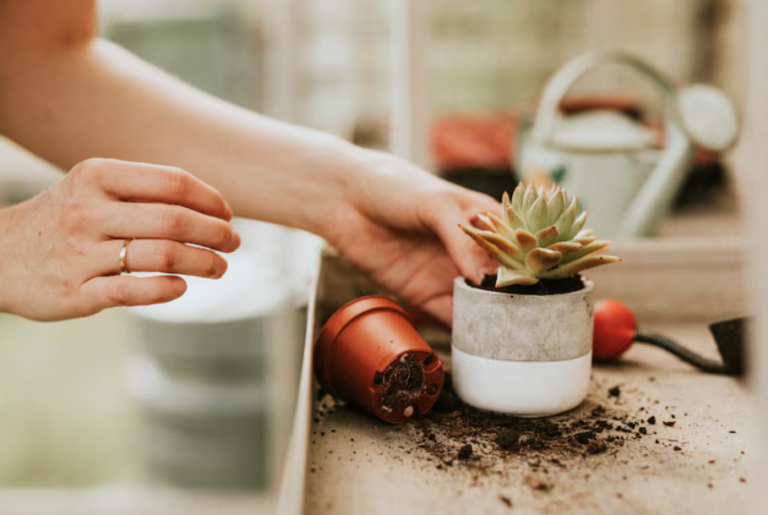
Start by carefully taking the plant out of its pot. Then, gently loosen the roots with your fingers. Use clean scissors to trim any damaged or dark roots.
Put a layer of fresh potting mix in the new pot. Place the plant so the crown is at the same level. Fill around the roots and press gently to remove air pockets.
Water well until the excess water drains. Keep the plant out of direct sun for a week. Wait four to six weeks before feeding heavily to let the roots settle.
Choosing potting mix and amendments for different plants
Choose a potting mix that fits your plant’s needs. For most houseplants, a mix with peat or coir and perlite works well. Miracle-Gro Indoor Potting Mix or Espoma Organic are good options.
Succulents and cacti need a mix that drains quickly. Look for mixes with sand, pumice, or extra perlite. Brands like Bonsor or Espoma Cactus Mix are good choices.
Orchids and bromeliads prefer a chunky bark or sphagnum mix. This helps their roots breathe.
Only add amendments as needed. Pumice, perlite, or orchid bark can improve drainage. Use a slow-release fertilizer sparingly to avoid harming the roots.
When and how to divide roots and refresh soil
Watch for signs that your plant needs division. Look for crowded crowns, reduced vigor, or roots growing out of the pot. Plants like snake plant and peace lily do well with division.
Use sharp tools to separate the roots. Pot each division in a new pot with fresh mix.
If a plant doesn’t need a full repot, refresh the top 1–2 inches of soil each year. Gently fork the soil surface to prevent compaction. Plan a full soil refresh every one to three years, depending on the plant and pot size.
| Task | When to do it | Key steps | Why it helps |
|---|---|---|---|
| Full repot | Spring or active growth | Water, remove plant, trim roots, new potting mix for houseplants, water in | Gives roots fresh nutrients and space for growth |
| Divide roots | When overcrowded or slow growth | Clean tools, separate crowns, pot divisions individually | Reduces competition and revitalizes growth |
| Topsoil refresh | Annually | Remove 1–2 inches of old soil, add fresh mix, gently water | Improves aeration and nutrient availability |
| Adjust mix for species | At repot or refresh | Use gritty mix for succulents, chunky bark for orchids | Matches drainage and air needs to plant type |
Watering and maintenance based on pot choice
Choosing the right pot changes how you water and care for plants. Porous terracotta dries faster, while glazed ceramic and plastic hold moisture. Metal or concrete can shift root temperatures. Match your routine to the material and the plant’s needs to keep roots healthy.
Adjusting routines for porous versus non-porous pots
Porous pots like terracotta wick moisture away. You will likely increase watering frequency for tropical houseplants in these pots. For succulents, this breathability helps prevent rot.
Non-porous containers such as glazed ceramic and many plastic pots retain water longer. Water less often and watch for soggy soil. Self-watering planters reduce how often you pour, but you must check reservoirs regularly to avoid stagnation.
Monitoring moisture and using simple tools
Check soil at root depth rather than the surface. Use a moisture meter for plants to get reliable readings, or use an inexpensive probe sensor. The finger test works: press 1–2 inches into the soil to judge dampness.
Track watering by pot material and location. Pots near heat vents or sunny windows dry faster. Keep a log of quirks for each plant so you can tweak schedules and prevent stress.
Seasonal plant care influenced by pot materials
In winter, plants in metal or thin pots near windows can suffer cold roots. Move those containers inward or add insulation. Cut back water in colder months to match slower growth.
During summer, terracotta dries quickly under direct sun. Increase watering and raise humidity for tropical species. Small pots warm and dry faster, so check them more often on hot days.
Indoor heating and air conditioning speed moisture loss. Pots that hold water can buffer rapid drying but raise the risk of mold or overwatering. Check with a moisture meter for plants when conditions change between seasons.
Sustainability and cost considerations when choosing pots
You want pots that protect your plants and your wallet. Start by weighing materials, lifespan, and environmental impact. Small choices add up when you cultivate many houseplants or redesign a room.
Eco-friendly materials often include recycled plastic, reclaimed wood, and biodegradable coconut-coir or peat alternatives. These options lower waste and reduce the need for frequent replacement. Look for lead-free glazes on ceramic pieces to keep soil and water safe for plants and people.
Upcycling brings personality and savings. Turn a thrifted ceramic bowl, a tin can, or a wooden crate into a container with proper drainage. Use inner nursery pots to keep roots healthy if drilling holes isn’t possible. Local pottery studios and craft fairs are good sources for one-of-a-kind pieces and inspiration for upcycled planters.
Higher upfront cost can mean lower lifetime cost. Quality ceramic, concrete, or designer pots last for years, resist UV damage, and provide stability for tall plants. Terracotta and glazed ceramics age well and often retain value if sold or repurposed.
Cheap plastic pots serve a purpose for fast-growing seedlings or seasonal displays. They are lightweight and easy to move, but may crack or fade, creating replacement costs over time. Factor in how often you repot, the size your plant will reach, and any liners or saucers you’ll need.
Use a simple comparison to estimate total cost of ownership. Count initial price, expected lifespan in years, and any extras like drainage upgrades. That gives you a practical view of long-term value versus short-term savings.
Where to buy quality pots in the United States depends on your goals. National chains such as Home Depot and Lowe’s offer wide choices at many price points. IKEA and Target provide budget-friendly styles for quick refreshes. Specialty sellers like The Sill, Bloomscape, and Terrain focus on curated, durable designs and clear material info.
Online marketplaces such as Amazon, Wayfair, and Overstock give convenience and range. Read reviews for drainage performance and build quality before you order. For local, handmade, or reclaimed options, visit independent nurseries, garden centers, and farmers’ markets to support artisans and reduce shipping impact.
| Option | Typical Cost | Durability | Sustainability | Best Use |
|---|---|---|---|---|
| Recycled plastic pots | Low to mid | Moderate, UV-treated lasts longer | High if made from post-consumer material | Seedlings, temporary containers |
| Terracotta | Low to mid | High, but can chip | Moderate, natural clay | Succulents, houseplants that prefer drier soil |
| Glazed ceramic | Mid to high | Very high | Moderate, check glazes | Long-term indoor displays |
| Concrete and stone | High | Very high | Low to moderate, heavy footprint | Large palms and heavy pots for stability |
| Reclaimed wood or artisan pots | Mid to high | High with proper treatment | High when reclaimed locally | Decorative planters, upcycled planters |
If you need affordable pots USA, prioritize items that match your plant’s water needs and room layout. That reduces waste and replacement costs. For sustainable plant pots, choose sellers who publish material and manufacturing details so you know what you’re buying.
When you shop for where to buy indoor planters, mix sources. Use big-box stores for basics, specialty shops for quality, and local makers for character and sustainability. This approach helps you build a collection that looks good, lasts longer, and fits your budget.
Conclusion
Choosing the right pots for indoor plants is all about balance. You need to think about your plants’ health and your home’s look. Also, consider how much care you’re willing to give.
Start with drainage, material, and size. Terracotta pots are great for plants that like it dry. Glazed or plastic pots are better for plants that need more moisture. The right size pot keeps the roots healthy without shocking the plant.
Here’s a quick guide to help you decide: make sure the pot has holes for drainage or use a liner. Pick a pot material that fits your plant’s moisture needs. Don’t change the pot size too much, and choose heavy pots for tall plants.
Think about how the pot looks, if it’s good for the planet, and your budget. Spending a bit more on quality can save you time and stress later.
Try out a new pot with one plant first. Check the soil moisture with a meter or your finger. Buy from trusted sellers in the United States for easy returns and quality craftsmanship.
This summary should help you pick the best pots for your plants and your home. It’s all about finding a balance between health and style.