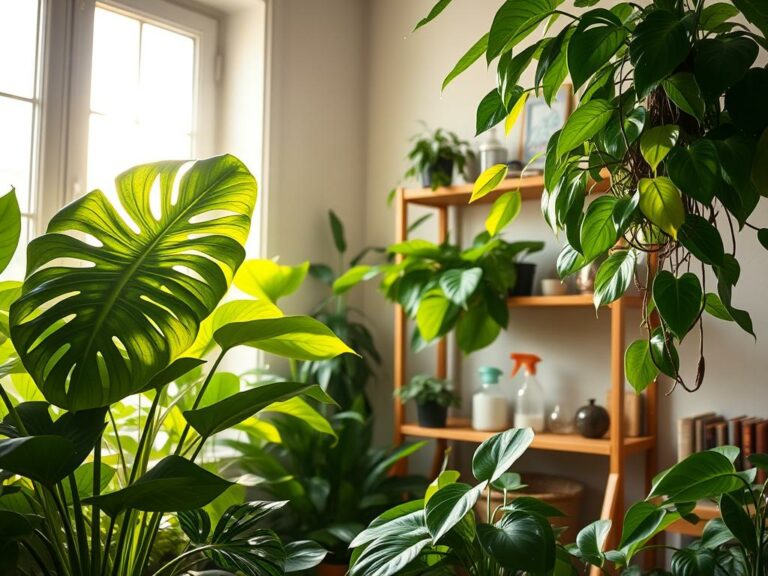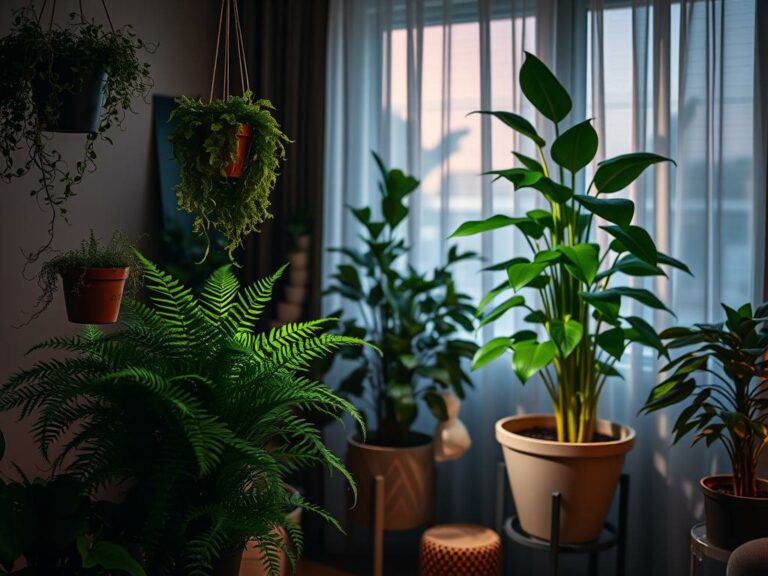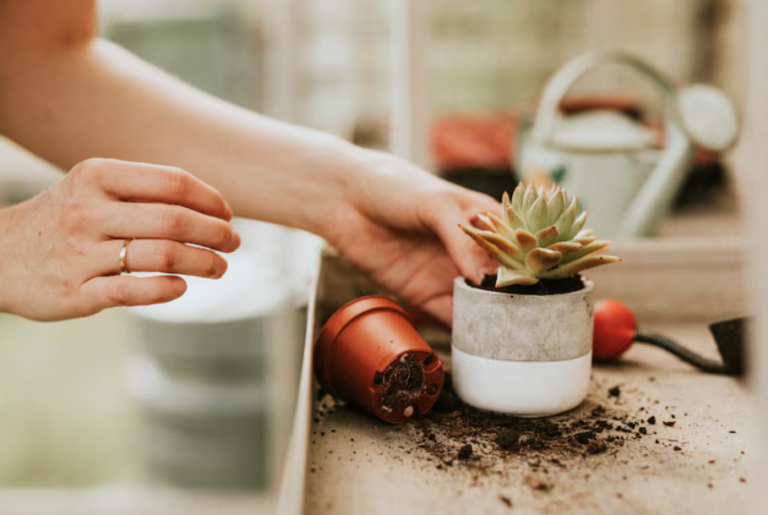

More than 60% of Americans who try houseplants give them up within a year. This is often due to overwatering or unrealistic care routines.
If you want greenery without the hassle, this guide is for you. You’ll learn how to pick the best indoor plants for busy U.S. lifestyles and small spaces. These plants need little time or fuss to thrive.
You’re looking for reliable, easy-care houseplants that enhance your home’s look and air quality. In this article, you’ll find low effort plants, watering and feeding tips, and more. We’ll cover light-specific picks, pest prevention, potting advice, and simple styling ideas.
This content is for indoor plants for busy people. Whether you’re a busy professional, a new plant parent, or anyone in the United States, you’re in the right place. Expect friendly, second-person guidance and clear steps you can use today.
Why choose low maintenance indoor plants for your home
Adding low maintenance indoor plants to your home is easy and rewarding. They require less watering and care. This is great for those with busy lives, work, travel, or a large family.
Benefits for busy lifestyles
These plants are perfect for your schedule because they handle irregular care well. They thrive in average indoor conditions without strict care routines. This is ideal for travelers and those with non-traditional work hours.
Having plants in your home can also reduce stress and improve your mood. Studies show that greenery helps with focus and productivity. Choosing plants for busy people offers both practical and mental health benefits with little effort.
Improving air quality with minimal effort
Many low-care plants, like snake plant, pothos, and spider plant, purify the air. They remove pollutants like formaldehyde and benzene. They also add moisture to dry rooms.
Remember, houseplants improve air quality perception and remove some pollutants. But they can’t replace good ventilation or air filters in poorly ventilated areas. Combining plants with simple ventilation habits works best.
Design impact without constant upkeep
Easy-care decor plants add style with minimal upkeep. Use plants like snake plant for vertical accents. Pothos adds trailing texture, and succulents create sculptural interest.
Mix different heights, textures, and colors to create eye-catching areas. Plants that grow slowly and have steady shapes need less pruning. This keeps your home looking great without extra work.
Top low maintenance indoor plants you can’t go wrong with
Here’s a list of reliable houseplants perfect for busy lives and new plant owners. You can find these plants at Home Depot, Lowe’s, and local nurseries. They’re great for adding beauty to your home or office without much work.
Snake Plant (Sansevieria): care simplicity and light tolerance
The snake plant is easy to care for. Water it sparingly and let the soil dry out between waterings. It can handle low light but looks best in bright, indirect light.
Use a potting mix that drains well and a pot with holes to avoid root rot. This plant grows slowly and rarely gets pests, making it perfect for busy homes.
ZZ Plant (Zamioculcas zamiifolia): drought resistance and placement options
ZZ plant care is easy because it stores water in its rhizomes. It can survive for weeks without water. Place it in low to bright indirect light, like offices and north-facing rooms.
Water it lightly to prevent soggy soil. Its glossy leaves add a touch of elegance with minimal effort, making it a popular choice.
Pothos (Epipremnum aureum): fast-growing and forgiving
Pothos care is simple and adaptable. This fast-growing vine can handle different light levels and some neglect. Use it on shelves, in hanging baskets, or train it up a moss pole for a vertical look.
Choose varieties like Golden, Marble Queen, and Neon for color. Keep it away from pets since it’s toxic if chewed.
Spider Plant (Chlorophytum comosum): propagation and low fuss care
Spider plant care is perfect for sharing. It produces pups that are easy to root and give away. It prefers bright, indirect light but can also handle lower light.
Water when the top soil feels dry. The variegated forms add beauty and help control indoor humidity, benefiting nearby plants and people.
Low maintenance indoor plants for low light areas
If your home has dim corners or cool, indirect light, you can still create a lush, low-effort plant display. Below are easy options and practical tips to help you choose the best low light houseplants and place them where they will thrive.
Best species that tolerate shade or indirect light
- ZZ plant (Zamioculcas zamiifolia) — tough, drought-tolerant and great for beginners.
- Snake plant (Sansevieria, now Dracaena trifasciata) — nearly indestructible and excellent for low light houseplants.
- Cast iron plant (Aspidistra elatior) — slow-growing and ideal for neglected corners.
- Pothos (Epipremnum aureum) — fast-growing vine that forgives irregular care.
- Philodendron (heartleaf types) — adaptable but note toxicity to pets.
- Peace lily (Spathiphyllum) — will bloom in medium light; keep away from pets and children due to toxicity.
How to assess the light level in your rooms
Observe where direct sun falls during morning and afternoon. Track patterns for a day or two to get a clear picture.
Use the shadow test: a sharp shadow = bright light, a soft shadow = medium light, no shadow = low light. Smartphone light-meter apps or a handheld light meter give more precise readings if you want them.
Remember that indirect light from east- or west-facing windows often suits many shade tolerant indoor plants. Adjust expectations if a window is blocked by a building or deep eaves.
Placement tips for north-facing rooms and bathrooms
North-facing rooms deliver cool, indirect illumination. Place snake plants, ZZ plants, or cast iron plants there for dependable performance. These are prime plants for north-facing rooms since they handle lower luminance well.
Bathrooms can be humid havens for plants. If your bathroom gets some indirect light, choose bathroom plants like spider plants or small ferns to take advantage of moisture. Avoid putting plants in fully windowless baths unless you select species that tolerate very low light.
Rotate pots every few weeks so all sides get light and growth stays balanced. Match pot size and soil to the plant’s root needs to reduce water stress and keep care minimal.
| Plant | Light Preference | Pet Safety | Why it fits low light areas |
|---|---|---|---|
| ZZ plant | Low to medium | Toxic if ingested | Stores water in rhizomes, survives sparse light and missed waterings |
| Snake plant | Low to bright indirect | Mildly toxic | Rigid leaves tolerate neglect and low light houseplants conditions |
| Cast iron plant | Low | Non-toxic | Slow growth and robust leaves resist damage in shady spots |
| Pothos | Low to bright indirect | Toxic to pets | Fast-growing vine that thrives on low light and irregular watering |
| Philodendron (heartleaf) | Low to medium | Toxic | Adaptable foliage plant suited to shade tolerant indoor plants lists |
| Peace lily | Low to medium (blooms in medium) | Toxic | Air-purifying and tolerant of low light while signaling thirst with drooping leaves |
Low maintenance indoor plants for bright, sunny spots
Bright windows are a gift for plant lovers. If you have sunlit sills or a south-facing room, choose species that reward strong light with bold shape and color. These picks need little fuss when you match light with the right soil and watering rhythm.
Succulents and cacti that thrive in light
For easy wins try echeveria, haworthia, jade plant (Crassula ovata), and small columnar cacti. These sun-loving houseplants prefer bright direct or strong indirect light and well-draining mixes.
Follow succulents indoor care basics: water deeply but infrequently, let the soil dry between waterings, and ease back in winter when growth slows.
Aloe vera and its easy-care benefits
Aloe vera is a hardy option for kitchen windows and sunny shelves. The thick leaves store water and provide a soothing gel for minor burns.
Practice simple aloe vera care: bright light, sparse watering, and a fast-draining cactus or succulent mix. Repot every few years when roots crowd the pot. Keep aloe out of reach of curious pets because it is mildly toxic.
Sun-loving foliage plants and watering adjustments
Plants such as Ficus elastica (rubber plant), bird of paradise, and croton thrive in bright locations and deliver dramatic foliage. They dry faster than shade plants, so check the top 1–2 inches of soil more often.
When you water, soak the potting mix thoroughly and let excess drain into a tray. Empty standing water from trays to prevent root rot. These small adjustments keep sun-loving houseplants healthy without extra effort.
Watering and feeding routines for low maintenance indoor plants
Getting your watering and feeding right keeps plants healthy without added work. Learn simple checks and small habits. These help you know how to water houseplants and avoid overwatering. They also support steady growth with an indoor plant fertilizing schedule. A few easy tools make a big difference.
How to avoid overwatering common to beginners
Watch for yellow leaves, soft stems, a sour soil smell, or slow growth. These signs mean too much water or poor drainage. Use the finger test by pushing one to two inches into the soil; if it feels dry, water.
Choose well-draining mixes and pots with drainage holes to avoid overwatering plants. Adjust frequency by species and conditions. Snake plant and ZZ thrive on neglect and often need water every 2–6 weeks.
Pothos and spider plant prefer more regular moisture, often every 1–2 weeks. Let the top layer dry before the next watering.
Simple fertilizing schedule for steady growth
Feed during the active growing months with a diluted, balanced fertilizer. Use 10-10-10 or a houseplant formula. Apply every 4–6 weeks in spring and summer for steady growth.
Pause feeding in fall and winter when plants slow down. Succulents and cacti need less fertilizer. Use a low-nitrogen cactus mix once or twice during the growing season.
Using self-watering pots and moisture meters
Self-watering planter benefits include steady moisture and less guesswork for busy schedules. Pick a model with a reservoir and an overflow system to reduce the risk of waterlogging. These pots work well for pothos, spider plants, and other common houseplants.
Moisture meters offer quick, relative readings. Use probes as a guide, not a rule. Combine readings with visual cues and the finger test, and check roots when repotting to learn your plants’ needs.
Follow these routines and you will cut down on stress and wasted water. Small adjustments, clear habits, and the right tools help you avoid overwatering plants. They keep growth steady with a sensible indoor plant fertilizing schedule and well-chosen self-watering planter benefits.
Pest management and disease prevention with minimal effort
Keeping plants healthy is easy with simple habits. Spotting problems early saves time and effort. Use routine checks, light cleaning, and small actions to stop pests and diseases.
Common pests and low-tox control methods
Look out for spider mites, mealybugs, scale, aphids, and fungus gnats. For small infestations, remove pests by hand with a cloth or soft brush. Rubbing alcohol swabs are good for scale and treat mealybugs well when used carefully.
Use insecticidal soaps or neem oil sprays on affected leaves. These are safe for people and pets when used right. For fungus gnats, let the soil dry more between waterings, place sticky traps, or add a sterile top layer of sand to break the life cycle.
Signs of disease and quick response steps
Leaf spots, persistent wilting, powdery mildew, and yellowing leaves are warning signs. Act fast by isolating the plant and pruning infected foliage with sanitized tools.
If root rot is likely, remove the plant from its pot, trim soft roots, and repot in fresh, well-draining mix. Treat severe cases with an appropriate fungicide to control fungal disease indoor plants and restore plant vigor.
Sanitation and quarantine tips to protect your collection
Quarantine new plants for two to three weeks to check for pests and disease. This pause helps you quarantine new plants without risking established specimens. Wipe leaves occasionally to remove dust and spot early pest signs.
Disinfect tools, pots, and work surfaces with diluted bleach or isopropyl alcohol between uses. Maintain moderate humidity and steady airflow to discourage fungal disease indoor plants and keep insect problems at bay.
| Issue | Signs | Low-tox remedy | Quick prevention tip |
|---|---|---|---|
| Spider mites | Speckled leaves, fine webbing | Wipe leaves, insecticidal soap, increase humidity | Inspect undersides of leaves weekly |
| Mealybugs | White cottony clusters, sticky residue | Rubbing alcohol swabs, neem oil, manual removal to treat mealybugs | Isolate new arrivals and check axils |
| Scale | Brown or tan bumps on stems and leaves | Scrape gently, alcohol swabs, horticultural oil | Clean stems during routine care |
| Aphids | Deformed new growth, sticky honeydew | Spray with water, insecticidal soap, introduce predatory insects outdoors | Trim crowded growth to improve airflow |
| Fungus gnats | Tiny flies, larvae in soil, poor seedling growth | Let soil dry, sticky traps, sterile soil or sand layer | Avoid overwatering and use well-draining mix |
| Fungal diseases | Leaf spots, powdery mildew, root rot | Prune infected tissue, repot if root rot, targeted fungicide | Improve air circulation and avoid overhead watering |
Choosing pots, soil, and placement for low maintenance success
Smart choices in pots, soil, and placement make plant care easier. Look for options that need less water and protect against root rot. Also, make sure they match each plant’s light and humidity needs. Here are some tips to help you today.
Best pot types and drainage recommendations
Go for pots with drainage holes to prevent water buildup. Unglazed terracotta is great for plants that like dry roots. On the other hand, plastic pots hold moisture better, perfect for ferns or peace lilies.
Self-watering planters are great for those who forget to water. They have a reservoir for water. Make sure to check the water level and use saucers to protect surfaces.
Soil mixes that reduce watering frequency
Use a good, draining potting mix for most plants. Add perlite or orchid bark to improve root airflow. This helps plants dry out less often and prevents overwatering damage.
For succulents and cacti, choose a gritty mix or add coarse sand, pumice, or perlite to your potting soil. In very dry homes, consider adding water-absorbing crystals, but follow the instructions carefully.
How to select locations that match plant needs
Match each plant’s needs to the room’s conditions. South or east windows are best for plants that love the sun. Kitchens and bathrooms are great for tropical plants because they’re more humid.
Consider the room’s traffic, pet access, and safety. Keep toxic plants away from kids and pets. Group plants with similar needs to make care easier and reduce mistakes.
Decorating with low maintenance indoor plants in your home
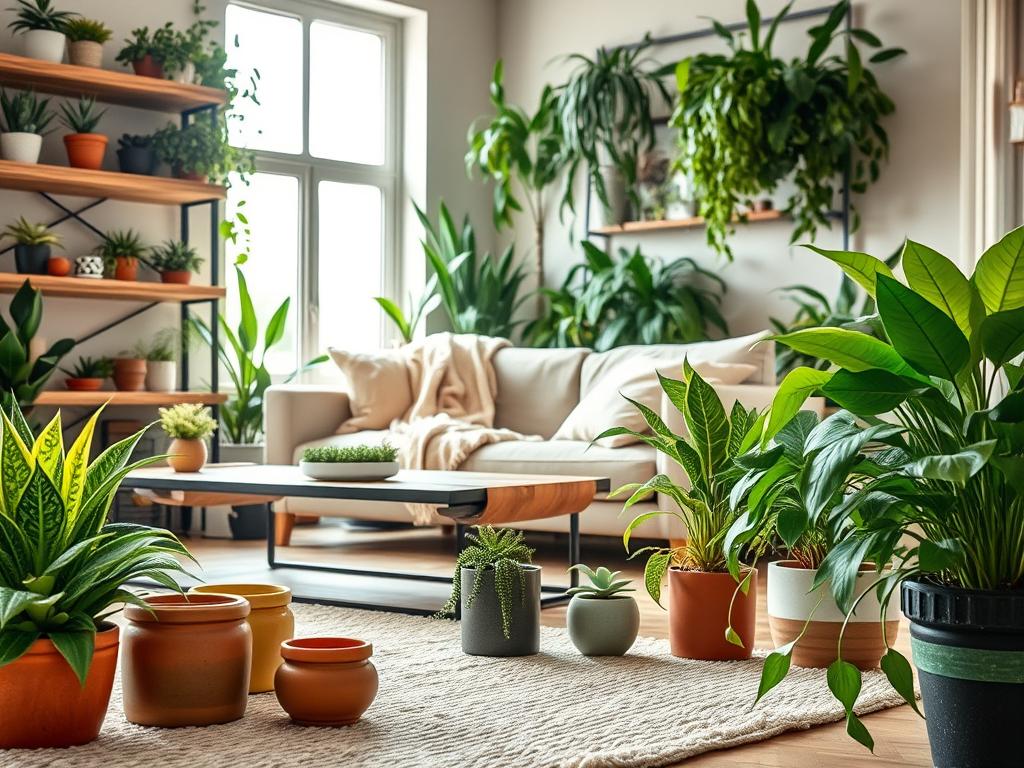
Bring greenery into your rooms without adding chores. Use thoughtful plant styling tips to create calm, lived-in spaces that require little upkeep. A few well-placed specimens can lift a room, clean the air, and stay fuss-free when you choose wisely.
Styling tips for living rooms, kitchens, and bedrooms
In the living room, pick larger structural plants like a rubber plant or a snake plant for vertical interest. Position them near seating areas so they frame conversations and draw the eye.
For kitchens, line sunny windowsills with small succulents, herbs, and an aloe vera. Use a hanging pothos to free counter space and add greenery without clutter.
In bedrooms, favor air-improving options such as spider plants or a snake plant placed on a night table or dresser. If you have pets or children, choose non-toxic varieties or put plants slightly out of reach.
Combining plants for visual interest with minimal care
Group plants that share water and light needs to simplify care. Mix trailing pothos, upright snake plants, and a bushy peace lily for contrast in form and texture.
Vary pot sizes and textures but keep a neutral color palette to maintain cohesion. That helps your styling feel curated without constant fuss.
Using stands, shelves, and hanging planters effectively
Use sturdy plant stands to elevate pots and guard floors from spills. Choose wide-based stands for heavier pots and narrow legs for small specimens.
Place low-light tolerant plants on lower shelves and sun-loving varieties higher, nearer windows. Rotate plants occasionally for even growth and balanced light exposure.
Try hanging planters for trailing plants like pothos or spider plants. Secure mounts well and use hanging planters ideas that let you swap pots easily for watering and pruning.
Lastly, add a focal point in each room with a standout plant and support it with smaller companions. A simple display reduces visual clutter and makes maintaining your collection effortless.
Conclusion
You can make your home greener with low maintenance indoor plants without changing your daily routine. Plants like the snake plant, ZZ plant, pothos, and spider plant add style and clean the air. They require very little care. This shows that making smart choices can lead to big benefits.
Choose plants that fit your light and watering needs. Use pots and soil that drain well. Also, keep new plants separate to avoid pests. Early action and simple tools, like moisture meters, can help a lot. Follow these tips to avoid common mistakes.
Begin with one or two easy-to-care-for plants that fit your space and schedule. As you get more confident, you can add more. Taking care of plants becomes simpler with time, patience, and regular checks. Your home can become greener and healthier with these plants, and it’s easy to do.