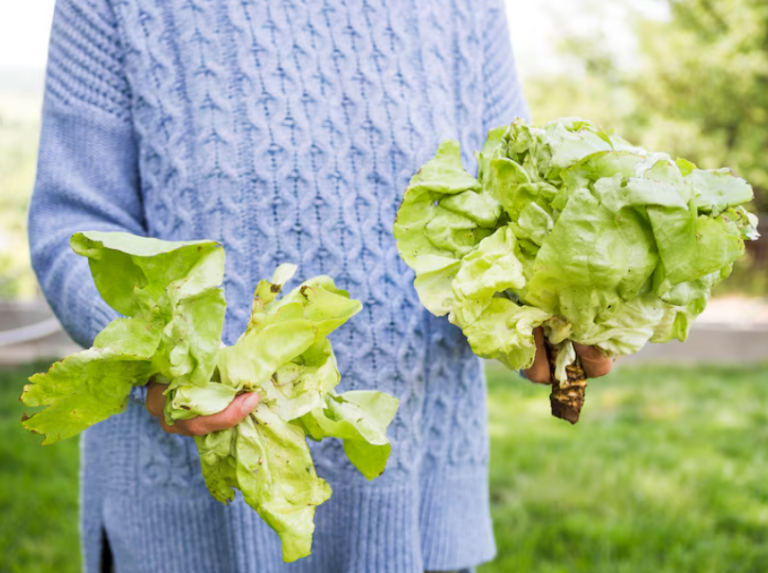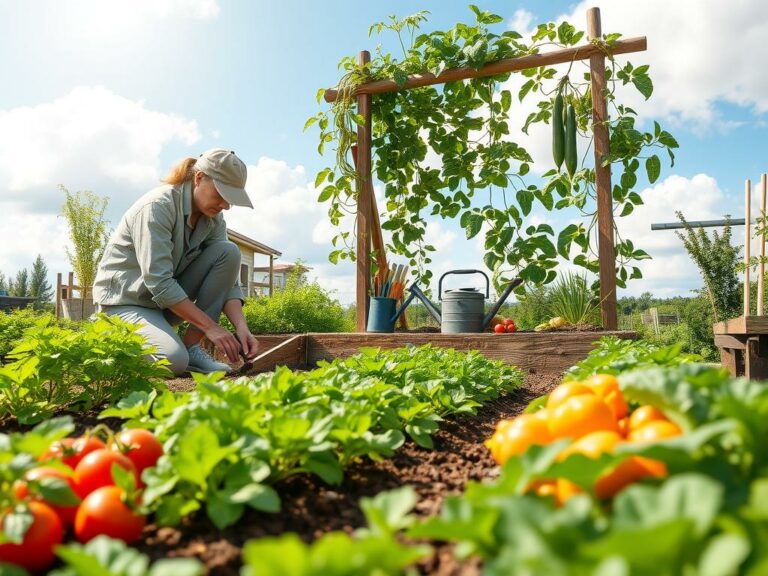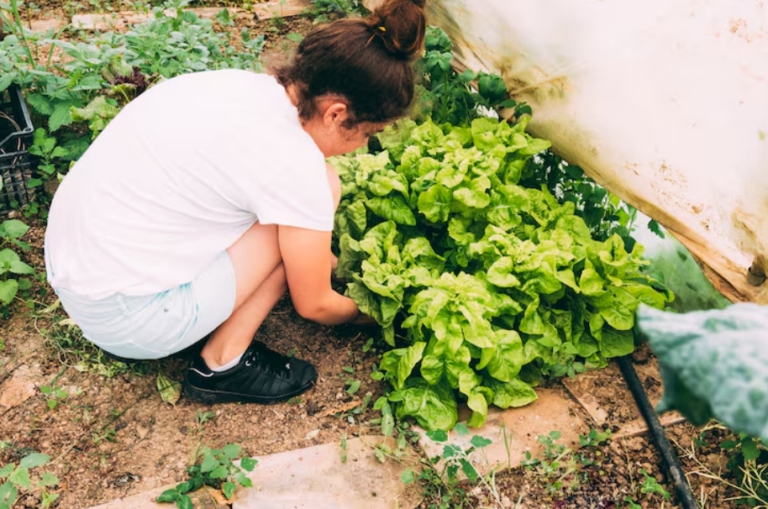

Nearly 70% of home gardeners prefer organic solutions over synthetic ones for their vegetable beds. This shift changes how your soil feeds plants and how your harvest tastes.
This guide focuses on the best fertilizer for vegetable garden success. We’ll explore organic garden fertilizers and natural fertilizers for vegetables. You’ll see how organic fertilizers differ from synthetic ones.
Organic fertilizers release nutrients slowly, support soil life, and reduce chemical residues on produce. Many gardeners in the United States choose organic products. They want to keep children and pets safe, protect local waterways, and build fertility season after season.
When you match fertilizer form and timing to each crop, you’ll get better yields and deeper flavor. You’ll also have stronger soil structure. Use this article to pick the right balance of compost, targeted amendments, and low-salt feeds.
Read on for practical tips on choosing and applying organic garden fertilizers. These tips will make your tomatoes, greens, and root crops thrive.
Why Choose Organic Fertilizers for Your Vegetable Garden
You want healthy veggies without chemicals. Organic fertilizers make your food safer for kids, pets, and everyone. They’re better for you because they have fewer synthetic additives and are easier to apply.
Health and safety benefits for you and your family
Organic fertilizers like compost and fish emulsion are safe. They follow USDA Organic rules. This means less chance of harmful pesticide residues on your food.
Soil health and long-term fertility improvements
Organic fertilizers feed the soil’s life, like microbes and worms. This makes the soil better at holding water and nutrients. Over time, your soil will be healthier and more fertile.
Environmental advantages and reduced runoff
Organic fertilizers release nutrients slowly, reducing water pollution. This helps keep local waters clean. By recycling waste, you also reduce landfill waste and greenhouse gases.
Understanding Nutrient Needs of Vegetable Plants
Knowing what your vegetable plants need is key to growing healthy crops. It helps you use fertilizers wisely. Understanding macronutrients, micronutrients, and how soil tests guide you makes gardening easier and less wasteful.
Macronutrients: nitrogen, phosphorus, potassium and what they do
Nitrogen helps plants grow leaves and stay green. It’s important for lettuce, spinach, and brassicas in the early stages. But too much nitrogen can hurt tomatoes and peppers when they’re producing fruit.
Phosphorus is crucial for roots, flowers, and fruit. Use it when transplanting or for young plants to develop strong roots. Bone meal and rock phosphate are good organic choices.
Potassium boosts plant strength, fights diseases, and improves water use and fruit quality. Organic sources like kelp and sulfate of potash are great for potassium without synthetic salts. Knowing how N-P-K affects vegetables helps you feed them right at each stage.
Micronutrients and trace elements common in vegetable gardens
Micronutrients like iron, manganese, zinc, and others are needed in small amounts. They help with enzymes and structure in plants.
Without enough, plants may turn yellow, grow slowly, or have distorted leaves. Compost, rock minerals, and kelp can provide several micronutrients at once.
How soil tests guide your fertilizer choices
A soil test tells you about pH, phosphorus, potassium, and organic matter levels. This information helps you avoid over-fertilizing and focus on where it’s needed most.
If phosphorus or potassium levels are low, you can use bone meal, rock phosphate, or kelp. If pH is off, lime or sulfur can help nutrients work better before adding more amendments.
Most Cooperative Extension offices offer fertilizer recommendations based on your crops and area. Following these local tips helps refine your feeding plans and keeps your soil healthy for the long term.
Types of Organic Fertilizers and How They Work
Choosing the right organic fertilizer is key to meeting your plants’ needs. Each type feeds the soil and plants in unique ways. This guide helps you pick the best option for your garden size, timeline, and crops.
Compost and composted manures
Compost for vegetables adds organic matter, holds moisture, and feeds microbes. This slow release of nutrients is beneficial. You can add 1–3 inches to beds once a year or topdress around plants for ongoing benefits.
Composted manures from animals like cows, horses, or chickens offer more nitrogen and minerals than compost. Make sure they are well-aged to avoid burning young roots and to reduce pathogen risk.
Bone meal, blood meal, and fish emulsion
Bone meal supplies phosphorus and calcium. It’s slow-release and works best mixed into planting holes. This encourages roots and blooms. Use it at planting for bulbs and fruiting crops.
Blood meal is a quick nitrogen boost for leafy greens. Apply it sparingly to avoid attracting wildlife or causing excessive foliage at the expense of fruit.
Fish emulsion is a liquid feed with moderate nitrogen and soluble micronutrients. Apply it as a soil drench or foliar spray for fast uptake. It’s a favorite among organic gardeners and brands like Neptune’s Harvest.
Rock powders, kelp, and mineral amendments
Rock dust and mineral amendments like rock phosphate, basalt dust, and azomite supply slow-release phosphorus, potassium, and trace elements. They build long-term fertility instead of fixing immediate deficiencies.
Kelp fertilizer and seaweed extracts add potassium, trace minerals, and natural growth stimulants like cytokinins. Use kelp as a foliar spray or soil drench to improve stress tolerance and root development.
| Product Type | Primary Benefit | Speed of Action | Best Use |
|---|---|---|---|
| Compost for vegetables | Improves structure, moisture, and microbial life | Slow | Annual incorporation; topdressing beds |
| Composted manures (cow, chicken, horse) | Higher nitrogen and minerals | Moderate to slow | Pre-plant soil building, avoid fresh manure near seedlings |
| Bone meal | Phosphorus and calcium for roots and blooms | Slow | Mix into planting holes for bulbs and fruiting plants |
| Blood meal | Fast nitrogen for leafy growth | Fast | Quick side-dress for leafy greens; use sparingly |
| Fish emulsion | Quick-acting N and micronutrients | Fast | Foliar feed or soil drench during growing season |
| Rock dust (basalt, azomite, rock phosphate) | Trace minerals and slow P/K release | Very slow | Soil conditioning and long-term fertility |
| Kelp fertilizer | Potassium, trace elements, growth stimulants | Moderate | Foliar sprays and stress recovery treatments |
How to Choose the Best Fertilizer for Vegetable Garden
Choosing the right fertilizer starts with knowing what you want. Think about what each plant needs at different times. Use a mix of slow-release and quick-action fertilizers to meet those needs.
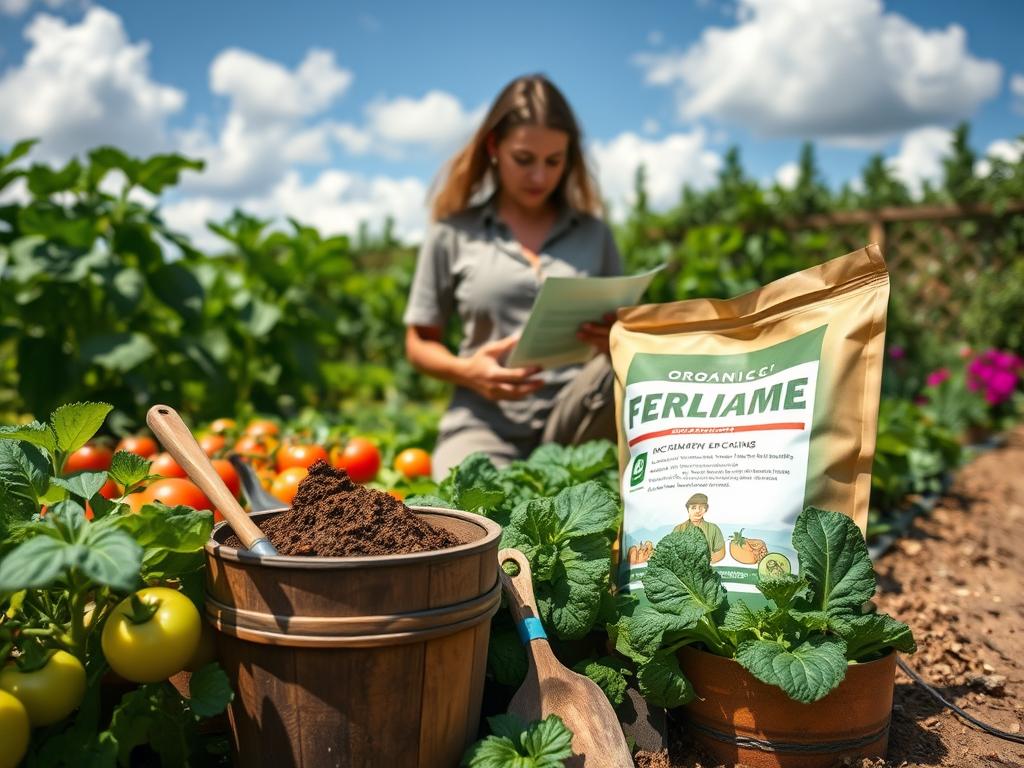
Matching fertilizer form to plant needs and growth stage
For leafy greens and new plants, choose high-nitrogen fertilizers like blood meal or fish emulsion. These boost early growth. When plants start to fruit, switch to phosphorus- and potassium-rich amendments like bone meal and kelp.
Liquids and emulsions are great for quick boosts. Granulars and compost provide steady nutrition over time. Start with slow-release fertilizers before the season and use quick-digesting ones during peak growth.
Interpreting N-P-K labels on organic products
Read the N-P-K labels on organic fertilizers to understand the nutrient balance. A balanced 5-5-5 organic granular or compost works well for most gardens. Always follow the recommended application rates to avoid overfertilizing.
Some organic fertilizers have total nutrient content, not just what’s immediately available. Soil biology and moisture control nutrient release. So, base your applications on soil tests and plant responses, not just label numbers.
Considerations for soil type, climate, and crop rotation
Sandy soils lose nutrients fast. Use compost and apply smaller amounts more often to keep nutrients steady. Clay soils hold nutrients well but need organic matter to improve drainage and structure.
In hot, dry climates, choose fertilizers that help retain water, like compost or biochar. In cool areas, use faster-release fertilizers to make nutrients available quickly. Rotate crops and plant legumes as cover crops to rebuild nitrogen and reduce pests.
Local extension services, like university cooperative extensions, offer specific advice. Match your fertilizer choice and timing to your USDA hardiness zone and seasonal pests for the best results.
Top Organic Fertilizers for Specific Vegetables and Uses
Match plant needs to the right organic feeds for the best garden results. Below are simple, practical choices for leafy greens, fruiting plants, and root crops. These options help with timing, frequency, and product selection.
Leafy greens need steady nitrogen.
For lettuce, kale, and spinach, use blood meal, feather meal, or composted poultry manure for a nitrogen boost. Neptune’s Harvest Fish Emulsion is great for repeat feedings during leaf growth.
Feed lightly every 2–4 weeks while leaves are forming. Use finished compost or diluted liquid feed to avoid burning tender roots. Espoma Organic Blood Meal and backyard compost are good for sustained vigor and deep green color.
Fruiting vegetables need balance then bloom support.
Start tomatoes and peppers with a balanced N-P-K formula. Then, switch to products that raise phosphorus and potassium for fruit set and ripening. Bone meal, rock phosphate, kelp, and greensand add these elements naturally.
Choose a purpose-made product like Espoma Tomato-Tone or Dr. Earth Tomato, Vegetable & Herb for steady results. Keep soil calcium steady to prevent blossom end rot by adding dolomitic lime before planting or gypsum if soil tests suggest it. Using the best fertilizer for tomatoes helps you maximize yield and flavor.
Root crops favor low salts and moderate fertility.
Carrots, beets, and radishes form clean roots under moderate fertility and low salt levels. Avoid fresh manures and heavy synthetic blends that can cause forking or stunted roots. Use compost-amended beds, kelp meal, rock phosphate, or azomite for trace minerals.
Choose low-salt fertilizer vegetables options when shopping for granular blends. These products reduce the risk of salt buildup and support straight, smooth roots. Compost and careful pre-plant soil amendments give the best formation and taste for root vegetables.
| Crop Group | Top Organic Choices | Timing & Notes |
|---|---|---|
| Leafy Greens | Blood meal, feather meal, composted poultry manure, Neptune’s Harvest Fish Emulsion, Espoma Organic Blood Meal | Light feed every 2–4 weeks; side-dress with compost; use liquid feeds during active growth |
| Fruiting Vegetables | Bone meal, rock phosphate, kelp, greensand, Espoma Tomato-Tone, Dr. Earth Tomato, Vegetable & Herb | Use balanced N-P-K early; boost P and K at fruit set; ensure calcium and steady moisture |
| Root Crops | Well-rotted compost, kelp meal, rock phosphate, azomite, low-salt organic blends | Prepare beds with compost; avoid fresh manure; select low-salt fertilizer vegetables to prevent forking |
Application Methods and Timing for Best Results
Getting the best yields from your patch depends on careful application and good fertilizer timing vegetables. Start with soil that has been improved ahead of planting. This gives seedlings a steady supply of nutrients and cuts the need for heavy feeding later.
Incorporating amendments at planting
Work compost and slow-release granular amendments into the top 6–8 inches of soil several weeks before you plant. This builds structure and supplies steady nutrients as roots expand.
For transplants, place a small amount of starter fertilizer or diluted fish emulsion in the planting hole or water it in after setting the plant. That step helps establish roots without overwhelming young plants.
Side-dressing and foliar feeding during the season
Use side-dressing vegetables by applying compost, aged manure, or granular organic fertilizer in a band beside the row at key growth stages: after thinning, when flowers appear, and during fruit set. This targets nutrients where roots can reach them quickly.
Foliar feeding vegetables with a diluted fish emulsion or kelp spray can correct mild deficiencies fast. Spray early morning or late afternoon to reduce leaf burn and improve uptake on cool, cloudy days.
Rates, frequency, and avoiding over-fertilization
Follow package directions for rates. A common plan is to add compost once a year and side-dress heavy feeders every 3–4 weeks during peak growth. That rhythm balances steady supply with plant demand.
Avoid excess nitrogen. Too much nitrogen reduces fruiting and invites pests and disease. Signs of over-fertilization include excessive lush growth, delayed flowering, salt buildup at the soil surface, and scorched leaf edges. When unsure, err on the side of under-feeding and reapply based on plant response and soil tests.
Learning how to apply fertilizer vegetable garden takes practice. Watch plant cues, note results, and adjust your schedule. Proper timing and gentle foliar feeding vegetables or targeted side-dressing vegetables will keep your beds productive and healthy.
DIY Organic Fertilizer Recipes and Homemade Options
You can make your vegetable garden better with simple, cheap homemade fertilizers. Use items from your kitchen and yard. Start with hot or cold composting, liquid feeds like worm tea, and safe kitchen waste practices.
How to make nutrient-rich compost at home
To make compost, mix greens (kitchen scraps, fresh grass) with browns (dry leaves, straw) in a 2:1 ratio. Keep it moist like a wrung-out sponge. Turn it every week or two to add oxygen.
Hot composting kills pathogens and weed seeds at 120–160°F. Cold composting takes longer but is still useful.
Spread finished compost one to three inches over beds or mix it into potting blends. University of California and Cornell offer safe methods to finish compost.
Simple homemade teas and emulsions
Worm tea is made by steeping worm castings in water for 24–48 hours. Strain and use it as a root drench or foliar spray for microbes and nutrients.
A compost tea recipe uses finished compost, molasses, and aeration for a day or two. Use it fresh to avoid anaerobic conditions.
Fish emulsion is a concentrated feed. Buy branded products for safety. Home ferments need careful handling to avoid odors and risks.
Using kitchen and yard waste safely as fertilizer
Use fruit and vegetable peels, coffee grounds, crushed eggshells, and grass clippings in compost. Avoid meat, dairy, oily foods, and pet waste in vegetable beds.
Eggshells add calcium; crush them before mixing. If worried about wildlife, sterilize shells in the oven.
Follow local extension advice on manure and compost use. Mature compost and processed manures are safe. Raw manures need waiting periods for produce safety.
Common Mistakes and Troubleshooting Fertilizer Problems
Healthy soil and regular feeding are key to growing strong vegetables. Spotting problems early can prevent crop failures. Be careful not to add too much fertilizer, as it can harm your garden.
Signs of nutrient deficiencies versus pests or disease
Nutrient deficiencies show up in specific ways. Nitrogen causes yellowing leaves and slow growth. Potassium leads to scorched leaves and weak stems. Phosphorus results in slow growth and dark leaves in cool soil.
Pests and diseases cause irregular damage like holes and spots. Nutrient problems are more uniform, affecting leaves in a consistent pattern. Before treating, check diagnostic images and guides from Penn State and Oregon State.
How to correct common imbalances and nutrient burn
Nutrient burn shows as brown tips and scorching leaves from too much fertilizer. For containers, flush with water. For raised beds, stop fertilizing and let plants recover. In garden beds, add compost to dilute salts.
To fix deficiencies, use small, targeted amounts of fertilizer. For blossom end rot, apply calcium. For iron chlorosis, use foliar iron chelates. Split applications are better than one big dose to avoid shock.
When to re-test soil and adjust your plan
Test soil every 2–3 years for home gardens or sooner if problems persist. Test after big changes like lime or mineral applications. If leaves show signs of nutrient deficiency or pH is off, test right away.
Change your fertilizer plan based on lab results. If phosphorus and potassium are fine, focus on organic matter. Local extension services can help with specific advice to avoid future problems.
| Problem | Key Signs | Immediate Action | Follow-up |
|---|---|---|---|
| Nitrogen deficiency | Yellowing older leaves, slow growth | Apply a light-sided dressing of compost or blood meal | Retest soil in 1–2 seasons; monitor new growth |
| Potassium deficiency | Scorched margins, weak stems | Add wood ash or kelp; use balanced organic fertilizer | Check soil K levels on next test; adjust rotation |
| Phosphorus deficiency | Dark or purplish leaves, slow growth in cool soil | Top-dress with bone meal or rock phosphate | Warm soil for better uptake; retest in 1–2 years |
| Iron chlorosis | Yellow leaves with green veins on young growth | Apply foliar iron chelate; lower soil pH if high | Re-test pH and micronutrients; amend as directed |
| Nutrient burn | Brown leaf tips, leaf scorching | Flush with water, stop fertilizing, add compost | Wait and monitor recovery; retest if persistent |
Conclusion
To find the best fertilizer for your vegetable garden, start with a soil test from your local Cooperative Extension. This test shows what your soil needs, saving you from guessing. Add finished compost each year to feed microbes and improve soil texture.
Use an organic fertilizer summary to guide your feeding. Quick liquid feeds like fish emulsion or kelp are good for fast fixes. Use granular or rock amendments for long-term balance. Choose the right form and timing for each crop.
Practical steps include getting a soil test, adding compost yearly, and using the right organic inputs. Watch how your plants respond and avoid over-fertilizing. For more tips, check out USDA and your county extension fact sheets. Try new things on a small bed before doing more.
By focusing on soil, testing, and choosing the right fertilizer, you’ll make your produce safer, your soil more fertile, and help the environment.