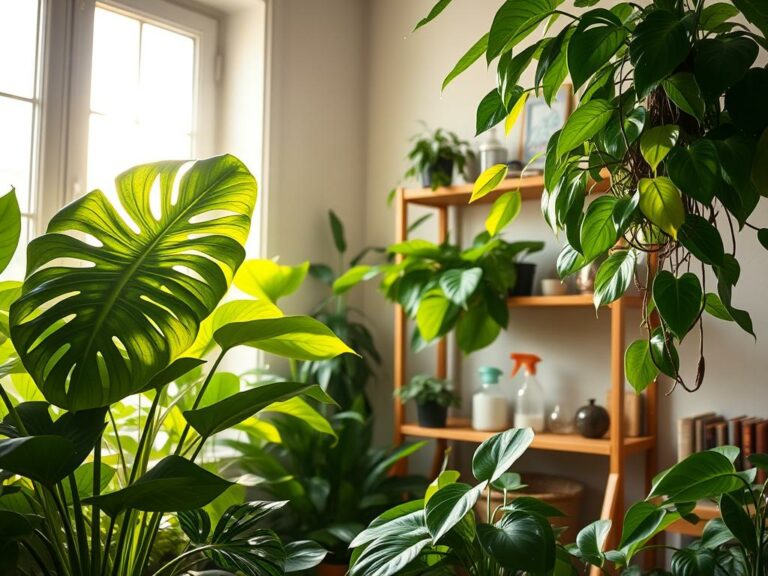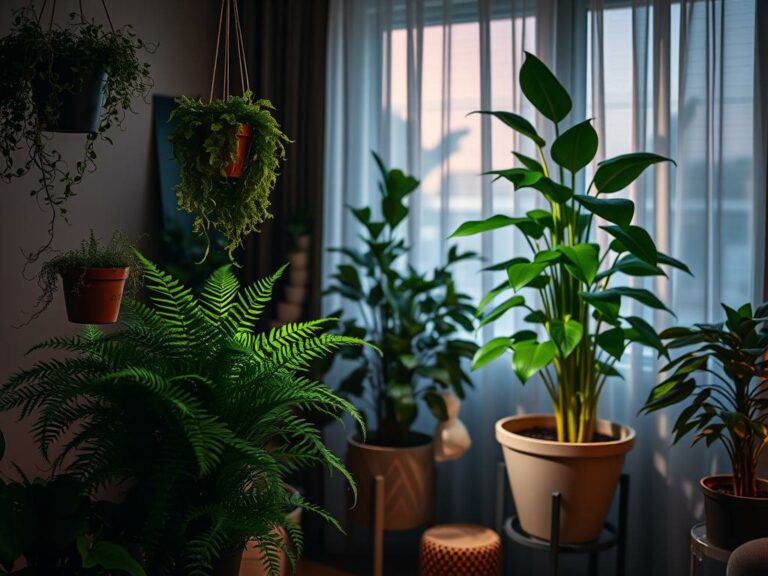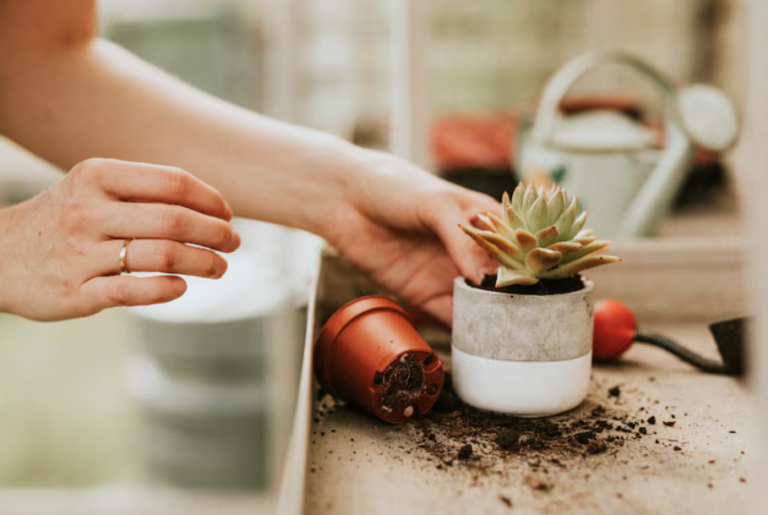

About 68 percent of American households keep indoor plants. Most people think their homes lack enough light for greenery to survive. The truth is far different.
Your apartment, office, bathroom, or hallway can become a thriving garden space. You don’t need direct sunlight streaming through your windows.
Many homeowners worry that dim corners are off-limits for indoor gardening. This concern stops them from bringing nature into spaces that need it most.
The reality is that low light indoor plants aren’t just surviving in shadowy conditions. These remarkable varieties are adapted to flourish in exactly those environments.
You don’t need a sunny penthouse to grow beautiful houseplants. Maybe you live in an urban apartment with small windows. Perhaps you work in an office with artificial lighting.
There are plant solutions waiting for you. These houseplants for dim spaces have evolved to capture minimal light efficiently. They make perfect companions for your indoor lifestyle.
This guide walks you through ten exceptional plant varieties that thrive in low light. You’ll discover how to identify which areas qualify as low-light zones. You’ll learn the specific care requirements for each plant.
You’ll also uncover surprising health and aesthetic benefits. These come with adding low light indoor plants to your space.
Successful indoor gardening is absolutely achievable. Your home’s lighting situation doesn’t have to hold you back. Let’s explore which houseplants for dim spaces will transform your living environments.
Understanding Low-Light Conditions for Plants
Creating a thriving indoor garden in dim spaces is possible. You just need to understand what low-light conditions really mean. Many people think low light means no light at all.
Low-light areas get indirect or filtered natural light. This light typically measures between 50 to 250 foot-candles. Your home likely has several spots that fit this description.
Learning to identify these spaces helps you choose the right shade tolerant houseplants. The good news is that indoor plants for dark rooms have special adaptations. These plants developed ways to photosynthesize efficiently with minimal light exposure.
Their leaves are often larger and darker green. This helps them capture as much light as possible. Understanding these natural features guides your plant selection and care approach.
What Defines Low Light?
Low light exists on a spectrum. You need to know how it differs from other light levels. Here are the main categories:
- Low light: 50-250 foot-candles, typically 6-8 feet from windows
- Medium light: 250-1,000 foot-candles, near east or west-facing windows
- Bright indirect light: 1,000-2,500 foot-candles, close to south-facing windows
- Direct sunlight: 2,500+ foot-candles, unfiltered window exposure
Shade tolerant houseplants thrive in low-light environments because they need less energy. They grow slower than plants in bright conditions. This slower growth rate means less frequent watering and feeding.
| Light Level | Foot-Candles | Location Examples | Best Plant Types |
|---|---|---|---|
| Low Light | 50-250 | Hallways, back corners, north-facing rooms | Shade tolerant houseplants |
| Medium Light | 250-1,000 | East or west window areas | Semi-shade tolerant plants |
| Bright Indirect | 1,000-2,500 | Near south windows with sheer curtains | Moderate-light plants |
| Direct Sun | 2,500+ | Unobstructed south or west windows | Sun-loving plants |
How to Identify Low-Light Areas in Your Home
Finding low-light spots in your home doesn’t require special equipment. You can use simple tests right now. The shadow test works great.
Stand in your space at midday and hold your hand up. Can you barely see your hand’s shadow on the wall? That’s low light.
If your shadow is completely invisible, you’re in very low light. Think about your home’s layout. Rooms with only north-facing windows get low light all day.
Interior hallways and corners away from windows are also low-light zones. Spaces blocked by trees, buildings, or heavy curtains fall into this category. Indoor plants for dark rooms do well in these spots.
Remember that seasons affect light levels. Winter brings less sunlight everywhere. A spot that gets medium light in summer might become low light by December.
Plan your shade tolerant houseplants carefully around these seasonal changes. Your plant selection matters most for actual light conditions in your home.
Benefits of Having Indoor Plants
Adding best indoor plants for low light to your home creates real advantages beyond simple decoration. These plants work quietly, improving your space in ways you might not notice at first. Best indoor plants for low light serve multiple purposes that make your environment healthier and more pleasant.
Air Quality Improvement
Plants act as natural air purifiers through a process called phytoremediation. Your best indoor plants for low light remove harmful toxins from the air you breathe. This cleaning happens even when natural light is scarce.
The process works because plants absorb gases through their leaves and roots. As they grow, they filter out pollutants and release fresh oxygen back into your room. This means your indoor environment becomes cleaner with each passing day.
Aesthetic Appeal
Greenery transforms dim or sterile spaces into welcoming environments. Best indoor plants for low light bring texture, color, and visual interest to neglected areas. Different plant forms create different effects in your space.
| Plant Type | Visual Effect | Best Room |
|---|---|---|
| Trailing Pothos | Cascading, soft appearance | Shelves or hanging baskets |
| Upright Snake Plants | Architectural, structured look | Corners or desks |
| Peace Lilies | Elegant with white blooms | Living rooms or entryways |
| ZZ Plants | Glossy, modern appearance | Contemporary spaces |
These plants work with any design style, from minimalist to bohemian.
Stress Reduction
Research shows that plants lower your stress levels significantly. Being around greenery reduces cortisol, your body’s primary stress hormone. Your focus improves, and you feel calmer and more connected to nature.
- Plants lower cortisol levels in your body
- You experience better concentration and focus
- Green surroundings create feelings of calm
- Connection to nature improves mental health
- Your workspace becomes more inviting
The beauty of best indoor plants for low light is that these benefits come to everyone. Urban apartment dwellers and office workers can access these advantages just as easily. Your low-light plants work for you every day, quietly improving your air quality and supporting your wellbeing.
Snake Plant: Resilient and Low Maintenance
The Snake Plant, scientifically known as Sansevieria trifasciata, stands out as one of the most forgiving low maintenance indoor plants. This striking architectural plant has earned nicknames like Mother-in-Law’s Tongue due to its sharp, pointed leaves. The Snake Plant’s ability to tolerate neglect makes it ideal for busy households.
Snake Plants store water in their thick, upright leaves. This allows them to survive long periods without watering. Native to West Africa, they’ve evolved to handle drought and harsh conditions.
This resilience transforms them into perfect low maintenance indoor plants. They work great for anyone who tends to forget their watering schedule.
Ideal Growing Conditions
Snake Plants adapt remarkably well to various light situations. While they grow more slowly in dim corners, they thrive in low to bright indirect light. Your Snake Plant won’t complain in a bathroom with minimal windows or a bedroom corner.
These plants prefer temperatures between 60-85°F, which matches most household settings perfectly. They handle dry air from heating and air-conditioning systems without stress. This makes them excellent low maintenance indoor plants for any room in your home.
- Light: Low to bright indirect light
- Temperature: 60-85°F
- Humidity: Tolerates dry air well
- Native origin: West Africa
Care Tips for Snake Plants
Watering is where most people make mistakes with low maintenance indoor plants. Only water your Snake Plant when the soil is completely dry, typically every 2-4 weeks. Overwatering causes root rot, the primary killer of these otherwise tough plants.
Use well-draining cactus or succulent potting mix to prevent water from sitting around the roots. Snake Plants also offer air-purifying benefits and uniquely release oxygen at night. This nighttime oxygen release sets them apart from many other low maintenance indoor plants.
“The Snake Plant is nature’s gift to forgetful plant lovers—it thrives on neglect and minimal care.”
| Care Aspect | Recommendation | Frequency |
|---|---|---|
| Watering | Only when soil is completely dry | Every 2-4 weeks |
| Soil Type | Well-draining cactus or succulent mix | Change annually |
| Light | Low to bright indirect light | Constant |
| Temperature | 60-85°F range | Maintain year-round |
| Fertilizing | Light feeding during growing season | Spring and summer only |
Snake Plants rank among the easiest low maintenance indoor plants to propagate. You can divide established plants or cut leaves and place them in soil to grow new plants. This quality makes them budget-friendly options for expanding your indoor plant collection without additional purchases.
Pothos: The Versatile Vining Plant
Pothos, commonly known as Devil’s Ivy, stands out as a popular easy care low light plant. This trailing vine has earned its reputation for being nearly impossible to kill. It works perfectly for beginners and busy plant parents.
You can fill empty corners or add greenery to dim offices with pothos. It adapts beautifully to various environments. The plant’s forgiving nature means you can display it in different ways throughout your home.
Growth Habit and Appearance
Pothos produces long, cascading vines that can grow several feet in length. The plant features heart-shaped leaves that vary in pattern depending on the variety. You have several options to choose from.
- Golden Pothos with yellow and green variegation
- Marble Queen with white and green patterns
- Jade Pothos with solid deep green coloring
Pothos grows faster in brighter conditions but adapts beautifully to dim spaces. Variegated varieties may lose some distinctive patterning in very low light. You can display your pothos in hanging baskets, train it up a moss pole, or let it trail from shelves.
“Pothos is so adaptable that it thrives in conditions where many other plants would struggle.”
Tips for Propagation
Propagating pothos ranks among the easiest methods for multiplying your easy care low light plants. Follow these simple steps to create new plants.
- Cut 4 to 6 inch stem sections just below a node
- Place cuttings in water
- Wait 2 to 3 weeks for roots to develop
- Transfer rooted cuttings to soil
This simple process makes pothos an economical choice. One plant can become many, letting you fill your home with greenery. You can also share cuttings with friends and family.
ZZ Plant: A True Survivor
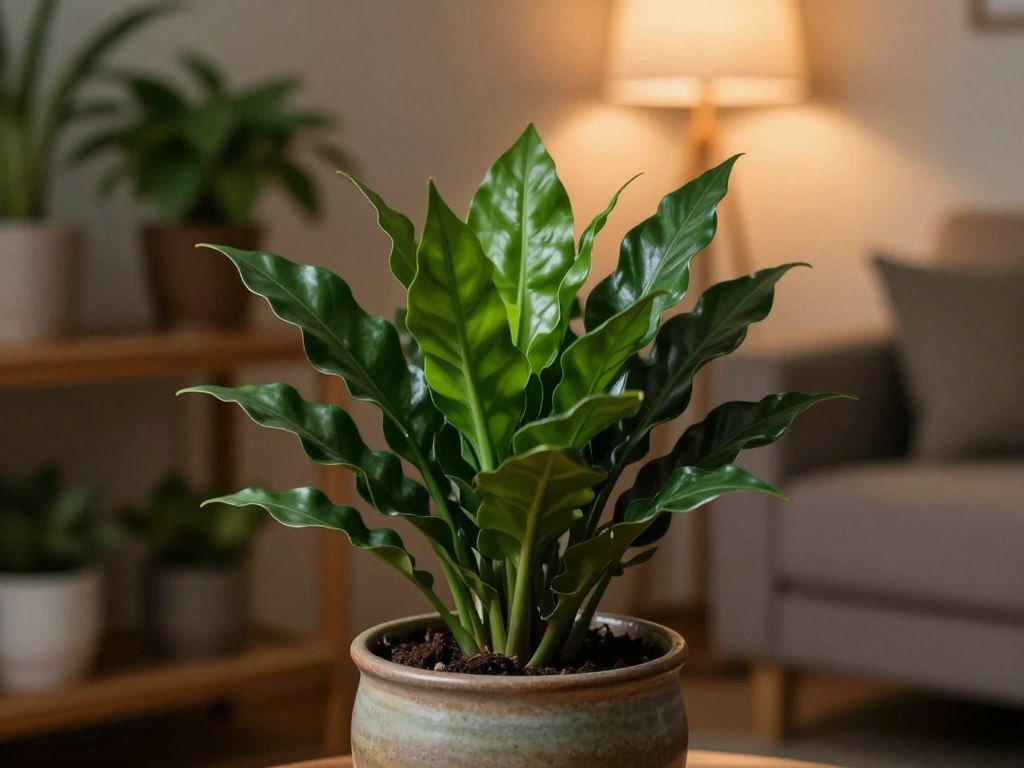
The ZZ plant stands out as one of the best indoor plants that need little light. Native to East Africa, this remarkable plant has become a favorite among homeowners and office workers. Its scientific name is Zamioculcas zamiifolia, and it earns its reputation as a survivor through its unique ability.
What makes the ZZ plant special is its combination of durability and visual appeal. You’ll notice its glossy, dark green leaflets right away. These leaves aren’t just pretty—they’re specially adapted to capture every bit of light available.
This makes the ZZ plant perfect for indoor plants that need little light. It works great in offices lit only by fluorescent bulbs. It even thrives in bathrooms without windows.
Adaptability in Low Light
Your ZZ plant stores water and nutrients in thick, tuberous rhizomes hidden underground. Think of these rhizomes as survival tanks. They allow your plant to go extended periods without water or care.
While the ZZ plant tolerates low light exceptionally well, it grows more vigorously in medium light. It also does well in bright indirect light. You have flexibility with placement.
Dark corners, hallways far from windows, and interior rooms all work wonderfully. A newer variety called Raven ZZ offers dramatic purple-black foliage. It’s perfect for those wanting something different.
Watering and Soil Needs
Overwatering causes the biggest problems with ZZ plants. Your plant prefers infrequent watering—typically once every two to three weeks. Water only when the soil feels completely dry several inches down.
Use well-draining soil and pots with drainage holes. These simple steps prevent root rot, the main threat to your ZZ plant’s health. The combination of proper soil and infrequent watering keeps your plant thriving with minimal effort.
- Water every 2-3 weeks or when soil is completely dry
- Use pots with drainage holes to prevent standing water
- Choose well-draining potting soil mixed for indoor plants
- Reduce watering frequency during winter months
- Empty saucers after watering to avoid root rot
The ZZ plant is an excellent choice if you travel frequently. It’s also perfect if you want a stunning plant that thrives on benign neglect. Among all indoor plants that need little light, few match the ZZ plant’s combination of resilience and beauty.
Peace Lily: Flowers in Low Light
The Peace Lily stands out among low light tropical plants for its stunning white flowers. This remarkable plant, scientifically known as Spathiphyllum, brings beauty and air-purifying benefits to shadowy corners. Unlike many flowering plants demanding bright sunlight, Peace Lilies thrive in low-light conditions while producing gorgeous blooms.
Understanding the Flowering Process
Peace Lilies produce distinctive white spathes that wrap around the actual flower spike. Many people mistake these spathes for petals, yet they protect the true flowers. Your Peace Lily typically blooms during spring months, with some plants flowering again in fall.
The bloom cycle follows a natural progression. White spathes emerge fresh and pristine, gradually transforming to soft green as they age. You can encourage new flowering by removing spent flowers once they begin changing color.
While low light tropical plants like Peace Lilies bloom in dim settings, slightly brighter indirect light helps. This extra light can stimulate more frequent flowering throughout the year.
Preventing Common Care Mistakes
Peace Lilies communicate their needs dramatically. Your plant will droop noticeably when thirsty, yet it perks up quickly after watering. Keep soil consistently moist without becoming waterlogged to maintain healthy growth.
- Brown leaf tips often result from tap water chemicals or dry air—use filtered water and mist occasionally
- Yellowing leaves indicate overwatering or excessive direct sun exposure
- Lack of blooms may occur from overfertilizing, which promotes foliage over flowers
- Increase humidity by misting leaves weekly or placing the pot on a water-filled pebble tray
Important note: Peace Lilies are toxic to pets. Keep your plant out of reach from curious cats and dogs to prevent accidental ingestion.
Cast Iron Plant: Nearly Indestructible
The Cast Iron Plant stands as one of the best plants for windowless office spaces. This Victorian-era favorite earned its tough reputation because it thrives where other plants fail. If you’ve struggled to keep houseplants alive, this plant offers a real second chance.
This plant tolerates extreme neglect and poor lighting conditions. It handles temperature swings between 50-85°F and irregular watering schedules. Its slow growth rate actually works in your favor with limited light.
You won’t need to repot it frequently. This makes it perfect for busy professionals seeking low-maintenance greenery.
Unique Features of Cast Iron Plant
The Cast Iron Plant displays elegant, lance-shaped dark green leaves. These leaves grow directly from soil on individual stems. This creates a lush, clumping appearance reaching 2-3 feet tall and wide.
The plant grows slowly and rarely produces flowers indoors. Yet it remains visually appealing year-round.
Several varieties exist for your selection:
- Variegata — features white or cream stripes running through dark green foliage
- Asahi — displays white-tipped leaves for added visual interest
- Standard green variety — the most common and reliable option
Among the best plants for windowless office settings, this plant prefers staying slightly rootbound. It dislikes being fussed over, making it ideal when you can’t provide constant attention.
How to Spot Issues Early
Recognizing problems keeps your plant healthy. Watch for these warning signs:
| Problem Sign | Likely Cause | Solution |
|---|---|---|
| Brown leaf tips | Fluoride in tap water | Use filtered or rainwater for watering |
| Yellowing leaves | Overwatering | Reduce watering frequency and allow soil to dry slightly |
| Pale or washed-out leaves | Excess direct sunlight | Move plant away from bright windows |
The Cast Iron Plant needs minimal fertilizer — feed it once or twice yearly during growing season. This plant asks little from you beyond occasional watering and a stable location. Its resilience makes it one of the best plants for windowless office environments.
Philodendron: A Popular Choice
Philodendrons rank among the most beloved low light indoor plants for good reason. These tropical beauties have captivated plant lovers since the mid-20th century houseplant boom. Their popularity stems from their stunning variety and remarkable adaptability to indoor environments.
You’ll find philodendrons in countless homes because they forgive neglect and still flourish in dim corners. Low light indoor plants like philodendrons offer you flexibility when arranging your living space.
The philodendron genus gives you many options to explore. You can discover a variety that fits your space perfectly. Each type brings unique leaf shapes, colors, and growth patterns to your home.
Varieties to Consider
You have access to climbing and non-climbing philodendrons, both excellent choices for low light indoor plants. The Heartleaf Philodendron displays heart-shaped leaves on trailing vines. This variety adapts beautifully to low light conditions.
- Brasil variety – Features striking yellow variegation on green leaves
- Micans – Showcases velvety, iridescent leaves that shimmer in dim light
- Congo Rojo – Displays deep burgundy new growth on upright stems
All these low light indoor plants tolerate shade well. Your growth rates and leaf sizes may be smaller than in brighter conditions. Your philodendrons will still grow steadily.
Pruning and Maintenance Tips
You can keep your philodendron looking full and attractive with regular pruning. Always cut just above a node to encourage bushier growth. Remove yellowed or damaged leaves to maintain appearance and plant health.
This simple step helps your low light indoor plants photosynthesize more efficiently. Water your philodendron when the top inch of soil feels dry. These plants appreciate occasional misting for humidity.
You can use pruned sections to create new plants through propagation. Avoid placing your philodendron near cold drafts, as this causes stress.
Watch for extremely long spaces between leaves, which signals that your plant needs slightly more light. This leggy growth tells you to adjust your placement. Consider supplemental lighting for your low light indoor plants.
Spider Plant: An Easy Starter Plant
The spider plant stands out as one of the best indoor plants for low light. This cheerful, fountain-like plant has decorated homes, schools, and offices for generations. With its graceful arching leaves and trailing growth pattern, the spider plant brings life to any space.
You’ll find this plant forgiving and adaptable. This makes it an excellent choice if you’re just starting your indoor gardening journey.
Spider plants feature attractive foliage available in solid green or variegated forms with white or cream stripes. The plant adapts well to various light conditions, meaning it thrives where many other plants struggle.
Your spider plant will tolerate inconsistent watering and bounce back from neglect. This earns its reputation as nearly indestructible.
Benefits of Spider Plants
Spider plants offer multiple advantages for your home environment. NASA research shows that spider plants remove formaldehyde and xylene from indoor air. Their non-toxic nature keeps your pets and children safe, even if they nibble on leaves.
These plants produce more plantlets in brighter conditions. Yet they remain among the best indoor plants for low light. The cascading growth pattern makes spider plants ideal for hanging displays and shelves.
- Air-purifying abilities proven by NASA studies
- Safe for pets and children
- Tolerates inconsistent watering
- Adapts to various light conditions
- Creates cascading, attractive displays
- Produces abundant plantlets over time
Propagation Techniques
Spider plants reproduce through plantlets that develop on long stems called stolons. One plant can produce dozens of babies during its lifetime. You can easily share new plants with friends and family.
| Propagation Method | Process | Timeline | Best For |
|---|---|---|---|
| Water Rooting | Place plantlets in water until roots form, then pot soil | 1-2 weeks | Beginners |
| Soil Pinning | Pin plantlets to soil in adjacent pots while attached to parent | 2-3 weeks | Faster establishment |
| Direct Potting | Cut plantlets with developed roots and pot immediately | Immediate | Mature plantlets |
Leave plantlets attached to the mother plant until they develop visible roots. This approach strengthens the new plants before separation. Once roots appear, cut the stolon and pot your new spider plant in moistened soil.
Brown leaf tips sometimes appear from tap water chemicals or low humidity. Use filtered water and mist your plant occasionally to prevent this issue. Your spider plant will reward you with lush, healthy growth.
- Allow plantlets to develop roots on the parent plant
- Cut the stolon connecting plantlet to mother plant
- Place in water or potting soil for root development
- Transfer to permanent pot once roots reach one inch
- Water gently and place in indirect light
Spider plants truly shine as starter plants for anyone building confidence with indoor gardening. Their forgiving nature and easy propagation make them valuable additions to your plant collection.
Tips for Thriving Indoor Plant Care
Caring for low maintenance indoor plants means mastering a few key skills. Learn the basics of watering, soil selection, and light management. These guidelines work for all plant varieties you bring home.
Watering Best Practices
The biggest mistake people make is watering too often. More low maintenance indoor plants die from overwatering than underwatering. Before you water, stick your finger about an inch into the soil.
If the soil feels moist, wait a few more days. Most low-light plants prefer to dry out between waterings.
Watch for signs of overwatering like yellowing leaves or mushy stems. Tiny bugs called fungus gnats also signal too much water. Underwatering shows up as crispy brown leaf edges or drooping stems.
Use filtered water or let tap water sit overnight. This lets chlorine escape. This simple step helps sensitive plants stay strong.
Choosing the Right Potting Soil
Low maintenance indoor plants need soil that drains well. Heavy, dense soil holds too much water around the roots. Buy a quality potting soil mix for best results.
You can make your own by combining potting soil with perlite or coarse sand. The right mix lets water pass through quickly. It still holds nutrients your plants need.
Repot your plants every 18 to 24 months. Fresh soil gives your plants room to grow. It stops old soil from breaking down.
Light Requirements and Adjustments
Pay attention to how your plants respond to their spot. Leggy, stretched-out growth means your plant wants more light. Move it closer to a window or add a grow light.
If leaves look scorched or colors fade, the plant gets too much light. Rotate your plants every few weeks for even growth.
As seasons change, natural light shifts too. During fall and winter, move plants closer to windows. In summer, they may need to move back a bit.