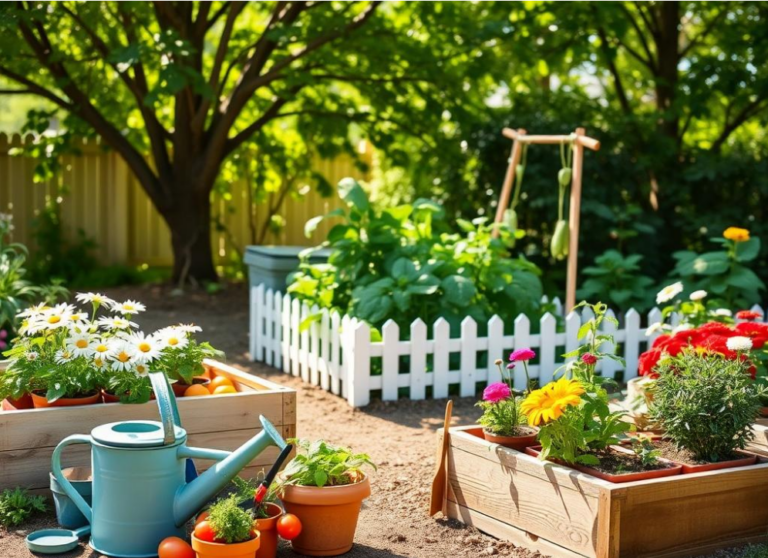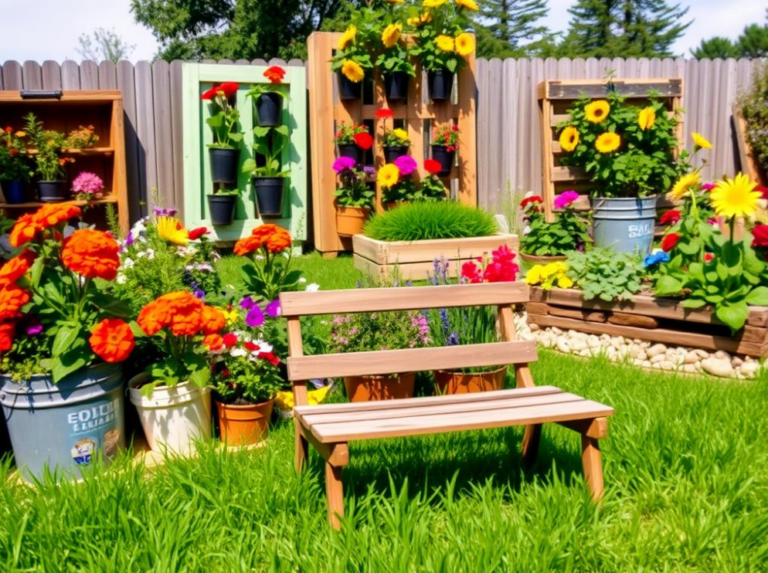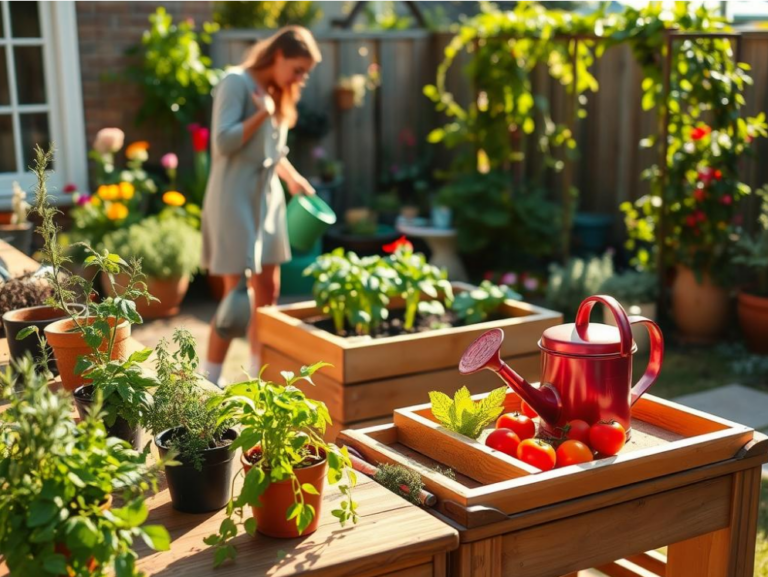

Nearly 80% of Americans live in homes with less than 500 square feet of outdoor space. But, you can make that small area into a beautiful, useful spot with a few smart ideas.
This guide is for everyone: apartment dwellers, townhouse owners, condo balcony users, small patio owners, and courtyard corner folks across the United States. If you’re worried about space, sun, building rules, or weight limits, we’ve got you covered. We offer practical solutions for both urban and suburban areas.
You’ll find easy, affordable tips to start right away. Learn how to assess light, map your space, and use tiny garden designs, vertical solutions, and patio ideas. These will help you make the most of your green space and functionality.
We’ll give you hands-on advice on container mixes and brands like Miracle-Gro potting mixes. You’ll also learn about feeding schedules with Espoma organic fertilizers and water-saving options like RainWizard and RainWaterHarvest systems.
In this article, you’ll discover design principles, balcony garden inspiration, and smart plant choices. We’ll also cover season-round planning, lighting, accessories, multi-use furniture, sustainable habits, and low-cost projects. These will help you improve your outdoor space.
Why small-space gardening is perfect for your lifestyle
Small-space gardening is great for busy lives. It requires less time but offers big rewards. You can grow fresh herbs for dinner, create a spot for pollinators, and enjoy a green view without a big yard.
These urban gardening benefits make it easy to add nature to small spaces. This includes apartments, patios, and tiny yards.
Benefits of gardening in compact areas
Compact gardens help reduce stress and improve mood. Studies show that short daily plant contact lowers anxiety and boosts focus. You also get to enjoy a beautiful view and a small increase in property value.
Plus, you support bees and butterflies with pollinator plants.
How small gardens save time, money, and resources
Small gardens use less soil, water, and amendments. Containers and raised beds need smaller amounts. This saves money on supplies.
Drip irrigation and drought-tolerant plants also cut down on utility costs. This makes gardening a smart choice. Tools from Fiskars and ENERGY STAR solar lights help you work more efficiently.
Container and vertical systems need less weeding and upkeep than lawns. Targeted fertilization and high-quality mixes keep plants healthy. This means more garden for less time and money.
What you can realistically grow in a small space
Herbs like basil, mint, and chives grow well in pots. They offer quick harvests for cooking. Salad greens like mixed lettuces and arugula also grow fast with little space.
Dwarf tomatoes, patio peppers, and container blueberries provide edible rewards without needing a lot of space. Ornamental plants like sedum, dwarf lavender, and compact shrubs like boxwood or dwarf hydrangeas are also good choices. They offer modest yields that match the size of the containers.
Understanding these limits helps you plan for steady success. These benefits make small garden setups perfect for renters and homeowners who want flexibility.
Assessing your space and sunlight for better planning
Begin by measuring your garden space carefully. Record the length, width, and height. Use graph paper or apps like RoomScan and MagicPlan to draw the area. Mark important spots like doorways and any weight limits for balconies.
Track the sun and shade over several days. Create a simple chart to show morning and afternoon light. Log the hours of direct sun for each spot in different seasons. Use tools like Sun Seeker or LightMeter for precise angles and intensity.
Follow these steps to chart exposure:
- Divide your sketch into zones.
- Record hours of direct sun in each zone: full sun, partial sun/partial shade, or shade.
- Label windows, overhangs, and nearby trees that affect light.
Microclimate mapping helps spot warm or cool pockets. Look for heat-reflective walls and concrete that raise nighttime temperatures. Note shaded corners and sheltered spots behind walls or fences. These details affect what you can grow and when.
Next, assess wind exposure. On high-rise balconies and exposed patios, wind can stress plants. Stand in the space during a breezy day to note direction and strength. Consider using windbreaks like lattice or evergreen shrubs. Choose heavy containers and secure supports for tall plants.
Match plants to the conditions you find. For sunlit zones, pick sun-loving herbs, peppers, and compact tomatoes. For sheltered shade, choose hostas, ferns, and impatiens. For breezy coastal or high balconies, select salt- and wind-tolerant species like sea thrift and Juniperus (juniper).
Verify climate fit before buying. Check your USDA hardiness zone and local frost dates through county extension services. Use microclimate mapping and sunlight assessment together to narrow choices. This approach leads to smarter plant selection by exposure and stronger, more resilient small gardens.
Design principles for maximizing visual impact
You can make a small outdoor space look bigger and more organized with a few simple rules. Focus on proportion, a limited color palette, and a few key pieces. This turns a small garden into a stunning visual impact garden that catches the eye and invites you in.
When choosing furniture and pots, remember scale. Pick chairs and a table that leave room to walk. Choose planters that fit the balcony or porch size to avoid looking too big. Use tall, narrow containers or slim column planters to add height without taking up too much space.
Stick to a simple color scheme to tie everything together. Use green foliage and two accent colors in pots and cushions. Repeating materials and textures makes the space feel bigger and more unified.
Plan the layout to create clear paths and views. Place tall items in the back and low plants in the front. Arrange seating to face a main feature for a peaceful view.
Use a bold sculpture, a dramatic planter, or a vertical living wall as a focal point. This single feature helps organize the space and makes it more interesting.
Balance hard and soft elements so surfaces support plants, not compete with them. Mix decking tiles, porcelain pavers, or gravel with planting pockets. Choose composite decking for easy upkeep, porcelain for durability, and permeable pavers for good drainage.
Group containers in odd numbers for a natural look. Layer heights in three tiers: ground level, mid-height pots, and hanging or vertical elements. Match finishes on pots and furniture for a cohesive look.
Below is a quick reference to help you choose materials and placement for a tight layout.
| Design Focus | Recommended Options | Why it works |
|---|---|---|
| Scale | Slim bistro sets, narrow planters, vertical columns | Leaves walking room and prevents overwhelm in a small garden design |
| Color & repetition | Green + two accent hues, repeat pot finishes, textured fabrics | Creates cohesion and expands perceived space through scale and repetition |
| Focal points | Large planter, sculpture, vertical garden | Gives the visual impact garden a center that guides movement and gaze |
| Hardscape | Composite decking, porcelain tiles, permeable pavers | Durable surfaces that balance plantings and support drainage |
| Plant composition | Odd-numbered groups, three-tier height layering, coordinated materials | Natural, rhythmic arrangements that make a small space feel well planned |
creative garden ideas for vertical and hanging gardens
Small outdoor spaces can look big when you go up. Vertical gardens save space, add privacy, and turn walls into art. Here are some ideas to make your balcony, patio, or fence look great while keeping things simple.
Wall-mounted gardens are great for many spots. Modular systems like Woolly Pocket and Elho planters are easy to use. For a cheaper option, felt pocket installations are simple to set up.
When mounting, use concrete anchors for masonry and lag screws for wood. For balconies, choose brackets that don’t damage the railing. You can find these at The Home Depot or Lowe’s.
Hanging pots keep your floor clear and bring plants up to your level. Choose light materials like plastic or resin to avoid heavy loads. Proven Winners and Bloem offer strong hanging baskets that handle sun and wind well.
DIY trellises are perfect for vines and add quick vertical interest. Use cedar stakes or bamboo poles to make simple grids. Attach them to fences or walls with outdoor-rated brackets.
For pallet planters, start with HT pallets. Line the inside with landscape fabric and add a potting mix that drains well. Seal the wood with Thompson’s WaterSeal to protect it from the weather.
Choose plants that grow well up and stay small. Try small clematis, climbing nasturtium, or sweet peas. For a full look, use trailing petunias or lobelia. Train the stems and prune to keep things neat.
Drainage and watering are key for vertical gardens. Use a drip line or capillary matting to keep moisture even. Choose a light potting mix and feed plants often to replace lost nutrients. Flush the system to avoid salt buildup and check drainage holes.
Here’s a quick guide to help you pick the best vertical garden solution.
| System | Best for | Weight | Cost range | Maintenance notes |
|---|---|---|---|---|
| Modular wall planters (Woolly Pocket, Elho) | Compact balconies, decorative walls | Light to moderate | Moderate | Check anchors, replace media yearly, use drip irrigation |
| Felt pocket installations | Budget vertical coverage | Light | Low | Requires regular watering; reinforce mounting in wind |
| Hanging pots (Proven Winners, Bloem) | Porches, pergolas, layered displays | Very light | Low to moderate | Stagger heights; use lightweight mix; monitor wind load |
| DIY trellis | Climbers and vine training | Variable | Low | Secure attachments; prune to control size |
| Pallet planter tutorial style | Rustic screens and herb walls | Moderate | Low | Use HT pallets, line with fabric, seal wood, ensure drainage |
Container gardening tips for limited square footage
Even small spaces can feel big with the right containers, soil, and watering plan. These tips help you fill patios, balconies, and tiny yards with plants. You won’t feel overwhelmed or stressed.
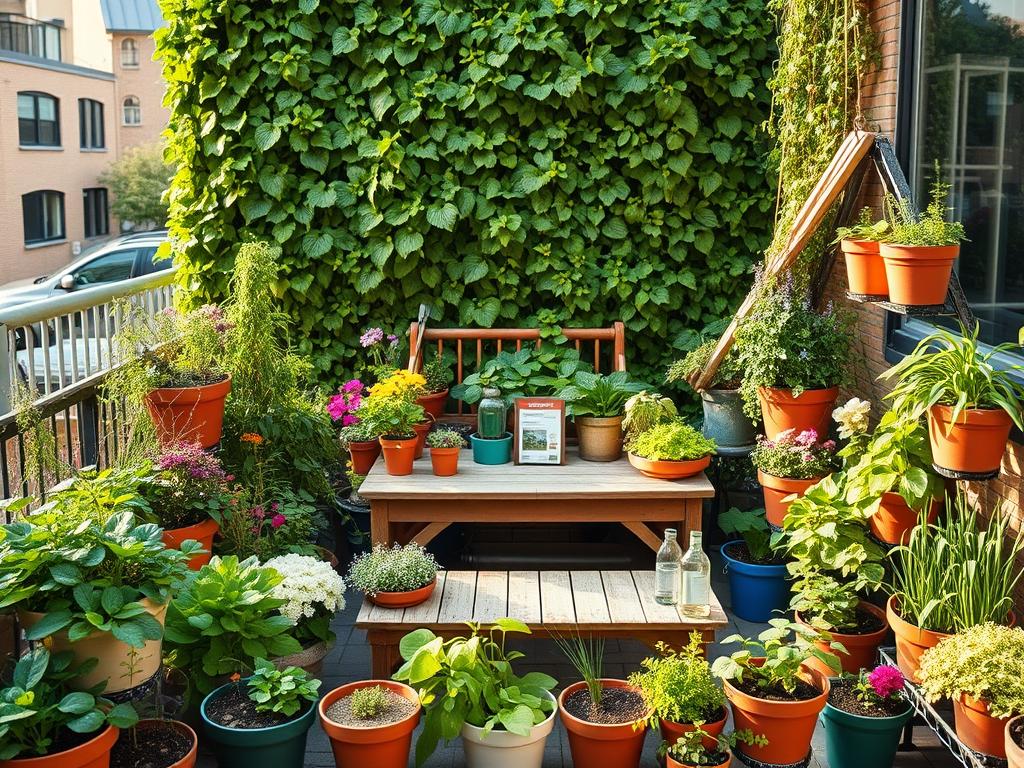
Choosing the right containers and soil mixes
Container material affects how often you water and the weight it holds. Terracotta is breathable but dries quickly. Glazed ceramic looks nice but is heavy. Plastic and resin are light and affordable. Fiberglass is durable and light.
Container size is key. Deep pots are good for root veggies and big shrubs. Shallow, wide ones are best for herbs and lettuce. Make sure your balcony can handle the weight of large pots from places like Burpee or Gardeners Supply Company.
Use potting mixes made for containers, not garden soil. Espoma Organic Potting Mix or Miracle-Gro Performance Organics are good choices. Add perlite or pumice for air and compost for nutrients. A slow-release fertilizer helps reduce watering.
Group planting and layered pots for lushness
Planting together in one pot can make a big impact. Use a thriller, filler, spiller layout for a layered look. This trick makes your space feel bigger without needing more room.
For example, a dwarf sunflower as the thriller, marigolds as fillers, and sweet potato vine as spillers. Pairing plants like basil with tomatoes can improve flavor and reduce pests. But avoid mixing heavy and light feeders to prevent root competition.
When layering pots, choose plants with similar needs. This makes care easier and helps plants thrive in small spaces.
Watering strategies for containers
Watering containers daily is crucial, more so in summer. Check moisture by finger or moisture meter 2–3 inches deep. Terracotta dries faster than plastic, so adjust your watering schedule.
Top-watering soaks the soil well. Bottom-watering encourages roots to grow down. Self-watering containers and DIY systems reduce watering stress. Automated drip systems save time and ensure consistent moisture.
In winter, move sensitive containers indoors or insulate them. Reduce watering as plants go dormant. Choose frost-tolerant plants if you must leave pots outside.
Smart plant choices for small-space success
You can have a lush, productive garden even with little space. Focus on compact perennials, dwarf shrubs for containers, and edible varieties. These choices make watering, pruning, and seasonal planting easier. They also help local wildlife.
Compact perennials, dwarf shrubs, and edible options
Choose plants that won’t grow too big. Dwarf hydrangea ‘Little Lime’ is small but blooms big. Boxwood ‘Green Velvet’ keeps a neat shape all year. Proven Winners dwarf conifers add color and texture without taking over.
For edibles, pick varieties made for containers. Compact tomatoes like Patio and Tiny Tim grow well in small spaces. Try dwarf pepper plants and salad greens in shallow troughs. ‘Bush Baby’ zucchini gives squash without spreading out.
Strawberries do well in hanging pots or window boxes. Herbs like thyme and rosemary are perfect for small spaces and frequent picking. Get seeds from Baker Creek Heirloom Seeds or Johnny’s Selected Seeds for reliable varieties.
Low-maintenance and pollinator-friendly picks
Choose plants that attract bees and butterflies and need little care. Echinacea and Rudbeckia bloom for weeks with little effort. Salvia and Penstemon offer nectar all season. Milkweed helps monarchs and creates a pollinator path.
Native plants usually need less water and care. Talk to your local native plant society or county extension for advice. They can suggest plants that attract pollinators and thrive in your area.
Seasonal rotation to keep interest year-round
Plan your container cycles for every season. Start with spring bulbs like tulips for early color. Switch to summer annuals and veggies when it’s warm. In fall, add pansies and ornamental cabbage for cool-weather blooms. Evergreens or arranged branches provide winter interest.
Make a simple rotation calendar based on your local frost dates and USDA zone. Note when to plant and remove things, and stagger your plantings. This keeps your containers interesting from March to December in many places.
Keep your maintenance routine simple. Prune and deadhead to encourage more blooms. Feed containers with a balanced fertilizer at the right times. Move tender plants to sheltered spots or indoors when it gets cold.
| Category | Example Varieties | Size Expectation | USDA Zones |
|---|---|---|---|
| Compact Perennial | Hydrangea ‘Little Lime’, Lavender ‘Munstead’, Hebe | 2–4 ft tall, 1–3 ft spread | 5–9 (varies by species) |
| Dwarf Shrubs for Containers | Boxwood ‘Green Velvet’, Proven Winners dwarf conifers | 1–3 ft tall, tight habit | 4–9 (check cultivar) |
| Pollinator-Friendly Plants | Echinacea, Rudbeckia, Salvia, Penstemon, Milkweed | 1–4 ft tall, nectar-rich flowers | 3–9 (species-dependent) |
| Container Edibles | Patio/Tiny Tim tomatoes, dwarf peppers, ‘Bush Baby’ squash, strawberries, thyme | 6 in–3 ft depending on crop | Annuals vary; perennials 6–9 |
| Seasonal Interest | Tulips, Crocus (spring); Pansies, Ornamental Cabbage (fall); Evergreens (winter) | Bulbs and annuals fit shallow pots; evergreens 1–4 ft | Bulbs 3–8; pansies 5–9; evergreens 4–9 |
Creative lighting and accessories to extend enjoyment
Make your small outdoor area feel larger and more inviting with thoughtful lighting and well-chosen accessories. A few bright choices can change evening mood, stretch usable hours, and bring texture and sound to patios and balconies without overwhelming the footprint.
Start with lighting that suits tight quarters. Solar string lights and stake lights are simple to install. Low-voltage LED systems give you precise control for pathways and features. Pick options that match your routine and power access.
Solar and low-voltage lighting ideas
Solar string lights work well for a cozy canopy effect. Edison-style bulbs add warmth while fairy lights create delicate sparkle. Use stake lights in planter rims to highlight foliage and guide steps. For more control, Philips Hue outdoor smart lights link to apps and schedules. Gama Sonic and Ring make reliable solar lamps that hold a charge and stand up to rain. Check battery capacity and place panels where they get full sun. Add timers or smart plugs to save energy and automate dusk-to-dawn operation.
Mirrors, rugs, and outdoor textiles to expand the feel
Mirrors reflect sky and greenery, giving the impression of depth. Choose shatterproof, UV-resistant mirrors made for outdoors. Mount them opposite plants to double the view. Outdoor rugs in polypropylene define seating and add color; they resist mildew and clean easily. Weather-resistant cushions from retailers like Target’s Threshold collection or WeatherTech can brighten a small nook and make it cozy without bulk. Use layered textiles to create zones and soften hard surfaces.
Small water features and sound elements
Water introduces motion and sound without taking much room. Tabletop fountains fit on a side table. Recirculating basin fountains sit near a planter. Wall-mounted cascades deliver falling water vertically to save floor space. These small water feature ideas mask traffic noise, attract birds, and add a calming backdrop to conversation.
Plan practicalities before you buy. Confirm there is a safe power source for pumps and lights. Choose pumps with accessible filters and easy winter storage if you face freezing temperatures. Empty and store pumps indoors in cold months to extend life.
Accessorize with compact touches that suit a small footprint. Decorative plant labels, slim bird feeders, and small sculptures add personality. For balconies, secure tall items with brackets or straps. Avoid open flames near railings and fabrics; pick electric or gel-fueled tabletop fireplaces when a hearth feel is desired and local rules allow them.
| Feature | Best for | Brands to consider | Practical tip |
|---|---|---|---|
| Solar string lights | Canopy lighting, pergolas, railings | Gama Sonic, Ring | Place solar panels in full sun and use timers for dusk activation |
| Low-voltage LED systems | Pathway illumination, focal points | Philips Hue (outdoor) | Hire an electrician for safe installation and zoning |
| Outdoor mirror | Visual expansion, reflecting plants | Outdoor-specific shatterproof mirrors (retailers like Home Depot) | Mount on a sheltered wall and clean UV-resistant coating yearly |
| Outdoor rugs & textiles | Define seating, add color and comfort | Threshold (Target), WeatherTech | Choose polypropylene rugs for easy cleaning and mildew resistance |
| Tabletop/recirculating fountains | Sound, motion, small footprints | Various specialty garden brands | Ensure pump access for cleaning; winterize in freezing climates |
| Compact heaters/fire alternatives | Ambiance without open flame risk | Electric tabletop fireplaces, gel-fueled models | Check balcony rules and secure units against wind |
Maximizing functionality with multi-use garden furniture
Small outdoor spaces need furniture that does more than one thing. Multi-use garden furniture lets you seat guests, store items, and show off plants without taking up too much space.
Foldable seating and storage benches
For small spaces, consider folding chairs and stackable stools from IKEA, West Elm, and Target. These options are easy to store when not in use. Look for slim designs that fit against walls.
Choose a balcony storage bench that also serves as a seat. It should hide cushions, tools, or soil bags. Make sure it fits your space and doesn’t exceed your balcony’s weight limit.
Planter benches and built-in potting stations
A planter bench with built-in boxes is perfect for sitting and growing herbs or annuals. Use weather-resistant materials like cedar, treated pine, or composite lumber.
Consider using prefabricated kits for easy setup or DIY plans if you have basic tools. Built-in shelves keep your gardening supplies organized and free up space.
Convertible pieces for dining and lounging
Convertible outdoor furniture can quickly change from a dining table to a lounge area. Look for tables that fold down and benches that extend into counters. Also, find loungers with adjustable backs.
Choose furniture with weatherproof fabrics and rust-resistant hardware for durability. Compact bistro sets are great for two, while multi-angle loungers offer rest and reading spots without extra chairs.
Remember, safety is key. Ensure your furniture meets building codes, has protective finishes, and is easy to clean. Use anchors or non-slip pads to prevent furniture from shifting in the wind.
| Feature | Best Use | Materials | Compact Tip |
|---|---|---|---|
| Foldable chairs | Extra seating for guests | Aluminum, treated wood, recycled plastic | Stack or hang when not in use |
| Balcony storage bench | Seat + hidden storage | Cedar, composite, oak with sealant | Measure weight capacity and depth |
| Planter bench | Display plants while seating | Cedar, pressure-treated pine, composite | Choose shallow boxes to reduce load |
| Built-in potting station | Tool storage and transplanting | Composite lumber, galvanized hardware | Include drainage trays to protect deck |
| Convertible dining table | Meals then open floor space | Teak, powder-coated steel, aluminum | Pick fold-down models with locks |
| Multi-angle lounger | Relaxing and reading | Textilene, weatherproof fabric, rust-proof metal | Look for adjustable backs and compact width |
Sustainable practices for compact gardens
Small gardens can be leaders in eco-friendly gardening. You can cut down on water use, build healthy soil, and reduce waste. All while keeping your plants lush and productive.
Water-saving irrigation and rainwater harvesting
Use drip irrigation or soaker hoses for container clusters to deliver water at the roots. Self-watering containers help keep moisture steady. Timers and simple moisture sensors help avoid overwatering and save time.
Install a compact rain barrel or a balcony diverter for rainwater harvesting. Brands like HarvestH2o and RainHarvest Systems offer small-scale options. These fit limited spaces and meet most city rules.
Soil health, composting, and organic pest control
Feed containers with homemade compost and slow-release organic fertilizers like Espoma Plant-tone. For tight spaces, try vermicomposting in a worm bin or bokashi indoor kits. An electric countertop composter like the FoodCycler can recycle kitchen scraps.
Protect plants with non-toxic methods. Use row covers, sticky traps, neem oil, and insecticidal soap. Plant native flowers to encourage beneficial insects. For help, check EPA resources on reduced-risk pesticides and your local extension office for integrated pest management tips.
Reusing and upcycling materials for planters
Repurpose wooden crates, galvanized tubs, antique buckets, and shoe organizers as planters. Clean and seal containers before use. Add food-safe liners when growing edibles to avoid contamination. Avoid toxic paints and finishes that could leach into soil.
Choose durable, recyclable materials that withstand weather and reduce waste. Avoid planting invasive species in containers to protect local ecosystems.
| Practice | Small-space options | Benefits |
|---|---|---|
| Water-saving irrigation | Drip lines, soaker hoses, self-watering pots, timers, moisture sensors | Lower water bills, healthier roots, less evaporation |
| Rain capture | Compact rain barrels, balcony diverters, HarvestH2o, RainHarvest Systems | Free irrigation source, reduced runoff, store rain on-site |
| Soil and composting | Worm bins, bokashi kits, FoodCycler, Espoma Plant-tone | Rich soil, fewer store-bought amendments, closed-loop waste |
| Pest control | Naturals: neem, soap, row covers, sticky traps; IPM guidance from extensions | Safe plants, fewer synthetic chemicals, supports pollinators |
| Reusing materials | Wood crates, galvanized tubs, buckets, vertical shoe-planters | Cost savings, unique planters, reduced landfill waste |
Budget-friendly projects to elevate your outdoor nook
Even with a small budget, you can make a big difference in your outdoor space. Start with simple, practical steps that add charm and function without breaking the bank. These budget garden projects use repurposed materials, smart buys, and gradual upgrades to enhance your space bit by bit.
DIY planter builds and inexpensive container ideas
Build a cinder block planter shelf by stacking blocks, adding landscape fabric, and filling with potting mix. Then, plant herbs or annuals. You’ll need cinder blocks ($1–$3 each), landscape fabric ($8), and potting mix ($10–$25). Tools include a level, shovel, and gloves.
Use heat-treated pallets for pallet planters. Sand rough edges and seal the wood before adding soil. A recycled wine crate painted with exterior paint makes a rustic box planter for $5–$15. Create a vertical herb tower from 4-inch PVC pipe by cutting holes, adding end caps, and drilling for drainage. Fill it with soil and seedlings.
Where to find affordable plants and materials
Shop clearance racks at local nurseries and big-box stores like Home Depot, Lowe’s, and Walmart during seasonal sales. Look for seed packets from Burpee or Park Seed to grow many plants from a small upfront cost. Check Facebook Marketplace, Craigslist, and Freecycle for free or low-cost pots and soil. Join community plant swaps and neighborhood gardening groups to trade cuttings and divided perennials.
Prioritizing upgrades that give the most impact
First, spend on essentials like high-quality potting mix, durable containers, and a focal planter. Add lighting to extend use into the evening. Upgrade gradually, choosing one statement container or a vertical piece at a time. DIY garden upgrades like painted plastic pots or a single vertical PVC tower offer quick visual wins while keeping your budget intact.
Cost-saving tips and safety reminders
Propagate from cuttings and divide perennials to multiply plants for free. Harvest rainwater for watering and make simple compost tea for fertilizer. When repurposing wood, only use heat-treated pallets, sand rough surfaces, and seal wood in contact with soil. Line containers if you grow edibles to prevent contamination. These steps lower ongoing costs and protect your plants and family.
| Project | Estimated Cost | Tools/Materials | Impact |
|---|---|---|---|
| Cinder block shelf planter | $20–$80 | Cinder blocks, landscape fabric, potting mix, level | High—sturdy, modular shelving for multiple pots |
| Pallet planter | $0–$30 | Heat-treated pallet, sandpaper, sealant, soil | Medium—vertical greenery with rustic look |
| Painted wine crate boxes | $5–$20 | Recycled crates, exterior paint, potting mix | Medium—affordable decorative containers |
| PVC herb tower | $10–$40 | PVC pipe, end caps, drill, soil, seedlings | High—space-saving vertical planting |
| Unglazed plastic pots with paint finish | $3–$15 each | Plastic pots, outdoor spray paint, sealant | Medium—durable and customizable |
Conclusion
This recap shows how to turn a small balcony or patio into a green oasis. Start by checking your space and sunlight. Then, use vertical solutions and containers to save space.
Choose plants that are small and good for pollinators. Add lighting, multi-use furniture, and simple watering for fun.
For a quick guide to a small garden: measure your area and map the sun. Pick a main spot and plants that fit your space and zone. Use eco-friendly materials and save money by upcycling.
These steps improve your health, add fresh food, and help local bees and butterflies.
Want to start a small garden this weekend? Here’s a quick checklist: measure your space, choose a container and plants, set a main spot, and start watering. For help, check local offices, visit Burpee or Johnny’s Selected Seeds, and use apps like Sun Seeker or Planta.
Try new things, adjust to your climate, and change with the seasons. Small steps lead to a beautiful outdoor space that fits your life.