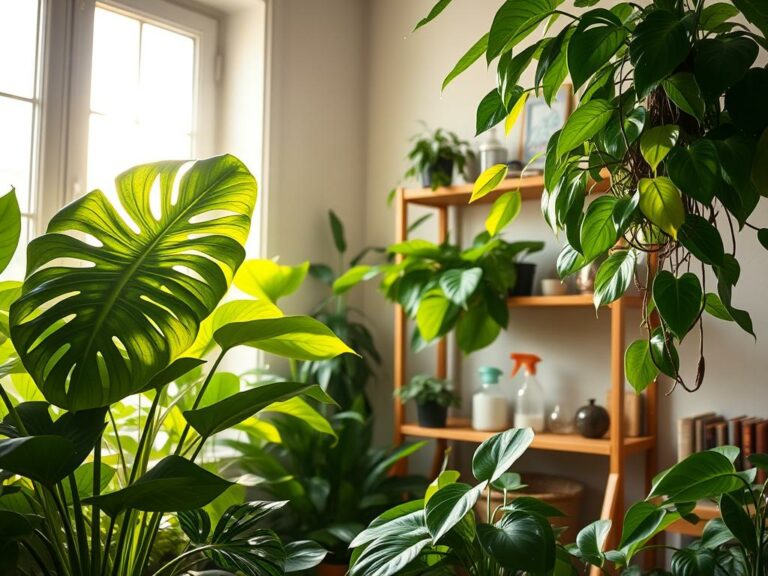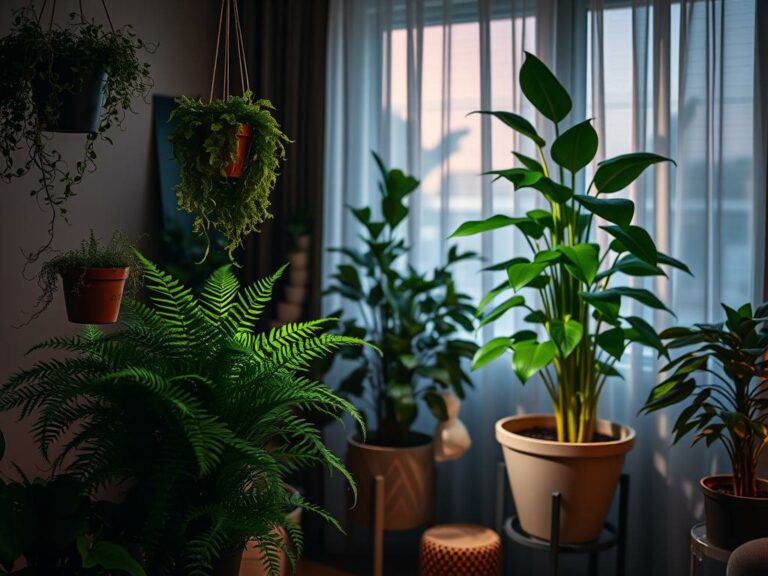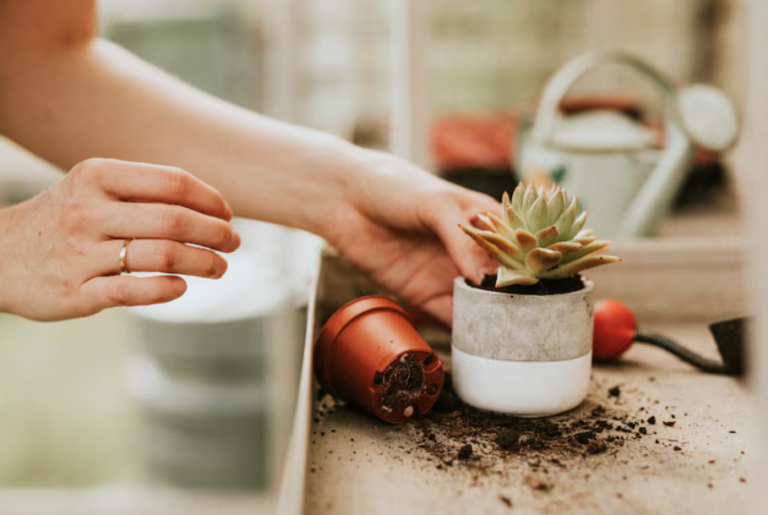

It’s surprising, but homes and offices without windows can still have greenery. Many people grow plants without sunlight by choosing the right plants and tools.
This guide is for growing plants without sunlight in places like apartments, offices, and basements. You’ll learn about picking the right plants, using light alternatives, and caring for them. It covers soil, containers, watering, feeding, and more.
You’ll discover how plants handle dim light and how to use artificial lights. Trusted brands like Philips and Spider Farmer are mentioned. The advice comes from experts like Penn State Extension and the Royal Horticultural Society.
The guide is written in a friendly way, focusing on you. It offers step-by-step tips and realistic expectations. This way, you can enjoy plants even in places with little natural light.
Why grow plants without sunlight in your home
Adding greenery to dark spaces opens up new possibilities. You can have plants in places like bathrooms, basements, and hallways. These spots often lack natural light, making them perfect for indoor plants.
Many homes and offices lack sunlight. Growing plants in these areas brings life to dark spots. Use vertical shelves or hidden spots to make the most of your space.
Benefits for apartments, offices, and basements
Choosing plants that thrive in low light lets you decorate tight spaces. A narrow shelf with trailing plants or a compact snake plant can brighten a corridor. Offices benefit from plants, which can reduce stress and improve focus, according to the American Society of Interior Designers.
In basements, plants can turn dark rooms into cozy spots. You can use plants to cover storage or create a peaceful area without changing the layout.
Health and air-quality improvements without windows
Some plants, like pothos and snake plants, can improve indoor air. They help remove harmful chemicals and increase humidity. While NASA studies are often mentioned, real benefits depend on the number and placement of plants.
Plants also make air feel fresher, even without windows. Being around plants can lower stress and boost mood, offering health benefits in any room.
Design and lifestyle advantages of low-light gardening
Low-light gardening offers design flexibility. Plants can soften harsh corners, hide shelves, or create a green wall. They add texture and interest without needing direct sunlight.
Caring for low-light plants is often easier. Their watering and feeding needs are simpler, making them great for busy people. This simplicity is a big reason why many choose to grow plants without sunlight.
| Space | Practical gain | Plant examples |
|---|---|---|
| Windowless bathroom | Softens tile, adds humidity | Pothos, Spider Plant |
| Office cubicle | Boosts focus and morale | Snake Plant, ZZ Plant |
| Basement living area | Creates cozy focal point | Philodendron, Cast Iron Plant |
| Narrow shelf or alcove | Vertical greenery without windows | Trailing Pothos, Heartleaf Philodendron |
Understanding plant light requirements and alternatives
Want to grow plants without windows? Start by learning about light and growth. Knowing about plant light needs helps you pick the right plants and lighting for your space.
How plants use light: photosynthesis basics
Plants turn light into energy through photosynthesis. This process makes sugars from carbon dioxide and water. Chlorophyll in leaves captures photons, starting reactions that fuel growth.
Light quality, intensity, and duration affect photosynthesis. Less light means plants grow slower. They focus on keeping leaves healthy rather than growing fast.
Distinguishing low-light, indirect light, and no natural light
Low-light spots are a few feet from a north window or rooms with reflected daylight. These areas have about 50–250 foot-candles.
Indirect light is bright but diffused, like sunlight through sheer curtains. It has 250–1,000 foot-candles, perfect for many houseplants.
No natural light means rooms without windows or always shaded. These need artificial light to thrive. Plants in these spaces are no-natural-light plants.
To check light levels, use a smartphone app or a handheld meter. Look for pale leaves or long stems. They mean you need more light for healthy growth.
Why some plants tolerate little or no sunlight
Many plants thrive in dim conditions. Aroids and ferns have broad leaves and more chloroplasts to catch scarce light. This helps them photosynthesize well in low light.
But, these plants grow slowly and produce fewer flowers. They have darker, thicker leaves. Some use special ways to save energy in low light.
Choose plants for dim rooms from shaded habitats or those known for low-light. Matching plant traits to your space increases your chances of success without direct sun.
| Light Category | Typical Foot-Candles | Common Signs | Best Plant Origins |
|---|---|---|---|
| Low-light | 50–250 | Slow growth, darker leaves | Forest understory plants (ferns, many aroids) |
| Indirect light | 250–1,000 | Healthy foliage, occasional flowering | Edge-of-forest and understory-edge species |
| No natural light | 0 (requires artificial PAR) | Leggy growth if light is poor, needs supplemental lighting | Crops bred for indoor culture and shade-tolerant houseplants |
Choosing the best plants that can grow without sunlight
When you need green where windows are scarce, pick plants known for slack light needs. These selections work well in hallways, offices, and rooms that rely on artificial light. They are among the best plants grow without sunlight because they tolerate dim conditions and steady indoor life.
Below are dependable low-light houseplants you can trust. Each entry includes a quick care note so you know what to expect in a no-window or low-window space.
- Pothos (Epipremnum aureum): A vigorous vine that tolerates very low light and irregular watering. Use a well-draining potting mix and water when the top inch dries. Growth will slow in dim light, making it ideal for hanging baskets and shelves.
- Snake Plant (Sansevieria trifasciata): Nearly indestructible and drought-tolerant. Water sparingly every 2–6 weeks depending on season. Choose a gritty, fast-draining mix for long-term health. Great for desks and corners.
- ZZ Plant (Zamioculcas zamiifolia): Shiny, waxy leaves that store water. Water only when soil is dry; use a light, airy potting mix. This plant thrives with neglect and fits interior rooms with little natural light.
- Cast Iron Plant (Aspidistra elatior): Slow-growing and hardy in dark hallways. Keep soil evenly moist but not waterlogged. It tolerates a range of temperatures and low light without fuss.
- Chinese Evergreen (Aglaonema): Prefers low light and humid spots. Water moderately and provide a peat-based mix that retains some moisture. Variegated types need slightly brighter indirect light but many varieties do well in dim rooms.
- Dracaena marginata: Tolerant of lower light settings and easy to care for. Let the topsoil dry between waterings and use well-draining potting soil. It adds height and interest to dim corners.
- Boston Fern and select ferns: Some ferns manage moderate low light if humidity is high. Keep soil moist and use a peat-rich mix. Avoid placing them in totally dark boxes without supplemental light.
- Peperomias: Compact varieties with thick leaves that cope with lower light. Water sparingly and use a chunky mix that drains well. They make excellent tabletops or grouped displays.
Look for plant traits that signal low-light resilience. Seek dark green leaves, broad leaf area, slower growth rate, and thick or leathery foliage. These features mean the plant can capture limited light and conserve energy.
Avoid species that demand bright light, such as succulents, citrus, and many flowering houseplants. Those types struggle in shade and may show leggy growth or pale leaves when kept as no-window plants.
When you shop, choose healthy specimens from trusted retailers like The Sill, Bloomscape, or a reputable local nursery. Pick plants with firm roots, intact leaves, and no signs of pests or overwatering.
Here are brief care notes for the standout picks: Pothos—easy watering schedule and tolerates low light; Snake Plant—drought-tolerant and low watering needs; ZZ Plant—very low water and low light tolerance; Cast Iron Plant—slow growth and minimal fuss. These pothos snake plant zz plant combinations form a reliable core for dark interiors.
grow plants without sunlight
Growing plants without sunlight means using artificial light instead. You’ll need to adjust watering, feeding, and humidity. This helps plants grow slower.
Use a low-power LED grow light, a moisture meter, and a lux meter app. These tools help you keep track of your plants’ needs.
What “grow plants without sunlight” really means for care routines
Water your plants less often because they use less water in low light. Use lighter, less frequent fertilization. This helps prevent stretched stems and sparse leaves.
If you see etiolation, increase the light hours or move the lamp closer. This helps your plants grow better.
Setting realistic expectations for growth and appearance
Expect slower growth and fewer blooms. Leaves might be smaller and colors less vivid. But, healthy plants will have a compact habit and steady growth.
Give plants time to adjust after moving them under artificial lighting. This can take weeks to months.
Combining plant choice and environment for success
Choose plants that can handle low light and match them with the right artificial light. A ZZ plant can do well in an office with low LED light. Start with easy plants and learn your space before adding more.
Use this quick reference to match common low-light plants with care tweaks. This helps improve your low-light plant success tips and balances your expectations.
| Plant | Suggested Light | Watering | Care Note |
|---|---|---|---|
| Pothos (Epipremnum aureum) | Low LED, 6 hrs/day | Allow top 1–2 inches to dry | Forgiving; tolerates missed waterings |
| ZZ Plant (Zamioculcas zamiifolia) | Low LED, 6–8 hrs/day | Water sparingly; every 3–6 weeks | Suits offices; great for low-light plant success tips |
| Snake Plant (Sansevieria) | Low to moderate LED, 5–7 hrs/day | Very infrequent; avoid standing water | Compact growth; slow and reliable |
| Peace Lily (Spathiphyllum) | Moderate LED, 8 hrs/day | Keep evenly moist but not wet | May bloom less without strong light |
Keep your expectations in check while adjusting care. Track changes and adjust light, water, and fertilizer as needed. Use low-cost tools to measure progress. These steps help you care for plants without sunlight and improve your results.
Using artificial lighting: types and setup for indoor plants
You can replace sunlight with smart artificial lights for plants and get healthy growth in rooms without windows. Choosing the right fixture affects plant shape, color, and vigor. Start with a plan that covers spectrum, intensity, and timing before buying gear.
LED grow lights are the top pick for most indoor gardeners. Brands like Spider Farmer, Mars Hydro, and Philips Grow offer full-spectrum panels that run cool and last years. The upfront cost is higher than fluorescent tubes, but energy savings and lifespan make LEDs cost-effective long term.
Fluorescent options such as T5, T8, and CFL remain useful for seedlings and compact setups. They run cooler than incandescent bulbs and work well close to foliage. Incandescent bulbs are not recommended because they waste energy and produce too much heat for plants.
Light spectrum, intensity, and recommended hours per day
Blue light (400–500 nm) keeps growth compact and leafy. Red light (600–700 nm) encourages flowering and stem elongation. Full-spectrum fixtures mimic sunlight and help with color rendering in living spaces.
Low-light houseplants often thrive at about 50–150 µmol/m²/s. If you see product specs in lux or lumens, aim for values that correspond to roughly 6–12 foot-candles for very low-light species. Use a PAR meter if you want precise measurement.
Most low-light plants need steady light hours indoor plants of about 10–12 per day. You can use timers to keep a consistent day/night rhythm. A regular schedule reduces stress and prevents leggy growth.
Positioning lights and scaling for multiple plants
Place LED panels 12–24 inches above leaves, then adjust based on plant reaction and manufacturer advice. Fluorescent tubes sit closer, typically 6–12 inches, since they emit less heat.
For racks or groupings, choose wider panels or array multiple fixtures so each pot gets even coverage. Watch for shadowing on lower shelves and reposition fixtures to prevent dark spots.
Safety matters. Mount fixtures securely, allow airflow around drivers and ballast, and avoid running high-heat bulbs near plastics or dry soil. Use timers and consider a simple ventilation fan for tight cabinets.
| Fixture Type | Best Use | Typical Distance | Pros | Cons |
|---|---|---|---|---|
| Full-spectrum LED panels | General indoor gardens and living spaces | 12–24 inches | Energy efficient, long life, low heat, good color rendering | Higher initial cost |
| T5/T8 Fluorescent | Seedlings, small trays, low-light houseplants | 6–12 inches | Lower upfront cost, cool-running, easy to place | Less efficient than LEDs, shorter lifespan |
| CFL bulbs | Single pots, desk setups | 6–12 inches | Affordable, available in daylight tones | Bulky fixtures, lower PAR output |
| Incandescent | Not recommended | N/A | Cheap to buy | Inefficient, high heat, poor plant light quality |
| Multiple LED fixtures | Scaling for shelves and larger collections | 12–24 inches (panel array) | Custom coverage, even light, modular | Requires planning for spacing and power |
Soil, containers, and drainage for low-light conditions
Choosing the right soil and pots is key to a thriving indoor garden. In dim rooms, you need a potting mix that keeps moisture steady. This mix should prevent water from sitting around roots.
Use mixes and containers that match each plant’s habits. This is important in no-sun spaces where evaporation rates are lower.

Choosing potting mixes that retain the right moisture
Opt for a high-quality potting mix designed for indoor use. Look for mixes with peat or coco coir bases. Add perlite or pumice to keep it airy.
Brands like Espoma, Miracle-Gro, and FoxFarm offer good options. For succulents and plants like snake plant or ZZ plant, choose mixes with more coarse grit and perlite. This ensures water drains quickly.
For moisture-loving plants like ferns, select mixes with extra organic matter. This helps hold humidity without causing sogginess. A light top dressing of sphagnum or fine bark can also help retain moisture near the surface.
Container selection and ensuring proper drainage
Always use pots with drainage holes and a saucer to catch runoff. Terracotta pots wick moisture and speed drying, preventing overwatering in dim rooms. If you prefer a decorative cachepot, place the plant in an inner nursery pot that drains freely.
Self-watering containers are great for travelers. But use them carefully. They keep moisture steady but can hide overwatering issues. Choose a system with a visible reservoir and an overflow hole to avoid waterlogging.
When to repot and how to avoid root rot
Repot when roots circle the pot or the mix has compacted. Most houseplants need repotting every 1–3 years. Move up one pot size to avoid excess soil that holds too much water.
To prevent root rot, reduce watering frequency in low-light areas. Use well-structured mixes. If you spot soft, brown roots or yellowing leaves, take the plant out of its pot. Trim rotten roots with sterilized shears and repot into fresh, barely moist mix.
For severe cases, treat with a labeled fungicide following the instructions on the product.
| Problem | Best Mix | Recommended Container | Quick Fix |
|---|---|---|---|
| Succulents or snake plant | Coarse mix: coco coir + perlite + grit | Terracotta pot with drainage hole | Repot to faster-draining mix; cut back watering |
| Ferns and moisture-loving species | Peat or coir with extra organic matter | Plastic inner pot inside decorative cachepot; drainage | Replace top layer with fresh mix; keep evenly moist |
| Traveling plant owner | Balanced indoor mix with moderate drainage | Self-watering pot with visible reservoir | Set reservoir low; monitor moisture to drainage avoid root rot |
| Compacted or old soil | Fresh quality potting mix low-light plants | Increase pot size slightly; ensure drainage holes | Repot, trim roots, and refresh soil annually or biennially |
Watering and humidity strategies without sun exposure
Growing plants in dim rooms changes how you water and care for them. With low light, plants use much less water. So, check soil moisture before watering and avoid a fixed schedule.
Adjusting watering frequency for reduced light
In reduced light, a snake plant may need water every 3–6 weeks. Pothos prefers water every 2–3 weeks, depending on pot size and mix. Use the finger test—if the top 1–2 inches of soil are dry, water.
A moisture meter is helpful for dense mixes. Start conservatively and watch your plants. Consistency beats guesswork. Increase water only when plants show clear thirst cues.
Signs of overwatering and underwatering in dim environments
Overwatering signs in low light can be subtle. Look for yellowing lower leaves, mushy stems, and soil that stays wet. Slow growth and a sour, pungent odor are also signs.
Underwatering shows as brown, crispy tips, wilting, and dry soil. In dim rooms, symptoms may develop slowly. So, inspect pots regularly to catch issues early.
Boosting humidity with trays, pebble trays, and humidifiers
To raise humidity for indoor plants, use pebble trays filled with water beneath pots. Make sure pots do not sit in water. Grouping plants helps create a shared microclimate that benefits moisture-loving species.
For larger rooms, cool-mist humidifiers from brands like Honeywell or Levoit provide steady humidity. Bathrooms that get warm and damp make good spots for moisture-loving plants.
Misting can help briefly but is a temporary fix and can encourage pests if overused. Match your humidity methods to each plant’s needs and monitor with a simple hygrometer for best results.
Fertilizing and feeding plants grown without natural light
Low-light plants need less food than plants that love the sun. You should not feed them too much. Instead, use gentle products to avoid harming the plants.
In spring and summer, feed them a little during their active growth. Stop feeding in fall and winter when they grow slower. Look for signs like very slow growth, pale leaves, or soil that looks depleted before you add more fertilizer.
For general needs, use a balanced fertilizer like 10-10-10 or 20-20-20. But use it at half the recommended strength. This is best for plants in dim light. Liquid fertilizers let you control the amount better. For slow growers, choose a low-dose slow-release granular like Osmocote.
If you want to target specific needs, choose the right fertilizer. For example, a fertilizer high in nitrogen helps leaves look better. But, you don’t need bloom boosters if your plants won’t bloom in low light. Pick what’s best for your plant and your goals.
Organic fertilizers are good for plants without sunlight. They’re gentle and help the soil. Use fish emulsion, kelp extract, worm castings, or compost teas. Apply them at half strength every 4–6 weeks. Add worm castings to the soil every few months for a steady feed.
Be careful not to over-fertilize. Signs of too much fertilizer include root burn, brown leaves, and a white crust on the soil. If you see these, flush the pot with water and feed less often.
The table below compares common options so you can match feed type to your plant and routine.
| Type | Form | Recommended Strength | Frequency (growing season) | Best Use |
|---|---|---|---|---|
| Balanced all-purpose | Liquid or soluble powder | 1/4 to 1/2 label strength | Every 4–6 weeks | General feeding for most low-light houseplants |
| Foliage-focused | Liquid concentrate | 1/4 label strength | Every 4–6 weeks | Improve leaf color and density |
| Bloom booster | Liquid or granular | 1/4 label strength if used | Rarely; only if flowering occurs | Flowering plants under adequate light |
| Slow-release granular | Pellets (Osmocote-style) | Low-dose product | Every 3–6 months | Low-maintenance feeding for slow growers |
| Organic liquid | Fish emulsion, kelp | 1/2 label strength | Every 4–6 weeks | Gentle nutrient boost and soil health |
| Soil amendment | Worm castings, compost | Top-dress amounts (e.g., 1 tbsp) | Every 2–3 months | Long-term fertility and microbial support |
Pest prevention and disease control in low-light indoor gardens
Growing plants in dim rooms comes with its own set of challenges. Low light can slow down plant growth and hide early signs of problems. To keep your space healthy, regular checks, good hygiene, and targeted treatments are key.
Common pests and how to spot them
Spider mites can be identified by fine webbing and stippled or pale leaves. Mealybugs appear as cottony white clusters in leaf axils. Scale shows up as small brown or tan bumps on stems and undersides.
Fungus gnats fly near damp soil, indicating too much moisture. Aphids cluster on new growth and leave a sticky residue.
Inspect undersides of leaves, leaf axils, and the soil surface weekly. Check new plants closely when they arrive. Early detection makes pest control easier and safer for people and pets.
Natural and chemical treatment options for indoor use
Start with mechanical methods. Remove heavily infested leaves and dab mealybugs with a cotton swab dipped in 70% isopropyl alcohol. Use sticky traps for fungus gnats.
Try insecticidal soaps and horticultural oils for many soft-bodied pests. Neem oil products like Garden Safe Neem Oil or Bonide work as natural controls. Beneficial nematodes can attack fungus gnat larvae in soil.
When infestations persist, choose indoor-safe systemic insecticides or miticides carefully. Always read labels for pet and family safety. Use targeted treatments sparingly and combine them with sanitation for best results.
Preventative hygiene and quarantine practices
Quarantine new plants for two to four weeks in a separate area to monitor for pests. Clean pots and trays between uses and sterilize tools with 70% isopropyl alcohol.
Avoid overwatering to prevent fungal issues like root rot from Pythium. Keep airflow with a small fan or room circulation to reduce fungal pathogens while balancing humidity needs to prevent disease.
| Problem | Signs to Watch | First Response | Long-term Control |
|---|---|---|---|
| Spider mites | Fine webbing, stippled leaves | Wipe leaves, increase humidity, use miticide if needed | Regular checks, maintain healthy plants, targeted miticide |
| Mealybugs | Cottony white clusters in leaf axils | Dab with isopropyl alcohol, remove affected growth | Neem oil treatments, quarantine new plants |
| Scale | Brown or tan bumps on stems | Scrape off gently, apply horticultural oil | Monitor regularly, use systemic insecticide if severe |
| Fungus gnats | Small flies, larvae in damp soil | Let soil dry, use sticky traps | Beneficial nematodes, adjust watering, change potting mix |
| Fungal disease (leaf spots, root rot) | Spots, wilting, mushy roots | Remove affected tissue, improve airflow, reduce water | Sterilize pots, use well-draining mixes, maintain balanced humidity |
Use an integrated pest management approach that blends sanitation, monitoring, biological controls, and targeted treatments. This strategy will help you prevent disease and protect your plants in low-light spaces.
Creative placement and design tips for dark spaces
Getting lush greenery in a dim room is all about smart placement. Use simple tricks to stretch light and keep plants healthy. This way, you maintain a polished look that fits your home.
Using reflective surfaces
Place mirrors opposite artificial light sources or near plant groupings. Mirrors increase light indoors by bouncing it back onto leaves. Light-colored walls, white-painted shelves, and glossy backsplashes do the same, making plants feel brighter.
Choose mirrored planters or a small mirrored tray beneath pots to distribute light more evenly. But watch for heat spots from strong lamps. Reflective surfaces can concentrate warmth and stress plants if fixtures sit too close.
Grouping by light and moisture
Organize plants into zones based on their light and moisture needs. Put truly low-light tolerant species together on a shaded shelf. Place moderate-light plants closer to stronger artificial fixtures.
Group moisture-loving plants like ferns and Calathea on the same shelf. This creates a shared humid microclimate. Use tiered shelving, ladder shelves, or plant stands for a layered, intentional display.
Integrating lighting into décor
Think about integrating grow lights into your home decor. Choose sleek LED panels, under-shelf strips, or floor lamps with grow bulbs. This way, fixtures look deliberate, not like equipment.
Hide cords with cable channels, use plant stands with built-in lights, or pick finishes that match your room hardware. Renters can rely on clamp lamps, plug-in LED strips, or freestanding grow lamps. These require no installation and still support your design dark spaces plants.
Maintenance schedule and troubleshooting for thriving plants
Keeping plants healthy in low-light rooms requires a regular routine and quick fixes. Create a simple plant maintenance schedule no sunlight that fits your weekly, monthly, and seasonal checks. Small, regular steps prevent many common problems and save time over the long run.
Weekly checklist
Check soil moisture with your finger or a moisture meter. Look for pests and dust on leaves and stems. Rotate plants under grow lights to keep growth even. Clean leaves with a damp cloth to improve light absorption.
Monthly checklist
Lightly fertilize if plants are growing. Check for root-bound pots and prune dead or yellowing foliage. Clean and adjust grow lights and timers for consistent photoperiods. Test humidity and tweak with a humidifier or pebble tray if needed.
Seasonal tasks
Repot every one to three years, deep clean pots, and reassess placement when indoor temperatures and humidity change. These steps keep roots healthy and reduce stress when natural conditions shift.
When you need to troubleshoot indoor plants, follow a stepwise diagnostic workflow. First, observe the pattern: which leaves are affected and where damage appears. Next, check roots and soil for rot or compaction. Then, test light levels and humidity. Change only one variable at a time so you can track results.
Slow growth often means too little light or nutrient depletion. Verify light intensity and photoperiod, and examine soil for compacting. If you find compacted soil, gently loosen it and consider repotting with fresh mix.
Yellowing leaves tell different stories. Lower-leaf yellowing usually points to overwatering or poor drainage. Uniform yellowing can mean a nutrient shortage. Spotty or edged yellowing may signal pests or salt buildup from fertilizer. Address drainage first, then correct feeding.
Leggy stems show stretching toward a light source. To fix leggy plants, move them closer to a stronger light or increase the daily hours of illumination. Prune long, weak stems to encourage compact growth and new branching.
Use this quick decision table to act fast when a plant struggles.
| Symptom | Likely Cause | Immediate Action | Follow-up |
|---|---|---|---|
| Slow growth | Low light or nutrient deficit | Measure light and increase photoperiod | Repot if soil is depleted; apply gentle fertilizer |
| Lower leaves yellowing | Overwatering or poor drainage | Check drainage and reduce watering frequency | Repot in well-draining mix if root rot present |
| Uniform yellowing | Nutrient deficiency | Apply balanced fertilizer per label | Test soil or replace potting mix if needed |
| Spotty or edged yellowing | Pests or salt buildup | Inspect for pests; flush soil if salts present | Treat pests and adjust fertilizing routine |
| Leggy, stretched stems | Insufficient light intensity or wrong spectrum | Move plant closer to light or lengthen light hours | Prune weak growth to fix leggy plants and promote vigor |
| Wilting with brown roots | Severe root rot | Remove plant, trim rotten roots, repot in fresh mix | Replace if recovery fails; sanitize pot and area |
Decide whether to move, prune, or replace a troubled plant based on recovery signs. Move a plant when light or humidity is the limiting factor. Prune dead, yellow, or leggy growth with sharp, sterilized shears to stimulate compact new shoots. Replace a plant if severe root rot or chronic pests persist after treatment. When you replace a plant, sanitize the pot and nearby surfaces to prevent spread.
Keep notes on what you change and when you change it. That record helps you learn what works in your home. Use the plant maintenance schedule no sunlight as a guide, and you will find it easier to troubleshoot indoor plants and fix leggy plants when they occur.
Conclusion
Growing plants without sunlight is possible with the right choices. You need to pick plants that can handle low light, like pothos, snake plant, and ZZ. Also, use full-spectrum LED lights, good soil, and water them right.
For indoor gardening, you’ll need a few tools. A small LED grow light, a moisture meter, and a timer are key. Plants might grow slower and not bloom much. But, they can still look great and stay healthy if you feed them right, drain well, and keep things clean.
Begin with just one or two easy plants in a dark spot. Try a basic LED light setup. Watch how they do, group them by needs, and check moisture and pests often. This way, you can enjoy your low-light plants and grow your indoor garden bigger over time.
FAQ
What does it mean to grow plants without sunlight?
Growing plants without sunlight means using artificial light instead of natural sun. You’ll need to use special lights like LEDs or fluorescents. Also, water and fertilize less because plants grow slower. Choose plants that do well in low light, like pothos or snake plants.
Which houseplants tolerate low or no natural light best?
Good choices for low light include pothos, snake plants, and ZZ plants. Also, cast iron plants, Chinese evergreens, and many ferns and peperomias. These plants are used to growing in the shade and do well with a little artificial light.
Do plants grown without sunlight need special soil or pots?
Yes, they do. Use potting mixes that drain well, like mixes with perlite or grit. Choose pots with holes to prevent waterlogging. For plants that like dry roots, add more grit. Self-watering pots are okay, but watch for too much water.
What type of artificial light should I buy for indoor plants?
Full-spectrum LED grow lights are best. They use less energy, don’t get too hot, and show colors well. Look for brands like Philips or Mars Hydro. Fluorescent lights are okay for small spaces, but avoid incandescent bulbs.
How long and how intense should artificial light be for low-light plants?
Low-light plants need 10–12 hours of light a day. Use lights with low PAR, about 50–150 µmol/m²/s. Place LED lights 12–24 inches above plants. Use timers for regular light and dark cycles.
How often should I water plants that don’t get sunlight?
Water them less than sun-loving plants. Check the soil moisture before watering. Snake plants might need water every 3–6 weeks, while pothos might need it every 2–3 weeks. Always check the soil first.
How can I prevent overwatering and root rot in dim environments?
Use fast-draining mixes and pots with holes. Water carefully. If you see root rot, trim the roots and repot in fresh mix. Sterilize your tools and avoid using old soil.
Will low-light plants still purify indoor air or improve humidity?
Yes, plants like pothos and snake plants can clean the air and increase humidity. But, they can’t clean the air as much as claimed. They still make spaces feel better and can improve air quality a bit.
How do I choose fertilizer and feeding schedules for plants under artificial light?
Feed them less because they grow slower. Use diluted fertilizer every 4–6 weeks in spring and summer. Stop feeding in fall and winter. Organic fertilizers are gentler.
What pests and diseases should I watch for in low-light indoor gardens?
Watch for spider mites, mealybugs, and fungus. Low light and high humidity can cause problems. Inspect new plants, keep clean, and use pest control when needed.
How can I arrange plants and lights to look good in windowless rooms?
Use tiered shelves and wall planters to layer plants. Mix lights and plants to look good. Use mirrors and light colors to reflect light. Group plants by light and moisture needs.
How do I diagnose yellowing leaves, leggy stems, or slow growth?
Yellow leaves often mean too much water. Leggy stems need more light. Slow growth can be from low light or poor soil. Check light, soil, and roots before changing anything.
What basic tools are worth investing in for growing plants without sunlight?
Get a small LED light, a moisture meter, and a light meter or app. Also, a fan for air circulation. Sterilizable pruning shears and a humidifier are helpful too.
Can variegated plants keep their variegation in low light?
Variegated plants may lose color in very low light. To keep colors, use enough artificial light. If colors fade, move the plant to brighter light and prune green shoots.
How often should I repot indoor plants grown without sunlight?
Repot every 1–3 years, when roots outgrow the pot. Choose a fresh mix and a slightly bigger pot. Check roots for health when repotting.
Are humidifiers or pebble trays better for boosting humidity?
Both work. Pebble trays raise humidity around plants. For room-wide humidity, use a humidifier. Avoid misting plants too much to prevent pests and fungus.
Is it possible to get flowering plants to bloom without natural sunlight?
Some plants can bloom with strong artificial light and the right light cycle. But, many need brighter light. Choose plants known to bloom under artificial light or use more intense LEDs.
What should I do if a plant keeps declining despite changes in light and watering?
Check for root rot, pests, and light. Test soil moisture and drainage. If problems persist, replace the plant and sanitize the pot.