
Many common houseplants can grow new, healthy plants from just one cutting. This can happen in as little as 2–6 weeks. So, you can easily grow a half-dozen philodendrons from just one.
This guide will show you how to grow indoor plants from start to finish. You’ll learn the basics, the tools you need, and which plants are easiest to grow. You’ll also get a clear step-by-step guide on how to cut them.
It also compares water and soil methods for growing plants. You’ll learn about simple care after rooting and how to fix common problems. Most cuttings will grow roots in 2–6 weeks. But, some plants might take longer, and success can vary.
Before starting, make sure you have all the materials and choose a healthy plant. Use clean tools and sterile media to avoid diseases. Remember, being patient and keeping things clean are key to growing houseplants successfully.
Understanding Propagation Basics

Plant propagation is about making new plants from an old one. You can use seeds or parts of the plant. For most houseplants, using parts of the plant is faster and more reliable.
This method keeps the new plants similar to the parent. This is good if you want to keep certain traits like color or pattern.
What is Plant Propagation?
Plant propagation includes making new plants from seeds or parts of the plant. Seeds offer genetic variety. Parts of the plant make clones that look just like the parent.
When you learn how to propagate indoor plants, you pick the best method for your needs.
Why Propagate Indoor Plants?
Propagating indoor plants saves money. It lets you grow more plants without buying new ones. It also helps make leggy plants fuller.
It’s a way to keep the best traits from a healthy plant.
Common Methods of Propagation
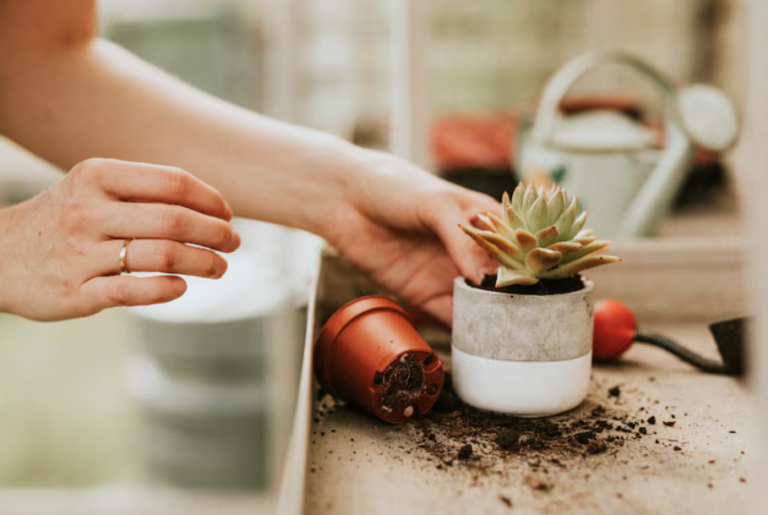
Stem cuttings work well for many plants like pothos and begonias. You can take cuttings with one or more nodes. Leaf cuttings are good for succulents and some begonias.
Division is for plants that grow in clumps, like snake plants. Air layering is for woody plants like rubber plants. It helps grow new stems without cutting off too much.
Rooting needs warmth, humidity, and a clean medium. You can try different methods to see what works best for each plant.
| Method | Best For | Speed | Notes |
|---|---|---|---|
| Stem cuttings | Pothos, philodendron, tradescantia | Fast (2–6 weeks) | Use single or multiple nodes; good for beginners learning how to propagate indoor plants |
| Leaf cuttings | Succulents, some begonias | Moderate (weeks to months) | Leaf must be healthy; patience needed for roots and new pups |
| Division | Snake plant, peace lily, ZZ plant | Immediate new plants | Best when repotting; minimal tools required to propagate houseplants |
| Air layering | Rubber plant, Ficus, large woody stems | Slower (several weeks to months) | Keeps parent intact; ideal for larger specimens |
| Seed propagation | Flowering houseplants and mass production | Slow (months) | Use when you want genetic diversity; less predictable |
Tools You’ll Need for Successful Propagation
Having the right tools makes plant propagation easier and more successful. Here’s a list of essential items, extra tools, and affordable swaps. This will help you get the best tools for propagating indoor plants with confidence.
Essential Tools for Plant Propagation
You’ll need sharp pruners or scissors, like Fiskars or Felco-style shears. These make clean cuts that help prevent damage and infection.
It’s important to have clean pots, glass jars, or propagation trays. Clear mason jars are great for water rooting. Small nursery pots (2–4 inch) are best for soil cuttings.
Choose a well-draining potting medium. Sterile potting mix, perlite, or peat-free mixes like Miracle-Gro Indoor Potting Mix work well. Most cuttings need a mix that drains quickly.
Rooting hormones in powder, gel, or liquid form can help. Brands like Clonex, Hormex, or Bonide are good for woody or slow-rooting species.
Labels and a permanent marker are useful. They help you track the variety and date of your cuttings.
Optional Items That Can Help
Humidity domes, clear plastic bags, or humidity trays keep cuttings moist. They reduce shock for new roots.
Heating mats set to about 70–75°F can speed up rooting for warm-loving plants. LED full-spectrum grow lights are helpful in winter or low-light apartments.
Use sterilizing supplies like rubbing alcohol or a 10% bleach solution. They keep tools and containers clean between uses.
Small rooting trays with domes or microgreen trays make batch propagation easier. They also keep things organized.
Here are cost-effective alternatives that lower startup costs while using common household items.
- Use mason jars for water propagation instead of specialized vases.
- Repurpose clear produce containers or plastic clamshells as humidity domes.
- Apply powdered cinnamon as a mild antifungal on cut stems when rooting hormone is not available.
Practical care tips keep your propagate houseplants tools effective and long-lived. Sterilize blades between cuts to prevent disease spread. Keep potting media slightly moist but never waterlogged. Replace worn blades and rinse jars between uses to avoid algae build-up.
| Item | Purpose | Budget Alternative |
|---|---|---|
| Sharp pruners (Fiskars/Felco) | Make clean cuts to reduce infection and speed healing | Sharp household scissors, sterilized before use |
| Clear glass jars / nursery pots | Support water or soil rooting; let you monitor root growth | Mason jars, recycled yogurt cups with drainage holes |
| Sterile potting mix / perlite | Provides aeration and drainage for root formation | Mix of garden soil with coarse sand and perlite |
| Rooting hormone (Clonex, Hormex, Bonide) | Boosts root initiation, specially on woody cuttings | Powdered cinnamon for mild antifungal protection |
| Humidity dome / trays | Maintains moisture to prevent cutting desiccation | Clear produce containers or plastic bags propped open |
| Heating mat | Provides bottom heat to speed root growth in cool rooms | Warm location near a radiator or insulated tray |
| LED grow lights | Supplement light during winter or in low-light homes | Bright south-facing window or inexpensive clip-on LEDs |
| Sanitizing supplies | Keep tools and containers disease-free | Rubbing alcohol or diluted bleach solution |
Use these indoor plant propagation equipment items in ways that suit your space and budget. Follow practical tips for propagating indoor plants. Treat your tools with care so your cuttings have the best chance to thrive.
Selecting the Right Indoor Plants to Propagate
Choosing the right parent plant makes propagating indoor plants easier and more rewarding. Look for healthy plants with active new growth. Make sure they don’t have pests or diseases. Spring and early summer are the best times, but you can propagate all year if you have bright light and consistent warmth.
Best Indoor Plants for Beginners
Pothos (Epipremnum aureum) roots quickly from stem cuttings in water or soil. Philodendron heartleaf varieties behave much the same and tolerate a range of conditions. Spider plant (Chlorophytum comosum) sends out plantlets that are basically baby plants ready to go.
Tradescantia, often called inch plant, makes fast and forgiving cuttings that root in water. Peperomia species propagate from leaves or short stems with high success rates. Succulents like Echeveria and Sedum produce offsets and leaf cuttings that are ideal if you prefer low-water options.
Snake plant (Sansevieria) can be divided or rooted from leaf sections, though it takes longer and needs patience. These selections rank among the best indoor plants for propagation because they combine ease with predictable results.
Considerations for Choosing Plants
Variegated cultivars can revert if you take a cutting from an unvariegated section. To avoid surprises, select cuttings that clearly show the color pattern you want to keep. Woody stems, such as rubber plant or fiddle-leaf fig, may require rooting hormone or air layering.
Match your chosen cutting to your home environment. If your space is bright and humid, tropical cuttings will thrive. If light is low, choose plants that root well in lower light. Think about how you plan to propagate: propagating indoor plants from cuttings in water suits many trailing species, while some benefit from a soil start.
Respect legal and ethical limits. Do not propagate patented or trademarked cultivars for sale. Ask permission before you propagate houseplants owned by others or taken from public areas. When you follow these steps, you’ll set yourself up to successfully propagate indoor plants and expand your collection with confidence.
Step-by-Step Guide to Propagating from Cuttings
Before starting, get clean pruners, a clear jar or small pots, rooting hormone if you want, and a moist, well-draining medium. This guide will help you learn to propagate indoor plants with confidence. You can choose water or soil propagation.
Taking the Right Cuttings
Choose a healthy stem with 2–4 nodes and several leaves. Nodes are where roots grow, so include them in each cutting. Use clean, sharp pruners and cut diagonally about 1/4 inch below a node to increase the rooting surface.
For single-node cuttings like pothos, include one node and one or two leaves. For longer cuttings, keep multiple nodes. Remove any lower leaves that would sit below water or soil to prevent rot. Leave one or two leaves to support photosynthesis while roots develop.
Preparing the Cuttings for Rooting
Place cuttings immediately into water or dip the cut ends in rooting hormone powder, gel, or liquid per product instructions. For water propagation, use filtered or room-temperature tap water in a clear jar. Change the water weekly and rinse the jar to avoid algae.
For soil propagation, insert treated cuttings into a moist, well-draining mix such as perlite, seed-starting mix, or potting soil blended with perlite. Keep the medium evenly moist but not soggy. Cover with a plastic bag or dome to keep humidity high while allowing some airflow.
Keep cuttings warm and bright with indirect light. Most houseplants root best between 65–75°F. Tropical species may like up to 80°F. Label each cutting with the plant name and date so you can track progress.
Tracking and Transplanting
Expect fast rooters like Tradescantia and pothos to show roots in 1–3 weeks. Slower rooters, such as snake plant leaf cuttings or woody stems, may take 6–12 weeks or longer. When water-rooted plants have 1–2 inch roots, you can transplant them to soil or leave them in water if the species tolerates it.
For soil-rooted cuttings, gently tug after several weeks. If you feel resistance, roots have formed. Gradually reduce humidity and move the plant into normal light to acclimate it.
Practical Tips for Higher Success
- Use clean water and sterile containers to reduce fungal and bacterial risks.
- Avoid overhandling or overwatering; balance humidity and airflow to prevent rot.
- Consider a propagation heat mat for chill-sensitive species to speed rooting.
These steps make propagating indoor plants from cuttings straightforward. With practice, you will know how to propagate indoor plants and which tips for propagating indoor plants work best for the species you choose. Use these methods to propagate houseplants and expand your collection with healthy new starts.
Water Propagation vs. Soil Propagation
Choosing between water and soil propagation depends on your goals and the plant’s needs. You can watch roots grow in clear water or plant cuttings directly in soil for quicker adaptation. Both methods are effective for indoor plant propagation.
Water propagation is easy: just place a cutting in water and wait. It’s great for plants like pothos, philodendron, and tradescantia. You can see the roots grow and it’s cheap to start.
Soil propagation involves planting cuttings in a moist mix. This method helps roots adapt to soil faster, reducing shock. It’s best for woody stems and plants that don’t like wet roots.
Benefits of Water Propagation
Water propagation lets you see how well your roots are doing. It’s perfect for beginners learning about indoor plant care. You can spot healthy or weak roots easily.
It’s also quick for tropical plants with soft stems. Using mason jars or glasses makes it look nice. Regularly changing the water helps keep the cuttings healthy.
Advantages of Soil Propagation
Soil propagation helps plants establish better after transplanting. Roots grow stronger in soil, reducing shock. This means less limp stems and leaf drop.
Using a clean, draining mix and controlling moisture helps prevent fungus. Soil is essential for techniques like air layering and division.
Both methods have limits. Water-propagated roots might be thin and need time to adjust to soil. Soil propagation requires careful moisture to avoid rot. Succulents and cacti often need soil or leaf propagation.
| Feature | Water Propagation | Soil Propagation |
|---|---|---|
| Visibility of Roots | High — roots are visible as they grow | Low — roots form hidden in the medium |
| Speed for Soft-Stem Tropicals | Often faster for pothos, philodendron, tradescantia | Moderate, but establishes stronger in place |
| Transplant Shock | Higher risk when moving to soil | Lower risk; roots are soil-ready |
| Equipment Needs | Minimal — jars, glasses | Potting mix, pots, rooting hormone optional |
| Pathogen Risk | Manageable with frequent water changes | Manageable with sterile mix and moisture control |
| Best Use Cases | Visible learning, decorative displays, easy rooters | Long-term establishment, woody stems, sensitive species |
Start with water propagation for quick results and to see how roots grow. Then, switch to soil for stronger growth. Use rooting hormone and bottom heat with soil for tougher stems. This way, you can use different methods to meet your needs and the plant’s.
Caring for Your Propagated Plants
After you propagate, the care that follows is crucial. It helps your cuttings grow into strong houseplants. Use gentle care to let roots grow without stress.
Light and Water Requirements
New cuttings need bright, indirect light. Direct sun can burn their leaves and dry out the soil too fast. For plants that prefer low light, bright filtered light is best.
Use LED grow lights if natural light is weak or during winter. Place them 6–12 inches above the cuttings. Run them 10–14 hours a day, depending on the plant. This helps roots grow well.
For soil-propagated cuttings, keep the soil moist but not too wet. Water when the top 10–20% of the soil feels dry. For water propagation, change the water weekly. Use filtered or dechlorinated water to prevent chlorine buildup and algae.
To help tropical cuttings, increase humidity. Use a dome or a tray with pebbles and water. This keeps leaves plump while roots grow.
Signs of Successful Root Growth
Look for visible roots in clear water or gentle resistance when pulling on soil cuttings. New leaves, firmer stems, and developing nodes mean roots are growing. These signs show your care is working.
Avoid fertilizing too early. Wait until roots are established and you see new growth, usually 4–6 weeks. Start with a diluted balanced houseplant fertilizer at quarter strength.
If you see yellow leaves, mushy stems, or rot, it might be overwatering, poor light, or bad airflow. Trim rotted tissue and improve conditions. If cuttings wilt, boost humidity, reduce direct sun, and ensure the medium isn’t drying out completely.
When roots are several inches long or resist a gentle tug, move plants to a larger pot. Use an appropriate mix. Gradually remove humidity covers as the plant adapts. These tips will help your cuttings thrive.
Troubleshooting Common Propagation Issues
When you start propagating indoor plants, small problems can pop up fast. Catching these issues early can save your cuttings and help you learn quicker. Here are some common signs and fixes for indoor plant propagation problems.
Identifying Problems Early
Rot shows up as black, soft, or smelly stems. Act quickly to stop it from spreading. Pests like aphids, mealybugs, fungus gnats, or spider mites hide at nodes or on new leaves. Check your cuttings every few days.
Mold or algae in jars or on soil means too much humidity or poor cleaning. If roots don’t show up when expected, check your light and temperature. Also, review how you’re doing it.
Solutions for Common Propagation Challenges
To fix rot, throw away badly damaged cuttings. For mild rot, cut above healthy tissue, clean your tools, and use sterile media. Improve air flow and don’t keep the soil too wet.
For pests, isolate cuttings right away. Remove bugs with a cotton swab and rubbing alcohol. Or use insecticidal soap or neem oil as directed.
To fight mold or algae, change the water often. Clean containers with mild bleach before using them again. Let soil dry more between waterings. If cuttings won’t root, try warmer temperatures, more light, or rooting hormone.
For weak or leggy growth, cut back to a healthy node and start again. Once roots grow, feed them moderately and give them better light.
Preventive steps can help avoid problems: always clean tools and containers, label each cutting, and start many cuttings. Keep the area clean and avoid too many plants to improve air flow and lower disease risk. With quick care and a propagation journal, you’ll get better at fixing houseplant propagation issues.
FAQ
What is indoor plant propagation and why should I try it?
Indoor plant propagation means making new plants from old ones. You can use parts of the plant or seeds. It’s a cheap way to grow more plants, replace old ones, and share with friends. Most people use parts of the plant because it’s faster and makes identical plants.
Which propagation methods work best for common houseplants?
The best method depends on the plant. For plants like pothos and philodendron, stem cuttings work well. Leaf cuttings are good for many succulents and some peperomia. Division is best for plants that grow in clumps, like spider plants.Air layering is good for woody plants, like rubber plants. Choose the method that fits the plant and your schedule.
What tools and supplies do I need to propagate successfully?
You’ll need sharp pruners, clean jars or pots, and a good potting mix. Also, rooting hormone, labels, and rubbing alcohol for cleaning tools. You might also want a humidity dome, a heating mat, and LED grow lights.Things like mason jars and cinnamon can also help.
How do I take a proper cutting for water or soil propagation?
Pick a healthy stem with 2–4 nodes and leaves. Cut it at a 45-degree angle, just below a node. Remove leaves that will be below the medium.For single-node cuttings, include one node and one or two leaves. Put the cutting in water or soil right away.
Should I root cuttings in water or soil? Which is better?
Both methods have their benefits. Water lets you see root growth and is good for fast-growing plants. Soil helps roots adapt better to soil and is better for succulents and woody plants.Start with water for beginners and switch to soil for better establishment.
How long does it take for cuttings to root?
It depends on the plant and method. Soft-stemmed plants like pothos root quickly, in 2–6 weeks. Slow-rooting plants like snake plants can take 6–12 weeks or more.Keep them warm, bright, and in clean media to speed up rooting.
How do I care for cuttings while they root?
Keep them in bright, indirect light and warm temperatures (65–80°F). For soil cuttings, keep the soil moist but not too wet. For water cuttings, change the water weekly.Use humidity domes or bags for tropical plants, but make sure they have air to prevent mold. Don’t fertilize until roots and new growth appear (about 4–6 weeks).
When should I transplant water-rooted cuttings into soil?
Transplant when roots are 1–2 inches long and look healthy. Rinse the roots gently and plant in a well-draining mix. Keep the humidity a bit higher for a week or two after planting.Then, gradually get the plant used to normal humidity and light to prevent shock.
What are common propagation problems and how do I troubleshoot them?
Common issues include rot, mold, pests, and failure to root. To fix rot, cut above the affected area, sterilize tools, and improve air and water flow. For mold or algae, clean containers, change water often, and reduce humidity.Isolate and treat pests with rubbing alcohol, insecticidal soap, or neem oil. If cuttings won’t root, try a warmer temperature, brighter light, or rooting hormone.
Can I propagate variegated plants and keep the variegation?
Yes, but be careful. Choose cuttings that clearly show the variegation. Variegation can disappear if the cutting lacks enough chlorophyll. Pick pieces with white, cream, or yellow patterns and some green.Watch new growth. If leaves turn solid green, prune and repropagate from a variegated section.
Is rooting hormone necessary, and which form should I use?
Rooting hormone isn’t always needed for easy-to-root plants like pothos. But it helps for harder-to-root plants. Use powder, gel, or liquid hormone. Clonex and Bonide are common brands.Dip the cut end in hormone, tap off excess, and plant. For water propagation, you can often skip hormone.
How many cuttings should I start to ensure success?
Start multiple cuttings—three to five per experiment—to increase your chances. Some will fail due to rot, pests, or technique. Label each cutting with plant type and date to track what works best.
Can succulents and cacti be propagated the same way as tropical houseplants?
No, not exactly. Succulents and cacti prefer leaf or offset propagation and need well-draining mixes. Allow leaf or stem cuttings to callus for several days before planting to prevent rot.They root more slowly in soil and poorly in water, so avoid water propagation for most succulents.
Any legal or ethical issues I should know about when propagating plants?
Yes. Avoid propagating patented or trademarked cultivars for commercial sale without permission. Don’t take cuttings from public or rented spaces without consent. When propagating plants from friends or community sources, ask first and give credit or a share of the plant when appropriate.
What are quick tips to improve my propagation success rate?
Use clean, sharp tools and sterilize between cuts; choose healthy parent material; maintain warmth (70–80°F) and bright indirect light; start several cuttings per attempt; consider rooting hormone for woody stems; and keep good hygiene in containers and potting mix. Track dates and outcomes so you learn which indoor plant propagation techniques work best for each species.