
Studies show that improper watering kills more indoor plants than any other single factor. Around 90 percent of houseplant deaths result from either too much or too little water. This reality reveals why understanding watering frequency matters so much for your green space.
There’s no universal answer to watering frequency. Your indoor plant care watering guide depends on many different elements. Plant type, pot size, soil composition, humidity levels, and season all play crucial roles.
What works for your succulent might kill your tropical fern. Getting the watering balance right takes knowledge and observation.
Proper watering stands as one of the most important skills you can master. Your plants communicate their water needs through visible signs. Learning to read these signals turns guesswork into confidence.
This guide walks you through everything you need to know. You’ll discover how to create a personalized schedule for your specific plants. You’ll learn which mistakes most plant owners make and how to avoid them.
You’ll also explore water quality, soil drainage, humidity effects, and timing considerations. By the end, you’ll have the knowledge to keep your indoor plants healthy and vibrant.
Understanding Your Indoor Plants’ Needs
Getting the watering frequency for houseplants right is not guesswork. Your indoor plants depend on several connected factors that work together. Each plant has its own water needs based on where it grows.
Light levels and soil type also affect how much water your plants need. Learning about these factors helps you become a better plant parent. This knowledge keeps your green friends healthy.
Factors Affecting Watering Frequency
Your watering frequency for houseplants depends on many different conditions in your home. The size of your pot makes a real difference. A small container dries out much faster than a large one.
Plants sitting in bright light need more water than those in dim corners. Bright light speeds up how fast water leaves the soil.
The root system of your plant also matters. Young plants with small roots cannot pull water from deep soil. Mature plants with thick roots reach water stored deeper in the pot.
Air circulation around your plant causes water to evaporate faster. Humidity in your home changes how quickly soil dries. Dry air pulls moisture away from soil more quickly than humid air.
Soil type is critical for watering frequency for houseplants. Dense soil holds water longer. Light, sandy soil releases water quickly.
Seasonal Variations
Your watering routine must change with the seasons. Spring and summer bring more daylight and warmer temperatures. Most indoor plants grow faster during these months and drink more water.
Fall and winter are different. Many plants slow down their growth or rest completely. Cold weather and shorter days mean your plants need less water.
Watering frequency for houseplants drops significantly during dormant periods. Giving your plants too much water in winter can cause root rot and damage.
- Spring and Summer: Increase watering as plants grow actively
- Fall and Winter: Reduce watering as growth slows down
- Check soil moisture before each watering
- Adjust based on your home’s temperature changes
Understanding these seasonal shifts keeps your plants healthy year-round. Your watering frequency for houseplants should change with the natural rhythms of your home.
The Types of Indoor Plants
Understanding your indoor plants starts with recognizing their category. Different plant types have unique needs for hydration. Learning their water requirements depends on where they originally grew.
Some plants come from dry deserts, while others grow in wet rainforests. This background shapes everything about their care routine. By grouping your plants by type, you can create a watering plan that keeps them healthy.
Succulents and Cacti
Succulents and cacti are champions of drought tolerance. These plants store water in their leaves and thick stems. They need very little water compared to other houseplants.
You should water them only every 2 to 3 weeks. Water when the soil feels completely dry to the touch. In winter, you can space out watering even more.
Overwatering is the biggest threat to these plants. Remember that succulents prefer dryness.
Tropical Plants
Tropical plants like pothos, monstera, and philodendrons come from humid rainforest environments. These plants enjoy consistently moist soil throughout the year. You’ll typically water them once or twice per week.
Check the top inch of soil before watering. If it feels dry, it’s time to water. Tropical varieties appreciate higher humidity levels.
Keep their soil regularly moist without making it soggy or waterlogged.
Flowering Plants
Flowering plants demand special attention during their blooming seasons. African violets, orchids, and peace lilies have specific watering schedules that change. These plants often need more water when actively producing flowers.
Some flowering varieties prefer their soil to stay consistently moist. Others like to dry out slightly between waterings. Check the care tag on your plant for exact instructions.
Foliage Plants
Foliage plants like snake plants, spider plants, and dracaenas focus on beautiful leaves. These hardy plants have moderate watering needs. They typically prefer to dry out somewhat between waterings.
Water them when the top inch of soil is dry. Most foliage plants do well with watering once per week. Snake plants can handle longer periods without water.
| Plant Type | Water Frequency | Soil Preference | Best Season |
|---|---|---|---|
| Succulents & Cacti | Every 2-3 weeks | Completely dry | Less in winter |
| Tropical Plants | Once-twice weekly | Consistently moist | Regular year-round |
| Flowering Plants | Varies by species | Moist during bloom | More during flowering |
| Foliage Plants | Once weekly | Slightly dry between | Moderate all year |
Plant type classification is your first step toward mastering indoor plant care. By sorting your plants into these categories, you gain clarity on their individual requirements. Each group responds differently to water.
Your success depends on matching the water schedule to the plant type. Take time to identify which category your plants fall into.
Signs Your Plants Need Water
Learning to recognize when indoor plants need water keeps your green friends healthy. Your plants communicate their thirst through visual cues and physical changes. Understanding these signals helps you water plants before they suffer serious damage.
Many plant owners struggle because they don’t know what to look for. Let’s explore the key indicators that tell you when your plants are thirsty.
Wilting Leaves
Wilting is one of the most obvious signs your indoor plants need water. Your plant’s leaves will droop and lose their firmness. The way leaves wilt tells you important information about what’s happening.
Dry and crispy leaves mean your plant needs water right away. This type of wilting means the soil is completely dry.
Different wilting feels different. Soft, mushy leaves suggest overwatering rather than underwatering. You must touch your plant’s leaves to tell the difference.
Crispy wilting requires immediate watering. Soft wilting means you should hold back on water and let the soil dry out.
Dry Topsoil
Checking the soil is a reliable way to spot thirsty plants. Push your finger about 1 to 2 inches deep into the soil. If it feels dry at this depth, your plant is ready for water.
Surface dryness alone can be misleading. The top layer might appear dry while deeper soil still holds moisture.
Pay close attention to soil pulling away from the pot edges. This gap between soil and pot walls signals your plant is very thirsty. The soil has shrunk from losing water.
Leaf Color Changes
Color changes in leaves reveal important signs your plants need water. Underwatered plants often develop brown, crispy edges on their leaves. The tips turn tan or brown and become papery.
Leaves may also turn yellow and drop off easily. Your plant might look dull and lifeless overall.
- Brown, crispy leaf edges
- Yellow leaves that fall easily
- Dull, lackluster appearance
- Leaves that feel papery to the touch
Notice when your plant looks less vibrant than usual. A healthy plant displays bright, firm leaves. Catching these changes early prevents lasting harm to your plant.
Creating a Watering Schedule
Building an indoor plant watering schedule takes time and observation. Your goal is to match watering frequency with each plant’s needs. Start with basic guidelines, then adjust based on what you see.
An indoor plant watering schedule works best when you track progress. Use a simple calendar, smartphone app, or notebook to record watering dates. This creates accountability and helps you spot patterns over weeks and months.
General Guidelines
Most houseplants fall into watering categories based on their type. Your indoor plant watering schedule should reflect these natural patterns:
- Tropical plants need water every 7 to 10 days
- Succulents and cacti require water every 14 to 21 days
- Ferns and humidity-loving plants prefer water every 4 to 7 days
- Foliage plants typically need water every 7 to 10 days
Before watering, always check your soil moisture. Stick your finger two inches into the soil. If it feels dry, water thoroughly.
If it feels moist, wait another day or two. This simple check prevents overwatering, the leading cause of plant problems.
Adjusting for Plant Types
Your indoor plant watering schedule works best when customized for your collection. Group plants with similar needs together in your home. This makes maintenance easier and keeps plants healthier.
| Plant Type | Watering Frequency | Soil Check Method | Best Location |
|---|---|---|---|
| Pothos and Philodendrons | Every 7 to 10 days | Top 1 inch dry to touch | Bright, indirect light |
| Snake Plants | Every 14 to 21 days | Soil fully dry | Low to bright light |
| Boston Ferns | Every 4 to 5 days | Consistently moist | Humid, indirect light |
| Rubber Plants | Every 7 to 10 days | Top 2 inches dry | Bright, indirect light |
| Aloe Vera | Every 21 days | Soil completely dry | Bright, sunny location |
Create a watering log for each plant. Note the date, soil moisture level, and plant response. Over time, this record reveals your plant’s individual rhythm.
Your environment shapes your indoor plant watering schedule significantly. Rooms with low light need less frequent watering. Spaces with heating or air conditioning dry soil faster.
Check soil moisture before watering. Trust this habit over calendar dates. Your plants will thrive with this flexible, observation-based approach.
The Role of Soil and Drainage
Soil quality and drainage are critical factors in keeping your indoor plants healthy. The right soil composition prevents water from pooling around roots. Understanding soil structure helps you avoid overwatering indoor plants and dangerous problems.
Importance of Well-Draining Soil
Your potting mix must allow water to flow through freely. Quality indoor plant soil contains ingredients like perlite, vermiculite, and orchid bark. These materials create tiny air pockets that let excess water escape.
Different plants need different soil types. Succulents and cacti require sandy, fast-draining mixes. Ferns prefer soil that holds more moisture but still stays airy.
Using regular garden soil in containers is a mistake. It stays too wet and compacts over time.
Always choose pots with drainage holes. Empty water from saucers after watering to prevent roots from sitting in standing water.
Effects of Overwatering
Root rot from overwatering is the leading cause of houseplant failure. Roots cannot get oxygen when soil stays too wet. This creates the perfect environment for fungal and bacterial diseases to grow.
- Yellowing leaves that feel soft and mushy
- Brown, mushy roots with a foul smell
- Soil that stays wet for days
- Mold or algae growing on soil surface
You can save an overwatered plant. Remove it from its pot and inspect the roots. Cut away any brown, mushy parts with clean scissors.
Repot the plant in fresh, dry soil. Wait longer between waterings going forward.
| Soil Type | Drainage Speed | Best For | Main Ingredients |
|---|---|---|---|
| Fast-Draining Mix | Very Quick | Cacti and Succulents | Sand, Perlite, Coarse Bark |
| Standard Potting Mix | Good | Most Houseplants | Peat Moss, Perlite, Compost |
| Moisture-Retaining Mix | Slow | Ferns and Tropical Plants | Peat Moss, Coco Coir, Bark |
Proper soil and drainage are your best tools for preventing root rot from overwatering. Check your soil texture before buying. Quality soil should feel light and crumbly, not heavy and dense.
Invest in good potting mix and use pots with holes. Empty saucers regularly to keep your plants thriving and healthy.
Water Quality for Indoor Plants
The type of water you use matters more than you might think. Your indoor plants can be sensitive to what’s in your water supply. Understanding water quality helps you keep your plants healthy and thriving.
Different plants have different needs for hydration. Some plants tolerate regular tap water easily. Others need special care.
Tap Water vs. Distilled Water
Most houseplants do well with tap water for plants from your sink. Tap water contains minerals that some plants actually need for growth. Your spider plants, dracaenas, and calatheas might show brown leaf tips from mineral buildup.
These sensitive plants benefit from distilled water for houseplants instead. Distilled water removes all minerals through a boiling process. The downside is that it lacks beneficial minerals your plants need.
Rainwater offers the best free option. You can collect and store rainwater safely in clean containers. Use it for indoor watering anytime.
Here’s what happens with different water types:
- Tap water provides minerals but may cause white crusty deposits on soil
- Distilled water prevents mineral buildup but lacks nutrients
- Rainwater gives plants natural hydration they prefer
- Filtered water balances both benefits and drawbacks
Impact of Chlorine and Fluoride
Municipal water contains chemicals like chlorine and fluoride. These substances treat tap water for human safety. Your plants don’t need these chemicals, and they build up in soil.
Sensitive species may develop leaf discoloration or stunted growth.
Try these simple solutions:
- Let tap water sit overnight before using it. Chlorine evaporates into the air naturally
- Use a carbon filter pitcher to remove chemicals from tap water for plants
- Switch to bottled spring water for your most finicky plants
- Collect rainwater as your primary water source
Testing your water quality takes just minutes. Most local water departments provide free reports. Understanding your water helps you choose the right watering method for each plant.
Tools for Monitoring Soil Moisture
Knowing when to water your indoor plants becomes much easier with the right tools. Moisture monitoring tools help you avoid overwatering and underwatering. You can choose between electronic devices and simple DIY methods.
Soil Moisture Meters
A soil moisture meter takes the guesswork out of checking soil moisture. This handheld device features a probe you insert into the soil. It gives accurate readings of moisture levels near your plant’s roots.
Electronic moisture meters come in two main types. Analog models have dial displays. Digital models have LCD screens.
Basic soil moisture meter models cost under $10. They work well for most indoor gardeners. Advanced versions offer multiple probe depths and digital readouts that show precise moisture percentages.
- Insert the probe into the soil at mid-pot depth
- Wait 10-15 seconds for the reading to stabilize
- Test in multiple spots for larger containers
- Check readings in the morning for consistency
- Clean the probe between plants to prevent disease spread
Popular brands like Vivosun and Dr.Meter offer dependable soil moisture meters. They deliver accurate readings for indoor plant care.
DIY Moisture Testing
You don’t need to buy moisture monitoring tools to test your soil. Free, reliable methods work just as well. The finger test remains the simplest approach to checking soil moisture.
Insert your index finger about 2 inches into the soil. If the soil feels dry at this depth, your plant needs water soon. If it feels moist or wet, wait a few more days before watering.
| Testing Method | How It Works | Best For | Cost |
|---|---|---|---|
| Finger Test | Insert finger 2 inches deep and feel for moisture | Most plant types and pot sizes | Free |
| Wooden Skewer Method | Insert a chopstick or wooden skewer and check for moisture when removed | Decorative pots or large containers | Free |
| Weight Method | Learn how your pot feels when wet versus dry by lifting it | Plants you handle regularly | Free |
| Digital Moisture Meter | Electronic probe provides numerical readings of soil moisture | Serious plant collectors and troubleshooting | $8-$50 |
The wooden skewer method works like testing cake doneness. Insert a clean wooden skewer or chopstick into the soil. Leave it for a minute, then pull it out.
Moist soil sticks to the wood. Dry soil falls away easily.
The weight method teaches you to sense moisture through your plant pot’s heft. Pick up your plant pot right after watering to feel its full weight. Dry soil weighs noticeably less.
Combining these DIY techniques with occasional use of a soil moisture meter gives you complete confidence. Your plants will show their appreciation through healthy growth and vibrant leaves.
Common Watering Mistakes
Most plant parents struggle with watering because finding the right balance feels challenging. Your indoor plants depend on you to get this part right. Many people make the same errors repeatedly.
Learning about these common watering errors helps you keep your plants healthy and thriving.
Overwatering
Overwatering indoor plants stands as the number one reason houseplants die. This mistake happens when you water on a fixed schedule without checking soil moisture first. Your roots suffocate when air pockets in the soil fill with water instead of oxygen.
Watch for these warning signs that overwatering is damaging your plant:
- Yellowing leaves that fall off easily
- Soft, mushy stems near the soil line
- Fungus gnats flying around your plant
- Sour or musty odor from the soil
Root rot develops quickly when soil stays wet too long. Pathogenic fungi and bacteria thrive in waterlogged conditions. Always check soil moisture before watering.
Ensure your pots have drainage holes. Use appropriate pot sizes that match your plant’s needs. During winter, reduce watering frequency since plants enter dormancy.
Underwatering
Chronic underwatering stunts growth and weakens your plants. Underwatering symptoms include dry, crispy leaf edges and wilting that improves after watering.
| Underwatering Symptoms | What It Means | Action to Take |
|---|---|---|
| Dry, crispy leaf edges | Plant cannot absorb enough moisture | Increase watering frequency |
| Leaves drop from stems | Stress from prolonged dryness | Water deeply and more often |
| Soil pulls away from pot edges | Soil has dried and contracted | Soak pot in water for 10 minutes |
| Wilting that recovers after watering | Temporary water shortage | Establish consistent watering schedule |
Underwatering often happens due to fear of overwatering, travel absences, or simply forgetting. Try using self-watering pots or watering reminders on your phone. Grouping plants together makes care more efficient and helps you remember their needs.
Impact of Humidity and Temperature
Your indoor environment plays a major role in how often you water your plants. The air around your plants affects how quickly water leaves their leaves and soil. Understanding humidity helps you create perfect conditions for your green friends to thrive.
Temperature also matters greatly. Your home’s warmth or coolness directly impacts your plants’ water needs and growth patterns.
Effects of Humidity on Plant Watering
Dry air in your home causes plants to lose water faster through their leaves. This process, called transpiration, speeds up when humidity drops. Most American homes maintain only 20-30% humidity, especially during winter months.
Tropical houseplants prefer 40-60% humidity, which creates a gap you need to fill. Low humidity forces you to water more often because soil dries out quickly.
You can boost humidity levels in several simple ways:
- Group your plants together to create a mini humid zone
- Place pebble trays filled with water under your pots
- Run a humidifier in rooms with many plants
- Mist your plant leaves with a spray bottle
- Place plants in your bathroom where moisture naturally collects
Increasing humidity actually reduces how often you need to water. It also improves overall plant health.
Temperature Considerations
Temperature becomes critical for watering schedules as seasons change. Watering indoor plants in winter requires big adjustments. Cold weather slows down plant growth and water absorption.
Plants metabolize slower in cooler temperatures, meaning they drink less water. Your home’s temperature matters more than you might think.
Check this comparison:
| Temperature Range | Watering Frequency | Plant Response |
|---|---|---|
| 65-70°F | Less frequent | Slower growth, reduced water uptake |
| 75-80°F | More frequent | Active growth, faster water absorption |
Location matters for temperature effects on watering. Plants sitting near heating vents or south-facing windows dry out much faster. Rooms with basements or cooler corners need watering less often.
Move plants away from cold drafts and heat sources. This helps maintain consistent moisture levels. Your watering schedule should shift with the seasons rather than staying the same year-round.
Techniques for Efficient Watering
Mastering effective watering techniques can transform your indoor plant care routine. Different plants thrive with different approaches. Learning multiple methods helps you provide exactly what your green friends need.
The right watering techniques promote strong root systems. They prevent common problems like root rot or dehydration.
Deep Watering
The deep watering method stands out as one of the most beneficial approaches. This technique involves thoroughly saturating the soil until water drains freely from the bottom. Unlike surface watering, deep watering penetrates all the way through the root zone.
Deep watering encourages roots to grow downward in search of moisture. Deeper roots create stronger, more resilient plants that better withstand stress. The process is straightforward:
- Water slowly until you see drainage from the bottom
- Wait a few minutes for the soil to absorb the water
- Water again until drainage appears once more
- Empty any collected water from saucers to prevent root rot
This approach works well for most houseplants. It creates a healthier root structure compared to frequent shallow watering.
Bottom Watering and Ice Cube Methods
Bottom watering offers an alternative approach that benefits plants with delicate foliage. Place your pot in a tray filled with water. Allow the soil to absorb moisture upward through the drainage holes.
This method works particularly well for African violets and similar plants. These plants are prone to fungal issues when their leaves get wet.
The ice cube watering method has gained popularity, especially among orchid growers. Placing ice cubes on the soil surface provides slow, measured water release as they melt. Some plant experts appreciate this technique for preventing overwatering.
Others raise concerns about cold water potentially shocking tropical plant roots.
| Watering Method | Best For | Key Benefits | Considerations |
|---|---|---|---|
| Deep Watering Method | Most indoor plants | Encourages deep root growth, thorough saturation | Requires proper drainage to prevent pooling |
| Bottom Watering | Sensitive foliage plants, African violets | Keeps leaves dry, reduces fungal issues | Takes longer, requires drainage holes |
| Ice Cube Watering | Orchids, slow-growing plants | Slow release, measured hydration | Debate about cold water effects on roots |
Choose your watering techniques based on your plant type and environment. Combine knowledge of these methods with observation of your plants’ needs. This creates a successful watering routine that keeps your indoor garden thriving.
When to Water: Timing Matters
Knowing when to water plants is as important as knowing how much water they need. The best time to water houseplants depends on several factors. These include the time of day and your plant’s specific needs.
Understanding watering timing can greatly improve your plant’s health. It also reduces common problems like fungal diseases and root rot.
Getting the optimal watering times right means your plants absorb moisture when they need it most. Plants use water throughout the day during photosynthesis and transpiration. Watering plants at the right moment supports these natural processes and helps your indoor garden thrive.
Best Times of Day to Water
Morning is the best time to water houseplants. Watering in the morning gives foliage several hours to dry before evening arrives. This reduces the risk of fungal diseases and mold growth that thrive in damp conditions.
Moisture that splashes on leaves dries quickly as the sun rises. This prevents the wet, cool environment that encourages disease. Your plants also have access to fresh water during peak daylight hours.
Evening watering is less ideal for your houseplants. Water sitting on leaves and soil overnight creates problems. Temperatures drop, air circulation decreases, and moisture stays trapped on plant surfaces.
This environment welcomes fungal growth and pest infestations.
If you must water in the evening, apply water directly to the soil only. Avoid wetting the leaves and foliage. Keep water off the green parts of your plants to prevent moisture-related issues.
Watering Frequency Tips
Creating a consistent routine helps you remember when to water plants. Pick specific days each week to check your plants rather than watering everything at once. Start with a weekly check-in and adjust based on the season and your plant types.
- Set a weekly plant inspection day, such as every Monday morning
- Keep a simple log or spreadsheet tracking which plants were watered
- Note the date and your observations about soil moisture
- Adjust your watering timing based on seasonal changes
- Identify which plants dry out faster than others
Your watering timing becomes easier once you recognize patterns in your collection. Some plants dry out quickly while others stay moist longer. Tracking these patterns helps you prioritize during your watering rounds.
During warmer months, plants may need water more frequently. In winter, reduce your watering frequency since growth slows. This seasonal adjustment keeps your plants healthy year-round.
Special Considerations for New Plants
Bringing home a new plant marks an exciting moment in your indoor gardening journey. New houseplant care requires special attention during the transition period. Your plant needs time to adjust to its new home.
Your watering approach should reflect this delicate stage. Understanding how to support your plant through this critical time helps prevent common problems. This foundation sets the stage for long-term health.
Watering Newly Potted Plants
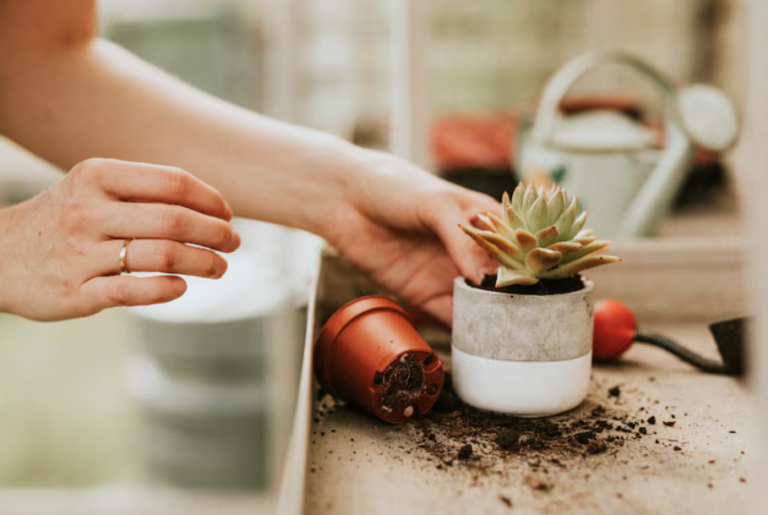
Roots experience stress from being disturbed during repotting into fresh soil. Newly potted plant care starts immediately after you transfer your plant. Water thoroughly right after repotting to settle the soil.
This initial watering removes air pockets that could damage delicate roots. The water helps the soil make contact with the root system.
After this first watering, hold back on your normal watering schedule. Wait longer than you typically would—usually seven to ten days—before watering again. The roots in fresh soil absorb water less efficiently while recovering.
Newly planted roots need this recovery period to establish themselves. For the first few weeks, provide slightly less water than your plant would need. Watch for these important signs during transplant watering:
- Drooping leaves that perk up after watering
- Soil that pulls away from the pot edges
- A lighter pot weight when you lift it
- Mushy stems or a sour soil smell
Adjusting to New Environments
Your new houseplant care plan must account for environmental adjustment. Plants from nurseries experience different light, temperature, and humidity than your home provides. During the adjustment phase, usually two to four weeks, your plant may drop leaves.
This does not mean you should increase watering. Resist the urge to overwater during stress periods. Overwatering is the leading cause of plant death during transitions.
Instead, maintain consistent conditions and gradually shift toward your regular watering schedule. Watch for new growth developing as a sign of progress.
| Adjustment Week | Watering Action | Environment Focus |
|---|---|---|
| Week 1 | Water sparingly after initial potting | Keep conditions stable and consistent |
| Week 2 | Check soil moisture before watering | Maintain steady light exposure |
| Week 3 | Begin observing normal watering patterns | Monitor humidity levels |
| Week 4+ | Establish your regular schedule | Watch for new growth signals |
Position your plant away from heating vents and cold drafts. Avoid moving it frequently during the first month. Stable conditions help roots establish faster and reduce the shock response.
Once you notice new leaves or growth, your plant has begun adapting successfully. You can then transition to your standard watering routine.
Conclusion: Mastering Indoor Plant Care
Watering your indoor plants isn’t about following a strict calendar. It depends on plant type, season, home environment, and soil conditions. Success comes from reading your plants and responding to their real needs.
Reviewing Key Points
How often to water indoor plants varies greatly. Succulents need less water than tropical plants. Your indoor plant care routine must match what each plant requires.
Check soil moisture before watering to prevent overwatering and underwatering. Wilting leaves, dry topsoil, and color changes signal when plants need water. Proper drainage and quality soil form the foundation of watering success.
Seasonal changes require adjusting your watering schedule maintenance throughout the year. Humidity, temperature, and light intensity affect watering frequency. Tools like moisture meters from brands such as Gouevn or Habor can build your confidence.
Water quality from your tap affects plant health. Timing your watering in the morning gives plants the best start.
Establishing a Routine
Start by grouping your plants by type and water needs. Create watering check-in days instead of fixed watering days. Keep a simple notebook to track watering patterns and plant responses.
View your indoor plant care routine as something that grows over time. Plant care is about observation and being responsive. Be patient with yourself as developing watering intuition takes practice.
You will make mistakes, and that is normal. Each mistake teaches you something valuable about your plants and home conditions. Your watering schedule maintenance becomes easier as you gain experience.
The effort you put into learning pays off in thriving, healthy houseplants. With practice and attention, you will master the skills needed. Your indoor garden will flourish for years to come.