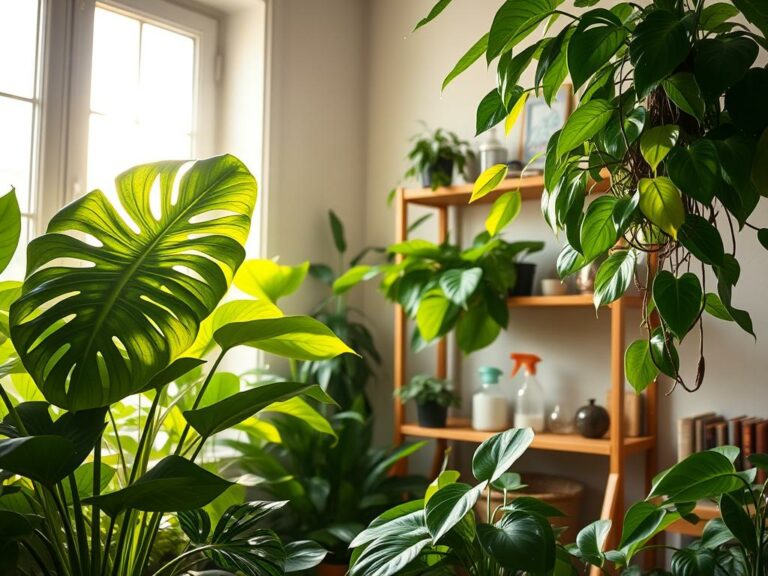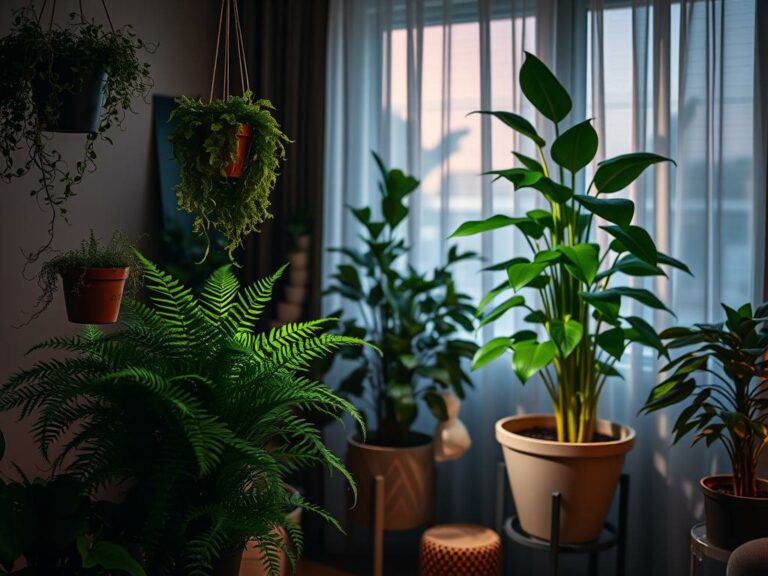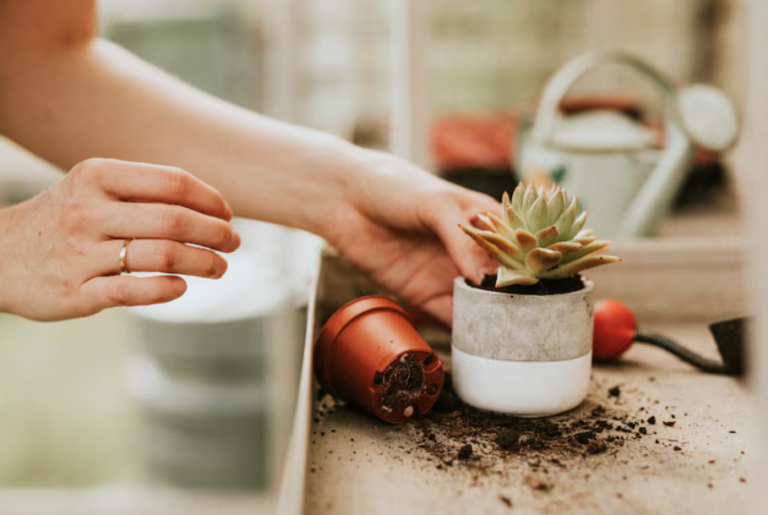

Nearly 70% of houseplant owners say they don’t know how to trim plants right. This lack of knowledge is the main reason why plants don’t thrive indoors or outdoors.
This guide will teach you simple, step-by-step ways to care for your plants. You’ll learn how to groom plants like pothos, snake plants, and succulents. It also covers how to care for shrubs, hedges, and trees.
You’ll discover how to trim plants safely and choose the right tools. You’ll also learn when to cut and how to spot diseases. The guide covers both indoor and outdoor care, with tips on pruning and shaping plants.
This guide is for anyone in the United States who wants to improve their plant care skills. It includes sections on why trimming is important, the best schedule, and essential tools. You’ll also learn about indoor vs. outdoor care, how to spot overgrown plants, and how to prune them. Plus, there are tips on aftercare, disease management, common mistakes, and final maintenance advice.
Understanding the Importance of Plant Trimming

Regular care is key to keeping plants healthy. Pruning does more than just clean up. It also lowers disease risk and boosts air flow.
Pruning removes dead or damaged parts that pests and fungi love. It directs energy to healthy shoots. This leads to more flowers and fruit on many plants.
By shaping plants, you keep them looking neat and tidy. This prevents them from becoming too long or unruly. It also protects buildings and walkways from damage.
Benefits of pruning include better light and more fruit. Cutting back crowded branches lets more sun in. This can lead to more fruit for plants that produce it.
Each plant type needs its own pruning method. Knowing this helps avoid stressing your plants. It’s all about matching the right cut to the right plant at the right time.
Some gardeners worry that pruning too much will harm plants. But, done correctly, pruning can actually encourage new growth. Not all plants need the same pruning, so it’s important to learn about each one.
Many think sealing cuts with paint or tar is a good idea. But, most cuts heal better when they’re open to air. Paints can trap moisture and lead to disease, so it’s best to avoid them unless advised by an expert.
Pruning doesn’t stunt growth if done right. It’s a tool for shaping and maintaining your plants. Learning the best pruning practices will help your garden stay healthy and beautiful.
When is the Best Time to Trim Plants?
Pruning plants at the right time keeps them healthy and thriving. Choose a time that fits the plant’s type, growth pattern, and your local climate. This way, you avoid cutting off flower buds or pushing new growth into cold weather.
Seasonal Considerations
For many deciduous trees and shrubs, late winter to early spring is the best time for structural pruning. Prune before buds open to see the branch structure clearly and reduce stress.
Prune spring-flowering shrubs like forsythia and lilac right after they bloom. Cutting them in late winter or early spring can remove next season’s flower buds.
Summer is ideal for light shaping and removing dead flowers. Summer-flowering shrubs look better after a post-bloom trim. This encourages a second bloom in fall.
Don’t do heavy pruning in fall. New shoots from cuts may not harden before cold weather, leading to damage. Use fall for removing dead or diseased wood.
Late winter is good for many fruit trees and structural cuts. Pruning during dormancy reduces sap loss and lets you see branch angles before growth starts again.
Weather Factors
Avoid trimming in extreme heat, drought, or cold. Plants are more likely to die back or get infected when cut in stressful conditions.
Choose a dry day for pruning. Wet conditions can spread fungal spores and bacteria through fresh cuts.
Consider your local hardiness zone and microclimate. Warm areas in USDA zones 8–11 might have different pruning times than cooler zones like 3–6. Adjust your timing to local frost dates and seasonal patterns.
Stay away from very windy days. Wind can damage branches and make ladder work unsafe while pruning.
Essential Tools for Plant Trimming
To keep your garden and houseplants healthy, choose the right trimming tools. The right equipment makes cleaner cuts, reduces plant stress, and speeds up your work. Here’s a guide to help you pick and maintain the tools you’ll use most often.
Pruners and Shears
Bypass pruners are great for live stems and green growth up to about 3/4 inch. They make clean cuts that don’t crush the stem. Fiskars, Felco, and Corona are top brands for durable, precise cutting.
Anvil pruners are best for dead wood. They can crush live tissue, so avoid them on green branches. For thicker stems up to 1–2 inches, use lopping shears. ARS and Bahco loppers offer extra leverage for larger cuts without tiring your hands.
Hedge shears are for shaping formal hedges and topiary. Manual models are good for small jobs. Power hedge shears save time on large areas. For branches over 2 inches, use a pruning saw. Silky and Bahco offer folding and curved saws for heavy limbs.
Additional Helpful Tools
Pole pruners extend your reach for high branches, allowing safe work from the ground. Use them with a stable ladder and safety gear when needed. Choose durable leather or nitrile-coated gloves to protect your hands from thorns and sap.
Disinfectants prevent disease transfer between plants. Carry 70% isopropyl alcohol or a diluted bleach solution to sterilize blades. Keep a sharpener and light oil to maintain edge and prevent rust. Dull blades tear tissue and raise infection risk, so sharpen regularly.
For cleanup, use a rake, wheelbarrow, and pruning saw to manage green waste. Replace or repair damaged tools promptly. Clean and oil tools after each use and store them dry to extend life and keep your tools ready for the next session.
How to Trim Indoor Plants
Keeping houseplants tidy makes them healthier and more attractive. Learn how to trim plants indoors with clear steps and safe plant grooming methods for houseplants. Small, regular trims prevent problems and encourage fuller growth.
Techniques for Popular Houseplants
Pothos and philodendron benefit from pinching back stems to control length. Cut just above a node to encourage side shoots and bushier growth. Use clean, sharp pruners and remove any weak or yellowing stems.
Fiddle-leaf figs respond well to selective shaping. Remove leggy or damaged leaves and prune branches to keep a balanced canopy. Bypass pruners work best for smooth cuts that heal quickly.
Snake plants and succulents need careful handling. Remove dead or rotting leaves at the base using sterile scissors. Avoid over-pruning since many succulents store water in their leaves and recover slowly.
African violets should be deadheaded by snipping spent blooms at the stem base. Take care not to damage the crown when you clean away old flowers to encourage more blooms.
Herbs like basil and mint benefit from regular pinching of tips. Harvest strategically to promote bushier growth and to delay flowering. Use cuttings for propagation when you prune.
Signs Your Indoor Plant Needs Trimming
Leggy growth with wide node spacing usually means low light or lack of pruning. Trim these stems to stimulate branching and improve shape.
Yellowing, brown, or damaged leaves should be removed to improve appearance and lower disease risk. Cut back to healthy tissue and clean tools between cuts.
If a pot is overcrowded or root-bound, prune foliage to match root capacity or plan a repot. Reducing top growth helps plants recover faster after repotting.
Sparse canopy or one-sided growth calls for selective pruning to rebalance the plant. Remove targeted stems to encourage growth in understimulated areas.
When pests cluster on certain stems, remove heavily infested parts and treat the plant. Pruning away the worst sections helps limit spread and makes treatments more effective.
Practical Indoor Trimming Tips
Sanitize tools before you start and make conservative cuts. Avoid removing more than 20–30% of foliage at once for sensitive houseplants. Small, frequent trims are better than major overhauls.
Consider propagating trimmed material. Many cuttings from pothos, philodendron, and herbs root easily in water or potting mix. This saves waste and expands your collection.
Trimming Techniques for Outdoor Plants
Pruning your outdoor garden keeps it healthy and looking good. Use specific cuts to control size, improve air flow, and guide new growth. Timing and method are key to avoid stressing plants.
Pruning Shrubs and Hedges
Start by making thinning cuts to remove inward-growing and crossing branches. These cuts open the center and lower disease risk.
Next, do selective heading cuts to shape the outer form. Make sure the base is wider than the top for better light on lower leaves. For formal hedges, shear lightly during the season. But also do occasional thinning with loppers to keep the structure strong.
For overgrown shrubs like forsythia or hydrangea, use renewal pruning. Cut off the oldest stems at the base to encourage new growth over several seasons. Prune spring-flowering shrubs right after they bloom. Wait until late winter or early spring for most summer-flowering varieties, depending on the type.
Caring for Ornamental Trees
Begin with structural pruning by removing crossing branches, suckers, and water sprouts. Keep a central leader if it’s beneficial for the species. Remove dead or diseased wood to prevent pests and decay.
Thin out crowded areas to improve light and air flow. For branches over an inch, use the three-cut method: undercut, top cut, and remove the stub at the branch collar. This protects the bark and helps the tree heal.
Avoid too much topping or “turtle shell” cuts, as they lead to weak growth and increase storm damage risk. For large trees or branches over 3–4 inches, call a professional. Hire an ISA-certified arborist for safe and proper tree care.
After pruning, follow local rules for disposing of yard waste. If allowed, chip branches for mulch. Remove diseased wood to prevent disease spread.
How to Identify Overgrown Plants
Before you grab the shears, learn to spot signs that a plant needs attention. A quick check saves time and avoids expensive fixes later.
Look inside the plant’s canopy. If it’s too dense and dark, it’s overgrown. You’ll see sparse leaves at the bottom and dense growth at the top.
Check the stems and branches. If they’re too long or floppy, it’s time to prune. Poor light can also mean fewer flowers or fruit.
Look for pests and diseases. Overcrowded plants attract pests and diseases. Dead or diseased wood can spread infection.
Check the roots in pots. If they’re circling or sticking out, the plant needs pruning or a new pot. Catching this early is crucial.
Think about safety. Unpruned branches can break in storms and damage things. Neglecting pruning can weaken the plant and pose safety risks.
Watch for signs of poor health. If a plant focuses on old growth, it’s not doing well. This neglect can lead to fewer blooms and less vigor.
Some plants spread too much. If left unchecked, they can take over other areas. This can cause problems and increase upkeep costs.
Make a plan to check your plants regularly. Mark what needs pruning to avoid mistakes. Regular checks help you catch problems early and avoid big fixes later.
Signs of Overgrowth
– Dense, shaded interiors and sparse lower leaves.
– Leggy stems that flop or sprawl into paths.
– Fewer flowers or fruit due to crowding.
– Higher pest and disease presence in tight canopies.
– Roots growing above soil or around pot edges.
Impact of Neglecting Trimming
– Structural weakness and storm damage risk.
– Declining vigor as energy shifts to unproductive wood.
– Dead branches that harbor pathogens and spread disease.
– Invasive encroachment on adjacent spaces.
– Increased maintenance costs from deferred corrective work.
Step-by-Step Guide to Pruning Plants
Before you start cutting, walk around each plant. Look for dead, diseased, crossing, and crowded branches. Make a simple plan or mark stems with biodegradable tags. This helps you stay organized and avoid mistakes.
Get your shears, loppers, and pruning saw ready. Clean blades with 70% isopropyl alcohol or a dilute bleach solution. Wear gloves and eye protection. Use a stable ladder for tall trees and keep pets and bystanders away.
Check the plant’s specific needs before cutting. Some shrubs bloom on old wood, so cutting at the wrong time can remove next season’s buds. Set a clear goal for pruning: maintenance, rejuvenation, shaping, or size reduction. Limit removal to about 25–30% of woody growth in one session for most shrubs and small trees.
Preparing for the Trim
Look for suckers and water sprouts and plan to remove them at the origin. Note perennials that die back after frost and mark them for late-season cutting. Label any problem areas so you can use proper plant trimming techniques without harming healthy growth.
Sharpen and test tools on a scrap branch. Clean blades and tighten pivot bolts on pruners. When disease is suspected, bag infected material and dispose of it according to local guidelines. This step reinforces how to trim plants safely and prevents spread of pathogens.
Making the Correct Cuts
For small branches, cut just above an outward-facing bud or node at a slight angle. This angle encourages outward growth and sheds water away from the bud. Use thinning cuts to remove whole branches at the base when you need air and light inside a shrub.
For larger limbs, follow the three-cut method. First, make an undercut 12–18 inches from the trunk. Second, make a top cut a few inches farther out to drop the limb safely. Third, cut just outside the branch collar to protect the trunk. These steps are core plant trimming techniques for trees and large shrubs.
For hedges and formal shrubs, use heading cuts to shape tips and thinning cuts to reduce density. Remove suckers and water sprouts at their origin rather than leaving stubs. Cut herbaceous perennials back to the crown after frost or when foliage dies, and deadhead flowering stems to prolong blooms.
| Situation | Recommended Cut | Why It Works |
|---|---|---|
| Small branch (softwood) | Angle cut above outward bud | Encourages outward growth; prevents water pooling |
| Large branch (woody) | Three-cut method, finish at branch collar | Prevents trunk damage; reduces tearing |
| Overdense shrub | Thinning cuts to base | Improves light and air circulation |
| Shaping hedges | Heading cuts on tips | Maintains form and uniformity |
| Suckers or water sprouts | Remove at origin | Stops wasted energy and prevents regrowth |
| Herbaceous perennials | Cut to base after frost | Encourages fresh spring growth |
After cutting, clean tools between plants when disease was present. Dispose of infected material per local regulations. These steps complete a reliable set of plant trimming techniques and help you master a step-by-step pruning guide while learning how to trim plants safely.
How to Encourage Healthy Growth After Trimming
After trimming, your plant needs careful care to heal and grow well. New shoots will appear if you balance nutrients, water, and light. Small changes now help your plant grow strong and reduce stress.
Fertilization Tips
Wait a week or two before feeding most plants. This lets cuts heal first. It helps your plant grow without shock.
Use a balanced slow-release fertilizer like 10-10-10 for basic care. For plants that bloom, choose a fertilizer with more phosphorus. Organic fertilizers like compost or fish emulsion are good too and improve soil.
Don’t over-fertilize. Too much nitrogen makes weak shoots that attract pests and get damaged in winter. Get a soil test from your county Cooperative Extension to match your soil’s needs.
Watering and Sunlight Guidance
Keep the soil moist after pruning. Water deeply but not too often to encourage deep roots. Avoid waterlogged soil to prevent root rot and slow recovery.
Apply 2–3 inches of organic mulch like wood chips or compost around the roots. Keep it away from stems to prevent rot. Mulch helps keep moisture in and controls soil temperature.
Pruning lets more light reach lower branches. Place plants in full sun to boost photosynthesis and speed recovery. Watch for signs of shock like wilting or leaf drop and adjust water or shade as needed.
| Care Step | Timing | Recommended Action |
|---|---|---|
| Initial rest | 0–14 days after trimming | Hold off on heavy feeding; maintain gentle watering |
| Fertilization | After 1–2 weeks | Apply balanced slow-release or bloom fertilizer; use organic amendments as preferred |
| Watering | Ongoing | Deep, infrequent watering; avoid waterlogged soil; monitor moisture |
| Mulch | Immediately after pruning | Lay 2–3 inches of organic mulch, keep away from stems/trunks |
| Light | After pruning | Ensure increased light to lower branches; adjust placement if needed |
| Support | When structural cuts made | Stake young trees until canopy and roots reestablish |
Managing Plant Diseases During Trimming
Pruning can help reduce disease and protect plants nearby. First, learn to spot early signs of disease. Then, use careful methods to keep your garden healthy.
Recognizing Infections
Look for signs like cankers, discolored spots, and powdery mildew. Also, watch for black spot, rust, and unusual leaf spots. Wilting and dieback are big warning signs.
Check for fungal growth and a musty smell. See if the disease spreads fast. Fast spread means it’s aggressive.
Use resources like Cooperative Extension for help. They can guide you on what to do next.
Preventative Measures
Make sure to sterilize your tools. Use 70% isopropyl alcohol or a 10% bleach solution. This stops diseases from spreading.
Get rid of infected parts right away. Don’t compost them unless it kills the disease. Clean up leaves and debris in spring and fall.
Thin out plants to improve air flow. Avoid overhead watering to lower humidity. This helps fight off diseases.
Choose disease-resistant plants and keep them healthy. Proper care helps them fight off diseases better.
Use fungicides or bactericides only when needed. Follow the directions carefully. Rotate chemicals to avoid resistance.
Keep watching for new infections. This way, you can catch and treat them early.
Mistakes to Avoid When Trimming Plants
Trimming plants is key to keeping them healthy. But, doing it wrong can harm your plants. Knowing what to avoid helps protect your plants’ growth, flowers, and fruit.
Over-Pruning Risks
Trimming too much foliage can hurt a plant’s ability to make food. This can slow down growth, weaken the plant, or even cause it to die back.
Removing too much at once makes plants more likely to get sick or stressed. Weak shoots may grow after cutting too much. These shoots can break easily in the wind or rain.
Pruning too much can also mess up a plant’s structure. Trees that lose big branches may decay or get damaged in storms. Fruit trees pruned too hard often produce less the next year.
Choosing the Wrong Time
Pruning at the wrong time can hurt your plants. Cutting in late winter can remove next year’s flowers. Pruning in late fall can cause new shoots to freeze in cold weather.
Pruning during dry or hot times stresses plants and slows healing. Cutting when pests are around can spread diseases. If you care about bees and butterflies, don’t cut off all flowers at once. Instead, remove them a little at a time.
| Common Error | Why It Hurts | What You Should Do |
|---|---|---|
| Dull or dirty tools | Torn cuts invite disease and slow healing | Sharpen and disinfect shears between plants |
| Cutting too close or leaving stubs | Impairs wound closure and invites decay | Make clean cuts at the correct distance from the branch collar |
| Topping trees | Creates weak regrowth and structural decay | Use selective pruning to maintain form and strength |
| Ignoring species needs | Removes buds or ruins bloom cycles | Prune according to whether the plant blooms on old or new wood |
Be careful with timing and technique. Avoiding common mistakes helps your plants stay healthy. Regular, small trims with the right tools work best.
Conclusion: Keeping Your Plants Healthy and Beautiful
Regular trimming is key to keeping plants healthy. It boosts their look and safety by removing weak branches. Always use the right tools and follow best practices to prevent damage.
After trimming, make sure to care for your plants well. Water them right, use fertilizer when needed, and add mulch. Watch for any signs of stress or disease.
Start with small cuts if you’re new to trimming plants. Focus on shaping and thinning to help them grow strong. Check your plants often and keep your tools sharp and clean. For big jobs or safety concerns, get help from a certified arborist. If you see unusual diseases, take samples to experts for help.
FAQ
What are the basic plant trimming techniques I should learn first?
Start with three key techniques: thinning cuts, heading cuts, and the three-cut method for big limbs. Thin cuts remove branches to open up the plant. Heading cuts shorten tips to shape and encourage more growth. The three-cut method is for big limbs, undercutting first, then cutting from the top, and finishing at the collar.For small stems, cut just above an outward-facing bud. Remove dead, diseased, or crossing branches first. These methods help shape many shrubs, hedges, and trees.
When is the best time to trim my garden shrubs and trees?
Timing depends on the plant type and when it blooms. For many deciduous trees and shrubs, prune in late winter to early spring. Prune spring-flowering shrubs like lilac and forsythia right after they bloom.Summer-flowering shrubs are pruned after they bloom. Avoid heavy pruning in fall or during hot, dry, or freezing weather. Also, consider your local USDA hardiness zone and microclimate when planning.
How often should I trim indoor plants like pothos or fiddle‑leaf figs?
Trim houseplants as needed, usually every 2–3 months for fast-growing vines like pothos. For plants like fiddle‑leaf fig, do selective shaping as they grow. Remove yellow or damaged leaves quickly and pinch back leggy stems to promote bushy growth.Avoid cutting off more than 20–30% of foliage at once. Always use clean, sharp tools.
Which tools do I need for trimming, and are there recommended brands?
You’ll need bypass pruners for live stems, anvil pruners for dead wood, loppers for thicker branches, pruning saws for branches over 2 inches, hedge shears, and a pole pruner for high branches. Use gloves, eye protection, a sharpener, oil, and disinfectant.Maintain your tools by sharpening and oiling blades and storing them dry. This prevents damage to plants and disease spread.
How do I identify overgrown plants and when should I intervene?
Look for dense, shaded interiors, sparse lower foliage, and leggy stems. Also, check for reduced flowering or fruiting and increased pests or disease. Container plants with root-bound or circling roots need attention too.Intervene when growth affects plant health, safety, or looks. Plan thinning or renewal pruning instead of drastic cutting to avoid shock.
What is the correct way to trim large branches without damaging the tree?
Use the three-cut method for big branches: undercut, top cut to remove weight, and final cut at the collar. Never top a tree. For branches over 3–4 inches or work needing ropes and chainsaws, hire an ISA-certified arborist for safety and tree health.
How should I care for plants immediately after pruning to encourage healthy growth?
Wait a week or two before fertilizing to let wounds heal. Provide consistent, proper watering—deep, infrequent watering encourages strong roots. Apply 2–3 inches of mulch around the root zone, but keep it off trunks and crowns.Ensure enough light after pruning since opening the canopy changes light distribution. Monitor for stress and adjust water or shade as needed. Stake young trees if canopy balance was altered.
How do I prevent spreading disease when cutting multiple plants?
Sterilize tools between plants with 70% isopropyl alcohol or a dilute bleach solution, when moving from a diseased plant. Remove and dispose of infected material properly—avoid composting heavily diseased wood unless it reaches pathogen-killing temperatures. Improve airflow by thinning crowded growth and avoid overhead watering to reduce leaf wetness.
What mistakes should I avoid when pruning to keep my plants healthy?
Avoid over-pruning, which reduces photosynthesis. Prune at the right time—don’t cut spring-bloomers in late winter. Use sharp, clean tools and avoid leaving large stubs or cutting flush into the trunk. Don’t fertilize aggressively after heavy pruning.Know the specific needs of your plants to prevent removing flower buds or encouraging vulnerable new growth.
Can I propagate new plants from the branches I trim?
Yes, many species root easily from cuttings—like pothos, philodendron, and some shrubs and tree softwood cuttings. Use clean cuts taken just below a node, remove lower leaves, and root in water or a sterile mix. Use rooting hormone for woody cuttings if needed.Propagating trimmed material is a sustainable way to multiply plants instead of discarding healthy trimmings.
When should I call a professional instead of doing the trimming myself?
Hire a professional for large trees or branches over 3–4 inches in diameter, any work needing climbing or chainsaws, complicated structural pruning, or when there are significant disease or safety risks. Seek ISA-certified arborists for tree work and consult local Cooperative Extension services or plant clinics for difficult disease diagnoses and treatment plans.
How do watering and fertilization change after pruning?
Maintain steady moisture appropriate to the species—avoid waterlogged soil. Deep, infrequent watering supports root strength. Wait a short period (about 1–2 weeks) after pruning before applying fertilizer so wounds begin to heal.Use balanced slow-release fertilizers (such as 10-10-10) for general maintenance or bloom-boosting formulas higher in phosphorus for flowering plants. Consider a soil test through your local Cooperative Extension for precise nutrient needs.