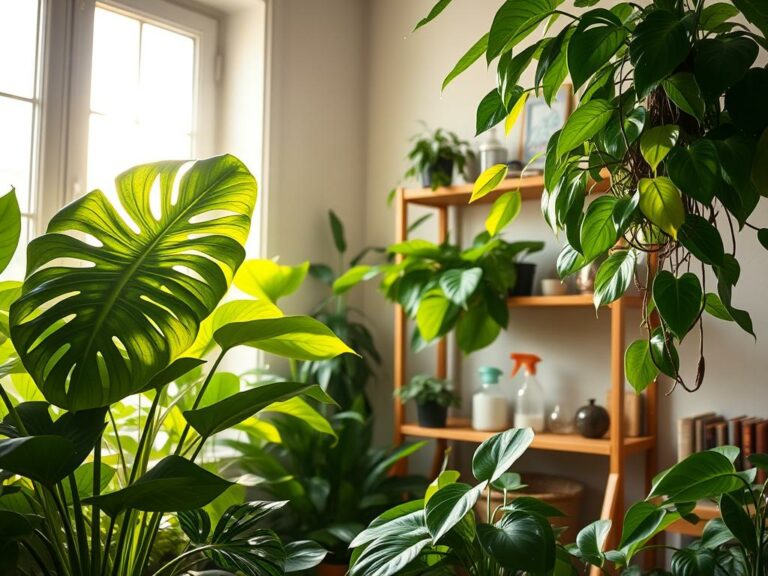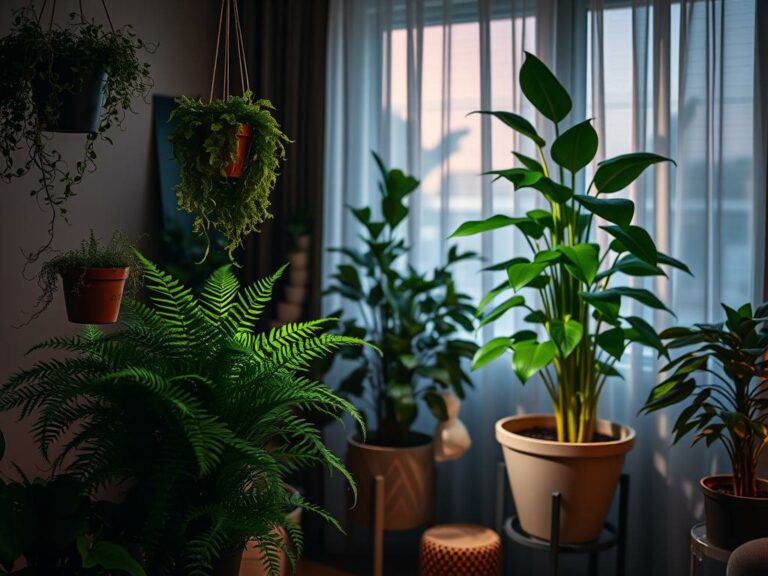

Did you know over 70% of American homes have rooms with little to no windows? Many think these spaces can’t support plants. But, many plants can grow well in low light.
You can make your home green even without bright windows. Choosing the right plants lets you enjoy nature indoors. Creating a vibrant atmosphere is simpler than you think.
This guide gives you the key to picking and caring for plants that thrive in dim spots. We’ll show you the best plants that need no sunlight for your indoor garden. Get ready to brighten every corner of your home.
Key Takeaways:
- Understand the difference between low light and total darkness.
- Discover species highly adaptable to dim indoor environments.
- Learn simple maintenance tips for long-term success.
1. Understanding Low-Light Plants
Nature has given some plants special abilities to grow in the dark. Not all plants need lots of sunlight. Low light plants can grow well in places with little light. They are great for homes with small windows or apartments.
What Are Low-Light Plants?
These plants are called low light tolerant plants. They have big, dark leaves with lots of chlorophyll. This helps them use even a little bit of light.
They don’t love the dark, but they’re good at using dim light. They grow slowly to save energy. This helps them live in places where other plants wouldn’t survive.
Benefits of Low-Light Indoor Plants
Adding these plants to your home is more than just pretty. They bring peace and a connection to nature. Here are some key benefits:
- Improved Air Quality: They help clean the air of bad stuff.
- Stress Reduction: They can make you feel better and less stressed.
- Low Maintenance: They need less care because they grow slowly.
- Aesthetic Versatility: They look good with many decorating styles.
Choosing the right plants can make a dark area bright and welcoming. These plants show that you can have nature’s calm in your home, even without a lot of sunlight.
2. The Best Plants for Low-Light Environments
Finding the right plants for your home is easier when you know which ones do well in low light. You don’t need a lot of sunlight to have beautiful indoor plants no sunlight needs. These plants are great for anyone, whether you’re new to gardening or have lots of experience.
Snake Plant
The Snake Plant is loved for its striking, architectural silhouette. Its long, sword-like leaves make it a standout in any room. This plant is very tough and can thrive in very dark places where other plants might not.
ZZ Plant
The ZZ Plant is perfect for those who want low light tolerant plants that look sleek. It has shiny, dark green leaves that catch the light, adding beauty to your space. This plant stays looking good even when you don’t give it much care.
Pothos
Pothos is known for its trailing elegance and quick growth. It looks great in hanging baskets or on high shelves where it can flow down. It’s a top pick for indoor plants no sunlight lovers because it’s very forgiving and adapts well to different indoor settings.
Choosing these three plants means you’re off to a great start in your indoor gardening adventure. Each of these low light tolerant plants brings a special look to your space and is easy to care for.
3. How to Care for No-Sunlight Plants
Caring for shade-loving plants means knowing their special needs. These plants grow slower because they get less sun. You need to adjust how often you water and care for them.
Watering Requirements
Don’t overwater, as it’s a common mistake. In dark places, water takes longer to evaporate, which can harm the roots. Always check the soil’s moisture before watering your houseplants for low light.
If the soil feels damp, wait a bit longer. It’s better to let the plant dry a little than to keep it wet all the time. Good drainage helps prevent water from staying too long.
Ideal Soil Types
Choosing the right soil is crucial. Look for a mix that drains well and lets air reach the roots. Perlite or orchid bark in the mix helps prevent the soil from getting too dense.
These materials create air pockets that keep the roots healthy. Using a good, porous soil helps your houseplants for low light do well in dim spots. Follow these tips to keep your plants looking great for a long time.
| Plant Type | Watering Frequency | Soil Preference |
|---|---|---|
| Snake Plant | Every 3-4 weeks | Well-draining succulent mix |
| ZZ Plant | Every 3-4 weeks | Peat-based potting soil |
| Pothos | Every 1-2 weeks | Standard indoor potting mix |
4. The Role of Artificial Light
You can turn any dark space into a green oasis with the right artificial lighting. Many houseplants for low light can handle it, but they still need energy to grow. When sunlight is scarce, artificial light becomes their main source.
Even the most light-sensitive plants for dark rooms will perk up with regular light. By using light that mimics the sun, your plants stay healthy and bright all year.
Types of Artificial Light
Choosing the right bulb is key. LED grow lights are top picks because they save energy and don’t get hot. They give plants the full spectrum they need to grow well.
Fluorescent lights are a good, affordable choice too. They’re not as efficient as LEDs but still work well for houseplants for low light in dark spots.
How to Supplement with Grow Lights
Getting the light right is crucial. Place your lights close to the plants but not so close they get burned. Aim for 12 to 18 inches away for most plants.
Lighting should be consistent, not just bright. Use a timer to give your plants for dark rooms 8 to 12 hours of light daily. This cycle helps them thrive in the darkest parts of your home.
5. Common Myths About Indoor Plants
You might think your home is too dark for plants, but that’s a common myth. Many new gardeners feel discouraged because they lack bright, south-facing windows. But, there are many indoor plants no sunlight that you can enjoy without harsh rays.
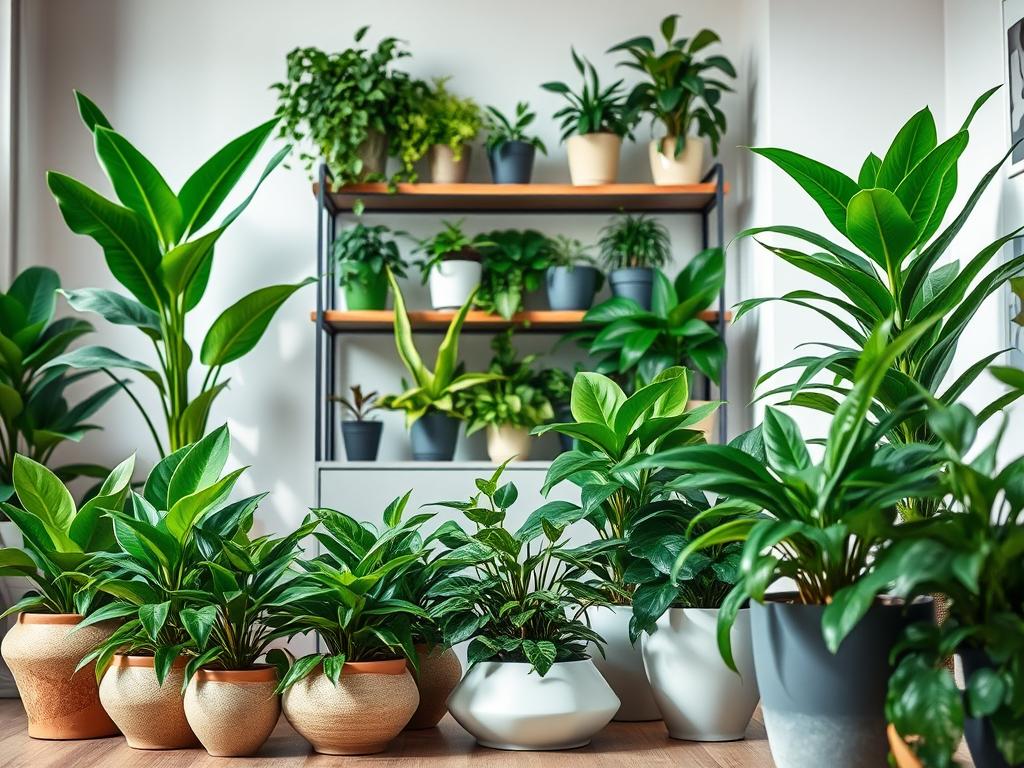
Do All Plants Need Sunlight?
Many believe every plant needs direct sun to live. But, not all plants need the same amount of light. Some plants that thrive in low light conditions grow well under forest canopies, where light is scarce.
By picking the right plants, you can have a lush indoor garden, even in low-light rooms. Knowing that light comes in different types helps you place your plants just right. Here are a few myths that confuse beginners:
- Myth: Plants in dark corners will die right away. Fact: Many plants just slow down or go dormant.
- Myth: Low-light plants don’t need any light. Fact: All plants need some light to live.
- Myth: You can’t grow anything in a windowless office. Fact: With the right plants, you can keep them healthy under artificial light.
Myths Around Low-Light Growth
Some worry that slow-growing plants are unhealthy. But, plants that thrive in low light conditions grow slowly and steadily.
This slow growth is a natural trait. When you give indoor plants no sunlight, don’t expect them to grow fast. Patience is key for these plants, as they save energy to stay healthy and vibrant for a long time.
6. Signs Your Plant Is Not Thriving
Even the most resilient plants for dark rooms will sometimes show signs of stress. Spotting these early signs is key to keeping your plants healthy and lively. By watching your plants closely, you can fix small problems before they get worse.
Yellowing Leaves
Yellow leaves mean your plant needs help. This color change often means you’re giving it too much water or the soil is too wet. It could also mean the plant isn’t getting enough energy where it is.
Before adding more water, check if the soil is already wet. If it is, let it dry out completely to avoid root rot. Making sure your plants have the right environment is crucial for plants that thrive in low light conditions.
Slow Growth
Some plants grow slowly, but a sudden stop in growth is a red flag. If your plant isn’t making new leaves, it might not have enough nutrients or light. You might need to give it a bigger pot or move it to a brighter spot.
Seasonal changes can affect growth, but if it doesn’t get better, try changing your fertilizing routine or look for pests. Taking care of your plants keeps your home looking great.
| Symptom | Likely Cause | Recommended Action |
|---|---|---|
| Yellowing Leaves | Overwatering | Improve drainage |
| Stunted Growth | Low light | Relocate plant |
| Brown Tips | Dry air | Increase humidity |
| Drooping Stems | Underwatering | Water thoroughly |
7. Benefits of Indoor Plants
Bringing nature inside does more than just decorate your living space. Indoor plants offer health and wellness benefits. They can turn your home into a personal sanctuary.
Adding shade-loving plants to your life can improve your quality of life. These plants connect you to nature, even in busy cities.
Improved Air Quality
Keeping greenery indoors has a big advantage: it cleans the air. Many household items release harmful chemicals. But plants act as natural air purifiers, removing these toxins.
These plants also boost oxygen levels in your rooms. They make the air cleaner and more refreshing for you and your family.
Stress Reduction
Caring for no sunlight plants helps you slow down and be mindful. Tending to your plants can lower stress and anxiety.
Many people find plants help them stay focused and productive. Whether working or relaxing, plants bring calm and clarity. This is hard to find with regular decor.
8. Decorating with Low-Light Plants
You can make your home look better by using no sunlight plants in dark spots. These plants do well in places where others can’t. They make dim areas feel welcoming and full of life.
Best Locations in Your Home
Choosing the right spot for your plants is key. Bathrooms are great because they’re humid and have some indirect light. You can also put plants on bookshelves or desks in rooms without windows.
Watch how the light changes during the day. Even a little light is enough for these plants. But don’t put them near heating vents, as it can dry out the soil too fast.
Creative Display Ideas
Be creative with how you display your plants. Hanging planters are great for small spaces, making them stand out. You can also group pots on a stand for a dynamic visual display that adds depth to your room.
Choosing the right pot is important too. Pick decorative pots that match your decor. Make sure your pot has holes at the bottom for good drainage, keeping your plants healthy.
| Display Method | Best Plant Type | Ideal Room |
|---|---|---|
| Hanging Planters | Pothos | Bathroom |
| Tiered Shelving | Snake Plant | Living Room |
| Desktop Pots | ZZ Plant | Home Office |
9. Frequently Asked Questions
Many beginners wonder if they can have a lush home garden without direct sun. It’s key to know that while some plants are very hardy, no plants that need no sunlight exist. Every plant needs some light to grow and stay healthy.
Can You Really Grow Plants Without Sunlight?
Looking for plants that need no sunlight means you want plants that do well in little light. These plants live in shaded areas in nature. They don’t need strong sun but still need some light to grow.
“Gardening is the purest of human pleasures, and even the darkest corner of your home can host a bit of life if you choose the right companion.”
Placing a plant in a dark room will harm it. To keep your plants happy, give them some indirect light or use artificial light. Consistency is the secret to a thriving indoor garden.
How Often Should You Rotate Your Plants?
Rotating your plants helps them grow evenly. Plants lean towards light, so they can become crooked if not moved. Rotate your pots every time you water to keep them straight.
Here are a few tips for keeping your indoor plants healthy:
- Check for leaning: If your plant starts to tilt, it’s time for a turn.
- Quarter-turn method: Rotate the pot 90 degrees each week for even light.
- Dust the leaves: Clean leaves help plants absorb more light.
By following these tips, your plants will grow evenly and healthily. Proper care stops common problems from uneven light.
10. Conclusion: Embracing Low-Light Indoor Gardening
Turning your home into a green oasis is easy with a little patience and the right plants. You now know how to make your indoor garden thrive, even in dark spots.
Indoor gardening in low light is rewarding. It connects you with nature. Every new leaf shows your hard work and love for your plants.
The Joy of Indoor Gardening
It feels great to care for living things. Watching plants like Snake Plants or ZZ Plants grow adds life to your day. You’re creating a space that boosts your mood and refreshes your home.
Your Journey to a Greener Home
Begin with one or two easy plants from Costa Farms or The Sill. See how they do in your home. This journey makes your home a lively, oxygen-filled space that shows off your style. Enjoy watching your garden grow as you learn and grow with your plants.