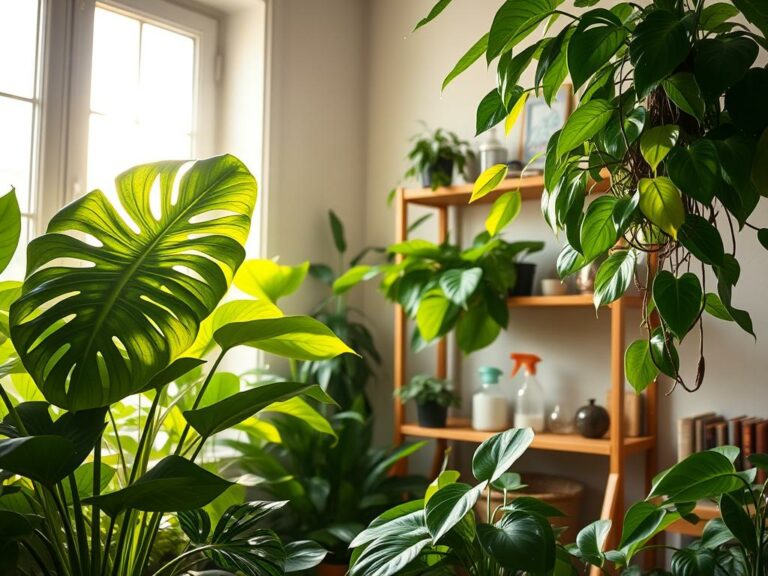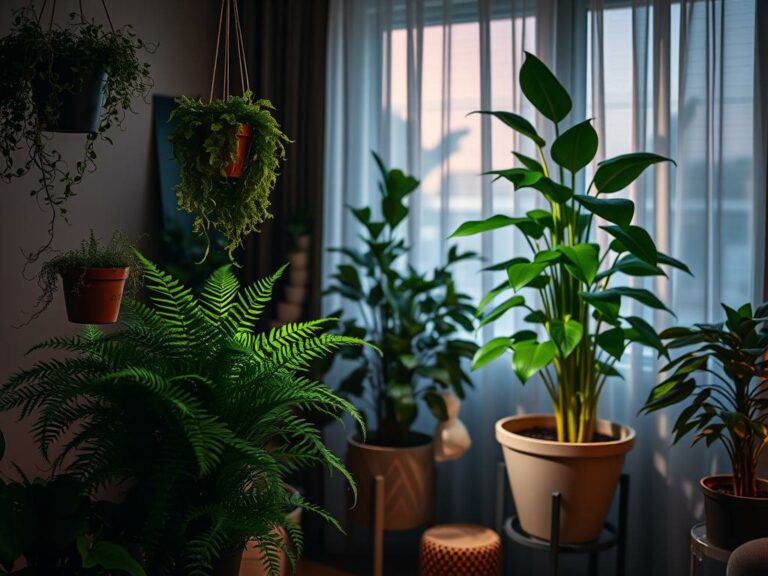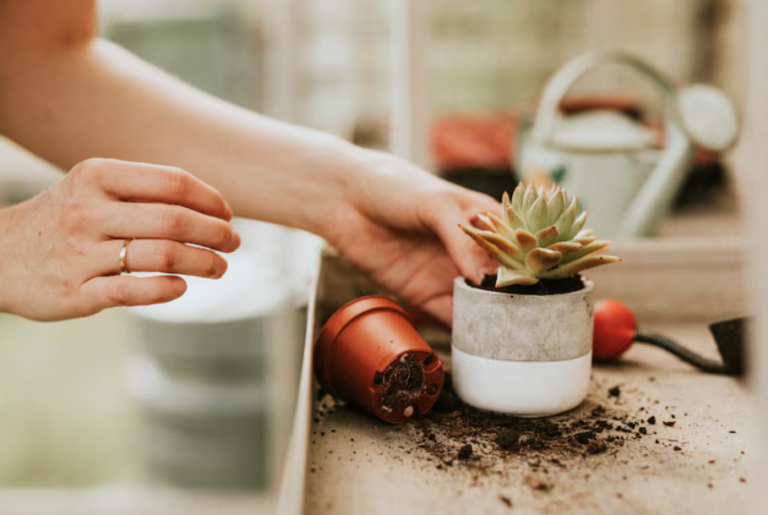

Did you know greenery can lift your mood by 40%? Even in tight apartments, you can create a lush haven. The key is picking the right small space indoor plants to make your space feel welcoming.
Before bringing plants home, assess your space well. Focus on scale and growth habits to blend nature seamlessly into your life. Learning to choose indoor plants for small spaces helps you use every inch of your home. This guide will help you create a stunning, harmonious space.
Understanding the Benefits of Small Space Indoor Plants
Adding greenery to your home does more than just look good. Even in small apartments, small space indoor plants can make a big difference. They are not just decorations; they work hard to make your space better.
Improve Air Quality
Many household items release harmful toxins into the air. But, some compact indoor plants can clean this air for you. They take in carbon dioxide and give out oxygen, making your air cleaner and fresher.
Enhance Aesthetics
Greenery can turn a small room into a cozy, stylish space. By placing plants wisely, you add texture and depth. Whether it’s vines or structured leaves, they bring vibrant visual appeal to your home.
Boost Mood and Well-Being
Studies show that indoor gardening can lower stress. Tending to your plants gives you a break from screens and connects you with nature. This daily activity brings calm and a sense of achievement, vital in a fast-paced city life.
| Benefit Category | Primary Impact | Key Advantage |
|---|---|---|
| Air Quality | Toxin Filtration | Cleaner Breathing |
| Aesthetics | Visual Depth | Sophisticated Decor |
| Well-Being | Stress Reduction | Mental Clarity |
Factors to Consider When Choosing Plants
Your success with small indoor plants depends on matching their needs to your home. Before buying, observe your space. This step helps avoid common mistakes and ensures your plants thrive.
Light Availability
Natural light is key for your plants. Note how much sunlight your windows get. Bright, indirect light is best for most plants. Plants for low-light areas need special care.
Humidity Levels
Many plants struggle in dry air common in apartments. If your home is dry, group plants together. Or, use a humidifier to keep moisture levels up.
Maintenance Requirements
Consider your schedule when picking plants. Some need constant watering, while others are easy to care for. Choose plants that fit your lifestyle for a stress-free gardening experience.
| Plant Type | Light Need | Watering Frequency | Humidity Preference |
|---|---|---|---|
| Snake Plant | Low to Bright | Low | Low |
| Pothos | Indirect Light | Moderate | Moderate |
| Ferns | Filtered Light | High | High |
| Succulents | Direct Sun | Very Low | Low |
By considering these factors, you can pick small indoor plants that will do well in your home. Preparing your space makes gardening rewarding.
Best Small Space Indoor Plants for Beginners
Starting a green space in a small apartment is easy with the right plants. Beginners should pick plants that are easy to care for. These small space indoor plants are great because they can handle a little neglect and still look good.
Snake Plant
The Snake Plant is perfect for beginners. It has long, vertical leaves that fit well in small spaces. This plant is very hardy and can survive even if you forget to water it for a while.
Pothos
The Pothos adds elegance to any room. It’s a trailing vine that grows well in different light conditions. It’s a favorite small houseplant because it tells you when it needs water by drooping its leaves.
ZZ Plant
The ZZ Plant is a low-maintenance superstar. It thrives in low light and can go without water for a long time. Its shiny leaves reflect light, making dark spots brighter. It grows slowly, so it won’t take over your space.
“The secret to a thriving indoor garden is not a green thumb, but choosing plants that match your lifestyle and environment.”
Choosing the right plant for your home is important. Here’s a quick guide to their basic needs:
| Plant Name | Light Preference | Watering Frequency |
|---|---|---|
| Snake Plant | Low to Bright | Every 3-4 weeks |
| Pothos | Indirect Light | Every 1-2 weeks |
| ZZ Plant | Low to Medium | Every 3-4 weeks |
Starting with these small houseplants increases your chances of success. They bring beauty without the need for complicated care. They’re ideal for your small space indoor plants collection.
Low-Light Indoor Plants for Shady Spaces
Turning a dark corner into a lush oasis is easier than you think. Many small indoor plants thrive in low light, just like the forest floor. By picking these hardy plants, you can brighten up even the darkest spots in your home.
“Gardening is the purest of human pleasures, and it can be enjoyed in the smallest of spaces if you choose the right companions.”
Peace Lily
The Peace Lily adds elegance to shady spots. These small indoor plants have beautiful white blooms against deep green leaves. They even tell you when they need water by drooping their leaves.
Cast Iron Plant
The Cast Iron Plant is almost impossible to kill. It’s named for its ability to survive in harsh conditions. It loves low light and needs little care, making it great for those with busy lives.
Spider Plant
The Spider Plant is perfect for beginners. It grows well in low light, like north-facing windows. It also produces “pups” that can be used to create more plants for your home.
| Plant Name | Light Preference | Watering Frequency | Maintenance Level |
|---|---|---|---|
| Peace Lily | Low to Medium | Weekly | Moderate |
| Cast Iron Plant | Low | Bi-weekly | Very Low |
| Spider Plant | Low to Bright Indirect | Weekly | Low |
Choosing the right small indoor plants keeps your space lively all year. Even without direct sun, these plants will grow and enhance your home. Try one of these plants to see how they can brighten up your shaded rooms.
Compact Indoor Plants for Limited Surface Areas
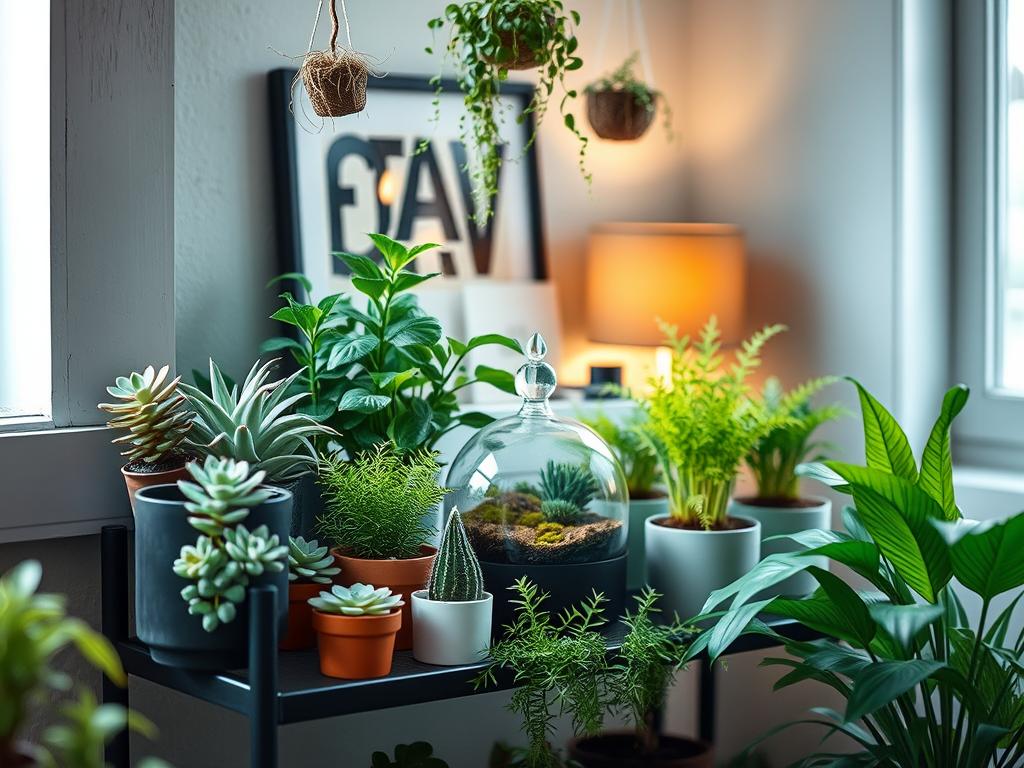
You can turn even the smallest desk or shelf into a lively garden with the right plants. When space is tight, picking indoor plants for small spaces that make a big impact is key. These small wonders let you enjoy greenery without taking up too much room.
Miniature Succulents
Miniature succulents are great for those who want a striking aesthetic with little care. They store water in their leaves, making them perfect for busy people. You can put several together in a shallow dish for a neat display on a narrow windowsill.
Air Plants
Air plants are versatile because they don’t need soil to grow. They get moisture and nutrients through their leaves, letting you hang them or put them in glass orbs. They’re perfect for small spaces, like hanging in tight corners or on top of books.
Bonsai Trees
Bonsai trees add a touch of artistic discipline and calm to small rooms. They need careful pruning, which can be a fun hobby. Keeping them in small containers keeps them small and adds a touch of elegance to your table.
| Plant Type | Light Needs | Watering Frequency | Best Placement |
|---|---|---|---|
| Miniature Succulents | Bright, Direct | Every 2-3 Weeks | Windowsills |
| Air Plants | Bright, Indirect | Mist Weekly | Hanging/Mounted |
| Bonsai Trees | Bright, Indirect | Check Daily | Desks/Tables |
Choosing these specific plants lets you create a collection of indoor plants for small spaces that looks intentional. Playing with different textures and heights can make your space look balanced and beautiful.
Choosing the Right Containers for Your Plants
When you pick miniature indoor plants, the container is key. It’s not just for soil; it’s crucial for your plant’s health. You need to find a balance between what works best and what looks good to you.
Material Options
The type of pot affects how water moves through the soil. Porous materials like terracotta let air and water through. This is great for plants that like it dry.
On the other hand, non-porous pots like glazed ceramic or glass hold water longer. These are perfect for plants that love damp conditions. Pick a pot that matches your plant’s water needs.
Size and Drainage
Drainage is crucial for your indoor garden’s health. Without holes at the bottom, water can cause root rot. Make sure your pot has drainage holes to keep roots healthy.
Choosing the right size is also key. A pot that’s too big or too small can harm your plant. Aim for a pot that’s only one to two inches wider than the plant’s current size.
Decorative Elements
Your containers connect your plants to your home’s style. You can add decorative touches to make your miniature indoor plants stand out. Whether you like simple or colorful pots, the right choice can improve your home’s look.
| Material Type | Best For | Key Benefit |
|---|---|---|
| Terracotta | Succulents | Breathable walls |
| Glazed Ceramic | Tropicals | Moisture retention |
| Plastic | Beginners | Lightweight and durable |
| Metal | Decorative covers | Modern aesthetic |
Creative Placement Ideas for Small Spaces
Adding plants to your space can make it feel bigger. By placing plants in creative spots, you can bring nature into your home without making it cluttered. Strategic placement helps you enjoy plants while keeping your space open and functional.
Shelving Units
Wall-mounted shelves are great for showing off your plants without using floor space. You can put miniature indoor plants on these shelves to make a living gallery wall. This makes your room look taller and more open.
Tabletops
Side tables and desks are perfect for plants. Adding compact indoor plants to these spots brings life to your workspace or reading area. Just pick containers that don’t take up too much space to keep things neat.
Hanging Planters
If you’re short on surface space, think about the ceiling. Hanging planters use vertical space well, creating a beautiful waterfall effect. Trailing varieties look great in these spots, adding depth and character to any corner.
Caring for Your Indoor Plants in Small Spaces
Keeping your small indoor plants looking great all year is all about care. In tight spaces, paying close attention is key. A regular routine helps avoid problems and keeps your plants happy.
Watering Practices
Soil in small spaces stays wet longer because of less air. Always check the soil moisture before watering your small houseplants. A simple finger test will tell you if it’s time for a drink.
Don’t let your pots sit in water, as it can cause root rot. Make sure your pots have holes to let excess water out. This keeps your plants safe from too much water.
Fertilization Tips
Plants in small pots need more nutrients because they have less soil. You must add these nutrients often to help them grow well. Use a balanced fertilizer that’s half the strength to avoid harming the roots.
Water your plants once a month in spring and summer. In winter, they need little to no food. Always follow the fertilizer instructions to give the right amount for your plants.
Pest Control Advice
Small spaces can attract pests if not watched. Check your small houseplants often for pests like webbing or sticky stuff. Catching pests early stops them from spreading.
If you find pests like spider mites or aphids, isolate the plant right away. You can treat small problems by cleaning leaves with a damp cloth or using insecticidal soap. Keeping your plants clean helps prevent pests.
| Care Task | Frequency | Key Benefit |
|---|---|---|
| Watering | When top inch is dry | Prevents root rot |
| Fertilizing | Monthly (Spring/Summer) | Promotes healthy growth |
| Pest Inspection | Weekly | Early problem detection |
By following these care tips, your small indoor plants will be a lovely part of your home. Keeping up with these habits is the secret to a thriving indoor garden.
Creating a Small Indoor Garden
You can turn a small living area into a vibrant oasis. Think vertically and strategically. A cohesive display is more than just scattering pots. It needs a thoughtful layout and design.
Group indoor plants for small spaces with similar needs. This ensures both visual harmony and easier maintenance.
Vertical Gardening Solutions
When floor space is limited, use your walls for more greenery. Vertical gardening makes your room feel taller and more spacious. Use wall-mounted planters, hanging pockets, or tension rods for a living wall.
Window Sill Gardens
Your window sill is perfect for light-loving plants. Arrange pots in tiers to maximize sunlight and keep things organized. Grouping plants by water needs prevents over-watering and streamlines maintenance.
Using Plant Stands
Tiered plant stands add depth to your decor. They allow you to layer plants, ensuring each gets enough light without crowding. This creates a professional, curated look that feels intentional and clean.
| Display Method | Best For | Space Impact |
|---|---|---|
| Vertical Mounts | Trailing vines | High (Saves floor) |
| Window Sills | Succulents | Medium (Uses light) |
| Tiered Stands | Mixed collections | Low (Adds depth) |
Choosing the right method for your indoor plants depends on your layout and light. Experiment to find the perfect balance for your home. A unified botanical display makes a small room feel lush and private.
Seasonal Considerations for Indoor Plant Care
Your living space changes with the seasons. These changes affect how your small houseplants do in tight spots. By managing these changes, your plants stay healthy and bright, no matter the weather.
Adjusting Light Exposure
Winter days have less natural light. Move your plants closer to windows to get more sun. If your home is too dark, grow lights can help.
Temperature Management
Drafts and heat from radiators can harm your plants. Keep them away from direct air vents for a stable climate. This prevents leaf drop and keeps your plants looking great.
Seasonal Plant Rotation Tips
Rotate your pots every few weeks for even growth. This ensures your plants get balanced light. Share your progress with others to build a community of indoor gardeners. Your small efforts will keep your garden thriving all year.