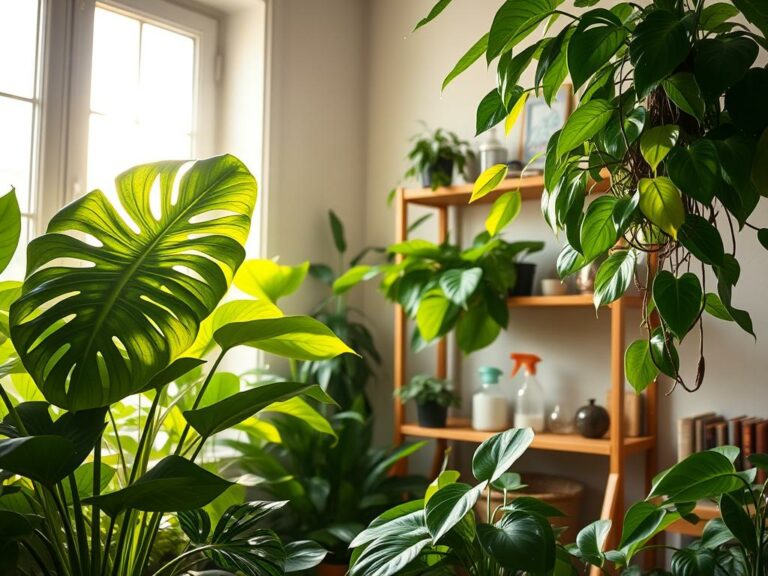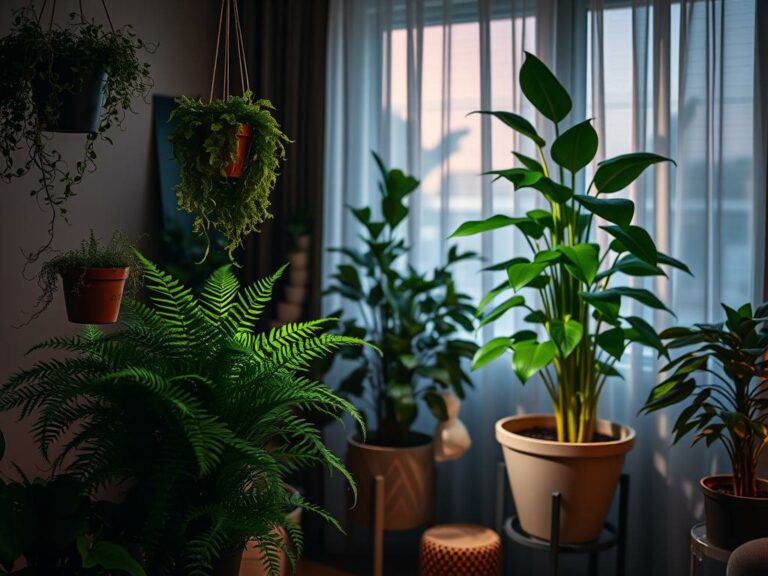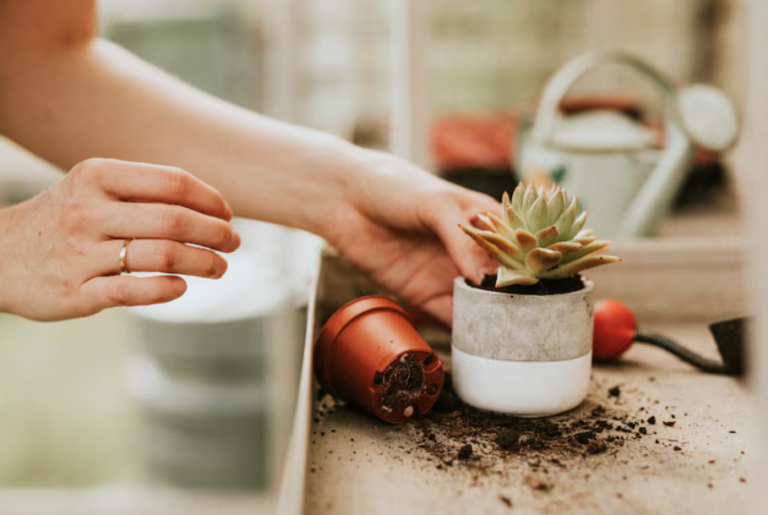

Did you know that adding greenery can boost your focus by up to 15%? This shows how nature does more than just look good. It actually improves your daily life.
Adding modern indoor plants to your space is a great way to refresh it. These plants act as living art, softening sharp lines and creating a calm atmosphere.
Choosing the right plants is key for mixing nature with style. Whether you want to clean the air or add color, picking the best indoor plants for home decor is important.
Transforming your house into a sanctuary is easier than you think. By picking plants that fit your lighting, your space stays lively and healthy. Let’s see how these natural additions can improve your lifestyle and well-being.
Why Choose Modern Indoor Plants?
Bringing nature indoors makes your home a health and style sanctuary. Adding modern indoor plants does more than just fill spaces. It connects you to nature. The right plants can make your home look better and improve your life.
Benefits of Indoor Plants
One big reason for contemporary plant design is better air quality. Many houseplants clean the air by removing toxins and adding oxygen. This makes your home cleaner and healthier for your family.
These plants are also great decor that fits your lifestyle. Whether you have a big room or a small apartment, there’s a plant for you. Here’s how different plants can improve your home:
| Plant Category | Primary Benefit | Maintenance Level |
|---|---|---|
| Air Purifying | Removes Toxins | Low to Medium |
| Succulents | Water Efficiency | Very Low |
| Large Foliage | Visual Impact | Medium |
Psychological Impact of Greenery
Modern indoor plants greatly improve your mental health. Studies show they lower stress and improve mood. Contemporary plant design brings calm to your home, making it a peaceful retreat.
“The best way to find peace in a busy world is to surround yourself with the quiet, steady growth of nature.”
Caring for a plant is a rewarding routine. It teaches mindfulness and patience. This simple act of care gives you a sense of achievement and keeps you present. By adding greenery, you’re making your home healthier and happier.
Popular Modern Indoor Plants
Choosing the right plants is key to improving your home’s look. Many trendy houseplants are loved for their beauty and easy care. They make your home feel fresh and welcoming.
Snake Plant
The Snake Plant is a hit in modern homes. Its architectural, upright leaves stand out. It grows well in many light conditions, perfect for beginners. Plus, it cleans the air, adding a practical touch to its stylish look.
Pothos
The Pothos is great for those who want a versatile plant. It’s a fast-growing vine that looks amazing on shelves or in baskets. It does well in low light and has beautiful, colorful leaves.
Monstera Deliciosa
Known as the “Swiss Cheese Plant,” the Monstera Deliciosa is eye-catching. Its big, holey leaves add a tropical vibe to any room. It’s a standout feature that brings your space together.
ZZ Plant
The ZZ Plant is famous for its glossy, waxy leaves that shine in the light. It’s tough and can survive with little care, perfect for those who are always busy. It’s a top choice for homes with little natural light.
“To plant a garden is to believe in tomorrow.”
Wondering which plant is right for you? Here’s a quick guide to their basic needs:
| Plant Name | Light Preference | Watering Frequency | Growth Habit |
|---|---|---|---|
| Snake Plant | Low to Bright | Every 3-4 weeks | Upright |
| Pothos | Indirect Light | Every 1-2 weeks | Trailing |
| Monstera | Bright Indirect | Every 1-2 weeks | Spreading |
| ZZ Plant | Low to Medium | Every 3-4 weeks | Upright/Arching |
How to Select Plants for Your Space
Starting an indoor garden is exciting. First, understand your home’s environment. Practical indoor gardening ideas help your plants thrive. Assessing your space is key.
Consider Your Light Conditions
Light is crucial for plants. Observe how sunlight enters your rooms. North windows give soft, indirect light. South windows have intense, direct sun.
- Low light: Great for tough plants like Snake Plants.
- Bright indirect light: Best for most tropical plants.
- Direct sun: Ideal for succulents and cacti.
If your home is dark, use grow lights. Watch how plants adjust to their spot for a few weeks.
Assess Available Space
Look at your floor plan before buying plants. Think about the plant’s size now and how it will grow.
Use vertical space if your floor is small. Shelves, hanging planters, or wall brackets help. Strategic placement makes plants a beautiful part of your home.
Evaluate Your Maintenance Preferences
Your lifestyle affects which plants you can care for. Be honest about your watering, pruning, and fertilizing time.
If busy, choose easy-care indoor gardening ideas. For those who love plant care, more demanding plants are rewarding. The best plant fits your daily routine.
Ideal Conditions for Indoor Plants
Creating a lush home oasis starts with knowing your plants’ needs. The right mix of light, moisture, and nutrients leads to vibrant growth and health.
Understanding these basics helps avoid common problems like yellow leaves or slow growth. Tailoring your home to match your plants’ natural habitats creates a thriving indoor ecosystem.
Light Requirements
Light is crucial for your plants, but not all need the same amount. Watch how sunlight moves in your rooms to find the best spot for each plant.
Bright, indirect light is best for most tropical houseplants. If your space is too dark, grow lights can help your plants get the light they need.
Humidity and Temperature
Most indoor plants love tropical climates, so they prefer consistent temperatures and higher humidity. Keep your home between 65°F and 75°F to avoid stress.
In winter, indoor air gets dry from heating. To keep your plants lush, group them, use a pebble tray, or run a humidifier nearby.
Soil and Potting Needs
Good soil is key for a healthy plant. Choose a mix that balances aeration and moisture to avoid root rot.
Make sure pots have drainage holes to prevent waterlogged soil. A quality, well-draining mix keeps roots oxygenated and soil healthy.
| Plant Type | Light Preference | Humidity Level | Soil Drainage |
|---|---|---|---|
| Succulents | Direct/Bright | Low | Excellent |
| Tropicals | Indirect/Bright | High | Moderate |
| Ferns | Low/Indirect | Very High | High |
| Snake Plants | Low to Bright | Low to Moderate | Excellent |
Decorating with Plants in Modern Homes
You can make your home look better by learning about contemporary plant design. Seeing plants as part of your home’s design makes it feel alive and thoughtful. Placing plants carefully ensures they enhance your furniture, not just add clutter.
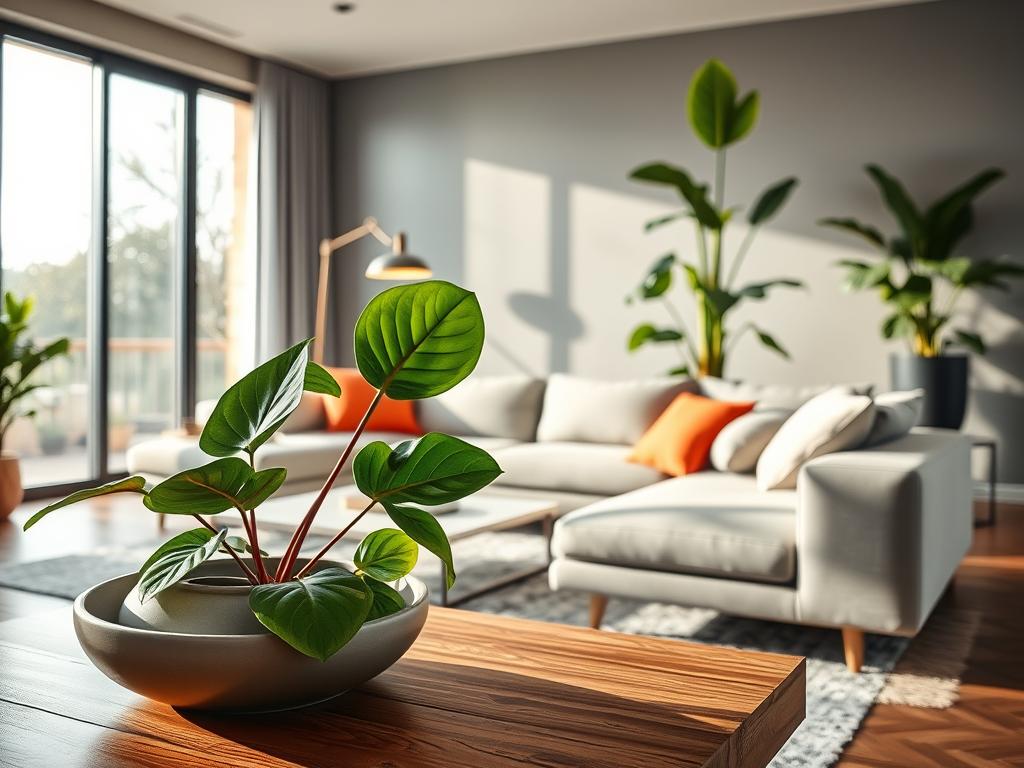
Statement Plants for Focal Points
A big, architectural plant can anchor any room. A tall Fiddle Leaf Fig or a mature Monstera in a corner can draw the eye. These plants add dramatic flair to your space, making it feel more alive.
Incorporating Plants into Minimalist Designs
Minimalism means less is more, but it doesn’t have to be cold. Use plant styling tips to add warmth and texture. Choose pots that are neutral and simple to keep your space clean and uncluttered.
Using Hanging Plants for Vertical Space
Use hanging planters to make the most of vertical space when you’re short on floor room. They draw the eye up, making rooms feel taller. Perfect for plants like Pothos or String of Pearls, which add a soft touch to your contemporary plant design.
Here are some tips to arrange your plants well:
| Placement Strategy | Best Plant Type | Design Benefit |
|---|---|---|
| Focal Point | Large Leafy Trees | Anchors the room |
| Minimalist Shelf | Small Succulents | Adds subtle texture |
| Vertical Hanging | Trailing Vines | Maximizes height |
| Corner Accent | Tall Snake Plants | Softens sharp edges |
Using these plant styling tips will make your home feel balanced and fresh. Whether it’s a bold statement piece or a collection of hanging vines, your indoor plant decor will turn your home into a peaceful, modern oasis.
Care Tips for Modern Indoor Plants
To keep your indoor garden looking great, you need to know a few key habits. Give your modern indoor plants the right home, and they’ll grow well and clean the air. Being consistent helps avoid problems before they happen.
Watering Guidelines
Most plants don’t do well if they’re not watered right. Check the soil by sticking your finger in it about two inches deep. If it’s dry, it’s time to water; if it’s still wet, wait a bit to avoid root rot.
Make sure your pots have holes to let water out. Too much water can cause fungal diseases. Always empty the saucer after watering to keep the roots healthy.
Fertilization Schedule
Plants need nutrients to grow well, mostly when they’re actively growing. Use a balanced fertilizer once a month from spring to early fall. Over-fertilizing can harm the roots.
In winter, plants usually slow down. Cut back or stop fertilizing then. This lets them rest and get ready for the next growing season.
Pest Control Solutions
Even with good care, plants can get pests like spider mites or fungus gnats. Check the undersides of leaves for webs or sticky stuff. Catching pests early is key to stopping them.
If you find pests, isolate the plant to protect others. For small problems, a wipe with neem oil or insecticidal soap can help. Keeping your space clean is crucial for healthy, pest-free plants.
| Care Task | Frequency | Key Indicator |
|---|---|---|
| Watering | Weekly | Dry topsoil |
| Fertilizing | Monthly | Active growth |
| Pest Check | Bi-weekly | Leaf spots |
Understanding Plant Compatibility with Your Lifestyle
Choosing the right plants is more than just about looks. It’s about finding plants that fit into your daily life. When you pick trendy houseplants that match your home, you make gardening easy. A good indoor garden should make your space better, not more work.
Low-Maintenance Options
Starting with tough plants is a good idea if you’re new to indoor gardening. These plants can handle being forgotten without losing their beauty. Even if you forget to water sometimes, these plants will still look great.
- Snake Plants: Known for their architectural beauty and ability to survive in low light.
- ZZ Plants: These thrive on neglect and require very little water to stay vibrant.
- Pothos: A versatile vine that signals when it needs water by slightly drooping its leaves.
Plants for Busy Schedules
If you have a busy life, pick plants that don’t need much care. You want plants that can survive without daily watering. Succulents and cacti are great because they store water in their leaves and stems.
“The best plant for a busy person is one that thrives on being left alone for a week or two at a time.”
Put these plants in bright, indirect light to keep them happy. Automating your care lets you enjoy plants without the daily upkeep.
Kids and Pet-Friendly Choices
When you have kids or pets, safety is key. Many popular trendy houseplants can be harmful if eaten. Choosing safe plants lets you decorate without worry.
| Plant Name | Pet Safety | Care Level |
|---|---|---|
| Spider Plant | Safe | Easy |
| Boston Fern | Safe | Moderate |
| Parlor Palm | Safe | Easy |
Always check if a plant is safe before bringing it home. Creating a safe and green sanctuary is possible when you put everyone’s safety first.
Trending Indoor Plant Accessories
Improving your home is more than just picking plants. It’s about choosing the right accessories to show them off. With the right design, your space can become a beautiful botanical haven. The right accessories not only make your indoor plant decor look better but also help your plants grow.
Decorative Pots
Finding the perfect pot is key for both your plants and your home’s look. Look for stylish plant pots with holes to keep roots healthy and match your home’s colors. Options like ceramic, terracotta, and woven baskets add texture and style.
Think about the pot’s weight and strength before buying. Lightweight resin pots are great for hanging, while heavy stone or concrete pots are better for big plants. Make sure the pot is big enough for your plant’s roots as it grows.
Plant Stands and Shelves
Using vertical space is smart for showing off your plants without taking up floor space. Plant stands come in different heights, letting you create a dynamic layered look with plants of all sizes. This makes your room look bigger and more interesting.
Wall-mounted shelves or tiered ladder stands are perfect for plants like Pothos or Ivy. They help plants get better air and light. Strategic placement on these can make a simple corner into a lively spot.
Grow Lights and Fertilizers
Even the prettiest plants need the right environment to stay healthy all year. If your home doesn’t get enough sunlight, LED grow lights can help. These lights are modern and fit well with your decor.
Using good fertilizers with your lights ensures your plants get the nutrients they need. Regular feeding keeps your plants looking their best and encourages growth. Getting these supplemental tools is a smart move for your indoor plant decor.
Creating a Plant Care Routine
Creating a care routine keeps your plants looking great all year. By following plant styling tips, you can keep your indoor garden thriving. Remember, consistency is key for a healthy home garden.
Weekly Maintenance Tips
Begin by checking your soil’s moisture. Most plants like to dry out a bit before watering. So, test the top inch of soil with your finger before adding water. This helps avoid overwatering, a common mistake.
While checking the soil, clean your plants’ leaves with a damp cloth. This helps them photosynthesize better, keeping them shiny and bright. Also, rotate your pots to ensure even growth towards the light.
Seasonal Care Adjustments
As seasons change, your plants grow differently. In spring and summer, water more often and use a balanced fertilizer. Prune leggy stems to help them grow fuller.
In autumn and winter, your plants need less water. This prevents root rot during their dormant period. Adjusting your care to match these natural cycles is crucial for success.
Signs Your Plant Needs Attention
It’s important to understand what your plants are telling you. Droopy leaves often mean they need water or are stressed. Yellow leaves can signal overwatering or a nutrient deficiency.
Watch for pests like spider mites or aphids on the underside of leaves. Catching them early helps prevent them from spreading. Use this guide to quickly spot common problems.
| Symptom | Potential Cause | Recommended Action |
|---|---|---|
| Brown, crispy leaf tips | Low humidity | Mist leaves or use a humidifier |
| Yellowing lower leaves | Overwatering | Check drainage and reduce water |
| Drooping stems | Dehydration | Water thoroughly and monitor |
| Stunted growth | Lack of light | Move to a brighter location |
By being observant and using these plant styling tips, your indoor garden will stay beautiful. A little care goes a long way in keeping your plants happy and healthy all year.
Seasonal Considerations for Indoor Plants
Knowing how seasons affect your plants is key to a lush indoor space. As your home’s environment changes, your plants need consistent adjustments to stay healthy.
Maybe it’s time to update your plants’ homes. Switching to stylish plant pots with better drainage or insulation can help them handle temperature changes better.
Summer Care Adjustments
In the warmer months, your plants grow more. You’ll need to water them more often because the soil dries out faster. Consistent moisture is crucial, but check the soil first before watering.
It’s also a good time to fertilize for new leaf growth. Since plants use more energy, feeding them every few weeks helps them grow. Watch out for pests, as warmer air can attract them.
Wintering Your Plants
As days get shorter, plants grow slower. You’ll need to water them less to prevent root rot. Avoid fertilizing during this time, as plants don’t need it.
Keep plants away from cold drafts and direct heat. A stable, moderate temperature is best for them during winter. If you’ve moved them to stylish plant pots, place them where they won’t be disturbed until spring.
Adapting to Seasonal Light Changes
The sun’s angle and intensity change a lot throughout the year. In winter, you might need to move plants closer to windows for enough light. In summer, pull them back to avoid leaf scorch.
Watch how light moves in your rooms with the seasons. Rotate your plants to ensure even light exposure. This simple step keeps your indoor garden balanced and healthy all year.
Resources for Plant Enthusiasts
Creating a lively indoor garden needs good supplies and expert tips. You can make your home more vibrant by checking out different places for indoor gardening ideas. These ideas will help your plants grow well.
Online Plant Shopping
Online stores like The Sill or Bloomscape make it easy to get plants delivered to your home. They come with care guides for beginners. You’ll find many plants that fit your home’s needs.
Local Nurseries and Garden Centers
Going to local shops like Pike Nurseries lets you see plants up close. The staff there gives advice based on your area’s weather. Buying from these places can also lead to finding rare plants.
Community Gardening Groups and Events
Joining groups like Meetup or attending workshops at botanical gardens connects you with others. These groups share tips and host plant swaps. Being part of a community keeps you motivated and inspired.
Starting your journey to a greener home is exciting and educational. Begin exploring these resources to create a space that shows off your style and love for nature.