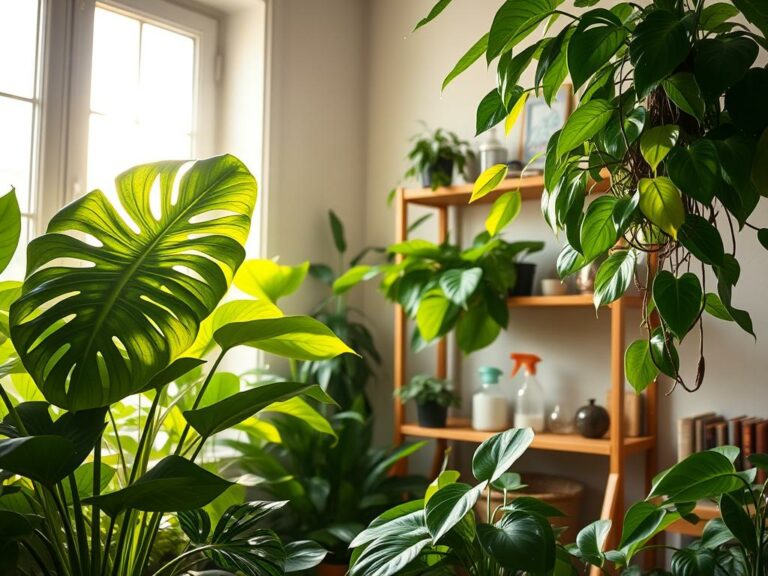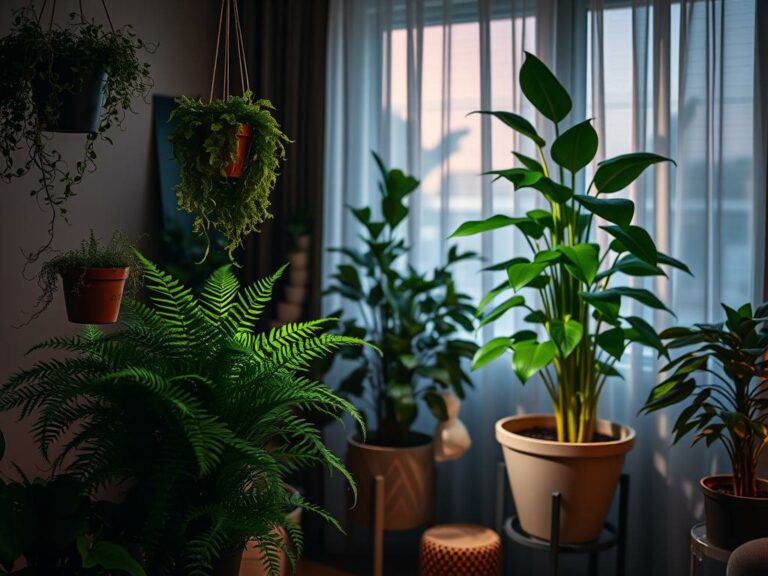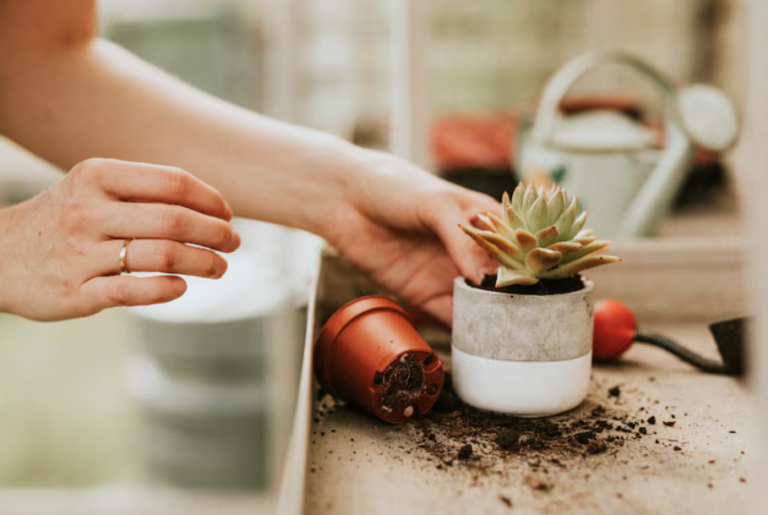

Did you know your home’s air can be up to five times dirtier than outside? Most of us spend almost all our time indoors, unaware of the toxins around us. But, you can make your home a healthier sanctuary with nature’s help.
Adding air purifying indoor plants to your space does more than look good. These plants act as natural air purifiers, removing harmful chemicals from your home. By picking the best air purifying plants, you can cut down on pollutants and improve your health.
This guide is your go-to for finding plants that are good for your health. Start making your home cleaner and greener today, and breathe easier.
Why Choose Air Purifying Indoor Plants?
House plants do more than just look good. They help clean the air you breathe. Adding indoor plants for clean air to your home is a smart move. These plants work hard to keep the air fresh every day.
Benefits of Cleaner Indoor Air
Choosing plants for improved indoor air quality cuts down on harmful pollutants. Many things in our homes release chemicals that can hurt our lungs. Plants act as a natural shield against these dangers.
These plants also help keep the air’s humidity balanced. This is great during dry winter months. Your home will feel fresher and more welcoming with them around.
The Science Behind Air Purification
The indoor plant air purifying benefits come from how plants work. They filter the air by absorbing gases and breaking them down in the soil. This process is amazing and shows how nature solves environmental problems.
Photosynthesis and the roots of plants remove toxins like formaldehyde and benzene. It’s like having a tiny, self-sustaining cleaner in your living room.
Enhancing Aesthetics with Plants
Plants also make your home look better. They add texture, color, and life to any room. Whether you like a simple or lush look, there’s a plant for you.
| Feature | Standard Air | Plant-Purified Air |
|---|---|---|
| VOC Levels | High | Low |
| Humidity | Low/Dry | Balanced |
| Visual Appeal | Minimal | High |
| Mental Impact | Neutral | Calming |
Incorporating nature into your decor can reduce stress and improve your mood. By picking the right plants, you can make your home both beautiful and healthy. It becomes a place that supports your body and mind.
Top Air Purifying Indoor Plants
Turning your home into a haven starts with picking the right air purifying indoor plants. These plants do more than look good; they clean your air. By choosing the right ones, you make your home healthier for your family.
Snake Plant: The Resilient Air Cleaner
The Snake Plant is a top pick for beginners. Its striking leaves are also very hardy, thriving in tough spots. It’s perfect for busy homes because it needs little care.
This plant is special because it makes oxygen at night. Most plants stop making oxygen at night, but the Snake Plant keeps working. It keeps your air fresh while you sleep.
Spider Plant: A Proven Powerhouse
The Spider Plant is great for those who want versatile air filtering plants. It grows fast and makes new plants easily. This makes it a budget-friendly way to add greenery that cleans the air.
These plants are good at removing toxins like formaldehyde. They’re safe for most homes and work well in different light conditions. They’re a must-have for your collection.
Peace Lily: Beauty and Functionality
The Peace Lily is both beautiful and useful. Its green leaves and white flowers make it a stunning centerpiece. It’s also a top air cleaner, keeping your air balanced.
This plant likes consistent moisture and indirect light. With proper care, it’s a reliable air filter for your home.
| Plant Name | Light Needs | Watering Frequency | Purification Level |
|---|---|---|---|
| Snake Plant | Low to Bright | Every 2-3 Weeks | High |
| Spider Plant | Indirect Light | Weekly | Moderate |
| Peace Lily | Low to Medium | Keep Moist | High |
Care Tips for Your Indoor Plants
Keeping your air clean depends on how well you care for your houseplants. Each plant has its own needs. By following these steps, your plants will stay healthy all year.
Proper Watering Techniques
Don’t overwater your plants. This can stop them from growing and cleaning the air. Always check the soil moisture before watering.
Consistency is important for your plants to thrive in any room.
- Check the top inch of soil; if it feels dry, it is time to water.
- Ensure your pots have proper drainage holes to prevent root rot.
- Use room-temperature water to avoid shocking the root systems.
Optimal Light Conditions
Light is crucial for your plants to clean the air. Most prefer bright, indirect sunlight. If they lean toward a window, they need more light.
Rotate your pots every few weeks for even growth. The right spot helps them stay healthy and efficient.
Fertilizing Your Plants
Fertilizing gives your plants the nutrients they need. In spring and summer, use a balanced fertilizer once a month. Always follow the label to avoid harming the roots.
In winter, your plants need less food. Stop fertilizing until the days get longer again. This lets them rest and grow well again.
How to Select the Right Indoor Plant
Turning your home into a cleaner space starts with picking the right plants. When you choose air purifying indoor plants, think beyond looks. It’s crucial to pick plants that fit your home’s environment well.
Assessing Your Space
First, check how much natural light your rooms get. Some plants love bright, indirect light, while others do well in darker spots. Also, think about the humidity, as some houseplants that purify the air need more moisture.
Measure your space to make sure plants have room to grow. Good airflow is key for both plant health and air purification. Don’t overcrowd, as it can harm circulation and attract pests.
Considering Pet Safety
If you have pets, their safety is top priority when picking plants. Many popular plants can be toxic to pets. Always check if a plant is safe before bringing it home.
Choose plants that are safe for pets but still clean the air well. This way, you create a safe and healthy environment for everyone. It’s important for pet owners to know which plants are toxic.
Plant Size and Growth Rate
Think about the long-term when picking plants. Some grow fast and may outgrow their spots, while others stay small. Decide if you want a big plant or a small one for your desk.
Knowing how plants grow helps with future care. You might need to repot or prune them as they grow. Picking the right size now makes your indoor garden easy to manage and beautiful.
| Plant Name | Light Requirement | Pet Safety | Growth Rate |
|---|---|---|---|
| Spider Plant | Bright, Indirect | Non-Toxic | Moderate |
| Snake Plant | Low to Bright | Toxic | Slow |
| Boston Fern | Indirect/Humid | Non-Toxic | Fast |
| Peace Lily | Low to Medium | Toxic | Moderate |
Planting Strategies for Indoor Purification
Placing your plants wisely can make your home’s air cleaner. Instead of just decorating, think about how plants can clean the air. Using indoor plants for clean air means choosing the right spots for them.
Grouping Plants for Maximum Effect
Grouping plants together is better than spreading them out. This makes a strong air-cleaning zone. When plants are together, they make the air more humid and grow better.
Put plants in busy areas like living rooms or offices. A bunch of plants can block pollutants. This way, your plants for improved indoor air quality work their best.
Placement Tips for Optimal Air Flow
Air movement is key for plants to clean the air well. Don’t put plants in places where air doesn’t move. Instead, place them where air flows freely.
Keep plants away from heavy furniture or curtains. Good air flow helps plants clean the air better. Consistent movement of air keeps your home fresh.
Combining Different Species
Using different plants is smart. It helps clean a variety of pollutants. Some plants are good at removing formaldehyde, while others tackle benzene or trichloroethylene.
Using plants of different shapes and sizes catches more pollutants. This mix ensures your home gets a thorough cleaning. Use the table below to plan your indoor garden.
| Strategy | Primary Benefit | Best Location |
|---|---|---|
| Clustering | Increased Humidity | Living Room |
| Strategic Spacing | Maximum Airflow | Near Windows |
| Species Mixing | Broad Filtration | High-Traffic Zones |
| Vertical Stacking | Space Efficiency | Small Apartments |
Using these strategies makes keeping indoor plants for clean air easy. Your goal is to make a space where plants can thrive. With the right placement, your home will feel fresher.
Overcoming Common Indoor Plant Challenges
Even the most resilient air filtering plants can face challenges. These plants are great at cleaning your home but react to their environment. Learning to understand your plants’ signals is key to their success.
Identifying Pests and Diseases
Regularly check your plants for signs of trouble. Pests like spider mites or fungus gnats hide on leaves or in soil. If you see sticky residue or tiny webs, immediate action is required to stop them from spreading.
Diseases show up as yellow leaves, brown spots, or mushy stems. These often mean too much water or poor drainage. Catching these problems early can save your houseplants that purify the air from lasting damage.
Responding to Environmental Changes
Plants don’t like sudden changes. Moving a plant from a dark spot to a sunny window can scorch leaves if done too fast. Always let your plants adjust to new conditions slowly to avoid shock.
Drafts from air conditioning vents or heaters can also harm plants. If your plant drops leaves without reason, check the temperature. Plants do best in stable, consistent environments.
Managing Humidity Levels
Many indoor plants come from humid places. In most homes, the air is dry, which can harm plants. You can increase humidity with a pebble tray or by grouping plants together to create a micro-climate.
Regular misting can help, but it’s not a long-term fix for all plants. Knowing your plants’ moisture needs keeps them healthy and effective at cleaning the air.
| Common Issue | Primary Symptom | Recommended Action |
|---|---|---|
| Spider Mites | Fine webbing on leaves | Wipe leaves with neem oil |
| Root Rot | Yellowing, mushy stems | Improve drainage and dry soil |
| Low Humidity | Crispy, brown leaf tips | Use a humidifier or pebble tray |
| Light Shock | Sudden leaf drop | Gradually adjust light exposure |
Seasonal Considerations for Indoor Plants
Your indoor garden needs a flexible plan as seasons change. Since your air filtering plants react to temperature and sunlight changes, you must adjust your care. Keeping an eye on your plants helps them stay vibrant in your home.
Seasonal Adjustments in Care
In warmer months, plants grow more. You’ll need to water them more often and fertilize regularly. Always check the soil moisture before watering to avoid root rot.
When it gets cooler, plants grow slower. You should water them less during this time. Also, stop fertilizing until spring comes back.
Indoor Lighting Variations
Light changes a lot as the seasons shift. In winter, the sun is lower, giving less direct light. You might need to move plants closer to windows for enough light.
Summer sun can be too strong. If plants are in south-facing windows, use a sheer curtain to soften the light. This helps prevent leaf burn and keeps plants looking good.
Plant Health During Winter Months
Keeping plants healthy when the furnace runs is key. Dry air from heating systems can stress plants. Grouping plants or using a humidifier helps keep air moist.
Watch for signs of stress like yellow leaves or droopy stems. Right care in cold months keeps your air filtering plants healthy. This ensures they keep improving your air quality all year. Being proactive is the key to a thriving indoor garden.
DIY Versions of Air Purifying Solutions
You can improve your indoor air quality by making your own natural air purifiers at home. These projects let you customize your space and add a personal touch. They turn air filtration into a fun hobby.
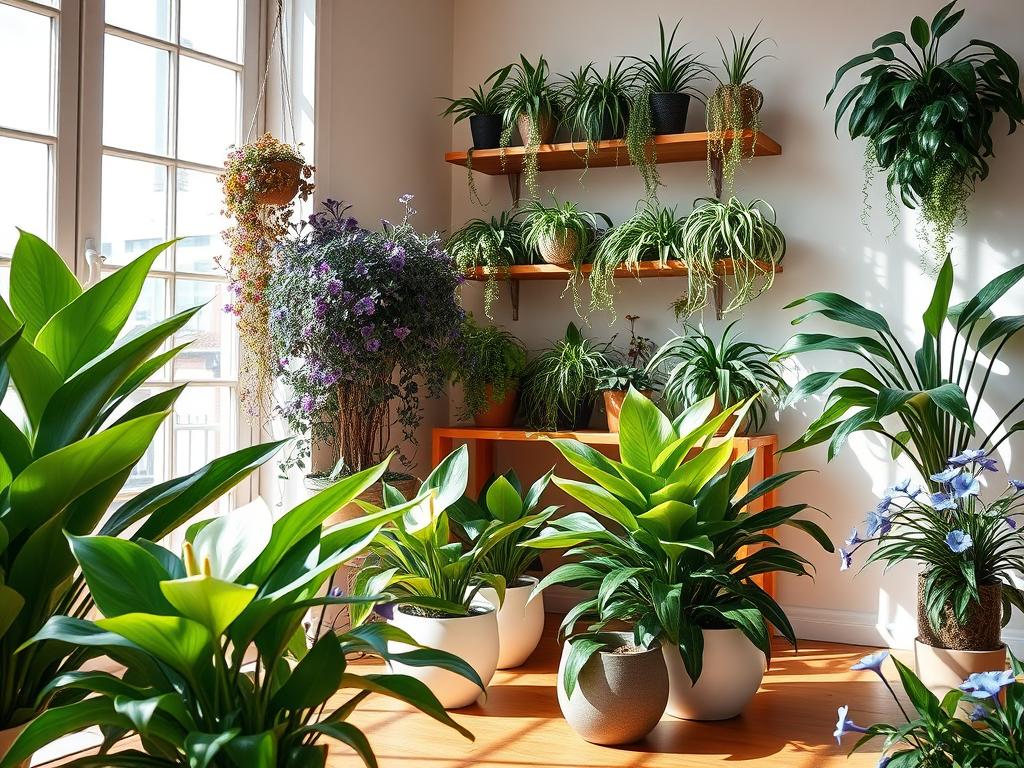
Creating Air Purifying Terrariums
Terrariums are mini ecosystems that bring nature indoors. Choose best air purifying plants for high humidity to create living art. They’re great for small spaces.
Start with a clear glass container. Layer it with pebbles, activated charcoal, and soil. The charcoal is essential for air filtration and soil freshness. These gardens quietly clean the air around them.
Herbal Gardens for Fresh Air
Indoor herbal gardens offer fresh air and herbs for cooking. Herbs like mint or basil purify the air and add flavor. They’re easy to care for and grow fast in sunny spots.
Display your herbs in decorative pots for a lively, fragrant display. They not only purify the air but also enhance your home’s scent. Keeping them nearby makes cooking easier.
Sourcing Local Plants
Start by getting plants from local nurseries. They have the best air purifying plants for your climate. This helps your plants thrive.
Consult local experts on suitable plants for your area. Choosing local plants supports your community and ensures your plants’ health. Always check leaves for health signs before bringing them home.
The Future of Indoor Air Quality
Your journey toward a healthier home environment is getting better. Science and nature are coming together. Now, we can make indoor plants work even better to clean the air.
Innovations in Indoor Plant Use
Scientists are making plants better at cleaning the air. These plants are like superheroes for your home. Soon, you’ll find special plants made just for city living.
Integrating Technology with Plants
Smart home devices are now helping your plants. They check if the soil is wet and if it’s light enough. Brands like Click and Grow make caring for plants easy. These tools help your plants stay healthy and clean the air well.
Community Initiatives for Better Air Quality
Local groups are turning cities into green spaces. They’re starting gardening projects in public places. Join these efforts to make your neighborhood greener and healthier. Start your own indoor garden today and enjoy cleaner air at home.