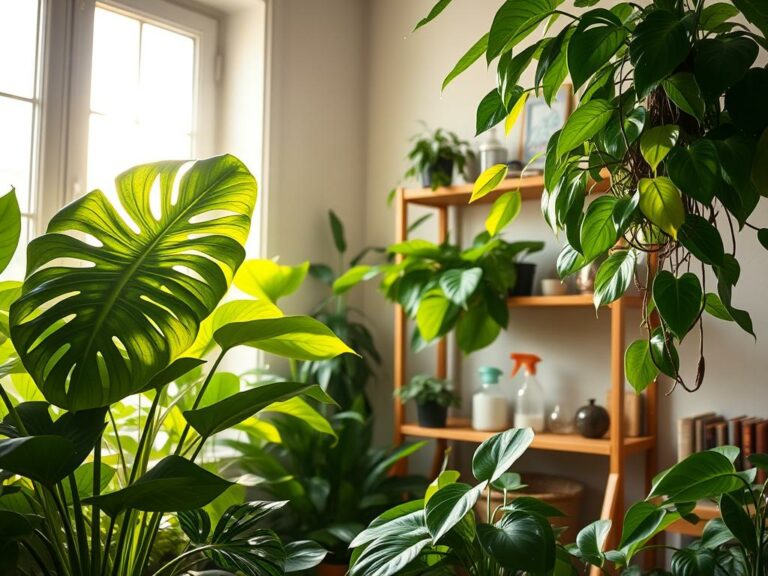

Did you know some plants can grow well with just five percent of outdoor sunlight? Many think no windows mean no plants, but that’s not true.
Turn dark spots in your home into green havens with the right plants. Choosing the best plants for low light lets you create a lush garden in shadowy areas.
This guide shows how to pick and care for plants that don’t need sunlight. By using these expert strategies, your plants will stay healthy. It’s time to bring life to your home with the right indoor plants for dark rooms.
Understanding the Challenges of Low Light Conditions
Turning a dim corner into a lush space starts with knowing your home’s light. Many think indoor plants for dark rooms can’t survive. But, with the right approach, you can make even the darkest corners green and thriving.
Why Some Rooms Are Dark
Many things can make a room dark. North-facing windows get the least sunlight, leading to low light. Also, big trees, buildings, or deep porches can block light.
How your home is laid out also affects light. Rooms far from windows or with small openings struggle to stay bright. Knowing these limitations helps choose plants that will grow well.
Common Misconceptions About Plants and Light
Many think plants can adapt to any light if watered enough. But, low light houseplants have limits for photosynthesis. Too dark a space means plants won’t grow and will lose energy.
Another mistake is thinking a room is bright enough for plants just because you can read. Plants need much more light than humans do. Not understanding this can lead to losing plants.
The Importance of Choosing the Right Plants
Choosing the right plants for your space is key. When you pick indoor plants for low light areas, you match the plant’s needs with your home. This reduces stress on the plant and the need for constant care.
The table below shows how light levels affect plant choice:
| Light Level | Description | Plant Suitability |
|---|---|---|
| Low Light | North-facing or windowless | Snake Plant, ZZ Plant |
| Medium Light | East-facing or filtered | Pothos, Spider Plant |
| High Light | South or West-facing | Succulents, Cacti |
Benefits of Indoor Plants in Dark Rooms
Bringing nature indoors does more than just fill empty corners; it changes the entire atmosphere of your home. Integrating greenery into dim environments offers significant advantages that go beyond simple decoration. By selecting the right species, you can transform a dull space into a refreshing retreat.
Air Purification
Many people are surprised to learn that indoor plants for shade act as natural air filters. These living organisms absorb carbon dioxide and release oxygen, effectively refreshing the air in your home. This process helps create a cleaner, more breathable environment even in rooms with minimal sunlight.
Beyond oxygen production, certain varieties are known to filter common household toxins. By incorporating these hardy greens, you improve your indoor air quality naturally. It is a simple, effective way to maintain a healthier living space without needing expensive equipment.
Mood Enhancement
The presence of living plants has a profound impact on your mental well-being. Studies consistently show that interacting with nature reduces stress and promotes a sense of calm. Even in a dark room, the sight of lush foliage can lift your spirits after a long day.
“To plant a garden is to believe in tomorrow.”
Caring for plants that thrive in low light provides a sense of purpose and routine. This connection to nature helps ground you, making your home feel like a true sanctuary. You will find that your daily stress levels decrease as you nurture your indoor garden.
Aesthetic Appeal
Strategic plant placement enhances the visual appeal of your interior design by adding texture and color to dull spaces. You can use deep green leaves to create a sophisticated look that complements your existing furniture. These plants that thrive in low light act as living art, softening sharp edges and adding depth to your decor.
Whether you choose a trailing vine or a structured upright plant, the visual impact is undeniable. Using indoor plants for shade allows you to experiment with different shapes and sizes to create a focal point. This simple addition brings a polished, professional touch to any room in your house.
Top Indoor Plants for Dark Rooms
You don’t need a lot of sunlight to have beautiful indoor plants. Many plants are made for living in dark places, like forest floors. Choosing the right indoor plants for dark rooms can make your home lively, even without much sunlight.
Snake Plant
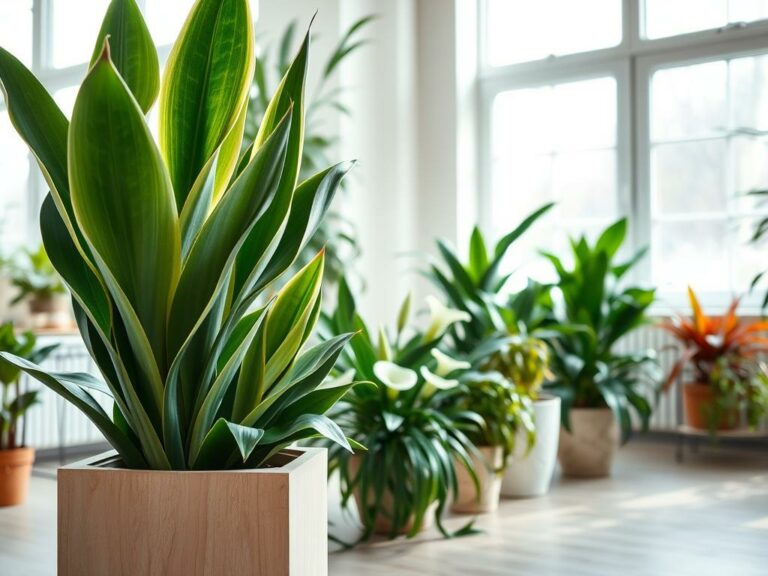
The Snake Plant is great for dark places. Its tall, sword-like leaves look modern and need little care. This plant is very forgiving and likes to dry out before it’s watered again.
ZZ Plant
The ZZ Plant is perfect for those who want easy-to-care plants. Its shiny, green leaves reflect light, making dark spots brighter. It stores water in its roots, so it can go without water for a long time.
Pothos
Pothos is great for adding life to dark spots with its trailing vines. It’s one of the top plants that thrive in low light. It grows well even in little light, making it a reliable companion for beginners.
Care Tips for Low-Light Indoor Plants
You can keep your greenery vibrant even in dark rooms with a few simple care routines. These plants grow slower because they don’t get as much sunlight. Adjusting your habits is key to keeping them healthy and lush all year.
Watering Guidelines
Don’t overwater your low light houseplants. The soil in dim conditions stays damp longer. This can cause root rot if not watched. Always check the top two inches of soil before watering to see if it needs it.
Pruning and Maintenance
Regular maintenance keeps your low maintenance indoor plants looking good. Check your plants every few weeks to remove yellow or dead leaves. Gently wiping the leaves with a damp cloth also removes dust, helping them absorb more light.
“The secret to a thriving indoor garden is not just the light you provide, but the consistency of the care you offer in the shadows.”
Fertilizing in Low Light
Low light tolerant plants grow slower and need less fertilizer. Only use a balanced, water-soluble fertilizer during the growing season, spring and summer. Always dilute it to half-strength to avoid harming your plants’ roots.
| Plant Type | Watering Frequency | Fertilizer Need |
|---|---|---|
| Snake Plant | Every 3-4 weeks | Very Low |
| ZZ Plant | Every 3-4 weeks | Low |
| Pothos | Every 1-2 weeks | Moderate |
By watching your plants closely, you’ll learn to spot signs of thirst or stress. Consistency is your best friend for a beautiful, thriving indoor space, no matter the light.
Assessing Light Levels in Your Room
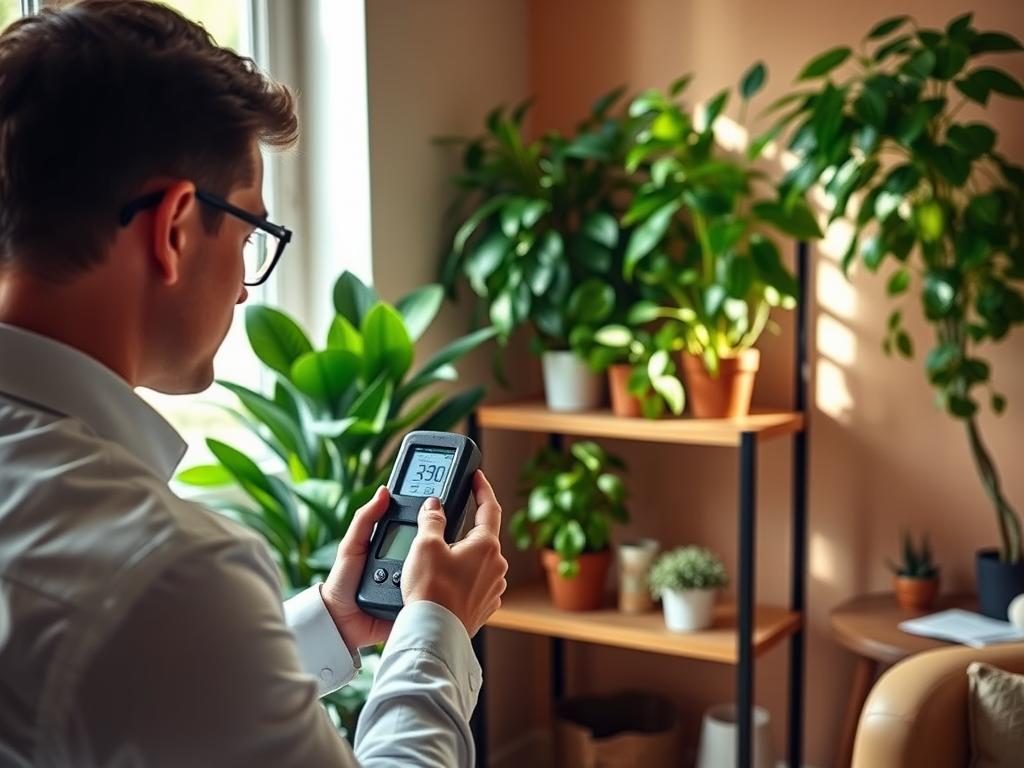
Learning to assess light is key to keeping plants alive. Before picking plants, know how light flows in your room. This ensures your indoor plants for low light areas get the light they need.
How to Measure Light Exposure
Measuring light is easy with simple tools or apps. A light meter app on your phone gives quick readings. Or, you can use the shadow test to check light levels.
- Bright light: Sharp, dark shadows are cast by objects.
- Medium light: Shadows appear soft and slightly blurred.
- Low light: Shadows are barely visible or non-existent.
Identifying Low-Light Areas
Low light doesn’t mean no light. Most plants need some light to live. Look for spots far from windows or with indirect light all day.
North-facing windows offer gentle, consistent light. Avoid dark hallways or bathrooms without windows unless you plan extra care.
Using Artificial Light Sources
Insufficient natural light? Technology can help. Many houseplants for windowless rooms thrive under LED bulbs. These bulbs mimic sunlight, giving plants the light they need.
Here are tips for artificial lighting:
- Use a timer for 8 to 12 hours of light daily.
- Place the light close to the plants for best results.
- Choose grow lights with a balanced spectrum for healthy growth.
With these tips, you can keep houseplants for windowless rooms thriving. Proper light assessment lets you create a lush space anywhere in your home.
Decorating with Indoor Plants in Dark Spaces
Even the darkest corners of your home can get a boost from nature. Choosing the right indoor plants for low light areas can turn a dull spot into a stylish feature. By bringing plants inside, you connect your home to the outdoors, even in low light.
Complementing Your Interior Design
Your plant choices should match your home’s style. Whether you like modern, minimalist, or bohemian, there’s a plant for you. Using consistent colors, like matte black or terracotta, can tie your decor together.
Think about your furniture’s size when picking plants. Tall plants can soften sharp corners, while trailing ones add movement to shelves or ledges.
Creating Focal Points with Greenery
A well-chosen plant can anchor a room. Grouping indoor plants for shade in a corner can make it lush and interesting. This adds depth and interest to flat walls.
“Design is not just what it looks like and feels like. Design is how it works.”
To make a big impact, put your standout plant on a pedestal or stool. This makes it the centerpiece of the room.
Mixing Textures and Types of Plants
For a professional look, mix different plants. Pairing plants with different leaf shapes, like a ZZ plant with a fern, adds balance. This variety prevents your plants from looking the same.
| Plant Type | Texture | Best Placement |
|---|---|---|
| Snake Plant | Architectural/Stiff | Floor corners |
| Pothos | Trailing/Soft | High shelves |
| ZZ Plant | Glossy/Waxy | Side tables |
Varying plant heights adds depth. Placing smaller pots in front of bigger ones creates a layered look. This makes your room feel more thoughtful and intentional.
Troubleshooting Common Issues
Keeping your low light tolerant plants healthy means watching for small changes. Even the toughest plants can struggle in dark spots. Spotting early signs helps you fix problems fast.
Yellowing Leaves
Yellow leaves often mean your indoor plants for shade need attention. It could be too much water or not enough light. Check the soil moisture first.
If the soil is wet, wait until it’s dry before watering again. If it’s dry, your plant might need more light. Regular checks help you figure out the problem.
Root Rot Prevention
Root rot is common in damp places. Make sure your pots have holes at the bottom. Use a potting mix that breathes, like perlite or bark.
- Don’t let plants sit in water.
- Choose terracotta pots for better air flow.
- Check soil moisture an inch deep before watering.
Pests in Low Light Environments
Pests like fungus gnats and spider mites love dark spots. They can damage leaves before you notice them. Look under leaves for webs or spots.
If you find pests, isolate the plant to protect others. Clean leaves with a damp cloth or use neem oil. Keeping your indoor plants for shade clean helps prevent pests.
Seasonal Considerations for Plant Care
As days get shorter and temperatures drop, your plants face new challenges. Your home might seem the same, but light and humidity change a lot. Proactive adjustments help keep your plants bright and healthy all year.
Adjusting Care with the Seasons
In spring and summer, plants grow fast. They need more water and food to thrive. As fall comes, water them less to match their slower growth.
Even low light tolerant plants drink less water when it’s darker. Don’t overwater in winter to avoid root problems. Always check soil moisture before watering.
Winter Care for Tropical Plants
Tropical plants struggle with dry air from heaters. Grouping plants together helps keep humidity up. A water tray with pebbles also helps maintain moisture.
“Nature does not hurry, yet everything is accomplished.”
Keep plants away from cold drafts in winter. Sudden cold can shock them and cause leaves to fall. Keeping things consistent is crucial for their survival.
Fluorescent or LED Lights in Winter months
Supplemental lighting is key when it’s dark. Full-spectrum LED bulbs give plants the energy they need. This is great for houseplants for windowless rooms that rely on artificial light.
Here’s a table to guide your lighting setup in the dark months:
| Light Type | Energy Efficiency | Best Use Case |
|---|---|---|
| LED Bulbs | High | Daily supplemental light |
| Fluorescent | Medium | Large plant collections |
| Incandescent | Low | Not recommended |
With these tools, your plants get the energy they need all year. Paying attention to seasonal changes helps keep your indoor space lush and green, even in winter.
Popular Indoor Plant Varieties for Beginners
Starting your indoor garden is exciting. It’s a step toward making your home greener. If you’re new, the many options might seem daunting. But, some plants are very easy to care for, perfect for low light spots.
“To plant a garden is to believe in tomorrow.”
Spider Plant
The Spider Plant is great for beginners. It’s easy to care for and looks elegant. Its long leaves can hang from shelves or baskets, adding beauty to any room.
These plants are flexible and can handle different conditions. They even do well in dimly lit areas of your home.
Peace Lily
The Peace Lily is a smart choice for those who want a plant that tells you when it needs water. It loves shady spots and blooms with beautiful white flowers. If the soil gets too dry, the leaves will droop, reminding you to water it.
Cast Iron Plant
The Cast Iron Plant is almost impossible to kill. It’s ideal for those who don’t have much time for plant care. It grows slowly and needs little attention to stay healthy and colorful.
Choosing these low light houseplants will boost your confidence in plant care. Starting with these hardy plants increases your chances of success. It makes your indoor gardening journey more rewarding.
Resources for Indoor Plant Enthusiasts
Growing a lush indoor garden is more than just the right soil and water. Connecting with experts helps you keep houseplants healthy and vibrant. This is crucial for plants in windowless rooms.
By tapping into shared knowledge, you can grow your skills. These resources offer the support you need. They help your plants thrive in low light for years.
Essential Reading and Learning
Books like “The House Plant Expert” by D.G. Hessayon give timeless advice. You can also check out The Sill or Bloomscape for digital guides. These platforms make caring for plants in dim corners easy.
Digital and Local Connections
Join groups on Reddit or GardenWeb forums to share and ask questions. Talking with fellow enthusiasts helps solve problems fast. Visit local nurseries like Pike Nurseries to see how they display low-light plants.
Ongoing Growth
Your journey as a plant owner grows as you learn new things. Try different houseplants to find what works best in your space. Always learning keeps your garden fresh and exciting.