
Over 18 million households in the United States grew food at home in 2021. That number keeps climbing every year. People everywhere are discovering that starting a vegetable garden is easier than they imagined.
You might think you need years of experience to grow vegetables. You might worry about not having enough space or time. The truth is simpler.
Anyone can learn how to start a vegetable garden. Your location or background doesn’t matter. Success comes from following basic steps.
This guide walks you through every step of starting your garden. You’ll learn where to place your garden for the best results. You’ll find out which vegetables grow easiest for beginners.
You’ll discover the right way to plant seeds. You’ll learn how to care for your growing plants. You’ll know when harvest day arrives.
Growing your own food feels rewarding in ways that buying groceries never can. Picking a ripe tomato from your garden tastes different. Knowing you grew it yourself makes every meal taste better.
Mistakes will happen along the way. That’s part of learning. Every gardener kills plants sometimes.
Every gardener faces bugs or weather problems. These setbacks teach you more than your successes do. Learning from mistakes helps you improve.
This guide covers watering schedules, pest control, and soil preparation. You’ll also learn harvesting tips. By the end, you’ll have the knowledge to grow fresh vegetables all season long.
Why Start a Vegetable Garden?
Growing your own vegetables transforms the way you eat and live. Starting a home garden offers rewards that go beyond fresh produce. Beginner vegetable gardening tips can guide you toward a rewarding experience.
This section explores the powerful reasons why you should begin your gardening journey today.
Benefits of Growing Your Own Food
You gain direct control over what goes into your body. Your homegrown produce arrives at peak ripeness, packed with nutrients. Store-bought vegetables travel long distances, losing freshness and flavor.
Your wallet benefits significantly from beginner vegetable gardening tips put into practice. A single tomato plant produces dozens of fruits throughout the season. Lettuce, herbs, and peppers cost pennies to grow.
Gardening offers mental and physical health benefits. Working with soil reduces stress levels. Planting seeds, weeding, and harvesting provide gentle exercise.
You’ll spend time outdoors breathing fresh air while nurturing living plants.
- Save money on grocery bills
- Enjoy peak-ripeness vegetables
- Control pesticide use completely
- Build physical fitness naturally
- Reduce stress and anxiety
Environmental Impact of Home Gardening
Your vegetable garden becomes an environmental asset. Locally grown vegetables eliminate transportation emissions. This reduces your household’s carbon footprint significantly.
Home gardens decrease plastic waste. Store-bought produce comes wrapped in packaging. Your garden produces vegetables without any packaging at all.
Pollinators and beneficial insects thrive in home gardens. Bees visit your flowers, and earthworms enrich your soil. Your yard becomes part of a larger environmental solution.
| Garden Benefit | Your Household Impact | Environmental Impact |
|---|---|---|
| Local Production | Fresh vegetables daily | Reduced transportation emissions |
| No Packaging | Money saved | Less plastic in landfills |
| Pollinator Support | Healthier garden yields | Stronger ecosystem |
| Soil Improvement | Better plant growth | Carbon sequestration |
Starting small with beginner vegetable gardening tips prevents overwhelm. You don’t need acres of land. A few containers or a raised bed creates meaningful change.
Every vegetable you grow makes a difference for your family and the planet.
Selecting the Right Location for Your Garden
Finding the perfect spot for your vegetable garden is one of the most important decisions you’ll make. Your garden’s location determines how well your plants grow and how much effort you’ll need. Choose a place that works with nature rather than against it.
Think about where you spend time in your yard. A garden close to your house gets more attention and care. You’re more likely to water plants, check for pests, and harvest vegetables when they’re nearby.
Sunlight Requirements for Vegetables
Most vegetables need between 6 and 8 hours of direct sunlight daily to thrive. Tomatoes, peppers, and squash love sunshine and perform best with 8 to 10 hours. Leafy greens like lettuce and spinach can manage with partial shade.
Walk around your yard at different times during the day. Notice where shadows fall in early morning, midday, and late afternoon. Remember that shadows shift with the seasons.
- Watch your yard for at least a few days
- Mark sunny spots with stakes or flags
- Document shade patterns during different seasons
- Avoid areas under trees or near buildings
Drainage and Soil Quality Considerations
Good drainage prevents root rot and fungal diseases. Poor drainage kills plants faster than almost anything else. Test your soil by digging a hole about 12 inches deep and filling it with water.
If water drains within an hour, you’re in good shape. Water sitting in the hole for hours signals a drainage problem.
Healthy soil looks dark and crumbly, not hard or compacted. Look for earthworms when you dig. Smell your soil too—rich, earthy smells mean beneficial microbes are present.
| Soil Indicator | Good Sign | Warning Sign |
|---|---|---|
| Texture | Crumbly and loose | Hard or clay-like |
| Color | Dark brown | Very light or pale |
| Drainage | Water drains in 1 hour | Water pools for hours |
| Life | Earthworms present | No visible organisms |
Planning a vegetable garden layout requires thinking about these practical factors:
- Keep your garden within 50 feet of a water source
- Choose spots protected from strong winds
- Avoid areas under roof drip lines that dump water during rain
- Stay away from walnut trees, which release substances harmful to vegetables
- Select level or gently sloping ground rather than low spots
Your location choice sets the foundation for everything that follows. A well-positioned garden puts you on the path to success before you plant a single seed.
Choosing Your Vegetables Wisely
Picking the right vegetables sets you up for success in your garden. Starting with easy-to-grow crops builds confidence and keeps you excited about gardening. Your first garden should feature vegetables your family loves eating.
This approach makes the work feel rewarding rather than like a chore. Focus on selecting just three to five different types rather than planting everything at once.
Best Vegetables for Beginners
The best vegetables for beginners grow quickly and resist common problems. These crops forgive mistakes and still reward you with fresh food. You’ll feel proud watching them develop from seeds to fully grown plants.
- Lettuce – grows fast, ready to harvest in 30-45 days
- Radishes – mature quickly and taste peppery-fresh
- Zucchini – produces lots of vegetables from one plant
- Tomatoes – popular with families and very satisfying to grow
- Bush beans – compact and productive in small spaces
- Basil – perfect herb for cooking and grows almost anywhere
Choose varieties that fit your space. Container gardens work great for tomatoes, basil, and peppers. If you have limited room, compact varieties produce well in smaller areas.
Growing what you actually eat means your harvest gets used instead of wasted.
Seasonal Considerations for Planting
Understanding when to plant vegetables makes a huge difference in your success. Vegetables fall into two main groups based on weather preferences.
| Crop Type | Best Growing Conditions | Examples | Planting Timeline |
|---|---|---|---|
| Cool-Season Crops | Spring and fall temperatures | Lettuce, peas, broccoli, spinach | 4-6 weeks before last frost; again in late summer |
| Warm-Season Crops | Warm soil and air | Tomatoes, peppers, cucumbers, zucchini | After last frost date when soil reaches 60°F |
Find your USDA hardiness zone and last frost date online. These critical numbers tell you exactly when to plant in your region. Cool-season crops love mild temperatures and can handle light frosts.
Warm-season crops need warmth and will rot if planted too early in cold soil.
Many vegetables grow twice per season. Plant cool-season crops in early spring, harvest them, then plant again in late summer. This rotation keeps your garden producing food throughout the year.
Preparing Your Garden Bed
Getting your garden bed ready is crucial for starting a vegetable garden. How you prepare your space affects plant growth all season long. Setting things up correctly leads to healthier plants and better harvests.
Types of Garden Beds: Raised vs. In-Ground
You have two main options for growing your vegetables. Each choice offers benefits that fit different gardening situations.
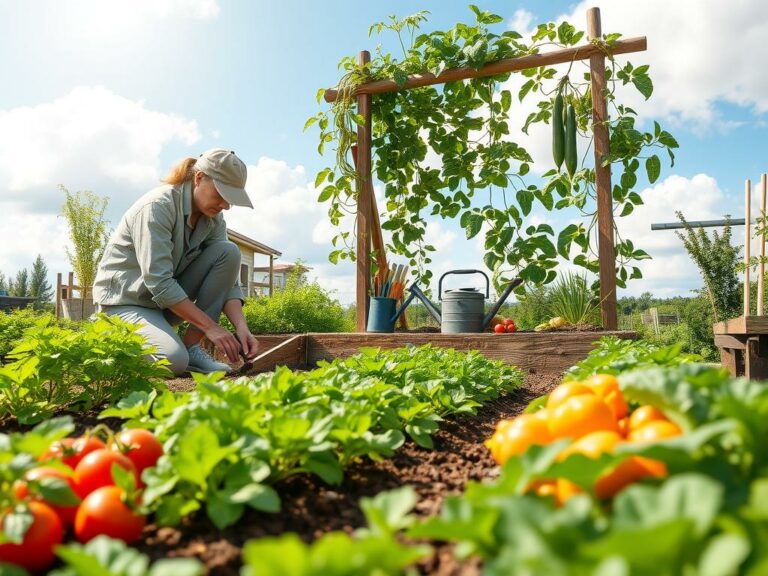
Raised bed vegetable gardening brings several advantages. These beds sit above ground and create a contained growing space. The soil warms up faster in spring, letting you plant earlier.
Water drains well, keeping roots healthy and preventing rot. You control exactly what goes into your soil. Raised beds also reduce back strain since you don’t bend as far.
In-ground gardens cost less to start. They keep moisture better during hot weather. They work perfectly if you already have decent soil in your yard.
| Feature | Raised Beds | In-Ground Gardens |
|---|---|---|
| Cost to Start | Higher initial investment | Lower cost |
| Drainage | Excellent | Depends on soil |
| Soil Control | Complete control | Limited control |
| Growing Season | Longer (warmer soil) | Standard length |
| Physical Access | Easier on back | More bending required |
| Moisture Retention | Requires frequent watering | Better during dry spells |
For raised beds, aim for 4 feet wide by 8 feet long. Make them 10-12 inches deep. These measurements give you space for multiple vegetables while staying easy to reach.
You can buy pre-made beds or build them yourself. Use untreated wood, composite materials, or galvanized metal.
For an in-ground plot, remove all grass and weeds first. Dig down at least 8-12 inches. Break up compacted soil to create a loose space for roots.
How to Amend Your Soil for Healthy Growth
Success in preparing soil for vegetable garden work starts with understanding soil needs. Healthy soil forms the foundation of everything you grow.
Start by getting a basic soil test. Your county extension office can test your soil cheaply or free. They’ll check your soil’s pH level, nutrient content, and texture.
Most vegetables prefer slightly acidic to neutral soil. The ideal pH falls between 6.0 and 7.0. Add lime to raise pH or sulfur to lower it.
Organic matter improves almost every type of soil. Work these materials into your bed:
- Compost from kitchen scraps and yard waste
- Aged manure from horses, chickens, or cows
- Leaf mold from shredded leaves
- Peat moss or coconut coir
- Well-rotted bark
Mix these amendments into your soil 8-12 inches deep. This improves drainage in clay soils. It also improves water retention in sandy soils.
Organic matter feeds beneficial microorganisms. These help your plants stay strong and resist disease. Time spent on soil preparation now saves trouble later.
Sowing Seeds and Planting Techniques
Getting your seeds into the ground is exciting. This process determines whether your plants will thrive or struggle. You have two main approaches to choose from for planting.
Direct Sowing vs. Transplanting Seedlings
Direct sowing means planting seeds right where you want them to grow. Some vegetables prefer this approach because their roots don’t handle disturbance well. These plants include carrots, radishes, beans, and peas.
Transplanting seedlings involves starting seeds indoors or buying young plants from a nursery. You then move them into your garden when they reach the right size. Tomatoes, peppers, and eggplants benefit from this head start.
Follow these key steps for direct sowing:
- Plant seeds at the correct depth—usually two to three times the seed’s diameter
- Create straight rows or blocks for organized spacing
- Press soil gently over seeds for good contact
- Water carefully to keep soil moist until sprouting
For transplanting, harden off your seedlings first. This means gradually exposing them to outdoor conditions over one week. This process prevents transplant shock and helps your plants adjust smoothly.
Providing Adequate Spacing for Growth
Many new gardeners make the mistake of crowding too many plants together. Proper spacing matters more than you might think. Plants with room to breathe receive better air circulation.
Adequate spacing means your plants won’t compete for water, nutrients, and sunlight. Each vegetable needs different spacing distances:
| Vegetable | Spacing Between Plants | Row Spacing |
|---|---|---|
| Lettuce | 6-8 inches | 12 inches |
| Tomatoes | 24-36 inches | 36-48 inches |
| Carrots | 2-3 inches | 12 inches |
| Peppers | 18-24 inches | 24-30 inches |
| Beans | 4-6 inches | 18-24 inches |
Your garden might look sparse at first. Don’t worry—plants grow and fill the space quickly. Proper spacing prevents disease, improves harvests, and makes picking vegetables easier.
You can maximize your garden space through succession planting. Plant cool-season crops like lettuce and spinach early. Then replant that space with warm-season vegetables later.
Good spacing now means healthy plants later. Your future self will thank you for planting correctly the first time.
Learning how to start a vegetable garden successfully depends on these foundational planting skills. Understanding direct sowing, transplanting, and proper spacing sets your vegetables up for success.
Watering Your Garden Effectively
Mastering watering is one of the most important beginner vegetable gardening tips. Giving plants the right water at the right time creates a thriving garden. Your vegetables need consistent moisture to grow strong and produce healthy food.
Understanding your garden’s water needs takes practice. You’ll quickly develop a routine that works for your space. Think of watering as a skill you build over time.
When and How Much to Water
Most vegetables need about 1 to 2 inches of water each week, including rainfall. The exact amount depends on temperature, humidity, soil type, and plant maturity. Deep watering less often builds strong roots that dig down into soil.
Check your soil before watering by pushing your finger 2 to 3 inches deep. If the soil feels dry at that depth, it’s time to water. Early morning is the best time because leaves dry before evening.
Choose a watering method that fits your garden size and schedule:
- Hand watering with a hose or watering can works well for small gardens
- Soaker hoses deliver water straight to plant roots with less waste
- Drip irrigation systems are perfect for larger gardens or when you’re away
- Overhead sprinklers work, but they waste more water and can spread disease
Understanding Mulching and Its Benefits
Mulching is one of your most valuable beginner vegetable gardening tips. Spreading 2 to 4 inches of organic mulch around plants keeps moisture in soil. Materials like straw, shredded leaves, or grass clippings all work great.
Mulch does much more than save water:
- Stops weeds from growing and competing with your vegetables
- Keeps soil temperature steady during hot and cold days
- Prevents soil-borne diseases from splashing onto plant leaves
- Breaks down over time and improves your soil quality
Keep mulch a few inches away from your plant stems. This space prevents rot and keeps your plants healthy. Good mulching habits make your garden easier to maintain throughout the growing season.
Managing Pests and Diseases
Every gardener faces pest and disease challenges at some point. You can handle these problems without harsh chemicals. Understanding how to spot trouble early will protect your vegetables and keep your garden healthy.
Smart management makes all the difference. This is true whether you’re growing in the ground or in containers. Good practices work for any type of garden.
Organic Pest Control Methods
Prevention is your strongest tool against pests. Healthy plants with proper spacing naturally resist many problems. Choose the right location with good air circulation.
Space your plants according to package directions. This simple step stops many pest issues before they start.
You have several safe options when pests appear:
- Hand-pick larger pests like tomato hornworms and squash bugs directly from plants
- Use strong water sprays to knock aphids off leaves
- Install row covers to protect young plants from flying insects
- Try neem oil for various garden pests
- Apply insecticidal soap for soft-bodied insects
- Use food-grade diatomaceous earth for crawling pests
- Plant marigolds and other companion plants to naturally repel certain pests
Attract beneficial insects like ladybugs and lacewings. These helpful bugs eat harmful pests and work for free. Plant flowers near your vegetable garden to draw them in.
Some pest damage is normal in any garden. Perfect vegetables don’t exist. A few nibbled leaves won’t hurt your harvest.
Identifying Common Vegetable Garden Diseases
Learn to spot these common garden problems early:
| Disease Name | Symptoms | Affected Plants | Solution |
|---|---|---|---|
| Powdery Mildew | White powder coating on leaves | Squash, cucumbers, beans | Improve air circulation, spray with sulfur or neem oil |
| Early Blight | Brown spots with target-like rings | Tomatoes | Remove infected leaves, avoid overhead watering |
| Damping Off | Seedling collapse at soil line | Young seedlings | Use sterile soil, ensure good drainage |
| Blossom End Rot | Dark, sunken spots on bottom of fruit | Tomatoes, peppers | Water consistently, add calcium to soil |
Most disease problems come from environmental factors. Poor air circulation and overhead watering create conditions where diseases thrive. Extreme temperatures and nutrient imbalances also cause problems.
Container gardens often experience fewer soil-borne diseases. Still, containers need consistent watering and feeding. Keep soil evenly moist but not waterlogged.
Don’t get discouraged by pest and disease problems. Every season teaches you something new about your garden. You’ll improve at spotting issues early and preventing them.
Harvesting Your Vegetables
The moment you’ve been waiting for has arrived. Your garden is bursting with ripe produce. It’s time to enjoy the rewards of your hard work.
Harvesting your homegrown vegetables at the right time makes all the difference. Picking produce too early means missing out on sweetness and nutrients. Waiting too long can result in tough, bitter vegetables.
Learning when and how to harvest ensures you get the best quality. Proper harvesting keeps your plants healthy and productive.
Timing matters more than you might think. Early morning harvests give you the crispest vegetables. Pick after the dew dries but before the sun gets hot.
Many gardeners find their homegrown vegetables taste best when picked slightly young. You don’t always need to wait for maximum size.
Knowing When to Pick Your Produce
Different vegetables send different signals when they’re ready for picking. Recognizing these signs ensures peak quality:
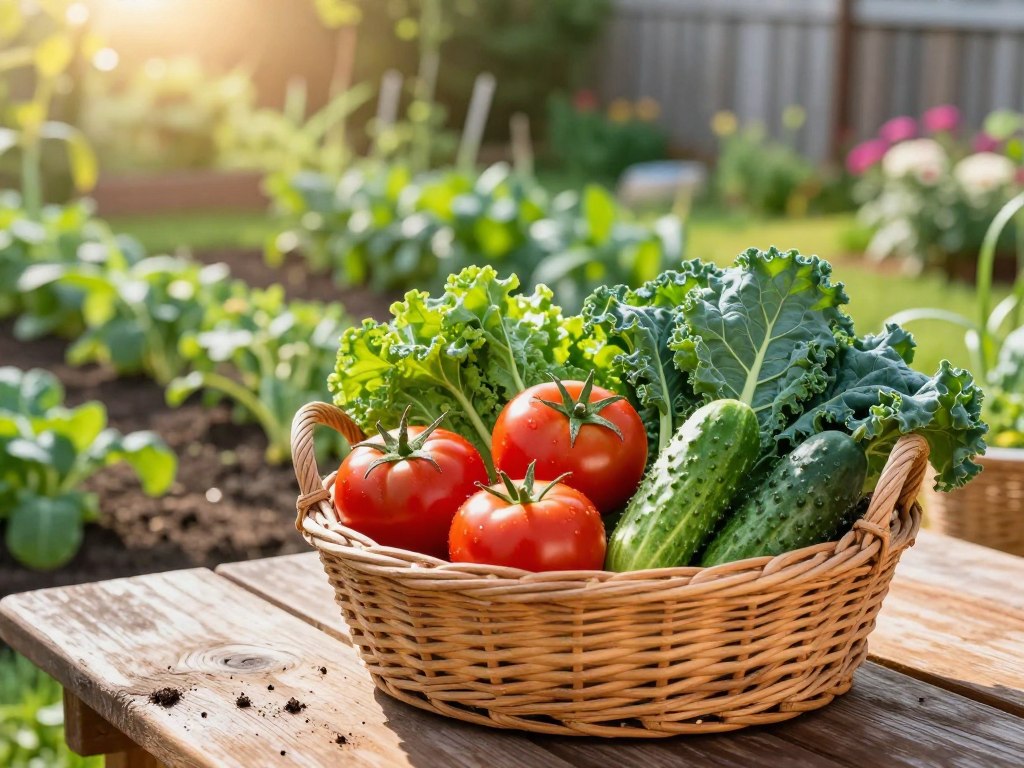
- Tomatoes should be fully colored with slight softness to the touch
- Zucchini and cucumbers taste best at 6-8 inches long before they grow tough
- Beans should snap crisply with small seeds inside
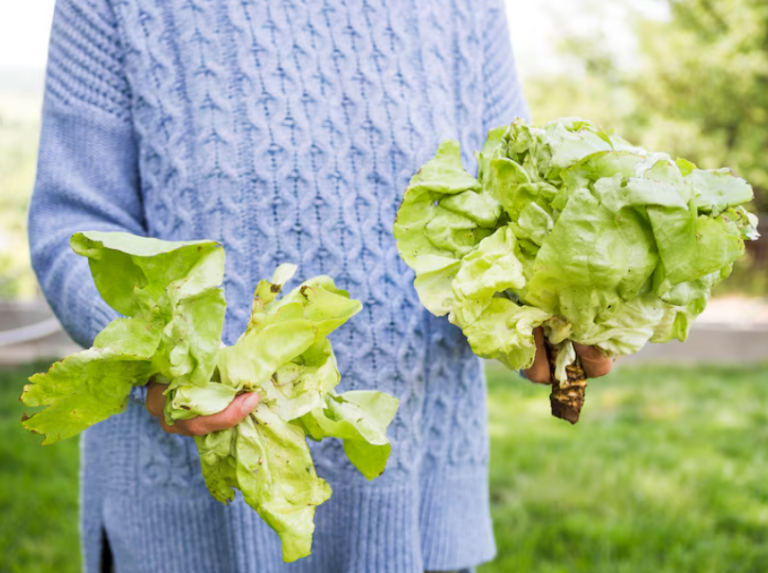
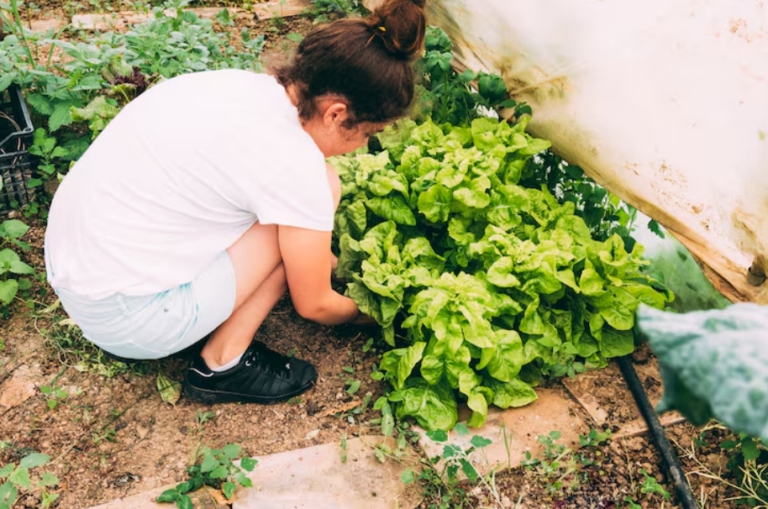
- Lettuce can be harvested as baby greens or full heads before the plant bolts
- Carrots should be gently uncovered to check size before full harvest
- Bell peppers can be picked green or left to turn red for sweeter flavor
Regular harvesting encourages continued production. Plants like beans, cucumbers, and zucchini produce more when you pick frequently. Your homegrown vegetables will reward you with abundance.
Best Practices for Harvesting Without Damage
How you pick your vegetables matters just as much as when. Proper techniques protect your plants and keep them producing:
- Use clean, sharp scissors or pruners instead of pulling or twisting vegetables
- Cut outer leaves from leafy greens while allowing the center to keep growing
- Twist or cut fruiting vegetables like tomatoes and peppers rather than yanking them off
- Handle all produce gently to avoid bruising or damaging the skin
- Wash your homegrown vegetables promptly after picking to remove soil
- Store different crops properly to extend freshness
The nutritional value and flavor of your fresh vegetable harvest begin declining right after you pick. This is one of the best advantages of growing your own food. Eat or preserve your harvest quickly for maximum benefit.
Your dedication to proper harvesting techniques keeps your garden productive all season long.
Maintaining Your Vegetable Garden Throughout the Season
Your vegetable garden needs regular care to stay healthy and productive. Each week, check your plants for pests and pull small weeds before they spread. Make sure the soil stays moist by checking it with your finger before watering.
Pick ripe vegetables often because harvesting encourages plants to make more food.
Regular Care and Seasonal Adjustments
As your garden grows, some plants need extra food. Tomatoes, peppers, and squash are heavy feeders that benefit from compost or organic fertilizer. Add these nutrients around their roots to help them thrive.
Tomato plants do better when you prune some branches to let air flow through. Vining crops like cucumbers and beans need stakes or trellises to climb up. These supports keep plants healthy and productive.
The weather changes as summer heat builds, so you may need to water more often. During hot spells, shade cloth can protect lettuce and other cool-season crops from getting too warm. Row covers shield your plants from early fall frosts so you can harvest longer.
You can plant quick-growing crops such as lettuce and radishes every two to three weeks. This gives you fresh vegetables all season long.
Preparing Your Garden for the Next Season
Remove dead plants right away to stop diseases from spreading. Add a fresh layer of compost or aged manure to your beds to restore nutrients. Planting cover crops like winter rye in fall prevents erosion and builds organic matter.
Clean your tools and store them in a dry place so they last longer.
Take time to write down what worked and what you want to change. Planning a vegetable garden layout while this year is fresh in your mind helps you avoid mistakes. Sketch out a new design that includes crop rotation to keep soil healthy.
Many gardeners love winter planning almost as much as growing season. Browsing seed catalogs and dreaming about next year’s garden makes cold months go by faster. This preparation sets you up for even better results.