
Did you know a small plot can grow over fifty pounds of food in one season? This shows even small spaces can be very productive. With the right steps, a tiny area can become a highly productive food source.
Starting this journey lets you enjoy fresh flavors right outside. Careful planning and preparation are crucial for success. Choosing the right crops ensures your hard work pays off all season.
Picking the best small backyard vegetables maximizes your space. Whether you’re new or experienced, choosing high-yield varieties is key. Let’s see how you can make your home a lush oasis of nutrition and beauty.
Why Grow Vegetables in Small Spaces?
Small space vegetable gardening lets you connect with nature right outside your door. You don’t need a big farm to grow your own food. By using every inch, you can make a productive oasis.
Benefits of Home Gardening
Growing your own food gives you fresh, nutrient-rich produce. Harvesting at peak ripeness means your family gets the most vitamins. It also cuts down your grocery bills.
“To plant a garden is to believe in tomorrow.”
There’s a big sense of pride in growing a plant from seed to table. Small backyard vegetables make you healthier and more active. Being outside helps reduce stress.
Enhancing Your Culinary Experience
Home-grown food tastes better than store-bought. Picking herbs or tomatoes just before cooking makes a big difference. Your meals will taste like gourmet dishes.
Using your harvest in cooking makes you more aware of your food. You notice the effort and seasons that go into it. Here are the main benefits:
- Unmatched freshness and taste.
- Big cost savings on groceries.
- Control over pesticides and fertilizers.
Starting with small space vegetable gardening lets you try unique varieties. You can pick crops that fit your taste and cooking. This makes every meal special.
Choosing the Right Vegetables
Turning a small backyard into a garden oasis starts with picking the right plants. In small space vegetable gardening, every inch of soil matters. Choose crops that grow well in little space to make your garden rewarding.
Factors to Consider for Small Gardens
Before buying seeds, think about your garden’s environment. Sunlight exposure is key, as most veggies need 6 to 8 hours of direct light. Also, check your soil quality and drainage for healthy roots in sustainable home gardening.
“The secret to a successful garden is not just in the planting, but in the thoughtful selection of varieties that harmonize with your unique environment.”
Climate and Seasonality
Your local climate affects which plants grow well at certain times. Use your USDA hardiness zone map to find out when to plant. This way, you avoid losing crops to sudden weather changes.
Here’s a table to help pick plants based on space and season:
| Vegetable Type | Space Requirement | Season | Growth Habit |
|---|---|---|---|
| Leafy Greens | Low | Cool | Compact |
| Bush Beans | Medium | Warm | Upright |
| Cherry Tomatoes | High | Warm | Vining |
| Radishes | Very Low | Cool | Root-based |
Growth Habits of Vegetables
Knowing how plants grow is key for small spaces. Vining tomatoes or pole beans grow up, great for small space vegetable gardening. Bush varieties, on the other hand, spread out more.
Think about the root depth of your plants too. Shallow-rooted plants like lettuce do well in shallow containers. But deep-rooted veggies like carrots need more soil depth. This way, you use both horizontal and vertical space well in sustainable home gardening.
Top Vegetables for Limited Space
Learning to garden in small spaces starts with choosing the right plants. You need to pick varieties that don’t spread out too much. This way, even tiny patios or porches can become productive gardens.
Compact Varieties of Tomatoes
Tomatoes are a favorite for many gardeners. But, big vining types often don’t fit in containers. Look for determinate or bush-style plants instead. These compact vegetable varieties stay small and produce lots of fruit.
Try ‘Tiny Tim’ or ‘Patio Princess’ for your pots. They taste like home-grown tomatoes without needing big support or lots of space.
Leafy Greens That Thrive
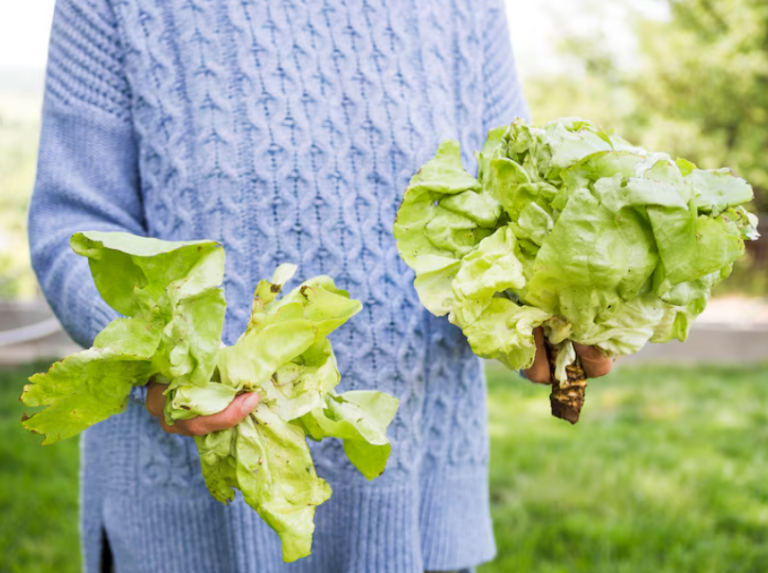
Leafy greens are perfect for balcony vegetable gardens. They have shallow roots, making them great for shallow containers or window boxes.
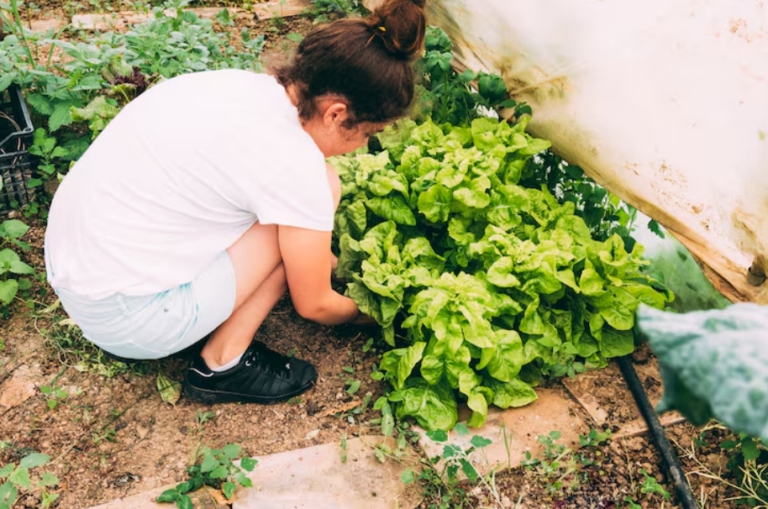
These greens grow fast and can be harvested continuously. Just snip the outer leaves as needed. They also do well in partial shade, common in cities.
Radishes for Quick Harvests
Radishes are great for beginners with little space. They grow fast, often ready in under thirty days. They need very little depth, so you can grow them in almost any container with holes for drainage.
They’re perfect for filling gaps or using small garden corners. Their quick growth cycle gives you a sense of accomplishment and keeps your garden lively all season.
| Vegetable Type | Space Requirement | Days to Harvest | Best Container Size |
|---|---|---|---|
| Compact Tomato | Low | 60-75 | 5 Gallon Pot |
| Leafy Greens | Very Low | 25-45 | Window Box |
| Radishes | Minimal | 25-30 | 6-inch Depth |
Maximizing Your Garden Layout
Using space wisely is key to a successful garden in the city. Even a small area can become a productive food spot with some creativity. A good layout makes sure plants get enough sunlight and air.
Vertical Gardening Techniques
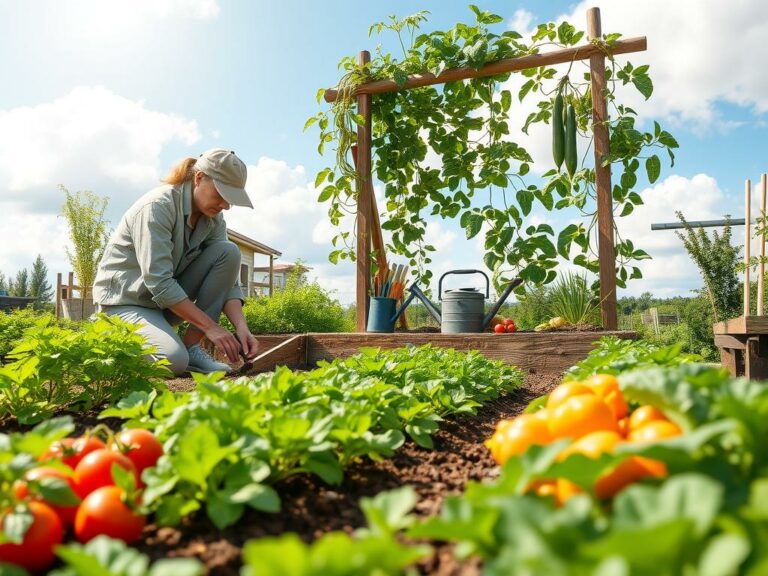
When space is tight, go vertical. This way, you can grow plants like peas and cucumbers without taking up too much room. Trellises, wall-mounted planters, and hanging baskets are great for this.
A strong trellis on a sunny fence can instantly increase your planting space. It saves room and keeps your veggies off the ground. This reduces disease risk and makes picking easier.
Raised Beds vs. Traditional Rows
Raised bed gardening gives you more control over your garden. It keeps the soil loose and prevents it from getting too wet. This is good for healthy roots.
Raised beds also warm up faster in spring. This lets you start planting sooner than with regular soil. You can also tailor the soil mix for your veggies, ensuring they get the nutrients they need.
Container Gardening Solutions
If you have a patio or balcony, container gardening ideas are perfect. Containers let you move plants to catch the sun, helping them grow better.
You can use different containers, like fabric bags or wooden crates, to make a mobile garden. This flexibility is key in urban farming techniques, letting you change your garden as needed.
Seasonality of Vegetables
Knowing when to plant is key to a year-round garden. Understanding your plants’ needs helps you keep a steady harvest, even when the weather changes. This is crucial for growing vegetables in small spaces where every inch matters.
Switching between different crops keeps your garden busy all year. Smart container gardening ideas let you move plants to the best spots as seasons change. This way, your plants always get the best conditions for growth.
Cool-Season Vegetables to Grow
Cool-season crops are essential for early spring and late fall. They do well in cooler temperatures and can handle light frosts. Leafy greens like spinach, arugula, and kale are great for these times.
Peas and radishes are also good for early spring. They grow fast and offer a refreshing bounty before summer gets hot. Focusing on these varieties makes the most of your garden in cooler months.
Warm-Season Vegetables to Consider
When frost danger passes and the soil warms, switch to heat-loving plants. Tomatoes, peppers, and cucumbers need lots of sunlight to grow well. These are key for growing vegetables in small spaces in summer.
For container gardening ideas, use vertical trellises for beans or squash. These save space and let plants get the warmth they need. With the right planning, you can have fresh, homegrown food all year.
Companion Planting for Small Gardens
Learn how pairing plants can change your sustainable home gardening approach. By placing certain crops together, you create a natural support system. This boosts health and yield without using harsh chemicals.
Best Companion Plants for Tomatoes
Tomatoes are a key part of many gardens. They do well with the right neighbors. Planting basil near tomatoes is a classic trick. It’s said to make the tomatoes taste better and keep hornworms away.
Marigolds are also great for tomatoes. They keep harmful nematodes out of the soil, protecting the roots. Nasturtiums can also act as a trap, drawing aphids away from your tomatoes.
“To plant a garden is to believe in tomorrow.”
Enhancing Growth with Herbs
Adding herbs to your vegetable beds is key in sustainable home gardening. Herbs like rosemary, thyme, and parsley do more than flavor your food. They act as a fragrant barrier that confuses pests.
These herbs also attract beneficial pollinators. By creating a diverse garden, you keep your small space productive all season. Embracing these natural partnerships lets you grow more food with less effort and fewer chemicals.
Maintaining Your Small Garden
Proper care turns a small backyard into a fruitful garden. Regular care keeps plants healthy and productive. A simple routine helps manage your small space.
Watering Techniques for Efficient Gardening
Watering is crucial, more so in raised bed gardening where soil dries quickly. Water in the morning to reduce evaporation. Let the plants dry before night.
Drip irrigation or soaker hoses deliver water directly to roots. This method saves water and prevents fungal diseases. Consistency is key for healthy plants.
“The best fertilizer is the gardener’s shadow.”
Pest Management for Small Spaces
Keep pests away without harsh chemicals. Use organic gardening tips to protect your vegetables. Regularly check your plants for damage or insects.
Hand-picking pests like tomato hornworms is effective. Encourage beneficial insects like ladybugs and lacewings. They control pests naturally.
For persistent problems, try neem oil or insecticidal soaps. Apply these during cooler times to avoid leaf burn. Stay proactive to keep your garden thriving.
Harvesting and Storage Tips
Knowing when to pick your produce is key to enjoying its peak flavor. Timing affects the texture and nutritional value of your crops. By watching your plants closely, you can pick them at their best.
Recognizing When to Harvest
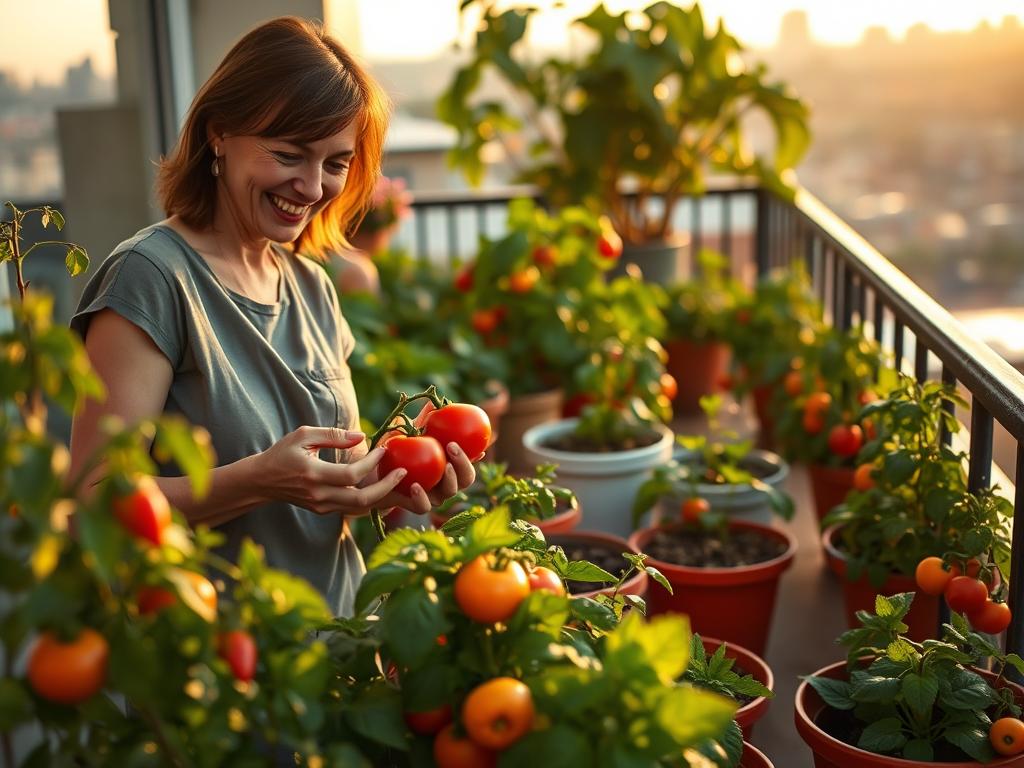
Each vegetable has its own signs that it’s ready. Tomatoes should be slightly soft and have deep color. Leafy greens are best when young and tender. Always check your vegetables daily for size and firmness.
For a balcony vegetable garden, picking vegetables quickly is important. It prevents overcrowding. Also, removing mature vegetables encourages new growth. This keeps your garden productive all season.
Best Practices for Storing Vegetables
Proper storage keeps your harvest fresh longer. Cool, dark places are best for many vegetables. Others prefer the fridge’s crisper drawer. Follow organic gardening tips for the best post-harvest care.
For example, remove greens from root vegetables like radishes to keep them crisp. Herbs can be stored in water or damp paper towels. These effective tips help your harvest stay delicious for days or weeks.
| Vegetable Type | Harvest Sign | Storage Method |
|---|---|---|
| Tomatoes | Deep color and firm skin | Countertop at room temp |
| Leafy Greens | Bright, crisp leaves | Refrigerated in a bag |
| Radishes | Visible bulb size | Fridge with tops removed |
| Herbs | Fragrant and lush | Water glass or damp towel |
Continuous Harvesting Strategies
Reaching the top of your backyard oasis journey means mastering planting timing. Smart planning turns a small plot into a reliable source of fresh produce all season long.
Succession Planting Explained
Succession planting keeps your garden beds active by replacing old crops with new ones right away. Plant seeds for fast-growing crops like Burpee lettuce or spinach every two weeks. This way, you always have a fresh supply.
These urban farming techniques prevent empty soil patches and boost your total output.
Crop Rotation for Small Gardeners
Rotating your plants keeps the soil healthy and prevents pests. Avoid planting the same family of vegetables in the same spot for two seasons. Moving your compact vegetable varieties around keeps the soil rich and productive.
Start small and see how your plants react to these changes. Share your journey with local gardening groups or on social media. Your dedication turns a hobby into a sustainable lifestyle.