
Did you know that nearly 30% of home-grown produce is lost because it’s picked too late? Many gardeners work hard for months, only to miss the best time to pick their crops.
Learning how to harvest vegetables is key to making your garden a treasure trove of food. By mastering the right timing and technique, you can turn your garden’s efforts into delicious meals.
This guide makes harvesting vegetables for beginners easy and fun. We’ll guide you through every step, so you can feel sure in your gardening skills.
With these expert tips, you’ll learn to harvest vegetables correctly every season. Get ready to enjoy the freshest flavors your garden has to offer.
Understanding the Right Time to Harvest
Timing is everything for the best flavors from your backyard. Harvesting vegetables for beginners gets easier with practice. Paying attention to your plants’ signals ensures nutritious meals.
Factors That Influence Harvest Timing
Environmental elements like temperature fluctuations and sunlight affect plant growth. Consistent watering is also key for quality yields.
Consider the vegetable variety too. Some grow faster than others. Check the seed packet for “days to maturity.” A garden journal helps track these dates.
Signs of Ripeness for Different Vegetables
For harvesting ripe vegetables, look for color, size, and texture changes. Tomatoes and peppers turn from green to their final color when ready. They should feel firm but slightly soft.
Root vegetables like carrots and beets show signs above ground. Their tops pushing through the soil means they’re ready. Remember, patience is a virtue in gardening. Picking too early can mean less flavor.
Essential Tools for Harvesting Vegetables
Choosing the right tools is key to your plants’ recovery after harvesting. The correct tools help avoid damage to stems and roots. This keeps your garden productive for longer. Follow these vegetable harvesting tips to keep your crops healthy while you harvest.
Recommended Tools for Home Gardeners
Home gardeners need just a few versatile tools. Bypass pruners are great for cutting thick stems on plants like peppers or eggplants. They do so without harming the plant tissue. For a gentler approach, a sharp knife is ideal for cutting leafy greens or herbs.
Some crops need to be picked by hand to avoid damage. Always think about what your plant needs before choosing a tool. Using the right tool is a key vegetable harvesting tip to keep your garden healthy all season.
Safety Precautions While Using Tools
When gardening, safety comes first. Always cut away from your body to avoid accidents. Keeping your blades clean and sharp is crucial. Dull tools can cause more harm to you and the plant.
Regularly check and maintain your tools. Clean your blades after each use to stop disease spread. By following these vegetable harvesting tips, you protect your garden and ensure a safe, plentiful harvest every time.
Harvesting Root Vegetables Correctly
Proper vegetable harvesting techniques are key to keeping your garden produce fresh. When you pull crops directly from the earth, you risk damaging their delicate skin. This damage often leads to premature rot, which can ruin your entire harvest during storage.
Techniques for Lifting Carrots and Beets
To harvest carrots and beets successfully, never pull them by their tops. Instead, use a garden fork to gently loosen the soil around the base of the plant. This simple step reduces resistance and prevents the roots from snapping in half.
Once the soil is loose, you can easily lift the vegetables by hand. Always brush off excess dirt carefully to avoid scratching the surface. Preserving the integrity of the skin is the most effective way to ensure your produce stays fresh for weeks.
Optimal Methods for Digging Potatoes
Digging potatoes requires a strategic approach to avoid accidental damage. Many gardeners make the mistake of driving a shovel directly into the center of the mound, which often results in “spearing” the tubers. This ruins the vegetable and makes it susceptible to decay.
Instead, start your digging from the outside of the mound and work your way inward toward the center. Use a garden fork to lift the soil and expose the potatoes gradually. This careful extraction method ensures that you retrieve every potato without leaving unsightly nicks or cuts on your harvest.
Harvesting Leafy Greens and Herbs
Want fresh greens all season? Learn the “cut-and-come-again” method. It lets you harvest from one plant many times. By following best practices for harvesting vegetables, your garden stays productive all season.
Best Practices for Cutting Lettuce
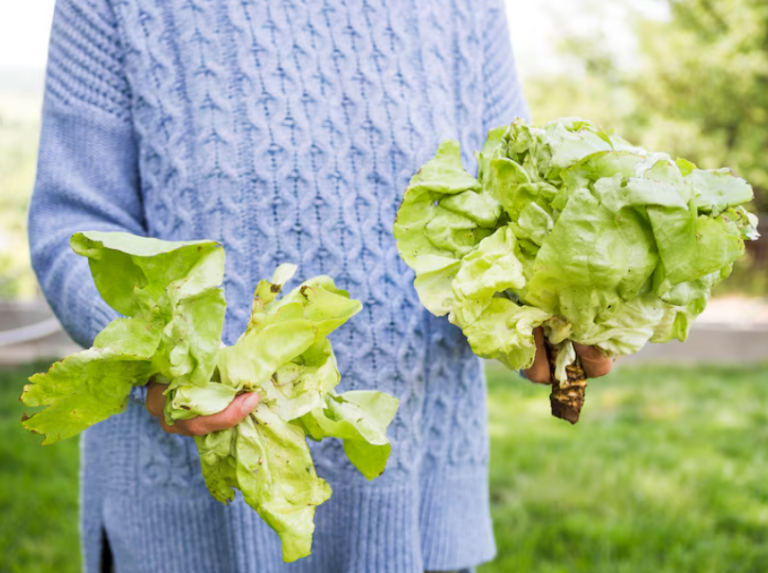
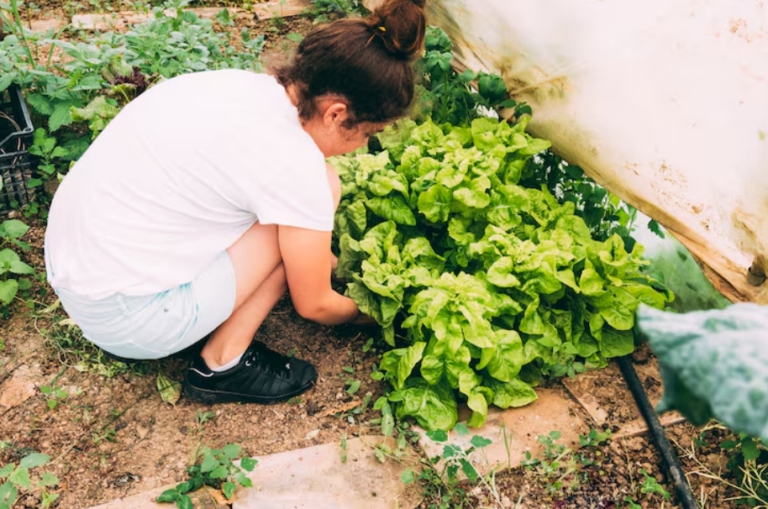
Start by cutting the outside leaves of lettuce. Use sharp scissors to cut near the base. Never cut the entire head at once to let the plant grow back.
Leave the center heart to keep the plant growing. This way, you get fresh greens for your salads. Light harvesting is key for a bountiful harvest.
“To harvest herbs and greens is to invite the essence of the garden directly into your daily meals, turning simple ingredients into a culinary masterpiece.”
Techniques for Harvesting Herbs Sustainable
Harvesting herbs needs precision. Trim stems just above a leaf node to encourage new growth. This method doubles your yield.
Don’t take more than one-third of the foliage at once. This helps the plant recover and grow. Following these best practices for harvesting vegetables and herbs will make your harvest last longer.
| Plant Type | Harvest Method | Frequency |
|---|---|---|
| Leaf Lettuce | Outer leaf removal | Weekly |
| Basil | Above leaf node | Bi-weekly |
| Spinach | Individual leaf picking | As needed |
| Chives | Base trimming | Monthly |
Picking Fruiting Vegetables at the Right Moment
Learning to pick tomatoes, peppers, and eggplants at the right time is key for gardeners. Picking them when they’re ripe helps the plant save energy. This way, your plants stay productive all season long.
Using the right vegetable harvesting tips keeps your garden healthy. Taking fruit off as soon as it’s ready helps the plant grow more. This simple step can really boost your harvest.
Indicators of When to Pick Tomatoes
Choosing the right time for tomatoes isn’t just about color. You should also press the skin gently. If it’s soft, it’s ready. If it’s hard, wait a bit longer.
Look for a deep, even color on the tomato. Most tomatoes will lose their pale look when ripe. Harvesting ripe vegetables at this time gives you the best taste.
Tips for Harvesting Peppers and Eggplant
Peppers and eggplants need a careful touch to avoid harming the plant. Always cut the stems with sharp shears, not by pulling. This avoids stressing or breaking the plant’s branches.
For eggplants, check for a shiny, bright skin. If it looks dull or brown, it’s past its prime. Here’s a guide to help you know when to pick your crops.
| Vegetable | Visual Sign | Tactile Indicator |
|---|---|---|
| Tomato | Full, deep color | Slightly soft to touch |
| Bell Pepper | Bright, shiny skin | Firm and crisp |
| Eggplant | High-gloss finish | Skin springs back when pressed |
Handling Delicate Vegetables
Growing fragile crops means you must harvest them carefully to keep them fresh. Summer squash, cucumbers, and peas have thin skins that bruise easily. Using proper vegetable harvesting techniques ensures your garden work ends up on your plate in top condition.
Proper Techniques to Avoid Bruising
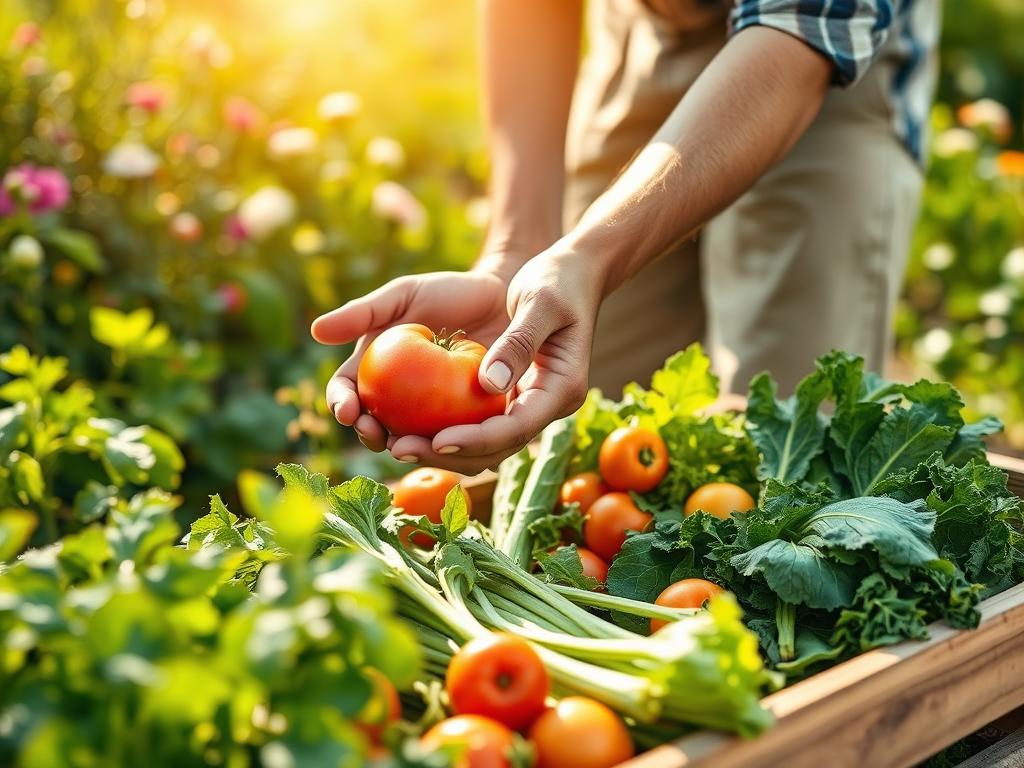
Many gardeners pull or twist vegetables from the vine, causing damage. Instead, support the fruit from underneath and use sharp garden shears to cut the stem.
Following these proper vegetable harvesting techniques will help your produce stay perfect. Here are some key tips for a bruise-free harvest:
- Always use clean, sharp bypass pruners to make a clean cut.
- Hold the vegetable firmly but gently to prevent dropping it into your basket.
- Place items carefully into a padded container rather than tossing them.
- Avoid stacking heavy vegetables on top of soft-skinned varieties.
Best Storage Methods for Fragile Produce
After harvesting, keeping your produce fresh is crucial. Fragile vegetables lose moisture quickly, leading to wilting and flavor loss. Store them in a cool, humid place, like a garden.
Store your produce in a cool, well-ventilated area, away from sunlight. If using a fridge, put delicate items in the crisper drawer. Remember, proper vegetable harvesting techniques are just the start. How you store your harvest is also key to keeping it fresh.
Understanding Crop Rotation and Harvesting
You can make your garden better by matching your harvest with planting times. By harvesting vegetables efficiently, you make room for new growth. This keeps your soil healthy all season.
How Crop Rotation Affects Yield
Crop rotation is key for soil health. Moving plants to different spots each year stops diseases. It also stops one plant from using up all the nutrients.
This way, you get higher yields and healthier plants. It’s a smart move for your garden.
Timing Your Harvest in Relation to New Planting
Planning your harvest lets you prepare beds for new plants. When you harvest vegetables efficiently, you don’t leave empty spots. This is good for your garden.
After removing old plants, you can add compost or fertilizer. This quick action is crucial for maximizing your growing time. It keeps your garden productive all year.
By linking your harvest with rotation, you become a pro at harvesting vegetables efficiently. This way, your garden works for you from spring to fall.
Post-Harvest Care for Your Vegetables
Working with fresh produce doesn’t end when you pick it. Learning how to care for your vegetables after harvest is key. This ensures your garden efforts lead to delicious meals.
Washing and Drying Techniques
Start by cleaning your produce right. Gently remove dirt in the garden. But, a full wash is needed indoors. Use cool water to avoid damaging the vegetables.
After washing, thorough drying is crucial. Excess moisture can cause decay or mold. Use a clean towel or salad spinner to dry them completely before storage.
“The secret to long-lasting freshness is keeping your produce dry and cool. Moisture is the enemy of shelf life, so always pat your vegetables dry before putting them away.”
Storage Tips to Extend Freshness
Not all veggies need the same storage. Knowing where to store each type is important. Some like the fridge’s cold, humid air, while others lose flavor in the cold.
- Refrigerator Crisper Drawer: Great for leafy greens, carrots, and broccoli. Use bags with holes to keep humidity right.
- Cool, Dark Pantry: Best for onions, garlic, and potatoes. Store them in a well-ventilated area to prevent sprouting.
- Countertop: Tomatoes and peppers taste better at room temperature, as long as they’re used soon.
Check your produce for damage before storing. A small bruise can cause it to rot quickly. Keep your storage areas clean and organized to enjoy your harvest longer.
Common Mistakes to Avoid While Harvesting
Even the most dedicated gardeners can make mistakes that harm their crops. To harvest vegetables correctly, you must stay alert and avoid common errors. These mistakes can damage your plants or make your produce last less time.
Overlooking Signs of Ripeness
One big mistake is not noticing when a vegetable is ready. Picking too early means the sugars haven’t fully developed, making the taste bland. Waiting too long can make the vegetables woody or bitter.
Always inspect your plants daily during the peak season. This way, you catch them at their best. If you’re unsure, check a garden guide or look for specific color and firmness markers for each variety. Learning to harvest vegetables correctly at the right time is key to great taste.
Using Incorrect Tools for Specific Vegetables
Using the wrong tools can stress your plants. Many beginners pull vegetables by hand, which can harm the roots or stem. Using dull blades also damages the plant by crushing the tissue instead of cutting cleanly.
A sharp, clean pair of garden shears or a specialized knife is best. This way, you harvest vegetables correctly without hurting the plant. Using the right tool helps the plant keep producing more fruit. This keeps your garden healthy and productive for months.
| Common Mistake | Negative Impact | Corrective Action |
|---|---|---|
| Pulling by hand | Root damage and stem tearing | Use shears for clean cuts |
| Using dull blades | Crushed stems and disease entry | Sharpen tools regularly |
| Ignoring ripeness | Poor flavor and texture | Monitor color and firmness |
| Harvesting in heat | Rapid wilting of produce | Pick during early morning |
Environmental Considerations When Harvesting
Harvesting is more than picking veggies; it’s about working with nature. Your garden is a living system that changes with the weather. By noticing these changes, you can follow the best practices for harvesting vegetables to get the best quality and longest shelf life.
How Weather Affects Harvest Time
Weather greatly affects your crops’ texture and health. Avoid picking veggies when they’re wet from rain or dew. Moisture on leaves and stems is perfect for fungal diseases to spread fast when handling.
Temperature is also key. Harvest in the cooler parts of the day, like early morning, to keep your produce crisp. Hot weather can make veggies wilt quickly, losing their taste and nutrients.
Sustainable Harvesting Practices
Using sustainable methods keeps your garden healthy for years. One top best practice for harvesting vegetables is to leave some for pollinators. Letting some flowers bloom or leaving late crops helps bees and butterflies, keeping your garden alive.
Also, always give back to the soil. Instead of throwing away plant waste, compost it. This cycle of growth and decay keeps your garden balanced and healthy.
| Weather Condition | Harvesting Impact | Recommended Action |
|---|---|---|
| Heavy Rain | High disease risk | Wait for foliage to dry |
| Extreme Heat | Rapid wilting | Harvest in early morning |
| High Humidity | Mold development | Ensure proper air circulation |
| Frost Warning | Cell damage | Harvest all mature crops |
By paying attention to these environmental factors, you can master the best practices for harvesting vegetables. Working with nature lets your garden give you more and tastier produce.
Timing Your Harvest for Optimal Flavor
Harvesting vegetables at the right time can make any meal special. Many gardeners focus on size, but it’s the plant’s internal chemistry that matters most. By timing your harvest with your plants’ natural cycles, you get peak flavor and nutrition in every bite.
The Science Behind Vegetable Flavor Development
Plants change their chemical makeup based on sunlight and temperature. During the day, they make sugars and starches from sunlight. These sugars are key for the plant’s energy but also for flavor.
The sugars are most concentrated after a long day of sun. But, the vegetable’s water content affects its crispness. Plants lose moisture as it gets hotter, making them softer if picked too late.
Best Times of Day to Harvest
The early morning is best for picking fresh vegetables. Plants are fully hydrated from the cool night, making them crisp and fresh. This ensures your greens stay crunchy and your salads are satisfying.
For high sugar content, like in sweet corn or peas, late afternoon might seem good. But, you might lose moisture. Finding the right balance is crucial for the best taste.
| Vegetable Type | Best Harvest Time | Flavor Benefit |
|---|---|---|
| Leafy Greens | Early Morning | Maximum crispness |
| Sweet Corn | Late Afternoon | Peak sugar concentration |
| Root Vegetables | Early Morning | Optimal hydration |
| Fruiting Crops | Mid-Morning | Balanced texture |
Being consistent in your harvesting routine is key. Try different times to find the perfect moment for your favorite vegetables. Harvesting is both an art and a science, and your taste buds will be the ultimate judge.
Conclusion: Making the Most of Your Harvest
Gathering your own produce makes every meal special. You now know how to care for your garden crops with precision.
Learning to harvest vegetables takes patience and detail. Your dedication ensures every bite is full of flavor and nutrition.
Refining Your Gathering Methods
Pay attention to each plant’s needs to keep your garden healthy. Proper handling keeps your produce fresh for longer.
With practice, you’ll know when your favorite crops are ready. Soon, you’ll have a natural sense for the perfect harvest time.
Exploring New Techniques
Experiment with different methods to find what works best for you. Even small changes can improve your yields and taste.
Enjoy the journey of harvesting fresh vegetables all season. Your garden work brings healthy food to your family.