
Did you know a single teaspoon of healthy earth has more living organisms than all people on Earth? This hidden world is the heart of your backyard. Learning to improve soil fertility unlocks a thriving garden that grows year after year.
Many gardeners use synthetic chemicals to force growth. But these can harm your garden’s balance. Choosing natural inputs creates a resilient foundation for your plants. This method promotes long-term health without harsh additives.
You can turn your backyard into a nutrient-rich haven. By following these steps, you can improve soil fertility and create a self-sustaining ecosystem. Your plants will grow strong and look beautiful all season.
Understanding Soil Fertility
Soil is more than just dirt; it’s a living, breathing engine for your farm’s success. To improve soil fertility, you need to understand the science behind it. This science involves physical, chemical, and biological properties working together.
What is Soil Fertility?
Soil fertility means your land can give plants the nutrients they need. It’s like a dynamic reservoir for water and minerals. When plants get what they need, they can grow to their full potential.
“The nation that destroys its soil destroys itself.”
The table below shows the three main parts of a good growing medium for crops:
| Property Type | Key Function | Impact on Growth |
|---|---|---|
| Physical | Structure and aeration | Root penetration and drainage |
| Chemical | pH and nutrient availability | Mineral uptake efficiency |
| Biological | Microbial activity | Organic matter decomposition |
Importance of Soil Fertility in Agriculture
Keeping soil fertile is key for sustainable farming and food security. It makes your land productive for years to come. This is the best way to improve soil fertility without using too many chemicals.
By focusing on soil health, you make your land strong against bad weather. Spending time on these basics helps you get better harvests every year. Healthy soil is the best thing any farmer or gardener can have.
Assessing Your Soil’s Current Fertility
Unlocking your garden’s potential starts with knowing your soil’s chemistry. Before adding anything, you need exact data to avoid mistakes. This data-driven approach ensures you only give your plants what they need.
Conducting a Soil Test
To get an accurate reading, collect samples from your garden beds. Start by removing surface debris and digging a small hole six inches deep. Take a thin slice of soil from the side of the hole and put it in a clean plastic bucket.
Do this in several spots across your garden to get a full picture. Mix the samples well, remove any rocks or roots, and send it to a local university or lab. This step is key to managing your soil nutrient content well.
Interpreting Soil Test Results
When you get your report, focus on key metrics like pH and Cation Exchange Capacity (CEC). These show how well plants absorb nutrients. Understanding these chemical balances is crucial for nutrient management.
The report will also list macronutrients like nitrogen, phosphorus, and potassium. Use the table below to understand what these mean for your garden’s success.
| Parameter | What It Measures | Ideal Goal |
|---|---|---|
| Soil pH | Acidity or alkalinity levels | 6.0 to 7.0 for most plants |
| CEC | Nutrient holding capacity | Higher values indicate better fertility |
| Macronutrients | N, P, and K availability | Balanced levels based on crop needs |
Always aim to create a sustainable environment for your plants. Reviewing these results helps you make informed decisions. Consistent nutrient management leads to a vibrant, healthy landscape.
Organic Matter and Soil Health
Organic matter is key to a healthy garden. It comes from decomposed plants and animals. This improves your soil’s structure, helping it hold water and nutrients for your plants.
Using organic matter is the best way to keep your soil healthy for a long time.
Benefits of Composting
Composting is like a natural recycling system. It turns waste into a nutrient-rich fertilizer. This “black gold” feeds the soil’s food web, helping it fight diseases and pests.
Compost also balances your soil’s pH and improves its drainage. It’s a key part of sustainable soil health management.
How to Create Your Own Compost
To make compost, mix carbon-rich “browns” with nitrogen-rich “greens.” Browns are dried leaves, straw, and cardboard. Greens are vegetable scraps, grass clippings, and coffee grounds. Aim for a 3:1 brown to green ratio.
Start your pile in a well-drained spot. Layer your materials and keep it moist. Turn it to add oxygen. This method breaks down materials quickly, making high-quality humus for your garden.
| Material Type | Category | Role in Compost |
|---|---|---|
| Dried Leaves | Brown | Provides Carbon |
| Vegetable Scraps | Green | Provides Nitrogen |
| Straw | Brown | Adds Structure |
| Grass Clippings | Green | Speeds Decomposition |
Cover Crops: A Practical Solution
Many gardeners use cover crops to keep their soil healthy all year. These plants protect your garden beds when they’re not in use. They stop erosion and weeds, making your soil ready for better crops later.
What Are Cover Crops?
Cover crops, or green manures, are plants grown to improve soil health. They fix nitrogen and make the soil easier to work with. This helps loosen compacted soil and adds organic matter.
They keep the soil in place, stopping it from washing away. This keeps your garden fertile for when you’re ready to plant again. It’s a smart way to care for your land.
Best Cover Crops for Your Region
Choosing the right cover crop depends on your local weather and season. Pick varieties that do well in your area for the best results. Here are some good choices:
- Winter Rye: Great for cold areas and stops erosion in winter.
- Hairy Vetch: Fixes nitrogen well in cooler climates.
- Crimson Clover: Adds nitrogen and attracts pollinators.
- Buckwheat: Grows fast in summer and controls weeds.
Picking the right cover crop for your area is key. Using them regularly helps your garden grow better over time. Always check with your local extension office for advice specific to your area.
Soil Amendments to Boost Fertility
When your soil test shows nutrient gaps, soil amendments are key. They help fix these issues, giving your plants the right minerals for growth. Good nutrient management means giving your garden exactly what it needs.
Using Natural Fertilizers
Organic fertilizers are a gentle, green way to feed your soil. They release nutrients slowly, helping your plants all season long.
Think about adding these organic options to your garden:
- Bone Meal: It’s full of phosphorus, great for roots and flowers.
- Blood Meal: It’s a quick nitrogen source for green leaves.
- Kelp Meal: It’s rich in minerals and hormones, helping plants deal with stress.
Understanding Gypsum and Lime
Gypsum and lime are more than just fertilizers. They change your soil’s physical and chemical makeup.
Gypsum is a game-changer for heavy clay soil. It loosens the soil, improving drainage and root growth.
Lime is for acidic soil. It raises the pH, making nutrients easier for plants to use. Use the table below to choose the right amendment for your garden:
| Amendment | Primary Purpose | Best Used For |
|---|---|---|
| Gypsum | Structure Improvement | Clay-heavy soils |
| Lime | pH Adjustment | Acidic soil correction |
| Organic Fertilizer | Nutrient Supply | General plant health |
Consistency is vital when using these amendments. Always follow the soil test’s advice to keep your garden healthy.
Crop Rotation Techniques
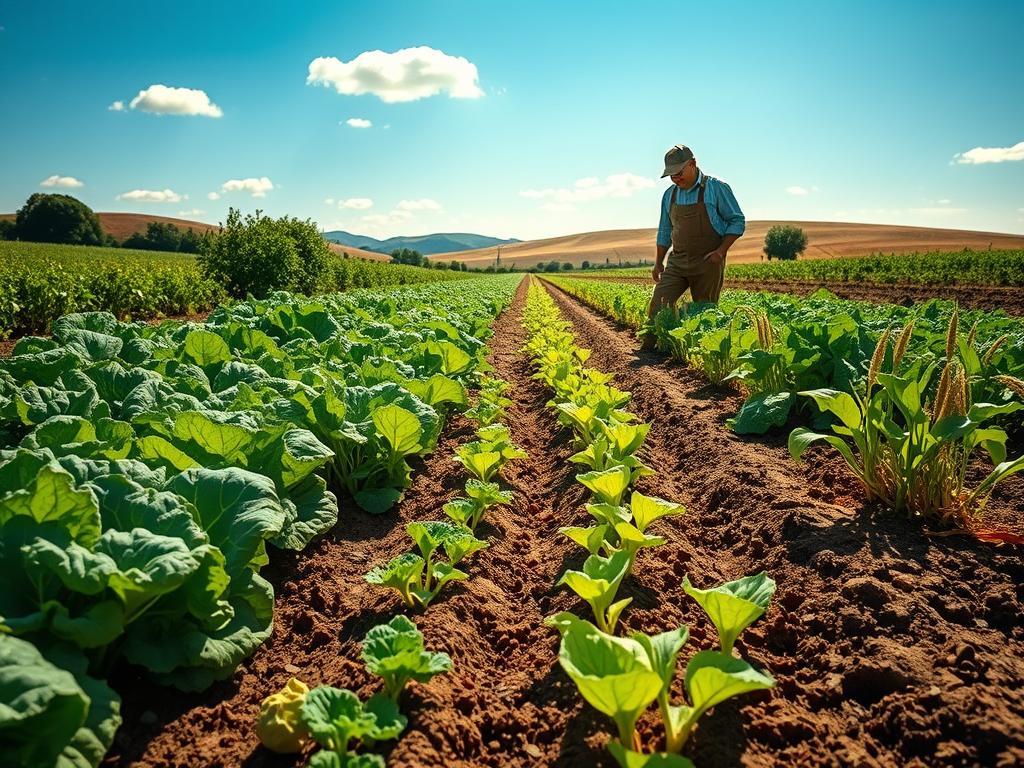
Changing where you plant your crops each season can boost your garden’s productivity. This is a key part of sustainable agriculture. It keeps your land fertile and productive for years.
By moving plant families around, you create a lively garden. This natural approach helps prevent soil depletion.
Benefits of Crop Rotation
The main benefit is stopping nutrient loss. Different plants eat nutrients in different ways. Some use a lot of nitrogen, while others add it back.
By rotating crops, you keep the soil balanced. You don’t need to use harmful chemicals.
This method also fights pests and diseases. Moving plants around makes it hard for pests to find food. This natural pest management helps your garden grow well with little help.
How to Plan Your Rotation Schedule
Start by grouping plants by family. For example, keep tomatoes and peppers together. But keep them away from kale and broccoli.
A simple four-year plan works well for home gardeners. Follow nitrogen-fixing legumes with heavy-feeding brassicas. Legumes add nutrients that brassicas need to grow well. This intentional sequencing is key to sustainable agriculture and keeps your soil healthy.
The Role of Microorganisms
Your soil is more than just dirt; it’s a living ecosystem. It needs tiny workers to turn organic matter into food for plants. By helping these workers, you improve the soil nutrient content for your crops.
Beneficial Soil Microbes
A healthy garden has billions of beneficial bacteria, fungi, and protozoa. They break down materials like leaves and compost into forms plants can use. Without them, plants would have trouble getting the minerals they need.
Fungi help plants by connecting their roots to more water and nutrients. This helps plants grow stronger. Supporting these microbes builds a resilient foundation for your garden.
How to Enhance Microbial Activity
To boost microbial life, start by avoiding harsh chemicals. These can harm the soil’s balance. Instead, add organic matter to feed the microbes.
Keeping the soil moist is also key. Microbes need dampness to work well. Water your garden deeply and often. This keeps your soil nutrient content high and active all season.
Mulching for Soil Improvement
Many gardeners don’t realize how much mulching can help their soil. It protects the earth from the sun, wind, and heavy rain. This simple act creates a protective barrier that keeps your soil in good shape.
Types of Organic Mulch
It’s important to pick the right mulch for your garden. Straw is great for vegetable patches because it’s light and breaks down fast. It keeps your veggies off the ground, preventing rot.
Wood chips are perfect for perennial beds and paths. They last a long time and add organic matter to the soil slowly. Shredded leaves are also a good choice, collected in the fall to enrich your garden beds during winter.
Effective Mulching Techniques
To get the most out of mulching, apply it correctly. First, remove any weeds to stop them from growing through. Spread the mulch evenly, aiming for two to three inches to suppress weed growth.
Don’t pile mulch against plant stems to avoid moisture traps. When done right, mulch keeps soil temperatures steady, which is essential for healthy root development. As it breaks down, it adds vital organic matter to the soil, creating a great home for earthworms and microbes.
Water Management Practices
Water is vital for your garden, affecting how plants get nutrients. Balancing moisture levels prevents stress from too little or too much water. This balance is key to increase crop yield and keep plants healthy over time.
Importance of Proper Irrigation
Many gardeners water too little, too often. This leads to shallow roots that can’t handle heat. Instead, use deep, infrequent irrigation to reach deeper soil.
Deep watering helps roots grow strong and wide. They can then grab nutrients from deeper soil. This makes your garden strong against weather changes.
Techniques for Water Conservation
Using water wisely is crucial. Tools like drip irrigation or soaker hoses send water right to the roots. This cuts down on waste by minimizing evaporation compared to sprinklers.
These systems make sure water is used well. They keep leaves dry, lowering disease risk. Smart irrigation boosts increase crop yield and saves water.
Minimizing Soil Compaction
Soil compaction quietly harms your garden. It makes the ground too dense, stopping roots from growing. This also blocks air and water from reaching the soil.
Identifying Compacted Soil
Look for signs like standing water after rain. This shows your soil can’t absorb moisture well. Stunted root development also hints at compaction.
The screwdriver test is simple. If it’s hard to push a screwdriver into the ground, your soil is compacted. This stops roots from getting the nutrients they need.
Techniques to Improve Soil Structure
To fix this, use mechanical and biological methods. Aeration helps by making holes for oxygen to reach roots. Deep-rooted plants like daikon radishes also help by breaking up the soil.
Adding organic soil amendments is key for lasting changes. Compost or aged manure make the soil crumbly and less prone to compaction. This lets roots grow well.
“The secret to a productive garden lies beneath your feet; when you improve the structure of the earth, you unlock the true potential of every seed you plant.”
| Method | Primary Benefit | Best Used For |
|---|---|---|
| Mechanical Aeration | Immediate air flow | Lawns and heavy clay |
| Deep-Rooted Crops | Natural soil breaking | Large garden beds |
| Organic Amendments | Long-term structure | All soil types |
Keeping soil health up takes ongoing effort. Regularly add soil amendments and avoid walking on wet soil. These habits keep your garden healthy and plants thriving.
Pest and Weed Management
To keep your garden thriving, you need to manage pests and weeds well. Using natural methods helps create a balanced garden. This approach supports your plants and avoids harsh chemicals.
Organic Pest Control Methods
Companion planting is a great way to protect your veggies. For instance, marigolds near tomatoes can keep nematodes and other pests away. This method makes your garden diverse and pest-free.
Attracting beneficial insects is another smart move. Ladybugs, lacewings, and wasps protect your crops. Planting flowers that attract them helps keep your garden safe.
Physical barriers are also effective. Row covers or netting keep insects away from your plants. These non-toxic interventions keep your garden safe for everyone.
Preventing Weed Growth Naturally
Weeds steal nutrients, water, and sunlight from your plants. Mulching regularly stops weeds from growing and keeps the soil moist. Organic materials like straw or wood chips block weed growth by blocking sunlight.
Dense planting is another smart trick. Close spacing creates a canopy that shades the soil. This shade stops weeds from growing, boosting your crop yield.
Regularly check your garden for weeds. Catching them early stops them from spreading. A weed-free garden means your plants get all the nutrients they need. A clean garden leads to a bountiful harvest.
Long-term Strategies for Soil Fertility
Building a thriving garden is a long-term commitment. You can turn your backyard into a productive ecosystem. Focus on consistent care and observation.
Monitoring and Maintaining Soil Health
Keep detailed records of your planting cycles and amendments. Regular soil tests from labs like Logan Labs or A&L Great Lakes help. They give you the data to improve soil fertility over time.
Watch how your plants react to different seasons. Adjust your methods based on these findings. This ensures your soil health stays at its best year after year.
Implementing Sustainable Practices
Adopting sustainable agriculture principles benefits future generations. It protects the environment and keeps your garden vibrant. Your garden will be resilient against changing weather patterns.
Share your experiences with fellow gardeners. This grows the community of people dedicated to better land management. Your efforts today lay the foundation for a greener, more productive world tomorrow.