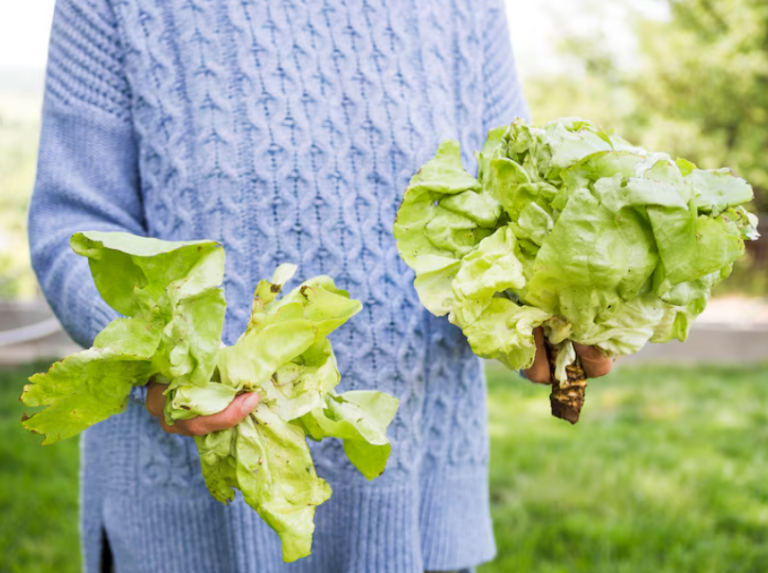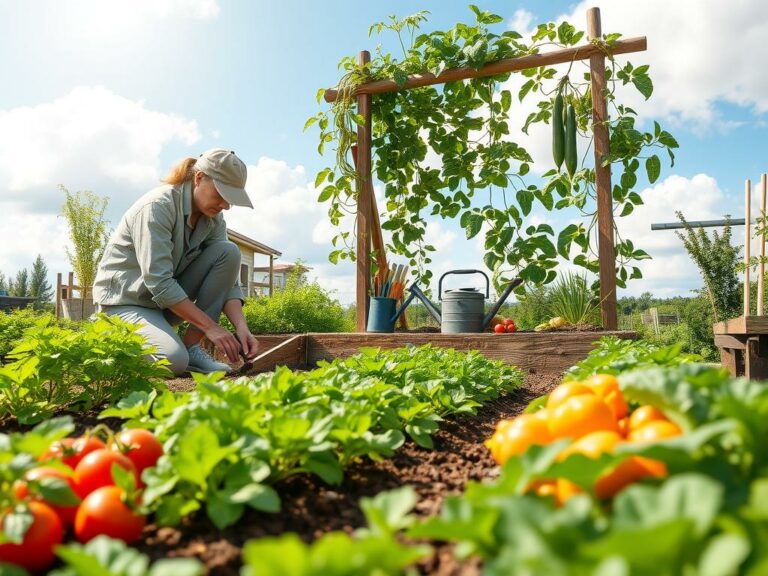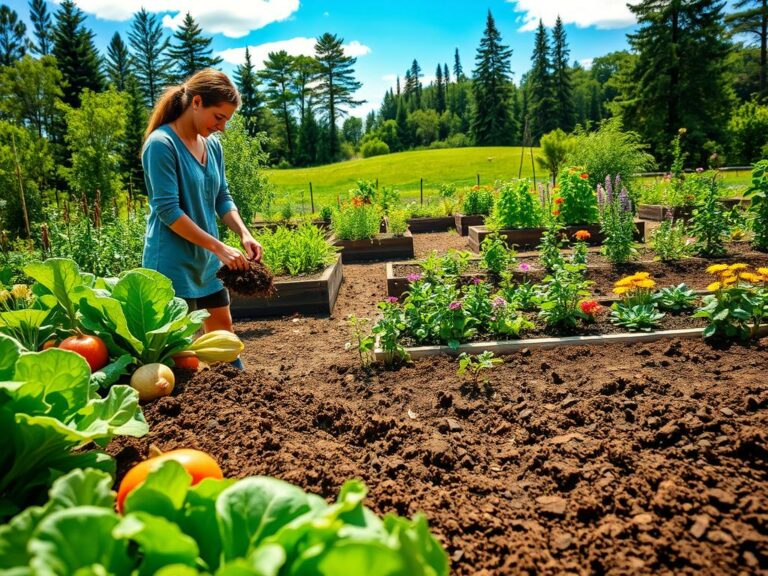

Did you know plants in elevated containers can grow up to 40% more than those in ground soil? This is because you control the soil quality and drainage perfectly.
Learning how to build a raised garden bed is the first step to a lush backyard. Elevating your crops reduces back strain and keeps weeds away.
Many homeowners love an easy raised garden bed for its clean look. It fits well in any space, from small patios to large lawns, boosting your home’s appeal.
Starting your own raised garden bed diy project lets you tailor it to your favorite vegetables. Growing your own food is rewarding and easy with the right plan.
Benefits of Raised Garden Beds
Planting your garden above ground offers many benefits. It gives you better control over your growing space. Whether you’re starting with a raised garden bed diy or looking for raised garden bed ideas, the perks are the same for all gardeners.
Improved Drainage
Dealing with too much water is a big problem in regular gardens. Raised beds solve this by draining water better. This stops root rot and other diseases caused by too much moisture.
Better Soil Quality
With a raised bed, you can pick exactly what goes into the soil. You can mix in organic matter, compost, and topsoil to make the perfect mix for your plants. This nutrient-rich environment helps your plants grow faster and stronger.
Easier Maintenance
Gardening should be fun, not hard work. Raised beds make it easier by letting you work at a comfortable height. This reduces back and knee pain. Plus, they make gardening easier in other ways:
- Reduced weeding: The walls keep weeds and grass out.
- Ergonomic access: You can easily reach your plants without stepping in the bed.
- Soil compaction prevention: Not walking on the soil keeps it loose and good for roots.
Using raised garden bed ideas changes how you garden. A raised garden bed diy project makes your garden work for you, not against you.
Choosing the Right Location
Your success as a gardener starts before you plant your first seed. Choosing the right site is key. The location of your raised bed affects how well your vegetables grow and your daily chores. Analyzing your landscape now saves you from headaches later.
Sunlight Requirements
Most vegetable crops need lots of sunlight to grow well. Look for a spot that gets at least six to eight hours of direct sunlight daily.
Before deciding, watch how shadows move in your yard. Trees, fences, and buildings can cast shadows that change with the seasons. Remember these tips:
- Watch light patterns in the morning and afternoon.
- Make sure growing trees won’t block your light later.
- Choose southern exposure if you live in a cooler area.
Proximity to Water Source
Carrying a heavy garden hose is a chore. Place your raised bed close to a water source, like an outdoor spigot.
Having water nearby makes it easier to keep the soil moist. Consistent hydration is crucial for healthy roots and high yields. If it’s far from a tap, think about a rain barrel or drip irrigation system.
Considerations for Accessibility
A good garden is easy to move around without straining. Make sure you can reach every part of the bed from outside. If it’s too wide, you might step inside, which can harm the soil.
Here are some tips for easy access:
- Keep your bed four feet wide or less for easy reach from both sides.
- Leave enough space between beds for a wheelbarrow or cart.
- Make sure your garden is on level ground to avoid water runoff and stability issues.
Selecting Materials for Your Raised Bed
Your choice of materials will affect how long your garden lasts and keeps the soil safe. When picking raised garden bed materials, think about cost, strength, and how they affect the environment. Making a smart choice now helps your veggies grow in a clean, healthy place.
Wood Options: Cedar, Redwood, and More
Wood is a top pick for many gardeners because it looks natural and is easy to put together. Cedar and redwood are favorites because they fight off rot and bugs with natural oils. They can last for years, even in wet soil.
If you’re watching your wallet, pine or fir might be a good choice. They’re not as strong as cedar, but you can make them last longer with a safe wood preservative. Make sure the wood is free from harmful chemicals like creosote.
Alternative Materials: Metal and Stone
Galvanized steel or aluminum offer a modern look. These raised garden bed materials are tough and won’t rot or warp. They’re also easy to set up and move if you need to change your garden.
Stone, brick, or concrete blocks are sturdy and keep heat well, which is great in cooler weather. They’re harder to put in, but they look timeless and fit well with stone paths or patios.
Eco-Friendly Choices
Many gardeners now want to be green. You can find eco-friendly raised garden bed materials like reclaimed wood or recycled composite boards. These choices cut down on waste and work well for your plants.
Choose materials that don’t harm your soil. Natural stone and untreated cedar are good for organic gardening. By picking the right materials, you keep your family and the environment safe.
| Material | Durability | Cost | Maintenance |
|---|---|---|---|
| Cedar/Redwood | High | Moderate | Low |
| Galvanized Metal | Very High | Moderate | Very Low |
| Stone/Brick | Permanent | High | None |
| Untreated Pine | Low | Low | High |
Deciding on the Size and Shape
Creating the perfect garden starts with thinking about the size and shape of your beds. Looking at raised garden bed ideas can help you design a space that fits your landscape. It’s important to match the size of your beds to the needs of your vegetables for a good harvest.
Standard Dimensions for Vegetable Beds
When planning, remember that the best raised garden bed dimensions focus on reachability. A width of four feet is common because it lets you reach the center from either side without stepping in. Stepping in can make the soil too compact, which is bad for roots and drainage.
Custom Shapes for Your Garden
You don’t have to stick to simple rectangles. L-shaped or U-shaped beds can fit into tight corners or create zones for different plants. These shapes add beauty and make it easier to reach your plants.
Alternative Materials: Metal and Stone
Wood is popular, but metal or stone can make a more lasting bed. Galvanized steel beds look modern and don’t rot. Stone or brick borders keep the soil warm in cold months.
Height Considerations
Your raised garden bed design should also think about comfort. Most vegetables need 6 to 12 inches of soil. For easier gardening, build beds 24 to 30 inches tall to avoid bending or kneeling.
| Bed Type | Ideal Height | Best Use Case |
|---|---|---|
| Low Profile | 6-12 inches | Standard vegetables and flowers |
| Mid-Range | 18-24 inches | Deep-rooted crops like carrots |
| Accessible | 30+ inches | Gardening while seated or standing |
Preparing the Ground for Your Raised Bed
Getting the ground right is key to a lasting garden bed. A solid foundation means your raised garden bed construction will last for years. Without these steps, your bed might start to fall apart under the weight of soil.
Clearing the Area
Start by clearing the area for your raised garden bed construction. It’s important to remove all grass and weeds. These plants can steal nutrients and water from your vegetables.
Here’s how to clear the area well:
- Mow the grass as short as you can.
- Take out rocks, sticks, and big debris.
- Use a spade to get rid of weeds by their roots.
Leveling the Ground
An uneven base can warp your raised garden bed construction. Slopes or bumps will make your frame distort. Use a level and a straight board to check if the ground is even.
For high spots, dig away the extra soil. For low spots, add topsoil or sand and pack it down. A perfectly level surface will save you trouble later.
Adding a Barrier
The last step is adding a barrier. This keeps pests like gophers and moles out. Use hardware cloth or landscape fabric to cover the bottom of your bed.
Hardware cloth is best for areas with digging pests. Lay it over the ground and attach it to the sides. This long-term protection keeps your roots safe and your garden pest-free.
Building the Raised Garden Bed Frame
Building the frame is where your garden plans come to life. It’s the most rewarding part, as you see your vision in your backyard. Learning how to build a raised garden bed right ensures it lasts for many seasons.
Tools You’ll Need
First, gather all the tools you need for a smooth process. You’ll need a power drill, a reliable level, and a measuring tape. These help you follow your raised garden bed plans accurately.
Also, have a pencil for marking cuts and exterior-grade screws ready. The right hardware prevents rust and makes your frame last longer. A simple easy raised garden bed project needs the right tools before starting.
Step-by-Step Assembly
Begin by laying out your boards to check the dimensions. Make sure they form a perfect rectangle or square. Use your level to ensure the ground is even. If it’s not, the soil may shift, stressing the joints.
Pre-drill pilot holes to avoid splitting the wood when screwing. This step makes assembly faster and more professional. Work slowly to ensure each board is flush, creating a sturdy foundation for your plants.
Securing the Corners
The corners are the most critical points of your frame. They bear the weight of the soil and water. Use corner posts or heavy-duty metal brackets inside the frame for extra strength.
Drive screws through the outer boards into the corner posts for a secure hold. For extra durability, use waterproof wood glue along the joints before screwing. Properly secured corners will keep your garden looking great and functioning well for years.
Filling Your Raised Bed with Soil
Filling your raised bed with the right soil is key for a healthy garden. The quality of your soil affects plant health and vegetable production. By focusing on your soil now, you’ll get a bountiful harvest later.
Choosing the Right Soil Mix
Look for a mix that’s rich in nutrients and drains well. A good mix includes compost, peat moss or coconut coir, and vermiculite. This mix gives plants essential nutrients and keeps the soil moist.
Don’t use regular garden soil from your yard. It can compact too much in a raised bed. Instead, use organic potting mixes or make your own blend. Proper aeration is crucial for healthy root growth.
Layering for Best Results
Start with a layer of organic matter like twigs or dried leaves at the bottom. This helps with drainage and feeds the soil as it breaks down.
Next, add your main soil mix, leaving a few inches at the top. Consistency is key for stable root growth. Layering from the bottom up mimics nature’s processes.
“The soil is the great connector of lives, the source and destination of all.”
Testing Soil pH and Nutrients
After filling your bed, test the soil to ensure it’s right for your veggies. Use a simple kit to check pH and nutrients. Most veggies do best in slightly acidic to neutral soil, between 6.0 and 7.0.
If your test shows an imbalance, you can fix it with organic additives. Lime raises pH, while sulfur or compost lowers it. Regular testing helps keep your garden productive for years.
Planting Your Vegetables
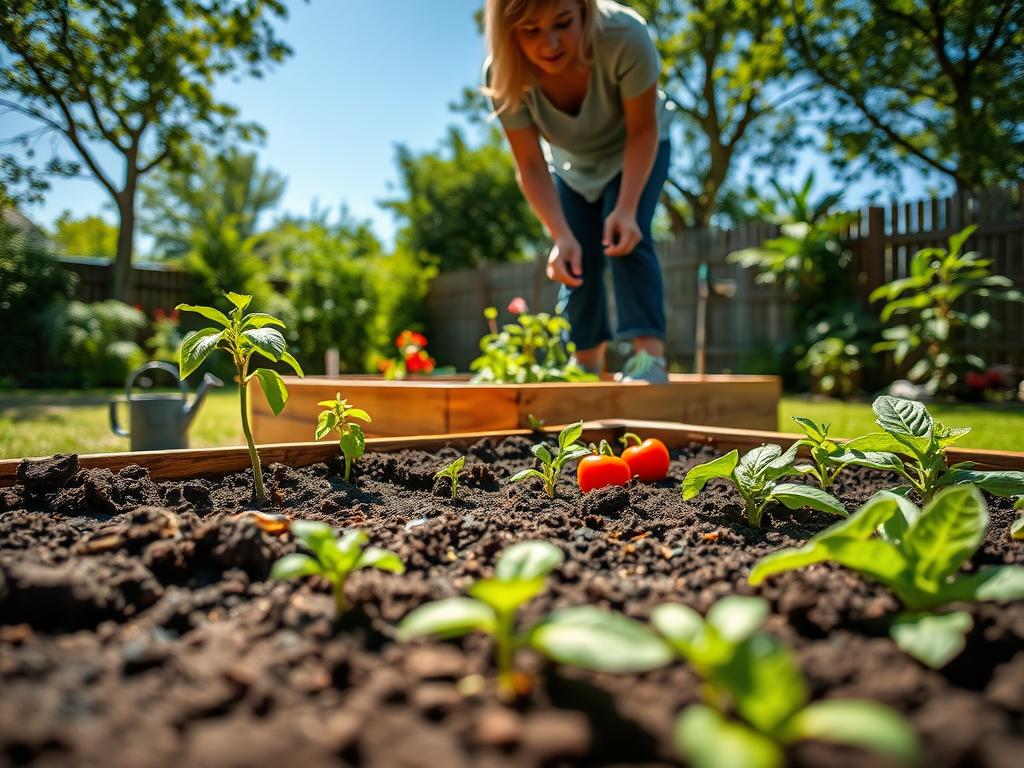
Start by picking the right plants for your space. Raised beds are great because they drain well and stay warm. This makes them perfect for many favorite vegetables.
Best Vegetables for Raised Beds
Leafy greens like spinach, kale, and lettuce are great for beginners. They grow fast and love the soil in raised beds. You can pick outer leaves for a fresh harvest.
Tomatoes and peppers do well in these beds too. They need support like cages or stakes. The soil warms up quickly, so you can start them early. Make sure to leave enough space for air and sunlight.
Companion Planting Tips
Companion planting helps use space wisely. Some plants keep pests away and make others healthier. For example, marigolds can protect tomatoes from harmful insects.
Pair tall plants with short ones to use vertical space well. Basil is great with tomatoes. It tastes better and keeps pests away. Strategic placement makes every inch count.
Seasonal Planting Guides
Good gardening needs a plan for the year’s weather. Rotate crops to avoid soil problems and diseases. This keeps the soil balanced.
Here’s a table to help plan your planting schedule. It’s based on typical growing seasons in the United States.
| Vegetable Type | Best Season | Sunlight Needs |
|---|---|---|
| Leafy Greens | Spring/Fall | Partial Shade |
| Tomatoes | Summer | Full Sun |
| Peppers | Summer | Full Sun |
| Root Vegetables | Spring/Fall | Full Sun |
Watch the local frost dates to know when to start seeds or transplants. Planning ahead lets you harvest from spring to winter.
Maintaining Your Raised Vegetable Garden
Regular care makes your backyard garden a success. It keeps your raised garden bed in top shape. Daily tasks are key to this.
Efficient Watering Strategies
Try drip irrigation systems from Rain Bird to water roots directly. This cuts down on evaporation and keeps leaves dry. It stops fungal diseases.
Good water management keeps plants hydrated, even in hot summers.
Managing Pests and Soil Health
Watch for pests and pull weeds early to stop them from spreading. Change what you grow each season to avoid diseases and nutrient loss. Adding compost keeps the soil fertile for more crops.
Learning these habits makes gardening a rewarding journey. Your hard work pays off with a rich harvest every year. Share your gardening journey with local groups to encourage others to grow their own food.