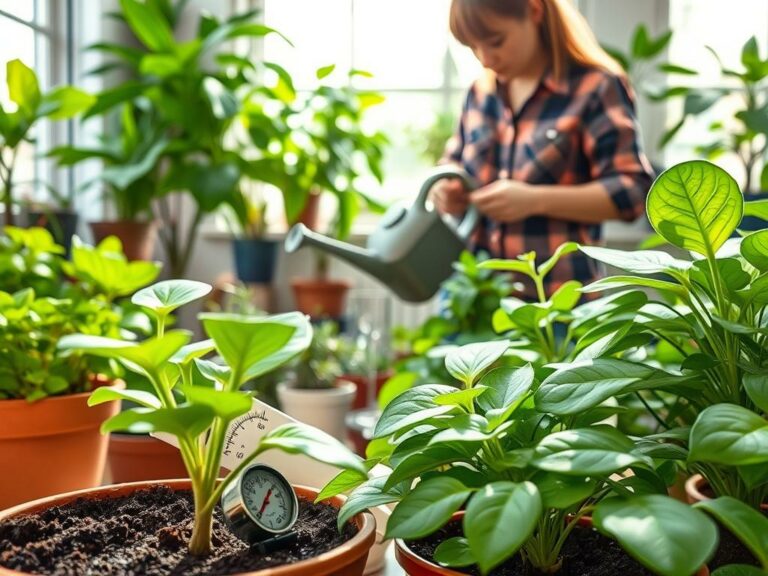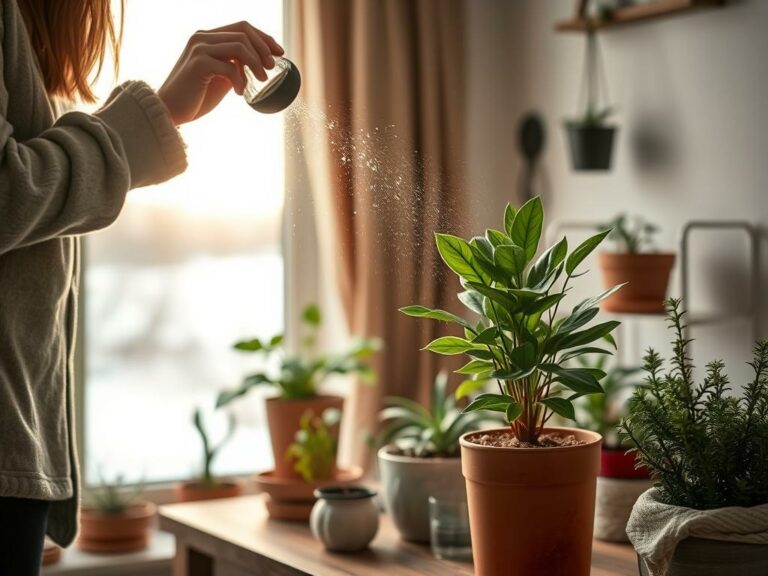

Did you know that nearly 70% of indoor plants fail in the first year? This is often because of simple neglect. Many people see their plants as just decorations, not living beings that need care.
Knowing what your plants need is key to their success. By understanding light, humidity, and soil moisture, you can help your plants live longer. Consistency is the secret ingredient that turns a weak plant into a strong one.
Creating the right environment helps your plants fight off common problems. This way, your indoor garden stays lively and healthy for years. Let’s look at how small changes in your daily routine can greatly improve your plants’ health.
Understanding Plant Lifespan
Ever wondered why some houseplants live for decades while others die in months? Each plant has its own growth pattern. Knowing these patterns helps you increase plant lifespan and keep your home green for years.
What Determines Plant Lifespan?
Plant life span is mainly based on its genes and how well it adapts indoors. Some plants grow fast and reproduce quickly, living shorter lives. Others conserve resources, surviving longer in tough conditions.
Keeping your plants in a stable environment is key to lengthening plant survival. Consistent light, temperature, and moisture reduce stress. Knowing these factors is crucial for caring for plants long-term.
Common Traits of Long-Living Plants
Long-lived plants often have thick leaves or strong roots. These features help them store water and nutrients. They act as a safety net, keeping plants healthy even when care is off.
Slow growth is another trait of long-lived plants. They conserve energy, lasting longer than fast-growing ones. The table below shows how different plants compare in longevity.
| Feature | Short-Lived Plants | Long-Lived Plants |
|---|---|---|
| Growth Rate | Rapid and aggressive | Slow and steady |
| Storage Organs | Minimal or absent | Bulbs, tubers, or thick leaves |
| Stress Tolerance | Low; requires constant care | High; adapts to fluctuations |
| Reproduction | Frequent flowering/seeding | Rare or seasonal flowering |
Choosing plants with these traits can increase plant lifespan in your home. Create the right environment to lengthen plant survival. Your indoor garden will then bring lasting beauty.
Essential Factors for Plant Health
Healthy growth starts at the roots. Soil composition and water management are key. The right environment helps your plants stay vibrant all year.
Soil Quality and Composition
The soil you choose is crucial for your plants. It should have nutrients and support. Look for mixes with peat moss, perlite, and pine bark for good aeration.
Good drainage is vital to prevent waterlogged roots. A well-draining mix lets oxygen reach the roots. This helps your plants live longer. Different plants need different soil types, so check their needs.
“The soil is the great connector of lives, the source and destination of all.”
Importance of Watering
Watering is as important as soil. Too much water can cause root rot, which is deadly. Check the soil moisture by inserting your finger about an inch deep before watering.
Pay attention to your plant’s signs. Wilting leaves or dry soil mean it needs water. A balanced watering schedule keeps your plants healthy for years.
Light Requirements for Optimal Growth
Light is the main fuel for your plants, affecting their health and life span. It’s the key energy source for photosynthesis. Knowing what your plants need is key to keeping them alive and green for a long time.
Types of Light Plants Need
Plants have different light needs. Direct light is when the sun hits the leaves straight on, great for desert plants like cacti. Most houseplants prefer bright, indirect light, where the sun is filtered or reflected.
For plants that live in the shade, like those on forest floors, low-light is best. Even though they can handle dimmer spots, they still need some light to grow well. A plant in a dark room will start to decline, no matter the type.
Signs of Light Stress
Plants show their light needs through signs. If a plant gets too little light, it might grow long and weak. Leaves can also lose color and become pale.
Too much sun can cause sunburn, showing as brown or bleached leaves. Watching for these signs helps you adjust your plant’s spot. Balancing light is crucial for a healthy indoor garden.
Nutritional Needs for Longevity
Good nutrition is key to keeping your plants healthy for a long time. Giving them the right nutrients at the right time helps them stay strong. By following these tips, you can make your plants live longer and stay green.
Fertilization Basics
Plants need nutrients like nitrogen, phosphorus, and potassium. These are often shown as NPK on fertilizer labels. Nitrogen helps leaves grow, phosphorus supports roots, and potassium keeps plants healthy. It’s important to feed your plants at the right time.
Most plants grow best in spring and summer. Feed them regularly during this time. But, stop fertilizing in winter to avoid harming their roots. A regular feeding schedule helps your plants grow well and prevents them from getting too weak.
Organic vs. Synthetic Fertilizers
Deciding between organic and synthetic fertilizers depends on your gardening goals. Organic fertilizers, like compost, slowly release nutrients and improve soil. Synthetic fertilizers give a quick nutrient boost, which is good for plants that need to recover fast.
| Feature | Organic | Synthetic |
|---|---|---|
| Nutrient Release | Slow and steady | Fast and immediate |
| Soil Health | Improves structure | No direct benefit |
| Risk of Burn | Very low | Higher risk |
The best choice depends on your gardening goals. Organic fertilizers are better for long-term soil health. Synthetic fertilizers are good for quick growth needs. Always follow the instructions to avoid over-fertilizing.
Pest and Disease Management
Learning to spot and manage common plant ailments early is key. Proactive monitoring helps extend plant longevity and keeps your indoor garden thriving. Catching issues early prevents long-term damage to your favorite plants.
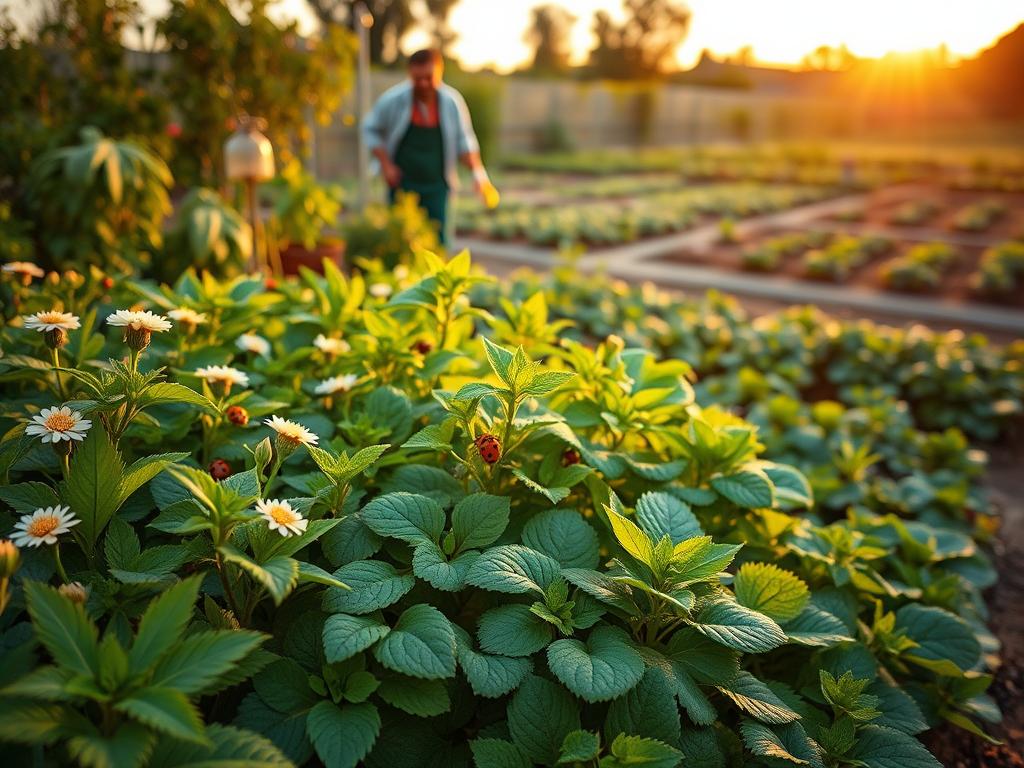
Recognizing Common Plant Pests
Small intruders often hide on the undersides of leaves or within the soil. Spider mites leave fine, web-like structures. Fungus gnats appear as tiny black flies near damp soil. Scale looks like small, brown bumps on stems.
Regularly inspecting your plants is crucial for early detection. Look for yellowing leaves, sticky residue, or stunted growth. Identifying these signs quickly helps you act before the problem gets worse.
Effective Treatment Options
When you spot a problem, use gentle, non-toxic solutions to develop plant endurance. Many pests can be managed with simple household items. A mild dish soap and water mix often works well for surface-dwelling insects.
For tougher issues, neem oil is a powerful, natural remedy. It disrupts the life cycle of many pests. Apply these treatments consistently to ensure the infestation is fully eradicated. Organic options protect your home environment and help your plants develop plant endurance against recurring threats.
Healthy plants are naturally more resilient. Proper light and water strengthen the plant’s natural defenses. Consistent care is your best strategy for a pest-free home.
Seasonal Care Tips to Extend Life
Understanding the seasons is key to keeping plants alive long-term. Plants change with daylight and temperature, so your care must too. By paying attention, your plants will stay bright all year.
Adjusting Care Throughout the Year
In spring and summer, plants need more water and food. They grow fast with more light, needing nutrients to stay healthy.
When fall comes and days get shorter, plants slow down. Water them less and don’t feed them. This helps them rest and survive the cold.
Preparing Plants for Seasonal Changes
When moving plants, do it slowly to avoid shock. Start by bringing them inside for a few hours a day. This helps them get used to indoor air.
Check for pests when moving plants. Clean their leaves to stop infestations. These steps help your plants stay healthy all year.
Being able to adjust to changes is crucial. Being consistent and flexible keeps your plants thriving through every season.
Propagation Techniques for Longevity
Propagation is a great way to keep your plants’ unique traits alive. It lets you make new plants from the ones you already have. This way, your favorite plants can keep growing without you needing to buy new ones all the time.
Cloning Plants
Cloning means taking a piece of a plant to grow a new one that’s just like it. This works well for many houseplants, like pothos or philodendrons. Just cut a healthy stem below a node, and put it in water or moist soil to grow roots.
Consistency is key when cloning. Make sure the cutting gets bright, indirect light and keep the soil moist. When the roots grow a few inches, move the new plant to a bigger pot to help it grow stronger.
Seed Saving Tips
Harvesting seeds from your plants is a fun way to start new ones. Wait until the flowers fade and the seed pods dry before picking them. Store the seeds in a cool, dark, dry place to keep them good for next year.
When you save and plant your own seeds, you connect more with your garden. This method helps your plants grow stronger by choosing seeds from the best plants. Over time, your plants will fit perfectly in your home.
| Method | Best For | Difficulty | Time to Maturity |
|---|---|---|---|
| Stem Cuttings | Vines and Shrubs | Easy | Fast |
| Seed Saving | Flowering Plants | Moderate | Slow |
| Division | Clumping Plants | Easy | Medium |
The Role of Repotting in Plant Health
Repotting your plant gives it room to grow and thrive. Plants grow out of their pots, limiting their roots and soil nutrients. Regular repotting boosts plant health and keeps your plants looking great.
When to Repot Your Plants
Knowing when to repot is key for your plant’s health. Check your plants often for signs of stress. Look for these signs to know it’s time for a new pot:
- Roots are growing out of the pot’s drainage holes.
- The plant stops growing or wilts, even with regular water.
- Water stays on the soil’s surface instead of soaking in.
- The plant is top-heavy and tips over easily.
Choosing the Right Potting Mix
Choosing the right soil is as important as the pot size. Good potting mix gives roots the air and water they need. The right mix prevents root rot and helps plants absorb nutrients.
Think about your plant’s needs when picking a mix. Succulents need a mix that drains fast, while tropical plants prefer one that holds moisture. Never use garden soil, as it’s too heavy and can harm your plants.
Environmental Factors Impacting Lifespan
Creating the perfect atmosphere is key to enhance plant vitality in your home. Each plant species has evolved in a specific climate. Mimicking these conditions helps your plants thrive.
When you manage these variables well, you reduce stress on your plants. This lets them reach their full potential.
Humidity and Temperature Preferences
Most houseplants do best in temperatures between 65°F and 75°F. Sudden changes, like drafts from air conditioners, can harm them. Consistency is the secret to keeping your plants happy all year.
Humidity is also crucial, mainly for tropical plants that love moist air. You can use a humidifier or a pebble tray to keep the air moist. This helps prevent issues like brown leaf tips and stunted growth.
Benefits of Indoor vs. Outdoor Conditions
Choosing between indoor and outdoor depends on your plant’s needs. Indoor spaces offer controlled protection from harsh weather, pests, and temperature changes. They’re perfect for delicate plants that need a stable climate.
Outdoor spots, on the other hand, provide natural sunlight and better airflow. This can lead to stronger growth for hardy plants. If moving plants outside, do it slowly to avoid shock. Proper placement is crucial for a long, healthy life.
Creating a Care Routine for Your Plants
Creating a care routine makes your hobby rewarding. It keeps you organized and lets you focus on your plants’ needs. By spending time with your plants, you help them grow stronger against stress.
Daily, Weekly, and Monthly Tasks
Begin by checking if your plants need water, like Fiddle Leaf Figs. Use your weekends for deep cleaning and pest checks. Every month, check your fertilizer schedule and rotate your pots for balanced light.
Tools for Effective Plant Care
Get good tools like Fiskars pruning shears and a moisture meter. Keeping a logbook or using an app helps track your plants’ growth. These steps will make your plants healthier and keep your garden lively for years.