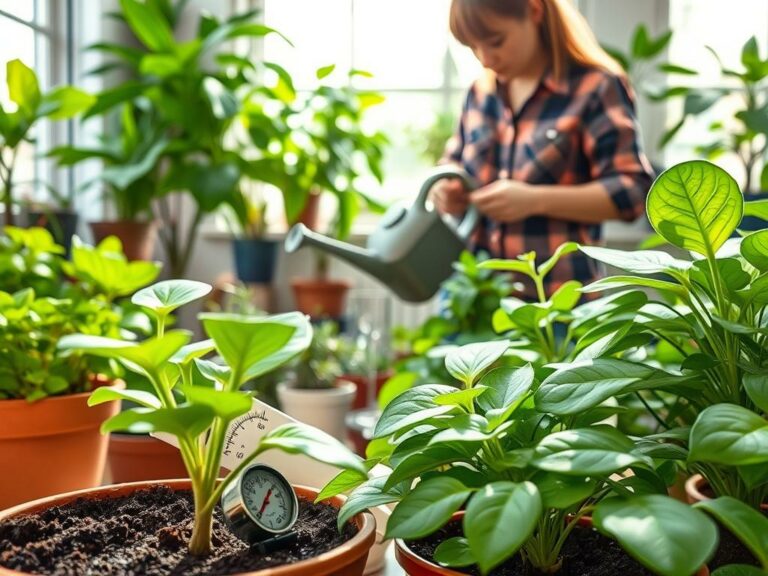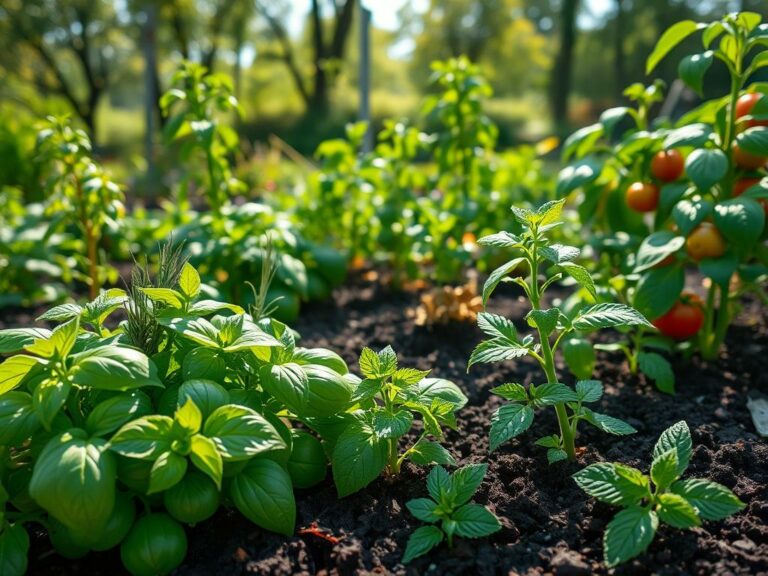

Did you know that nearly 80% of common gardening failures come from the wrong soil? Many gardeners focus on sunlight and water but forget the soil’s importance.
Your garden is a living ecosystem. The soil gives it nutrients and support. Choosing the right soil is key to your plants’ health and growth.
Without good drainage and air, even strong plants can’t do well. This guide will help you pick the right soil for your garden. It’s the first step to a successful garden.
Understanding Soil Types for Plants
Soil is more than just dirt; it’s a living ecosystem that affects plant health. When you start gardening, understanding soil types is key to success. Knowing how these layers work helps you create the best environment for your plants.
Importance of Soil Structure
Soil structure affects how well plants grow. Good structure lets roots grow deep and get oxygen. But, if it’s too dense, roots can’t expand, causing stunted growth.
Good structure also helps manage moisture. Well-structured soil holds water but drains excess. This keeps roots from rotting and keeps plants hydrated during dry times.
Key Soil Components
To be a great gardener, you need to know the four main soil ingredients. These elements work together to support life in the soil. Each one is important for your garden’s health.
- Minerals: They give structure and essential nutrients.
- Organic Matter: It’s from plants and animals that enrich the soil.
- Water: It carries nutrients to the roots.
- Air: It’s needed for root breathing and good microbes.
| Component | Primary Function | Impact on Growth |
|---|---|---|
| Minerals | Structural support | Provides anchor for roots |
| Organic Matter | Nutrient storage | Improves soil fertility |
| Water | Hydration | Facilitates nutrient uptake |
| Air | Respiration | Prevents root suffocation |
Soil pH and Nutrient Availability
Soil’s chemical balance is crucial. Soil pH controls nutrient availability, affecting plant absorption. Even with plenty of nutrients, wrong pH can block access to them.
Most plants do best in slightly acidic to neutral soil. Wrong pH can cause yellow leaves or poor growth. Monitoring pH ensures your fertilizers work and plants get what they need.
The Role of Organic Matter
Transform your garden by focusing on organic matter. It’s the lifeblood of any garden, providing nutrients and improving soil types for better plant growth. By adding decomposed materials, you create a strong environment for many plants.
Benefits of Compost
Compost is a natural powerhouse for your garden beds. It introduces beneficial microorganisms that break down nutrients, making them easier for plants to use. This is essential for improving soil types, turning dense clay or loose sand into a nutrient-rich haven.
Compost also makes the earth better for plants. It helps soil hold moisture during dry times and drains excess water well. Plants grown in composted soil are more resistant to disease and stress.
How to Incorporate Organic Matter
Adding organic material to your garden is easy and rewarding. Start by spreading a two-inch layer of finished compost over your garden. For established beds, gently mix this into the top few inches of soil with a garden fork.
If you’re starting a new garden, mix organic matter deeper into the soil. This is great for improving soil types in areas with poor drainage or low nutrients. Regularly adding organic matter keeps your garden productive and vibrant for years.
Common Soil Types in the U.S.
The United States has many different landscapes, each with its own soil. Knowing the different soil types in your area is key to a great garden. This knowledge helps you water and fertilize your plants just right.
Sandy Soil
Sandy soil feels gritty and drains water fast. This is good because it doesn’t get waterlogged. But, it’s bad because nutrients can wash away before plants get them.
Clay Soil
Clay soil is very fine and holds onto nutrients well. But, it drains poorly and can get compacted. This makes it hard for plants to breathe because it stays wet for too long.
Loamy Soil
Many gardeners love loamy soil. It’s a mix of sand, silt, and clay. This mix is perfect for gardening because it holds moisture well but also drains well. It keeps plant roots healthy.
Silty Soil
Silty soil feels smooth and holds moisture better than sand. But, it can get compacted easily. If managed right, it’s very fertile and good for many crops.
| Soil Type | Drainage | Nutrient Level | Texture |
|---|---|---|---|
| Sandy | Fast | Low | Gritty |
| Clay | Slow | High | Sticky |
| Loamy | Moderate | High | Balanced |
| Silty | Moderate | Medium | Smooth |
Assessing Your Soil Quality
Unlocking your garden’s secrets starts with soil evaluation. Before digging, understand the ground you’re working with. This is key for understanding soil types and creating a great environment for plants.
Soil Testing Methods
There are many ways to check your garden’s health. Many start with simple home test kits from local stores. These kits show pH levels and basic nutrients.
For detailed results, send a sample to a lab. Labs give a full report on your soil’s chemistry and texture. Professional analysis helps find the optimal soil types for your area.
“The soil is the great connector of lives, the source and destination of all.”
Interpreting Soil Test Results
When you get your report, it might seem confusing. Reports usually cover pH levels, organic matter, and nutrients like nitrogen and potassium.
Here’s how to understand your report:
- Check the pH: Most plants like a slightly acidic to neutral pH.
- Review nutrient levels: Look for any nutrient gaps that need specific fertilizers.
- Analyze texture: See if you need to add sand or organic matter for better drainage.
By carefully looking at these details, you can make smart choices about soil amendments. This way, you can create the optimal soil types for your plants. Knowing this is key to a successful garden.
Selecting Soil for Indoor Plants
Choosing the right soil is key when you bring plants indoors. Unlike outdoor soil, indoor containers need special care. Using regular garden soil can cause roots to suffocate and plants to grow poorly.
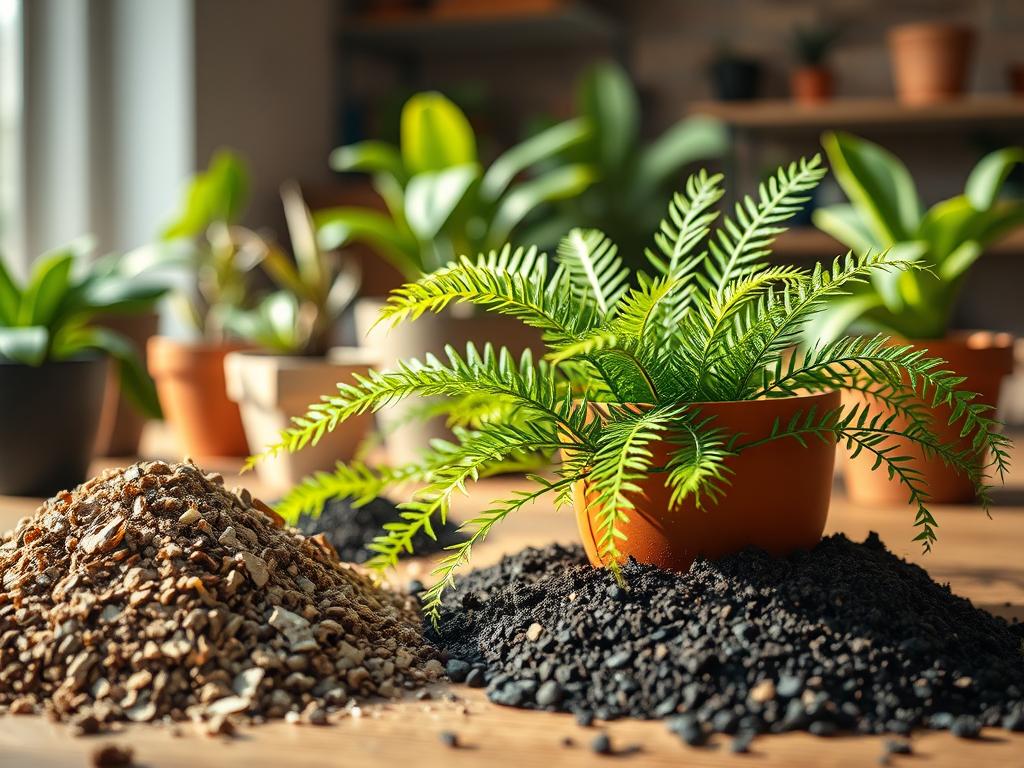
Best Soil Mixes for Houseplants
For your plants to thrive, pick the best soil types made for indoor plants. These mixes are clean and light, keeping pests and diseases away. They often include peat moss, coconut coir, or pine bark to keep the soil moist but also airy.
“The secret to a flourishing indoor garden lies in the medium; a well-aerated mix allows roots to breathe while holding just enough water to sustain life.”
You can adjust these mixes for your plants’ needs. Tropical plants like a moist mix, while desert plants need something dry and fast-draining. The right best soil types gives your plants the nutrients they need without drowning them in water.
| Component | Primary Function | Best For |
|---|---|---|
| Peat Moss | Moisture Retention | Tropical Plants |
| Perlite | Aeration | General Houseplants |
| Coarse Sand | Drainage | Cacti and Succulents |
Drainage Considerations
Drainage is as crucial as the soil itself. Even the best soil types can fail without proper drainage. Without holes, water builds up, causing root rot and plant death.
Make sure your pots have good drainage to keep your plants healthy. If your pots don’t have holes, use a plastic liner inside. This lets you water without waterlogging the soil.
Soil Choices for Outdoor Gardening
When you garden outside, the soil quality is key. Unlike indoor gardens, outdoor plots face the weather and local climate. Finding the best soil types for your area is crucial for managing moisture and nutrients.
Vegetable Garden Soil Requirements
Vegetables need rich soil to grow well. Look for deep, loose soil that roots can easily grow in. It should also hold moisture well during hot summers. Adding aged compost can greatly improve your garden’s fertility and structure.
“To plant a garden is to believe in tomorrow.”
It’s important to balance minerals and organic matter for healthy crops. Using ideal soil types for gardening like amended loam helps. Here’s a table to help manage nutrients:
| Nutrient Type | Primary Benefit | Source |
|---|---|---|
| Nitrogen | Leafy growth | Blood meal |
| Phosphorus | Root development | Bone meal |
| Potassium | Disease resistance | Wood ash |
Flower Bed Soil Composition
Flower beds need soil that drains well and doesn’t compact. This ensures roots can breathe and grow. Adding organic mulch helps keep the soil moist and the temperature right for your flowers.
For flowers, mix native soil with peat or coconut coir. This creates an airy soil that supports vibrant blooms. Choosing the best soil types for flowers makes your garden beautiful and resilient.
Specialized Soil Types for Specific Plants
Many plants have evolved to thrive in unique environments. Standard potting mixes can’t always meet their needs. Using the wrong soil can cause root rot or nutrient deficiencies, even with perfect watering.
Cacti and Succulents
Cacti and succulents come from dry areas where water drains quickly. They need a gritty, fast-draining substrate to prevent root rot. Standard potting soil holds too much water, which harms these plants.
Look for mixes with perlite, pumice, or coarse sand for good aeration. These materials help roots breathe while keeping the plant upright. When choosing soil types for specific plants, drainage is key.
Orchids and Tropical Plants
Orchids and tropical plants grow on trees, not in soil. They need lots of oxygen and humidity without being waterlogged. Bark-based mediums are best to mimic their natural habitat.
These mixes include fir bark, charcoal, and sphagnum moss for moisture and airflow. The right soil types for specific plants ensure your tropical plants get the nutrients they need. This keeps them vibrant and blooming.
| Plant Category | Primary Goal | Key Ingredients |
|---|---|---|
| Cacti & Succulents | Rapid Drainage | Perlite, Pumice, Coarse Sand |
| Orchids | Airflow & Humidity | Fir Bark, Charcoal, Moss |
| Tropical Foliage | Moisture Retention | Peat Moss, Perlite, Coco Coir |
Water Retention and Drainage
Your plants need a balance of water and oxygen to live and grow. Too much water can harm them as much as too little. Learning how your garden handles moisture is crucial for improving soil types and success.
Importance of Drainage in Plant Health
Good drainage is like a safety net for your garden. When soil stays wet too long, it blocks the air that roots need. This lack of oxygen can weaken plants and make them sick.
Waterlogged soil can cause root rot, a deadly fungal disease. By letting water drain away from roots, you help plants grow strong. Healthy roots are key to a lively, productive garden.
How to Improve Soil Drainage
If your garden has heavy, compacted soil, you can make it better. You want to make the soil more porous so water flows through. Adding the right stuff can turn dense soil into a breathable one.
Materials like perlite, coarse sand, and compost are great for this. They create spaces in the soil for water and air to move. Working on improving soil types will lead to better growth and fewer health issues.
| Amendment | Primary Benefit | Best Used For |
|---|---|---|
| Perlite | Increases aeration | Container mixes |
| Coarse Sand | Improves water flow | Heavy clay soils |
| Organic Compost | Balances moisture | All soil types |
| Expanded Shale | Permanent drainage | Garden beds |
Best Practices for Soil Maintenance
Keeping your soil healthy all year long is key. It’s not just about preparing it once. Regular care keeps your soil types for specific plants working well year after year. This lets roots grow freely.
Techniques for Soil Aeration
Soil compaction is a big problem. It stops oxygen from reaching roots. To fix this, use a garden fork to loosen the soil a bit.
For bigger areas, a core aerator is better. It pulls out small soil plugs. This lets air, water, and nutrients get deeper. Regular aeration helps a lot with hard clay soils.
Fertilization Tips
As plants grow, they use up nutrients. To keep your soil types for specific plants healthy, you need to add nutrients back. Always test your soil first to know what it needs.
Go for organic fertilizers like compost. They give nutrients slowly. If you use synthetic fertilizers, use them carefully to avoid harming roots. A regular care plan keeps your garden at its best.
| Maintenance Task | Frequency | Primary Benefit |
|---|---|---|
| Manual Aeration | Once per season | Improves root oxygenation |
| Organic Mulching | Twice per year | Retains moisture and nutrients |
| Nutrient Testing | Every 12 months | Ensures balanced soil chemistry |
| Compost Top-dressing | Spring and Fall | Replenishes soil structure |
By following these simple steps, you protect your soil types for specific plants. Regular care is the best way to keep your garden looking great all year.
Environmental Considerations
Creating a beautiful garden is rewarding, but we must think about its impact on the environment. As gardeners, our choices about soil amendments affect the local ecosystem and the planet. By picking optimal soil types, we can help our plants grow while protecting nature.
Organic vs. Synthetic Soils
Choosing between organic and synthetic soils affects how your garden interacts with the soil. Organic soils use natural materials like peat and compost to feed plants slowly. These materials encourage beneficial microbial activity, which is key for plant health.
Synthetic soils, on the other hand, use chemical fertilizers for quick nutrient release. While they give a quick boost, they don’t offer the same structure as organic matter. Opting for optimal soil types lets you choose between a quick fix or a sustainable, living soil environment.
Sustainable Soil Practices
Practicing sustainability is the best way to reduce our ecological footprint. Composting kitchen scraps and yard waste turns waste into garden gold. Mulching is also crucial for weed control, moisture retention, and preventing soil erosion.
By using these methods, we create the best optimal soil types and reduce our need for store-bought products. These habits help our gardens thrive with little effort. The table below shows the differences between various management approaches to guide your choices.
| Practice | Environmental Impact | Primary Benefit |
|---|---|---|
| Composting | Low (Reduces landfill waste) | Enriches soil structure |
| Synthetic Fertilizing | High (Potential runoff) | Immediate nutrient availability |
| Organic Mulching | Very Low (Promotes biodiversity) | Moisture retention |
| Peat Harvesting | High (Carbon release) | Excellent aeration |
Conclusion: Your Soil Choices Matter
Learning about the soil under your plants can turn gardening into a fulfilling hobby. Every decision you make about nutrients and structure affects your garden’s health.
Summary of Essential Insights
You now know how to check texture, pH levels, and drainage for any plant. This guide is your starting point for making smart choices at the nursery or garden center. By following these tips, your plants will get the oxygen and water they need to thrive.
Start Your Gardening Journey
Start by seeing how your garden reacts to different soil changes. Use this guide to test new soil mixes or organic additives in small areas. You’ll soon find out which ones make your plants bloom the most and grow the healthiest.
By understanding the soil, you create a sustainable garden at home. Keep trying new things to see what works best in your climate. The effort you put in will show in every leaf and flower you care for.