
Did you know over 70% of backyard soil health is lost with synthetic fertilizers? Many gardeners unknowingly harm their soil with harsh chemicals. True success in your garden comes from knowing what your plants need.
You can make your garden thrive by promoting plant growth naturally. Instead of using chemicals, build a strong ecosystem. This way, your garden can take care of itself.
This method keeps your garden healthy all year. Using eco-friendly ways, you can grow a lively space without harmful chemicals. Begin your path to a greener, healthier outdoor space today.
Understanding Natural Plant Growth
Healthy soil is key for every plant in your backyard. By focusing on the soil, you help plants grow naturally without chemicals.
Importance of Soil Health
Your soil is alive and needs care. Good soil fertility management means keeping it balanced. This balance helps roots grow well.
Bad soil structure hurts plant health. It makes it hard for plants to get what they need. Healthy soil keeps your garden strong through all seasons.
Benefits of Organic Fertilizers
For organic gardening tips, try natural fertilizers. They give nutrients slowly, unlike quick synthetic ones.
Nature does not hurry, yet everything is accomplished.
Organic fertilizers help plants grow steadily. They use compost, bone meal, or fish emulsion. This keeps growth steady and stable.
| Amendment Type | Primary Benefit | Release Speed |
|---|---|---|
| Compost | Improves Structure | Slow |
| Bone Meal | Boosts Phosphorus | Moderate |
| Fish Emulsion | Provides Nitrogen | Fast |
The Role of Microorganisms
The secret to promoting plant growth naturally is tiny. Microorganisms like bacteria and fungi break down food for plants.
These tiny helpers connect nutrients to plants. A healthy mix of microbes makes your garden strong and productive every year.
Choosing the Right Plants for Your Environment
Starting a resilient landscape means picking the right plants for your climate. By choosing plants that match your local conditions, you follow sustainable agriculture practices. This way, your garden grows well with little upkeep.
Factors to Consider
Before buying new plants, check your yard’s unique features. Look at your local humidity and temperature changes. These help you pick plants that will do well in your area.
Soil drainage is also key. Test if your soil holds water or drains fast. This affects your plants’ roots. Choosing plants that fit your soil is crucial for success.
Native vs. Non-Native Plants
Native plants are made for your area, handling local weather and soil well. They need less water and fertilizers. Using native plants is a key part of holistic plant growth approaches.
Non-native plants can make your garden beautiful but need more care. They might face local pests or need special soil. Think about the beauty and the effort needed to keep them healthy.
Effective Natural Fertilizers for Your Garden
Starting with soil fertility management is key to lush growth. Your garden needs top-notch nutrients for the best yields and plant health.
Natural inputs are better for your garden. They help your plants grow strong without harmful chemicals. These organic gardening tips will set you up for success.
Composting Basics
Composting turns waste into “black gold” for your garden. Mix kitchen scraps like vegetable peels with yard waste like leaves and grass clippings.
This mix breaks down to create a rich soil amendment. Keeping it aerated and moist is crucial for plant nutrition techniques to work.
Manures and Their Benefits
Animal manures are full of nitrogen, phosphorus, and potassium. They make your soil better at holding water and supporting roots.
Make sure manure is aged or composted before using it. Fresh manure can harm your plants. So, be patient with soil fertility management.
“The soil is the great connector of lives, the source and destination of all. It is the healer and restorer and resurrector, by which disease passes into health, age into youth, death into life.”
Seaweed Extracts
Seaweed extracts are a powerful natural supplement. They’re full of minerals and hormones that help plants grow strong.
Adding these extracts to your plant nutrition techniques can make stems stronger and leaves more vibrant. Many gardeners see a boost in growth.
| Fertilizer Type | Primary Benefit | Best Use Case |
|---|---|---|
| Compost | Soil Structure | General Soil Building |
| Aged Manure | Nutrient Density | Heavy Feeding Vegetables |
| Seaweed Extract | Stress Resistance | Seedlings and Transplants |
Using these organic gardening tips lets you control your garden’s health. Balancing natural fertilizers ensures your plants get the care they need to thrive all season.
Watering Techniques for Optimal Growth
Getting lush growth needs more than just a hose. It’s about how you water. Water is key for your garden, but wrong watering can stress plants and cause disease. Using eco-friendly plant care helps your garden stay strong all year.
Importance of Proper Watering
Deep, steady watering is crucial. Light, often watering keeps roots shallow. This makes them weak against heat and dry spells. Encouraging roots to grow deeper makes them stronger and better at getting nutrients.
“Water is the driving force of all nature.”
Rainwater Harvesting
Collecting rain is a green way to water your garden. Rain barrels or cisterns give plants the water they love. This cuts down on tap water use and helps the environment.
Drip Irrigation
Drip irrigation is a smart way to water. It sends water right to the roots, cutting down on evaporation and disease. It’s a key part of eco-friendly plant care because it saves water.
| Method | Water Efficiency | Installation Cost | Best For |
|---|---|---|---|
| Hand Watering | Low | Very Low | Small Gardens |
| Soaker Hoses | Medium | Low | Vegetable Rows |
| Drip Irrigation | High | Moderate | Permanent Beds |
Choosing the right watering method depends on your garden and plants. No matter what, keep an eye on your plants. Using these eco-friendly plant care tips will make your outdoor space better and greener.
Strategies for Pest Control
You can keep your garden safe from pests by using holistic plant growth approaches. Instead of using harsh chemicals, focus on creating a natural environment for your plants. By watching how different species interact, you can manage pests well.
Companion Planting
Companion planting is a smart way to use nature’s design. By placing certain plants together, you can create a barrier that confuses pests. For example, marigolds near vegetables can keep away nematodes and beetles.
This method also attracts pollinators, which are good for your garden’s health. Choosing the right neighbors for your crops helps create a resilient ecosystem. It’s a simple yet effective way to care for your plants without harsh chemicals.
Natural Insect Repellents
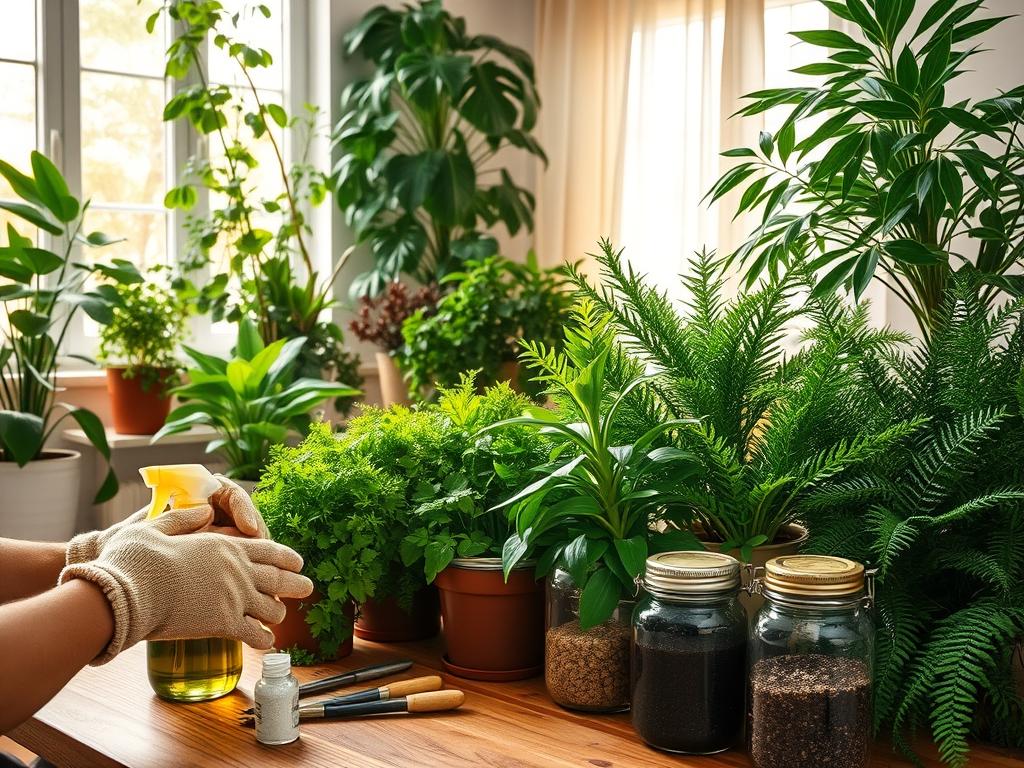
If pests suddenly appear, you can make your own natural sprays at home. Ingredients like garlic, chili peppers, or neem oil can keep bugs away. These sprays are safe for your plants but effective against pests.
Always test your homemade spray on a small area first. This makes sure your plants react well before you use it everywhere. Using these holistic plant growth approaches helps you control pests without harming your soil.
Introducing Beneficial Insects
Introducing natural predators can be the best way to deal with pests. Insects like ladybugs, lacewings, and parasitic wasps are great for gardeners. They hunt aphids and other pests, keeping them in check.
You can attract these helpful insects by planting flowers that offer nectar and pollen. A diverse habitat keeps these beneficial insects in your garden all season. This eco-friendly plant care strategy creates a cycle that keeps your plants healthy and vibrant.
Enhancing Soil Quality Naturally
Healthy soil is key to a great harvest. You can make it better naturally. By improving your soil, you help your plants grow well. Follow these tips to make your soil a great place for plants to thrive.
Cover Crops
Cover crops are great for keeping your soil healthy long-term. They act like “green manure,” keeping soil in place when it’s not growing plants. They also add nitrogen to the soil, which is good for your plants.
Mulching Techniques
Mulching is easy and keeps your garden healthy. It helps keep the soil moist, so you don’t have to water as much. It also stops weeds from growing, so your plants can get all the nutrients they need.
Organic Soil Amendments
You can make poor soil better with organic matter. Stuff like leaf mold and compost make the soil better over time. They feed your plants slowly, helping them grow all season.
| Method | Primary Benefit | Best Use Case |
|---|---|---|
| Cover Crops | Nitrogen Fixation | Off-season soil protection |
| Mulching | Moisture Retention | Weed suppression and cooling |
| Compost | Nutrient Density | Improving soil structure |
The Benefits of Crop Rotation
Using sustainable agriculture practices in your garden is key to success. By changing where you plant each season, you create a natural cycle. This stops the soil from getting worn out by the same plants year after year.
Understanding Crop Rotation
This method means moving plant families to different spots on a schedule. Plants have different needs and ways of using the soil. Rotating them keeps the soil balanced and full of nutrients.
How It Improves Soil Health
This strategy helps enhance plant health naturally by fighting pests. Pests and diseases prefer the same plants in the same spots. Moving plants starves these pests and cuts down on chemical use.
Also, plants change the soil in different ways. Legumes add nitrogen, while heavy feeders like tomatoes use it. Alternating these plants keeps the soil rich and fertile without synthetic help.
Planning Your Rotation
To plan, group your vegetables by family. Aim for a cycle of at least three to four years before replanting. This careful planning keeps your garden healthy and strong against stress.
| Plant Family | Nutrient Needs | Rotation Benefit |
|---|---|---|
| Legumes (Peas, Beans) | Low (Nitrogen fixing) | Enriches soil for others |
| Leafy Greens (Lettuce, Spinach) | High (Nitrogen) | Uses nitrogen left by legumes |
| Root Crops (Carrots, Beets) | Moderate | Breaks up compacted soil |
| Fruit-bearing (Tomatoes, Peppers) | High | Requires nutrient-rich soil |
Utilizing Natural Growth Regulators
You can shape your garden by using plants’ natural messengers. These messengers, or hormones, control growth, flowering, and fruiting. Learning about plant nutrition techniques helps you get better results.
Hormones in Plants
Plants use hormones to grow and adapt. Auxins help roots grow and start new growth. Gibberellins make stems taller and seeds sprout. Cytokinins help cells divide and leaves stay young.
Knowing about these hormones helps you care for your plants better. Promoting plant growth naturally means keeping these pathways open. This lets plants grow as they should.
Hormonal Treatments
You can also use organic regulators to help plants. Seaweed extracts and humic acids boost growth. These holistic plant growth approaches help plants grow stronger and recover faster.
Using these treatments right is key. Always follow the instructions for the best results. When done correctly, these natural helpers make plants stronger.
| Regulator Type | Primary Function | Best Application Time |
|---|---|---|
| Seaweed Extract | Root development | Early growth stage |
| Humic Acid | Nutrient uptake | Soil preparation |
| Triacontanol | Photosynthesis boost | Mid-season bloom |
The Importance of Sunlight and Positioning
Sunlight is key for your plants, making it crucial to manage it well. By watching how light moves, you can make sure each plant gets the right amount of energy. This focus is key to sustainable agriculture practices that bring lasting results.
Site Selection for Plant Growth
Before planting, map out your yard’s light exposure. Some spots get strong morning sun, while others stay shady. Proper site selection is vital because sunlight powers photosynthesis, driving plant growth.
Placing a sun-loving plant in the shade can stunt its growth or reduce flowering. On the other hand, some plants may burn if they get too much afternoon sun. Knowing these patterns helps you arrange your garden to match the available light, a key part of eco-friendly plant care.
Seasonal Sunlight Changes
The sun’s angle changes a lot throughout the year, affecting your garden’s light. In summer, the sun is high, giving plants lots of light. In winter, it’s lower, casting longer shadows that can hide parts of your garden.
Plan your garden beds or vegetable patches with these changes in mind. By understanding these cycles, you can move or protect your plants to help them grow all year. This approach supports sustainable agriculture practices and cuts down on the need for artificial light.
| Plant Category | Light Requirement | Ideal Placement |
|---|---|---|
| Full Sun | 6+ hours direct | South-facing beds |
| Partial Shade | 3-6 hours direct | East-facing areas |
| Full Shade | Less than 3 hours | Under tree canopies |
By following these eco-friendly plant care tips, you can build a strong garden. Respecting the sun’s natural path will make your plants grow stronger and produce more.
Monitoring Plant Health
Your garden thrives when you stay observant of subtle changes in your plants. Consistent checks allow you to catch issues early and maintain a vibrant landscape.
Indicators of Healthy Plants
Look for deep green leaves and sturdy stems as primary signs of vitality. Healthy root systems appear firm and light in color rather than mushy or dark. These visual cues serve as a roadmap for your success in natural plant growth.
Natural Methods for Assessing Growth
Observe the speed of new leaf production to gauge the effectiveness of your plant nutrition techniques. You might notice that steady, balanced growth indicates a happy environment. If you see stunted progress, revisit your soil amendments or sunlight exposure to restore balance.
Applying these simple observation habits is key to enhancing plant health naturally. Share your progress with local gardening groups or document your findings in a journal to track seasonal patterns. Your dedication to these practices ensures a productive and beautiful garden for years to come.