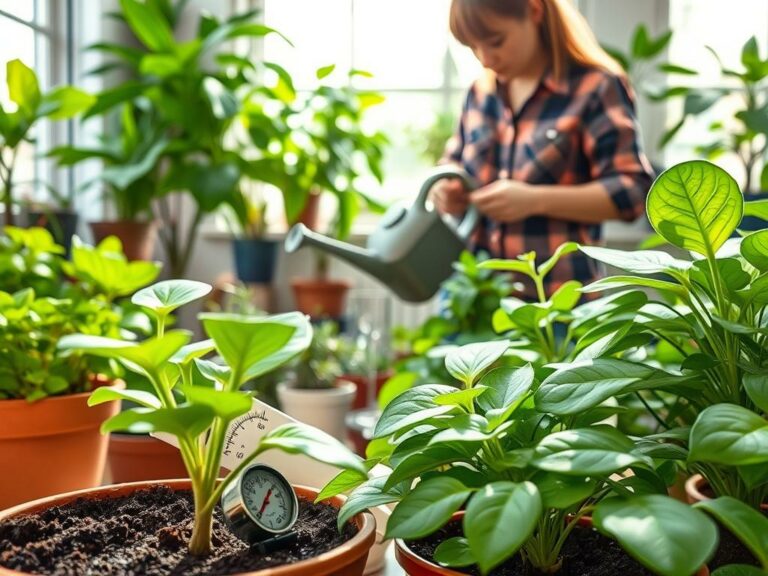

Did you know that nearly 40 percent of global crop yields are lost each year? This is due to preventable pests and diseases. Your daily habits in the garden are crucial. Catching small issues early can prevent big losses.
Regular plant health monitoring is key to a successful garden. By following a routine, you can spot small changes early. This keeps your plants healthy all season long.
Becoming a successful grower is not just about water and sunlight. It takes a keen eye and a plan. This guide will help you improve your skills and protect your harvest. You’ll see how small changes can make a big difference in your garden.
Understanding Plant Health Monitoring
Good plant care means watching and understanding your plants’ signs. By doing plant health monitoring regularly, you can tell if your plants are okay or if they’re stressed.
What is Plant Health Monitoring?
This practice is about watching how your plants change over time. It’s about noticing color, size, and health to make sure they’re doing well. Regular checks help you spot problems early.
By watching your plants closely, you learn their language. You see how they react to seasons or changes in their space. This knowledge helps you keep your garden healthy and thriving.
Why is Plant Health Important?
Keeping your plants healthy is key for their looks and usefulness. A healthy plant looks better and fights off pests and diseases better. By monitoring, you give your plants the care they need to grow well.
Ignoring your plants can hurt their growth or even damage them. By staying on top of plant health, you protect your investment and make a greener space. This way, you keep your garden lively and productive all year.
Benefits of Monitoring Plant Health
Discovering the hidden advantages of a structured monitoring routine will change your agricultural results. By shifting from a reactive mindset to a proactive one, you gain total control over your growing environment. Consistent plant health monitoring allows you to make data-driven choices that protect your investment and boost overall productivity.
Improved Crop Yields
Advanced crop monitoring solutions let you fine-tune nutrient and water delivery. This precision ensures that every plant gets exactly what it needs to thrive. You’ll see a significant increase in the quality and quantity of your harvest.
Early Detection of Diseases
Catching problems early is the most effective way to protect your garden. Regular observation helps you spot subtle signs of stress or infection long before they become visible. By acting quickly, you prevent the spread of harmful pathogens that could devastate your entire crop.
Reduced Resource Waste
Efficient management means you stop wasting money on unnecessary fertilizers or excessive water usage. Modern crop monitoring solutions help you apply inputs only when and where they are truly required. This targeted approach saves you money and promotes sustainable farming.
| Feature | Reactive Approach | Proactive Monitoring |
|---|---|---|
| Resource Usage | High Waste | Optimized |
| Disease Control | Damage Mitigation | Early Prevention |
| Yield Potential | Inconsistent | Maximized |
| Decision Basis | Guesswork | Data-Driven |
Ultimately, plant health monitoring is key to a successful and resilient growing season. Investing time in these practices today will yield substantial rewards for your future harvests.
Tools for Plant Health Monitoring
From simple checks to advanced systems, the right tools are key for a healthy garden or farm. Choosing the right equipment helps you move from guessing to using real data. By mixing different methods, you can give your plants the care they need to grow well.
Traditional Monitoring Techniques
Growers have used visual checks and basic tools for years. A simple soil probe or magnifying glass can spot pests early. These methods are essential for connecting deeply with your crops.
But, these methods are slow for big farms. They can lead to mistakes, as problems might be hidden. Relying only on your eyes can mean missing important issues until they’re obvious.
Digital Tools and Applications
Today, software and apps change how we track plants. They let you log observations, track growth, and manage water schedules easily. By digitizing your records, you see trends in your growing space more clearly.
These apps work with precision agriculture technology to give you insights. You get alerts when conditions are off for your plants. This helps keep your plants growing well all season.
Sensors and IoT Devices
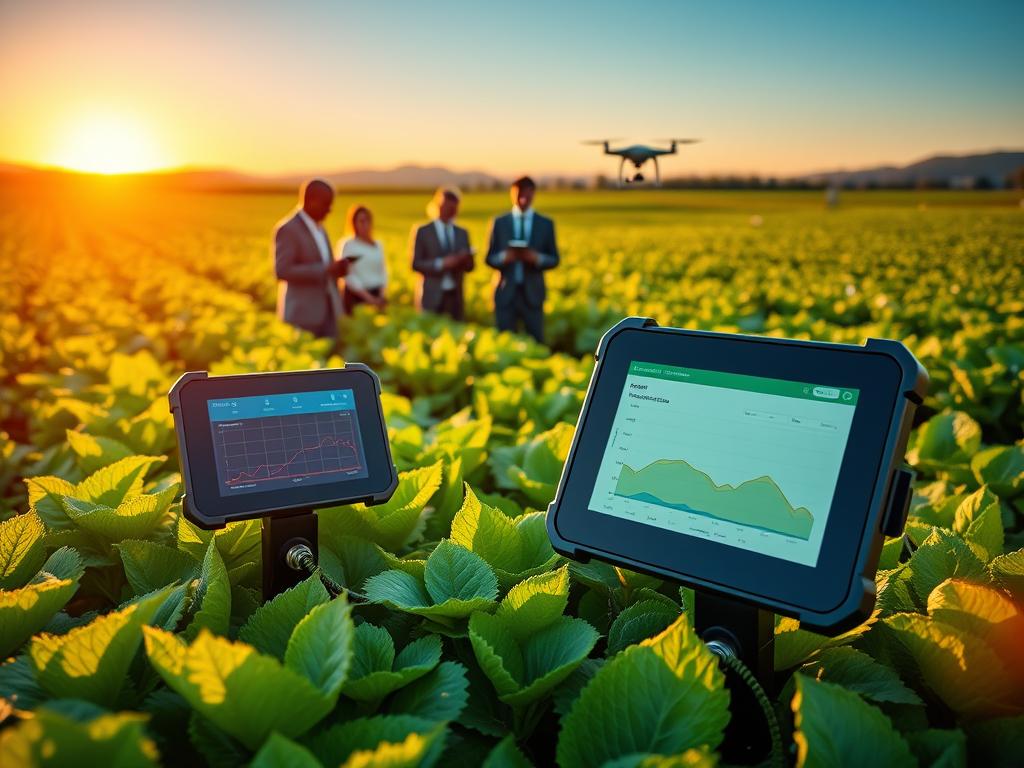
Smart farming sensors are a big step forward. They track soil temperature, humidity, and light. This means you don’t have to watch your plants all the time.
These tools are key for catching plant stress early. They help you spot problems like nutrient or water issues fast. Using precision agriculture technology means your plant stress detection is accurate and quick. This protects your plants and your investment.
Setting Up a Monitoring System
Starting a good monitoring routine means knowing what you want to achieve. A clear plan helps you focus on your plants’ needs. This way, your crop monitoring solutions give you the most accurate data.
Identifying Your Goals
Before buying any gear, figure out your main goals. Do you want to maximize your harvest size for business, or keep your plants looking good? Knowing this helps you focus on the right data.
Business farmers might aim for more yield and better resource use. Home gardeners might focus on keeping plants healthy and disease-free. Clear goals guide your whole monitoring plan.
Choosing the Right Tools
The right tools depend on your farm size and what you grow. Big farms need automated crop monitoring solutions for large areas. Small gardens might just need simple tools or apps.
Think about your farm’s conditions when picking tools. Some plants need precise sensors for soil changes. Choose wisely to save money.
Establishing a Monitoring Schedule
Being consistent is key to managing plants well. Set a regular schedule for checking your plants. This could be daily or weekly, but sticking to it is crucial.
Make these checks part of your routine. Use reminders or set specific times for checks. This keeps your crop monitoring solutions working well with your habits.
Key Indicators of Plant Health
Your plants send out signals every day. By learning to read these signs, you can spot problems early. This way, you can keep your plants healthy and thriving.
Leaf Color and Texture
Leaf color and texture are key signs of plant health. Healthy leaves are bright and firm. But, stressed plants may turn yellow, brown, or wilt.
Discoloration often means your plant needs more nutrients or the right light. Leaf texture also tells a story. If leaves are brittle or soft, it’s a sign of dehydration or too much water.
Soil Moisture Levels
Checking the soil is as important as looking at the leaves. Healthy roots need the right amount of water. Feel the top inch of soil to see if it’s dry or wet.
Dry soil can stunt growth and cause leaves to fall off. But, too much water can kill the roots. Keeping the soil just right is key to plant health.
Pest and Disease Signs
Watch out for pests and diseases on your plants. Look for small holes, sticky spots, or webs. Catching these early stops damage from spreading.
The best fertilizer is the gardener’s shadow, as constant presence allows for the immediate recognition of subtle changes in plant vitality.
Fungal diseases show up as powdery patches or dark spots. If you see these, isolate the plant to protect others. Regular checks are the best way to spot plant stress.
| Indicator | Healthy Sign | Stress Sign |
|---|---|---|
| Leaf Color | Deep, uniform green | Yellowing or brown edges |
| Leaf Texture | Firm and turgid | Wilting or brittle |
| Soil State | Slightly damp | Bone dry or waterlogged |
| Pest Presence | Clean surfaces | Webbing or sticky residue |
Integrating Technology into Plant Monitoring
Thanks to digital agriculture tools, managing plant health is now easier. These tools help you move from manual checks to a data-driven approach. This way, you get a better understanding of what your plants need to grow well.
Advantages of Using Technology
Modern systems offer a big advantage with remote sensing for vegetation. This method lets you check on large areas without touching each plant. It helps spot problems like stress or nutrient issues from afar, saving time and effort.
Automating data collection means no detail is missed. Consistency is key for tracking health trends over time. These tools give you the data needed to make changes early, preventing bigger problems later.
Popular Apps for Plant Monitoring
Many mobile apps make logging data and tracking plant growth easy. Apps like Planta, PictureThis, or farm management software help keep records in one spot. You can log soil moisture, fertilization, and pest sightings easily.
These apps also send reminders to keep your care routine on track. Using these digital tools helps keep your data organized and ready when you need it. Staying organized is crucial for consistent results.
The Role of Artificial Intelligence
Artificial intelligence is being used in precision agriculture technology to predict plant growth. These systems look at your data to forecast risks like disease or water needs. By using these predictions, you can act early to protect your plants.
The table below shows how different monitoring methods compare in terms of efficiency and data depth:
| Method | Data Accuracy | Ease of Use | Cost Level |
|---|---|---|---|
| Manual Inspection | High | Low | Low |
| Mobile Apps | Medium | High | Low |
| AI-Driven Sensors | Very High | Medium | High |
Analyzing Data for Better Insights
Turning raw field observations into useful information is key in modern farming. By doing agricultural data analysis regularly, you move from guessing to precise plant management. This method catches every detail, from soil moisture changes to early stress signs.
Collecting and Organizing Data
First, you need a good way to record your daily findings. You can use a simple spreadsheet or digital agriculture tools. The most important thing is to be consistent. Log details like leaf color, growth rates, and environmental conditions at set times.
Keeping this data in one spot helps you track your garden’s history. It lets you compare current conditions to past seasons easily. This structured approach helps avoid losing important information that memory alone can’t keep up with.
Interpreting Your Findings
After organizing your data, look for patterns that might be hidden. You might find that pests show up when humidity is high or that plants need more water at certain growth stages. These patterns help you adjust your care routines effectively.
Understanding your findings requires a sharp eye for detail and a broad perspective. By spotting these patterns, you learn what your plants really need. This turns simple observations into a powerful roadmap for success.
Making Informed Decisions
The main goal of agricultural data analysis is to help you make better choices for your plants. Making decisions based on solid evidence reduces the chance of mistakes like over-watering or over-fertilizing. This proactive approach boosts your plants’ health and life span.
Using digital agriculture tools lets you confidently apply these changes. You can track how your actions affect your plants over time. By refining your approach based on real data, your garden will flourish all season long.
Common Challenges in Plant Health Monitoring
Modern agriculture comes with its own set of challenges. Your monitoring strategy might face obstacles that affect your agricultural data analysis and efficiency.
Environmental Factors
Nature’s unpredictability can mess with your equipment’s accuracy. Extreme weather, high humidity, or heavy rain can cause sensors to fail or give wrong readings.
- Dust and debris can block sensors, causing false data.
- Strong winds can damage delicate monitoring tools.
- Changing light conditions can mess with camera systems.
Cost Considerations
It’s tough to balance your budget with the need for quality equipment. You must consider the upfront cost against the long-term benefits of accurate monitoring.
Choosing cheaper sensors might seem like a good deal. But, investing in durable, professional-grade tools can save you money in the long run by providing reliable data.
Data Overload
Today’s technology can produce a lot of data, leading to confusion. Trying to track every metric can make it hard to spot important trends for your crops.
To succeed, focus on a few key indicators in your agricultural data analysis. This way, you can make decisions that boost your yields without getting lost in numbers.
Future Trends in Plant Health Monitoring
The world of agriculture is always changing with new tools and ideas. These innovations will make your daily tasks easier and more effective.
Advances in Sensor Technology
New smart farming sensors are more precise and use less energy. They let you monitor important details without much upkeep. These small, durable tools give you a better understanding of your surroundings.
Sustainable Practices
Even small growers can now use advanced tools once only for big farms. With remote sensing for plants, managing resources is simpler. This approach helps you cut down on waste and protect the environment.
The Role of Data Analytics
Being able to understand complex data will be key to your success. Automated systems now turn raw data into useful advice for your plants. These smart tools help you stay one step ahead of problems. Explore these modern solutions to keep your garden or farm healthy for years.