
Did you know that nearly 90% of garden failures start beneath the soil surface? While you often focus on the leaves and flowers above, the true engine of your greenery hides in the dark.
Establishing healthy plant roots is the most critical step for any gardener aiming to prevent common growth issues. These underground structures act as the primary lifeline for water and nutrient absorption.
When you prioritize the foundation of your vegetation, you set the stage for lush foliage and vibrant blooms throughout the season. Neglecting this hidden network often leads to stunted development and weak stems.
By understanding how to support these vital systems, you ensure the long-term vigor of your indoor and outdoor collection. Focusing on healthy plant roots transforms your gardening success from a game of chance into a reliable science.
Understanding Plant Root Systems
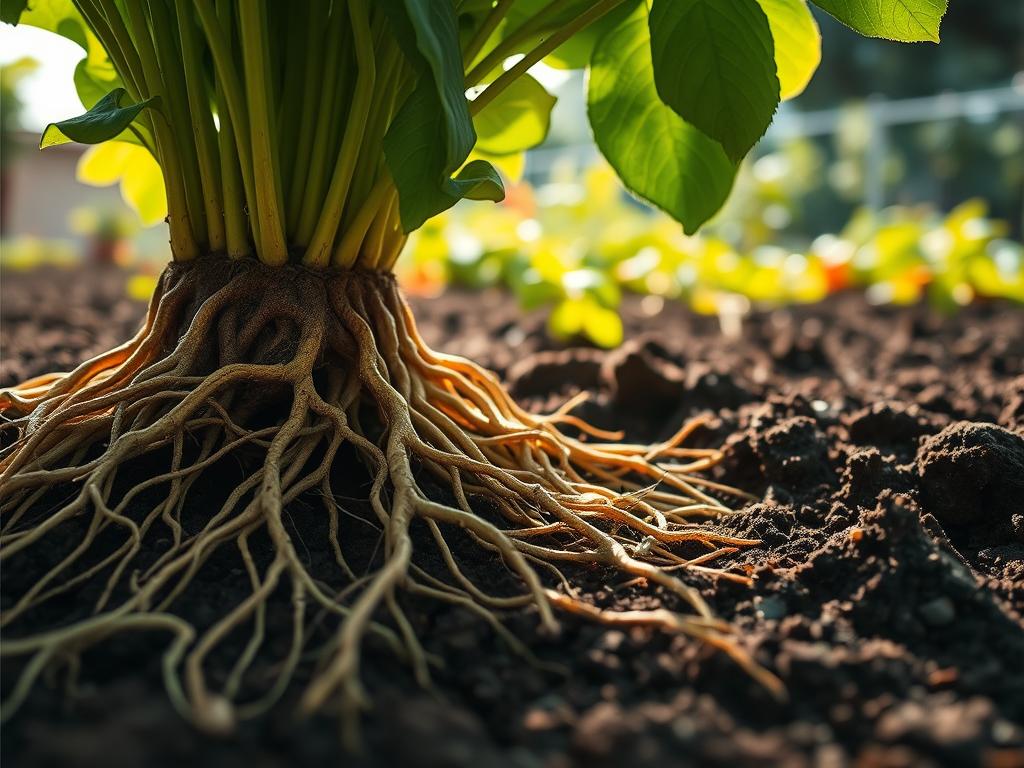
Every lush leaf you see above ground is supported by a hardworking root system below. These hidden structures are the foundation of healthy plant roots. They act as the primary interface between your plant and its environment. By understanding how these systems function, you can provide the care your greenery needs to flourish.
The Role of Roots in Plant Health
Roots anchor the plant firmly in the soil and help take in water and essential minerals. Without a strong root network, a plant can’t get the nutrients it needs for photosynthesis or stability. Taking care of plant root health helps your plants stay strong against environmental stress.
“The root is the silent engine of the plant, driving growth and sustaining life through the most challenging conditions.”
Types of Root Systems
Plants usually fall into two categories based on their root architecture. Knowing these differences helps you choose the best watering and repotting strategies for your plants.
| Feature | Taproot System | Fibrous System |
|---|---|---|
| Structure | One main, deep root | Many thin, branching roots |
| Watering | Deep, infrequent soaking | Frequent, light moisture |
| Repotting | Requires deep containers | Requires wide containers |
Common Root Issues
Even with the best intentions, you may face obstacles that harm plant root health. Root rot is a common problem, often caused by too much water or poor soil drainage. It can suffocate the roots. Another issue is circling, where roots get trapped in a tight loop inside a container, eventually strangling the plant.
Regularly check your plants for signs of trouble, like yellowing leaves or stunted growth. Catching these problems early helps you fix them before it’s too late. Keeping healthy plant roots is a continuous process of watching and adjusting.
Essential Nutrients for Strong Roots
A thriving garden starts deep beneath the surface. Roots search for essential fuel there. The right balance of minerals is key to nourished plant roots that support heavy growth.
Key Nutrients for Root Development
Plants need a special mix of macronutrients for a strong root system. Nitrogen, phosphorus, and potassium are the main ingredients. They are often labeled as N-P-K on fertilizer bags.
Phosphorus is crucial for starting and growing roots. It helps the plant move energy. This is vital for roots to grow through dense soil and anchor firmly.
Signs of Nutrient Deficiency
Soil lacking essential minerals sends clear signals. You might see yellowing leaves or stunted growth. This means roots are struggling to absorb enough fuel.
A weak root system can’t transport water or nutrients well. This leads to wilting, even when the soil seems moist. It shows roots are not working at their best.
How to Amend Soil Nutrient Levels
Boosting mineral levels is easy. Add organic matter or balanced fertilizers. High-quality compost improves soil structure and provides slow-release nutrition.
For quick results, use a balanced liquid fertilizer. Always follow the instructions to avoid harming roots with too much fertilizer.
| Nutrient | Primary Role | Source |
|---|---|---|
| Nitrogen | Promotes leafy growth | Blood meal, compost |
| Phosphorus | Supports root expansion | Bone meal, rock phosphate |
| Potassium | Improves overall resilience | Wood ash, kelp meal |
Watering Practices for Healthy Roots
Water management is key for root growth optimization in gardens. The right amount of moisture helps plants grow strong roots.
Importance of Proper Watering
The “soak and dry” method is best for promoting healthy roots. It means soaking the soil well and then letting it dry before watering again.
When the soil dries, roots grow deeper to find water. This makes the plant stronger and more resilient.
Signs of Overwatering and Underwatering
It’s important to spot early signs of bad watering for promoting healthy roots. Mushy stems or yellow leaves mean too much water. This can cause root rot.
Underwatering also has signs. Look for dry, brittle roots or wilted leaves. These show the plant needs more water.
Best Practices for Watering Indoor and Outdoor Plants
Adjust your watering based on your plants’ needs for root growth optimization. Use this guide to match your watering to your plants and their environment.
| Plant Environment | Watering Frequency | Key Indicator |
|---|---|---|
| Indoor Potted Plants | Check top 2 inches of soil | Dry to the touch |
| Outdoor Garden Beds | Deep soak weekly | Soil moisture at 4 inches |
| Container Plants | Daily during heatwaves | Lightweight pot feel |
Make sure containers have drainage holes to avoid water pooling. Consistency is crucial for a healthy root system and strong growth all season.
Soil Quality and Its Impact on Roots
The foundation of every thriving garden lies beneath the surface in the physical structure of your soil. When the earth is loose and well-structured, it allows your plants to establish optimal root conditions that support long-term vitality. If the ground is too dense, roots struggle to find the oxygen and water they need to survive.
Understanding Soil Composition
Soil is a complex mixture of minerals, organic matter, air, and water. The texture of your soil is determined by the specific balance of sand, silt, and clay particles present in the ground. A balanced composition ensures that nourished plant roots can easily penetrate the earth to access vital resources.
Sandy soils drain quickly but often lose nutrients, while heavy clay soils hold moisture but can become compacted. Finding the right balance is the secret to a healthy landscape. You want a loamy texture that holds enough moisture while still allowing excess water to move away from the root zone.
How to Test Your Soil Quality
You can perform simple home tests to understand your soil better without needing a professional lab. First, check your soil’s pH level using an inexpensive kit from a local garden center. Most plants prefer a slightly acidic to neutral range to absorb nutrients efficiently.
To test drainage, dig a hole about one foot deep and fill it with water. If the water drains within a few hours, your soil has good drainage capacity. If it remains for an entire day, you likely have heavy clay that requires intervention.
Improving Soil Drainage and Aeration
If your soil is too compact, you can improve it by adding organic matter like compost or aged manure. These materials break up heavy clay and provide essential nutrients for nourished plant roots. Incorporating organic matter creates a crumbly structure that allows air to reach deep into the soil profile.
For even better results, consider mixing in perlite or coarse sand to increase porosity. These amendments prevent soil compaction and ensure your garden maintains optimal root conditions throughout the growing season. By taking these steps, you create a welcoming environment where your plants can grow strong and resilient.
Container Gardening and Root Health
Container gardening has its own set of challenges. Roots are limited to a small space in pots. You must manage their underground environment well to help them thrive.
Choosing the Right Container Size
Choosing the right pot size is crucial for root growth optimization. A pot that’s too big can cause root rot from too much moisture. On the other hand, a pot that’s too small can dry out plants too quickly.
Make sure your pot has drainage holes at the bottom. This prevents water from pooling around the roots, a common cause of failure. Choose a pot that’s only one or two inches wider than the current root ball for a healthy balance.
Benefits of Rooting Hormones
Using a high-quality rooting hormone can boost root vitality support when propagating new cuttings. These hormones contain auxins that help plants focus on developing strong roots rather than just leaves.
Applying these hormones helps cuttings establish themselves faster. Consistency is key when using these products. They significantly increase the success rate of your propagation efforts. This ensures your new plants have a strong foundation for long-term health.
Signs of Root Bound Plants
Plants in containers can become root-bound over time. This means their roots have outgrown the pot and are circling the bottom. You might notice slow growth or water running through the soil without being absorbed. If roots are coming out of the drainage holes, it’s time to repot.
When you remove the plant, check the root mass carefully. If the roots are tightly wound, gently tease them apart or use clean shears to prune the edges. This encourages new growth and prevents the plant from strangling itself.
| Pot Material | Drainage Quality | Root Impact |
|---|---|---|
| Terracotta | High (Porous) | Excellent aeration |
| Plastic | Low (Non-porous) | Retains moisture longer |
| Ceramic | Moderate | Stable temperature |
| Fabric | Very High | Prevents circling roots |
The Benefits of Mulching for Roots
Mulching is a simple way to protect your plants. It acts as a shield for your soil, promoting healthy roots. It keeps the soil temperature stable, helping plants in hot summers and cold winters.
How Mulching Helps Retain Moisture
Mulch keeps the soil moist by preventing water loss. It acts as a barrier against the sun’s heat. This consistent moisture level helps plants grow steadily and avoid stress.
Soil that stays moist longer means plants don’t have to search for water as much. This is key for good plant root care. You’ll need to water your plants less often with mulch.
Choosing the Right Mulch Material
The right mulch depends on your garden’s needs. Organic mulches like wood chips, straw, or shredded bark are great. They break down and add nutrients to the soil, helping promote healthy roots.
Stay away from dense or non-porous mulches that can trap heat or block air. Choose natural, untreated materials to avoid harmful chemicals in your soil. Picking the right mulch is crucial for plant root care.
Applying Mulch Correctly
How you apply mulch is just as important as what you use. Aim for a two to three inch layer for enough insulation without choking the soil. Make sure to keep the mulch a few inches from plant stems or trunks.
Touching the stem with mulch can cause moisture to rot the bark. Spread the mulch evenly to encourage deep, strong growth. Regular upkeep of this layer will keep your garden healthy all year.
Disease Management for Plant Roots
Keeping your garden’s roots healthy means watching out for harmful fungi and bacteria. These pathogens can quickly harm your plants and hurt their plant root health. Knowing how these enemies work is key to protecting your plants.
Common Root Diseases and Their Causes
Fungi like Pythium and Phytophthora are major threats to your garden. They thrive in wet soil, attacking the roots and stopping plants from getting nutrients. Infected roots can lead to wilting, yellow leaves, and slow growth.
These diseases spread fast through water, infected soil, or dirty tools. If not treated, they can wipe out your plants quickly. Spotting early signs of disease is crucial for keeping your roots healthy.
Prevention Tips for Healthy Roots
Stopping disease before it starts is the best approach. Make sure your soil drains well to avoid waterlogged conditions. Don’t overwater, as it encourages fungal growth.
Keep your tools clean with a bleach solution between uses. This simple step stops bacteria from spreading between plants. A clean environment is essential for strong plant root health.
Treatment Options for Affected Plants
If you find an infection, act fast to protect other plants. Often, removing the infected plant and the soil around it is the best move. This stops the disease from spreading further.
For milder cases, fungicides can help with root vitality support. Always use them as directed to ensure they work well and safely. Below is a table showing common pathogens and their signs to help you spot problems early.
| Pathogen | Primary Cause | Common Symptom | Management Strategy |
|---|---|---|---|
| Pythium | Excessive moisture | Soft, mushy roots | Improve drainage |
| Phytophthora | Poor soil aeration | Root rot and wilting | Remove infected plants |
| Rhizoctonia | High soil temperature | Brown lesions on roots | Use sterile potting mix |
Propagation Techniques for Stronger Roots
Starting new plants from cuttings is a great way to ensure strong roots from the start. By watching the process, you learn how plants settle in new places. This lets you help them grow if they face any problems.
Methods of Plant Propagation
There are two main ways to grow most houseplants: water and soil. Water propagation lets you see the roots grow, which is perfect for beginners. It’s easy to watch the roots grow.
Soil-based propagation puts cuttings in moist, draining soil. This method often leads to stronger roots because they adapt to the soil right away. Both methods work well if you keep the soil moist.
Timing for Successful Root Development
When you take cuttings is very important. Spring and summer are the best times because plants grow most then. They have more energy to make roots.
Don’t try to propagate in winter unless you have a warm indoor spot. Cold and less light slow down growth. Good care during growing seasons helps cuttings grow fast and strong.
Care Tips for Newly Rooted Plants
When your cuttings have strong roots, it’s time to move them to their forever home. Be careful not to hurt the young roots. Use a good potting mix that holds moisture but also breathes.
Keep the soil moist but not too wet after transplanting. Bright, indirect light helps the plant adjust without stress. Taking good care of the roots during this time is key to a healthy plant.
Seasonal Considerations for Root Care
Your garden needs a flexible plan as the seasons change. You must adjust your care to meet your plants’ changing needs all year.
Preparing for Dormancy
Winter brings a need for protection and stability. Cut back on watering as plants grow slower. This keeps roots healthy in the cold.
Adding organic mulch to the soil helps keep it warm. It stops frost from pushing roots up and keeps the soil stable until spring.
Stimulating Spring Growth
Spring is the best time to boost root growth as the soil warms up. Use balanced, slow-release fertilizers like Espoma or Miracle-Gro to help plants grow. Keep an eye on moisture levels to support fast growth.
Watching your plants closely helps catch problems early. This keeps your garden healthy and strong.
Year-Round Success
Being proactive keeps your plants thriving all year. By paying attention to these natural cycles, you can create a vibrant garden. Share your gardening tips with others to help them grow stronger roots too.