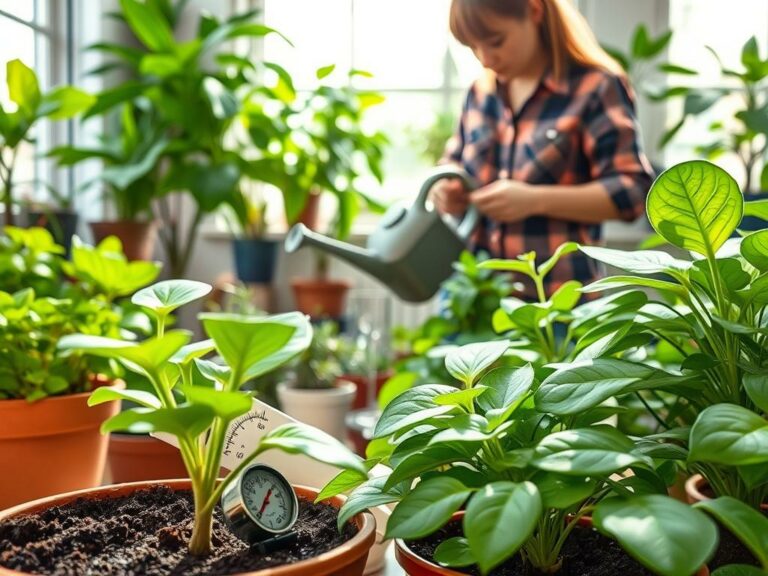

Did you know that nearly 40% of indoor plants fail in the first year? This is often due to simple mistakes. Many people treat all plants the same, ignoring their unique needs.
Spotting early signs of trouble is key to success. Knowing your plant’s specific needs helps avoid common plant care errors. These mistakes can cause plants to wilt or die. Learning the right plant care do’s and don’ts can turn your home into a lush oasis.
This guide will help you avoid plant care mistakes that slow growth. It’s designed for both beginners and experienced gardeners. We’ll show you how to keep your plants vibrant and healthy for years.
Understanding Your Plant’s Needs
Learning to care for plants starts with knowing each one’s unique needs. Since plants come from different places, treating them all the same is a big mistake. By learning where your plants come from, you can make your home feel like their natural habitat.
Light Requirements
Light is key for plants, but not all need the same amount. Some love the bright, indirect light near a south window. Others do best in the dim, filtered light of a shaded area. Watch how light moves in your home to find the right spot for each plant.
Water Preferences
Watering is often tricky for indoor gardeners. Some plants, like succulents, need their soil to dry out before watering again. Others like their soil to stay moist. Always check the soil’s top inch before watering to meet your plant’s needs.
Soil Type and Quality
The soil is crucial for a plant’s health. Different plants need different soil types to grow well. Using the right soil mix, like a cactus mix for desert plants or a peat mix for tropicals, can make a big difference.
| Plant Type | Light Preference | Watering Frequency | Soil Requirement |
|---|---|---|---|
| Succulents | Direct Sunlight | Low | Sandy/Gritty |
| Tropicals | Indirect Light | Moderate | Peat-based |
| Ferns | Low/Shaded | High | Moisture-retentive |
The Importance of Proper Watering
Finding the right balance of moisture is key to avoiding common plant care errors. It might seem easy, but getting the water just right is crucial for a healthy indoor garden. Mastering this skill helps your plants grow strong and healthy.
Signs of Overwatering
One big plant care blunder is giving plants too much water. When the soil stays wet for too long, the roots can’t breathe. This often leads to root rot. You might see yellow leaves or soft, mushy stems.
If you think your plant is getting too much water, check the soil right away. If it’s always damp or smells musty, you’re overwatering. Acting fast can save your plant from serious damage.
Signs of Underwatering
On the other hand, not enough moisture causes problems too. Dry plants have crispy, brown leaves. The soil might pull away from the pot, or the plant looks wilted.
Underwatering is easier to fix than overwatering, but it still stresses plants. If the soil feels dry or hard, your plant needs more water. Keep a close eye on your plants to avoid these issues.
Watering Techniques
Learning the right plant care do’s and don’ts can change your gardening. Instead of watering by schedule, use the finger test. Stick your finger into the soil two inches deep. If it’s dry, it’s time to water.
For plants that like consistent moisture, try bottom-watering. Place your pot in a water tray. The roots absorb water through the drainage holes. This method keeps the topsoil dry and prevents mold.
Soil Health and Its Impact
Your plant’s health starts with the soil you choose. This medium gives your plants the nutrients and support they need. By picking a good potting mix, you help your plants grow strong.
Many people focus too much on light and water. But ignoring the soil is a big mistake. Bad soil can hurt your plants’ roots and stop them from getting enough water. Choosing the right soil is key to your plants’ success.
Choosing the Right Soil Mix
Not all plants like the same soil. Succulents need soil that drains fast to avoid rot. Tropical ferns like soil that holds moisture well. Always check what your plant needs before buying soil.
Don’t use garden soil in indoor pots. It can have pests and not enough air. Instead, get a good potting mix with perlite or vermiculite. These help the soil drain well and stay healthy.
The Role of Fertilizers
Soil loses nutrients as plants grow. Fertilizers help replace these lost nutrients. Regular feeding keeps your plants looking good and growing well.
“The soil is the great connector of lives, the source and destination of all.”
But don’t overdo it with fertilizers. Too much can harm your plants. Always follow the instructions to feed your plants right.
When to Refresh Your Soil
Soil gets old and loses nutrients over time. If water pools on the surface or your plant looks weak, it’s time for a change. Not noticing these signs is a common mistake that can hurt your plants.
Repotting your plants every 12 to 18 months is a good idea. It lets you replace old soil with fresh, rich soil. This keeps your plants healthy and avoids soil problems.
| Soil Type | Best For | Key Feature |
|---|---|---|
| Cactus Mix | Succulents | High Drainage |
| Peat-Based | Tropicals | Moisture Retention |
| Orchid Bark | Epiphytes | Maximum Aeration |
Understanding Humidity Levels
If your houseplants have brown, crispy leaf tips, it might be due to dry air. Many tropical plants struggle in today’s dry homes. This often leads to plant care blunders that can be fixed. Spotting these signs early helps you adjust your home to better support your plants.
Ideal Humidity for Different Plants
Not all plants need the same air moisture. Tropical plants like ferns and calatheas do best in 50% to 70% humidity. On the other hand, succulents and cacti prefer dry air to avoid root rot.
Knowing what your plants need is key. Grouping plants with similar needs together creates a microclimate. This helps keep moisture levels steady. It’s a simple way to avoid common indoor plant care mistakes that beginners often make.
Methods to Increase Humidity
There are several ways to increase your home’s moisture. These methods are easy to use and help your plants:
- Pebble Trays: Put your pots on a tray with pebbles and water for a humid spot.
- Humidifiers: An electric humidifier keeps the room’s moisture steady.
- Grouping: Clustering plants together helps them share moisture through transpiration.
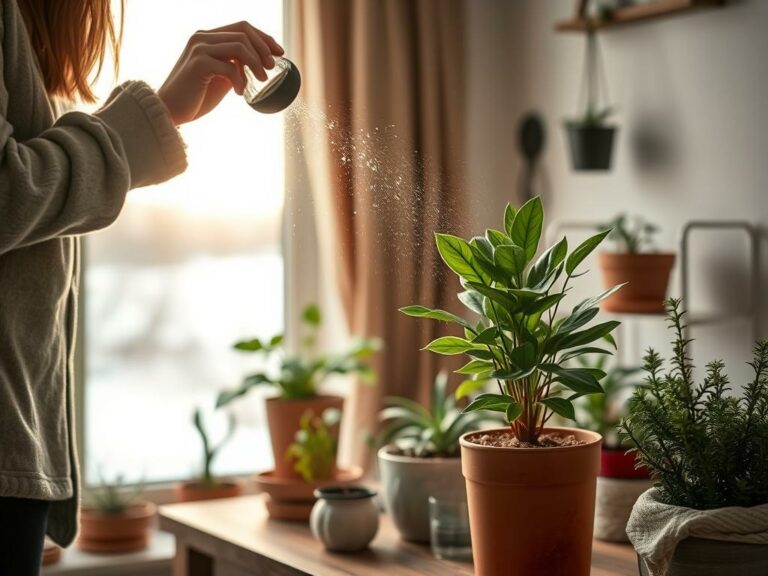
- Misting: Spraying leaves lightly offers temporary relief.
Monitoring Humidity
To truly control your indoor space, track moisture levels accurately. A hygrometer, a small, affordable device, is perfect for this. It gives you real-time data to make adjustments before your plants get stressed.
Regular monitoring helps you avoid guessing about your plants’ needs. By watching these levels closely, you protect your plants from plant care blunders. Keeping the right balance is key to a vibrant, healthy indoor garden all year.
Choosing the Right Pot
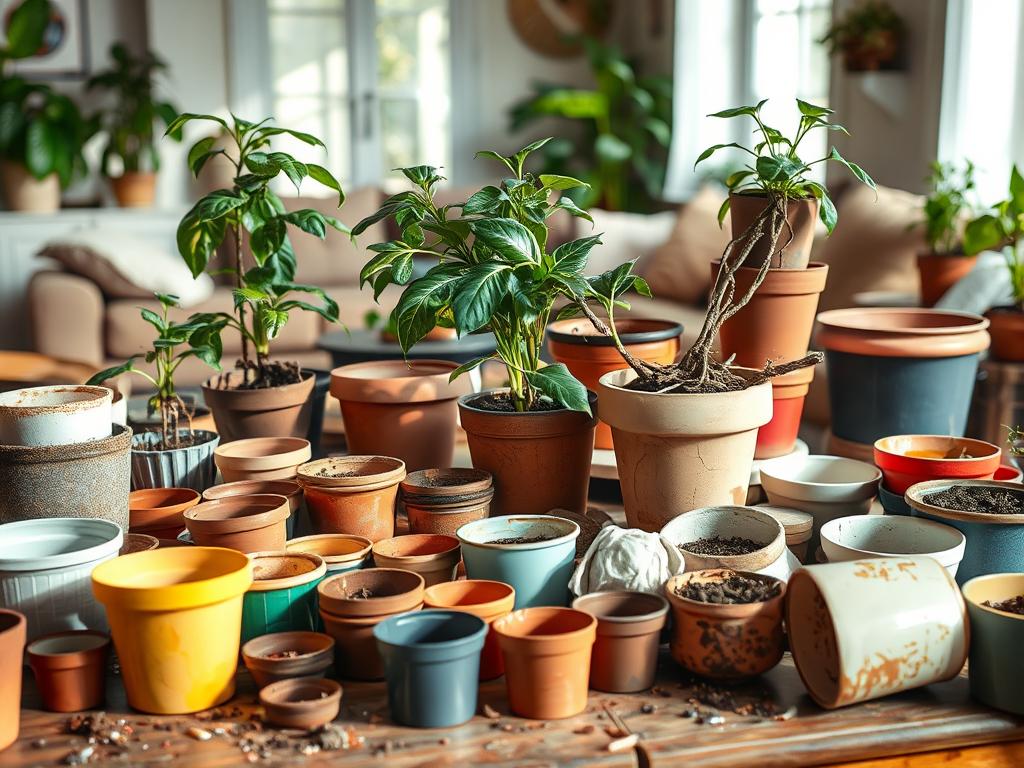
Choosing the right container is as crucial as picking the plant. Many people focus on looks, but the wrong pot can harm your plant. Understanding how pots affect soil and water is key to a healthy environment.
Drainage Importance
Drainage holes are non-negotiable for your plants’ health. Without them, water can cause root rot and fungal problems. Good aeration helps roots breathe and absorb nutrients.
Pot Size Considerations
Finding the right pot size is tricky. A pot that’s too big can lead to waterlogged soil and overwatering. On the other hand, a pot that’s too small restricts root growth and stunts the plant.
Opt for a pot that’s only one to two inches wider than the current root ball. This gives the plant room to grow without drowning in damp soil.
Material Choices
The pot material affects how quickly soil dries. Terracotta pots are good for plants that like dry conditions because they let air and moisture through. Plastic or glazed ceramic pots hold moisture longer, perfect for plants that need consistent water.
Knowing these differences helps you avoid common mistakes. Choosing the right pot material for your plant ensures it thrives for years.
Seasonal Plant Care Adjustments
Mastering seasonal transitions is key to vibrant plants all year. Many miss how indoor spaces change with the weather. Stay proactive to avoid top plant care missteps that harm growth or lead to loss.
Adapting Care for Winter
In winter, most plants slow down and need less water and food. Always check the soil moisture before watering to avoid root rot.
“Nature does not hurry, yet everything is accomplished. Allow your plants the rest they need during the winter months to ensure a strong comeback in the spring.”
Spring Growth Tips
With longer days, plants need more water and food. Start a regular fertilizing schedule to support new growth. Also, repot plants that have outgrown their containers for fresh nutrients.
- Increase watering frequency as new leaves appear.
- Rotate your pots to ensure even light exposure.
- Clean dust off leaves to maximize photosynthesis.
Summer Care Strategies
Summer’s heat and light can dry out your plants quickly. Watch them closely to prevent dehydration. Move sensitive plants away from direct sunlight if your home gets too hot.
Using air conditioning lowers humidity. Consistent hydration is crucial during this growth phase. Keep a close eye on your plants to ensure they stay hydrated and healthy.
Fall Preparations
As autumn comes, light fades, and plants prepare for winter. Gradually reduce watering and stop fertilizing. Not adjusting your routine is a common plant care pitfall that stresses plants.
Move plants closer to light sources as days get shorter. These small changes protect your plants from seasonal shocks. Consistency is your best tool for a thriving indoor garden all year.
Common Pest Problems
Many pest issues come from common indoor plant care mistakes. Plants stressed by wrong light or water lose their defense. This makes them easy for pests to attack. By watching closely, you can stop these plant care pitfalls before they get worse.
Identifying Common Plant Pests
Spotting pests early is key to keeping your garden safe. Check the undersides of leaves for insects. Look for fine webbing for spider mites or sticky honeydew for aphids or scales.
White cotton-like clusters mean mealybugs. Tiny flying bugs around your plants are fungus gnats. Catching these signs early stops small problems from getting big.
Natural Pest Control Methods
You don’t need harsh chemicals to fix your plants. Simple solutions like mild dish soap and water can work. This method is safe for your plants.
Neem oil is a strong, organic pest fighter. You can also bring in beneficial insects like ladybugs. These natural methods keep your home safe and control pests well.
When to Seek Professional Help
At times, you can’t handle pests alone. If treatments fail and pests spread, get expert help. Professionals can find and treat specific pests.
Don’t worry if you need help. Keeping your plants safe is a learning journey. Seeking expert advice ensures your plants stay healthy for a long time. Acting fast is always better than waiting too long.
The Role of Pruning
Many indoor gardeners miss the power of pruning to boost new growth. Keeping your plants well-maintained is key to avoid plant care blunders. By cutting off unnecessary stems, you help your plant grow stronger.
When to Prune Your Plants
The best time to prune is in spring and summer. Plants grow fast during these seasons and heal quickly. Prune less in winter when growth is slower.
Prune also when you see dead, yellowing, or damaged leaves. Taking them off right away saves the plant’s energy. Consistency is key for a healthy indoor space.
Tools for Effective Pruning
Choosing the right tools is crucial to avoid common houseplant care errors. Always use sharp, clean shears for precise cuts. Dull blades can harm the plant and lead to infections.
Before pruning, clean your shears with rubbing alcohol. This step stops bacteria or fungi from spreading. Clean tools are essential for a successful pruning.
Benefits of Regular Pruning
Regular trimming makes your plants bushier and fuller. By cutting back stems, you encourage more growth. This makes your plants look better and improves air flow.
Pruning also helps remove sick or infested parts. Keeping your plants clean is a proactive strategy. It makes your indoor garden look better and stay healthy.
Signs of Stress in Plants
Learning to understand your plants is key to indoor gardening success. Even with good intentions, mistakes can happen. Knowing how to spot these signs helps fix problems fast.
Identifying Stress Indicators
Plants show stress through changes in their leaves and stems. Look for droopy, yellow, or brown leaves, or leaves falling off. These signs often mean the plant’s needs aren’t being met.
Regular checks for these signs can prevent bigger problems. Knowing what to look for helps you fix issues before they get worse.
Quick Fixes for Plant Issues
Act fast when you see a stressed plant. For overwatering, check the roots and trim bad parts. Dehydration? Soak the plant well or add humidity.
Changing the light can also help. Move plants closer to light if they’re stretching. Or, move them to indirect light if leaves are scorched.
Long-term Solutions
Fixing the root cause of stress is crucial. A regular watering and fertilizing schedule helps. This consistent care prevents many problems.
| Symptom | Likely Cause | Recommended Action |
|---|---|---|
| Yellowing Leaves | Overwatering | Check soil moisture and improve drainage |
| Brown, Crispy Edges | Low Humidity | Mist leaves or use a pebble tray |
| Drooping Stems | Underwatering | Deep soak the root ball |
| Stunted Growth | Nutrient Deficiency | Apply balanced fertilizer |
Being careful with your plants helps them thrive. Create a stable, natural environment. With attention and patience, your indoor garden will flourish.
Resources and Tools for Plant Care
Mastering indoor gardening needs a lot of learning and the right support. You can get better by using professional resources that make hard tasks easier.
Recommended Books and Guides
Books like “The House Plant Expert” by D.G. Hessayon give deep insights into plant biology. These guides help you spot common mistakes before they harm your plants. Reading these books helps you understand what your plants really need.
Useful Online Communities
Joining places like the r/houseplants subreddit or Garden.org forums connects you with experts. Sharing your stories there helps you catch mistakes early. Getting advice from others can offer solutions that books might not.
Helpful Apps for Plant Care
Tools like Planta or Vera make caring for your plants easy. These apps remind you when to water and how much light your plants need. They help you keep up with your plant care routine.
Improving your indoor garden is all about learning and adapting. Using these expert tools daily helps you avoid mistakes and connect with your plants. Start using these resources today to see your garden grow.