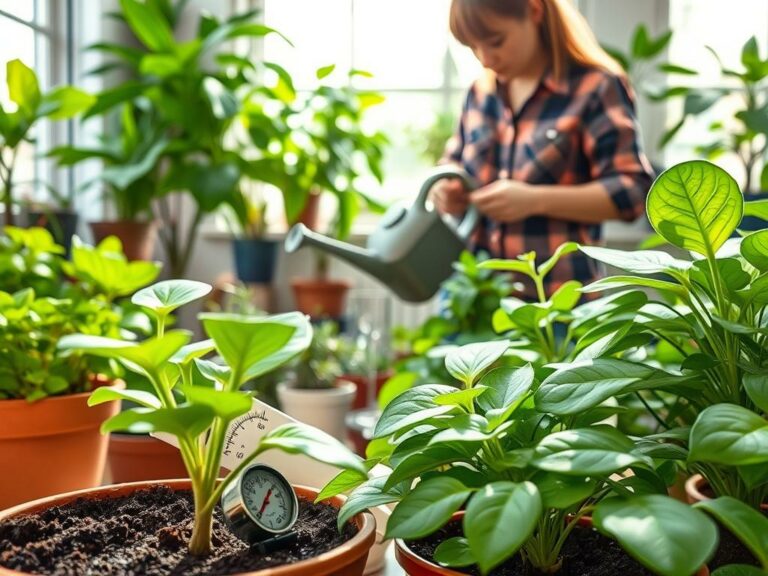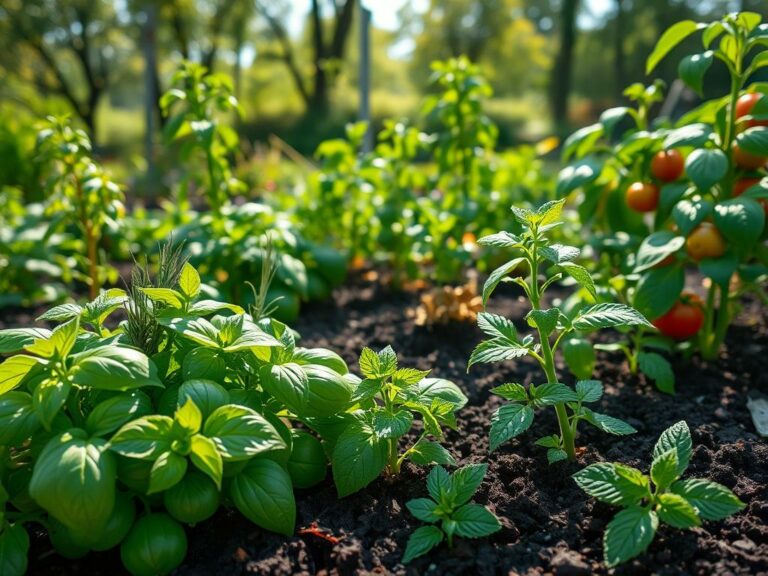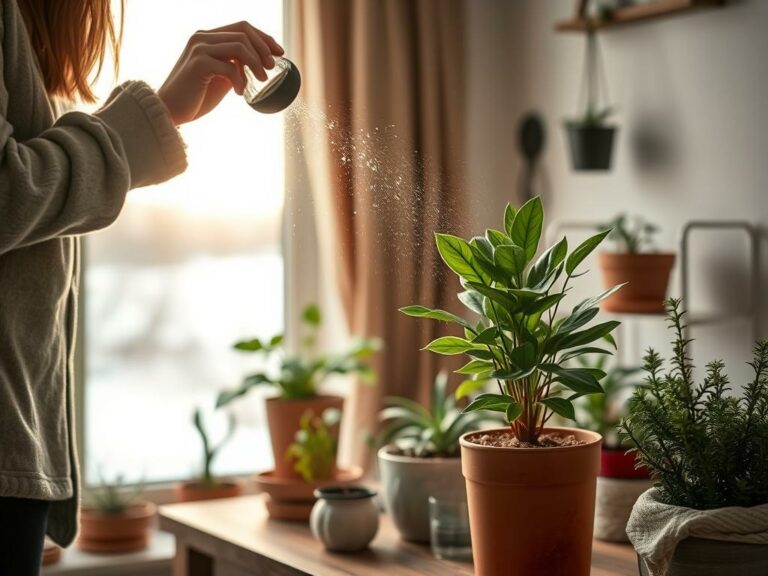

Did you know nearly 90% of household plants get very dehydrated before you see any signs? When it gets hot, your plants face a tough battle against the sun. A regular plant care summer routine is key to fighting heat stress.
Watching your plants closely helps you spot problems early. Check the soil and leaves every day. This way, you can help them before it’s too late. Knowing your plants’ needs is the best way to keep them healthy when it’s hot.
Good summer plant maintenance means keeping them watered and shaded. These easy steps help your plants stay green and strong all summer. By taking care of your plants, you can keep your home looking great all season.
1. Understanding Plant Needs in Summer
Summer heat changes how plants work every day. Your plant care summer plan must change to help your garden. Knowing these changes is key to keeping your garden healthy and green.
Environmental Factors to Consider
Many things affect how fast plants dry out. Humidity levels are very important. When it’s dry, plants lose water faster to cool down.
Also, strong winds can take moisture from plants. This makes them dry out quicker. Watch these signs every day to help your plants.
Plant Types and Their Requirements
Each plant type has its own way of dealing with heat. Succulents store water in their leaves and do well in dry places. But, tropical plants lose water fast and can get stressed by heat.
Here’s a table showing how different plants handle summer:
| Plant Category | Water Requirement | Sun Tolerance | Heat Strategy |
|---|---|---|---|
| Succulents | Low | High | Water storage |
| Tropicals | High | Moderate | Transpiration |
| Native Perennials | Moderate | High | Deep root systems |
| Vegetables | Very High | High | Rapid growth |
Grouping plants by their needs makes caring for them easier. This way, your thirsty plants get enough water without drowning the others. Adjusting your care to meet these needs will help your garden make it through the summer.
2. Watering Techniques for Hot Weather
When it gets hot, your plants need the right water at the right time. Learning how to water them is key to keeping your garden alive. Follow these summer plant care tips to keep your garden lush and healthy, even when it’s very hot.
Frequency of Watering
How often to water depends on your soil and plants. Sandy soils dry out fast and need more water. Heavy clay soils hold water longer. Keeping your plants consistently watered helps them stay healthy.
- Check the top two inches of soil; if it feels dry, it is time to water.
- Potted plants often need daily hydration because they dry out faster than garden beds.
- Adjust your schedule based on local weather reports and humidity levels.
Best Times to Water
Watering in the early morning is best to avoid losing water to evaporation. This way, plants get the water they need before it gets too hot. Deep root absorption is key for plants to survive the heat.
Try not to water in the late evening to prevent fungal diseases. If you must water later, water the soil, not the leaves.
Signs of Underwatering vs. Overwatering
It’s easy to mistake heat stress for underwatering. A good summer plant watering guide helps you tell the difference. Underwatering makes leaves crispy and brown.
Overwatering makes leaves yellow and soft. If plants wilt in the afternoon but recover by morning, they’re just dealing with the heat. Only worry if they stay wilted during cooler times.
3. Soil Considerations During Summer
The secret to a thriving summer garden often lies hidden beneath the surface in your soil composition. While you might focus on the leaves and flowers, the quality of your soil dictates how well your plants handle extreme heat. By improving your soil structure, you ensure that your plants have consistent access to moisture even during the driest spells.
Types of Soil to Use
To prepare for high temperatures, you should focus on soil amendments that boost water retention. Incorporating organic matter like compost or aged manure is essential for sandy soils, as it acts like a sponge to hold onto vital hydration. If your garden has heavy clay, adding organic material helps break up the density, allowing roots to breathe and access water more efficiently.
Following a proper summer plant watering guide requires soil that drains well but stays damp. You want a balance where water reaches the root zone without causing rot. Consider the following common amendments to improve your garden’s performance:
| Amendment Type | Primary Benefit | Best For |
|---|---|---|
| Compost | Increases water retention | All soil types |
| Peat Moss | Holds moisture | Sandy soil |
| Perlite | Improves aeration | Container plants |
Mulching for Moisture Retention
Mulching is perhaps the most transformative practice for any gardener facing a heatwave. By applying a thick layer of organic mulch, you create an insulating barrier that keeps the root zone cool and prevents rapid evaporation. This simple step is a cornerstone of effective summer plant care tips that every gardener should adopt.
“Mulch is the gardener’s best friend, acting as a protective blanket that keeps the soil cool and moist when the sun is at its most intense.”
When applying mulch, aim for a depth of two to three inches around the base of your plants. Be careful to keep the material away from the main stem to prevent rot. This layer will significantly reduce your need for frequent irrigation, making your summer plant watering guide much easier to manage throughout the season.
4. Protecting Plants from Intense Sunlight
Keeping your plants safe from the strong midday sun is key to good summer plant maintenance. The sun’s rays can burn leaves, harming your plants. By controlling how much light they get, you keep your garden looking great all summer.
Shade Options for Potted Plants
Potted plants are at risk because their roots get hot fast. Moving them to a shaded area helps a lot. If you can’t move them, use temporary shade cloths to soften the sun.
These cloths come in different strengths. Pick the right one for your plants. Make sure there’s air under the shade to avoid heat traps. These tips will help your potted plants stay healthy, even when it’s hot.
“The secret to a thriving summer garden lies in understanding that even sun-loving plants appreciate a reprieve from the relentless afternoon glare.”
Strategies for Garden Beds
For bigger garden areas, use natural ways to protect your plants. Planting tall plants like sunflowers or corn can create shade for smaller ones. This method is like a natural layering found in nature.
Installing trellises with climbing plants is another good idea. It acts as a living screen. Watch how the sun moves to see where your plants need the most shade. Here’s a table showing ways to manage sunlight in your garden.
| Method | Best For | Primary Benefit |
|---|---|---|
| Shade Cloth | Vegetable patches | Reduces heat stress |
| Companion Planting | Garden beds | Natural, aesthetic cover |
| Patio Relocation | Potted plants | Easy, flexible control |
5. Nutrient Boosts During the Heat
Feeding your garden in the hottest months needs careful planning to avoid harming roots. It’s tempting to want plants to grow fast, but high heat makes them focus on survival. Using summer gardening tips helps feed your plants without stressing them too much.
Fertilization Schedules
In extreme heat, cut back on how often you feed your plants. When it’s hot, plants drink more water than they absorb nutrients. Too much fertilizer can burn their roots.
Move from weekly to monthly or bi-monthly fertilizing. If plants start to wilt or show heat stress, stop fertilizing until it cools down. This stops plants from trying to grow new, tender parts that heat can damage.
Choosing the Right Fertilizers
Choosing the right fertilizer is key for summer plant fertilizing tips. Go for slow-release fertilizers that give plants a steady flow of nutrients, not a sudden rush.
Opt for organic or balanced fertilizers with less nitrogen in summer. These are less likely to cause salt buildup in the soil. By giving nutrients slowly, your plants stay strong and keep blooming all season.
6. Pest Management in Summer
Summer heat can stress your plants, making them prime targets for hungry insects. When temperatures rise, the life cycles of many bugs accelerate, leading to rapid population growth. Implementing consistent summer gardening tips is the best way to keep your garden thriving despite these challenges.
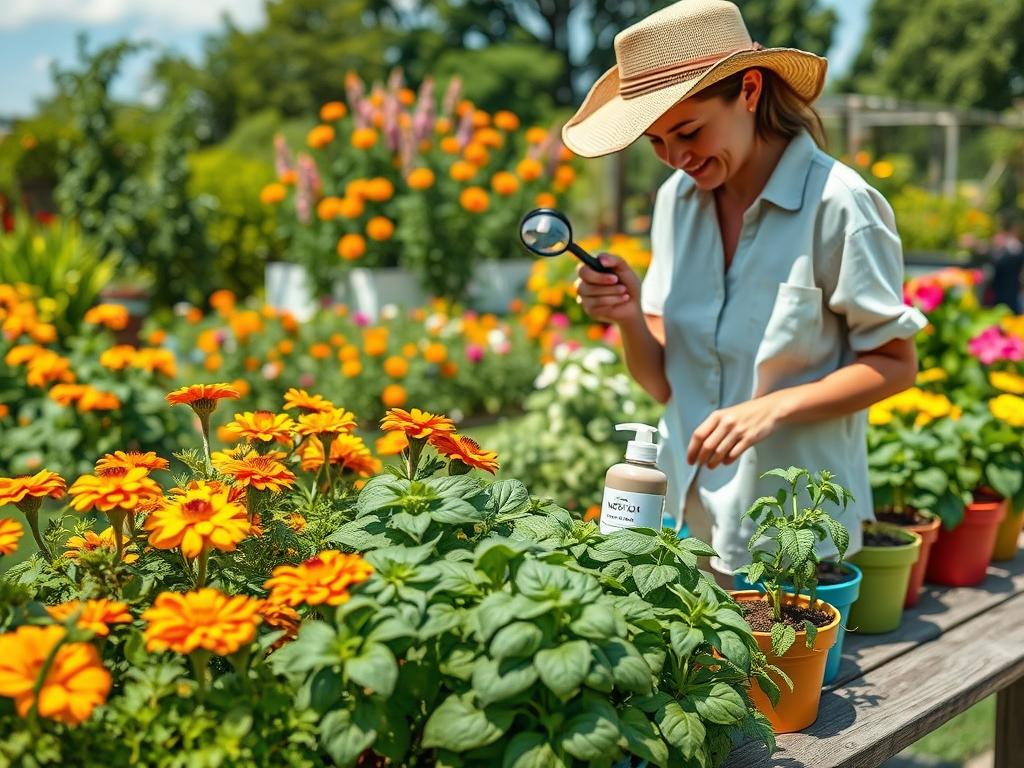
Common Summer Pests
Hot and dry conditions create the perfect environment for specific garden invaders. Aphids are perhaps the most frequent visitors, often clustering on the undersides of leaves or on tender new growth. These tiny insects suck the sap from your plants, which can cause leaves to curl and yellow.
Spider mites also thrive when the air is dry and stagnant. You might notice fine webbing between stems or a stippled appearance on the foliage. Because these pests reproduce quickly, early detection is essential for plant survival.
Organic Pest Control Solutions
You do not need harsh chemicals to manage these infestations effectively. A simple blast of water from your garden hose can often dislodge aphids and mites without harming the plant. This is one of the most effective summer gardening tips for maintaining a balanced ecosystem.
For more persistent issues, consider using insecticidal soaps or neem oil. These organic options target soft-bodied pests while remaining safe for beneficial insects like bees and ladybugs. Always apply these treatments during the cooler parts of the day to avoid leaf burn.
Lastly, encourage natural predators to take up residence in your yard. Planting flowers like marigolds or dill attracts beneficial insects that act as a natural defense system. By staying vigilant with these summer gardening tips, you ensure your plants remain healthy and vibrant all season long.
7. Pruning and Maintenance Tips
Summer pruning is about keeping plants neat and safe from the sun. Many think trimming is for spring, but summer care is key for health. These summer gardening tips will guide you in caring for your garden without stressing your plants.
When to Prune in Summer
Summer pruning aims to remove dead, damaged, or diseased leaves. This improves air flow, preventing fungal diseases in humid weather. Be careful not to cut too much, as this can harm inner stems from direct sunlight.
Concentrate on light shaping, not big cuts. Trim branches that rub or cross to stop pest attraction. Do these tasks when it’s cooler to avoid moisture loss from cuts.
Tools for Effective Pruning
Using the right tools is crucial for clean cuts that heal fast. Dull blades can harm stems, making them more susceptible to disease and heat stress. Get high-quality bypass pruners for small stems and sharp loppers for thicker ones for precise summer gardening tips.
Keep your tools clean with rubbing alcohol between plants to stop disease spread. A well-kept tool set makes gardening easier and keeps your garden healthy all season. Proper care is the key to a thriving garden.
| Plant Category | Pruning Focus | Best Time of Day |
|---|---|---|
| Flowering Perennials | Deadheading spent blooms | Early morning |
| Shrubs | Removing diseased branches | Late evening |
| Vegetable Plants | Thinning for airflow | Early morning |
8. Container Plant Care in Full Sun
When summer sun hits hard, potted plants face special challenges. Their roots, stuck in a small space, quickly get too hot. Knowing how your pot affects your plants’ health is key to keeping them cool.
Choosing the Right Containers
The type of pot you use matters a lot. Dark pots absorb heat, which can harm roots. Go for light-colored pots to reflect sunlight.
Thick-walled pots, like ceramic or double-walled plastic, keep roots cool. If you like terracotta, use a plastic liner to cut down on evaporation. The right pot is crucial for your plants’ survival.
Managing Soil Temperature
There are smart ways to keep soil cool. Try double-potting to insulate your plant. This method keeps the inner pot from getting too hot.
Where you place your pots is also important. Put them in morning sun but out of the afternoon heat. Fertilize during cooler times to avoid burning roots. With the right care, your containers will be a beautiful part of your outdoor space.
| Container Material | Heat Absorption | Moisture Retention |
|---|---|---|
| Dark Plastic | High | Moderate |
| Light-Colored Ceramic | Low | High |
| Terracotta | Moderate | Low |
| Double-Walled Plastic | Very Low | High |
By following these tips, your plants will do well even when it’s hot. Always watch your plants closely, as they change faster in pots than in the ground.
9. Indoor Plant Care Practices
Keeping your home cool is key for the best care for plants in summer. Even indoors, plants face heat and light changes. Small tweaks to their space can keep them healthy and bright all summer.
Keeping Indoor Plants Cool
Even tropical plants can get stressed by high indoor heat. Improve air flow around them to avoid heat pockets. A small fan can help, making air feel like a natural breeze.
Don’t put plants by south-facing windows in the afternoon. The sun can make it too hot, causing stress. Instead, choose a spot with bright, indirect light for a better temperature.
Light Requirements for Indoors
Lighting is crucial for summer plant care. Plants need light but too much can burn leaves. Sheer curtains can filter light, giving plants enough energy without burning them.
Watch for signs of stress like wilting or yellow leaves. If you see these, move the plant or change its environment. Keeping things consistent helps your plants thrive in the summer heat.
| Plant Type | Light Preference | Cooling Strategy |
|---|---|---|
| Succulents | Bright, indirect | Increase airflow |
| Ferns | Low to medium | Keep away from vents |
| Fiddle Leaf Fig | Bright, filtered | Use sheer curtains |
| Pothos | Low to bright | Rotate away from sun |
10. Recognizing Heat Stress in Plants
Spotting heat stress early is key to protecting your plants in summer. When it gets hot, plants show signs of distress. These signs need your quick attention.
Following summer plant care advice helps prevent damage. Being watchful keeps your garden lively, even in the hottest times.
Symptoms of Heat Stress
Wilting or drooping leaves are common signs of heat stress, even if the soil is moist. This is because plants lose water faster than they can take it in.
Yellow leaves or brown edges are other signs. These indicate the plant’s cooling system is failing. Ignoring these signs can harm your plant’s growth or even kill it.
Recovery Strategies for Affected Plants
Act fast if you see these signs. Start with a deep, thorough watering in the morning. This ensures the roots get enough moisture.
Adding organic mulch helps keep the soil cool and prevents water loss. Also, using shade cloths or umbrellas can protect plants from the intense sun.
| Stress Level | Primary Symptom | Recommended Action |
|---|---|---|
| Mild | Temporary wilting | Deep morning watering |
| Moderate | Yellowing leaves | Apply mulch and shade |
| Severe | Scorched, brittle edges | Prune damaged parts and hydrate |
Using these recovery steps helps your plants recover from extreme weather. Regular checks are the best summer plant care advice for a healthy garden all season.
11. Gardening Activities to Avoid During Heat
It’s just as crucial to know when to take a break from gardening as it is to know what to do. Smart summer plant care advice helps keep your garden healthy and you safe from heat exhaustion. By timing your work right, you also reduce stress on your plants during the hottest times.
Best Times for Garden Work
Working in the cooler parts of the day is key to managing your garden in the heat. Early morning is ideal because the soil and air are coolest. This lets your plants recover from the day before the sun gets too strong.
If you can’t start early, late evening is a good alternative. Working then helps you avoid overheating and lets your plants drink water overnight. Always remember to drink water and take breaks in the shade to stay safe.
Tasks to Postpone Until Cooler Days
Some gardening tasks can harm your plants in the heat. You should postpone heavy pruning until it’s cooler. Pruning can expose stems to sunburn, and removing big branches stresses the plant.
Transplanting is also best avoided in extreme heat. It upsets the plant’s roots, making it hard to get enough water. If you must do maintenance, keep it short and water your plants well beforehand to avoid damage.
12. Seasonal Transition Tips
The sun’s fading light means it’s time to change how you care for your garden. You can start getting your garden ready for the cooler months. This ensures your plants stay healthy as the seasons change.
Preparing Plants for Fall
Watch how your garden reacts to shorter days. Start giving your plants less water. This helps them get ready for the first frost. Miracle-Gro has products that help with this transition.
Adjusting Care Routines as Temperatures Drop
Slow down your fertilizing as plants grow less. Too many nutrients can harm new growth in the cold. Keeping up with summer care habits will help your garden thrive. Share your experiences or ask about your plants in the comments below.