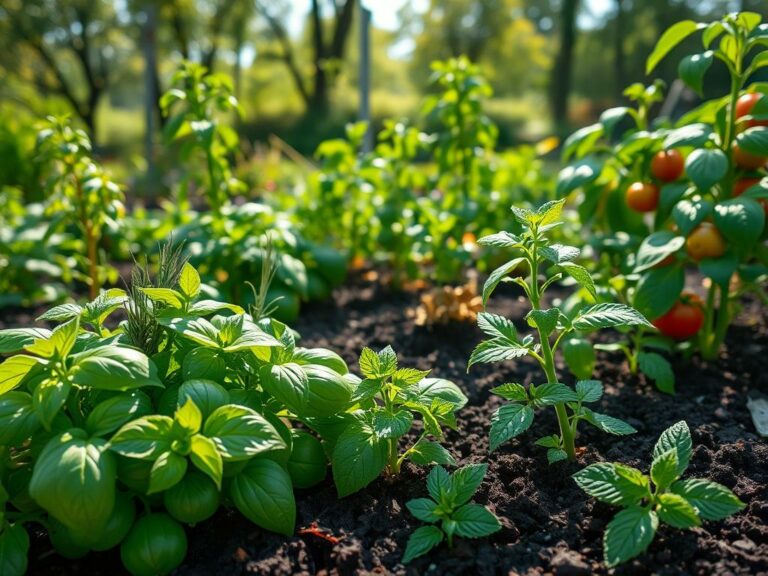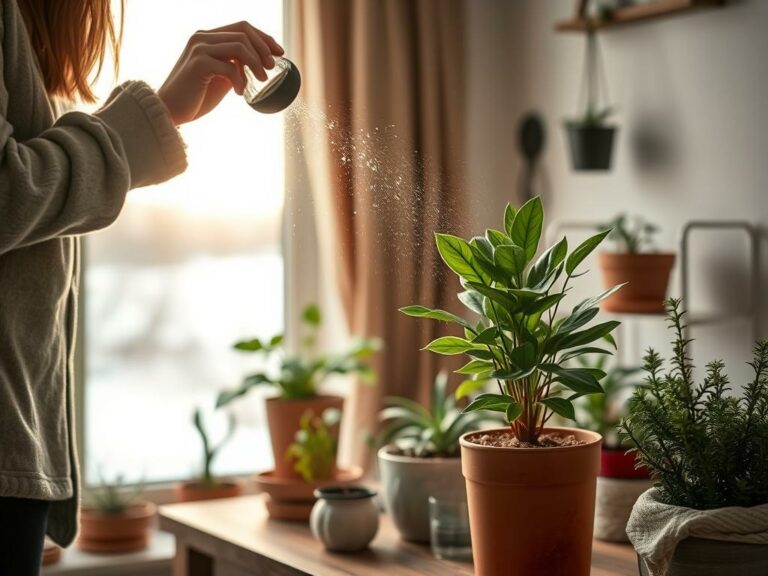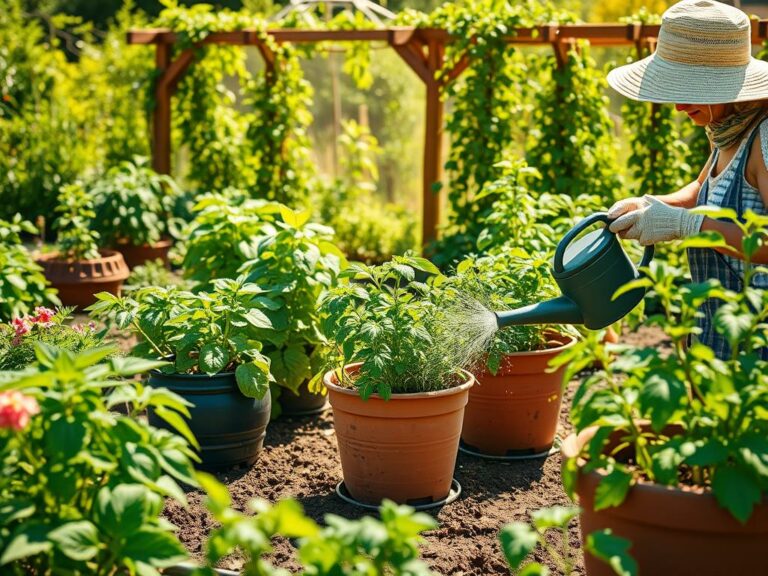

Did you know that nearly 75% of indoor plants die early because of bad watering habits? Many people think more water means better growth. But this idea often causes root rot and decay. Learning to prevent overwatering plants is key for any gardener wanting a lush, green collection.
This essential plant watering guide helps you get it right. Spotting signs like yellow leaves or soft stems early lets you change your care before it’s too late. Building these habits keeps your plants healthy and strong all year.
Controlling your watering schedule turns your space into a lush haven. Just follow these easy steps to create a place where your plants can thrive for years.
Understanding Overwatering in Plants
It might surprise you to know that too much water can harm your plants. Many think more water means faster growth. But, this is not true. Learning to prevent overwatering plants is key for any gardener wanting healthy plants.
What is Overwatering?
Overwatering isn’t just about too much water. It’s also about lack of oxygen in the soil. When you water too often, the soil gets too wet. This leaves no air for the roots.
Roots need oxygen to breathe and get nutrients. Without it, they suffocate and rot. This is why stopping overwatering is crucial for your plants’ health.
Signs of Overwatered Plants
Spotting problems early can save your plant. Look for these signs if your plant is struggling:
- Yellowing leaves: Lower leaves turning yellow and falling off is a sign.
- Mushy stems: Soft or squishy bases mean root decay.
- Fungus gnats: These pests love damp soil and are a warning.
- Wilting despite wet soil: Limp plants with wet soil may have damaged roots.
Watching for these signs helps you act fast. Being alert to these symptoms is the best way to prevent overwatering plants and keep your garden thriving.
Importance of Proper Watering
Your plants need the right amount of moisture to stay healthy. A good plant watering guide helps you give them what they need. This way, your plants can thrive in any setting.
Benefits of Correct Watering Habits
Having a regular watering schedule is key for strong, vibrant plants. The right amount of water supports important functions. This keeps your plants looking their best.
Here are the main benefits of regular watering:
- Enhanced nutrient uptake from the soil to the leaves.
- Improved structural support, preventing wilting or drooping stems.
- Consistent growth cycles that lead to lush foliage and healthy blooms.
By following these watering tips, you help your plants reach their full potential. Consistency is crucial for a successful home garden.
How Overwatering Affects Plant Health
Too much water can harm your plants just like too little. Excess moisture can suffocate the roots and stop them from breathing.
When roots can’t breathe, they start to rot. This is a major cause of plant death. It’s hard to fix once it starts.
A detailed plant watering guide helps you keep an eye on moisture levels. By avoiding waterlogged soil, you protect your plants from root decay. This ensures they stay healthy for a long time.
Factors Influencing Water Needs
Learning about plant care means understanding what your plants really need. Many people think one watering schedule fits all. But this can stress out your plants.
Type of Plant Species
Every plant has its own water needs, based on where it comes from. Succulents, for example, can’t handle too much water because they store it in their leaves. On the other hand, tropical ferns love moist soil, which is key for their health.
Soil Composition and Drainage
The soil your plant grows in is crucial. Adding perlite or coarse sand helps water drain well. If your soil is too heavy, it can hold too much water and harm your plant’s roots.
Climate and Weather Conditions
Changes in weather and climate mean you need to adjust how often you water. In hot, dry summers, plants lose water faster and need more water. But in cooler or more humid times, they need less. So, you should reduce your watering frequency to keep your plants happy and healthy.
Choosing the Right Soil for Your Plants
The type of potting medium you choose is key to your plants’ health. Many gardeners just focus on how often to water. But, the real foundation of your plant’s health is the soil itself. Picking the right mix helps avoid overwatering and lets excess moisture escape.
Importance of Well-Draining Soil
Soil that drains well is crucial. It stops water from pooling around the roots. If the soil stays wet for too long, roots can rot and plants get sick.
Using a mix that lets water drain quickly is a smart move. It balances moisture and air for your plants. This simple change helps you effectively avoid overwatering while keeping them hydrated. Look for potting mixes with perlite, pumice, or coarse sand for better drainage.
Recommended Soil Types for Different Plants
Each plant type needs its own soil type, based on where it grows naturally. Desert plants like cacti and succulents need gritty, fast-draining soil. Tropical plants prefer a mix that holds some moisture but also lets air in.
Choosing the right soil for your plants is crucial to avoid overwatering. Always check the label or research your plant’s needs before repotting. Here’s a quick guide to help you pick the right medium for your plants.
| Plant Category | Primary Soil Component | Drainage Level |
|---|---|---|
| Cacti & Succulents | Coarse Sand & Pumice | High |
| Tropical Foliage | Peat Moss & Perlite | Medium |
| Ferns & Moisture-Lovers | Coco Coir & Bark | Low to Medium |
Proper Watering Techniques
Transform your plant care by learning precise watering methods. Knowing when and how to water is key for plant success. Simple watering tips keep your plants looking great all year.
When to Water Your Plants
Check the soil to see if your plant needs water. Stick your finger into the top inch of soil. If it’s dry, it’s time to water.
“To plant a garden is to believe in tomorrow.”
Watering should be consistent but flexible. Changes in humidity and light affect your plant’s needs. The soil’s feel is a reliable guide for watering.
How to Water Effectively
Water the soil, not the leaves, to avoid fungal diseases. Use a watering can with a narrow spout to target the roots.
Follow these tips for healthier plants:
- Water slowly for even moisture absorption.
- Make sure water drains from the pot.
- Remove water from the saucer to prevent root rot.
By using these watering tips, your plants will flourish. Proper watering is essential for a thriving garden.
Tools to Help Prevent Overwatering
Using specialized tools can make your gardening easier. With the right tools, you can improve your ability to avoid overwatering your plants. These tools help you keep your plants healthy and green.
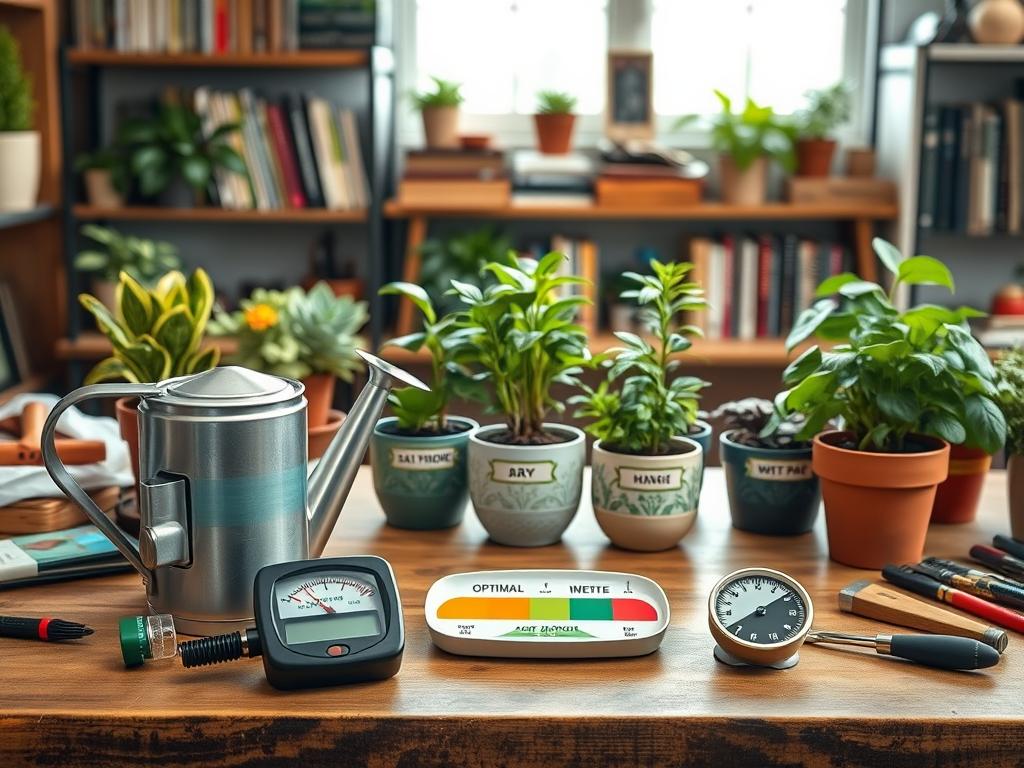
Moisture Meters for Monitoring
A moisture meter is key for gardeners who worry about too much water. These tools give you an objective reading of soil moisture. Just stick the probe into the soil to see if your plant needs water.
With this tool, you can avoid overwatering by only watering when the soil is dry. It helps you avoid guessing and waterlogging. Regular use keeps your plants perfectly watered.
Watering Cans with Control Features
The watering can you choose is important for your plants. Look for cans with narrow, long spouts for precise watering. This design waters the plant base without wetting the leaves or pot.
These cans let you control the water flow, making it easy to avoid overwatering. They’re great for indoor plants that need careful watering. A good watering can is a small investment for healthier plants.
| Tool Type | Primary Benefit | Best Use Case |
|---|---|---|
| Moisture Meter | Deep soil analysis | Large pots and dense soil |
| Narrow-Spout Can | Targeted delivery | Small containers and seedlings |
| Self-Watering Spike | Consistent hydration | Vacation care and thirsty plants |
Recognizing Soil Moisture
Getting to know your garden soil is key to avoiding watering mistakes. Garden maintenance means more than just watering. It’s about understanding what’s happening under the surface. By learning these simple steps, you can make sure your plants get the right amount of water.
How to Test Soil Moisture Levels
The finger test is the best way to check soil moisture. Just stick your finger into the soil up to the second knuckle. If it feels damp or cool, your plant is probably fine.
If it’s dry or dusty, it’s time to water. Check different spots in your garden. Sun and wind can change moisture levels a lot.
“The best fertilizer is the gardener’s shadow, and the best moisture gauge is the gardener’s touch.”
Identifying When to Water
Knowing your plants is crucial for garden maintenance. Look at the soil and leaves too. If the top inch of soil is crumbly and light, it’s time to water.
Here’s a table to help you understand soil moisture:
| Soil Condition | Tactile Feel | Action Required |
|---|---|---|
| Saturated | Muddy, sticks to skin | Wait, improve drainage |
| Moist | Cool, holds shape | No action needed |
| Dry | Crumbly, dusty | Water thoroughly |
Remember, consistency is essential for a healthy garden. Regular checks help avoid overwatering and keep your plants healthy all season.
Creating a Plant-Watering Schedule
Having a set routine is key for keeping your garden healthy. A calendar helps you stay on track, but plants also have their own needs. It’s important to be flexible and adjust your plan as needed.
Factors to Consider in Your Schedule
Don’t just look at the calendar when planning your watering schedule. Many things affect how often you need to water your plants.
Think about these important factors to improve your garden maintenance plan:
- Light Exposure: Plants in the sun dry out faster than those in the shade.
- Humidity Levels: If it’s really humid, plants need less water because it doesn’t evaporate as quickly.
- Growth Stage: Plants growing fast in spring and summer need more water than those resting.
- Pot Material: Terracotta pots dry out faster because they let water through, so you need to water them more often.
Adjusting Your Schedule with Seasons
Watering habits should change with the seasons. Plants grow and need water differently at different times of the year.
In the dormant winter months, plants grow slower and need less water. You should water them less to avoid root rot.
When spring comes, you’ll need to water more often to support new growth. Keeping up with these changes is part of good garden maintenance.
Container Gardening and Overwatering Risks
Choosing the right container is key to keeping soil moist. Growing plants in pots comes with its own set of challenges. Water can collect at the bottom, causing root rot. It’s crucial to avoid overwatering in these spaces.
Drainage Holes in Pots
Drainage holes are essential in any pot. Without them, water can’t escape, creating a stagnant pool at the roots. This is a major cause of plant death indoors and outdoors.
Make sure your pots have good drainage to avoid overwatering. If a pot lacks holes, use it as a cachepot. Place your plant in a plastic pot inside the decorative one for proper drainage.
Choosing the Right Pot Size
Choosing the right pot size is vital for managing moisture. A pot that’s too big holds too much water, which the plant can’t absorb fast enough. This can lead to soggy conditions.
A pot that’s too small dries out too quickly, stressing the plant. Opt for a container that’s only one or two inches wider than the root ball. This balance keeps moisture consistent and promotes healthy root development.
| Pot Material | Drainage Quality | Moisture Retention | Best Use |
|---|---|---|---|
| Terracotta | High | Low | Plants that need to dry out |
| Glazed Ceramic | Low | High | Moisture-loving plants |
| Plastic | Moderate | Moderate | General purpose to avoid overwatering |
| Metal | Very Low | Very High | Decorative outer shells |
Indoor vs. Outdoor Plant Care
Indoor and outdoor plants face different challenges. Your home offers a controlled space, but plants get less light and stale air. Outdoor plants, on the other hand, deal with wind, direct sun, and changing temperatures. These factors make them lose moisture faster.
Indoor Plant Watering Strategies
Houseplants need special care because they don’t get natural evaporation. Their soil stays wet longer than outdoor plants. Here are some effective watering tips for indoor plants:
- Always check the top two inches of soil before adding more water.
- Ensure your pots have adequate drainage holes to prevent root rot.
- Adjust your frequency during winter months when growth slows down significantly.
- Use room-temperature water to avoid shocking sensitive root systems.
Outdoor Plant Watering Tips
Outdoor plants need more water because of the elements. Wind and sun can dry out the soil quickly. Here are some key plant care tips for outdoor plants:
- Water early in the morning to minimize evaporation from the sun.
- Apply water directly to the base of the plant rather than the leaves.
- Use mulch to help the soil retain moisture throughout the hot afternoon.
- Monitor local weather reports to avoid overwatering during rainy weeks.
Adjusting your care to the plant’s environment is crucial. Regularly checking your plants helps you fine-tune your watering tips. This ensures success in both indoor and outdoor settings.
Dealing with Overwatered Plants
Discovering that your favorite plant is drowning can be stressful for any gardener. When soil stays wet for too long, roots can’t breathe and start to rot. But, you can often prevent overwatering plants from dying if you catch the signs early and act fast.
Steps to Revive Overwatered Plants
The first thing to do is stop watering the plant right away. Carefully take the plant out of its pot to check the roots. Healthy roots are firm and white. Decayed roots are mushy, dark, and smell bad.
Use clean shears to cut off any bad or rotting roots. After removing the dead parts, put the plant in a new pot with fresh, draining soil. Make sure the new pot has holes to let out extra water.
Preventing Future Overwatering
Success in the long run depends on good garden maintenance habits. Always check the soil moisture before watering, not just by schedule. If the top inch of soil is still wet, wait a bit longer before watering again.
It’s also key to adjust your care routine with the seasons. Plants need less water in winter than in spring and summer. By watching your plants closely, you can create a healthy environment for them to thrive.
| Condition | Immediate Action | Recovery Goal |
|---|---|---|
| Yellowing Leaves | Check soil moisture | Restore root oxygen |
| Mushy Roots | Trim decayed parts | Encourage new growth |
| Saturated Soil | Repot in dry mix | Improve drainage flow |
Consulting Gardening Resources
Learning about plants is a lifelong journey. You can get better at caring for them by reading books and talking to experts.
Reference Books and Manuals
Books by experts like Barbara Damrosch or the Royal Horticultural Society are full of useful tips. They teach you about soil and how to water plants. These guides have pictures and advice to keep your garden healthy.
Digital Communities and Forums
Online forums like GardenWeb or subreddits are great for getting help fast. You can share your plant photos and get advice from others. This way, you always have someone to turn to when you need help. It’s a great way to learn and grow with your plants.