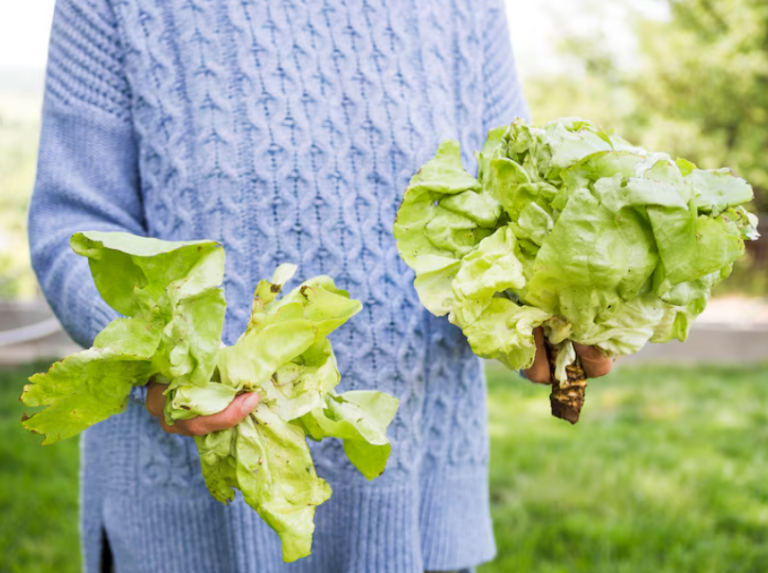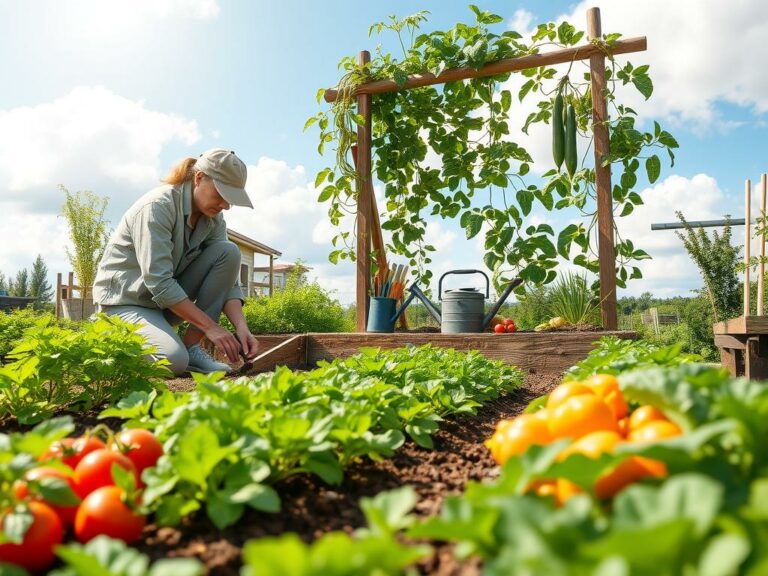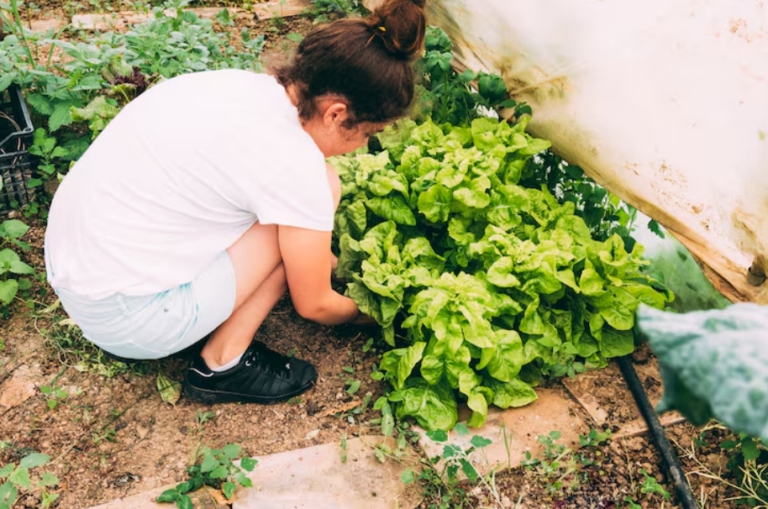

Over 35 million American households grew food at home in 2021. That number keeps climbing every year. More people discover that growing your own vegetables is easier than expected.
You don’t need fancy equipment or years of experience. Starting a vegetable garden can feel overwhelming at first. You might worry about failing or making mistakes.
The good news is that some vegetables are incredibly forgiving. These beginner-friendly vegetable plants practically grow themselves. They bounce back from minor problems and reward you with plenty of fresh produce.
This guide shows you the best vegetables for beginners. Each one grows well and needs minimal fussing. You’ll get great results with these choices.
You can garden with a big backyard or just a small sunny spot. You’ll find options that work for you. You’ll learn what makes each vegetable special and why new gardeners succeed with them.
You don’t need special skills or prior experience. The vegetables on this list will set you up for success. By the end of this guide, you’ll feel ready to plant your first seeds.
Let’s explore the best vegetables for beginners. These plants will make your gardening journey enjoyable and rewarding.
Why Start Gardening with Vegetables?
Growing your own food at home opens a world of possibilities for you and your family. Vegetables offer a practical entry point into gardening that rewards you with fresh, delicious results. You can enjoy harvesting your own produce whether you have a sprawling backyard or small patio.
Starting with simple vegetables to grow at home builds your confidence as a gardener. It sets the stage for a lifelong hobby.
Benefits of Vegetable Gardening
Vegetable gardening delivers immediate and lasting rewards. You get access to fresh, organic produce without harmful chemicals or pesticides. This means better nutrition for your family and food that tastes exceptional.
Your wallet benefits too. Growing low maintenance vegetables for new gardeners cuts your grocery bills significantly. A single tomato plant or lettuce patch can save you hundreds of dollars annually.
The physical activity involved in gardening strengthens your body. Digging, planting, and weeding keep you moving and active. Working with soil and plants reduces stress and improves your mental health.
Many gardeners report feeling calmer and more connected to nature.
- Fresh, organic vegetables at your fingertips
- Lower grocery expenses year-round
- Increased physical activity and exercise
- Reduced anxiety and improved mood
- Superior taste compared to commercial produce
- Knowledge of exactly where your food comes from
Building a Sustainable Lifestyle
Growing vegetables transforms how you live. You reduce your carbon footprint by eliminating transportation emissions from store-bought produce. No trucks or planes carry your homegrown tomatoes or carrots to your table.
Packaging waste disappears when you harvest directly from your garden. You skip plastic containers, paper labels, and excessive wrapping. This simple act protects our planet for future generations.
| Sustainability Impact | Store-Bought Produce | Homegrown Vegetables |
|---|---|---|
| Carbon Emissions | High (transportation and refrigeration) | Minimal (local growing) |
| Packaging Waste | Plastic, cardboard, foam | None required |
| Water Usage | Industrial farming methods | Controlled and manageable |
| Chemical Inputs | Pesticides and fertilizers | Organic or natural options |
| Food Freshness | Days or weeks old | Harvested at peak ripeness |
Sharing your harvest creates community connections. Your neighbors appreciate fresh vegetables. Children learn where food really comes from.
Families bond over planting seeds and picking ripe produce together.
“To plant a garden is to believe in tomorrow.”
Low maintenance vegetables for new gardeners make sustainability achievable for everyone. You don’t need special skills or expensive equipment. You simply need willingness to try.
Each plant you grow represents a commitment to healthier living and environmental responsibility.
Consider Your Growing Zone
Understanding your local growing conditions is essential before planting your first seed. Your climate and environment shape which hardy vegetables will thrive in your garden. Learning about your specific zone sets you up for success from day one.
Understanding USDA Plant Hardiness Zones
The USDA Plant Hardiness Zone Map divides the United States into 13 zones. Each zone is based on average minimum winter temperatures. Each zone spans a 10-degree range, helping gardeners know which plants survive their winters.
Finding your zone is simple. Visit the USDA website and enter your zip code. You’ll discover your specific zone number, which guides your plant selections.
Your zone number influences when you plant and what varieties work best. Cold-hardy crops like kale and spinach tolerate freezing temperatures. Tender plants need warmer soil.
Factors Affecting Plant Growth
Your growing zone is just the beginning. Several other factors shape your garden’s success:
- Frost dates: Know your last spring frost date and first fall frost date. These dates determine your planting schedule.
- Sunlight: Most hardy vegetables need 6-8 hours of direct sunlight daily. Note which areas receive full sun, partial shade, or full shade.
- Soil quality: Test your soil’s pH and nutrient content. Rich, well-draining soil produces healthier plants.
- Moisture: Track your area’s rainfall and humidity patterns. Some regions need extra watering; others need drainage improvements.
- Microclimates: Your yard has its own small zones. Sheltered spots stay warmer; low areas collect cold air.
“A garden is not made in a year; nor can a gardener be made in a day.” — Gertrude Jekyll
Understanding these elements helps you select hardy vegetables that match your unique environment. This knowledge transforms you from guessing to gardening with confidence.
Carrots: A Great First Crop
Carrots stand out as one of the easiest vegetables to grow for beginners. These underground treasures reward new gardeners with simple joy. You pull a beautiful orange root from the earth and feel instant success.
Plant them in spring or fall for reliable results. Carrots deliver with minimal fuss. Your garden will benefit from this rewarding vegetable that grows steadily.
Starting with carrots gives you confidence as a gardener. Their straightforward growing process makes them perfect for learning basic skills. Carrots thrive in most soil conditions with proper care.
Growing Conditions for Carrots
Carrots need loose, well-drained soil that’s free from rocks and large clumps. These conditions prevent roots from twisting or forking underground. Your carrots will perform best in full sun.
Direct sowing seeds works best since carrots don’t transplant well. Plant seeds during cool weather in spring or late summer. Keep soil consistently moist during germination to help seeds sprout.
Once seedlings emerge, thin them to proper spacing. Beginner-friendly varieties like Danvers and Nantes types are forgiving. These popular choices make growing carrots straightforward for new gardeners.
- Sow seeds directly in garden beds
- Keep soil moist until germination
- Thin seedlings to 2-3 inches apart
- Provide full sun exposure
- Remove rocks and clumps from soil
Harvesting Tips
Your carrots typically reach harvest size between 60 and 80 days after planting. Check progress by gently brushing away soil from the root top. You can see its width and judge readiness.
Pull carrots gently to avoid breaking them in the ground. A light frost actually sweetens carrots. Fall-harvested carrots taste delicious and improve with cooler temperatures.
| Carrot Variety | Days to Harvest | Root Length | Best Season |
|---|---|---|---|
| Danvers | 70-80 days | 6-7 inches | Spring or Fall |
| Nantes | 60-70 days | 6-7 inches | Spring or Fall |
| Shorter varieties | 50-60 days | 3-4 inches | Spring or Fall |
| Rainbow mix | 70-80 days | 6-8 inches | Spring or Fall |
Growing carrots teaches valuable lessons about patience and observation. They build your gardening foundation while delivering tasty results. Your first carrot harvest will feel like discovering buried treasure in your yard.
Lettuce: Quick and Easy to Grow
Lettuce stands out as one of the best fast-growing vegetables for beginners. You can harvest crisp, delicious greens in just 30 days from planting. This makes lettuce perfect for seeing quick results and building gardening confidence.
The best part is that lettuce grows well in small spaces. It thrives in containers and traditional garden beds alike.
Growing your own lettuce means you get the freshest salad greens possible. Store-bought lettuce travels long distances and sits on shelves. Your homegrown version tastes better and lasts longer in your kitchen.
Plus, lettuce is forgiving and rarely develops serious pest problems. This makes it ideal for new gardeners.
Types of Lettuce Suitable for Beginners
You’ll find three main categories of lettuce that work great for beginners:
- Loose-leaf varieties like Black Seeded Simpson and Oak Leaf let you harvest outer leaves while the center keeps growing
- Butterhead types such as Buttercrunch produce tender, sweet leaves in a compact head
- Heat-tolerant varieties perform well during summer months when other lettuce struggles
Loose-leaf lettuce is your best choice as a beginner. You can pick outer leaves whenever you need them. This gives you fresh salad greens for weeks.
The plant never stops producing new leaves in the center. This cut-and-come-again method means one planting gives you continuous harvests.
| Lettuce Variety | Days to Harvest | Best Season | Difficulty Level |
|---|---|---|---|
| Black Seeded Simpson | 45-60 days | Spring and Fall | Very Easy |
| Oak Leaf | 50-60 days | Spring and Fall | Very Easy |
| Buttercrunch | 60-70 days | Spring and Fall | Easy |
| Summer Crisp | 55-65 days | Summer | Easy |
| Salad Bowl | 45-50 days | Spring and Fall | Very Easy |
Maintenance and Care
Your lettuce needs very simple care to thrive. Plant in early spring or fall when temperatures stay cool. Lettuce bolts and turns bitter in hot summer heat.
Space plants 6 to 12 inches apart depending on the variety you choose.
Keep soil consistently moist. Lettuce has shallow roots that dry out quickly. Water regularly but avoid soggy soil that causes rot.
In warmer climates, provide afternoon shade using shade cloth. You can also plant near taller crops for natural shade.
For continuous harvests, plant new lettuce seeds every two weeks. This succession planting means you always have young plants maturing. You can harvest from older ones while new plants grow.
Shallow-rooted lettuce grows perfectly in containers if you have limited garden space.
“Fresh lettuce from your garden tastes infinitely better than anything from a grocery store shelf.”
Watch for these simple issues:
- Aphids on leaf undersides—spray with water or use insecticidal soap
- Slugs eating holes—place copper tape around containers or use beer traps
- Bitterness—caused by heat and inconsistent watering
Lettuce rarely has serious disease problems. The biggest secret to success is keeping your plants cool and moist. With minimal effort, you’ll enjoy tender, delicious salad greens that beat store-bought options.
Radishes: Fast and Fun
Radishes rank among the best fast-growing vegetables for beginners. These speedy crops go from seed to harvest in just 3 to 4 weeks. They’re perfect for impatient gardeners and children.
Radishes deliver instant gratification if you want quick wins in your garden. They germinate within 3 to 5 days, giving you visible progress almost immediately. These forgiving plants bounce back quickly if something goes wrong.
Ideal Growing Conditions
Radishes thrive in cool weather during spring and fall. They need full sun to partial shade and prefer loose, well-drained soil. Plant seeds directly in your garden about half an inch deep.
Space seeds one inch apart. Keep the soil consistently moist for the best flavor and texture.
Try classic varieties like Cherry Belle or French Breakfast. These reliable choices deliver crisp, flavorful results every time. They’re ideal fast-growing vegetables for beginners because they need minimal care.
Common Issues to Watch For
Watch out for these common radish problems:
- Splitting—caused by irregular watering patterns
- Woodiness—happens when you harvest too late
- Excessive leaf growth with small roots—results from too much nitrogen in soil
| Problem | Cause | Prevention |
|---|---|---|
| Splitting Roots | Uneven watering | Water consistently and evenly |
| Woody Texture | Harvesting too late | Pick radishes at 1 inch diameter |
| Lots of Leaves, Tiny Roots | Too much nitrogen | Use balanced fertilizer sparingly |
Radishes are confidence-builders for new gardeners. Their quick growing cycle means you’ll enjoy success fast. This builds your skills for other fast-growing vegetables for beginners like lettuce and green beans.
Green Beans: A Versatile Choice
Green beans stand out as foolproof vegetables to plant for any beginner gardener. These reliable crops deliver generous harvests with minimal effort. They adapt well to different growing conditions, from sprawling backyards to small balcony spaces.
Your success with green beans will boost your confidence as a gardener. This experience inspires you to try more challenging crops.
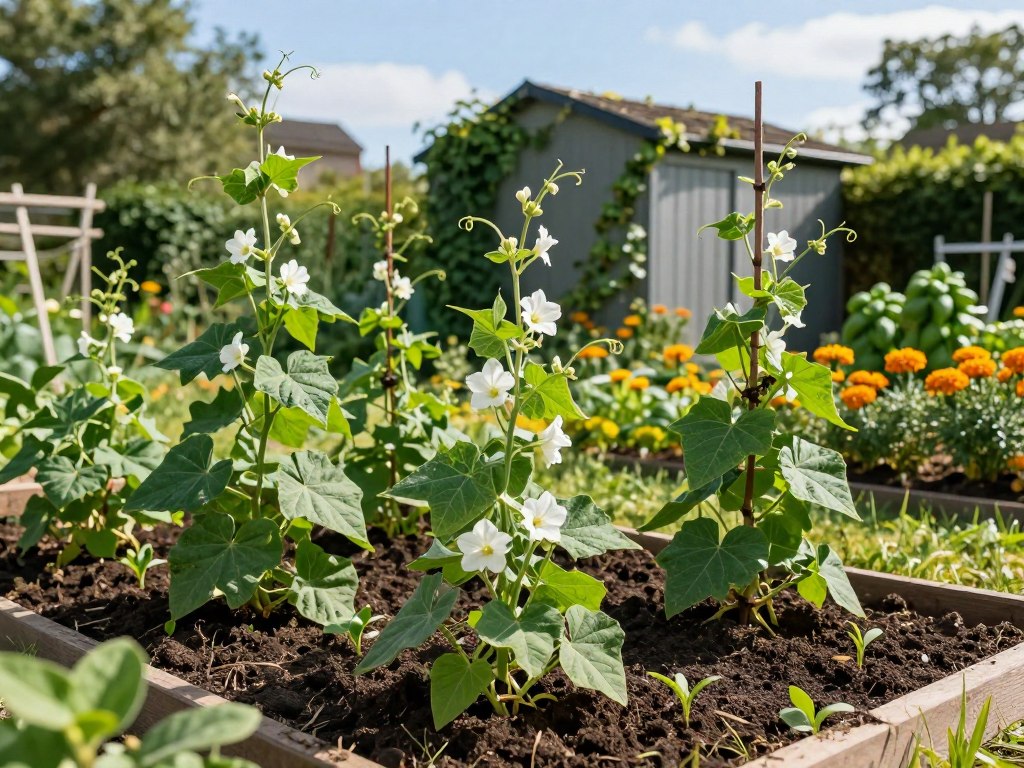
Types of Green Beans
Green beans fall into two main categories that serve different gardening needs. Understanding these types helps you choose what works best for your space. Your harvesting goals matter too.
- Bush Beans – Grow compactly without needing support structures. They produce their entire harvest within a short window. Popular varieties like ‘Blue Lake’ and ‘Provider’ deliver dependable yields in small spaces.
- Pole Beans – Climb trellises and fences, producing continuously throughout the season. Varieties such as ‘Kentucky Wonder’ and ‘Scarlet Runner’ offer extended harvests. They work well when you have vertical growing space available.
| Bean Type | Growth Habit | Harvest Time | Best For | Popular Varieties |
|---|---|---|---|---|
| Bush Beans | Compact, no support needed | 2-3 weeks, concentrated | Small gardens, canning | Blue Lake, Provider, Contender |
| Pole Beans | Climbing, requires trellis | 8+ weeks, continuous | Vertical space, extended harvests | Kentucky Wonder, Scarlet Runner, Asparagus |
Best Growing Practices
Growing foolproof vegetables to plant like green beans requires following straightforward steps. Plant your seeds directly into garden soil after all frost danger passes. Soil temperatures should reach 60°F first.
Beans dislike being transplanted, so direct seeding gives you the best results. Space seeds 4-6 inches apart in rows. Plant them about 1 inch deep.
Water your beans consistently, providing 1-2 inches of water weekly. Maintain even moisture levels during flowering and pod development stages. This prevents blossom drop.
Green beans thrive in full sun, needing at least 6-8 hours daily. Here’s what makes green beans remarkable for beginners:
- Resistant to most common pests and diseases
- Fix nitrogen in soil, improving future growing seasons
- Produce abundant harvests from minimal planting space
- Ready to harvest in 50-70 days depending on variety
- Low-maintenance once established in the garden
Add support structures for pole beans early, before plants begin climbing. Pick beans when pods snap easily between your fingers for tender, flavorful results. Regular harvesting encourages continued production throughout the season.
Tomatoes: A Favorite for Many
Tomatoes rank among the best vegetables for beginners because they deliver incredible flavor and abundant harvests. While they need a bit more attention than some crops, the reward makes extra effort worthwhile. You’ll find that tomatoes are forgiving plants that adapt well to different growing conditions.
Popular Varieties for Beginners
Choosing the right tomato variety sets you up for success. Two main types exist: determinate varieties grow as compact bushes and produce fruit all at once. Indeterminate varieties grow continuously throughout the season and keep producing fruit until frost.
Cherry tomatoes stand out as some of the best vegetables for beginners. They’re more disease-resistant, produce abundantly, and ripen faster than larger varieties. Look for varieties like ‘Sweet 100’ or ‘Early Girl’ that deliver sweet flavor.
| Variety Type | Growth Pattern | Best For Beginners | Harvest Time |
|---|---|---|---|
| Determinate (Roma, Celebrity) | Bush growth, compact | Good for containers | All at once |
| Indeterminate (Early Girl, Sweet 100) | Vining, continuous growth | Extended harvests | Throughout season |
| Cherry Tomatoes (Sungold, Tiny Tim) | Vining or bush varieties | Disease-resistant, prolific | Quick ripening |
Look for disease-resistant varieties marked with letters like VFN on the label. These notations show resistance to Verticillium wilt, Fusarium wilt, and Nematodes. This gives you better chances of growing healthy plants.
Tips for Healthy Tomato Plants
Your tomato success depends on sunlight and proper care. Place plants in a spot that gets 6 to 8 hours of direct sunlight daily. This sunlight requirement makes tomatoes perfect for sunny locations.
- Plant deeply by burying the stem up to the lowest leaves to encourage strong root development
- Provide support with sturdy cages or stakes from the beginning
- Water consistently at the base of plants, not the leaves, to prevent disease
- Apply mulch around the base to retain moisture and prevent soil-borne diseases
- Remove lower leaves once plants are established to improve air circulation
Water your tomatoes deeply but infrequently rather than giving shallow daily drinks. This encourages roots to grow deeper and creates stronger plants. Remove the bottom 6 to 8 inches of leaves as the plant grows.
With these simple practices, you’ll grow thriving tomato plants that reward your effort. Enjoy delicious harvests all summer long.
Zucchini: A Bountiful Harvest
Zucchini stands out as one of the best low maintenance vegetables for new gardeners. These plants produce incredible amounts of food from just a few vines. Your garden will overflow with fresh zucchini during summer months.
New gardeners love zucchini because it grows fast and needs minimal fussing. It rewards you with abundant harvests.
Planting and Care Guidelines
Zucchini thrives when you plant it in warm soil after your last frost date. Choose a spot that gets full sun for at least six to eight hours daily. These vigorous growers need space to sprawl, so plant seeds two to three feet apart.
Water your zucchini plants regularly, especially when fruits are developing. Once or twice weekly watering keeps soil moist but not waterlogged. Feed your plants every few weeks with balanced fertilizer.
These plants rarely need special attention or coddling. Harvest your zucchini when fruits reach six to eight inches long. Picking regularly encourages your plants to produce even more vegetables throughout the season.
Dealing with Excess Produce
One zucchini plant often produces more than you can eat. Your abundance becomes a wonderful problem to solve. Try these solutions:
- Share your bounty with neighbors and friends
- Bake delicious zucchini breads and muffins
- Grill sliced zucchini with olive oil and herbs
- Create spiralized zucchini noodles as a pasta alternative
- Freeze shredded zucchini for winter cooking
- Make zucchini relish or pickles for long-term storage
Your zucchini success proves that these vegetables deliver impressive results. They don’t demand difficult care routines.
Peppers: Spice Up Your Garden
Peppers are among the most rewarding beginner-friendly vegetable plants you can grow. These vibrant plants produce colorful fruits that make your garden look beautiful. They provide fresh flavors for your kitchen too.
You can choose sweet bell peppers or enjoy a little heat. Peppers offer something for every gardener. Growing peppers teaches you patience and care.
Types of Peppers to Consider
You have many pepper options to choose from. Sweet bell peppers come in beautiful colors. These include green, red, yellow, orange, and purple.
These varieties work great in salads, stir-fries, and many recipes. They’re particularly beginner-friendly because they’re versatile. They’re also less temperamental than hot varieties.
If you enjoy a little spice, try mildly hot peppers. Anaheim or Poblano are good choices. For true spice lovers, Jalapeño and Cayenne peppers bring serious heat.
Popular reliable varieties include California Wonder bell peppers. Early Jalapeño is great for hot pepper fans.
| Pepper Type | Heat Level | Best For | Days to Mature |
|---|---|---|---|
| California Wonder | None (Sweet) | Salads, Cooking | 60-90 |
| Anaheim | Mild | Roasting, Sautéing | 75-80 |
| Poblano | Mild to Medium | Stuffing, Cooking | 65-75 |
| Jalapeño | Hot | Salsas, Cooking | 70-80 |
| Cayenne | Very Hot | Spicy Dishes | 80-90 |
Growing Conditions
Peppers thrive in warm weather. They need full sun for 6-8 hours daily. Plant them in well-drained soil rich with organic matter.
These beginner-friendly vegetable plants love consistent moisture and warmth. Water regularly but don’t overdo it.
Start with transplants rather than seeds. Peppers need a long growing season. Wait until soil is thoroughly warm before planting outside.
Here are key tips for success:
- Choose a sunny location with protection from strong winds
- Plant after your last frost date when soil is warm
- Space plants 12-18 inches apart
- Provide support for heavily loaded branches using stakes or cages
- Water deeply at the base of plants
- Be patient—peppers often start slowly but produce abundantly once established
Growing peppers requires patience and warmth. These beginner-friendly vegetable plants are quite forgiving. They reward your effort with beautiful, flavorful fruits.
Cucumbers: Refreshing and Productive
Cucumbers rank among the easiest vegetables to grow for beginners. These vigorous plants reward you with abundant harvests throughout the growing season. You can plant them in garden beds or train them up a trellis.
Most gardeners find that just a few plants produce more cucumbers than expected. This makes cucumbers perfect for those just starting their gardening journey.
Ideal Growing Conditions
Cucumbers are warm-season crops that thrive after all frost danger has passed. They need full sun exposure and consistent moisture to develop properly. Rich, well-drained soil packed with organic matter helps your plants flourish.
You’ll find two main cucumber types to choose from:
- Slicing cucumbers like ‘Straight Eight’ or ‘Marketmore’ work great for fresh eating and salads
- Pickling cucumbers such as ‘Boston Pickling’ suit preserving and canning projects
Keep your cucumber plants watered regularly, especially during fruit development. Inconsistent watering can make cucumbers taste bitter. Mulching around your plants helps retain moisture and keeps fruits clean.
Harvest your cucumbers frequently to encourage the plant to keep producing more.
Trellising Techniques
Growing cucumbers vertically saves valuable garden space and offers several advantages. Training cucumbers up a support keeps fruits clean and promotes straighter growth. It also improves air circulation around leaves and makes harvesting easier.
Try these simple trellising methods for your easiest vegetables to grow for beginners:
- Tomato cages for compact support
- A-frame structures made from wood or PVC
- Vertical netting or mesh panels
- Existing garden fences or walls
Cucumbers are forgiving plants that grow well whether sprawling or climbing upward. Start with whichever method fits your garden space best.
Getting Started: Tools and Resources
Starting your garden journey doesn’t require expensive equipment or fancy gadgets. You can grow simple vegetables to grow at home with just a few basic tools. Building your gardening toolkit is an exciting first step toward success with hardy vegetables for first-time gardeners.
The right combination of quality tools and knowledge sources will help you feel confident. You’ll be ready to plant your first crops with ease.
Essential Gardening Tools
Quality tools make gardening enjoyable and efficient. You don’t need everything at once. Start with these must-have items that will serve you well as you grow simple vegetables.
- Garden spade or shovel for digging and turning soil
- Hand trowel for planting and transplanting seedlings
- Garden rake for smoothing soil and removing debris
- Garden hoe for weeding around plants
- Pruning shears for harvesting and trimming branches
- Watering can or hose with adjustable nozzle
- Gardening gloves to protect your hands from blisters
- Kneeling pad for comfort during long gardening sessions
Invest in tools that fit your hand size and feel comfortable to use. Quality matters more than quantity. A sturdy hand trowel will last years longer than a cheap one.
Good gloves protect your skin from thorns and rough soil. They make your gardening experience more pleasant.
Optional tools that prove helpful include a soil thermometer to check temperature before planting. A pH testing kit helps you understand your soil. A garden cart makes carrying supplies easier.
Recommended Gardening Books and Websites
Learning from experienced gardeners accelerates your success with hardy vegetables for first-time gardeners. These trusted resources provide guidance, inspiration, and practical tips for growing your garden.
| Resource Type | Name | Best For |
|---|---|---|
| Book | The Vegetable Gardener’s Bible by Edward C. Smith | Comprehensive vegetable growing guide |
| Website | Old Farmer’s Almanac | Planting calendars and seasonal tips |
| Organization | Local Cooperative Extension Office | Regional growing information and support |
| Online Community | Gardening forums and social groups | Ask questions and share experiences |
Your best teacher is hands-on experience in your own garden. Start simple with easy vegetables. Learn as you grow, and enjoy discovering what works in your unique space.
Every gardener makes mistakes. Mistakes teach you valuable lessons about what grows best in your yard. Connect with local gardeners online or at community gardens.
These friendships make gardening more fun and rewarding.
“The glory of gardening: hands in the dirt, head in the sun, heart with nature. To nurture a garden is to feed not just the body, but the soul.”
You now have the foundation to begin. Your tools are ready. Your resources are available.
Step outside and plant your first seed. Watch it grow. This journey toward becoming a confident vegetable gardener starts right now.
Conclusion: Your Path to Gardening Success
You now have everything you need to start growing foolproof vegetables in your own garden. The eight vegetables in this guide were chosen because they forgive beginner mistakes. They grow fast and give you lots of food.
Carrots, lettuce, radishes, green beans, tomatoes, zucchini, peppers, and cucumbers are fun to grow and eat. These vegetables will help you build confidence as a gardener.
Great gardeners didn’t start out perfect. They started by learning their growing zone and picking vegetables that match their space. They watered their plants on schedule and stayed patient.
You will face challenges. Every gardener does. What matters is that you see each season as a chance to learn something new.
Your first attempt at growing foolproof vegetables will teach you important lessons. These lessons will shape your future success.
Start small with just two or three vegetables instead of trying everything at once. This approach keeps you from feeling overwhelmed. It helps you focus on doing well with a few plants.
Use the tools and resources you’ve learned about. Read seed packets carefully. Water your plants when the soil feels dry.
Watch for pests and diseases early. Small actions lead to big harvests.
You’re about to start something that connects you to nature. It will put fresh food on your table. Grab your gardening tools, pick out your seeds or transplants, and get your hands dirty.
There’s nothing quite like eating a vegetable you grew yourself. Your garden is waiting for you. Let’s get growing.