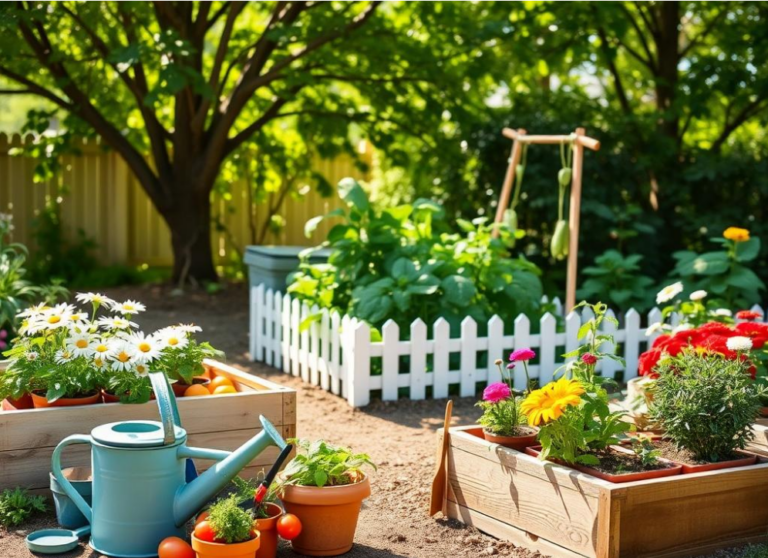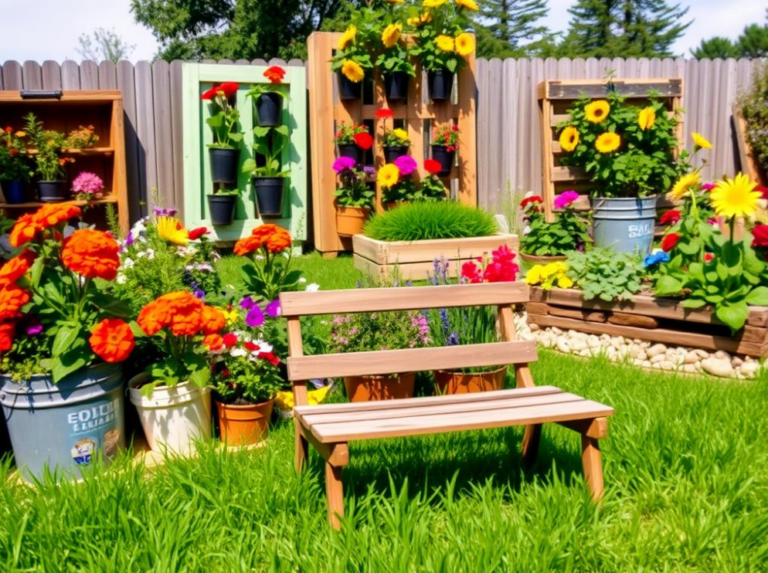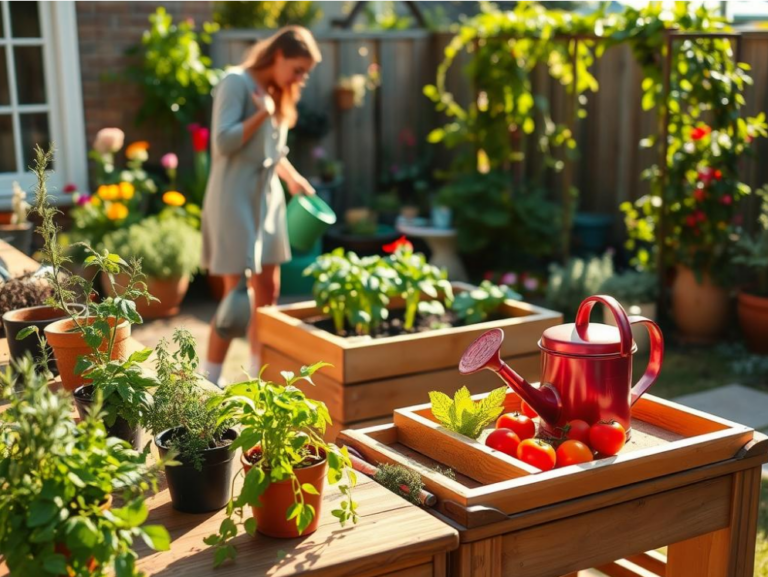

Did you know that professional landscaping can boost your home’s value by up to 15 percent? Transforming your backyard into a personal retreat brings peace. This garden design guide will help you start your project with confidence.
You don’t need to be a pro to get amazing results. By following a clear path, you can make any empty space a thriving sanctuary. Creating a beautiful garden is about mixing your style with nature’s needs.
We’ll show you the steps to keep your project on track. Whether you’re new or refreshing your space, these tips will help. Let’s start building your dream landscape today.
Understanding Your Space and Goals
Your journey to a perfect garden starts with knowing your land and goals. A garden design guide helps avoid mistakes and make the most of your space. By observing your environment, you lay the groundwork for a thriving garden.
Assessing Your Garden Layout
Begin by sketching your property to note existing features. Mark your home, trees, fences, and structures that affect your design. Understanding your yard’s flow is key to creating spaces that fit your lifestyle.
Consider your land’s topography and drainage. These factors greatly affect plant health. Identifying these early helps plan for grading or terracing. This ensures your garden stays beautiful and practical.
Determining Sunlight and Shade Patterns
Sunlight is crucial for plant health. Observe shadow patterns from morning to evening. You’ll see areas with intense heat and others with constant shade.
Log these light patterns to group plants by need. This avoids placing sun-loving plants in shade. Proper light management leads to a vibrant, easy-to-care-for garden.
Identifying Your Gardening Objectives
Decide what you want from your garden before starting. Do you want a space for entertaining, relaxation, or growing vegetables? Incorporating sustainable gardening ideas supports local pollinators and saves water.
Focus on your goals to make every design choice meaningful. Your garden should reflect your values. By blending your vision with environmentally conscious practices, you create a rewarding and resilient space.
| Site Factor | Observation Method | Design Impact |
|---|---|---|
| Sunlight | Hourly tracking | Plant selection |
| Soil Quality | Testing kits | Amendment needs |
| Drainage | Water pooling check | Hardscape placement |
| Wind Exposure | Seasonal observation | Shelter requirements |
Choosing the Right Garden Style
Finding the right look for your yard turns it into a personal haven. Picking a theme that ties everything together is key. This makes your yard look like a natural part of your home. Start by looking at backyard design inspiration to see how different parts can come together.
Evaluating Popular Garden Styles
There are many ways to design your outdoor space, each with its own vibe. Minimalist modern gardens use simple shapes and few colors for a calm feel. On the other hand, traditional cottage gardens are full of life with lots of flowers and winding paths.
Formal gardens are all about symmetry and neat hedges for a fancy look. If you live in a dry area, consider a xeriscape garden. It uses plants that don’t need much water for a beautiful, low-care landscape. These landscaping tips can help you pick the right style for your yard.
Matching Styles to Your Personal Taste
Your garden should show who you are and fit your lifestyle. Think about how much time you want to spend on yard work. A garden with lots of roses needs a lot of care, but a native plant garden is easy to keep up.
Also, think about your home’s style for backyard design inspiration. A modern house looks great with modern outdoor features. An old house might be better with a classic garden design. Using these landscaping tips will help you create a garden that feels just right for you.
Selecting Plants for Your Garden
Creating a beautiful landscape begins with choosing plants that fit your local climate. The right plants are key to a garden that thrives all year. By picking plants that naturally grow in your area, you make your garden strong and easy to care for.
Understanding Plant Hardiness Zones
The USDA Plant Hardiness Zone Map is essential for success. It divides areas by their winter temperatures. Always check your specific zone before buying plants to make sure they can handle your winters.
Plants for your zone grow well and strong. Plants from other climates may not survive your weather. Choosing plants that match your zone is crucial for a healthy garden.
Choosing the Right Plants for Your Environment
Using native plants is a great sustainable gardening idea. Native plants grow well in your soil and weather. They also help local pollinators and need less water and fertilizer.
“The secret to a low-maintenance garden is simple: put the right plant in the right place.”
Think about your yard’s different spots, like wet areas or sunny spots. Choose plants that fit these conditions for a lively garden. These landscaping tips help avoid planting where plants don’t belong.
Considering Plant Sizes and Growth Habits
Many gardeners plant seedlings too close. It’s important to know a plant’s mature size to avoid overcrowding. This ensures each plant gets enough air and sun, reducing disease risk.
Knowing how a plant grows helps plan your garden. Use the table below to sort plants by their growth patterns.
| Plant Category | Growth Habit | Typical Spacing |
|---|---|---|
| Groundcovers | Spreading/Creeping | 12-18 inches |
| Perennials | Clumping/Upright | 18-24 inches |
| Shrubs | Woody/Branching | 3-5 feet |
| Small Trees | Vertical/Broad | 8-12 feet |
Planning Your Garden Layout
Turning your yard into a beautiful oasis starts with a simple pencil and paper. Outdoor space planning before you start digging helps avoid costly errors. It also lets you see how your garden will look.
Creating a Rough Sketch of Your Garden
Begin by drawing a bird’s-eye view of your yard on graph paper. Include your house, trees, and fences as a base. Mark where you spend most of your time, like patios or play areas.
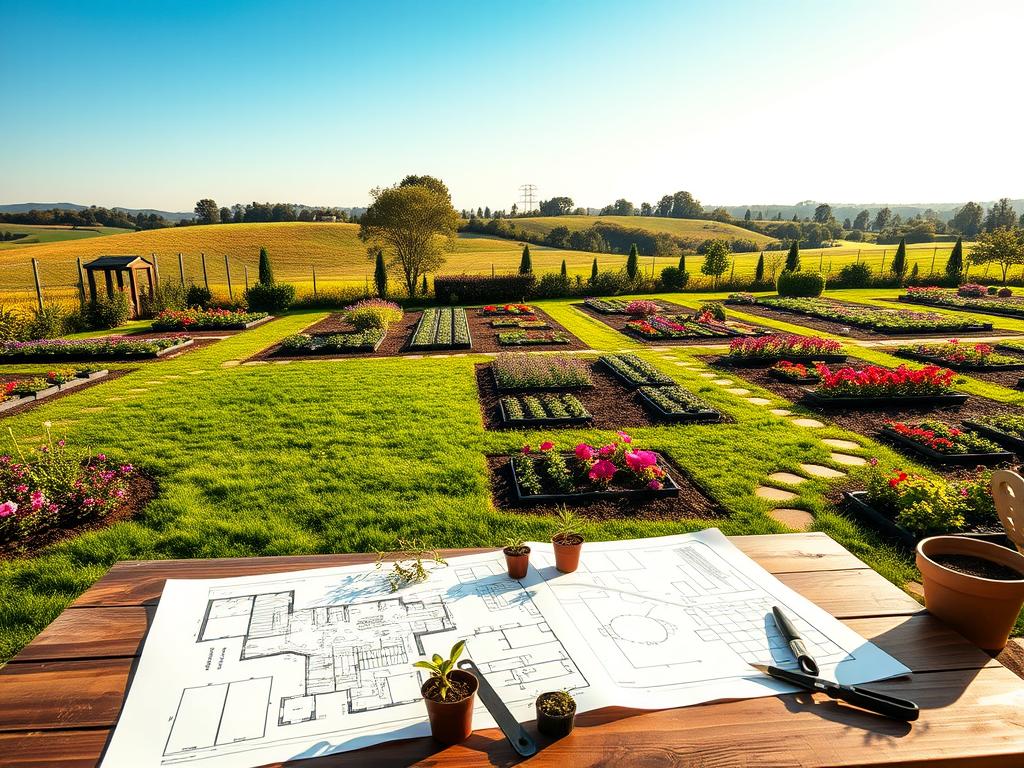
Then, draw the paths you naturally take in your yard. Make sure your walkways are straight and easy to follow. Clear traffic flow makes your garden feel welcoming to everyone.
Utilizing Design Principles in Layout
Using design principles can make your outdoor space planning much better. Create a focal point, like a water feature or a big tree, to draw the eye. This keeps your garden looking good and cohesive.
Balance is key in a good layout. Spread out visual weight so one side isn’t too full while the other is empty. Proportion and scale are also important. They make sure your plants and structures fit well with your home.
Incorporating Hardscape Elements
When you start outdoor space planning, think about hardscape elements. They are the backbone of your design. They turn a simple plant collection into a beautiful, professional landscape. Mixing soft plants with solid materials makes your garden stunning all year.
Choosing Paths and Walkways
Paths are the heart of your garden, guiding visitors and protecting plants. Pick materials that match your home, like natural stone or brick pavers. Durability is key for these paths, as they must handle foot traffic and weather.
“The garden is a mirror of the soul, and its paths are the lines that define our journey through it.”
Adding Fences and Retaining Walls
Fences offer privacy and security, making plants stand out. Retaining walls solve uneven terrain issues, preventing erosion. They turn slopes into tiered garden beds, enhancing your outdoor space planning.
- Use cedar or redwood for long-lasting, rot-resistant fencing.
- Incorporate stone or concrete blocks for sturdy, low-maintenance retaining walls.
- Ensure proper drainage behind any wall to maintain structural integrity over time.
Designing Garden Structures (e.g., Pergolas, Arbors)
Vertical elements like pergolas and arbors add height and interest. They provide shade and a sense of enclosure. Training vines or roses over them blends structure with nature’s beauty.
Choosing the right spot for these features is crucial. A well-placed arbor can be a stunning focal point. Your outdoor space planning should aim for a balance between structures and plants.
Installing Efficient Irrigation Systems
A lush garden starts with knowing how plants drink water. Proper hydration is the foundation of health for all in your landscape. A smart watering strategy helps your plants thrive, even in the hottest months.
Understanding Different Irrigation Methods
There are many ways to water your garden, each with its own benefits. Drip irrigation is great because it waters the roots directly, cutting down on evaporation. It’s perfect for areas where precision is important, like vegetable patches and flower beds.
On the other hand, sprinkler systems cover more ground, ideal for lawns or ground covers. But, they can lose water to wind and evaporation. Modern smart controllers help by automating watering based on weather, saving time and water.
Selecting the Right System for Your Garden
Start by thinking about your plant selection advice. Different plants need different amounts of water. Grouping plants with similar needs, or hydro-zoning, makes watering more efficient. If you pick plants that don’t need much water, you might only need a simple drip system.
Before choosing, consider your soil and the land’s shape. Sandy soil drains fast, while clay holds water longer. By matching your irrigation to your plants’ needs, you create a green space that’s good for the planet and looks great.
| System Type | Best For | Water Efficiency | Installation Cost |
|---|---|---|---|
| Drip Irrigation | Shrubs and Vegetables | Very High | Moderate |
| Soaker Hoses | Flower Borders | High | Low |
| Rotary Sprinklers | Large Lawns | Moderate | High |
| Smart Controllers | All Systems | Excellent | Moderate |
Maintaining Your Garden
Keeping your garden vibrant all year is a rewarding challenge. It requires consistent care. The initial design is exciting, but long-term health depends on routine tasks. Staying proactive prevents small issues from becoming big problems.
Developing a Regular Maintenance Schedule
A successful garden needs a structured plan. Start by making a calendar for important tasks like weeding, mulching, and soil health management. These actions protect your plants and ensure they get the nutrients they need.
Mulching is great for keeping the soil moist and controlling weeds. Add a new layer of organic mulch every spring. This keeps the soil cool and rich. Remember, consistency is key for a thriving garden.
Knowing When to Prune and Fertilize
Timing is crucial for pruning and fertilizing. Pruning at the wrong time can harm your plants. Always check your plant selection advice to know when to prune.
Fertilizing should happen during the growing season to give plants a boost. Don’t fertilize too late, as it can cause tender growth that may freeze. Using plant selection advice helps you fertilize at the right time for your garden.
| Season | Primary Task | Focus Area |
|---|---|---|
| Spring | Pruning & Mulching | New growth stimulation |
| Summer | Weeding & Watering | Moisture maintenance |
| Fall | Soil Amendment | Root health preparation |
| Winter | Planning & Cleanup | Dormant season protection |
Enhancing with Garden Decor
Turning your outdoor space into a personal haven is more than just plants. Decorative elements are like the final touches that make your garden complete. By picking items that match your theme, you create a space that feels welcoming and put together.
When looking for the right accents, think about the size of your area. Big lawns need big, eye-catching pieces, while small patios do well with small, elegant touches. Doing DIY garden projects lets you make these pieces fit your exact style without spending a lot.
Choosing the Right Decorative Elements
The key to great garden design is balance. You don’t want too many things competing with your plants. Choose materials that go well with your garden, like natural stone, weathered wood, or wrought iron.
Consider how your decor will look over time. Copper or cedar get better with age, adding charm as the seasons change. Remember, quality over quantity is best when picking items like lanterns, birdbaths, or wind chimes.
Incorporating Art in Your Garden
Art connects the natural beauty of your garden to your home. Choose something like a modern sculpture or a classic statue to draw the eye and spark wonder. Many people enjoy DIY garden projects, like making a water feature or painting garden stones, for the sense of accomplishment they bring.
“The garden is a place where the soul can breathe, and art is the language it uses to speak.”
Looking for ideas? Here’s a table to help pick materials that fit your climate and style:
| Material | Best Use | Durability |
|---|---|---|
| Cast Stone | Statues and pedestals | High |
| Weathered Wood | Rustic signs and benches | Medium |
| Copper | Water features and lighting | Very High |
| Recycled Glass | Decorative borders and art | Medium |
Your garden should show off your unique style. Whether you like simple designs or a mix of things, remember that your creativity is key. Start with small DIY garden projects and watch your space grow into a masterpiece.
Finalizing Your Garden Design Plan
Your vision is now ready to move from the drawing board to the soil. Take a moment to check your measurements and plant placements. This ensures your hard work pays off during the installation phase.
Refining Your Blueprint
Walk through your yard one last time with your sketch in hand. Make sure your paths are easy to move through. Also, ensure your plants have enough space to grow.
Adjusting your plan now prevents costly mistakes during your DIY garden projects.
Preparing for Success
Clear away debris and test your soil quality to give your new plants the best start. A well-prepared foundation is key to a beautiful garden that thrives all year. Gather your tools and materials to start transforming your outdoor space.
You have the knowledge to create a landscape that shows off your personal style. Share your progress with local gardening groups or neighbors to inspire others. Your dedication will create a vibrant and healthy sanctuary for years to come.