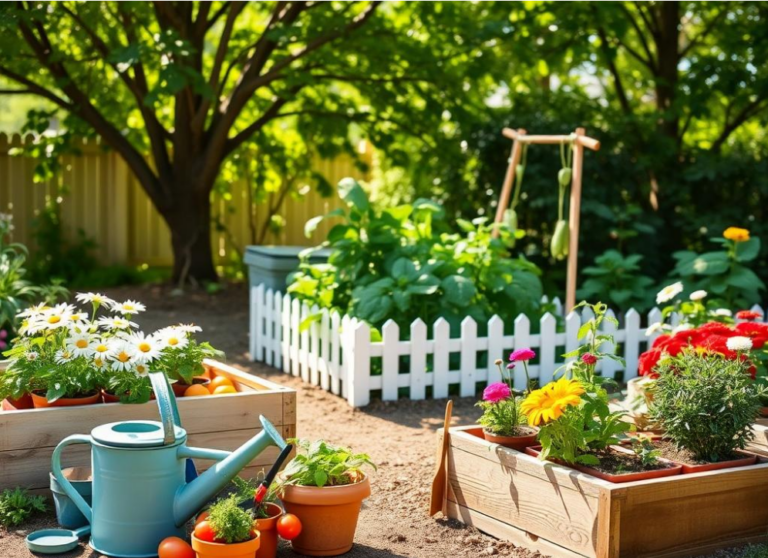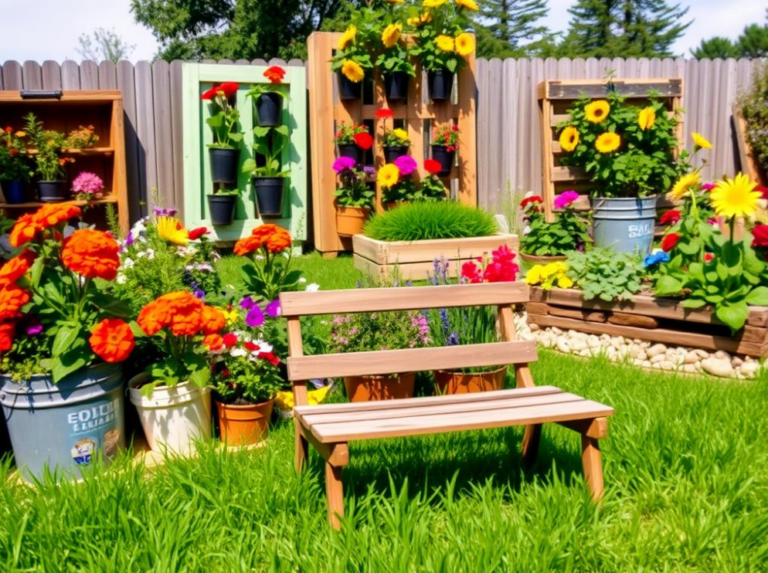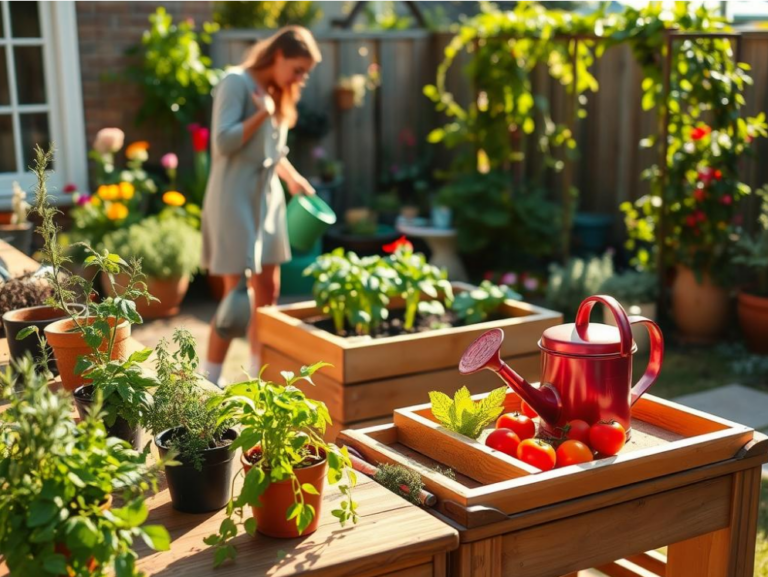

Did you know a well-planned balcony can grow up to 20 pounds of fresh produce in one season? Many think they need a big backyard to enjoy nature. But, you can turn even the smallest patio into a lush, productive space with the right tricks.
Using clever garden hacks, you can make the most of your small outdoor area. These simple tips save you time and improve plant health. You don’t need to spend a lot on fancy tools to get great results at home.
Adopting sustainable gardening means working with nature, not against it. These green methods help your garden flourish all year. Begin with a small project today and watch your tiny garden grow into something amazing.
Transforming Small Spaces with Vertical Gardening
You can turn any bare wall into a lush, productive oasis by embracing the power of vertical growth. When ground space is at a premium, these clever garden hacks allow you to cultivate a thriving environment without needing a large backyard. By training plants to climb or using wall-mounted systems, you effectively multiply your growing area.
Benefits of Vertical Gardening
One of the primary advantages of growing upward is the significant improvement in air circulation. When foliage is lifted off the ground, it stays drier, which helps prevent common fungal diseases. This simple shift in your layout is one of the most effective garden hacks for maintaining healthy, vibrant plants.
Vertical structures also provide better sunlight exposure for every leaf. Your plants grow more evenly when they are not shaded by their neighbors. Plus, harvesting is much easier on your back, as your crops are positioned at a comfortable height.
Best Plants for Vertical Spaces
Choosing the right varieties is essential for a successful vertical setup. Vining plants like pole beans, cucumbers, and peas are natural climbers that thrive on trellises. For smaller spaces, you can also grow herbs or leafy greens in wall-mounted pockets or hanging baskets.
Follow this plant care advice to ensure your vertical garden remains productive throughout the season. Consistent watering is vital, as containers and vertical pockets tend to dry out faster than ground soil. Always check the moisture levels daily during the peak of summer.
| Plant Type | Support Needed | Sunlight Requirement |
|---|---|---|
| Pole Beans | Sturdy Trellis | Full Sun |
| Cherry Tomatoes | Heavy-duty Cage | Full Sun |
| Leaf Lettuce | Wall Pocket | Partial Shade |
| Climbing Peas | Netting | Partial Sun |
Remember that vertical plants often require extra nutrients because they are confined to smaller volumes of soil. Incorporating high-quality organic fertilizer into your routine is a key piece of plant care advice that will keep your vertical garden flourishing from spring until the first frost.
Utilizing Container Gardening Techniques
Container gardening is a top garden hack for city folks. It lets you move plants to catch the sun or shield them from bad weather. Even tiny balconies or patios can become lush green spaces with pots.
Choosing the Right Containers
The key to a great container garden is the right pot. Make sure your pots have proper drainage holes to avoid waterlogged roots. Without these, your plants might get root rot, ruining your garden.
Think about the pot material too. Terracotta pots breathe better, while plastic holds moisture longer. Pick a size that lets your plant’s roots grow as it gets bigger.
Soil Tips for Container Plants
Don’t use regular garden soil in your pots. It’s too dense and can harm your plants. Instead, use a light, special potting mix made for containers.
These mixes have ingredients like peat moss and perlite for good drainage. Adding organic compost helps feed your plants all season. Keeping the soil light helps your plants grow strong and healthy.
Best Vegetables for Pots
Not all veggies do well in small spaces. Look for compact or dwarf cultivars made for containers. These varieties grow well without needing a big root system.
Some top picks for pots are:
- Cherry Tomatoes: They’re easy to grow and love the sun.
- Bush Beans: They’re small and easy to handle.
- Radishes: Quick-growing and have shallow roots, perfect for shallow pots.
- Leafy Greens: Lettuce and spinach do great in pots and can be picked over and over.
By following this plant care advice, you can get a lot of fresh produce from a small space. These garden hacks make it easy to enjoy homegrown food all year.
Smart Watering Hacks for Everyday Efficiency
Sustainable gardening begins with how you water your soil. Effective water management ensures every drop helps your plants thrive. These garden hacks keep your space vibrant without wasting water.
DIY Drip Irrigation System
Building a drip system with household items delivers water right to the roots. This cuts down on evaporation and keeps leaves dry, preventing diseases. Here’s how to make one:
- Clean a plastic bottle and poke small holes in the cap with a heated needle.
- Cut off the bottle’s bottom for a funnel to refill easily.
- Bury the bottle with the cap down next to your plant, making sure it’s secure.
- Fill the bottle with water, letting it slowly feed the roots over time.
Watering Schedule Best Practices
Consistency is crucial to avoid overwatering or dehydration. Plants do best with a regular watering schedule that meets their needs. Always check the soil moisture before adding more water to prevent root rot.
Watering in the early morning is best. It lets the moisture soak in before the day gets hot. This is a key part of sustainable gardening that reduces runoff. A regular watering routine gives your plants the stability they need to grow well all season.
Maximizing Light with Reflective Surfaces
Using reflective surfaces is a top organic gardening hack for small spaces. Light is key for plant growth, and more light means healthier plants. Reflective tools help direct sunlight to shaded areas of your yard.
Using Mirrors to Enhance Sunlight
Mirrors in your garden can redirect light to shaded plants. Place them to catch direct sun during the day. Be careful not to burn leaves with too much sun.
Choose weather-resistant mirrors for durability. Mount them on walls or lean them against garden structures. This simple trick makes your garden brighter and promotes growth all season.
Painting Fences White for Better Light
Dark fences or walls absorb light, hurting your plants. Painting them white or light colors reflects light. This brightens your garden without taking up more space.
A light background also enhances your plants’ appearance, adding a modern look. It’s a simple, long-lasting way to improve your plants’ health. Here’s how different surfaces affect your garden’s light:
| Surface Type | Reflectivity Level | Best Use Case |
|---|---|---|
| Glossy White Paint | High | Dark, narrow alleyways |
| Polished Mirrors | Very High | Targeting specific plants |
| Light Wood Stain | Medium | Natural, rustic aesthetics |
| Matte Dark Paint | Low | Decorative focal points |
Creative Uses for Household Items in the Garden
Your trash bin might actually hold the key to a more productive and sustainable garden. By looking at common waste as a resource, you can implement clever gardening tips that save money and reduce your environmental footprint. Many items destined for the landfill can serve a second life as functional tools in your green space.
Upcycling Plastic Bottles as Planters
Plastic bottles are incredibly versatile for small-scale growing. You can easily cut them to create self-watering planters that keep your herbs hydrated for longer periods. Simply invert the top portion into the base to create a reservoir system that allows soil to draw moisture as needed.
For those with limited space, these bottles also work perfectly as vertical hanging systems. By stringing them together with sturdy twine, you can create a living wall of greens. These organic gardening hacks are perfect for apartment dwellers or anyone looking to maximize their balcony space.
Old Towels as Gardening Tools
Do not throw away those worn-out bath towels just yet. Old fabric is excellent for moisture-wicking, which helps keep your garden beds consistently damp during hot summer days. You can bury strips of cotton towel near the roots of thirsty plants to act as a slow-release water source.
Further, these towels serve as protective covers for delicate seedlings during unexpected cold snaps. Simply drape the fabric over your young plants at night to trap heat and prevent frost damage. These simple gardening tips prove that you do not need expensive equipment to protect your harvest.
| Household Item | Primary Garden Use | Key Benefit |
|---|---|---|
| Plastic Bottles | Self-watering planters | Reduces watering frequency |
| Old Towels | Seedling frost protection | Saves plants from cold |
| Egg Cartons | Seed starting trays | Biodegradable convenience |
| Coffee Grounds | Soil amendment | Adds nitrogen naturally |
Integrating these organic gardening hacks into your routine helps you maintain a healthy garden while being mindful of waste. Start small by repurposing one or two items this weekend to see the immediate impact on your plants.
Effective Pest Control Without Chemicals
Keeping pests out of your small garden is easy without harsh chemicals. Organic methods make your garden safe for your family and wildlife. These gardening tips help your plants grow well without chemicals.
Natural Repellents That Work
Use homemade solutions to keep pests away. Planting herbs like basil, mint, or rosemary near veggies keeps insects off. This plant care advice keeps your garden safe and productive.
Mixing mild soap with water makes a good spray for aphids. Test it on a small leaf first. Consistency is key for keeping your garden healthy.
Beneficial Insects to Attract
Attracting helpful bugs is a great gardening tip. Ladybugs and lacewings eat pests like mites and aphids. Plant nectar-rich flowers like marigolds or yarrow to attract them.
Offer a small water source, like a shallow dish with pebbles, to keep them around. This natural defense means less need for manual pest control. Follow this plant care advice for a vibrant, pest-free garden all season.
Enhancing Soil Quality with Organic Matter
Improving your garden soil is a rewarding outdoor DIY project. It gives amazing results. Healthy soil is key for every plant’s success, offering the nutrients they need to grow.
By using sustainable gardening methods, you make your backyard a thriving ecosystem.
Composting Basics for Home Gardens
Composting turns kitchen scraps into nutrient-rich soil. Start by collecting fruit peels, vegetable scraps, and coffee grounds in a bin. Over time, they turn into dark, crumbly humus.
This humus improves soil structure and helps it hold water better.
It’s important to mix “green” nitrogen-rich materials with “brown” carbon-rich items. Sustainable gardening uses this natural cycle to feed plants without synthetic additives. Turning your compost pile regularly helps it break down faster.
Homemade Fertilizer Recipes
You don’t need expensive chemicals to keep your plants healthy. Many household items can be used as fertilizers. For example, crushed eggshells add calcium, and compost tea gives a quick nutrient boost.
Here’s a table to help you choose the right organic amendments for your garden:
| Amendment Type | Primary Nutrient | Best Use Case |
|---|---|---|
| Compost | Balanced NPK | General soil improvement |
| Crushed Eggshells | Calcium | Tomatoes and peppers |
| Coffee Grounds | Nitrogen | Leafy greens and shrubs |
| Banana Peels | Potassium | Flowering plants |
Companion Planting for Bigger Yields
Learning about plant relationships is key to great organic gardening hacks. By putting certain plants together, you help them grow better. This strategic approach makes your garden more productive and less dependent on chemicals.
Best Pairings for Vegetables
Some veggies do better when they’re near certain friends. For example, basil and tomatoes together can make the tomatoes taste better and keep pests away. This outdoor DIY trick helps your garden stay balanced all season.
Also, pair tall plants with short ones to use light better. Lettuce under pepper plants stays cool and doesn’t bolt early. These tweaks can really boost your harvest.
Flowers That Attract Pollinators
Adding flowers to your veggie garden is crucial. They attract bees and butterflies, which help your veggies make fruit. Marigolds and zinnias are great for welcoming these helpful insects.
These flowers are more than pretty; they protect your crops. A diverse garden is less likely to get pests. Using these organic gardening hacks turns your small garden into a thriving oasis.
| Vegetable | Best Companion | Benefit |
|---|---|---|
| Tomatoes | Basil | Improves flavor and repels flies |
| Carrots | Onions | Deters carrot rust flies |
| Cucumbers | Nasturtiums | Repels beetles and aphids |
| Peppers | Marigolds | Protects against nematodes |
Trying these pairings is a great outdoor DIY project. Start with just a few to see how it changes your garden. You’ll soon see how much healthier your plants become with these simple changes.
Seasonal Hacks for Year-Round Gardening
Knowing the seasons is key to a lively and productive garden. With the right green thumb tricks, your plants stay healthy all year. Regular care stops damage and keeps your garden growing through every season.
Protecting Plants in Winter
When it gets cold, keep your plants warm. Use a thick layer of organic mulch to keep soil warm and protect roots. Also, use breathable frost covers to stop ice from forming on leaves.
These organic gardening hacks are crucial in the cold months. Don’t cover plants with plastic, as it can cause rot. Instead, use stakes to hold fabric above your plants.
Preparing Your Garden for Spring
When the frost melts, it’s time to get your soil ready for spring. Clear away debris and old mulch to let the sun warm the soil. Add fresh compost to your beds for nutrients.
Cleaning your containers is also important in spring. Wash pots with mild soap to remove old pathogens. These easy green thumb tricks will boost your garden’s health and beauty.
| Season | Primary Task | Key Benefit |
|---|---|---|
| Winter | Mulching | Root insulation |
| Spring | Soil Amendment | Nutrient boost |
| Year-Round | Organic gardening hacks | Sustainable health |
Easy Ways to Organize Your Gardening Tools
A well-organized workspace is key for every gardener. When your tools are easy to find, you spend less time looking and more time caring for your plants. These green thumb tricks will keep your space clutter-free and boost your productivity.
DIY Tool Storage Solutions
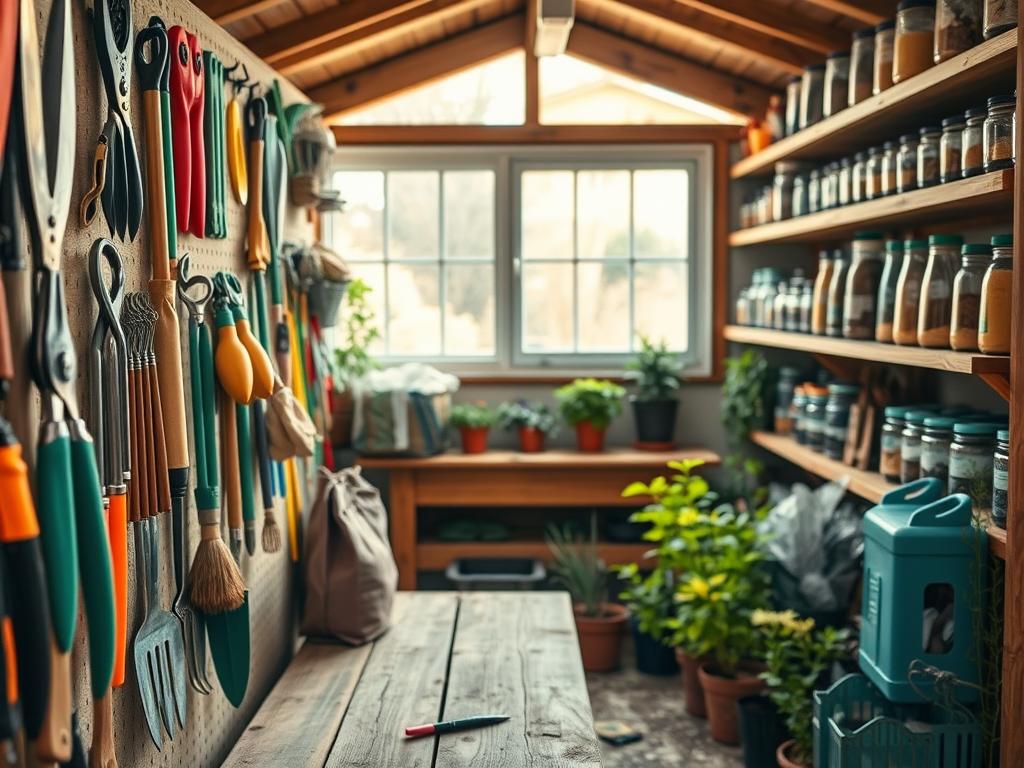
You don’t need fancy cabinets to organize your tools. A pegboard on a shed wall is a simple solution. It lets you hang shovels, rakes, and shears right where you need them. Customizing your storage means each item has its place, preventing rust and damage.
Think about using old pallets or PVC pipes for vertical slots for long tools. These organic gardening hacks keep your area neat and protect your tools from the weather. Keeping tools off the ground also makes them last longer.
Creating a Gardening Schedule
Consistency is crucial for a healthy garden. A gardening schedule helps you remember important tasks like planting and pruning. Use a wall calendar or a digital app to keep track of your gardening journey.
Divide your tasks into weekly goals to stay on track. For instance, spend one morning weeding and another checking soil moisture. These green thumb tricks help you manage your gardening duties, even when it’s busy.
Also, keep a small notebook to jot down your observations. Recording which organic gardening hacks work best will help you improve your gardening skills. Staying organized is the best way to enjoy gardening.
Inspiring Your Gardening Creativity
Your garden is a canvas for your style and a quiet spot for inspiration. Even small spaces can feel big with depth and varied plant heights. These projects turn small areas into lush, vibrant spots.
Design Ideas for Small Gardens
Make a focal point with a stone birdbath or a colorful bench. Use tiered shelving for your favorite succulents or herbs. These hacks help you use every inch of your outdoor space.
Incorporating Art and Decor in Your Space
Hang weather-resistant metal wall art on fences for texture and personality. Solar-powered lanterns along paths create a warm glow at night. Adding personal touches makes your garden feel like home.
Now you have the tools to create a beautiful sanctuary. Start your next project today and watch your garden flourish. Share your progress with others to keep the creativity alive.