
Did you know your backyard can grow over 300 pounds of veggies a year? Many think growing food stops with the frost. But, with the right plan, your garden can thrive all year.
Creating a successful year round garden plan is key. It means breaking free from old seasonal habits. By following a continuous harvest garden guide, your soil stays fertile and your kitchen full of fresh food.
This approach lets you enjoy your garden’s bounty all year. You’ll learn to pick the best crops and manage your space. Let’s dive into building a garden that keeps giving, rain or shine.
Understanding the Basics of Year-Round Gardening
Creating a successful year round garden plan begins with knowing the basics. Many think gardening is only for summer. But, with the right methods, you can keep your garden going all year.
What is Year-Round Gardening?
Year-round gardening means growing food all year, not just in summer. It uses special plants and covers to grow food in all seasons. You need to watch the weather and plan your planting.
“To plant a garden is to believe in tomorrow.”
Benefits of a Year-Round Garden
A year round garden plan boosts your food security. You don’t have to buy all your greens in winter. It also helps your mental health and keeps you active in winter.
| Feature | Traditional Gardening | Year-Round Gardening |
|---|---|---|
| Harvest Window | Limited to 3-4 months | Available all 12 months |
| Maintenance | Seasonal bursts of work | Consistent, steady effort |
| Food Security | Low to moderate | High and reliable |
Essential Gardening Terms to Know
To make your year round garden plan work, learn some key terms. Knowing these will help you choose the right plants and protect them.
- Hardiness Zones: These areas show which plants will do well in your climate.
- Frost Dates: Knowing when the first and last frosts hit is key for planting.
- Succession Planting: Planting new crops right after harvesting others uses your space well.
- Cold Frames: These simple, clear covers protect young plants from cold.
Choosing the Right Location for Your Garden
Finding the perfect spot for your garden is key to a resilient garden design. By checking your landscape first, you can avoid future problems. This helps your plants grow better.
A good spot helps your plants do well all year. It gives them the right environment to thrive.
Sunlight and Its Importance
Sunlight changes with the seasons. Watch your yard in different months to find the best light spots.
For winter crops, a southern exposure works best. It catches the low winter sun, keeping plants warm when it’s cold.
Soil Quality and Preparation
Good soil is essential for a resilient garden design. Test your soil to see its texture and how well it drains.
If your soil is too clay-like or sandy, add organic matter. This helps roots get nutrients and water, no matter the season.
Access to Water Sources
Having a reliable water source is crucial for a resilient garden design. Make sure your garden is close to water to avoid moving heavy hoses.
Think about using drip irrigation or a rain barrel near your plants. This saves time and keeps plants watered when it’s dry.
| Site Factor | Ideal Condition | Impact on Growth |
|---|---|---|
| Sunlight | 6-8 hours daily | High yield potential |
| Soil Drainage | Loamy and loose | Prevents root rot |
| Water Access | Within 25 feet | Consistent hydration |
| Wind Exposure | Sheltered area | Reduces plant stress |
Deciding the Types of Plants for Your Garden
To make a garden that lasts, you need to pick plants wisely. Knowing how plants act in your area helps you make a garden that’s good all year. It should give you food and beauty.
Perennials vs. Annuals
Annuals grow, bloom, and die in a few months. They’re great for quick food and color. Perennials come back every year from the same roots.
Using a perennial planting schedule in your garden plan keeps it stable. Annuals need replanting, but perennials help keep the soil good. Mixing both types makes your garden work well without too much work.
Vegetables and Their Growing Seasons
Vegetables like kale and spinach do well in cool weather. Tomatoes and peppers need it hot to grow well.
Planting at the right time is key. Knowing your local weather helps you plant at the best times. This way, you can always have something growing.
Selecting the Right Herbs
Herbs are key for any kitchen garden. Some, like rosemary, are tough and can handle cold. Others, like basil, are soft and need protection.
Picking the right herbs means knowing how to protect them. Mixing hardy and soft herbs keeps your kitchen fresh all year.
| Plant Category | Life Cycle | Primary Benefit |
|---|---|---|
| Annual Vegetables | One Season | High yield and variety |
| Perennial Plants | Multiple Years | Low maintenance and stability |
| Hardy Herbs | Multiple Years | Year-round culinary access |
Planning Your Garden Layout
Creating a good all season garden layout means using your space wisely. You need to think about what each crop needs. This way, every part of your garden works hard to give you fresh food all year.
Organizing your garden well saves time and boosts your harvest. It’s all about making the most of your space.
Raised Beds vs. In-Ground Gardens
Deciding between raised beds and in-ground gardens depends on your soil and comfort. Raised beds are great for bad soil because they drain well and let you control the soil. They also warm up faster, helping your plants grow sooner.
In-ground gardens are cheaper for big areas and need less setup. If your soil is good, planting directly in it is sustainable and natural. Think about your site before choosing a garden type.
Companion Planting Strategies
Companion planting means putting certain crops together to help them grow and keep pests away. This way, you use your space better by growing plants up and down. For example, sunflowers can shade lettuce, keeping it cool in summer.
“The garden is a teacher that never stops giving, provided you listen to the needs of the soil and the plants.”
Grouping plants that need similar things makes your garden better. This way, you don’t need chemicals. Diversity is the key to a strong and healthy garden.
Crop Rotation Considerations
Keeping your soil healthy is key, and a seasonal crop rotation planner helps a lot. Rotating crops stops soil from getting worn out and keeps pests away. Don’t plant the same veggies in the same spot for at least three years.
Move heavy feeders like tomatoes to new spots each season. Then, plant nitrogen-fixing legumes. This keeps your soil rich and cuts down on fertilizers. With good planning, your garden will stay lively and productive for years.
Seasonal Planting Calendar for Your Region
Success in the garden starts with a reliable schedule tailored to your local climate. A gardening calendar helps manage seeds and transplants for continuous growth. This approach ensures your soil stays productive all year.
Spring Planting Guidelines
Spring is the time to wake up your garden beds after the winter chill. Check your local frost dates to move seedlings outdoors safely. A well-planned perennial planting schedule helps establish root systems before summer’s heat.
- Start cool-season vegetables like peas and spinach indoors early.
- Prepare your soil by adding organic compost before the first thaw.
- Monitor soil temperatures to ensure they are warm enough for sensitive seeds.
Summer Planting Tips
As temperatures rise, focus on heat-loving crops that thrive in the sun. Keep your four season gardening calendar up to date by monitoring moisture levels. Ensure your plants get enough water to survive summer’s peak.
Mulching is key during these months to keep roots cool and retain moisture. Start succession planting for fast-growing crops like radishes or beans. Prune back overgrown foliage to improve airflow and prevent disease.
When to Plant in Fall and Winter
Fall offers a second chance to grow many favorite vegetables. Plant cool-weather crops like kale, carrots, and beets while the soil is still warm. These plants often taste better after a light frost.
Winter gardening requires protection to keep plants alive during freezing nights. Use cold frames or row covers to extend your growing season. By following your gardening calendar, you can enjoy fresh produce even in frosty weather.
Soil Health: The Foundation of Your Garden
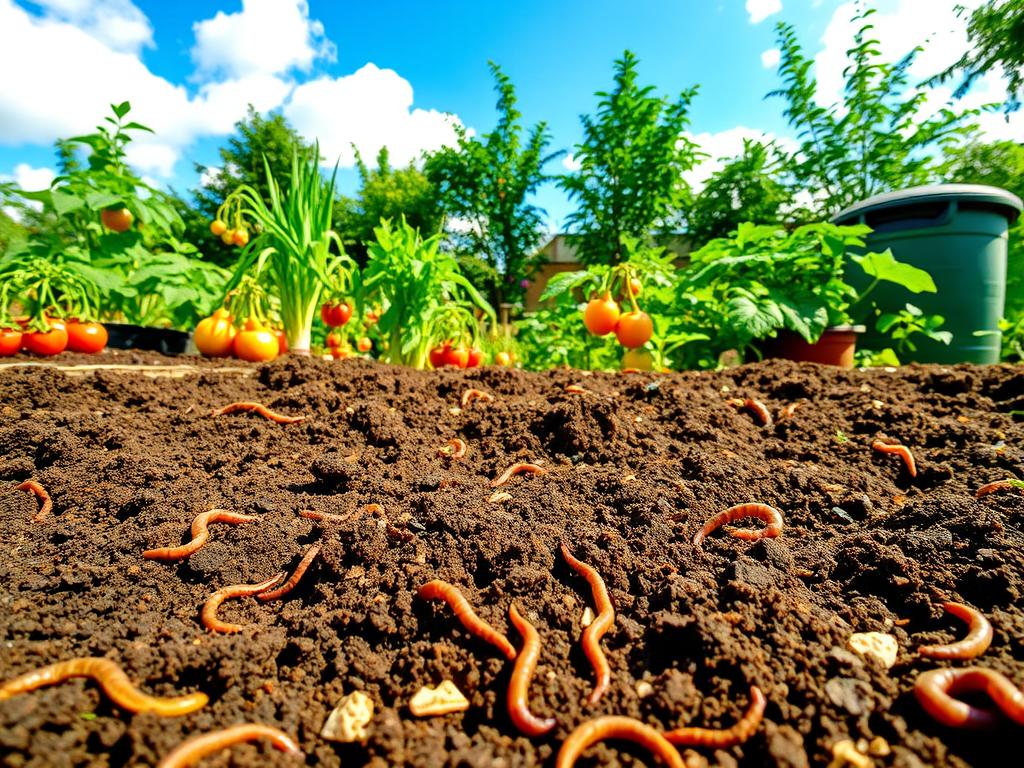
Healthy soil is key to a sustainable gardening plan. It gives plants the nutrients they need to grow well all year.
Testing Soil pH and Nutrients
Before planting, know what your soil lacks. Many garden stores sell at-home testing kits. These kits check pH levels and nutrients like nitrogen, phosphorus, and potassium.
A good pH range is 6.0 to 7.0 for most veggies. If your soil is off, plants can’t get the nutrients they need. Testing regularly helps you make smart choices for your garden.
Organic Amendments for Improvements
After testing, add organic amendments to improve soil. Well-rotted manure or compost helps clay or sandy soils. They hold water better and support good microbes.
Put these amendments in the top few inches of your beds before planting. Doing this keeps your soil rich and supports strong growth year-round.
Composting Basics for Year-Round Use
Composting turns garden waste into a valuable fertilizer. Mix kitchen scraps, dried leaves, and grass clippings. This makes a natural fertilizer that’s free and works well.
Keep your compost pile moist and turn it often. This quickens decomposition. It ensures you always have organic matter for your sustainable gardening plan.
| Amendment Type | Primary Benefit | Best Application Time |
|---|---|---|
| Compost | Improves soil structure | Spring and Fall |
| Bone Meal | Adds Phosphorus | At planting time |
| Wood Ash | Raises pH levels | Late Winter |
| Leaf Mold | Increases moisture | Autumn cleanup |
Pest Control and Garden Protection
Building a strong garden means knowing how to fight off pests. Keeping your plants safe from pests is key to a healthy harvest. Watch closely to catch problems early and stop them from getting worse.
Common Pests to Watch For
Seasons change, and so do the pests in your garden. Look under leaves and at plant bases for signs of pests. Spotting them early is the best way to keep your garden healthy.
- Aphids: These tiny bugs cluster on new growth and suck plant sap.
- Slugs and Snails: Active at night, they eat holes in leaves and hostas.
- Japanese Beetles: They can quickly eat leaves in summer.
- Cabbage Worms: Found on brassicas, they harm kale and broccoli.
Organic Pest Control Methods
You don’t need harsh chemicals to protect your garden. Organic methods can stop pests by interrupting their life cycle or attracting natural predators. Consistency is key when using these methods.
Introduce beneficial insects like ladybugs or lacewings to eat aphids. Neem oil or insecticidal soaps can also manage pest outbreaks safely. Physical barriers, like copper tape for slugs or fine mesh netting, offer a safe defense for your plants.
Seasonal Garden Protection Tactics
Using a seasonal crop rotation planner helps reduce pests naturally. Moving plants to different beds each year stops pests from staying in one place. This simple action breaks pests’ feeding cycles.
Also, use physical barriers as the seasons change. Row covers in spring keep moths away from seedlings. Cleaning up garden debris in winter removes pests’ hiding spots. These steps keep your garden a productive sanctuary all year.
Watering Techniques for an All-Year Garden
Watering your garden right is key to success. It keeps your plants strong all year. By using water wisely, you save it and keep your soil healthy.
Efficient Watering Systems
Good irrigation tools save you time. Drip irrigation systems are top picks. They water the roots, not the leaves, saving water.
Here are some tips for better watering:
- Soaker hoses: They slowly release water into the soil.
- Automatic timers: They keep your garden watered even when you’re not there.
- Mulching: It keeps the soil moist and stops weeds.
Best Times and Frequencies to Water
When you water matters a lot. Water in the early morning when it’s cooler. This lets the soil absorb it better.
Don’t water at night. It can cause diseases. Morning watering keeps your plants healthy and dry.
Harvesting Rainwater for Your Garden
Collecting rainwater is good for your garden and wallet. Rain barrels are easy to set up. They give you clean water for your plants.
Use a mesh screen to keep out debris. Place your barrels high for gravity flow. This way, you have water when it’s dry.
Maintaining Your Garden Throughout the Year
A healthy garden needs small, regular tasks done with care. Staying proactive stops minor issues from becoming big problems. This keeps your plants productive and looking good, no matter the weather.
Pruning and Weeding Practices
Pruning helps your plants grow and produce more. Remove dead or damaged branches to improve air circulation and stop fungal diseases. Use sharp, clean tools for quick healing cuts.
Weeding is key for a thriving garden. Weeds take water, sunlight, and nutrients from your plants. Pull weeds early to keep your garden clean and your crops healthy.
Fertilization Schedules
Feeding your soil is crucial for its long-term health. Create a fertilization schedule that fits your gardening calendar. This ensures your plants get nutrients when they need them most. Always follow the instructions on organic products to avoid harming your plants.
Think about your plants’ growth stages when fertilizing. Leafy greens and flowering vegetables have different needs. Keeping a log of your fertilizing helps you adjust for future cycles.
Seasonal Cleanup Tasks
Seasonal cleanup keeps your four season gardening calendar on track. In autumn, remove spent annuals and add mulch to protect the soil. This prepares your garden for spring.
In warmer months, clear debris and fallen leaves. This keeps pathways clear and pest-free. A well-maintained four season gardening calendar lets you smoothly move between planting phases. Regular chores create a sustainable garden that rewards you all year.
Indoor Gardening: Extending Your Garden’s Life
Even when the outdoor season ends, your journey to a continuous harvest garden guide doesn’t have to stop. By bringing your plants inside, you can keep a productive space even when it’s cold or rainy outside. This way, you can keep growing all year round.
Selecting Indoor Plant Varieties
Not every plant does well indoors. So, picking the right ones is key. Look for plants that grow well in pots and don’t spread out too much. Herbs like basil, chives, and parsley are great for indoor pots because they need little space.
Microgreens or dwarf vegetables made for indoor growing are also good choices. They do well with less light and less room for roots. Picking the right seeds is a crucial step in your continuous harvest garden guide.
Best Practices for Indoor Gardening
Success indoors means creating a natural environment for your plants. Make sure your pots have proper drainage holes to avoid root rot. Use fresh, draining potting mix to feed your plants.
Good air flow is also key for healthy plants. Use a small fan or keep plants from getting too crowded. Keep an eye on moisture to avoid too much or too little water.
Grow Lights and Their Importance
During winter, natural light is often not enough. Grow lights are essential for indoor gardening. They give the light plants need to grow and thrive. High-quality LED grow lights help your plants produce well all year.
Where you place the grow lights is just as important as the lights themselves. Keep them at the right distance to avoid overheating and ensure your plants get enough light. Following these tips will help your continuous harvest garden guide and keep your indoor garden going all year.
| Plant Type | Light Requirement | Water Frequency | Best Container |
|---|---|---|---|
| Leafy Greens | Medium-High | Every 2-3 days | Wide, shallow pot |
| Culinary Herbs | High | When top inch is dry | Small terracotta pot |
| Microgreens | High | Daily misting | Flat seedling tray |
| Dwarf Peppers | Very High | When soil feels dry | Deep plastic pot |
Utilizing Greenhouses and Cold Frames
You can turn your backyard into a productive oasis with greenhouses and cold frames. These tools help you keep a all season garden layout going all year, no matter the weather. They create a warm spot for plants to grow, even when it’s cold outside.
Types of Greenhouses
Choosing the right greenhouse is key. It depends on how much space you have and what plants you want to grow. Many start with simple designs and then move to more advanced ones.
- Hoop Houses: These are easy to set up and use plastic film. They’re great for starting spring crops early.
- Polycarbonate Greenhouses: They’re well-insulated and last a long time. Perfect for growing plants all year in cold places.
- Glass Greenhouses: They look beautiful and let in lots of light. They’re the top choice for serious gardeners.
Benefits of Cold Frames
Cold frames are like mini greenhouses that sit on the ground. They’re incredibly effective at keeping seedlings safe from cold snaps in spring or fall.
“A garden is a grand teacher. It teaches patience and careful watchfulness; it teaches industry and thrift; above all, it teaches entire trust.”
They trap heat during the day and keep the soil warm at night. This lets you get plants ready to move into your garden beds.
Cost Considerations for Structures
When planning your garden, think about the cost of the setup. A custom glass house is expensive, but DIY kits are cheaper and still work well.
Here are some things to consider when setting a budget:
| Structure Type | Cost Level | Best For |
|---|---|---|
| DIY Hoop House | Low | Budget-conscious beginners |
| Cold Frame | Low to Medium | Seedling protection |
| Polycarbonate Kit | Medium to High | Year-round production |
Remember to include the cost of foundation materials and ventilation. Spending more on quality now can save you money later.
Resources for Continued Gardening Education
Learning to garden all year takes dedication to learning forever. You can get better by reading books on resilient garden design. This helps your plants do well in every season.
Recommended Books and Magazines
Books like “The Vegetable Gardener’s Bible” by Edward C. Smith teach you about green gardening. Magazines like Organic Gardening give tips for each season. These help keep your garden healthy all year.
Online Gardening Communities and Forums
Places like GardenWeb or the r/gardening community on Reddit are great for sharing. You can get help with problems and learn to make your garden better for your area.
Local Gardening Workshops and Events
Look for classes at your local botanical garden or university extension office. Learning from experts in your area is very helpful. It makes gardening a fun and lasting hobby.